
 EN
EN  English
 Español
 Français
 Deutsch
 Nederlands

- Type:
- Industry News
- Date:
- 2025-04-11

Industry News
Adjustable Elevated Dog Bowls for Improving Posture and Comfort
Many dogs eat from bowls on the floor and that's fine — but for some dogs, using adjustable elevated dog bowls to raise the food and water to a comfortable height makes a real difference.An adjustable dog feeder lets your dog eat with less bending, which eases strain on the neck, shoulders, and spine. That can mean fewer spills, less gulping, and in older or large-breed dogs, noticeably more comfort at mealtime.
What Problems Raised Bowls Address
When a dog must hunch down to eat, it can lead to a few common issues:
- Neck and back strain – especially in older dogs or breeds with joint problems.
- Faster eating and gulping – can worsen digestion for dogs that gulp or are prone to bloat.
- Messy mealtimes – food and water scatter more when bowls sit on the floor.
An adjustable feeder raises the bowl to roughly shoulder height, so the dog eats in a more neutral posture. That small change often reduces awkward bending and makes mealtimes calmer.
Practical Benefits You'll Notice
- Fits different sizes – Most adjustable stands cover a useful range so you can set the right height for puppies, adult dogs, and seniors.
- Less mess – Elevated bowls keep food and water more contained; fewer spills means less cleaning.
- Easier for joints – Dogs with arthritis or hip issues often show less stiffness around mealtimes when they don't have to crouch.
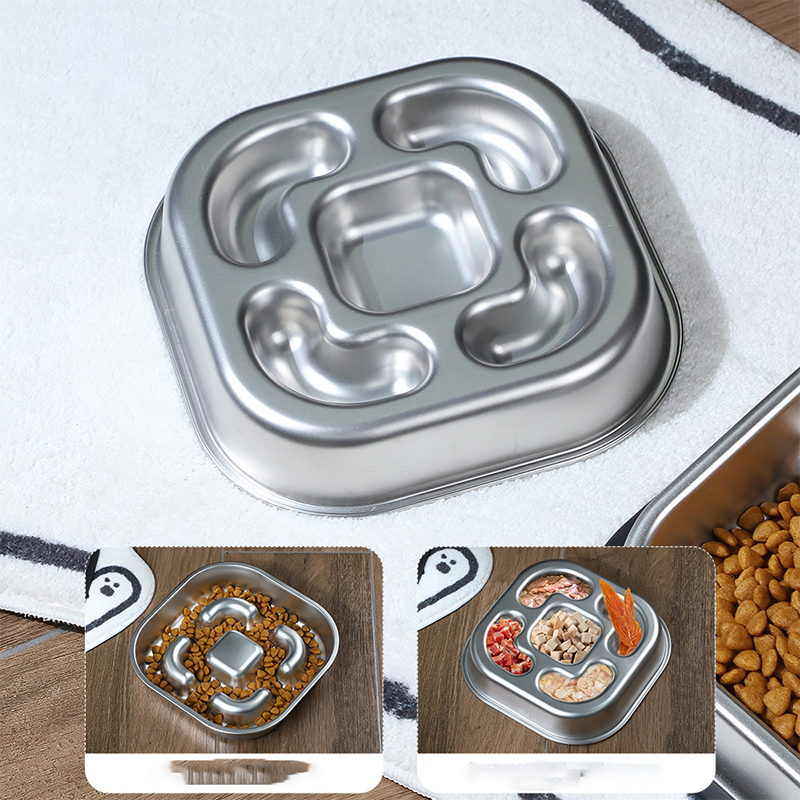
- Optional slow-feeder inserts – Some stands accept slow-feed bowls to discourage gulping.
Picking the Right Adjustable Feeder
Not all elevated feeders are created equal. Here's what to check before you buy:
Material
- Stainless steel bowls – easy to clean, rust-resistant, and durable.
- Wood, bamboo, or ceramic stands – can look nicer at home but check they're sealed and easy to wipe.
- Plastic options – lightweight and portable; pick BPA-free plastics.
Stability and Safety
- Non-slip feet keep the stand steady on tile or wood floors.
- Bowl holders should lock the bowls in place so an enthusiastic paw or tail doesn't send them sliding.
- Check the stand's build so it won't wobble when your dog leans in.
Ease of Adjustment
- Look for tool-free height changes so you can raise or lower the stand quickly as your dog grows or if you use the feeder for different dogs.
- A locking mechanism that actually stays put matters — you don't want the stand to shift mid-meal.
How to Move Your Dog Onto an Elevated Feeder
Some dogs take to a new bowl immediately; others are cautious. Try this simple approach:
- Put their normal food in the raised bowl for a few meals.
- Praise and offer a small treat the first few times they eat from it.
- When food is accepted, add the water bowl too so they get used to both.
- If your dog seems uneasy, move the height down a notch for a few days, then raise it gradually.
A Few Extra Tips
- If your dog gulps quickly, try a slow-feeder bowl insert with the elevated stand to slow them down.
- Keep the bowls clean and dry between uses — elevated setups can trap drips under the stand.
- For very small or very large breeds, measure from the floor to the dog's lower chest or shoulder and match that to the feeder's height range.
Who Benefits Most
- Seniors and dogs with joint pain.
- Large or giant breeds that strain to reach low bowls.
- Multi-dog households where you want an adjustable solution that fits different sizes.
- Owners who want neater feeding areas with fewer spills.
Related Products
-
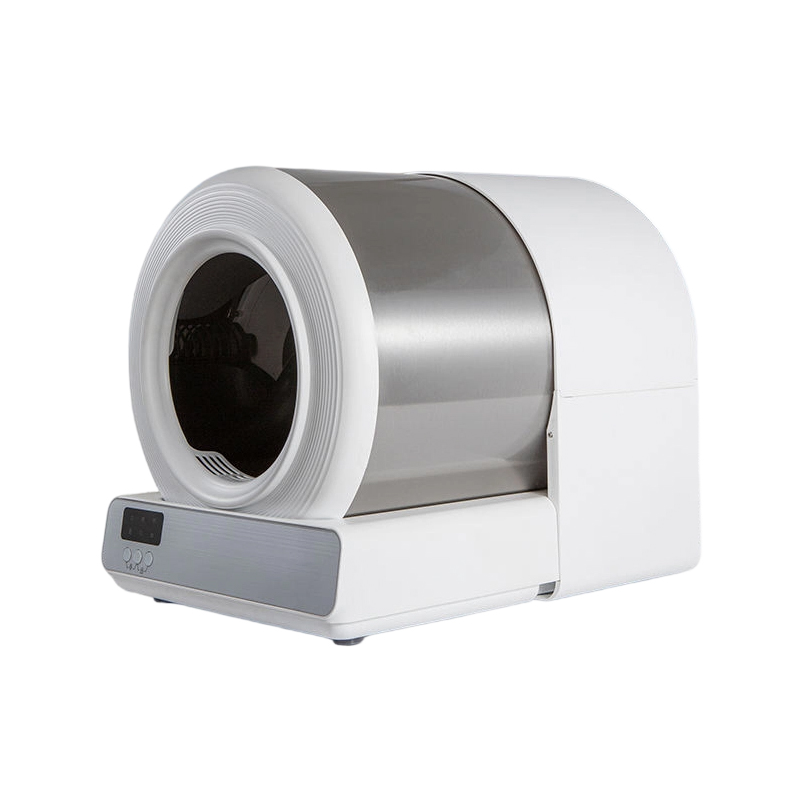
Cat Litter Tray For Multiple Cats Automatic Cat Litter Tray
Cat Litter Tray for Multiple Cats Automatic Cat Litter Tray – Product Features The high-pressure washable, safety-focused design facilitates compr...
View More -
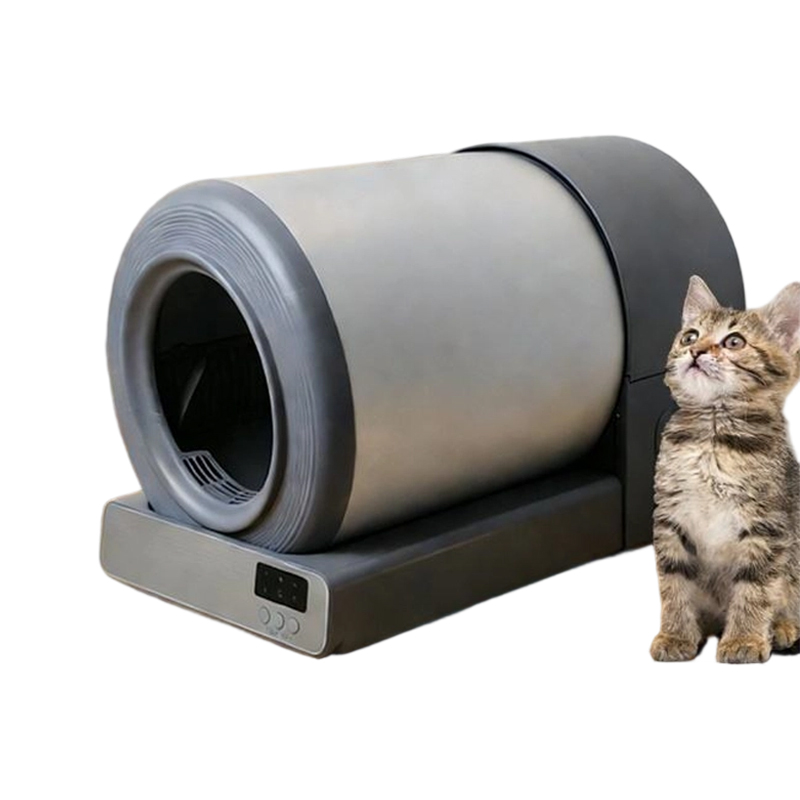
Self-Cleaning Stainless Steel Smart Cat Litter Tray
Self-Cleaning Stainless Steel Smart Cat Litter Tray – Product FeaturesThe preferred choice for non-profit organisations; compatible with open-top bi...
View More -
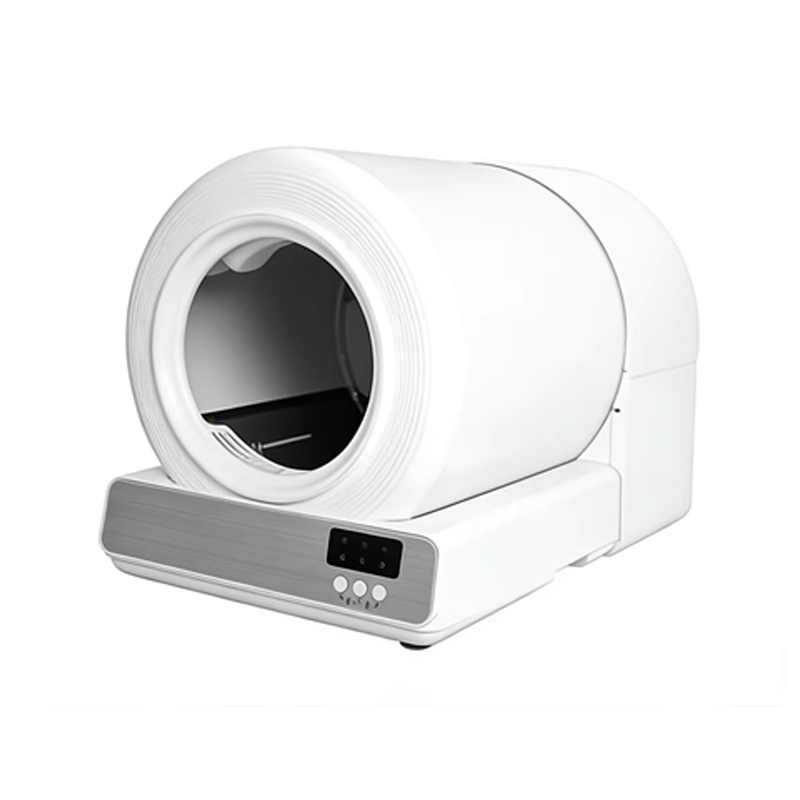
Second-Generation Fully Automatic Cat Litter Tray
Second-Generation Fully Automatic Cat Litter Tray – Product Features With a large 65-litre capacity, it easily accommodates a substantial amount of ...
View More -
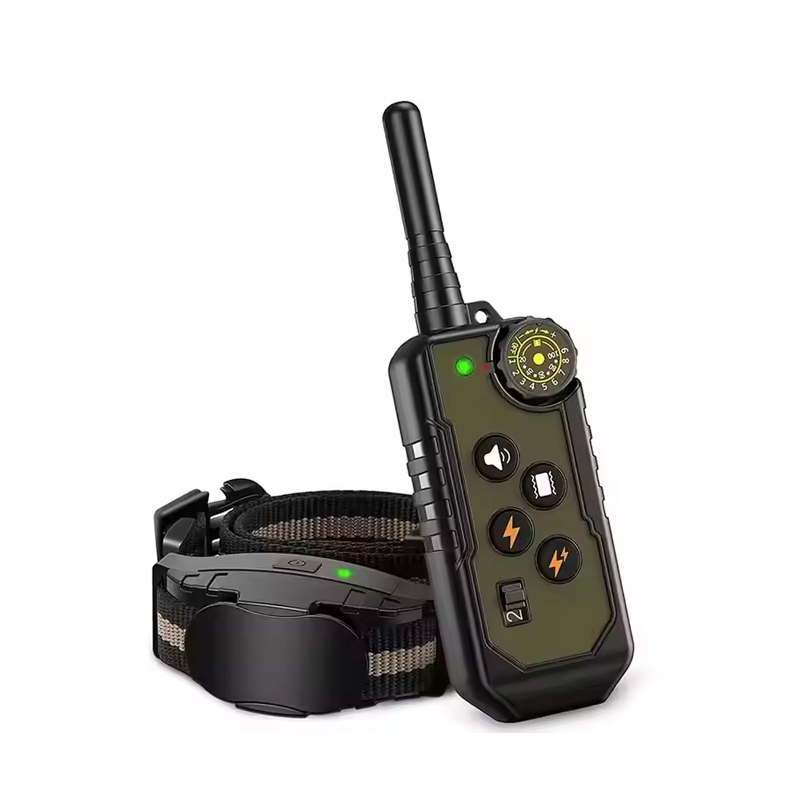
Multi-Mode Easy To Operate Training Shock Collar
The Multi-mode, easy-to-operate training Shock Collar is designed to provide a practical solution for owners seeking a safe and effective way to train...
View More -
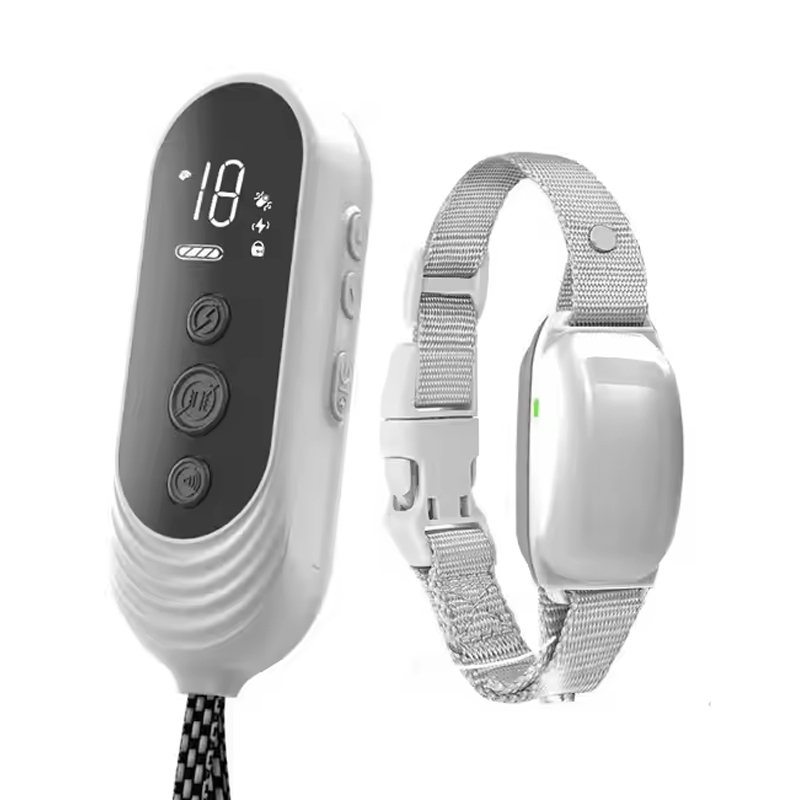
Waterproof Adjustable Polyester Training Shock Collar
The Waterproof Adjustable Polyester Training Shock Collar offers a reliable solution for pet owners seeking a versatile and durable collar to enhance ...
View More -
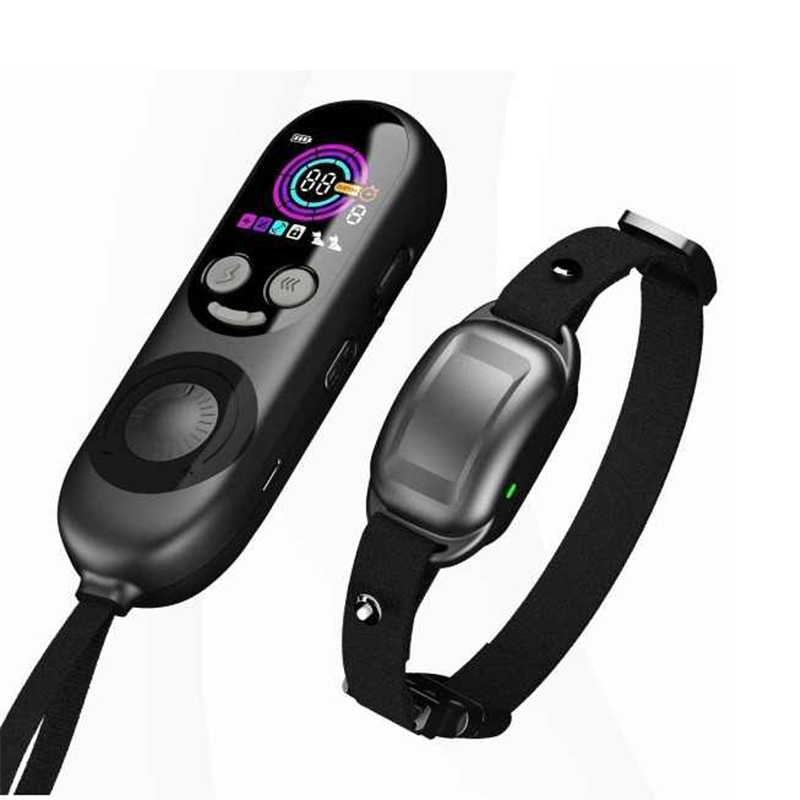
Display Remote Control Training Shock Collar
The Display Remote Control Training Shock Collar is designed to provide pet owners with a reliable and humane solution for training their dogs. Whethe...
View More -
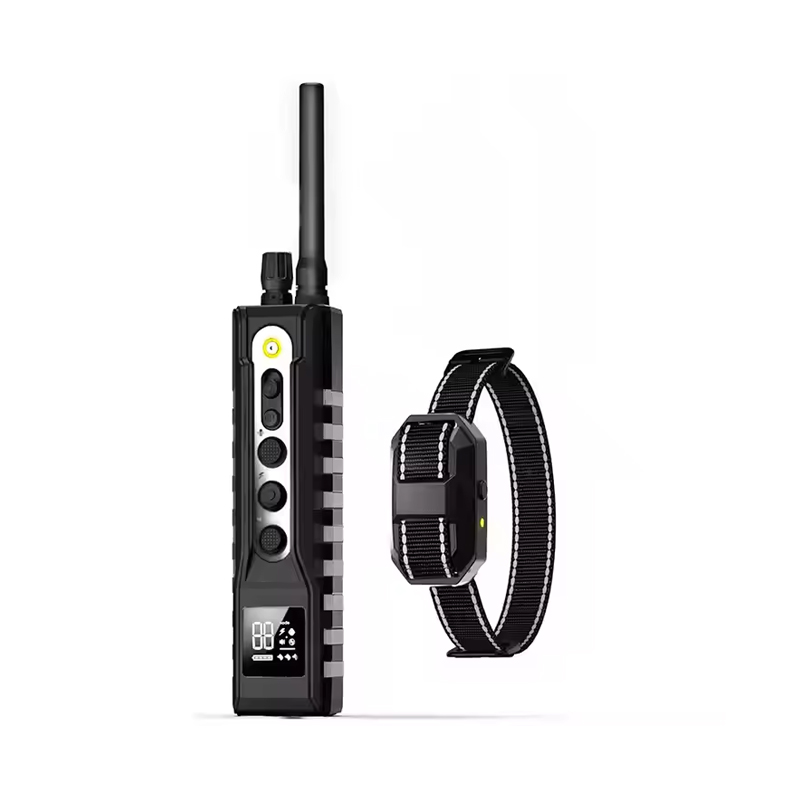
Multi-Function Long Distancetraining Shock Collar
The Multi-function Long Distance Training Shock Collar is a highly versatile tool designed to support your dog’s training across various environment...
View More -
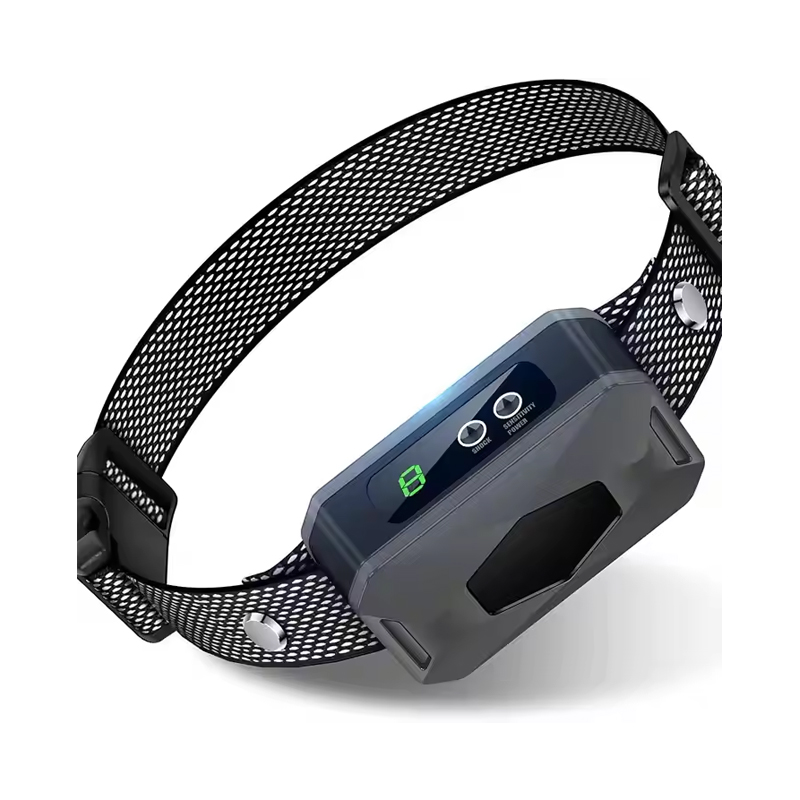
Remote Control Waterproof Training Shock Collar
The Remote Control Waterproof Training Shock Collar is an advanced training tool designed to help pet owners effectively manage their dogs’ behavior...
View More
Pet Products
If you have any questions, please
get in touch with us.
+86-13486854214
E-mail: [email protected]
Address: No. 258, Qingchuan Road, Huzhen Town, Jinyun County, Lishui City, Zhejiang Province
Copyright © Zhejiang Beijing Technology Co., Ltd.

OEM/ODM Smart Pet Care Factory