
 EN
EN  English
 Español
 Français
 Deutsch
 Nederlands

- Type:
- Industry News
- Date:
- 2026-04-03

Industry News
Are Smart Pet Water Blower Energy-Efficient and Eco-Friendly
Pet care technology has been moving fast lately. What used to be basic, no-frills tools for grooming or feeding have quietly turned into smart devices loaded with features that focus on convenience, safety, and even a bit of environmental thoughtfulness. Among all these new gadgets, smart pet water blowers have started catching people's eyes.
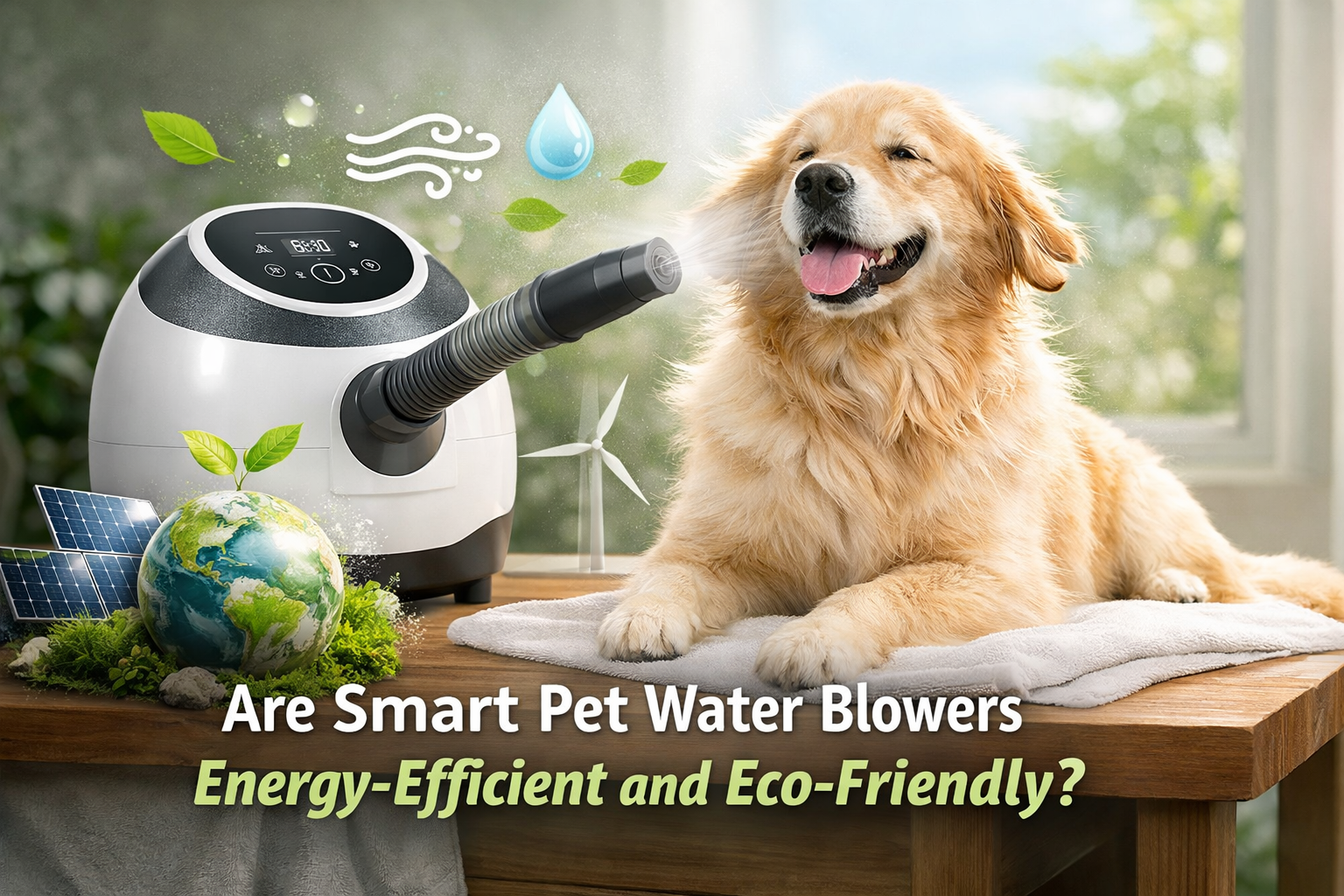
The real questions on a lot of owners'minds are pretty straightforward: just how energy-efficient are these things in day-to-day use, and can they honestly be called eco-friendly, or is that mostly marketing talk?
How Do Smart Pet Water Blowers Work?
Pet water blowers work in a noticeably different way from the clunky, old-fashioned drying and cleaning tools that many of us grew up with. Rather than simply blasting out a constant stream of air at one fixed speed and temperature, these newer devices combine several functions into one compact unit: precise airflow control, smart temperature regulation, and in some models, even built-in water filtration. Everything works together so the blower can handle drying, rinsing, or refreshing your pet's coat without needing separate tools.
At the heart of the system are small, responsive sensors that continuously read key details about your pet—things like their size, how thick or long their coat is, and even their current activity level or mood. Based on that real-time information, the blower automatically fine-tunes the air speed, water flow, and warmth to suit the moment. If your dog has just come in from a muddy walk and has a thick double coat, the system might ramp up the airflow a bit to get through the layers efficiently. But if you're gently drying a small cat or a short-haired puppy, it will ease back to a softer, quieter setting so it never feels overwhelming or stressful for them.
This constant, thoughtful adjustment is what really sets smart blowers apart. Traditional equipment usually runs at the same high output from the moment you turn it on until you switch it off, whether that full power is necessary or not. Smart versions, on the other hand, dial things up only when needed and dial them down the rest of the time. Your pet gets a much gentler, more comfortable experience—less noise, less heat, and no sudden blasts that make them want to bolt. At the same time, you're not burning through unnecessary electricity or water because the device is only working as hard as the situation actually requires.
That built-in adaptability forms the real foundation of their improved energy efficiency. Every session becomes tailored instead of one-size-fits-all, which means less waste, lower running costs, and a tool that feels kinder to both your pet and the environment without sacrificing performance.
What Makes Them Energy-Efficient?
Energy efficiency in pet water blowers comes from several design choices.
1. Adaptive Airflow and Heat Control
Sensors monitor the pet's coat and adjust the air temperature. Heating only when necessary minimizes electricity use. Airflow can also vary, ensuring the device does not operate at maximum power when it isn't required.
2. Automatic Shut-Off
Some models stop operating when no motion is detected or after a preset time. This prevents wasteful energy consumption if the pet leaves the area or the user forgets to turn off the device.
3. Low-Power Components
Modern blowers use motors and fans designed to consume less energy without compromising performance. The choice of materials and motor type can significantly affect energy use, as some components are more efficient than others.
4. Smart Scheduling
Certain devices allow owners to set cleaning or drying schedules. Running the blower only when needed avoids unnecessary electricity use, especially in households with multiple pets.
These strategies combine to reduce energy consumption compared with traditional pet drying equipment.
Are They Truly Eco-Friendly?
Eco-friendliness is more than energy efficiency. It involves materials, waste, and the overall impact on the environment.Pet water blowers incorporate eco-conscious design elements, but the degree varies.
1. Materials and Manufacturing
Some models use recycled plastics or metals, reducing reliance on new resources. Manufacturing processes that minimize chemical use or emissions further contribute to sustainability.
2. Water Usage
Smart blowers that include washing or rinsing functions are often designed to reduce water consumption. Sensors detect the exact amount of water needed for cleaning, avoiding excess.
3. Longevity and Maintenance
Devices built to last reduce the need for frequent replacements. Components that are easy to clean or replace can prevent the unit from becoming electronic waste.
4. Noise and Environmental Impact
Lower noise levels reduce disturbance not only for pets but also for nearby humans and wildlife. Less vibration can extend the device's lifespan, indirectly reducing environmental impact.
While smart pet blowers may not eliminate environmental effects entirely, thoughtful design choices can make them significantly more sustainable than older equipment.
How Do They Compare With Traditional Pet Dryers?
A comparison highlights the differences in energy use and ecological footprint.
| Feature | Traditional Pet Dryer | Smart Pet Water Blower |
|---|---|---|
| Energy Use | Constant high output | Adaptive, sensor-controlled |
| Water Consumption | Manual control, often excessive | Sensor-regulated, minimal waste |
| Noise Level | High, constant | Lower, varies by setting |
| Longevity | Depends on usage | Designed for durability |
| User Control | Manual operation | Automated, customizable schedules |
From this perspective, smart devices offer advantages in conserving energy and reducing unnecessary resource consumption. Their adaptive features give them a clear edge in efficiency and eco-conscious operation.
Do They Save Money in the Long Run?
Yes, most owners find that pet water blowers do end up saving money over time, even though they usually cost more upfront than a basic old-school blower.
The biggest everyday win comes from the lower running costs. Because they're so much more efficient with electricity and water, your monthly utility bills tend to creep down instead of climbing every time you use the thing. What starts as a small difference each month adds up nicely after six months or a year of regular use.
On top of that, these smart models often have lower maintenance headaches and costs. The sensors and self-regulating systems stop the blower from overheating or running harder than it needs to, so the motor and other parts don't wear out as quickly as they do in traditional fixed-speed blowers. When something does eventually need attention, many of the newer units are built with modular parts — you can usually swap out just the worn piece instead of having to throw away the whole device and buy a new one.
So while you might feel the higher price tag when you first bring it home, that extra investment tends to pay itself back through smaller electricity and water bills plus fewer repairs and replacements down the road. For a lot of households, it becomes one of those purchases that quietly starts working in your favor the longer you own it.
Are They Suitable for All Pets?
Not every pet is exactly the same, so suitability really depends on your dog or cat's size, coat type, and personality. Most pet water blowers are designed to adjust automatically, but some animals still do best with a little extra supervision from their owner, especially the first few times you use it.
For breeds with long or thick coats — think Golden Retrievers, Huskies, or any double-coated dog — the adaptive airflow and smart temperature control really shine. The blower can push just the right amount of air and warmth deep into the undercoat to dry thoroughly without turning the experience into a stressful ordeal. Your pet stays more comfortable, and you don't have to keep switching settings manually.
Smaller pets or those with finer, shorter coats (like Chihuahuas, cats, or delicate senior dogs) usually benefit from the gentler side of these machines. The system can dial the air pressure way down and keep the heat mild, so it feels more like a soft breeze than a forceful blast. This lower intensity helps cut down on the chances of dry skin, irritation, or that panicked "I need to escape" reaction you sometimes see with older, one-speed dryers.
Smart blowers tend to be kinder and safer for a wide range of pets than traditional fixed-output models because they adapt instead of overpowering. That said, if your pet is especially anxious, very young, very old, or has sensitive skin, it's still smart to stay close by during the first few sessions, watch their body language, and make small adjustments until you both find the sweet spot. With a little patience, most pets end up tolerating — or even enjoying — the process far better than with conventional blowers.
Can Households Reduce Environmental Impact by Switching?
Yes, switching to a pet water blower can be a meaningful little step toward more responsible pet care. Every time you use it, you're pulling less electricity and wasting less water than you would with an older, traditional dryer. Over months and years, those small savings add up and make a real difference in your household's overall footprint.
When you pair the blower with other everyday eco-friendly habits — recycling packaging, cutting back on single-use plastics, and being mindful about water use — it stops feeling like an isolated gadget and becomes part of a bigger, more thoughtful approach to living lighter on the planet. Families who already care about sustainability often find that choosing energy-efficient tools for their pets just fits naturally with the same mindset they apply to the rest of the house.
It's the same shift we're seeing across many homes these days: smart thermostats that don't overheat empty rooms, LED lights that last for years, and efficient kitchen appliances. Adding a smart pet care device like this blower simply lines up with that same direction — making your whole household a bit gentler on the environment without forcing you to change your daily routine in big, uncomfortable ways. For a lot of owners, it feels like one more quiet win for both their pet and the planet.
What Challenges Remain for Eco-Conscious Design?
Despite progress, challenges remain. Manufacturing electronics still involves resource extraction and emissions. Recycling components, especially motors and electronic circuits, can be difficult. Consumers must also ensure devices are used correctly to achieve energy savings; leaving units running unnecessarily negates benefits.
Ongoing innovation focuses on:
- Improved sensor accuracy
- Longer-lasting components
- Reduced water and energy consumption
- Environmentally friendly packaging and materials
As technology advances, the gap between convenience, performance, and eco-consciousness continues to narrow.
Smart pet water blowers bring together real energy efficiency and environmental awareness in a way that older, traditional dryers simply can't match.
Thanks to their adaptive systems, smart sensors, and thoughtful design, they let you groom your pet more comfortably while using noticeably less electricity and water. Instead of running at full blast all the time, they adjust automatically to what your pet actually needs in the moment. That means less wasted energy and a smaller footprint every time you use them.
No gadget is perfect or completely impact-free, but these smart blowers feel like a genuine step in the right direction for anyone who wants to take better care of their pet and the planet at the same time. You get cleaner, gentler, and safer grooming sessions at home, while quietly aligning with the bigger goal of living a little lighter on the environment. For many households, it's one of those small upgrades that just makes sense.
Related Products
-
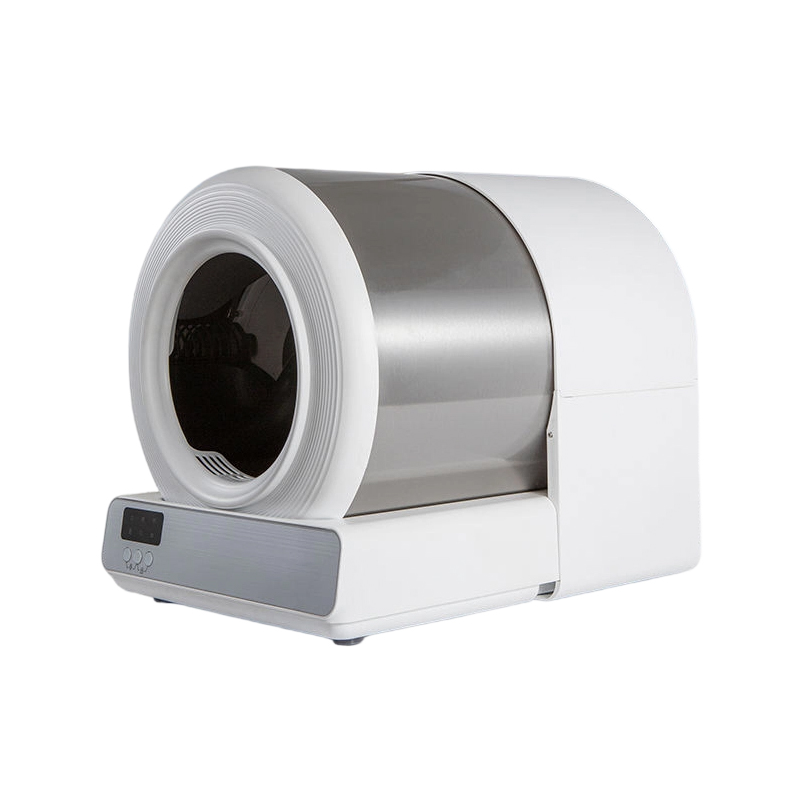
Cat Litter Tray For Multiple Cats Automatic Cat Litter Tray
Cat Litter Tray for Multiple Cats Automatic Cat Litter Tray – Product Features The high-pressure washable, safety-focused design facilitates compr...
View More -
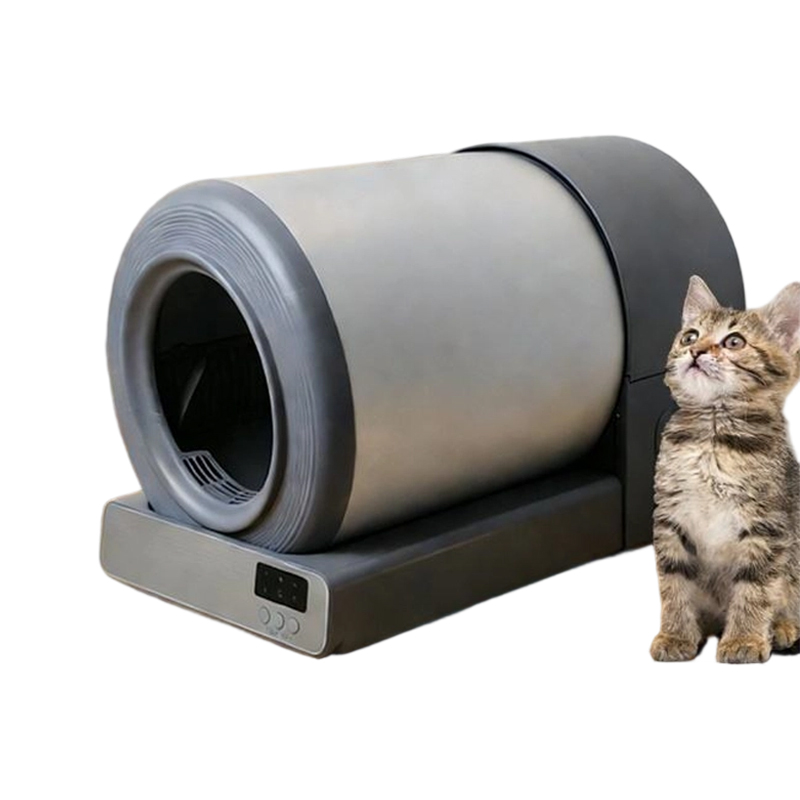
Self-Cleaning Stainless Steel Smart Cat Litter Tray
Self-Cleaning Stainless Steel Smart Cat Litter Tray – Product FeaturesThe preferred choice for non-profit organisations; compatible with open-top bi...
View More -
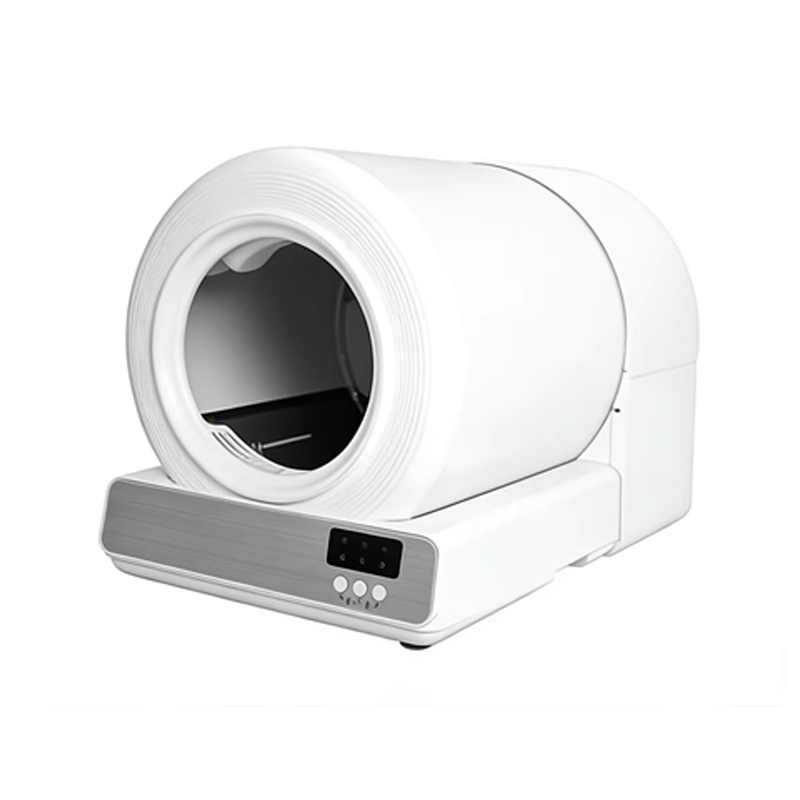
Second-Generation Fully Automatic Cat Litter Tray
Second-Generation Fully Automatic Cat Litter Tray – Product Features With a large 65-litre capacity, it easily accommodates a substantial amount of ...
View More -
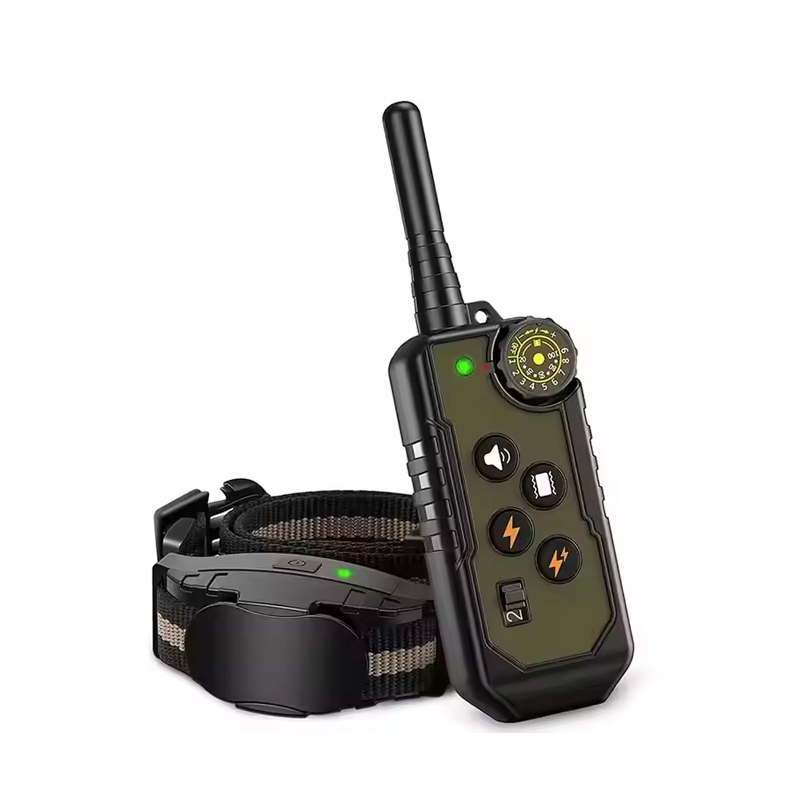
Multi-Mode Easy To Operate Training Shock Collar
The Multi-mode, easy-to-operate training Shock Collar is designed to provide a practical solution for owners seeking a safe and effective way to train...
View More -
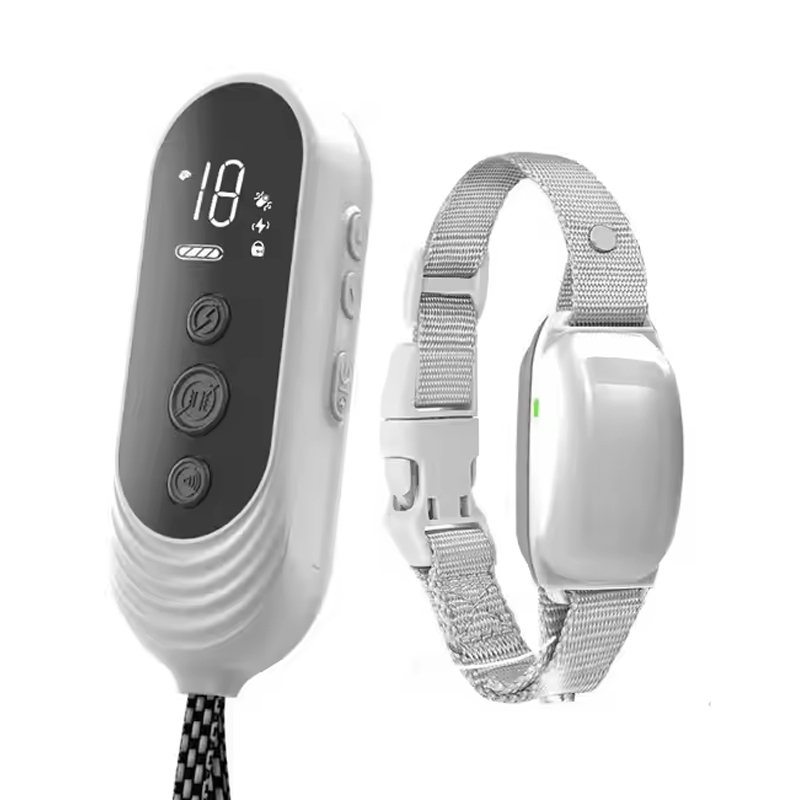
Waterproof Adjustable Polyester Training Shock Collar
The Waterproof Adjustable Polyester Training Shock Collar offers a reliable solution for pet owners seeking a versatile and durable collar to enhance ...
View More -
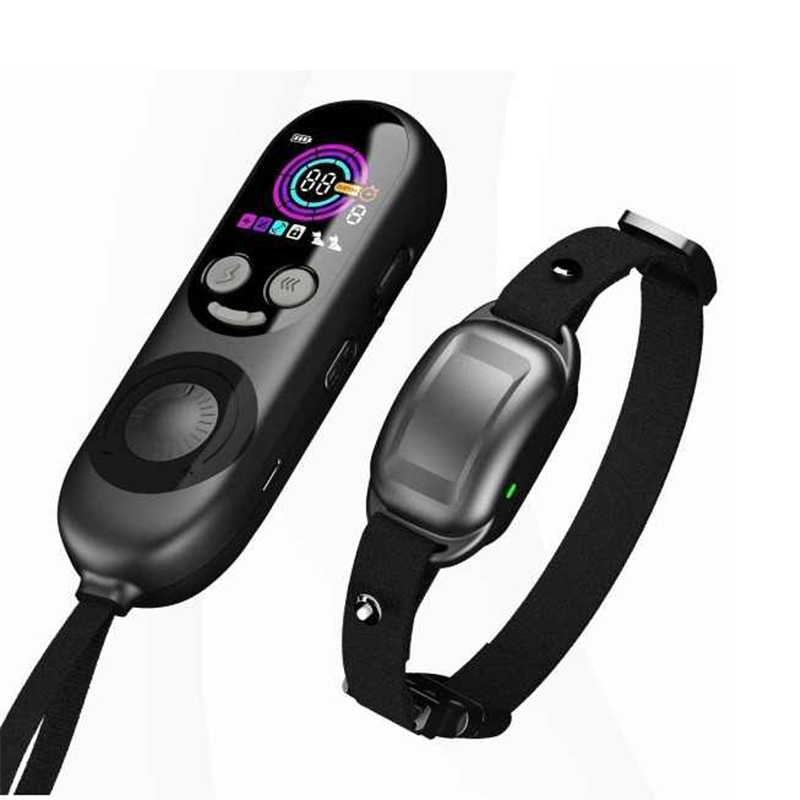
Display Remote Control Training Shock Collar
The Display Remote Control Training Shock Collar is designed to provide pet owners with a reliable and humane solution for training their dogs. Whethe...
View More -
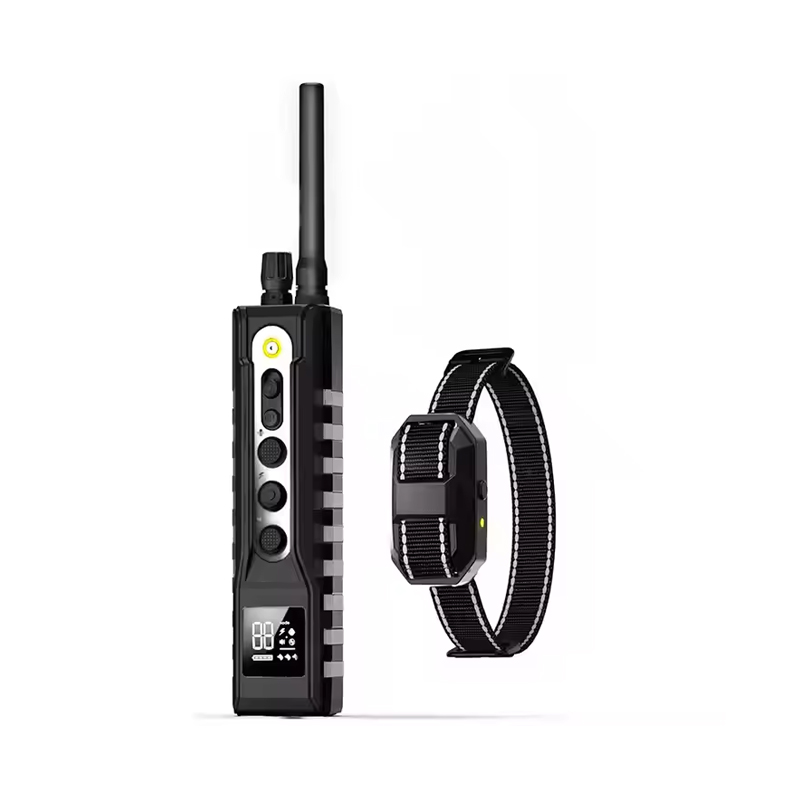
Multi-Function Long Distancetraining Shock Collar
The Multi-function Long Distance Training Shock Collar is a highly versatile tool designed to support your dog’s training across various environment...
View More -
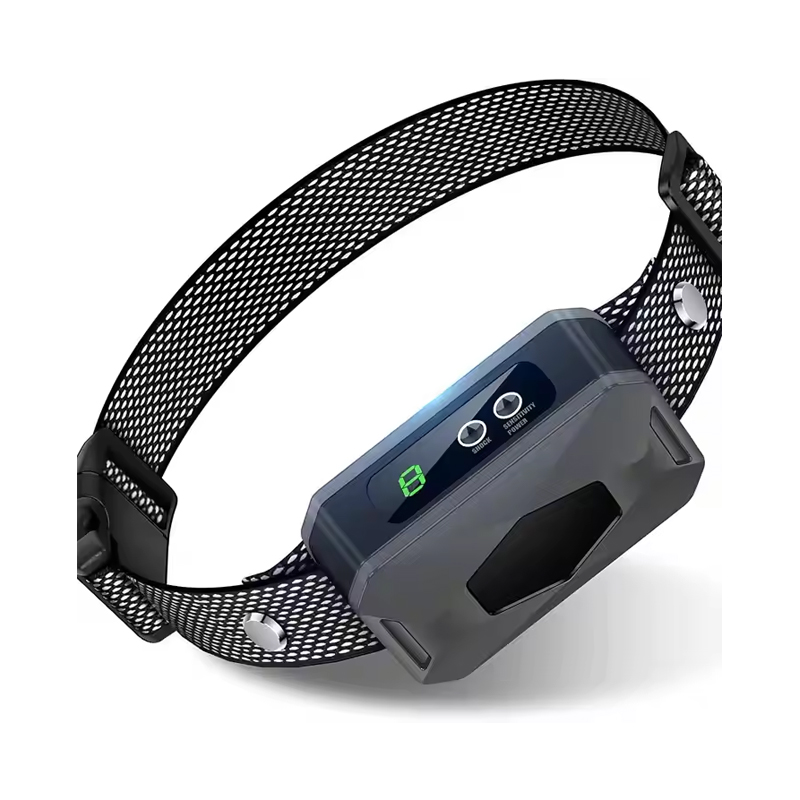
Remote Control Waterproof Training Shock Collar
The Remote Control Waterproof Training Shock Collar is an advanced training tool designed to help pet owners effectively manage their dogs’ behavior...
View More
Pet Products
If you have any questions, please
get in touch with us.
+86-13486854214
E-mail: [email protected]
Address: No. 258, Qingchuan Road, Huzhen Town, Jinyun County, Lishui City, Zhejiang Province
Copyright © Zhejiang Beijing Technology Co., Ltd.

OEM/ODM Smart Pet Care Factory