
 EN
EN  English
 Español
 Français
 Deutsch
 Nederlands

- Type:
- Industry News
- Date:
- 2026-01-02

Industry News
How Does a Cat Litter Box Automatic Cleaning Work
For cat owners, managing the mess that comes with a pet's litter box is often a daily, unpleasant chore. However, advancements in technology have made this task easier and more efficient. Automatic cat litter boxes are now a popular solution, offering a hands-off approach to cleaning, saving time and ensuring a cleaner, more hygienic environment for both cats and their owners. But how exactly do these modern litter boxes work?
What is Cat Litter Box Automatic Cleaning?
Automatic cat litter boxes rely on a mix of sensors, motors, and smart cleaning features to take care of waste removal all by themselves. While each one looks a little different, they all work toward the same simple idea: handling the cleanup automatically so owners can skip the daily scooping.
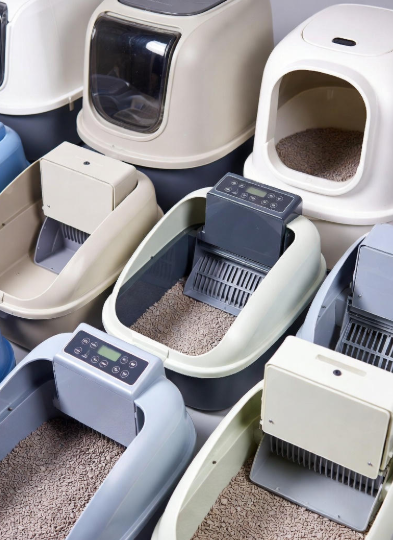
Once a cat steps out after using the box, the device holds off for a short while—often anywhere from a few minutes to about twenty—to give the cat plenty of time to wander away comfortably. After that pause, the cleaning cycle kicks in. A rake may sweep smoothly through the litter to gather clumps, a screening system might drop clean litter back down while holding onto the waste, or the container could gently turn or tip to let gravity separate everything.
Whatever the method, these boxes keep the litter fresh and the space inviting with hardly any work from the owner. Cats get a reliably clean spot each visit, and people free up moments for other things in their day.
What types of cleaning mechanisms are there?
Automatic cat boxes come with different approaches to handling waste removal. Each style has its own way of getting the job done, fitting various preferences in homes.
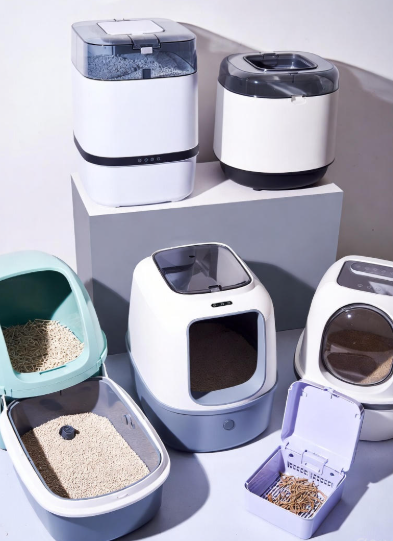
a. Raking Mechanism Boxes with a raking system feature a comb-like tool that passes through the litter. A motor drives it forward, gathering clumps as it goes and pushing them into a separate compartment. From there, the waste ends up in a container that owners empty by hand when needed.
This setup works well for people seeking straightforward efficiency with little ongoing fuss. Every now and then, a quick wipe of the rake keeps everything moving smoothly.
b. Rotating Drum Mechanism In drum-based designs, the litter sits inside a rounded chamber that turns slowly. As it rotates, clean granules slip through openings and drop back into the main area, while clumps stay trapped in another section. The collected waste waits in a drawer or bin for easy disposal.
Many find this method runs more quietly than others. Some versions spin in either direction, which helps loosen any stuck material and keeps the process reliable.
c. Sifting Mechanism Sifting systems rely on grids or screens that shift the litter. The movement—often powered by a motor or aided by gravity—lets clean litter pass through while directing clumps into a holding area.
This approach stands out for its simplicity, with fewer complex parts involved. Owners might find themselves emptying the waste section a bit more often, but the overall operation stays uncomplicated and effective.
| Cleaning Mechanism | Description | Benefits | Considerations |
|---|---|---|---|
| Raking Mechanism | A rake-like mechanism moves through the litter, separating waste and clean litter. | Simple, effective for small to medium boxes. | Can require occasional manual cleaning of the rake. |
| Rotating Drum Mechanism | A rotating drum separates waste from clean litter by rotating a cylindrical drum. | Quiet, efficient waste removal. | May take up more space and be bulkier. |
| Sifting Mechanism | A mesh screen sifts through the litter to separate waste from clean litter. | Simple design, no moving parts like a rake or drum. | May need frequent emptying of the waste compartment. |
What are the functions of sensors and timers?
Automatic cat litter boxes include sensors that notice when a cat steps in and then leaves. The usual setup involves motion detection, which picks up the cat's movement and signals when the area is clear. This way, the cleaning only starts once the cat is done, avoiding any disruption while the pet is inside.
The built-in delay plays an important part too. Most designs wait a certain amount of time—often several minutes up to around twenty—before kicking off the cycle. That pause gives the litter a chance to settle and any wet spots to harden into solid clumps, which makes the removal process smoother and more thorough.
How is waste collected and processed?
Once the cleaning separates the waste, it moves to a dedicated storage spot. Nearly all automatic boxes feature a pull-out drawer or bin that holds the collected material. Owners simply slide it out to empty when full, which might happen every few days or once a week, based on how often the cat uses it.
Many include sealed compartments to keep odors locked in. These often come with liners that absorb smells or built-in deodorizing elements, helping maintain a fresh environment around the box.
For extra ease, certain designs go further by using bags that close off the waste on their own. This keeps everything contained without the owner needing to handle it directly, making disposal quick and mess-free.
What are the advantages of automatic litter boxes?
The boxes bring several practical benefits compared to the usual hands-on cleaning routine.
a. Convenience The standout perk is how much easier they make things. Owners no longer face the daily task of scooping. The box manages its own upkeep, cutting down on both time and hassle. This proves especially useful for people with packed schedules or homes that have more than one cat.
b. Hygiene These systems help maintain a fresher and healthier setup. Waste gets cleared away more often, which limits bacteria buildup and keeps smells at bay. The regular movement also stirs the litter, stopping clumps from sticking to the sides—something that can be tricky to handle by hand.
c. Odor Control Smells stay better contained with these boxes. Sealed storage areas, along with liners or elements that trap odors, work to keep the air fresh. The difference shows clearly in homes with several cats or in tighter living areas.
d. Time-Saving Manual cleaning can eat into the day, particularly if it needs doing more than once. An automatic box frees up those moments, letting owners focus on playing with or cuddling their cat instead. It also lowers the chance of skipping a cleanup, which helps avoid lingering odors or extra mess.
| Benefit | How It Helps |
|---|---|
| Convenience | Reduces daily chores by automating cleaning, saving time. |
| Hygiene | Helps keep the box cleaner, reducing bacteria growth and odors. |
| Odor Control | Many models include odor-trapping mechanisms for a fresher home. |
| Time-Saving | Less time spent on maintenance means more time with your cat. |
What should be considered when choosing an automatic litter box?
These boxes offer clear upsides, yet a few key points deserve thought before bringing one home.
a. Size of the Box The dimensions need to suit the cat comfortably. Since cats vary in build, picking a roomy enough option matters. One that's cramped might make the pet uneasy and discourage regular use.
b. Noise Level Certain models produce noticeable sounds during the cleaning phase. For cats that startle easily, this could become an issue. Quieter versions or those with features to muffle operation often work better in such cases.
c. Maintenance Though daily scooping drops off, some care remains necessary. The waste holder requires regular emptying, and parts like sensors or moving components benefit from occasional cleaning to stay reliable. Different designs vary in how much attention they need, so reviewing care instructions helps.
d. Price These automated options generally cost more upfront than basic boxes. The long-term gains in ease and cleanliness balance that for many, but comparing the value against the initial outlay makes sense for most buyers.
How to Maintain an Automatic Cat Litter Box?
Even though boxes handle most of the daily cleanup on their own, a bit of regular care keeps them running reliably for a long time.
- Empty the waste drawer: Owners usually pull out and empty the collection area about once a week. In homes with several cats, this might need to happen more often to avoid overflow.
- Clean the sensors and motor: Wiping down the sensors and moving parts from time to time helps everything operate without hiccups. A gentle clean following basic guidelines prevents dust or residue from causing issues.
- Replace litter: Fresh litter needs adding periodically, just as with any box. A full change every few weeks keeps things optimal, depending on the litter variety and daily use.
- Check for clogs: It helps to glance over the mechanism now and then for any stuck spots, especially with litters that form tight clumps. Clearing minor blockages by hand restores smooth function quickly.
These straightforward habits ensure the box stays dependable, delivering steady convenience and a fresh space for the cat.
Are Automatic Litter Boxes Right for You?
Automatic cat litter boxes provide a practical way for owners to cut down on the routine work of keeping the cat's area clean and pleasant. They handle much of the effort themselves, offering noticeable gains in ease, freshness, and extra free time that many find worthwhile.
That said, they do not suit every situation perfectly. Some cats, especially those easily startled or set in their ways, might need a gradual introduction to get used to the occasional sounds or motions. The upfront expense can also feel steep for certain budgets.
For people who prioritize low-effort upkeep and a consistently tidy setup, though, these boxes often prove rewarding. Picking a suitable design and staying on top of simple care routines creates a smooth, hygienic experience that benefits both the cat and the household.
Related Products
-
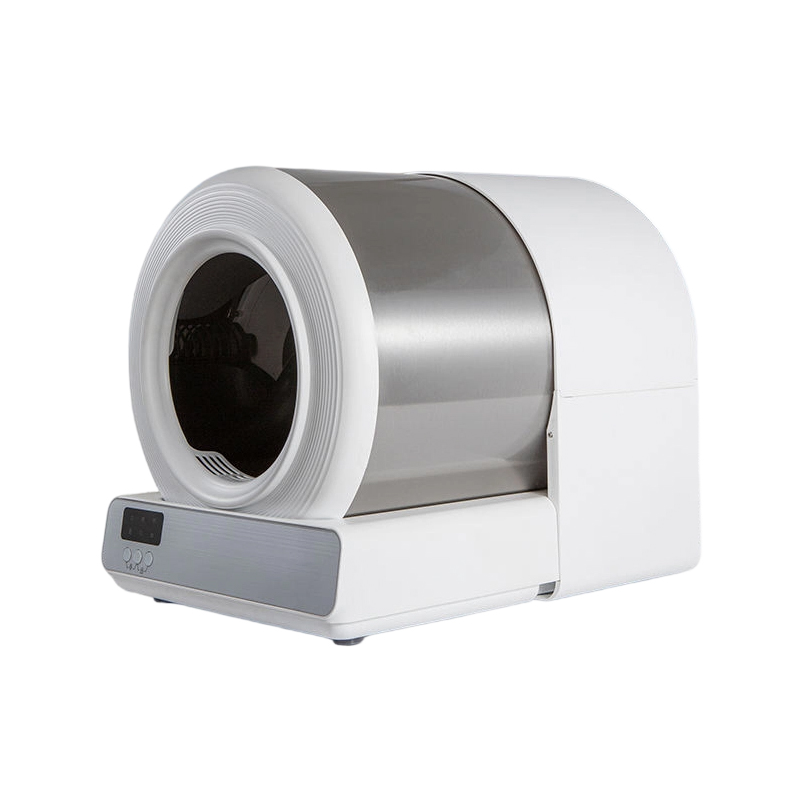
Cat Litter Tray For Multiple Cats Automatic Cat Litter Tray
Cat Litter Tray for Multiple Cats Automatic Cat Litter Tray – Product Features The high-pressure washable, safety-focused design facilitates compr...
View More -
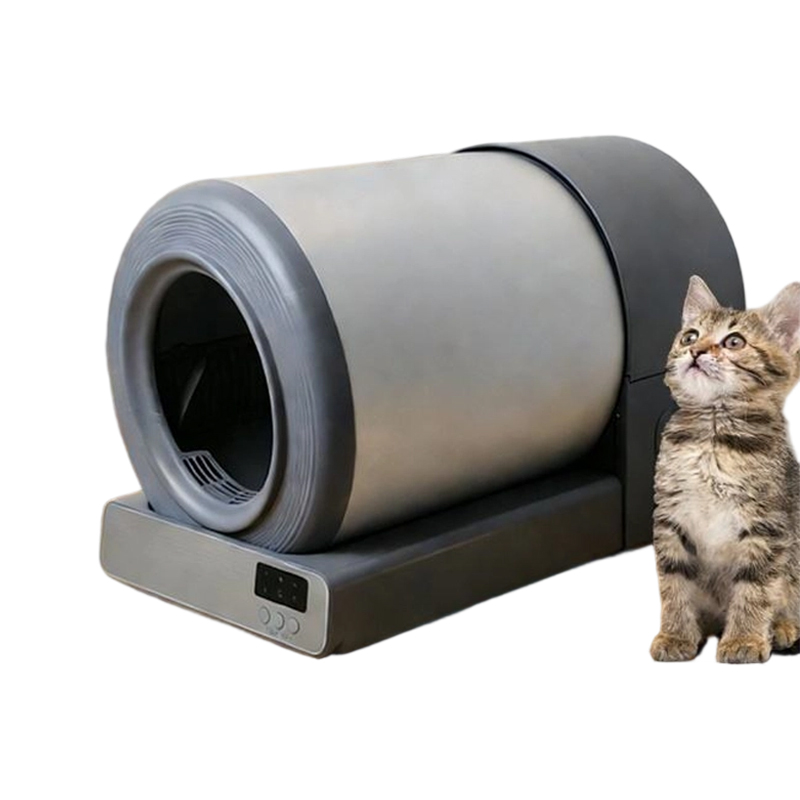
Self-Cleaning Stainless Steel Smart Cat Litter Tray
Self-Cleaning Stainless Steel Smart Cat Litter Tray – Product FeaturesThe preferred choice for non-profit organisations; compatible with open-top bi...
View More -
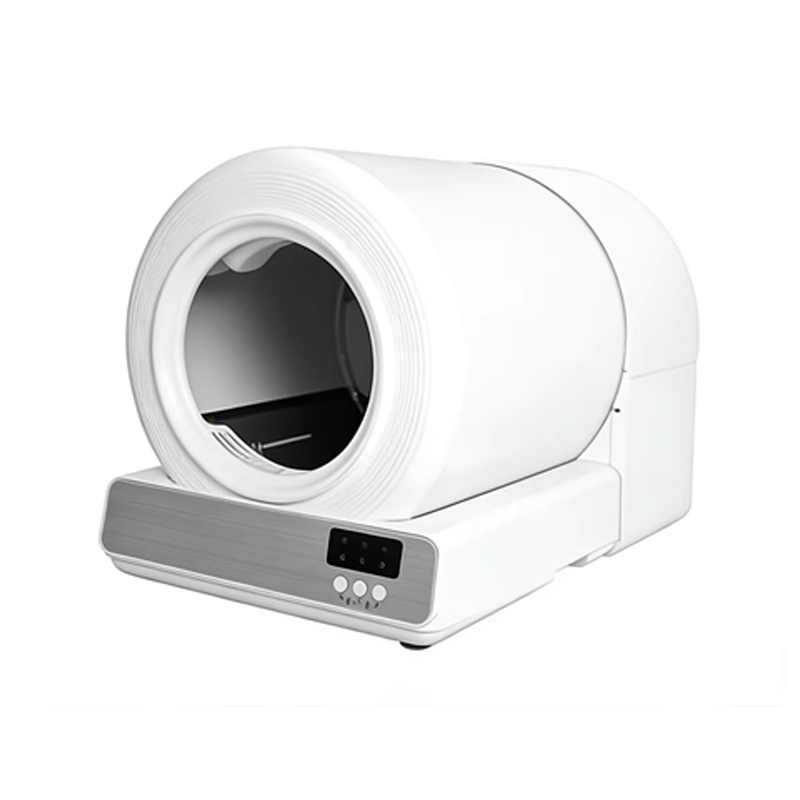
Second-Generation Fully Automatic Cat Litter Tray
Second-Generation Fully Automatic Cat Litter Tray – Product Features With a large 65-litre capacity, it easily accommodates a substantial amount of ...
View More -
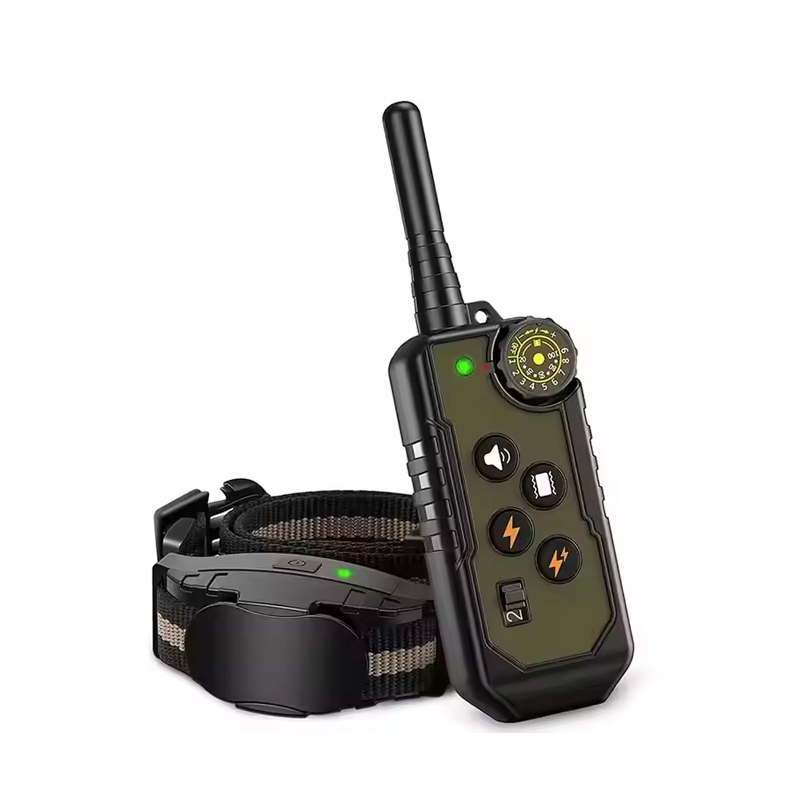
Multi-Mode Easy To Operate Training Shock Collar
The Multi-mode, easy-to-operate training Shock Collar is designed to provide a practical solution for owners seeking a safe and effective way to train...
View More -
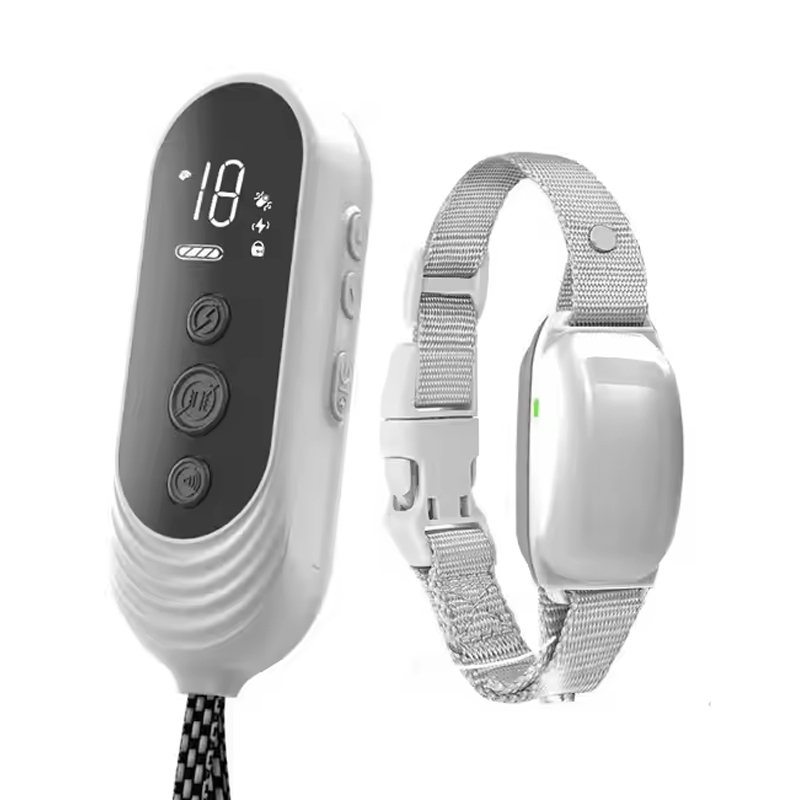
Waterproof Adjustable Polyester Training Shock Collar
The Waterproof Adjustable Polyester Training Shock Collar offers a reliable solution for pet owners seeking a versatile and durable collar to enhance ...
View More -
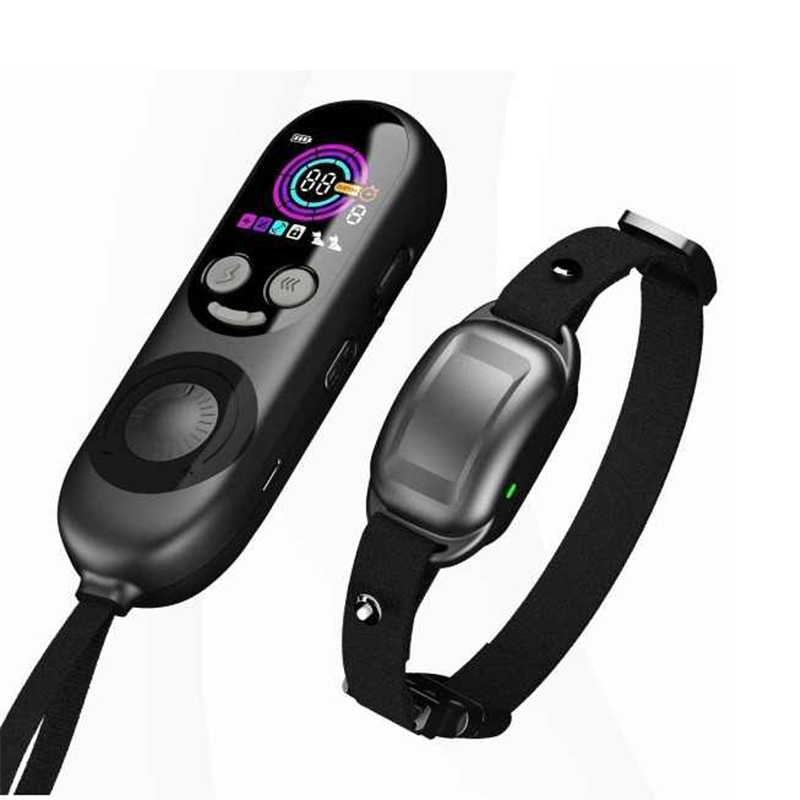
Display Remote Control Training Shock Collar
The Display Remote Control Training Shock Collar is designed to provide pet owners with a reliable and humane solution for training their dogs. Whethe...
View More -
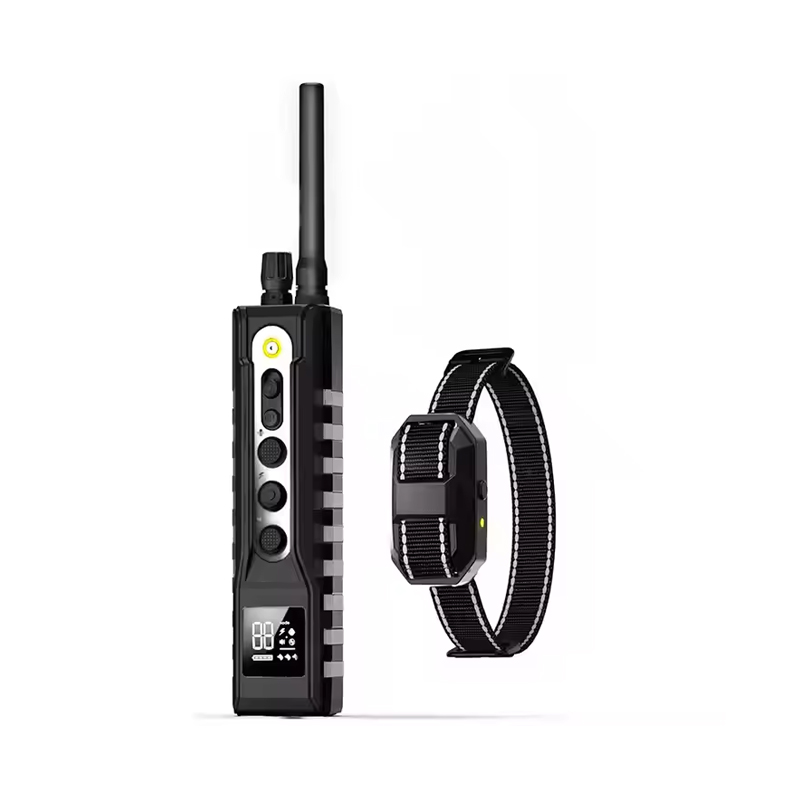
Multi-Function Long Distancetraining Shock Collar
The Multi-function Long Distance Training Shock Collar is a highly versatile tool designed to support your dog’s training across various environment...
View More -
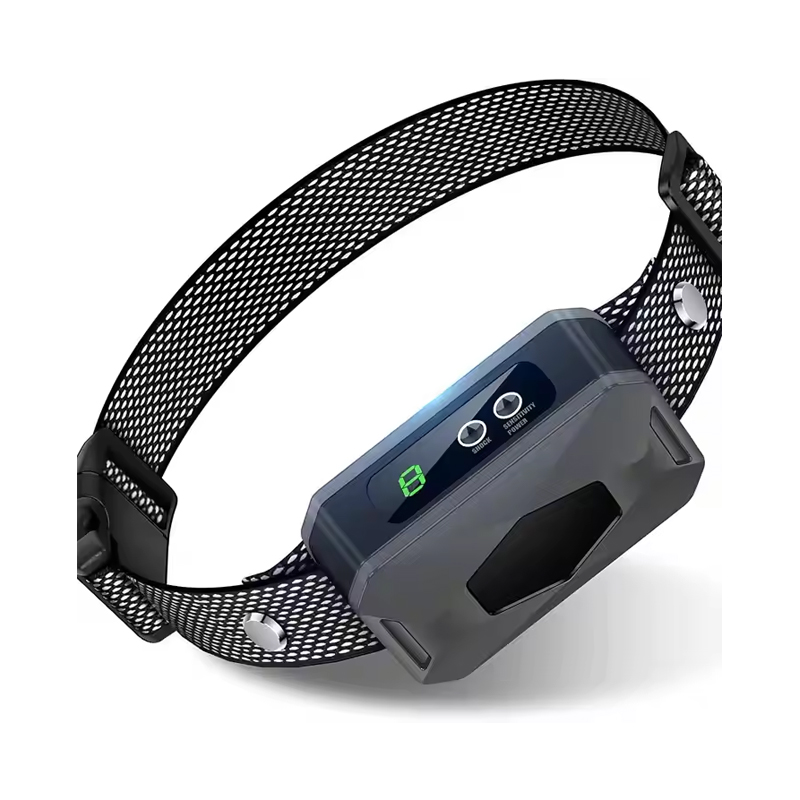
Remote Control Waterproof Training Shock Collar
The Remote Control Waterproof Training Shock Collar is an advanced training tool designed to help pet owners effectively manage their dogs’ behavior...
View More
Pet Products
If you have any questions, please
get in touch with us.
+86-13486854214
E-mail: [email protected]
Address: No. 258, Qingchuan Road, Huzhen Town, Jinyun County, Lishui City, Zhejiang Province
Copyright © Zhejiang Beijing Technology Co., Ltd.

OEM/ODM Smart Pet Care Factory