
 EN
EN  English
 Español
 Français
 Deutsch
 Nederlands

- Type:
- Industry News
- Date:
- 2026-02-13

Industry News
How Important Is Human-Centered Design in Pet Smart Appliances
Pet smart appliances have quietly moved from specialty items to everyday household tools. What once felt experimental now sits beside food bowls, leashes, and grooming supplies. As more families bring smart devices into their pet care routines, expectations have shifted. Owners no longer look only at what a product can do. They care about how it feels to use, how their pets respond, and whether the appliance fits naturally into their living space.
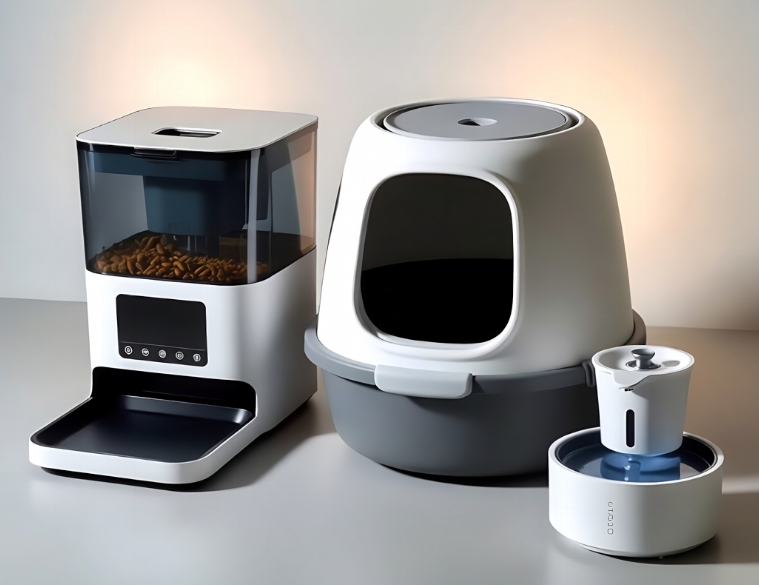
Human-centered design has emerged as a response to this change in mindset. Instead of building around features, designers are building around experiences. They observe how people interact with pets during feeding, grooming, and cleaning. They notice how animals react to sound, movement, and touch. They study the flow of daily routines in real homes, not just in controlled environments.
This approach reflects a broader transformation across consumer industries, where usability and emotional comfort increasingly outweigh complexity. In pet care, this shift carries extra meaning because every interaction involves a living companion. A poorly designed device does not only inconvenience the owner. It can also create stress for the animal. That shared experience is now shaping how smart pet appliances are imagined and developed.
What Does Human-Centered Design Really Mean for Pet Appliances?
Human-centered design in pet appliances begins with empathy. It considers three participants at once: the owner, the pet, and the home itself. Each brings unique needs and limitations, and successful products find balance among them.
For owners, human-centered design means intuitive interaction. Controls should feel familiar without explanation. Cleaning should not require extra effort. Storage should feel natural rather than forced. People want appliances that support their routines instead of demanding new ones.
For pets, design focuses on comfort and predictability. Animals respond strongly to texture, sound, and movement. A gentle flow, smooth surfaces, and gradual transitions help reduce fear. Over time, these small design choices can change how a pet perceives grooming or feeding, turning resistance into acceptance.
For the home, human-centered design respects space. Appliances should blend into kitchens, bathrooms, or balconies without dominating them. Shapes, proportions, and finishes matter because these devices live in shared environments.Rather than chasing novelty, this design philosophy prioritizes harmony. The goal is not to impress users with complexity but to create tools that quietly become part of daily life.
Why Are Pet Owners Asking for More Thoughtful Products?
Modern pet owners see animals as family members, and this emotional connection has raised expectations around care. A grooming device is no longer just equipment. A feeder is not merely functional. These tools participate in moments of bonding, reassurance, and routine.
When an appliance feels awkward or stressful, owners notice immediately. They feel frustration when setup takes too long or when their pet reacts with fear. On the other hand, when a product supports calm interactions and smooth routines, it brings a sense of relief.Living environments also influence these expectations. Many households now operate within limited space. Bathrooms may be compact. Storage areas may be shared. Outdoor washing areas may not exist. Appliances must adapt to these realities, fitting into tight corners and working across different rooms.
Designers are responding by studying how people actually care for their pets at home. They observe where owners place devices after use, how pets move during grooming, and how families multitask during care sessions. These everyday behaviors now shape product development more than abstract design goals.
How Does Design Build Trust Between Pets and Smart Devices?
Pets do not understand instructions or manuals. Their relationship with an appliance forms entirely through experience. A sudden sound can cause hesitation. A slippery surface can create anxiety. An uncomfortable angle can make an animal feel trapped.
Human-centered design aims to remove these friction points. Rounded edges feel safer than sharp lines. Stable bases provide reassurance. Gradual changes in water or airflow feel less threatening than abrupt shifts. Over repeated use, pets begin to recognize that the device is not a source of danger.This growing familiarity changes behavior. Animals become more cooperative. Grooming sessions grow shorter. Owners spend less time calming nervous pets and more time completing care routines.Trust becomes one of the most valuable outcomes of thoughtful design. It is not listed on packaging, yet it influences whether a product becomes part of a household's long-term routine.
Why Does Simplicity Matter So Much in Smart Pet Appliances?
In many households, grooming or feeding happens during busy moments. A dog needs cleaning after a walk. A cat resists brushing before dinner. An owner is balancing multiple responsibilities at once.
In these situations, simplicity matters. Human-centered design favors clear interfaces, logical layouts, and predictable responses. Owners should be able to operate devices without stopping to think. Visual cues replace complicated instructions. Feedback is immediate and easy to understand.Smart does not mean complicated. Many consumers now associate overly complex products with frustration rather than innovation. Designers are learning that fewer steps often lead to better experiences.
Product teams increasingly test appliances with everyday users instead of relying solely on internal evaluations. They watch how people hold devices, where confusion appears, and which actions feel natural. Each observation leads to small refinements that collectively make products easier to live with.
How Are Designers Learning Directly from Real Homes?
Development no longer happens only in studios or laboratories. Many design teams spend time in real households, observing pet care routines in kitchens, bathrooms, and outdoor spaces. These visits reveal details that formal testing often misses.
They notice that owners place tools on chairs when counters are wet. They see pets gravitate toward textured surfaces. They observe how people speak softly to animals during grooming. These small insights influence everything from handle placement to surface materials.Long-term feedback also plays a role. Designers gather input after weeks or months of use, learning what feels inconvenient over time and what becomes second nature. This ongoing exchange between users and creators keeps products grounded in real experience rather than theoretical performance.
Human-centered design thrives on this continuous loop of observation, adjustment, and refinement.
Why Is Accessibility Becoming a Core Design Consideration?
Pet ownership spans all ages and abilities. Some owners have limited mobility. Others struggle with grip strength. Many care for pets while managing children or work demands.Human-centered design acknowledges these realities. Controls must be reachable without strain. Components should lift easily. Assembly should not require force. Visual indicators help users who may struggle with written instructions.Accessibility also includes clarity. Simple icons and intuitive layouts reduce dependence on manuals and make products usable across different language backgrounds.By lowering barriers, designers create appliances that support a broader range of households. Accessibility is no longer treated as an extra feature. It is becoming part of responsible product development.
How Does Human-Centered Design Extend Product Lifespan?
Products that fit naturally into daily routines tend to stay longer in homes. Owners clean them regularly, store them carefully, and recommend them to others. Appliances that feel awkward or stressful often end up unused, regardless of their capabilities.
Human-centered design encourages longevity by reducing friction. When a device feels comfortable and reliable, people are less likely to replace it quickly. Familiarity builds attachment, and attachment supports loyalty.
From an industry perspective, this longer lifespan creates a more stable relationship between consumers and products. Repeat purchases often stem from trust developed over time rather than excitement about something new.
What Are Retailers Observing About Changing Buyer Priorities?
Retail environments offer valuable insight into consumer behavior. Sales staff report that shoppers now focus less on specifications and more on practical questions. They want to know whether a product is easy to clean, whether pets tolerate it, and how it fits into limited space.
Buyers often handle display units, testing grips and opening compartments. They imagine using the appliance at home, picturing their pets interacting with it. Packaging that shows real-life scenarios tends to resonate more than crowded feature lists.
Retailers are responding by highlighting lifestyle benefits rather than technical descriptions. The conversation has shifted toward comfort, convenience, and everyday usability.
How Is Human-Centered Design Influencing Online Purchasing?
Online shoppers rely on visuals and user stories to judge usability. Photos showing pets interacting calmly with devices carry more weight than abstract product shots. Videos demonstrating one-handed operation or quick cleanup help buyers imagine real-life use.
Reviews increasingly focus on daily experience. Customers describe how appliances fit into routines, how pets react, and how easy maintenance feels over time. These personal accounts reinforce the value of thoughtful design.
E-commerce platforms reward clarity. Products that communicate simplicity and comfort tend to build stronger trust, especially among first-time buyers.
What Are Retailers Seeing on the Sales Floor?
Retail feedback reflects changing priorities.
Shoppers ask fewer questions about technical capabilities. They ask more about ease of use and pet comfort.
They want to know:
- Is it simple to clean?
- Will my pet tolerate it?
- Where do I store it?
- Can I use it without help?
Sales staff notice that buyers linger over tactile details. They hold handles. They open compartments. They imagine using the product at home.
Packaging also matters. Clear visuals and plain language resonate more than crowded feature lists.
Retailers increasingly highlight lifestyle benefits rather than specifications.
How Are Manufacturers Adjusting Their Development Process?
Manufacturers are reorganizing workflows to prioritize user experience from the start. Designers collaborate closely with product testers and customer support teams. Common complaints become design prompts. Frequent questions inspire clearer interfaces.
Rather than adding features, many teams focus on refining existing functions. Small changes in layout, texture, or balance can significantly improve usability.This integrated approach shortens feedback loops and ensures that design decisions reflect real-world needs. Human-centered design becomes a shared responsibility across departments.
Why Are Multi-Pet Homes Influencing Design Direction?
Households with multiple animals place higher demands on appliances. Devices must withstand frequent use while remaining easy to clean. Storage must accommodate accessories without clutter.
Designers consider how different pets interact with the same product. A large dog and a small cat require different approaches, yet owners prefer unified solutions. Adjustable elements and flexible layouts allow appliances to serve diverse needs without becoming complicated.Multi-pet homes encourage adaptability and durability, reinforcing the importance of thoughtful design.
What Do Consumers Say About Emotional Design?
Beyond function, users respond to feeling. They appreciate products that look approachable, surfaces that feel pleasant to touch, and colors that create a calm atmosphere.
Emotional design fosters attachment. Pets recognize familiar shapes. Owners develop preferences. These subtle connections appear in customer feedback, where people describe appliances as easy to live with or comforting to use.Such responses reveal that design is not only about solving problems. It is also about creating positive experiences.
How Does Human-Centered Design Encourage Repeat Purchases?
Repeat buying rarely happens by chance. It follows consistent, positive interactions. When grooming sessions become smoother and pets remain calm, owners gain confidence. When devices integrate seamlessly into routines, people stick with what works.Human-centered design creates these outcomes by aligning products with everyday life. The decision to buy again often stems from memory, not marketing. A peaceful grooming moment or a stress-free cleanup leaves a lasting impression.These experiences shape loyalty.
What Design Elements Do Consumers Notice Most?
Across industry feedback, several themes appear again and again:
| Design Element | User Experience |
|---|---|
| Intuitive controls | Faster learning and less hesitation |
| Comfortable handling | Reduced fatigue during longer sessions |
| Calm visual style | Lower anxiety for pets |
| Easy cleaning | Higher likelihood of regular use |
| Compact form | Better integration into small homes |
| Clear feedback | Increased confidence during operation |
Together, these elements define what many consumers now expect from pet smart appliances.
Why Is Human-Centered Design Now Essential in Pet Tech?
As the market grows, technical capability alone no longer differentiates products. What matters is how appliances feel in use and how well they support relationships between people and pets.
Human-centered design bridges innovation and everyday living. It transforms devices from tools into companions within care routines. Products that ignore this approach struggle to gain lasting acceptance, while those that embrace it integrate quietly into homes.The future of smart appliances depends on empathy-driven development, where listening matters as much as building.
How Are Feedback Loops Shaping What Comes Next?
Customer feedback now flows directly into product updates. Reviews, service interactions, and community discussions reveal patterns of frustration and satisfaction. Designers analyze this information and translate it into adjustments, whether that means simplifying controls, refining shapes, or improving materials.This continuous cycle keeps products aligned with evolving needs. Human-centered design thrives on listening, adapting, and refining.
As pet care becomes increasingly integrated into daily life, smart appliances are expected to do more than function. They must support comfort, routine, and connection. Human-centered design ensures they do exactly that.
Related Products
-
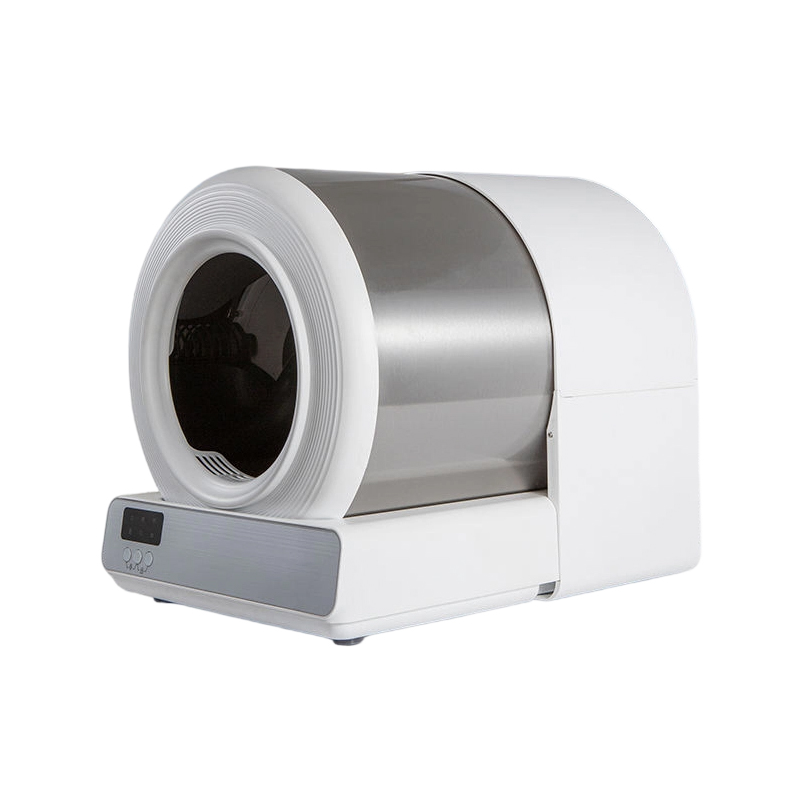
Cat Litter Tray For Multiple Cats Automatic Cat Litter Tray
Cat Litter Tray for Multiple Cats Automatic Cat Litter Tray – Product Features The high-pressure washable, safety-focused design facilitates compr...
View More -
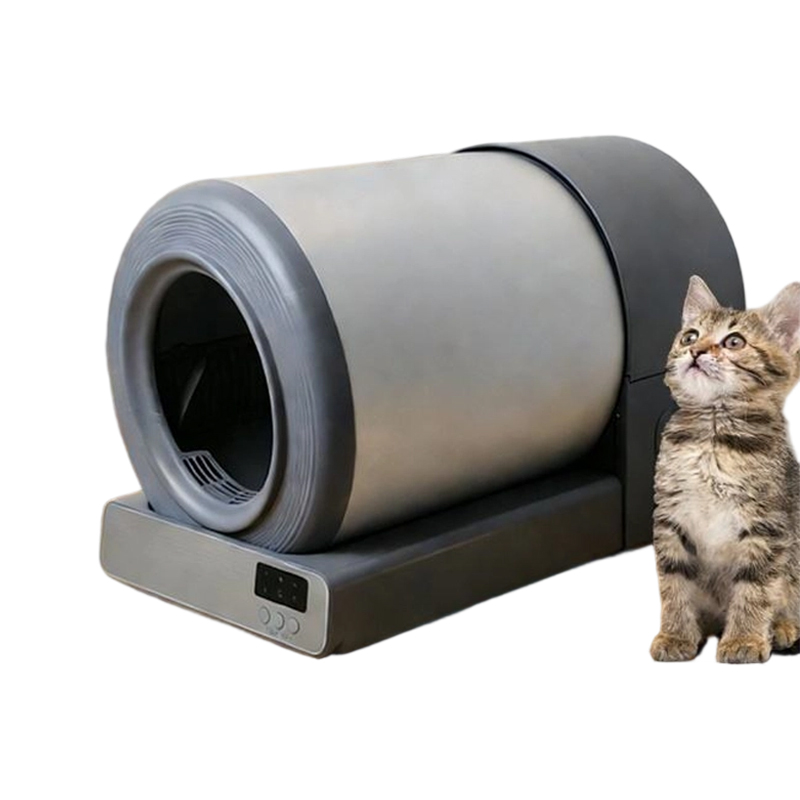
Self-Cleaning Stainless Steel Smart Cat Litter Tray
Self-Cleaning Stainless Steel Smart Cat Litter Tray – Product FeaturesThe preferred choice for non-profit organisations; compatible with open-top bi...
View More -
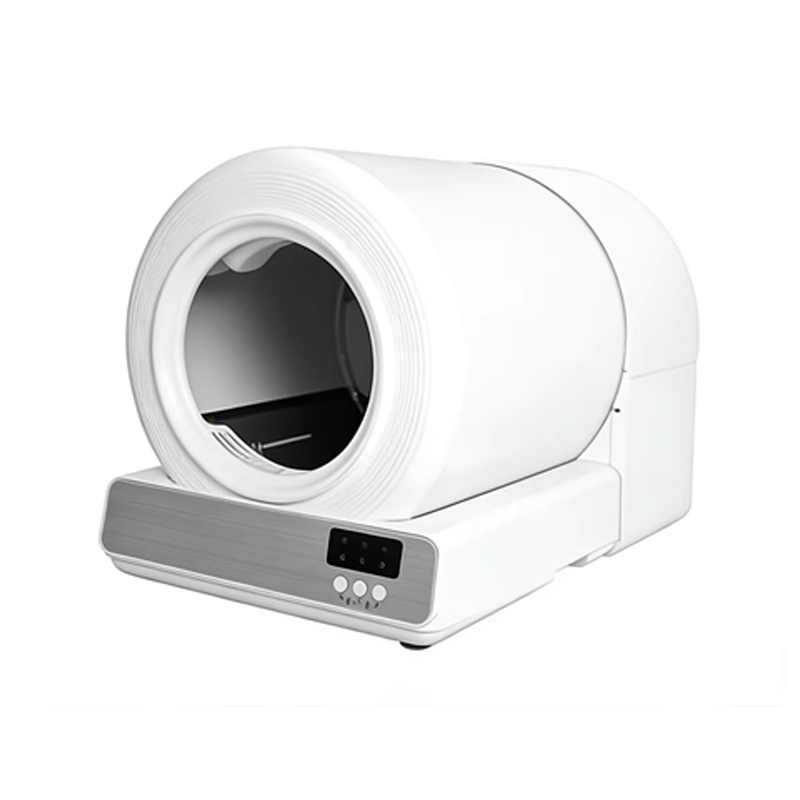
Second-Generation Fully Automatic Cat Litter Tray
Second-Generation Fully Automatic Cat Litter Tray – Product Features With a large 65-litre capacity, it easily accommodates a substantial amount of ...
View More -
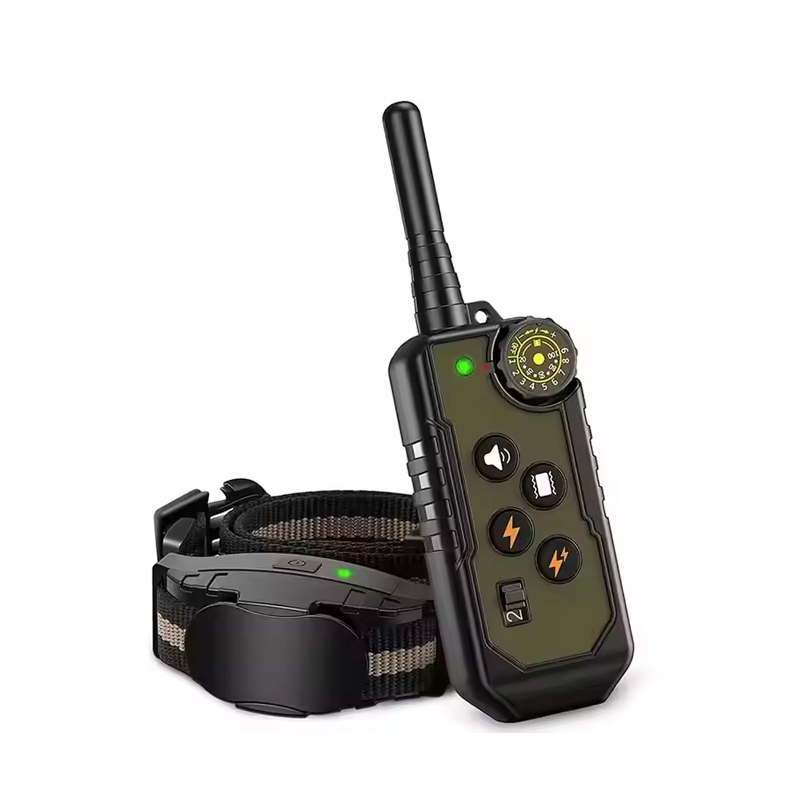
Multi-Mode Easy To Operate Training Shock Collar
The Multi-mode, easy-to-operate training Shock Collar is designed to provide a practical solution for owners seeking a safe and effective way to train...
View More -
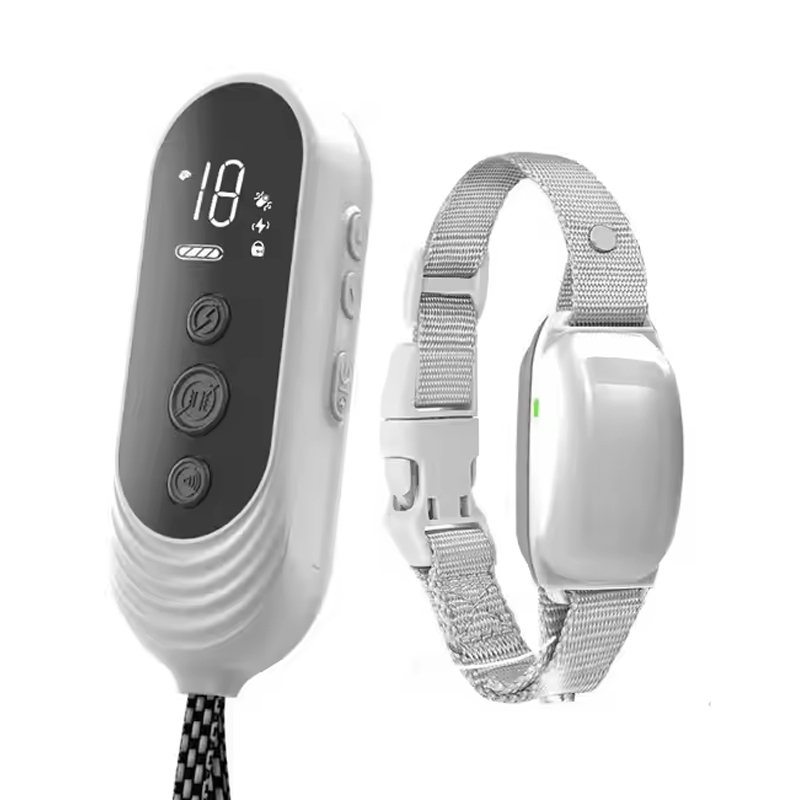
Waterproof Adjustable Polyester Training Shock Collar
The Waterproof Adjustable Polyester Training Shock Collar offers a reliable solution for pet owners seeking a versatile and durable collar to enhance ...
View More -
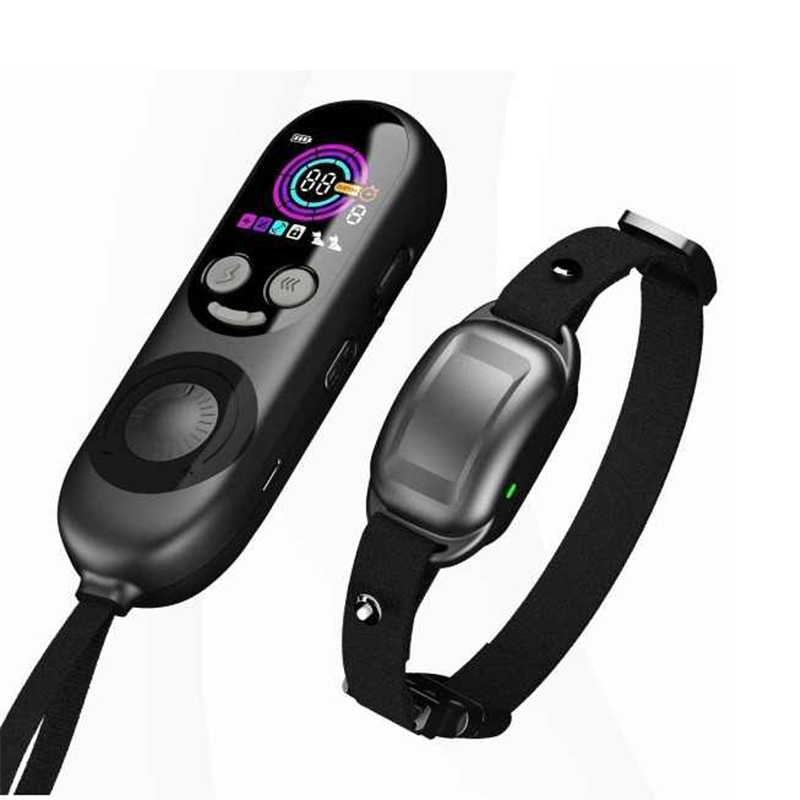
Display Remote Control Training Shock Collar
The Display Remote Control Training Shock Collar is designed to provide pet owners with a reliable and humane solution for training their dogs. Whethe...
View More -
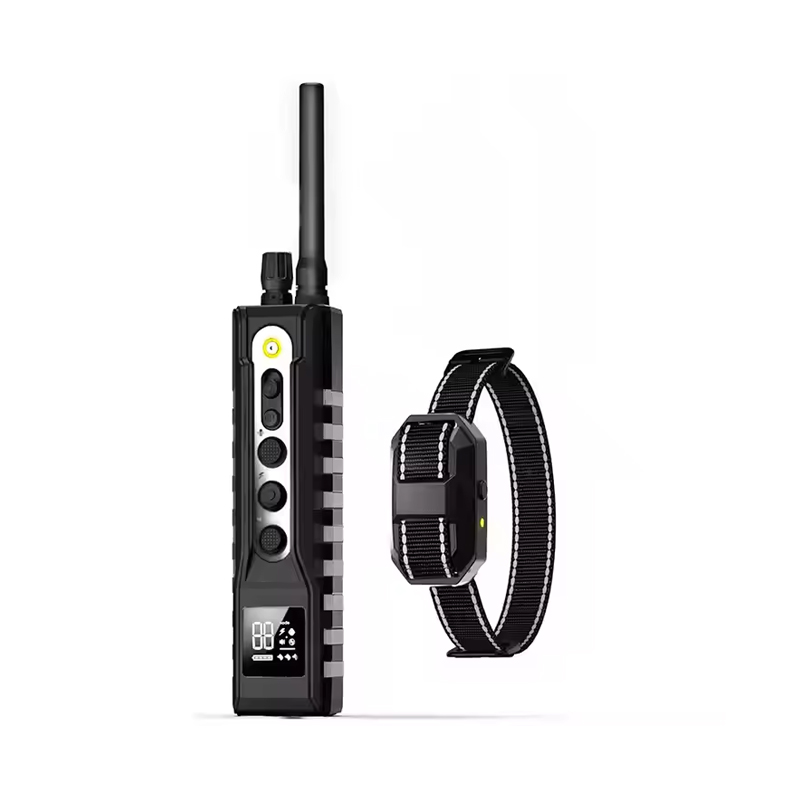
Multi-Function Long Distancetraining Shock Collar
The Multi-function Long Distance Training Shock Collar is a highly versatile tool designed to support your dog’s training across various environment...
View More -
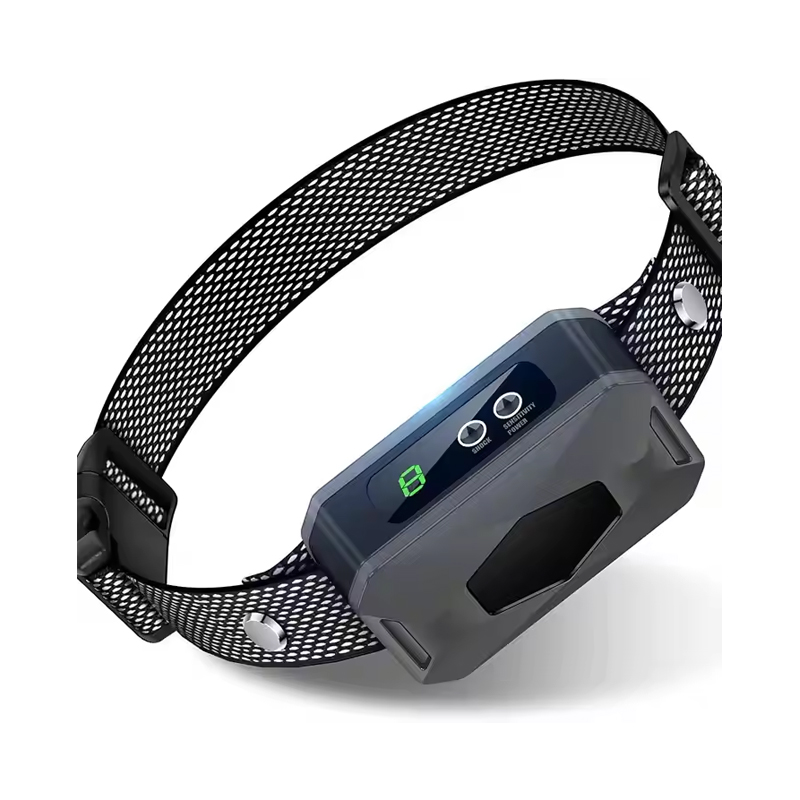
Remote Control Waterproof Training Shock Collar
The Remote Control Waterproof Training Shock Collar is an advanced training tool designed to help pet owners effectively manage their dogs’ behavior...
View More
Pet Products
If you have any questions, please
get in touch with us.
+86-13486854214
E-mail: [email protected]
Address: No. 258, Qingchuan Road, Huzhen Town, Jinyun County, Lishui City, Zhejiang Province
Copyright © Zhejiang Beijing Technology Co., Ltd.

OEM/ODM Smart Pet Care Factory