
 EN
EN  English
 Español
 Français
 Deutsch
 Nederlands

- Type:
- Industry News
- Date:
- 2026-01-23

Industry News
What Features Should You Look for in a Pet Smart Appliances
As technology continues to transform everyday life, it's also changing the way we care for our pets. With a wide range of smart pet appliances on the market, choosing the right one for your home and pet can feel overwhelming. From automatic feeders to self-cleaning litter boxes, these devices offer convenience and peace of mind. But what features should you look for when selecting the best smart pet appliance?
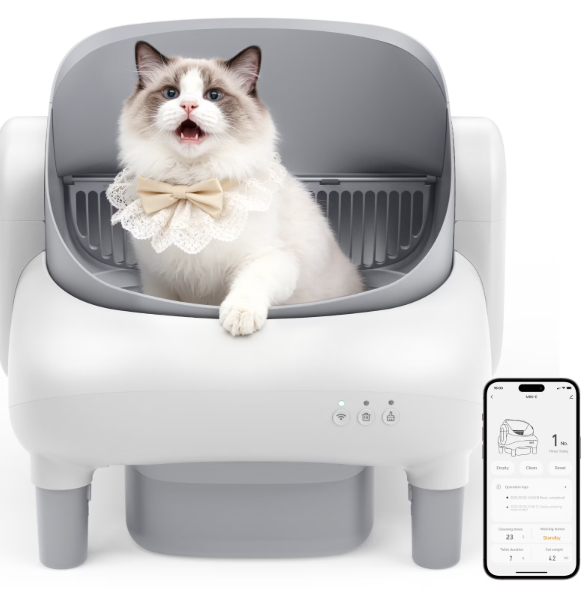
How Can Smart Pet Appliances Integrate with Other Devices in Your Home?
One of the biggest advantages of smart pet appliances is their ability to connect with other devices in your home. Whether you use voice assistants like Alexa or Google Assistant, or have a complete home automation system, smart pet appliances can integrate seamlessly to enhance your pet care routine.
Key factors to consider:
| Feature | Benefit |
|---|---|
| Wi-Fi and Bluetooth | Enables remote control and monitoring from anywhere. |
| Smart Home Integration | Syncs with cameras, thermostats, and security systems to create an interconnected home experience. |
| Mobile App Control | Provides real-time alerts and monitoring from your smartphone. |
What Makes a User-Friendly Interface So Important in a Smart Pet Appliance?
When you're choosing a smart pet appliance—like an automatic feeder, water fountain, litter box, or camera—how advanced the tech is only matters if you can actually use it without pulling your hair out. A truly user-friendly interface turns what could be a complicated gadget into something that just works smoothly in your daily life. The easier it is to set up and control, the more you'll actually enjoy having it and rely on it for your pet.
Here's what really counts when it comes to a good, practical interface:
- Straightforward setup from the start You want something you can unbox, plug in (or connect), and have running in minutes—not hours of troubleshooting, weird instructions, or endless app permissions. A simple, clear setup process means less frustration and more time actually taking care of your pet instead of fighting with the device.
- Controls that feel natural and quick Whether you're using the physical buttons on the appliance itself or the mobile app, the layout should make sense right away. Big, clear icons, logical menus, and fast response times let you check status, make changes, or fix something in seconds—even when you're half-asleep or rushing out the door.
- Plenty of ways to make it your own The best interfaces let you tweak things exactly how you and your pet need them: custom feeding times and portion sizes, different play or treat schedules, quiet modes for nighttime, alerts that actually matter to you, and easy adjustments as your pet's routine changes. That level of personalization makes the appliance feel like it's built for your household, not some generic one-size-fits-all.
How Do Automated Features Enhance Convenience in Pet Care?
Automation is one of the main reasons smart pet appliances are so appealing. Devices that automate everyday tasks—like feeding, cleaning, and grooming—free up your time and ensure that your pet's needs are consistently met.
Features to consider:
| Feature | Benefit |
|---|---|
| Automatic Feeding | Dispenses food at set times, ensuring regular meals even when you’re away. |
| Self-Cleaning Litter Boxes | Reduces the need for manual scooping, keeping the litter box clean at all times. |
| Automated Grooming | Offers brushing or bathing features, reducing the effort required for grooming. |
Why Health Monitoring Matters in a Smart Pet Appliance?
One of the smartest things about modern smart pet appliances is how some of them quietly keep an eye on your pet's health without you having to do extra work. These built-in monitoring features track everyday patterns—like how much they're eating, how active they are, or even subtle shifts in behavior—and give you real, useful insights that can help catch small problems before they turn into big ones.
Here's why that kind of health tracking is genuinely valuable and what to look for:
- Weight tracking that actually helps Some feeders, water stations, or smart mats can weigh your pet every time they step on or use the device. Seeing steady, accurate weight changes over time lets you know if they're eating the right amount, gaining or losing too much, or if something (like a sudden drop) might need a vet's attention. It's a simple number that tells a bigger story about their overall well-being.
- Activity monitoring for peace of mind Built-in motion sensors or usage logs can show you how often your pet is moving around the appliance—whether it's a feeder they visit regularly or a litter box they use consistently. If their activity suddenly drops off, spikes unusually, or looks irregular, it can be an early clue that they're feeling off, less energetic, or maybe dealing with discomfort. You get a clearer picture of their daily rhythm without having to watch them 24/7.
- Smart alerts when something changes The best devices don't just collect data—they notice when things look abnormal and ping you right away. Maybe they're skipping meals, drinking way more (or less) than usual, visiting the box too often or not enough, or showing other unusual patterns. Those timely notifications act like an extra set of eyes, helping you spot potential issues—like early signs of illness, dental pain, or digestive trouble—long before you'd notice on your own.
What Role Does Durability Play in Choosing a Smart Pet Appliance?
Durability is essential when selecting a smart pet appliance, as these devices are often exposed to wear and tear, water, or even pet-induced accidents. A durable device ensures that you're making a long-term investment that will withstand daily use.
Key considerations:
| Feature | Benefit |
|---|---|
| High-Quality Materials | Durable components ensure long-lasting performance. |
| Water-Resistant | Protects devices like feeders and drinkers from water damage. |
| Easy-to-Clean Components | Removable or washable parts make maintenance simple and quick. |
What Safety Features Should You Look for in a Smart Pet Appliance?
When you're bringing any smart appliance into your home for your pet—whether it's a feeder, water fountain, litter box, camera, or something more advanced—safety should always come first. The best devices don't just make life easier; they're built with thoughtful safeguards that protect your pet from getting hurt and keep your home from any unexpected trouble.
Here are the key safety features that really matter in real-world use:
- Pet-proof safety locks or barriers Some automatic feeders, treat dispensers, and especially litter boxes have built-in locks, latches, or secure compartments that stop curious paws from prying things open, chewing on moving parts, or getting stuck inside. This is especially helpful for kittens, playful cats, or dogs who love to “help” with everything. It keeps your pet safe and the appliance working the way it's supposed to.
- Automatic shut-off for anything that heats up If the device has any kind of heating element—like a heated bed, drying system in a grooming tool, or temperature-controlled water fountain—it should have reliable auto shut-off. This kicks in if something overheats, runs too long, or detects a problem, preventing burns, fires, or damage to your home. Look for models that mention thermal protection or overheat safeguards; they give you real peace of mind.
How Can Energy Efficiency Impact Your Smart Pet Appliance?
Just like any other smart device, pet appliances consume energy. Choosing energy-efficient devices can help reduce your electricity bill while also being more environmentally friendly.
Consider the following:
| Feature | Benefit |
|---|---|
| Low Power Consumption | Reduces energy costs and environmental impact. |
| Power Saving Modes | Automatically reduces energy usage when the appliance is idle. |
| Eco-Friendly Materials | Contributes to a more sustainable lifestyle. |
Why Customization Matters in Smart Pet Appliances?
Every pet has their own personality, routine, and little quirks — what works perfectly for one cat or dog might be all wrong for another. That's why customization is one of the most valuable things in a smart pet appliance. The ability to tweak settings lets you fine-tune the device so it truly fits your pet's specific needs instead of forcing them to adapt to a one-size-fits-all setup.
Here's what good customization usually looks like in practice:
- Fully adjustable core settings You should be able to dial in exactly what your pet needs — portion sizes for meals, how many feedings per day and at what exact times, water flow rates, grooming session lengths, or cleaning cycles. This level of control means you can match the appliance to your pet's age, size, appetite, health requirements, or even their pickiest habits.
- Personalized notifications that actually help The best devices let you set up alerts that make sense for your household: reminders when food or water is low, gentle nudges if your pet hasn't eaten in a while, or custom warnings if something looks off (like unusual litter box visits). You decide what matters most and how often you want to hear about it — no constant spam, just useful info tailored to your pet.
- Smart learning that gets better over time More advanced models quietly observe your pet's patterns — when they usually eat, how much they drink, how often they use the box — and start making small automatic adjustments to match. Over weeks or months, the device basically “learns” your pet, creating an even more personalized experience without you having to constantly tweak things manually.
How Noise Level Impacts Smart Pet Appliances?
Some noise is just part of how certain smart pet devices work — motors, scoops, pumps, fans — but how loud or sudden that sound is can make a huge difference in how your pet reacts. Pets, especially cats, are super sensitive to unexpected or sharp noises, and too much racket can turn a helpful appliance into a source of stress or avoidance.
Here's why keeping noise in check really matters and what to prioritize:
- Quiet operation is a must Look for models that run as silently as possible — self-cleaning litter boxes that cycle smoothly without loud grinding or clanking, feeders that dispense food gently, or fountains with soft, low hums. The quieter the device, the less likely it is to startle your pet mid-use or make them hesitant to approach it at all.
- Smart scheduling to avoid bad timing The best appliances give you the option to tell them when to run. You can set cleaning cycles, feeding drops, or other noisy tasks for times when your pet is napping elsewhere, out of the room, or when you're home to supervise if needed. Being able to schedule around your pet's natural rhythm makes the whole experience calmer and more positive for them.
Related Products
-
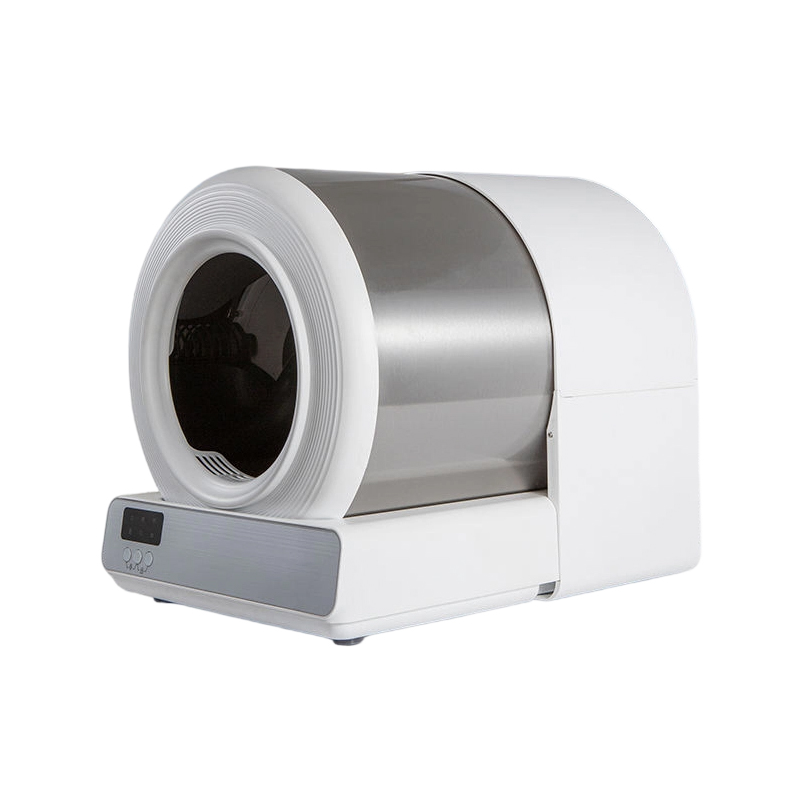
Cat Litter Tray For Multiple Cats Automatic Cat Litter Tray
Cat Litter Tray for Multiple Cats Automatic Cat Litter Tray – Product Features The high-pressure washable, safety-focused design facilitates compr...
View More -
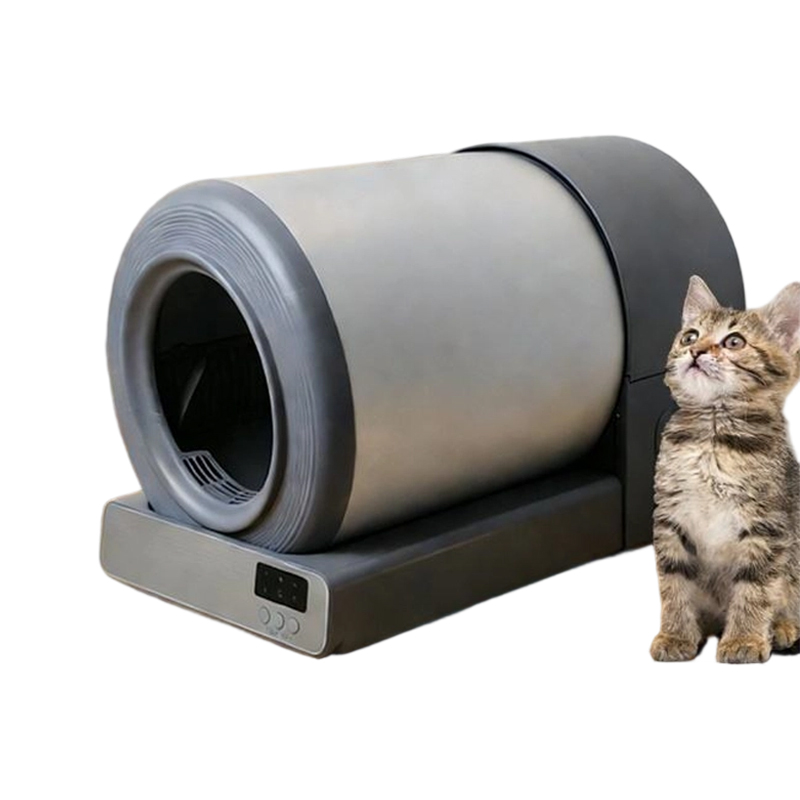
Self-Cleaning Stainless Steel Smart Cat Litter Tray
Self-Cleaning Stainless Steel Smart Cat Litter Tray – Product FeaturesThe preferred choice for non-profit organisations; compatible with open-top bi...
View More -
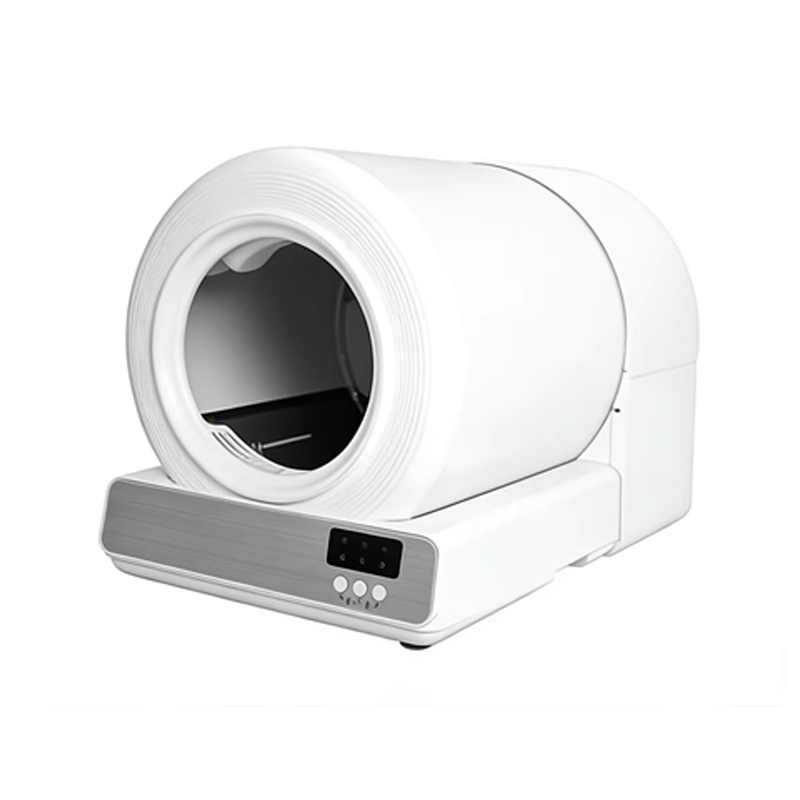
Second-Generation Fully Automatic Cat Litter Tray
Second-Generation Fully Automatic Cat Litter Tray – Product Features With a large 65-litre capacity, it easily accommodates a substantial amount of ...
View More -
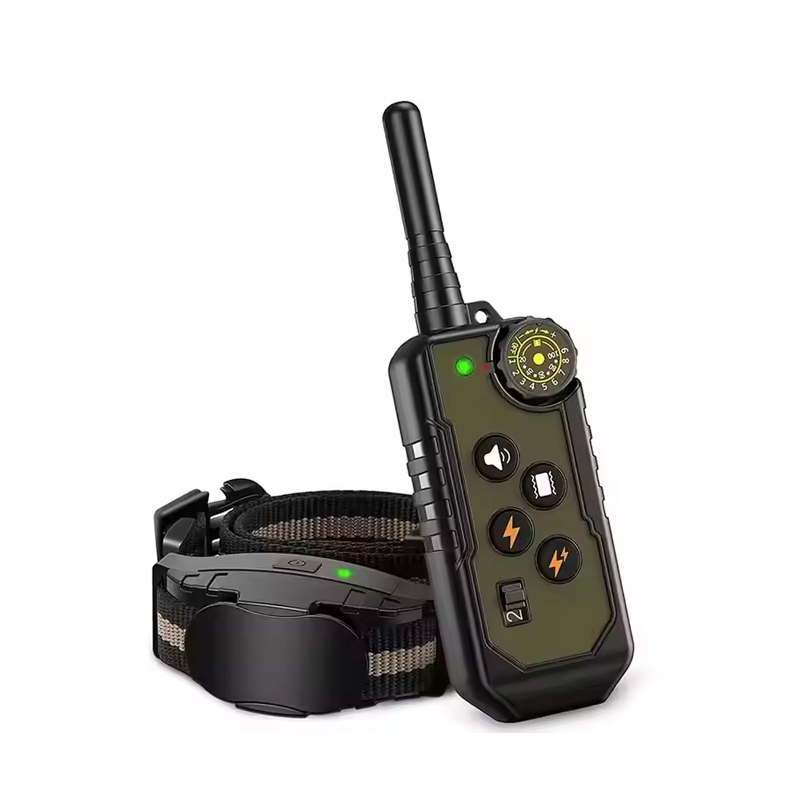
Multi-Mode Easy To Operate Training Shock Collar
The Multi-mode, easy-to-operate training Shock Collar is designed to provide a practical solution for owners seeking a safe and effective way to train...
View More -
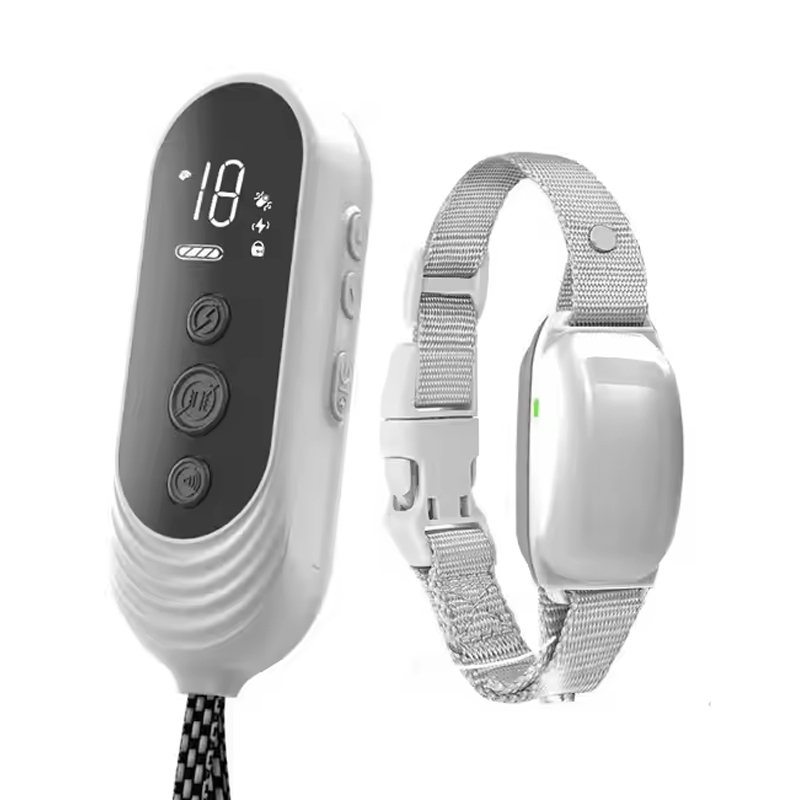
Waterproof Adjustable Polyester Training Shock Collar
The Waterproof Adjustable Polyester Training Shock Collar offers a reliable solution for pet owners seeking a versatile and durable collar to enhance ...
View More -
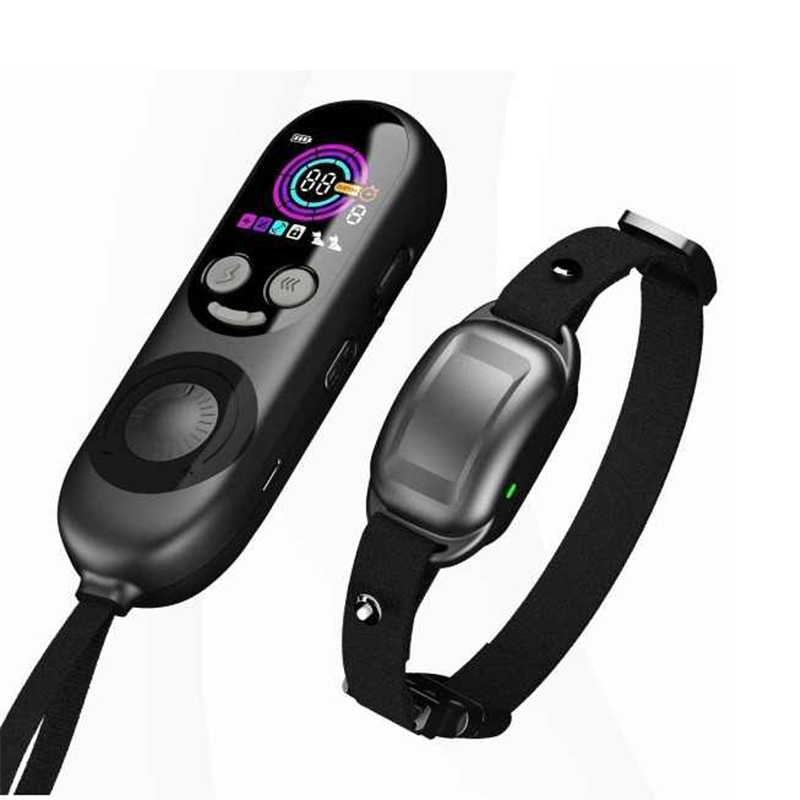
Display Remote Control Training Shock Collar
The Display Remote Control Training Shock Collar is designed to provide pet owners with a reliable and humane solution for training their dogs. Whethe...
View More -
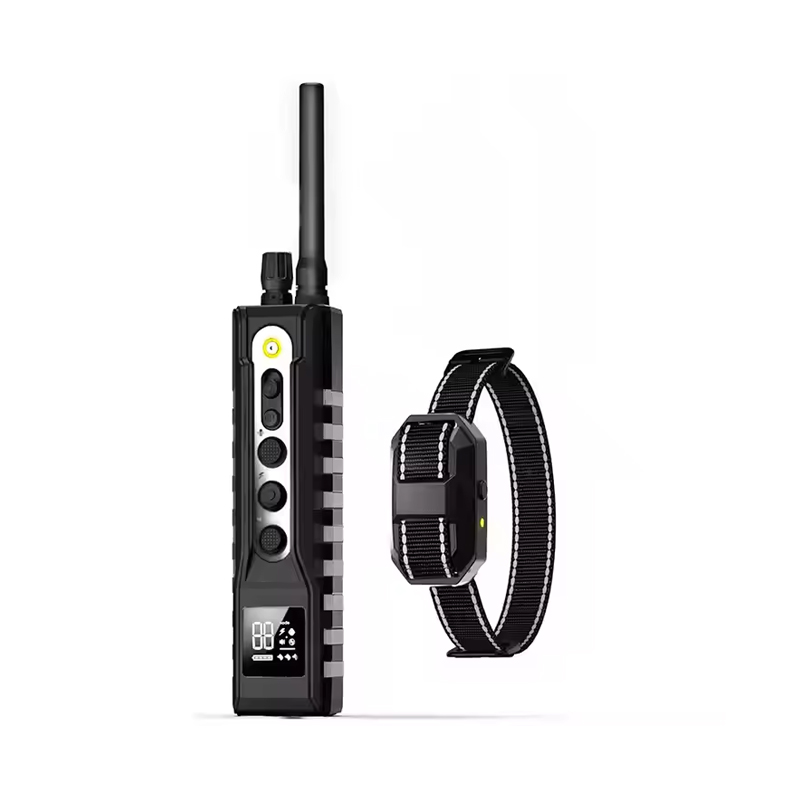
Multi-Function Long Distancetraining Shock Collar
The Multi-function Long Distance Training Shock Collar is a highly versatile tool designed to support your dog’s training across various environment...
View More -
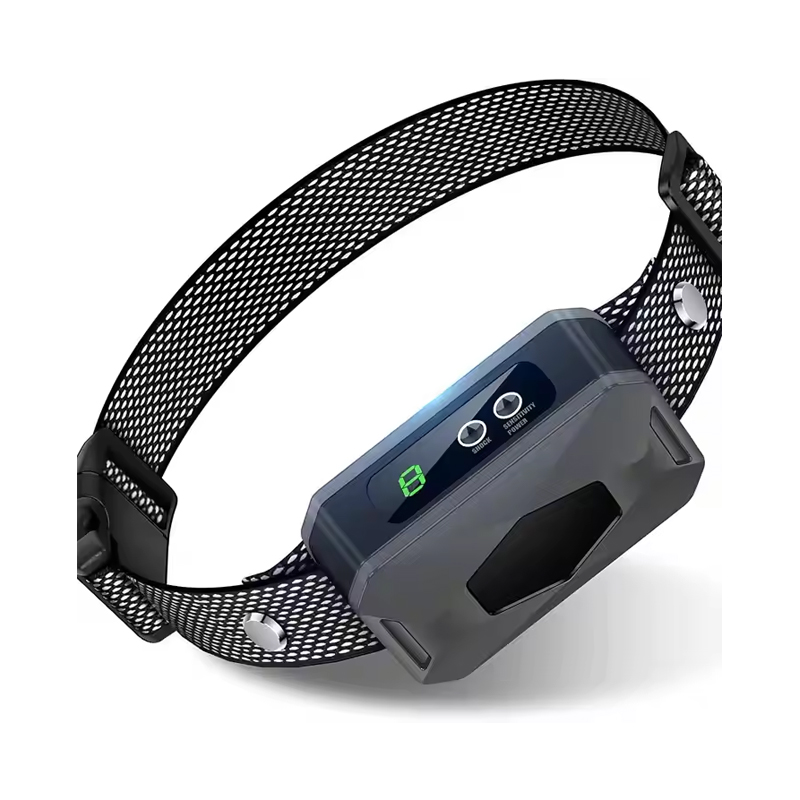
Remote Control Waterproof Training Shock Collar
The Remote Control Waterproof Training Shock Collar is an advanced training tool designed to help pet owners effectively manage their dogs’ behavior...
View More
Pet Products
If you have any questions, please
get in touch with us.
+86-13486854214
E-mail: [email protected]
Address: No. 258, Qingchuan Road, Huzhen Town, Jinyun County, Lishui City, Zhejiang Province
Copyright © Zhejiang Beijing Technology Co., Ltd.

OEM/ODM Smart Pet Care Factory