
 EN
EN  English
 Español
 Français
 Deutsch
 Nederlands

- Type:
- Industry News
- Date:
- 2026-07-10

Industry News
What Should You Know About a Waterproof Pet Coat Before Buying
Dogs do not all react to wet weather in the same way. Some keep walking as if nothing has changed, while others slow down the moment the ground turns damp. For pet owners, that difference matters. Rainy paths, wet grass, and muddy corners can make an ordinary walk less comfortable, and in some cases more difficult to manage afterward.
A Waterproof Pet Coat is often chosen for that in-between space between daily walking and outdoor protection. It is not only about keeping water away from fur. It is also about making the walk feel less troublesome for the dog and easier for the owner to handle later. When the fit feels natural and the fabric suits the weather, the coat becomes part of a routine rather than an extra burden.
What makes this type of clothing useful is the combination of function and wearability. A dog may need freedom to move, a little coverage from rain, and a surface that is easy to clean after use. If any of those parts feel off, the coat may sit unused in a drawer. That is why buyers often look beyond appearance and pay attention to how the product is made and how it will actually be worn.
Why Do Dogs Need a Waterproof Pet Coat During Wet Seasons and Changing Weather Conditions
Wet weather changes the way dogs experience being outside. A short walk can become uncomfortable when water clings to the coat, mud gets into the fur, or the air feels colder than expected. For some dogs, especially those with short hair or a slim build, the difference is easy to notice.
A protective outer layer can help reduce direct contact with rain and damp ground. That does not mean the dog will stay completely dry in every situation, but it can lower the amount of moisture reaching the fur and body. For pet owners, that may mean less drying time and fewer clean-up steps after the walk.
There is also a practical side to this. When a dog comes home covered in water and dirt, the owner often needs to wipe paws, dry the coat, and clean the floor as well. A coat that handles wet conditions more effectively can simplify that routine. It is one reason many people start thinking about outdoor pet wear as part of daily care, not just as a seasonal accessory.
A few situations often make this kind of clothing more relevant:
- Wet grass during morning or evening walks.
- Light rain that starts after leaving home.
- Muddy paths near parks or open spaces.
- Cooler weather combined with damp ground.
Different dogs respond differently to rain and moisture, so the need is rarely the same for every pet. A short walk around the block is one thing. A longer outing through changing weather is another.
What Is a Waterproof Pet Coat and How Does It Help Dogs Stay Comfortable Outdoors
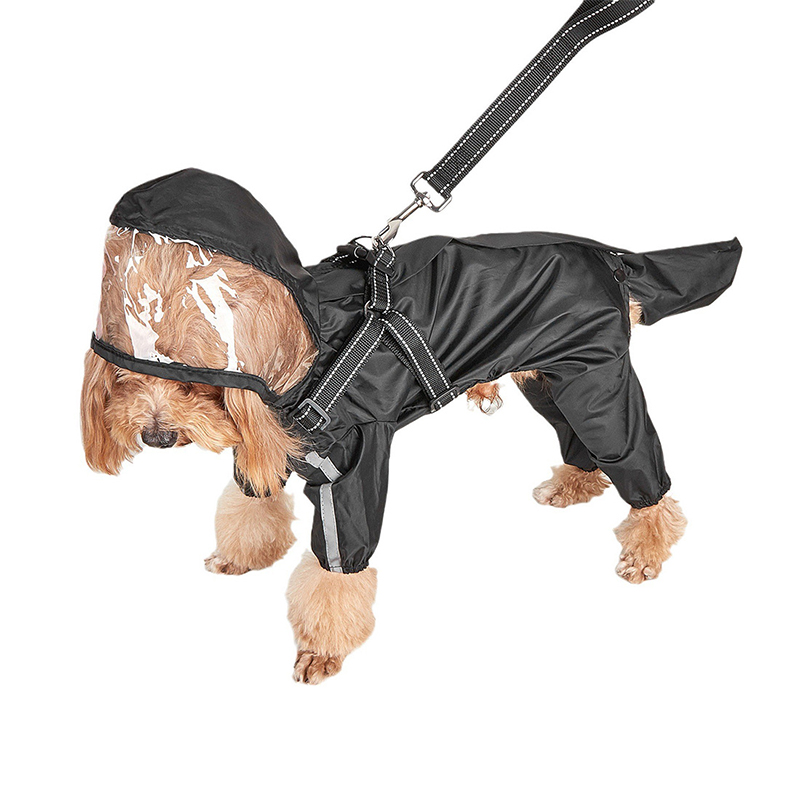
At its core, a Waterproof Pet Coat is a piece of outdoor pet clothing designed to limit the effect of rain and damp air. The idea sounds simple, but the details matter. A coat can only feel useful when it fits well, moves with the dog, and does not create extra irritation.
Comfort starts with the shape. Dogs bend, stretch, turn, and speed up in ways that can quickly expose weak points in the design. If the opening around the neck is too tight, or the body section sits awkwardly, the dog may resist wearing it. That is why ease of movement is just as important as water resistance.
There is also a difference between protection and heaviness. Some coats may feel too bulky for regular walking, while others are so light that they do not offer much coverage. The useful middle ground is usually a structure that feels secure without being stiff.
Owners often notice the difference when a coat includes practical details such as:
- Simple closures that are easy to fasten.
- Openings that work with a leash.
- A shape that does not pull at the shoulders.
- Coverage that stays in place during movement.
When these parts work together, the coat becomes easier to use on ordinary days. That is often what pet owners care about most. They are not looking for a costume. They are looking for something that fits into the walk naturally.
What Materials Make a Waterproof Pet Coat Suitable for Rainy Walks and Outdoor Activities
Material choice shapes how the coat feels, how long it holds up, and how easy it is to care for after use. The outer layer usually needs to handle moisture, while the inside should feel comfortable against the dog's body. These two needs do not always point in the same direction, so the fabric structure has to balance both.
A surface that helps resist water can reduce how quickly rain reaches the inner side of the coat. At the same time, the inside layer should avoid feeling rough or overly warm. If the material traps too much heat, the dog may seem restless. If it feels too thin, the coat may not suit wet outdoor use very well.
| Material Point | Why It Matters |
|---|---|
| Outer surface | Helps limit water contact during rain |
| Inner layer | Affects comfort against fur and skin |
| Weight | Influences how freely the dog moves |
| Care level | Affects cleaning after outdoor use |
The material should also match the type of outing. A dog that walks briefly near home may need something different from a dog that spends more time outdoors. That is one reason fabric choice is not only a technical issue for manufacturers. It also shapes how pet owners judge whether a coat fits their routine.
How Does a Waterproof Pet Coat Design Improve Comfort With Adjustable and Functional Details
A good design often shows up in small decisions. Adjustable straps, shaped openings, and easy fastening points can change how a coat feels in use. A dog does not need complicated clothing. It needs clothing that can be put on without too much effort and worn without getting in the way.
The same is true for visibility details and leash access. A reflective strip may help during darker walks. A leash opening may save time when getting ready to go out. These features may seem minor at first, but they often decide whether the coat stays practical after the first few uses.
Comfort is usually built from simple parts working together:
- A fit that allows movement without slipping.
- Fastening that is easy for the owner to handle.
- Coverage that protects without feeling heavy.
- Details that support regular walking habits.
When the design respects the way dogs actually move, the coat feels more natural. That is often the difference between something that looks useful and something that gets used often.
A well-made outdoor coat does not need to draw attention to itself. It only needs to do its job quietly, while letting the dog walk, pause, and move on without extra stress.
How Can a Waterproof Pet Coat Help Keep Dogs Cleaner During Outdoor Adventures
Outdoor time is rarely clean for long. A path that starts dry can turn damp after a short walk, and a patch of grass can leave more behind on a dog's coat than the owner expects. For dogs that enjoy parks, fields, or trails, a protective layer can reduce how much dirt and moisture reaches the fur.
That does not mean the coat keeps every part of the dog clean. Paws still touch the ground, and mud can still appear in small places. Even so, fewer wet spots on the body can make the return home less tiring for both the dog and the owner. A quicker wipe-down, a shorter drying routine, and less mess on floors or furniture can all come from a coat that does its job well.
The value here is practical. Owners are often looking for something that saves time after the walk, not only during it. When a coat helps keep the belly, chest, and sides cleaner, it becomes easier to manage regular outdoor habits without turning every outing into a cleanup project.
How to Choose the Right Waterproof Pet Coat Size for Different Dog Breeds and Body Shapes
Fit is one of the first things owners notice once a coat is worn. A design may look fine on a hanger, but once placed on a dog, the shape of the body changes the result. Broad-chested dogs, narrow-bodied dogs, and dogs with longer backs all need a slightly different approach.
A coat that sits too tightly can limit movement and make the dog uneasy. One that is too loose may shift during walking, which can be just as uncomfortable. The goal is to find a shape that stays in place while still allowing the dog to move naturally.
| Fit Point | What to Watch For |
|---|---|
| Neck area | Should sit close without pressing too hard |
| Chest area | Needs room for breathing and walking |
| Back length | Should cover the body without hanging too far |
| Leg openings | Should allow stepping without rubbing |
| Closure points | Should stay secure during motion |
Breed type can give a useful starting point, but body shape matters more than label alone. Two dogs of the same breed may still wear different sizes depending on how they are built. That is why many owners check the body first and the size tag second.
A simple way to think about fit is to ask whether the dog can walk, turn, sit, and lie down without resistance. If the coat gets in the way during those movements, the size or shape may need adjustment.
Which Features Should Buyers Check Before Choosing a Waterproof Pet Coat for Dogs
Not every coat is built with the same purpose in mind. Some are made for light daily wear. Others are shaped more for active outdoor use. Before choosing one, buyers often look at features that affect comfort, use, and upkeep.
A practical coat usually includes more than a water-resistant outer layer. The details around the opening, fastening, and coverage can decide how often the coat gets used.
A few points usually matter most:
- Ease of wearing
The coat should be simple to put on and remove without turning the routine into a struggle.
- Secure fastening
Closures need to stay in place while the dog walks or changes direction.
- Leash access
A leash opening makes outdoor use more convenient for everyday walks.
- Surface care
A coat that can be wiped clean easily is often more useful after muddy outings.
- Visibility details
Reflective touches can help during darker hours or cloudy weather.
The right features depend on the dog's daily habits. A calm dog that goes out briefly may not need the same setup as a more active dog that spends longer outside. For buyers, the useful question is not which coat looks more complete, but which one fits the way the dog actually moves and lives.
What Should Wholesale Buyers Know About Custom Waterproof Pet Coat Production
For wholesale buyers, the focus usually shifts from single-piece selection to product planning. Fabric choice, cut, size range, closure style, and finish all shape how a coat performs in the market. A coat that works for one customer group may not suit another, so the early planning stage matters.
Custom production is often used to match different climate needs, breed groups, and retail expectations. Some buyers may want lighter outdoor wear for mild rain. Others may need more coverage for wet and cooler conditions. The product line can change depending on those goals.
Several questions often come up during planning:
- What body shapes should the size range cover?
- Should the coat prioritize light wear or more coverage?
- Which closures are easier for regular use?
- Does the fabric need to be easy to clean after outdoor use?
- Should the design include simple safety details for low light?
These decisions shape the final product more than appearance alone. A clean shape may help with visual appeal, but a coat that fits daily routines is more likely to stay relevant after purchase.
Wholesale buyers often benefit from checking how the design will be used in real life. That means thinking about weather, walking habits, and cleanup needs before choosing a final version. When those parts are aligned, the coat tends to feel more natural in the hands of the end user and more consistent across a product line.
Related Products
-
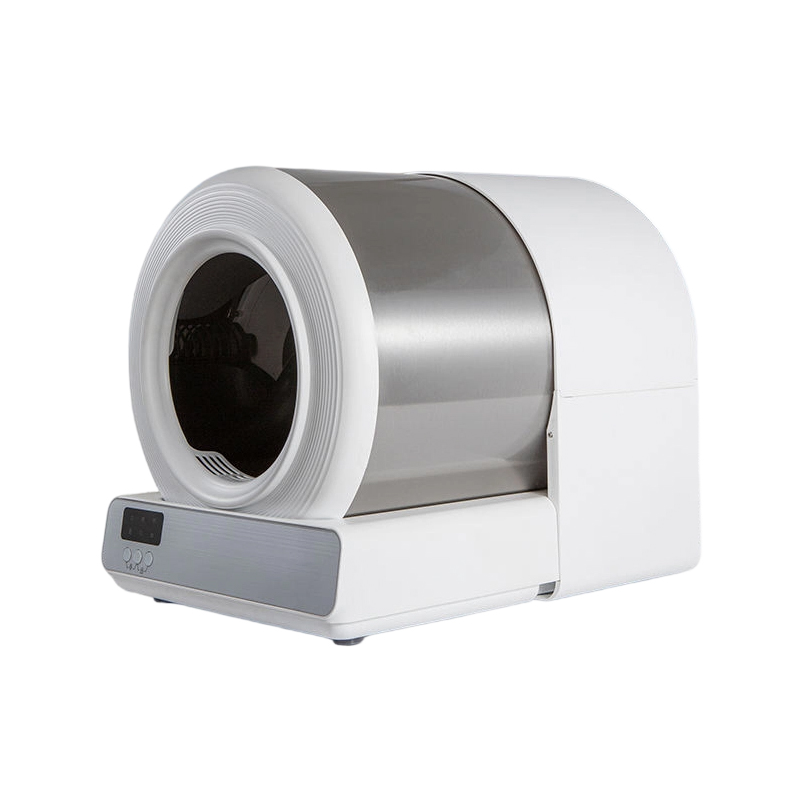
Cat Litter Tray For Multiple Cats Automatic Cat Litter Tray
Cat Litter Tray for Multiple Cats Automatic Cat Litter Tray – Product Features The high-pressure washable, safety-focused design facilitates compr...
View More -
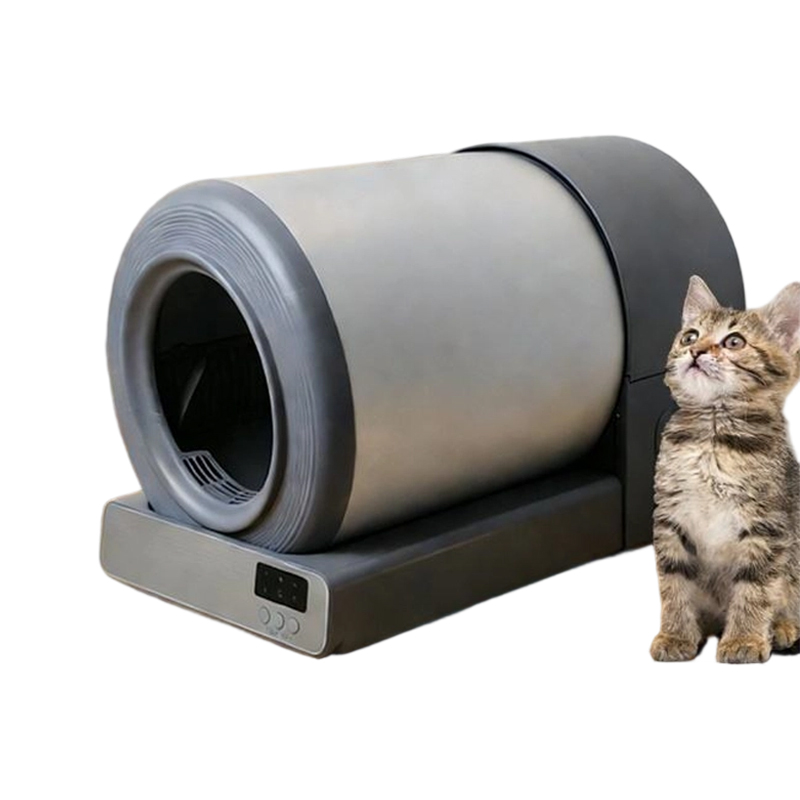
Self-Cleaning Stainless Steel Smart Cat Litter Tray
Self-Cleaning Stainless Steel Smart Cat Litter Tray – Product FeaturesThe preferred choice for non-profit organisations; compatible with open-top bi...
View More -
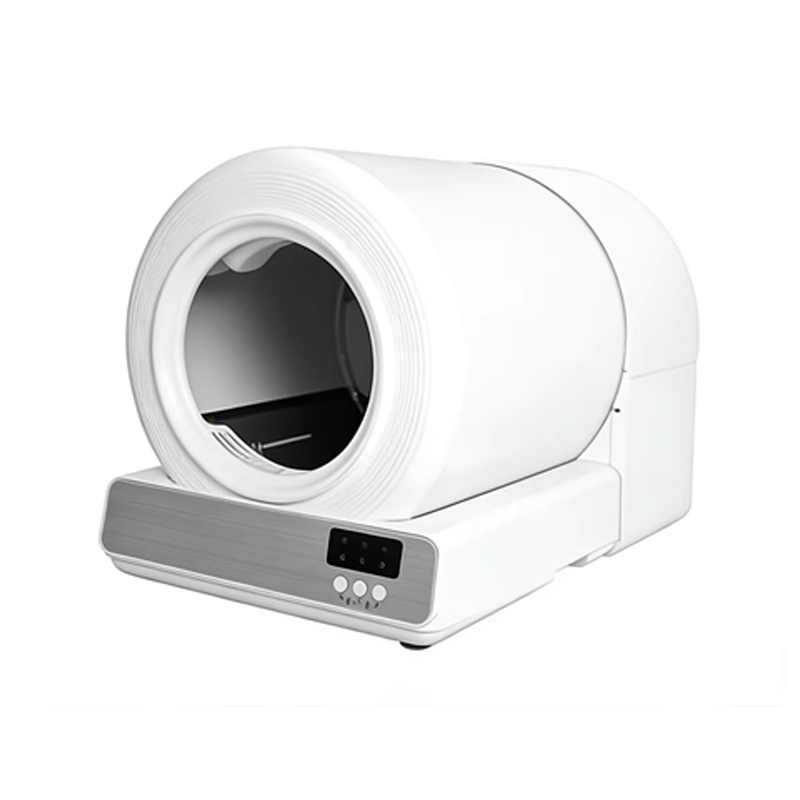
Second-Generation Fully Automatic Cat Litter Tray
Second-Generation Fully Automatic Cat Litter Tray – Product Features With a large 65-litre capacity, it easily accommodates a substantial amount of ...
View More -
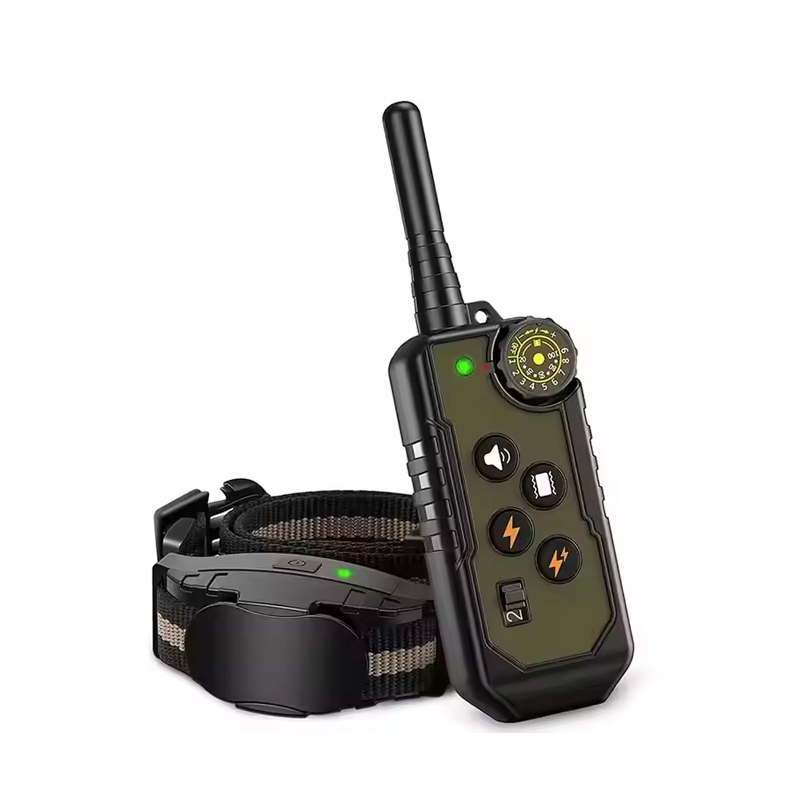
Multi-Mode Easy To Operate Training Shock Collar
The Multi-mode, easy-to-operate training Shock Collar is designed to provide a practical solution for owners seeking a safe and effective way to train...
View More -
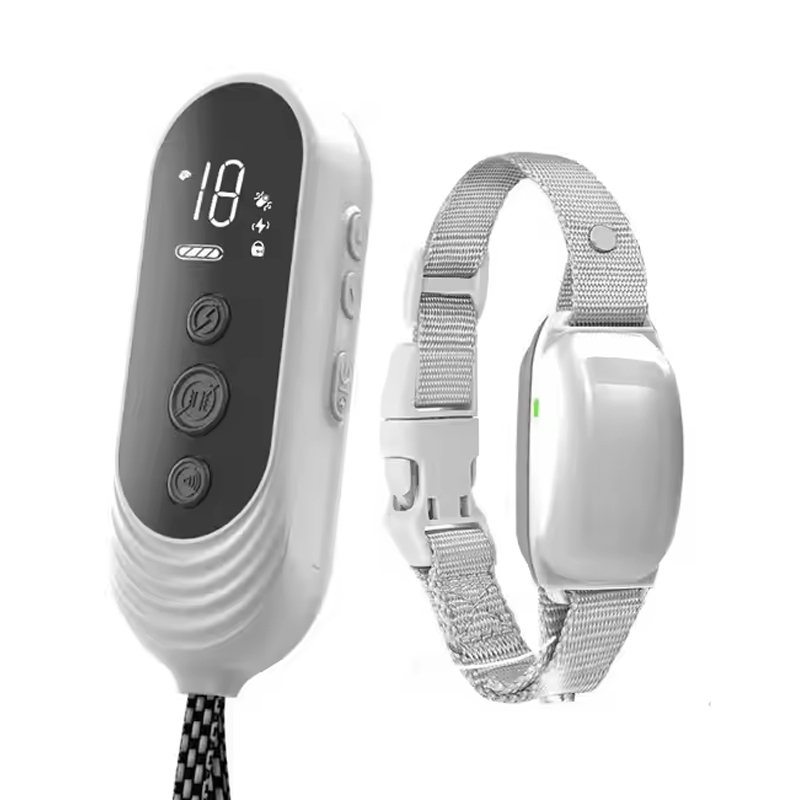
Waterproof Adjustable Polyester Training Shock Collar
The Waterproof Adjustable Polyester Training Shock Collar offers a reliable solution for pet owners seeking a versatile and durable collar to enhance ...
View More -
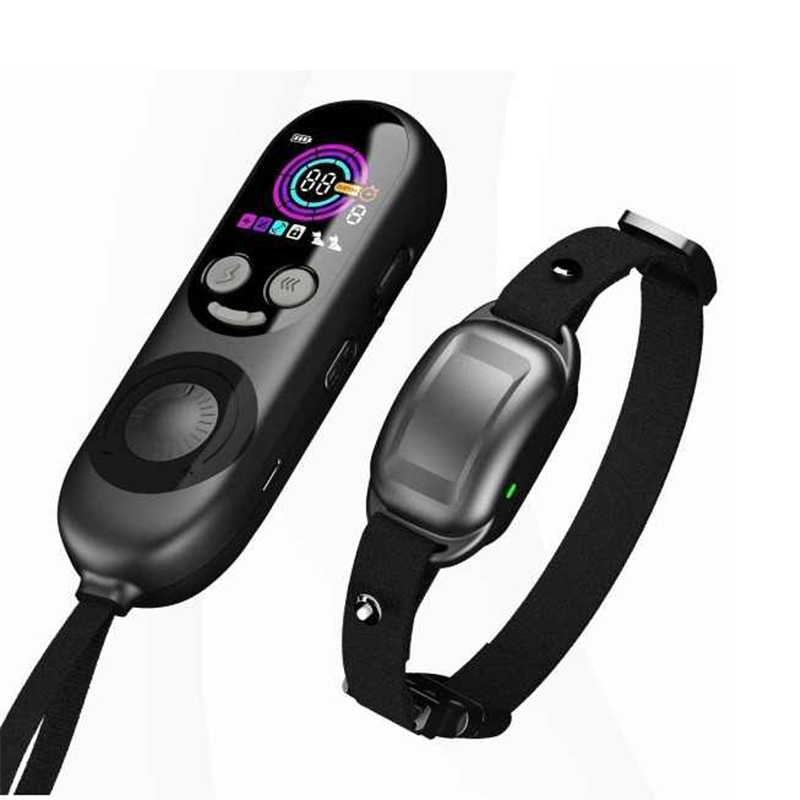
Display Remote Control Training Shock Collar
The Display Remote Control Training Shock Collar is designed to provide pet owners with a reliable and humane solution for training their dogs. Whethe...
View More -
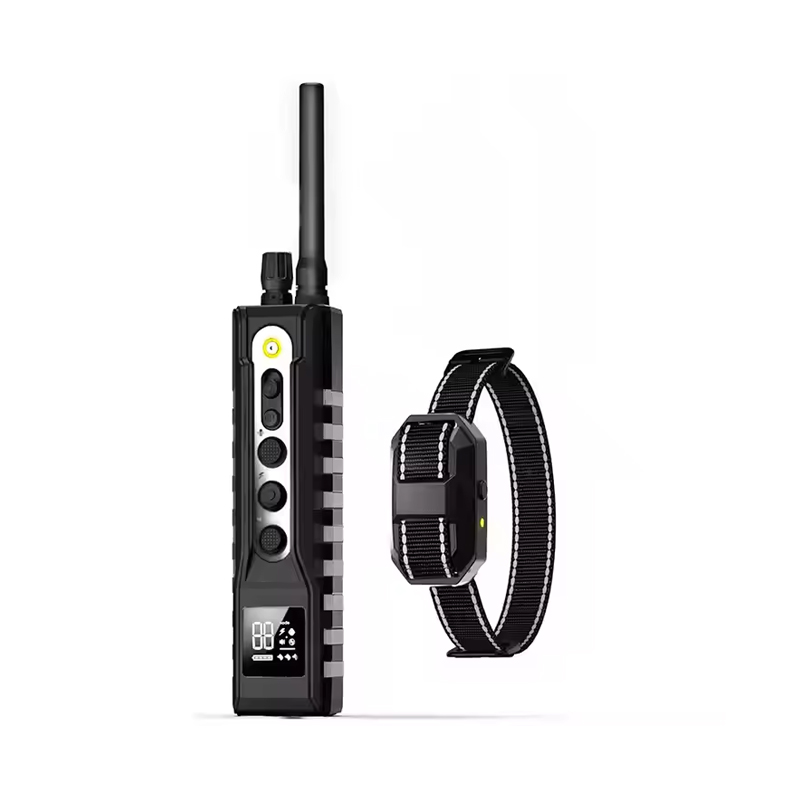
Multi-Function Long Distancetraining Shock Collar
The Multi-function Long Distance Training Shock Collar is a highly versatile tool designed to support your dog’s training across various environment...
View More -
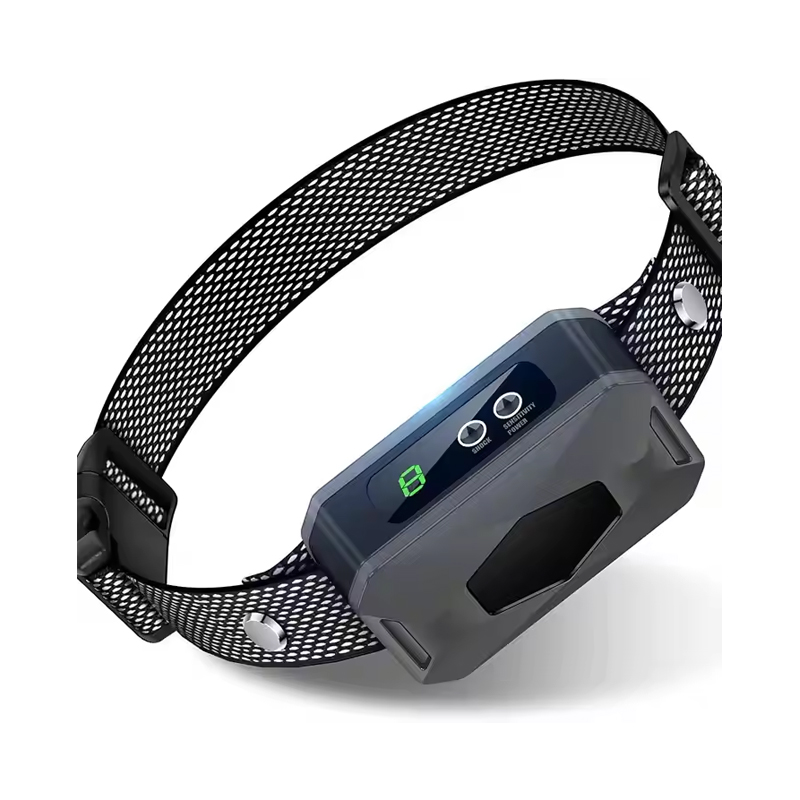
Remote Control Waterproof Training Shock Collar
The Remote Control Waterproof Training Shock Collar is an advanced training tool designed to help pet owners effectively manage their dogs’ behavior...
View More
Pet Products
If you have any questions, please
get in touch with us.
+86-13486854214
E-mail: [email protected]
Address: No. 258, Qingchuan Road, Huzhen Town, Jinyun County, Lishui City, Zhejiang Province
Copyright © Zhejiang Beijing Technology Co., Ltd.

OEM/ODM Smart Pet Care Factory