
 EN
EN  English
 Español
 Français
 Deutsch
 Nederlands

- Type:
- Industry News
- Date:
- 2026-06-26

Industry News
Why Does a Slow Eating Pet Bowl Change Feeding Behavior in Pets
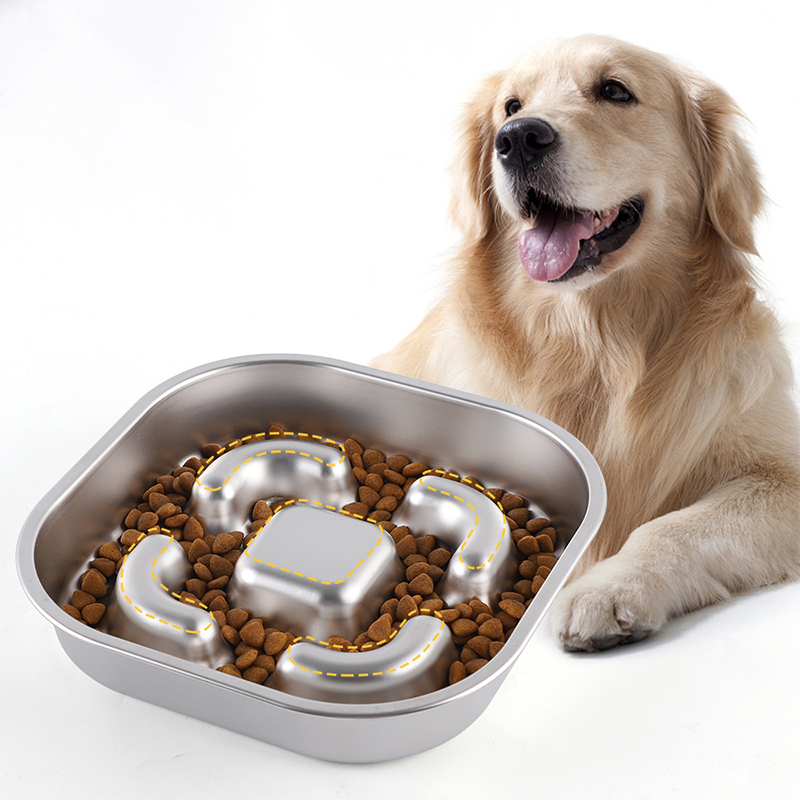
A Slow Eating Pet Bowl is not only a feeding container. It changes how food is reached, how a pet moves during a meal, and how quickly the bowl can be emptied. In many feeding routines, the shape inside the bowl matters as much as the material outside it. When the food path is broken into smaller sections, eating usually becomes more measured and less rushed.
That change matters for daily use because feeding speed is tied to behavior. Some pets rush because of habit. Some rush because they are excited. Some simply follow the pace the bowl allows. In that sense, the bowl becomes part of the feeding routine, not just a place where food sits.
Industry interest in this category often focuses on three points:
- how the shape changes access to food
- how different foods behave in the same bowl
- how pets adapt once the feeding pattern changes
The sections below follow that path from structure to use.
What Makes a Slow Eating Pet Bowl Change Pet Feeding Speed and Daily Eating Behavior
A Slow Eating Pet Bowl works by interrupting direct access to food. Instead of allowing a pet to take large mouthfuls in one motion, the raised shapes and narrow paths break the meal into smaller actions. That changes pace without changing the food itself.
The effect is partly physical and partly behavioral. A pet must move the nose, tongue, or mouth in a more careful way to reach the food. That small shift can turn a rushed meal into a slower routine. Over time, the feeding pattern may also become more consistent, because the bowl encourages a repeated method instead of a fast grab-and-go motion.
In product terms, the change comes from three simple elements:
- separated food pockets that reduce direct access
- raised surfaces that guide movement
- a layout that asks for repeated effort during eating
Some pets adjust quickly. Others need time. The pattern is shaped by temperament, hunger level, and the way the food is placed in the bowl. A shallow design may feel easier for one pet, while another may need a layout with clearer barriers to slow the pace in a noticeable way.
How Slow Eating Pet Bowl Design Guides Food Movement Inside Maze Structures
Inside a Slow Eating Pet Bowl, the food does not sit in one open area. It settles into channels, curves, ridges, or cutouts that change how it can be reached. That is what gives the bowl its feeding rhythm. Instead of one wide opening, the pet meets a set of smaller paths.
Food movement depends on the bowl shape and on how the pet interacts with it. Dry pieces may slide into corners. Softer food may stay in place longer. A pet may need to angle the mouth differently depending on where the food has settled. The design does not block eating. It simply asks for a slower route.
| Bowl layout | Feeding feel | Food movement | Practical note |
|---|---|---|---|
| Wide open center | Direct and simple | Food stays easy to reach | Less change in pace |
| Raised pattern layout | More segmented | Food shifts into smaller spaces | Can slow faster eaters |
| Narrow path layout | More step by step | Food moves through clear routes | May suit pets that need stronger guidance |
| Mixed surface layout | Variable | Food settles in different areas | Works differently by food type |
The layout also affects engagement. Some pets treat the bowl like a small puzzle and slow down naturally. Others keep pushing through the same path until the food is gone. That is why the shape alone does not tell the full story. The way the pet eats matters too.
How Food Type and Particle Size Interact With Slow Eating Pet Bowl Design
A Slow Eating Pet Bowl does not behave the same way with every food type. Dry pieces, soft meals, and mixed feeding styles all move in different ways. The bowl shape may stay the same, but the feeding result can shift depending on texture, size, and moisture.
Dry kibble usually settles into channels and around raised areas. Smaller pieces can slide through narrow spaces with less resistance. Larger pieces tend to stay where they land for longer, which can change the pace in a noticeable way. Soft food behaves differently. It may spread across the surface and reduce the effect of a complex layout if the surface is too open.
The relationship between food and bowl shape can be described in simple terms:
- small pieces may move more freely and need clearer barriers
- larger pieces may slow eating without much extra structure
- soft food may require smoother surfaces to remain usable
- mixed feeding can create uneven movement inside the bowl
That means material choice and internal shape should match the feeding habit, not just the pet's size. A layout that works well with one type of food may feel awkward with another. In daily use, that difference is often more important than appearance.
Which Bowl Structure Works Better for Different Pet Sizes and Eating Habits
The right structure depends on how the pet eats, how large the mouth is, and how much patience the pet shows during meals. A Slow Eating Pet Bowl that feels manageable for a small pet may feel too tight for a larger one. A shape that slows one eating style may not influence another very much.
For practical selection, the fit usually comes down to four areas:
- pet size and mouth shape
- eating pace and level of excitement
- food type and piece size
- comfort during repeated use
For a clearer view, the table below shows common matching patterns without forcing a single formula:
| Pet eating pattern | Structure tendency | Feeding result to expect |
|---|---|---|
| Quick eater with dry food | Clear ridges and defined paths | Slower access and more pauses |
| Careful eater with soft food | Simple raised surfaces | Mild change without frustration |
| Small pet with smaller mouth | Shallow layout | Easier reach and steady pacing |
| Larger pet with strong tongue movement | Wider channels | Better comfort and less crowding |
| Mixed or changing feeding routine | Balanced interior pattern | Flexible use across meal types |
The goal is not to make eating difficult. It is to create a pattern that feels natural enough to use every day. If the structure is too simple, the pace may not change much. If it is too tight, the pet may push food around instead of eating calmly. A balanced shape usually supports both access and slower movement.
In daily feeding, the structure should feel familiar after a short adjustment period. A pet that can keep a steady rhythm is more likely to accept the bowl as part of the normal routine.
Why Some Pets Still Eat Quickly When Using a Slow Eating Pet Bowl
A Slow Eating Pet Bowl can change the shape of a meal, but it does not erase habit. Some pets will still move through food quickly because they are used to doing it that way. Others respond to the bowl, then rush again once they learn the easiest path through the pattern. In real use, that difference is normal.
The feeding result often depends on three things at once: the bowl shape, the food texture, and the pet's own pace. If one of those does not match well, the eating speed may stay close to the old routine. That is why some designs work smoothly in one home and only partly in another.
A few common reasons show up again and again:
- the pet already has a strong fast-eating habit
- the food pieces move too easily through the inner layout
- the bowl shape does not match the pet's mouth size or feeding style
- the bowl shifts while the pet is eating
Sometimes the issue is not the idea of slow feeding. It is simply that the structure and the pet do not fit together very well.
How Material Choice in a Slow Eating Pet Bowl Affects Cleaning and Daily Use
Material changes more than appearance. It changes how a Slow Eating Pet Bowl feels in the hand, how food leaves the surface, and how the inner grooves hold up after repeated washing. A bowl may look simple from the outside, yet still behave very differently in daily cleaning.
A smoother surface usually helps with rinsing, especially around raised lines and narrow channels. Softer materials can be easier to handle and quieter during feeding, but they may also bend a little when the pet pushes against them. Firmer materials tend to keep their shape better, though they may need a bit more attention when residue settles into deeper areas.
| Material type | Cleaning feel | Daily use feel | Shape behavior |
|---|---|---|---|
| Hard plastic | Easy to wipe and rinse, though small marks may appear with time | Light and easy to move | Holds structure well |
| Silicone | Food releases more easily from grooves | Softer and quieter during feeding | Slight bend under pressure |
| Firm coated surface | Smooth finish that helps with washing | Steady and consistent in use | Keeps a stable form |
The difference is often felt more than seen. A bowl that is easy to clean usually gets used more often, simply because the routine feels less tiring. On the other hand, a bowl with deeper patterns may slow feeding more clearly, but it can also ask for more cleaning time.
That tradeoff matters for daily use. A practical feeding tool should fit the home routine, not add unnecessary work to it.
When to Introduce a Slow Eating Pet Bowl Into a Pet Feeding Routine
Introducing a Slow Eating Pet Bowl usually works better when the pet already has a predictable feeding habit. A sudden change during a stressful period can make the bowl feel unfamiliar in the wrong way. A calm routine gives the pet a clearer chance to adjust.
Some owners notice the need when meals end too fast, when food is swallowed with little pause, or when the pet seems to rush as soon as the bowl is placed down. In those cases, the new bowl can be added as part of a normal routine rather than as a correction.
A smoother transition often follows a simple order:
- begin in a quiet feeding area
- keep the meal time familiar
- start with food the pet already accepts well
- give the pet a few meals to adapt before changing the setup again
The early stage matters because the pet is not only meeting a new bowl. It is also meeting a new rhythm. If that rhythm feels too different, the pet may resist it by pawing, tipping, or pushing the food around instead of eating.
A gradual change usually feels more natural than a sudden one. Once the feeding pattern becomes familiar, the bowl no longer feels like a separate object. It becomes part of the routine.
Tips to Help Pets Adapt Smoothly to a Slow Eating Pet Bowl
Adjustment is easier when the feeding setup stays calm and consistent. A Slow Eating Pet Bowl can work well, but the transition still depends on how the pet meets it for the first time. A bowl that looks challenging at the start may feel normal after repeated use.
The goal is not to force a new behavior. The goal is to let the pet settle into the new pattern without confusion. Small changes often help more than large ones.
A few practical steps can make the process smoother:
- keep the bowl in the same place during the adjustment period
- avoid changing food type too quickly
- use a structure that matches the pet's reach and mouth size
- watch for signs of frustration, then reduce complexity if needed
It also helps to think in terms of comfort rather than control. If the bowl feels too crowded, the pet may stop using it calmly. If it feels too open, the slowing effect may be weak. The useful point sits somewhere in between.
Some pets adjust within a few meals. Others need a longer period. That does not mean the bowl is unsuitable. It often means the feeding rhythm is still settling. In everyday use, patience matters more than forcing a result.
When the structure, food, and routine line up well, the bowl feels less like a change and more like a normal part of feeding.
Related Products
-
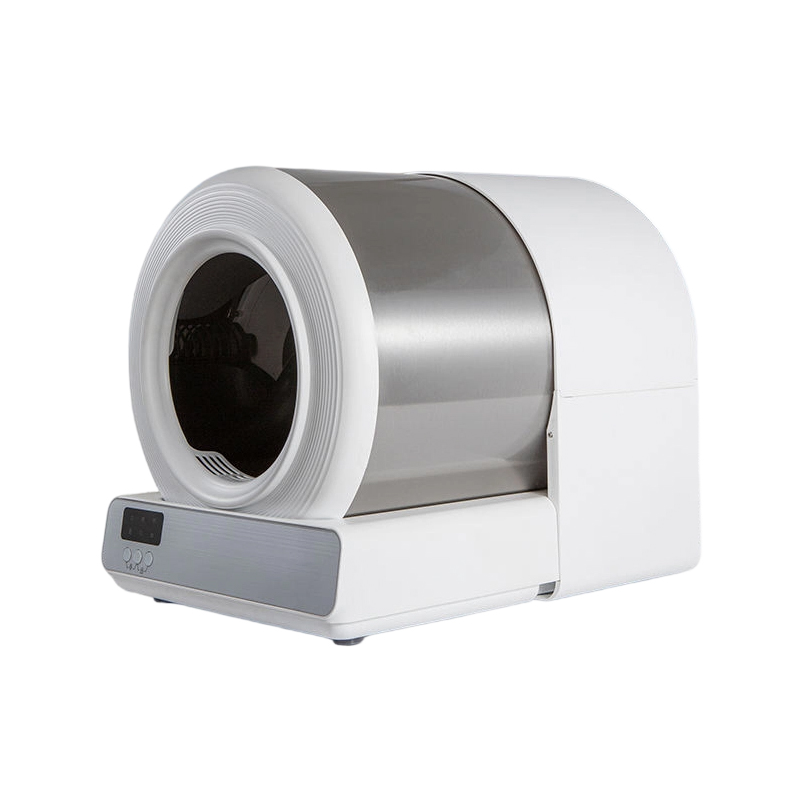
Cat Litter Tray For Multiple Cats Automatic Cat Litter Tray
Cat Litter Tray for Multiple Cats Automatic Cat Litter Tray – Product Features The high-pressure washable, safety-focused design facilitates compr...
View More -
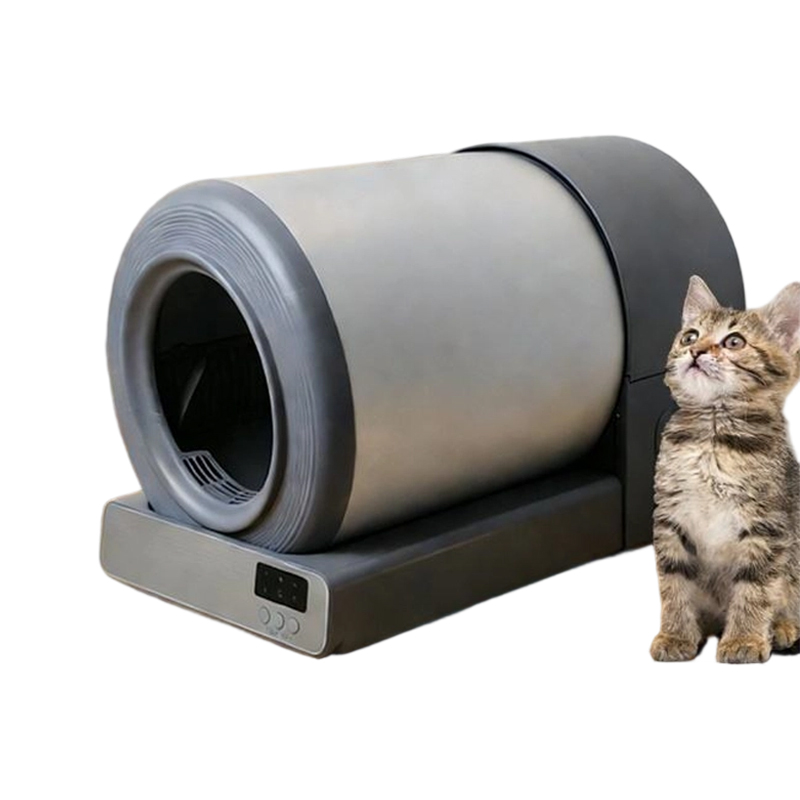
Self-Cleaning Stainless Steel Smart Cat Litter Tray
Self-Cleaning Stainless Steel Smart Cat Litter Tray – Product FeaturesThe preferred choice for non-profit organisations; compatible with open-top bi...
View More -
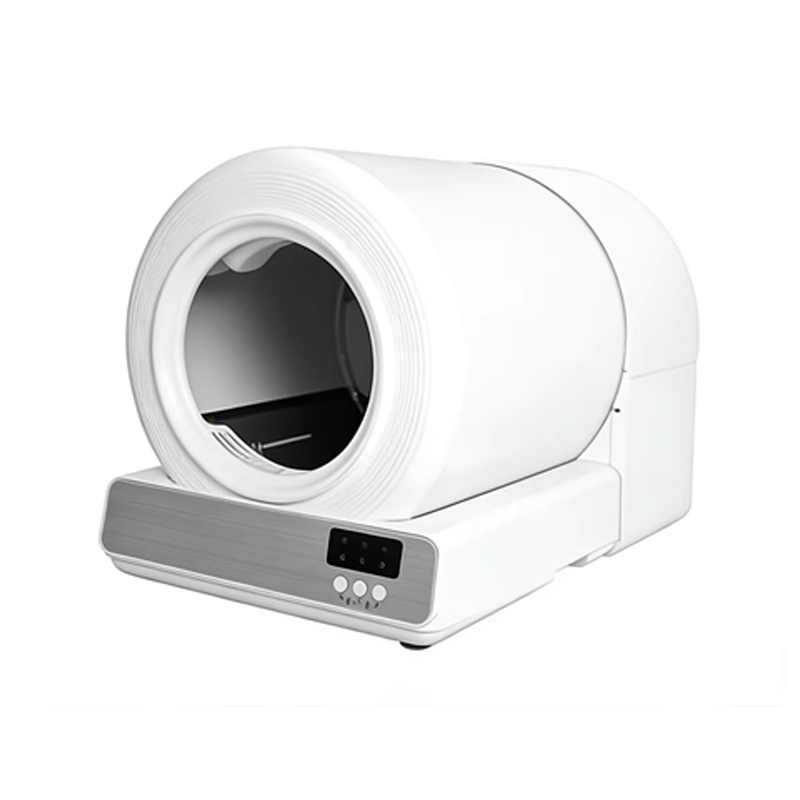
Second-Generation Fully Automatic Cat Litter Tray
Second-Generation Fully Automatic Cat Litter Tray – Product Features With a large 65-litre capacity, it easily accommodates a substantial amount of ...
View More -
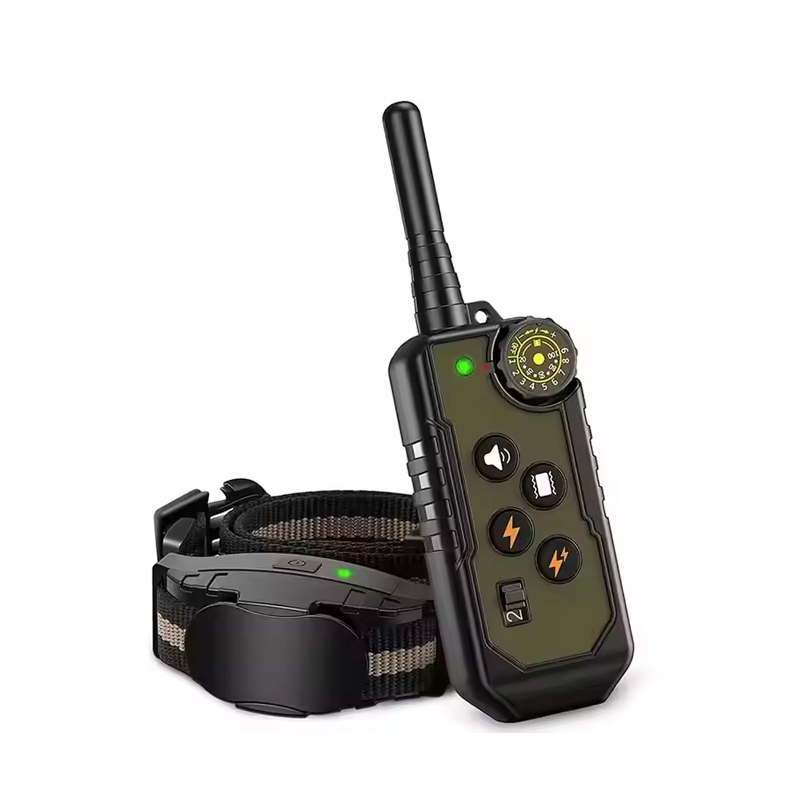
Multi-Mode Easy To Operate Training Shock Collar
The Multi-mode, easy-to-operate training Shock Collar is designed to provide a practical solution for owners seeking a safe and effective way to train...
View More -
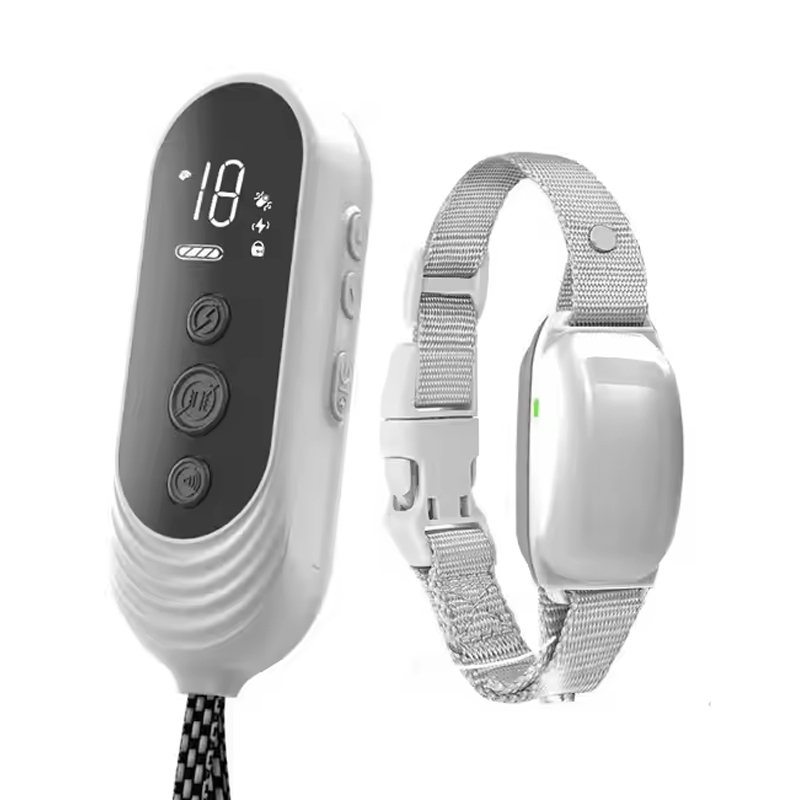
Waterproof Adjustable Polyester Training Shock Collar
The Waterproof Adjustable Polyester Training Shock Collar offers a reliable solution for pet owners seeking a versatile and durable collar to enhance ...
View More -
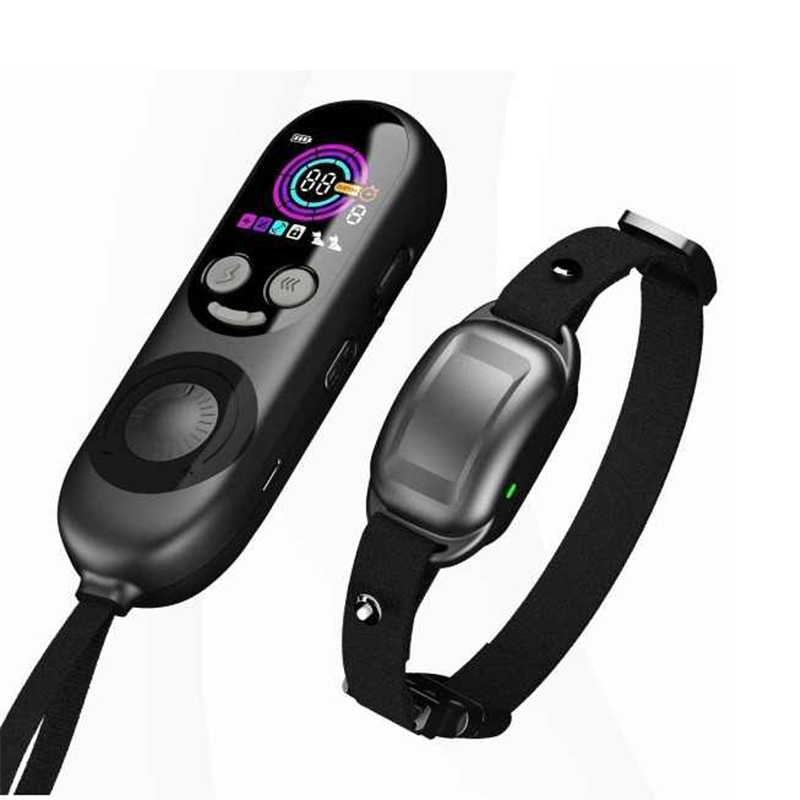
Display Remote Control Training Shock Collar
The Display Remote Control Training Shock Collar is designed to provide pet owners with a reliable and humane solution for training their dogs. Whethe...
View More -
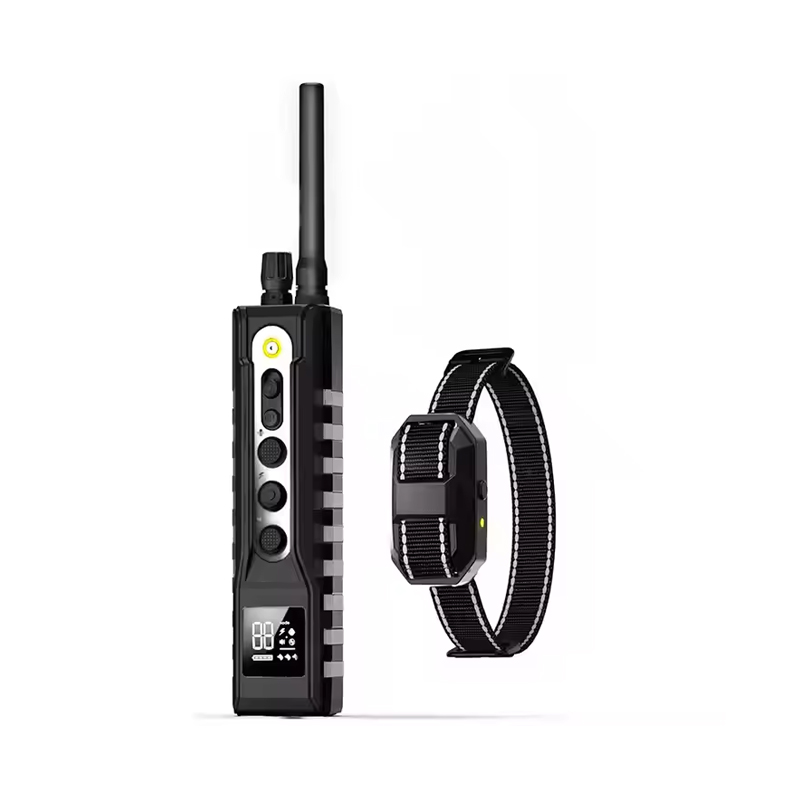
Multi-Function Long Distancetraining Shock Collar
The Multi-function Long Distance Training Shock Collar is a highly versatile tool designed to support your dog’s training across various environment...
View More -
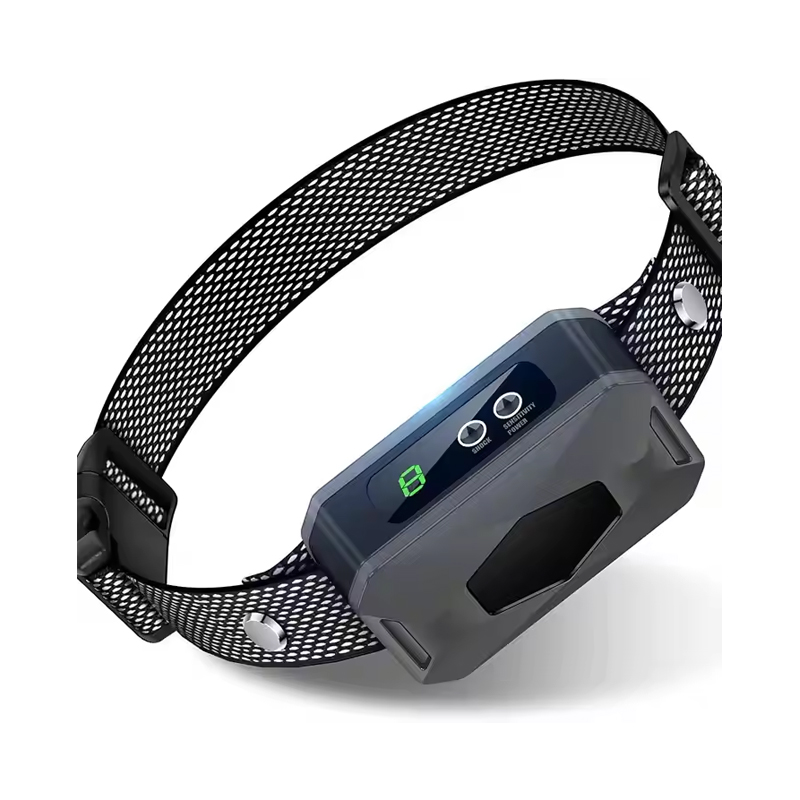
Remote Control Waterproof Training Shock Collar
The Remote Control Waterproof Training Shock Collar is an advanced training tool designed to help pet owners effectively manage their dogs’ behavior...
View More
Pet Products
If you have any questions, please
get in touch with us.
+86-13486854214
E-mail: [email protected]
Address: No. 258, Qingchuan Road, Huzhen Town, Jinyun County, Lishui City, Zhejiang Province
Copyright © Zhejiang Beijing Technology Co., Ltd.

OEM/ODM Smart Pet Care Factory