
 EN
EN  English
 Español
 Français
 Deutsch
 Nederlands

- Type:
- Industry News
- Date:
- 2026-01-13

Industry News
Common issues with Intelligent Pet Water Dispenser and their fixes
Intelligent pet water dispensers are designed to make life easier for both pets and their owners. They provide a constant supply of fresh water and can even monitor a pet's hydration. However, these devices are not without their problems. From clogged filters to connectivity issues, pet owners may encounter several challenges. In this article, we will explore common issues with pet water dispensers and provide practical solutions for fixing them.
Why Does the Water Stop Flowing in Pet's Fountain?
One of the most common frustrations with automatic pet water dispensers is when the water suddenly stops flowing properly. Your pet might paw at the empty spout or just stare at it, and you'll quickly realize something's gone wrong with the flow.
What Usually Causes the Water Flow to Get Disrupted?
- Dirty or Clogged Filters Over time, the filter picks up bits of food, pet hair, fur, dust, and even mineral buildup from hard water. Once it gets too full, water can barely trickle through—or stop completely.
- Air Trapped in the System (Airlock) Sometimes air gets stuck in the tubing or pump area, especially after refilling the tank or moving the fountain. This air bubble blocks the water from moving freely, so nothing comes out even though the pump is running.
- Pump Issues The little pump that pushes the water can wear out, get clogged with debris, or simply stop working properly after a while. When that happens, you'll hear it humming but no water will circulate.
How to Get the Water Flowing Again?
- Clean or Replace the Filters Make it a habit to rinse the filter thoroughly every week or two under running water. Gently scrub away any visible gunk with your fingers or a soft brush. If the filter looks worn out or the flow stays weak even after cleaning, swap it for a new one as recommended by the manufacturer—usually every 2–4 weeks depending on how many pets you have and how hard your water is.
- Fix an Airlock If the water isn't flowing after a refill, try gently lifting the fountain a few inches off the counter and giving it a light shake or a few soft taps on the side. This usually dislodges the air bubble and lets the water start circulating again. You might hear a gurgle when it breaks free.
- Check the Pump Unplug the fountain, remove the pump (most pop out easily), and inspect it. Rinse it under water to clear any trapped hair or slime. If the impeller (the spinning part) doesn't turn freely by hand or looks damaged, the pump may need replacing. In that case, reach out to the manufacturer—they often sell replacement pumps separately.
How to Keep the Water in Your Pet's Fountain Clean and Safe?
Nobody wants their furry friend drinking dirty water—contaminated water in a pet dispenser can lead to upset stomachs or worse. These automatic fountains are great for encouraging pets to drink more with fresh, circulating water, but they still need regular attention to stay truly clean.
What Can Cause the Water to Get Contaminated?
- Water Sitting Too Long (Going Stale) If you don't refresh the water often, it loses oxygen and can pick up dust, food crumbs, or saliva buildup, making it unappealing and potentially unsafe for your pet.
- Bacteria and Algae Buildup Warm spots, moisture, and any leftover gunk create the perfect environment for bacteria or slimy algae to grow, especially in the reservoir, tubes, or crevices where water sits.
- Filters Not Doing Their Job Worn-out or clogged filters let things like minerals, chlorine from tap water, or tiny particles slip through, reducing the water quality over time.
Tips to Prevent Contamination and Keep Things Fresh
- Refresh the Water Often Dump out the old water and refill with fresh, clean water every day or two—more often if you have multiple pets or it's hot out. This simple habit keeps things tasting good and prevents stagnation.
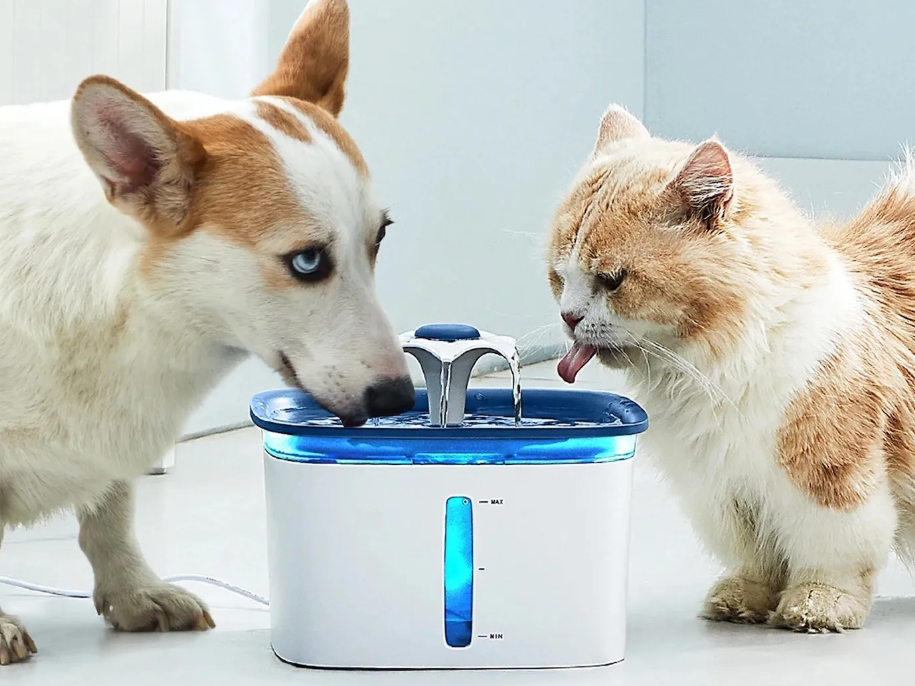
- Clean the Fountain Thoroughly on a Schedule Every week or two, take the whole thing apart—reservoir, pump, bowl, and any attachments. Wash everything with warm soapy water (mild dish soap works fine), rinse well, and use a soft brush or cloth to scrub away any slime or residue. For tougher spots, a pet-safe cleaner or a vinegar soak can help kill bacteria without leaving harmful chemicals behind. Always dry it completely before reassembling.
- Stay on Top of Filter Maintenance Swap out the filters exactly as the manufacturer recommends—often every 2-4 weeks, depending on your model and water hardness. In between replacements, give them a gentle rinse if allowed, and keep an eye out for any damage or heavy buildup.
Why Won't Pet's Water Fountain Turn On?
It's really annoying when your automatic pet water dispenser suddenly refuses to power up—no lights, no pump hum, nothing. These things rely on electricity just like any gadget, so power problems are pretty common, especially after months of daily use.
What Usually Causes It to Not Turn On?
- Dead or Worn-Out Battery If yours is a cordless or wireless model with a built-in rechargeable battery, the battery can degrade over time and stop holding a charge properly. After a year or two, it might not power the fountain at all, even after plugging it in for hours.

- Problems with the Power Cord or Adapter Most fountains use a USB cable or low-voltage adapter. Pets love to chew, or the cord can get bent, frayed, or pulled loose from constant moving the fountain around. A damaged connection means no power gets through.

- Internal Electrical Fault Sometimes it's something inside—like a loose wire, burnt-out component, or water damage from spills that snuck into the electronics. This can happen without any obvious signs.
How to Troubleshoot and Fix It?
- For Battery-Powered Models: Charge or Replace the Battery First, plug it in and leave it charging overnight. If there's a charging light, watch for that. If it still won't turn on, the battery might need replacing—check your model's manual or the manufacturer's site for a compatible replacement battery.
- Inspect and Fix the Power Cable Look over the entire cord and adapter for frays, chew marks, bent pins, or loose plugs. Try wiggling the connection at both ends while it's plugged in to see if it flickers on. If the cable looks damaged, get a new one (many use standard USB types). Also, test with a different outlet or adapter if you have a spare that matches the voltage.
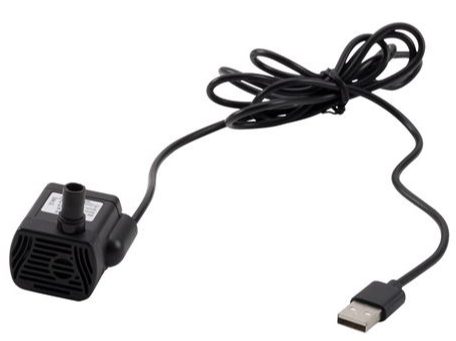
- If Nothing Works: Get Help from the Manufacturer Once you've ruled out the easy stuff like cables and charging, it's likely an internal issue. Reach out to customer support—they might guide you through a reset, send a replacement part, or handle a warranty repair. Don't try opening it up yourself if it's still under warranty.
How to Quiet Down a Noisy Pet Water Fountain?
That constant humming, gurgling, or buzzing from your pet's water dispenser can drive you crazy, especially at night. Most of the time, it's the pump working hard to keep the water moving, but a little noise is normal—when it gets too loud, though, it's usually fixable with some simple tweaks.
What Typically Makes the Fountain Noisy?
- Pump-Related Sounds The small pump can start gurgling or buzzing if air gets trapped inside (airlock), or if debris builds up around the impeller, making it struggle.
- Vibrations from the Surface If the fountain is on a hard, uneven floor or countertop, the pump's vibrations get amplified, turning a soft hum into a noticeable rattle.
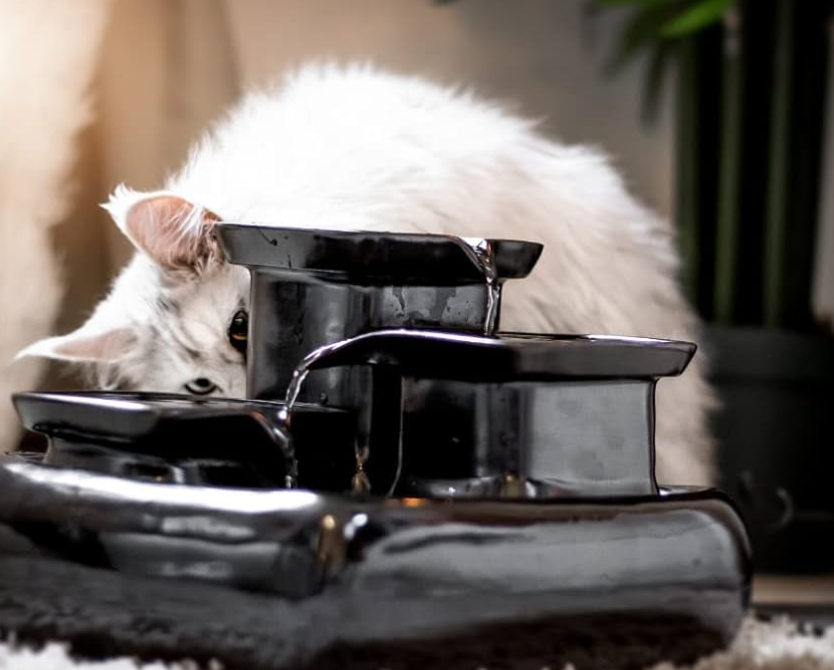
Easy Ways to Reduce or Eliminate the Noise
- Clear Out Any Trapped Air After refilling or if it's been making odd sounds, gently lift the fountain a bit and give it a few light shakes or taps on the side. This often releases air bubbles from the pump and tubing—you'll usually hear it quiet down right away.
- Put It on a Better Spot Move the dispenser to a completely flat, sturdy surface. To dampen vibrations even more, place it on a thick rubber mat, a folded towel, or a soft silicone pad—these absorb the buzz really well.
- Clean and Check the Pump Unplug it, take the pump out, and rinse it thoroughly to remove any hair, slime, or mineral buildup. Spin the impeller by hand to make sure it moves freely. Regular cleaning like this prevents most noise issues. If it's still loud after that and seems worn, it might be time for a replacement pump from the manufacturer.
Why Is My Pet Water Dispenser Having Connectivity Issues?
Many intelligent pet water dispensers now offer smart features, such as mobile app integration. However, connectivity problems can arise, affecting the device's functionality.
What Causes Connectivity Problems?
- Weak Wi-Fi Signal: If the dispenser is too far from the router, or the Wi-Fi signal is weak in the area, it may fail to connect.
- App Issues: Sometimes the app itself may have bugs or compatibility issues that prevent it from syncing with the dispenser.
- Outdated Firmware: If the dispenser's firmware is out of date, it may cause problems with connectivity or overall performance.
How to Fix Connectivity Issues?
- Ensure Strong Wi-Fi Signal: Place the dispenser closer to the router or use a Wi-Fi extender to improve signal strength in the area.
- Update the App: Make sure you are using the latest version of the app. If issues persist, try uninstalling and reinstalling the app to resolve potential bugs.
- Update Firmware: Check for any available firmware updates for your dispenser. This can help improve connectivity and resolve software-related problems.
What to Do If Your Pet Water Fountain Is Leaking or Overflowing?
Nothing's more frustrating than coming home to a puddle around your pet's water dispenser—it's messy, wastes water, and can even damage floors. The good news is most leaks or overflows are easy to fix once you spot the cause.
Common Reasons for Leaks or Overflows
- Worn or Damaged Seals and Gaskets The rubber rings or seals that keep joints watertight can dry out, crack, or get misshapen over time, especially with frequent cleaning or hard water buildup. This lets water seep out from the base, seams, or reservoir connections.
- Too Much Water Pressure or Overfilling If the pump is running too strong or you've filled the tank past the max line, water can splash over the edges or force its way out of weak spots.
How to Stop the Leaking and Overflowing?
- Check and Replace Seals/Gaskets Unplug the fountain and take it apart. Look closely at all the rubber seals—feel for cracks, flattening, or stickiness. Clean them gently first, but if they're damaged, order replacements from the manufacturer (most brands sell spare parts kits). Reassemble carefully to ensure everything seats properly.
- Lower the Flow Rate or Water Level Many models have an adjustable knob or slider on the pump to control how fast the water circulates—turn it down to a gentler stream. Also, always fill only to the marked maximum line (or a bit below) to give room for splashing without overflow.
- Extra Tips Place the fountain on a level surface and use a waterproof mat underneath for protection. If the leak persists after these steps, it might be a crack in the plastic—time to contact the manufacturer for warranty help or a replacement.
Why Is My Pet Avoiding the Water Dispenser?
Some pets may refuse to drink from an intelligent water dispenser, especially if they are accustomed to traditional bowls. While this isn't a technical issue, it's worth addressing to ensure your pet stays hydrated.
What Causes Pet Discomfort?
- Noise and Movement: The sounds or movements of the dispenser may startle some pets, causing them to avoid it.
- Water Flow Design: The continuous flow of water or the spout design may not be appealing to pets used to a still water bowl.
How Can I Encourage My Pet to Use the Dispenser?
- Introduce Gradually: If your pet is hesitant, place the dispenser next to their usual bowl and gradually transition them to using it.
- Reduce Noise: Consider placing the dispenser in a quieter area or opting for a quieter model.
- Experiment with Flow Rates: Many dispensers allow you to adjust the water flow. Try reducing the flow to make the device less intimidating.
Summary Table of Common Problems and Solutions
| Problem | Cause | Solution |
|---|---|---|
| Water Flow Issues | Clogged filters, airlock, pump failure | Clean filters, release airlock, inspect the pump |
| Water Contamination | Stale water, bacterial growth, poor filtration | Change water regularly, clean thoroughly, replace filters |
| Power Issues | Battery drainage, damaged cables, electrical malfunction | Replace battery, inspect cables, seek professional repair |
| Noise and Vibration | Pump noise, vibrations | Release airlocks, place on stable surface, maintain pump |
| Connectivity Problems | Weak Wi-Fi, app issues, outdated firmware | Improve signal, update app/firmware |
| Leaks and Overflows | Faulty seals, excessive water pressure | Inspect seals, adjust water pressure |
| Pet Discomfort | Noise, water flow design | Gradually introduce, reduce noise, adjust flow rate |
By understanding the common issues that can arise with intelligent pet water dispensers and knowing how to fix them, you can ensure your device remains in good working condition. These solutions will help keep your pet hydrated and happy while minimizing the chances of disruptions in their water supply.
Related Products
-
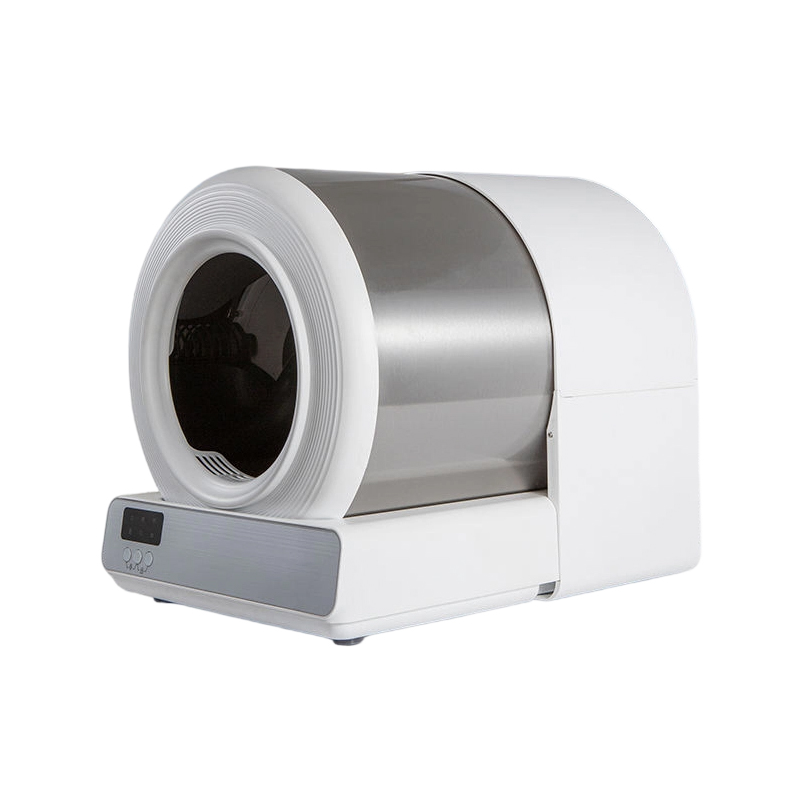
Cat Litter Tray For Multiple Cats Automatic Cat Litter Tray
Cat Litter Tray for Multiple Cats Automatic Cat Litter Tray – Product Features The high-pressure washable, safety-focused design facilitates compr...
View More -
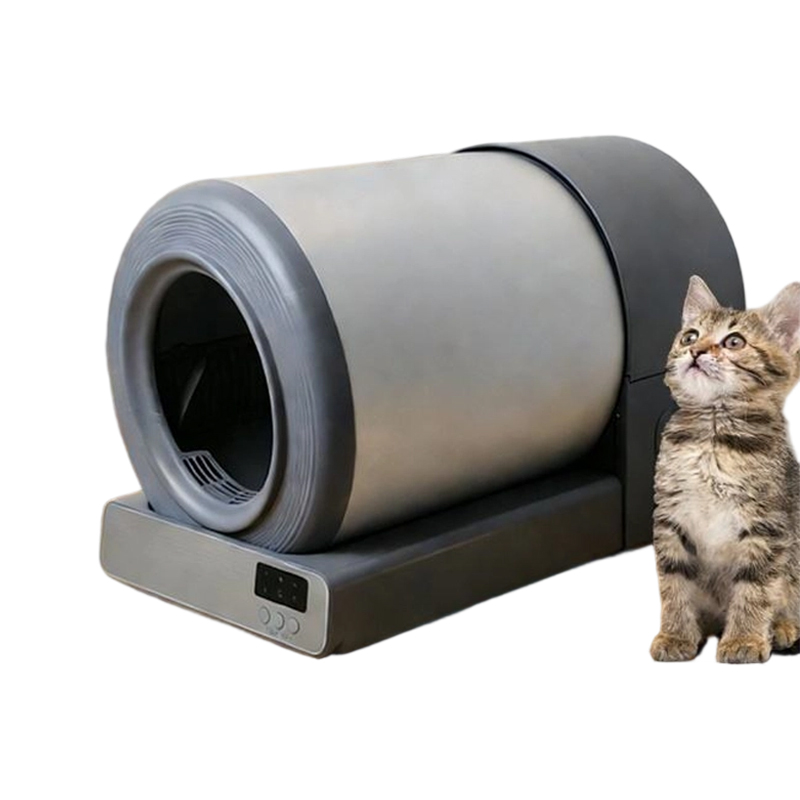
Self-Cleaning Stainless Steel Smart Cat Litter Tray
Self-Cleaning Stainless Steel Smart Cat Litter Tray – Product FeaturesThe preferred choice for non-profit organisations; compatible with open-top bi...
View More -
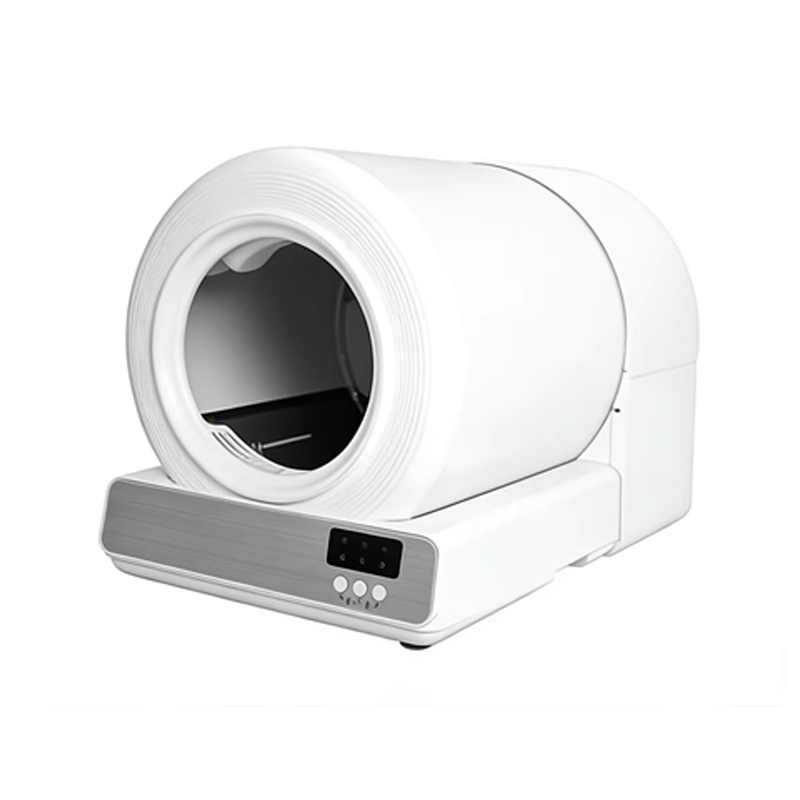
Second-Generation Fully Automatic Cat Litter Tray
Second-Generation Fully Automatic Cat Litter Tray – Product Features With a large 65-litre capacity, it easily accommodates a substantial amount of ...
View More -
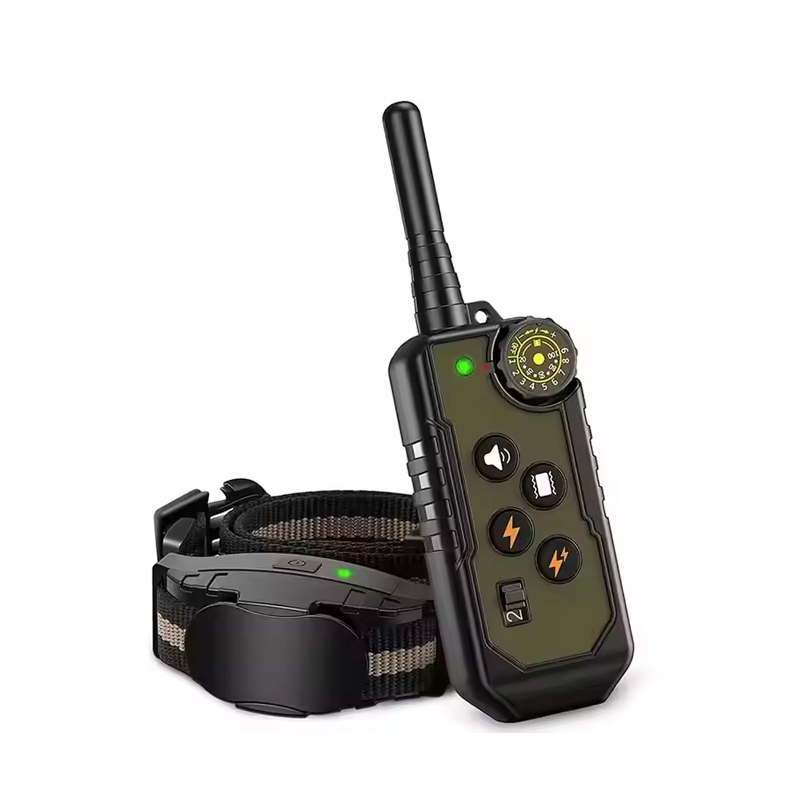
Multi-Mode Easy To Operate Training Shock Collar
The Multi-mode, easy-to-operate training Shock Collar is designed to provide a practical solution for owners seeking a safe and effective way to train...
View More -
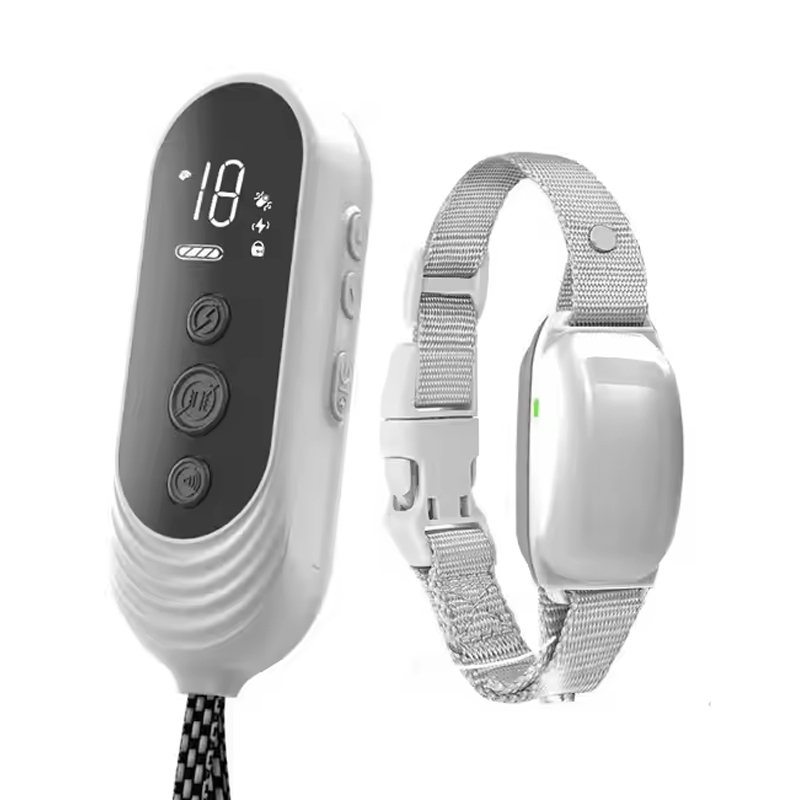
Waterproof Adjustable Polyester Training Shock Collar
The Waterproof Adjustable Polyester Training Shock Collar offers a reliable solution for pet owners seeking a versatile and durable collar to enhance ...
View More -
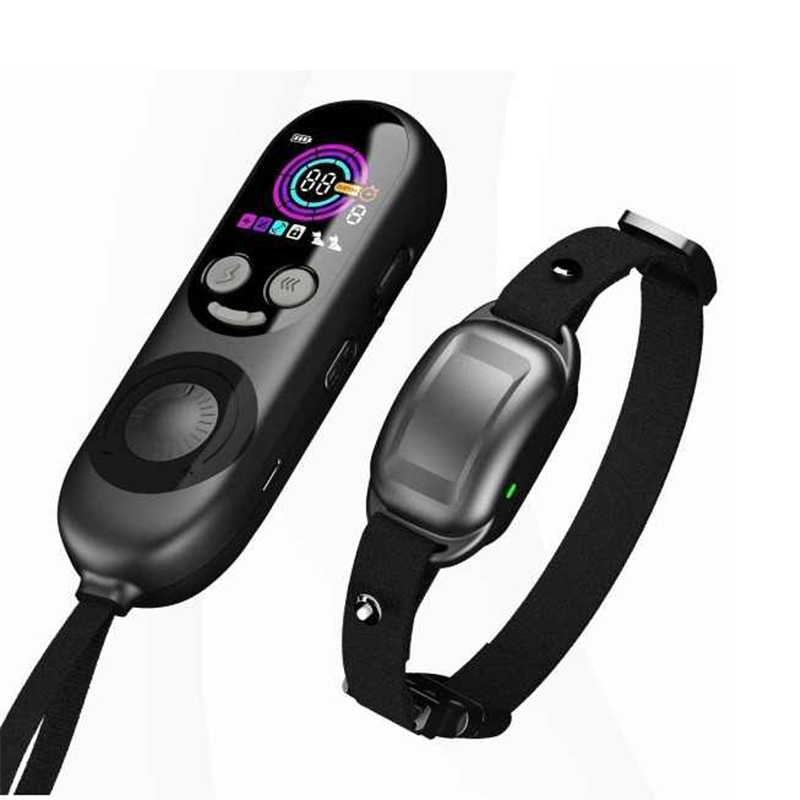
Display Remote Control Training Shock Collar
The Display Remote Control Training Shock Collar is designed to provide pet owners with a reliable and humane solution for training their dogs. Whethe...
View More -
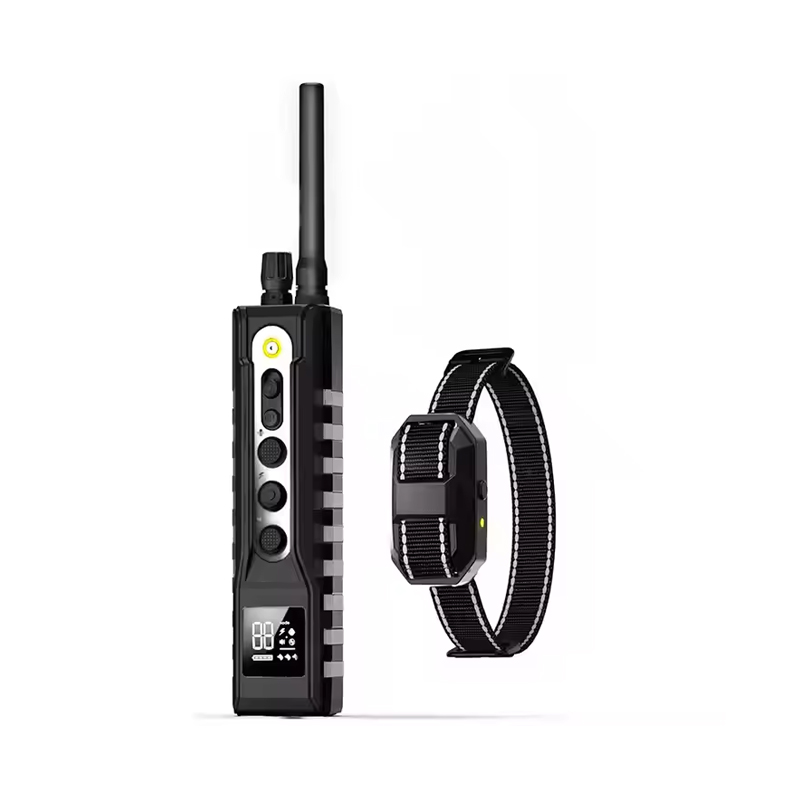
Multi-Function Long Distancetraining Shock Collar
The Multi-function Long Distance Training Shock Collar is a highly versatile tool designed to support your dog’s training across various environment...
View More -
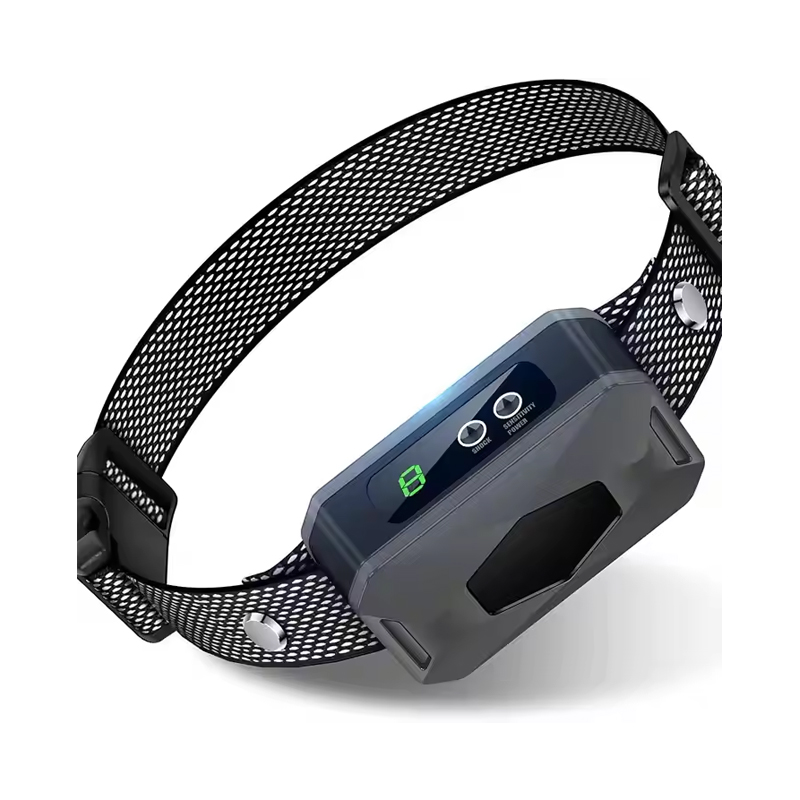
Remote Control Waterproof Training Shock Collar
The Remote Control Waterproof Training Shock Collar is an advanced training tool designed to help pet owners effectively manage their dogs’ behavior...
View More
Pet Products
If you have any questions, please
get in touch with us.
+86-13486854214
E-mail: [email protected]
Address: No. 258, Qingchuan Road, Huzhen Town, Jinyun County, Lishui City, Zhejiang Province
Copyright © Zhejiang Beijing Technology Co., Ltd.

OEM/ODM Smart Pet Care Factory