
 EN
EN  English
 Español
 Français
 Deutsch
 Nederlands

- Type:
- Industry News
- Date:
- 2026-01-16

Industry News
What's the Best Way to Introduce a Pet Dryer to Your Pet
Pet dryers are becoming increasingly popular among pet owners as a way to ensure their pets remain clean, dry, and comfortable after baths. While these devices are highly effective in drying pets quickly and efficiently, introducing a dryer to your furry friend can sometimes be tricky. Many pets are not accustomed to the noise, air flow, and sensation of being dried by a machine. With a bit of patience and the right approach, however, you can help your pet adapt to using a dryer in no time.
Why Taking Time to Introduce Your Pet to a Dryer Really Matters?
A lot of dogs and cats get pretty spooked the first time they hear the loud whir or feel the strong blast of air from a dryer—it's completely new and can feel overwhelming to them.
If you just dive in and force it during bath time, your pet might start associating the dryer with fear or stress. That can turn grooming into a battle every single time—leading to anxiety, trying to run away, or even snapping out of panic down the road.
On the flip side, when you introduce it slowly and make it a positive experience, your pet learns to relax and even enjoy the warm air.
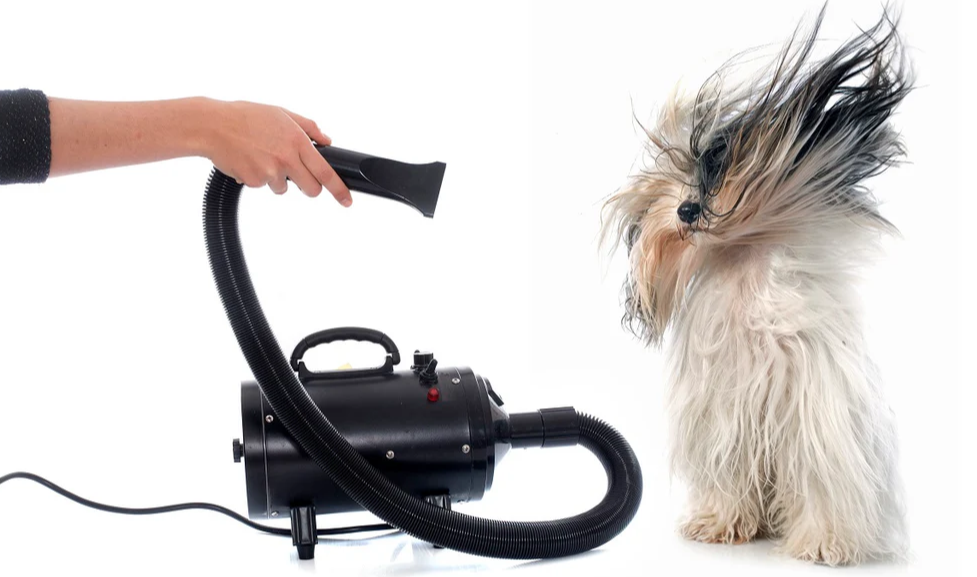
They build trust with you and the tool, making future drying sessions quick and stress-free for everyone. A little patience upfront saves a ton of hassle and keeps your furry friend happy and comfortable.
What to Consider Before Introducing the Pet Dryer?
Before you even turn on the dryer for the first time, taking a moment to plan ahead can make the whole introduction so much smoother—and way less stressful for your pet.
Pick a Dryer That Suits Your Pet
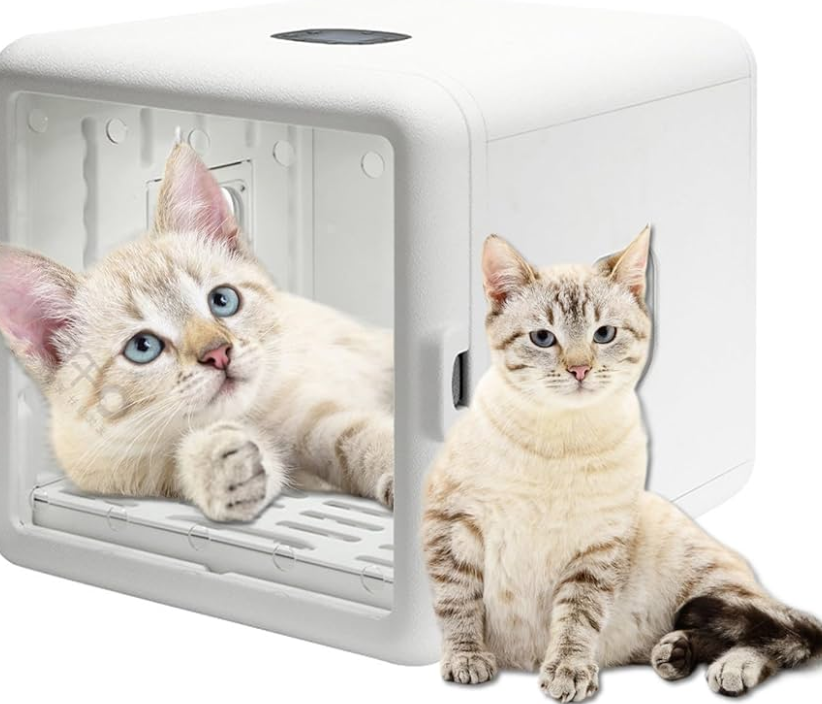
Pet dryers come in all kinds—some are super powerful for thick coats, while others are built to run quieter with gentler airflow. If your dog or cat gets easily startled by loud noises or strong blasts, go for one labeled as low-noise or with variable speed and temperature controls. Starting with the right tool means you can keep things gentle from day one and avoid overwhelming them.
Wait Until Your Pet Is Calm and Chill
Never try introducing the dryer when your pet is already wound up, hungry, or frazzled right after a bath. Pick a time when they're naturally relaxed—maybe after a good play session, a walk, or just lounging around. A few treats, gentle pets, or some quiet cuddle time can help settle them even more before you begin.
Getting these basics right sets you both up for success and turns drying time into something your pet doesn't dread!
How to gradually learn about pet dryers?
The secret to getting your pet comfortable with a dryer is patience—rushing it can make them scared and turn every future bath into a nightmare. Instead, break it down into small, easy steps over several days or even weeks, always watching how they react and going at their pace.
Step 1: Let Them Get Familiar with the Dryer Turned Off
Just place the dryer on the floor in a room where your pet hangs out. Leave it there for a day or two so they can sniff it, nudge it, or just see it around without any surprise. No pressure—let them approach on their own terms. This helps them see it as just another harmless thing in the house.
Step 2: Introduce the Sound from Far Away
Once they're totally ignoring the dryer when it's off, plug it in and turn it on at the lowest setting from across the room. Let it run for a short time while you stay with your pet, acting normal. If they perk up, hide, or seem worried, turn it off right away and try again later. Repeat this over a few sessions until they relax or even nap while it's humming in the background.
Step 3: Bring It Closer with Gentle Airflow
When the distant noise doesn't bother them anymore, slowly move the dryer nearer—maybe start at halfway across the room and inch closer over days. Keep it on low speed for short bursts. Watch their ears, tail, and body—if they're calm, great; if not, back up and give more time.
Step 4: Finally Start Drying Them
Only when they're completely chill with the noise and breeze nearby, gently direct the airflow toward them. Begin with less sensitive spots like paws or legs, holding the dryer a good distance away to keep the air warm and soft. Do just a few seconds at a time, then pause. Slowly build up to drying the back or sides, always avoiding the face, ears, or eyes. Keep sessions short and steady—no sudden moves.
Step 5: Make It a Positive
Experience with Rewards Throughout every step, load up on praise, gentle pets, and their favorite treats. Give a treat right after turning it on, during short bursts, and especially at the end of a session. This way, they start linking the dryer with good things, building excitement instead of fear.
What If Your Pet Just Won't Get Used to the Dryer?
Some pets are more sensitive than others—certain dogs or cats might always find the noise, vibration, or strong air too much, no matter how slowly you introduce it.
If they keep showing signs of stress—like trembling, trying to escape, tucked tail, or panting heavily—don't force it. Pushing too hard can make their fear worse and damage the trust between you.
Instead, keep sessions super short (just a few seconds), then stop and give lots of comfort and treats.

Build up the time very gradually over weeks, and skip days when they're already anxious or tired.
You could also try alternatives like gentle towel drying, letting them air dry in a warm room, or using absorbent pet towels to soak up most of the water.
If they've made some progress but still struggle, a professional groomer experienced with nervous pets might handle it better.
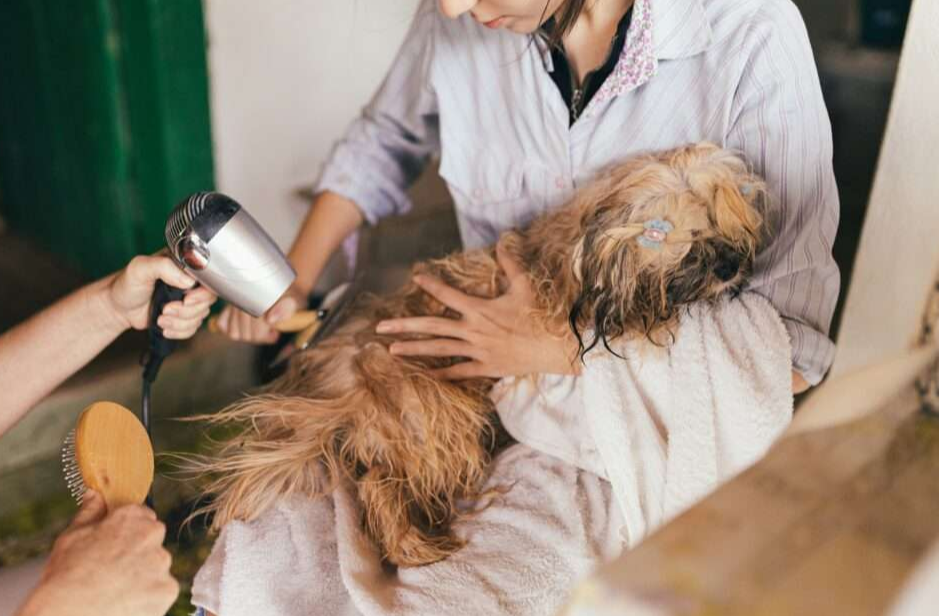
Or, if the fear seems deep-rooted, chat with a vet, pet behaviorist, or trainer—they can offer tailored tips or even desensitization techniques.
The goal is always to keep grooming positive and low-stress; some pets do end up relaxing with the dryer eventually, while others are just happier without it.
Listen to your pet, and they'll let you know what works best for them!
Key Tips for a Successful Introduction
Here's a recap of essential tips for introducing a dryer:
| Tip | Details |
|---|---|
| Start Slow | Gradually introduce the dryer over several days. |
| Use Positive Reinforcement | Reward your pet with treats and praise throughout the process. |
| Keep Sessions Short | Begin with brief drying sessions and gradually increase duration. |
| Maintain a Comfortable Distance | Keep the dryer a safe distance from sensitive areas (like the face). |
| Stay Calm | Pets can sense your emotions, so stay calm and relaxed during the process. |
| Monitor Pet’s Body Language | Pay close attention to your pet’s reactions, and stop if they show signs of stress. |
What other specific issues need to be addressed?
What About Nervous or Skittish Pets?
If your pet is particularly nervous or skittish, it's crucial to introduce the dryer in a quiet and controlled environment. Try using the dryer in a room with minimal distractions, and make sure the sound of the dryer isn't too overwhelming. Consider using a dryer that offers a quieter operation or an adjustable airflow for a gentler experience.
Should I Use the Dryer for Every Bath?
Not at all—it's totally fine to skip the dryer most times if your pet isn't a fan.
Many pets do great just air drying in a warm spot, especially short-haired ones or during warmer weather. Towel them off well first, and let nature do the rest.
That said, pulling out the dryer now and then can really help prevent tangles or mats in longer coats, dry them faster to avoid getting cold, and keep their fur looking shiny and healthy. If your pet ends up loving the warm air and attention, it can turn into a nice bonding moment that makes grooming feel like pampering.
Introducing a pet dryer to your furry friend doesn't have to be a stressful experience. By following a gradual approach, being patient, and offering plenty of positive reinforcement, you can help your pet feel more comfortable with the drying process. Each pet is different, so it's important to tailor your approach based on your pet's personality and reactions. Over time, your pet will likely learn to associate the dryer with something positive and might even look forward to their grooming sessions.
Related Products
-
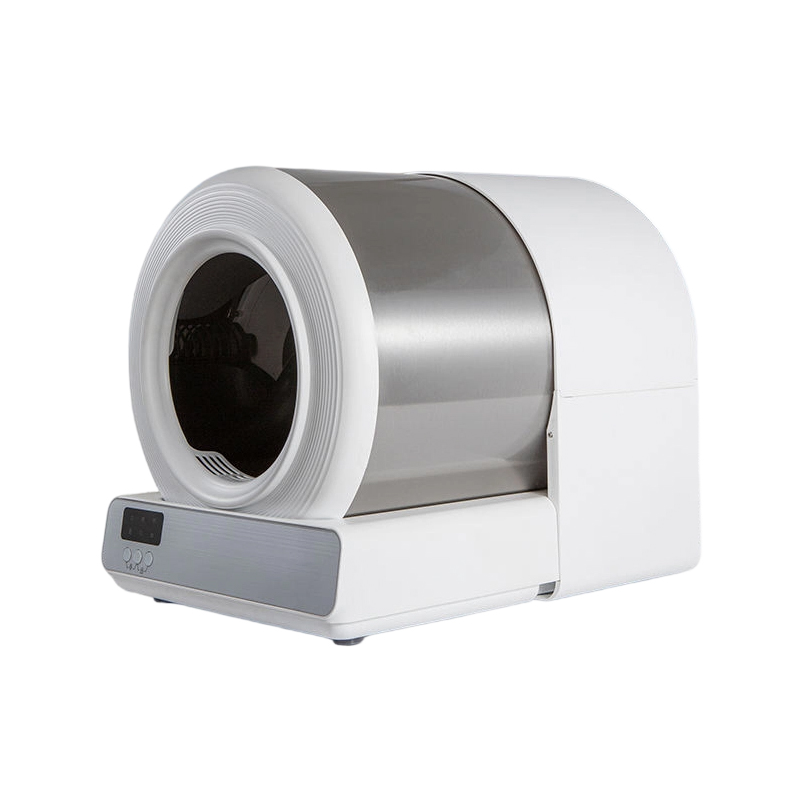
Cat Litter Tray For Multiple Cats Automatic Cat Litter Tray
Cat Litter Tray for Multiple Cats Automatic Cat Litter Tray – Product Features The high-pressure washable, safety-focused design facilitates compr...
View More -
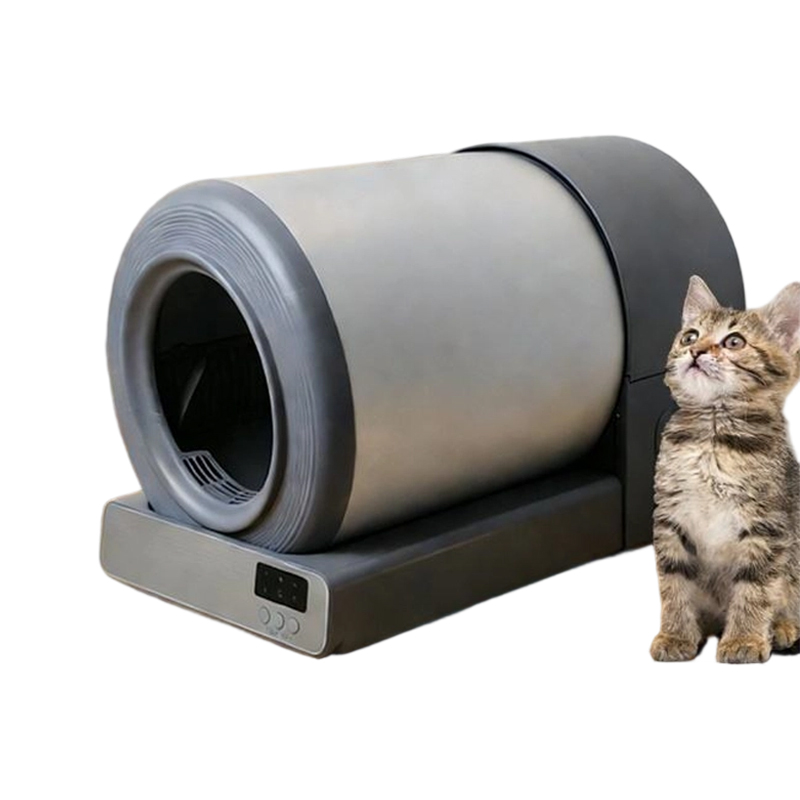
Self-Cleaning Stainless Steel Smart Cat Litter Tray
Self-Cleaning Stainless Steel Smart Cat Litter Tray – Product FeaturesThe preferred choice for non-profit organisations; compatible with open-top bi...
View More -
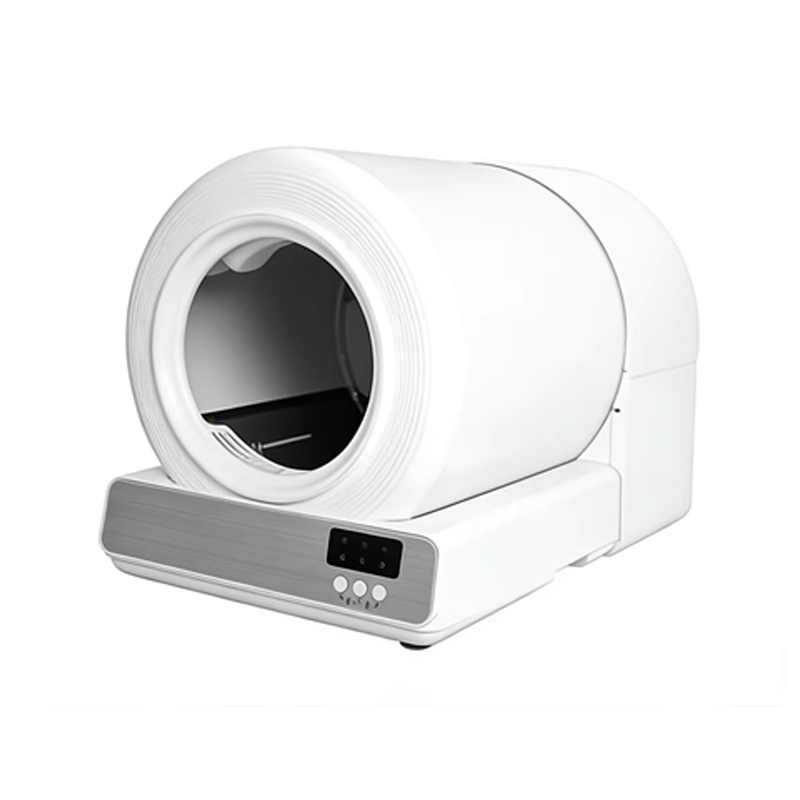
Second-Generation Fully Automatic Cat Litter Tray
Second-Generation Fully Automatic Cat Litter Tray – Product Features With a large 65-litre capacity, it easily accommodates a substantial amount of ...
View More -
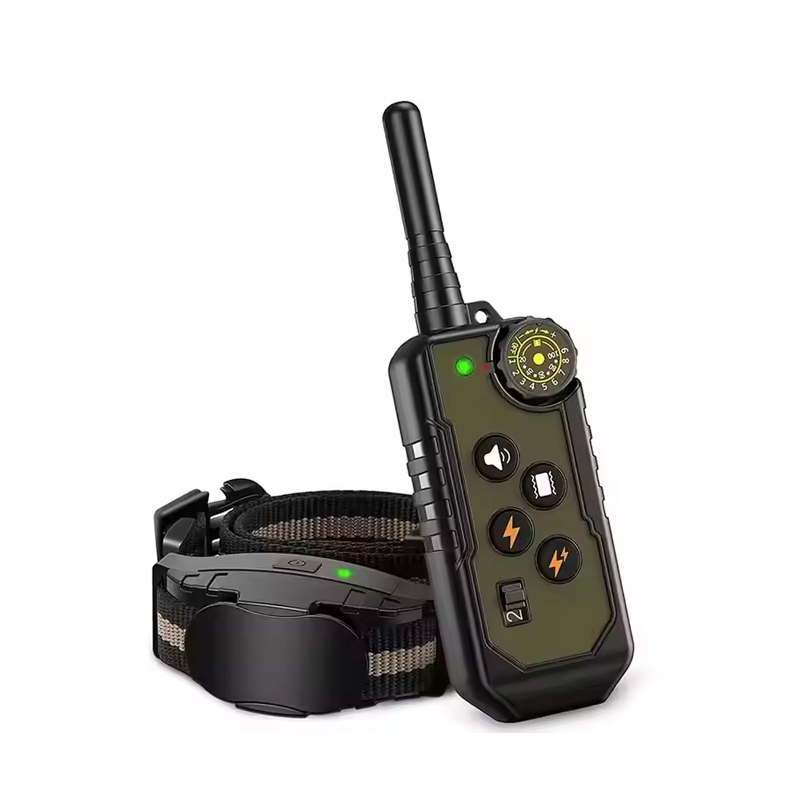
Multi-Mode Easy To Operate Training Shock Collar
The Multi-mode, easy-to-operate training Shock Collar is designed to provide a practical solution for owners seeking a safe and effective way to train...
View More -
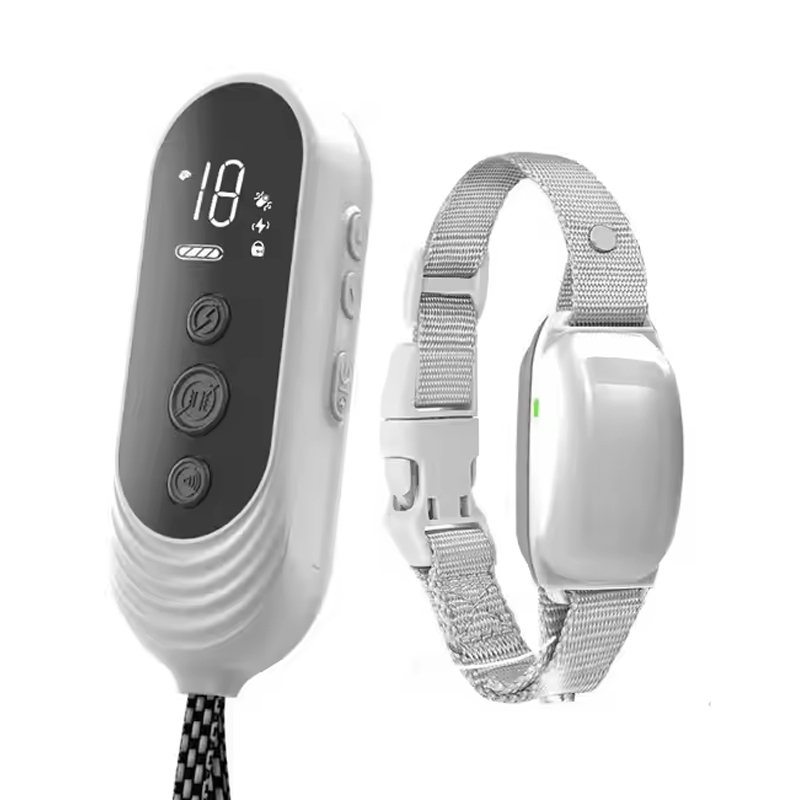
Waterproof Adjustable Polyester Training Shock Collar
The Waterproof Adjustable Polyester Training Shock Collar offers a reliable solution for pet owners seeking a versatile and durable collar to enhance ...
View More -
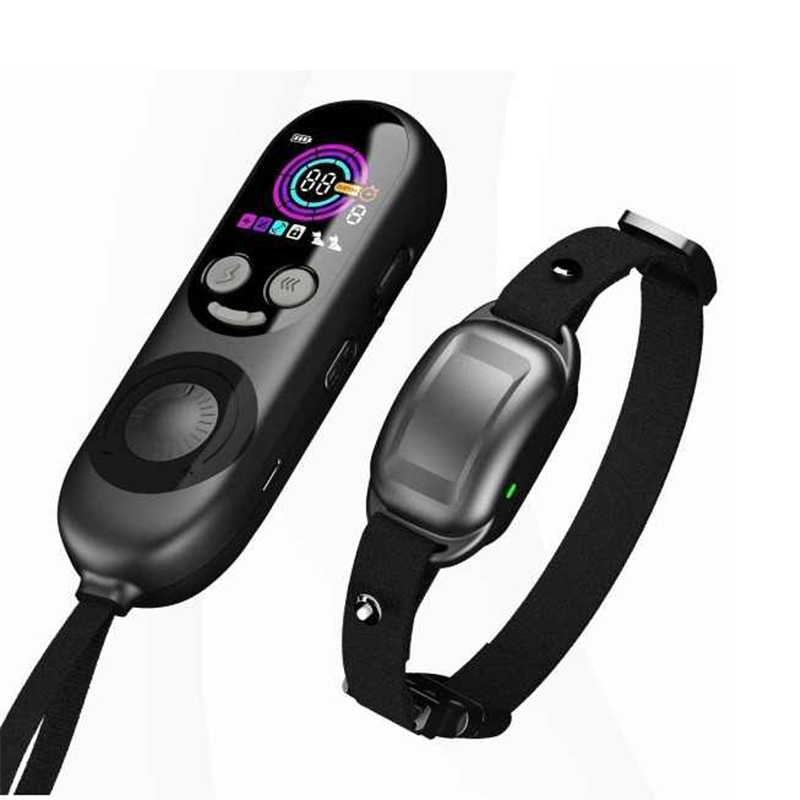
Display Remote Control Training Shock Collar
The Display Remote Control Training Shock Collar is designed to provide pet owners with a reliable and humane solution for training their dogs. Whethe...
View More -
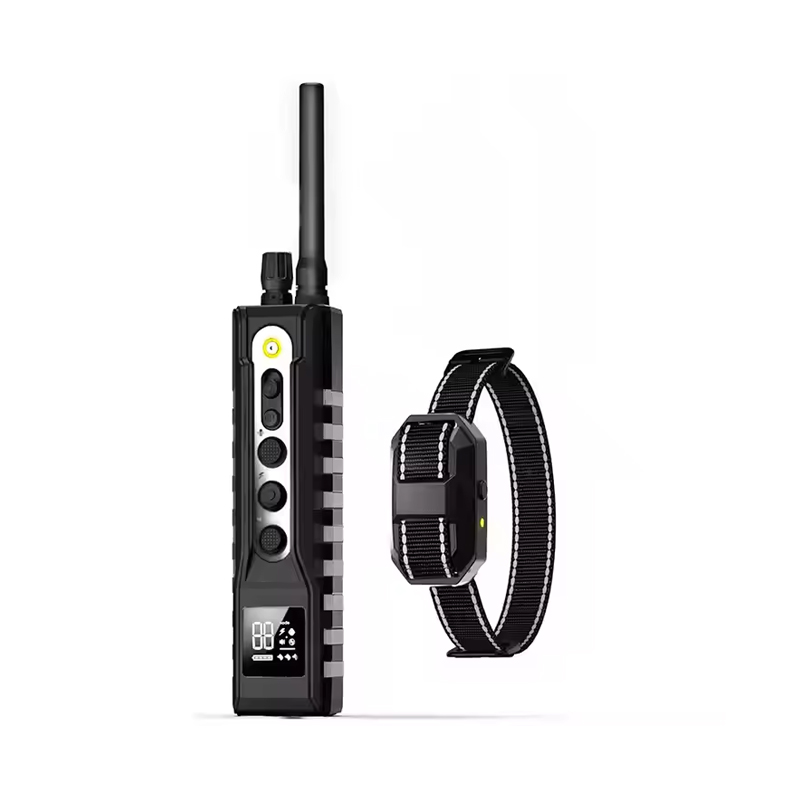
Multi-Function Long Distancetraining Shock Collar
The Multi-function Long Distance Training Shock Collar is a highly versatile tool designed to support your dog’s training across various environment...
View More -

Remote Control Waterproof Training Shock Collar
The Remote Control Waterproof Training Shock Collar is an advanced training tool designed to help pet owners effectively manage their dogs’ behavior...
View More
Pet Products
If you have any questions, please
get in touch with us.
+86-13486854214
E-mail: [email protected]
Address: No. 258, Qingchuan Road, Huzhen Town, Jinyun County, Lishui City, Zhejiang Province
Copyright © Zhejiang Beijing Technology Co., Ltd.

OEM/ODM Smart Pet Care Factory