
 EN
EN  English
 Español
 Français
 Deutsch
 Nederlands

- Type:
- Industry News
- Date:
- 2025-11-25

Industry News
Core Controversies and Challenges of Pet Smart Appliances
In today's fast-paced urban life, a new category—Pet Smart Appliances—is entering households at an unprecedented pace. From automatic feeders to smart litter boxes, from connected cameras to circulating water dispensers, these products cater to pet owners'desire for meticulous care as well as their compensatory psychology due to busy lifestyles, especially among younger generations. The market appears prosperous, with capital and brands rushing in. Yet, behind this sweeping wave of enthusiasm, a series of core controversies and challenges regarding product essence, industry direction, and user value have quietly emerged.
The Crossroads Behind the Boom
The rapid growth of Pet Smart Appliances is undeniable. These products precisely address the pain points of modern pet owners: how to ensure basic care is maintained during business trips, long working hours, or travel. However, as the industry comes under the spotlight, debates regarding practical utility, safety, cost, and genuine innovation have intensified.
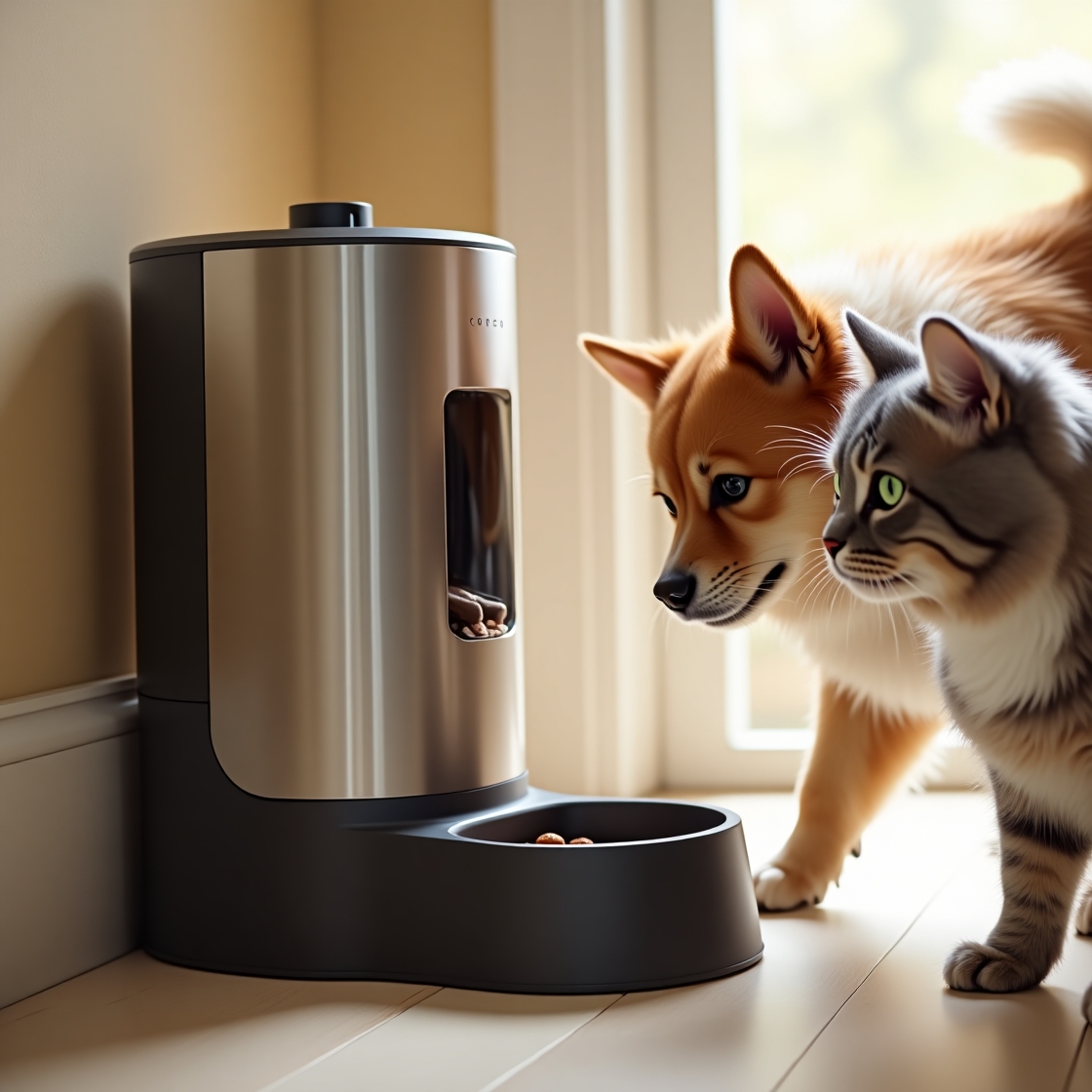
Are these products truly solving problems, or are they merely a "comfort for anxiety"? As an active participant in this field, Pawtechpet believes that now is the time to return to fundamentals: putting the pet's welfare and the owner's real experience at the center, and reassessing the development trajectory of smart pet appliances.
Controversy One: Genuine Need or Manufactured "Pseudo-Necessity"?
1. User Psychology: Tech Solutions for Anxiety-Driven Companionship
The rise of smart pet devices is closely linked to the "anxiety-driven companionship" needs of urban young pet owners. Office workers and frequent travelers constitute the primary consumer base for automatic feeders and remote monitoring cameras. They hope to use technology to make up for the inability to be constantly present, ensuring that their pets'"basic needs are met."
However, some users are beginning to reflect: is my need genuinely real, or has it been amplified—or even created—by marketing narratives?
2. The Scene Gap: Marketing Fantasies vs. Reality
Marketing images depict owners calmly checking on their pets via smartphones at work and remotely issuing commands, with everything seemingly under control. In reality, network outages, app glitches, and frequent false alerts sometimes add to the caretaking burden. Some products, in the pursuit of "intelligence," overcomplicate simple feeding and drinking tasks, requiring heavy reliance on mobile apps for basic setup. Users have criticized this approach as prioritizing style over substance.
3. Pawtechpet's Position: A Return to Pragmatism
Faced with this controversy, It emphasizes that products must prioritize pet health and owner convenience, not mere technical accumulation.The brand's core philosophy is simple: simplicity, stability, and practicality form the foundation for smart appliances to truly integrate into home environments.
Controversy Two: Innovation Bottlenecks and Homogenization
1. Market Landscape: A Matrix of Repetitive Products
Browsing any e-commerce platform or exhibition hall, the smart pet appliance section feels strikingly familiar. Most smart water dispensers are circular and white with filter elements; automatic feeders are typically box-shaped with grain storage and dispensing outlets; litter boxes follow a few fixed cleaning modes. Designs, structures, and even software interaction logic largely lack fundamental differentiation, leaving consumers confused when choosing between products.
2. Vicious Cycle: Price Wars and Weak Innovation
High product similarity directly leads to fierce price competition. To stand out, many brands are forced into price wars, sharply compressing profit margins. This, in turn, erodes budgets for R&D and deep innovation, forming a vicious cycle:
Homogenization → Price War → Reduced R&D → Further Homogenization
Ultimately, the industry may appear lively, but it struggles with core technological advancement.
3. Pawtechpet's Approach: Depth over Breadth
It believes that breaking the deadlock lies not in stacking features but in enhancing depth. For instance:
Instead of adding a rarely-used app mini-game, focus on improving AI recognition algorithms to more accurately track pets' feeding behavior and detect health anomalies.
Instead of pursuing flashy appearances, concentrate on the stability and safety of structural design.
By differentiating through underlying technology, the brand aims to escape the trap of homogeneity.
Controversy Three: Safety and Stability—The "Achilles' Heel" of Smart Devices
Analysis of Safety Risks and Pawtechpet's Mitigation Strategies
| Risk Category | Common Issues | Pawtechpet’s Approach |
|---|---|---|
| Connectivity Safety | Network or power outage causes device failure; app control is disrupted | Design offline operation modes and mechanical backups (e.g., manual feeding button) to ensure basic functions remain uninterrupted |
| Physical Safety | Substandard materials, risk of trapping pets, inadequate waterproofing of circuits | Use food-grade materials, conduct strict structural safety tests, and improve waterproof levels of critical components (e.g., pumps) |
| Data Security | Camera footage leaks, misuse of user privacy data | Implement local data processing with end-to-end encryption; explicitly prohibit use of biometric data for commercial purposes |
| Operational Safety | AI sensor misjudgment (e.g., pet trapped during litter box cleaning) | Develop multi-sensor fusion algorithms (weight + infrared + AI imaging) and include emergency stop mechanisms to significantly reduce misjudgment |
1. Connectivity Risks: When Smart Meets Outage
For smart devices that rely heavily on network and power, outages represent their "Achilles' heel." Reports have highlighted incidents where network failure of automatic feeders left pets hungry, cameras went offline at critical moments, and litter boxes malfunctioned during sensor failure, causing pets stress or physical harm. Such risks mean that while users enjoy convenience, they are constantly on alert.
2. Physical Hazards: Material and Design Risks
Beyond connectivity, the physical safety of devices is equally concerning. Some products use low-quality plastics that could harm pets' health; substandard water filtration systems may become breeding grounds for bacteria; and insufficient waterproofing of electronic pumps introduces the risk of electric leakage. These hazards directly impact pet safety.
3. Data and Privacy: The Invisible Battlefield
Smart devices with cameras capture pets' adorable moments but also record household activities. How these data are stored, transmitted, and used—and whether they might be leaked or misused—is a key concern for informed users.
4. Pawtechpet's Safety Commitment: Multi-Layer Protection
It treats safety and stability as the lifeline of its products. Solutions include a multi-layer safety backup system:
- For automatic feeders, offline modes and mechanical backups ensure that basic feeding schedules continue even during network outages.
- Material selection uses food-grade plastics; sensor systems and AI decision logic undergo tens of thousands of tests to minimize errors.
- Data security combines local processing and encrypted transmission, clearly establishing user data ownership.
The goal is to turn technology from a source of concern into a source of assurance.
Controversy Four: High Prices vs. Perceived Value
Analysis of "Full Lifecycle Costs" for Smart Pet Appliances
| Cost Type | Description | Actual Impact on Users |
|---|---|---|
| Purchase Cost | Initial device price | Directly affects buying decisions; low prices may compromise quality |
| Consumables Cost | Regular replacement of filters, bags, mats, etc. | Generates ongoing expenses, forming a “tool + consumables” business model |
| Maintenance Cost | Repair fees, time, and shipping costs in case of device failure | Poor-quality products sharply increase these costs |
| Time Cost | Time spent setting up, learning, and troubleshooting | Complex, hard-to-use devices occupy significant user time |
| Risk Cost | Potential threats to pet health due to device malfunction | Hardest to quantify in monetary terms but often the most important concern for users |
1. Price Barrier: Does Smart Equal Expensive?
High-end smart pet appliances are significantly more expensive than traditional products. Users naturally question whether these additional "smart" features truly justify the premium. Is the price hike merely due to the "smart" label rather than real functional value?
2. Hidden Costs: Continuous Investment
Beyond the initial purchase, many smart devices carry ongoing hidden costs:
Water dispensers and smart litter boxes require regular replacement of filters and specialized bags.
Some brands charge monthly or annual subscriptions for advanced app features.
These long-term expenses represent a notable economic burden for users.
3. Pawtechpet's Value Proposition: Lifecycle Cost Assessment
It believes product value should not be measured solely by initial price. Instead, a holistic view includes long-term usage cost, device lifespan, and comprehensive after-sales support.
A durable product with longer-lasting core components and transparent consumable costs may have a lower total cost of ownership than seemingly cheaper products that require frequent replacement or repairs. By emphasizing transparent cost structures and reasonable pricing, the brand seeks to build long-term trust with users.
Controversy Five: Complexity vs. User Experience
1. Setup Barriers: Technology Should Not Be a Burden
Some smart pet devices involve highly complicated setup processes, particularly during app pairing, which can discourage users—especially older pet owners less familiar with technology. Complex interfaces and non-intuitive function logic contradict the original purpose of technology: to simplify life.
2. Compatibility and Universality Challenges
Users across different regions may face compatibility issues due to network protocols or server restrictions when using devices internationally, reducing functionality and reliability.
3. Pawtechpet's Interaction Philosophy: Fewer Steps, Stronger Functionality
It's product strategy emphasizes extreme simplification. The brand advocates "fewer steps, stronger functionality", promoting intuitive UI and barrier-free operation. Devices aim to be "ready to use out of the box," with automated logic replacing manual configurations, allowing every pet owner—regardless of age or background—to operate them effortlessly.
Controversy Six: Emotional Disconnect and Ethical Reflections
1. Emotional Interaction: Can Machines Replace Companionship?
A deeper controversy concerns whether overreliance on smart devices weakens the emotional bond between pets and owners. Pets such as cats and dogs have rich emotional needs, and automated care cannot replicate human touch, verbal interaction, or emotional communication.
2. Ethical Concerns: The Boundaries of Automated Care
Users worry that habitually delegating full responsibility to devices may subtly reduce real interactions, potentially leaving pets feeling lonely or neglected.
3. Pawtechpet's Philosophy: Technology as Enabler, Not Replacement
It maintains a clear stance: smart devices are designed to empower, not replace, human care. Their purpose is to efficiently and accurately handle repetitive tasks such as feeding or cleaning, freeing owners to spend more quality time on meaningful emotional engagement with their pets. Technology should facilitate scientific, thoughtful pet care, but it can never—and should never—substitute for genuine affection.
Controversy Seven: Lack of Industry Standards and Quality Uncertainty
1. Market Reality: A Mix of Brands and No Unified Standards
The smart pet appliance market is crowded with brands, both new and established. Without unified industry standards, critical components, performance specifications, and safety certifications vary widely, resulting in inconsistent product quality. Consumers often feel like they are purchasing a "blind box."
2. Overseas Expansion: Certification Barriers
Brands seeking to enter international markets face complex certification systems such as FCC, CE, and RoHS. These requirements involve substantial time and financial investment and place strict demands on product quality.
3. Pawtechpet's Approach: Commitment to Long-Term Excellence
In this uneven market environment, it adheres to a long-term strategy. By establishing standardized production processes, implementing strict supply chain management, and actively pursuing international certifications, the brand ensures that every product meets high standards. It believes that only brands built on quality, safety, and trust can withstand market cycles and earn lasting recognition.
Toward a Safer, More Stable, and Healthier Smart Pet Future
There is no doubt that Pet Smart Appliances represent a real trend toward smart, precise, and refined pet care, offering significant convenience and scientific benefits. However, the industry's sustainable development depends on acknowledging and addressing the controversies and challenges outlined above.
Pawtechpet envisions a "return to value" movement alongside industry peers:
- From chasing gimmicks to focusing on pet safety and health.
- From stacking functions to emphasizing stable and simplified user experience.
- From price competition to innovation and quality excellence.
The essence of technology is to enhance life. For smart pet appliances, the ultimate mission is to integrate into pet care reliably, thoughtfully, and seamlessly, improving pet well-being and providing owner peace of mind—without becoming a burdensome "tech obligation."
The path forward is long, but guided by responsibility and innovation, the industry can sail toward a new era of smart pet care that is safer, more stable, healthier, and truly aligned with the real needs of every life.
Related Products
-
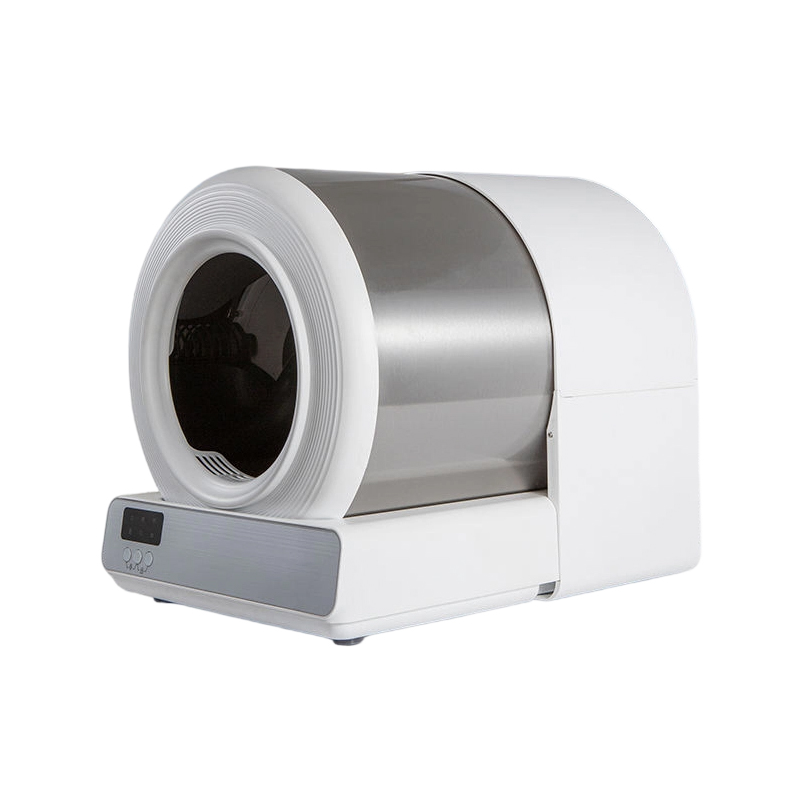
Cat Litter Tray For Multiple Cats Automatic Cat Litter Tray
Cat Litter Tray for Multiple Cats Automatic Cat Litter Tray – Product Features The high-pressure washable, safety-focused design facilitates compr...
View More -
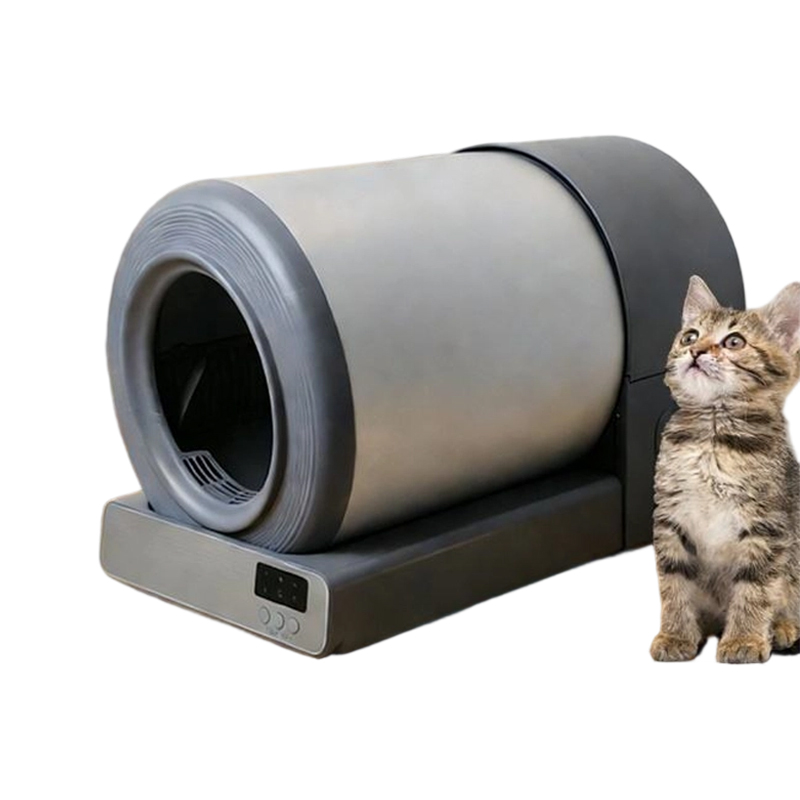
Self-Cleaning Stainless Steel Smart Cat Litter Tray
Self-Cleaning Stainless Steel Smart Cat Litter Tray – Product FeaturesThe preferred choice for non-profit organisations; compatible with open-top bi...
View More -
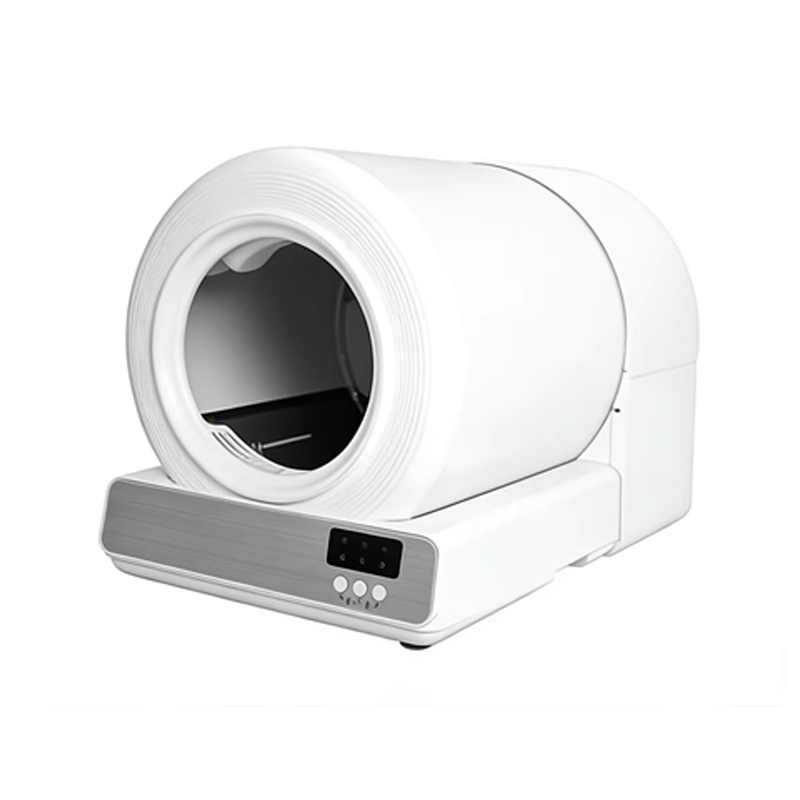
Second-Generation Fully Automatic Cat Litter Tray
Second-Generation Fully Automatic Cat Litter Tray – Product Features With a large 65-litre capacity, it easily accommodates a substantial amount of ...
View More -
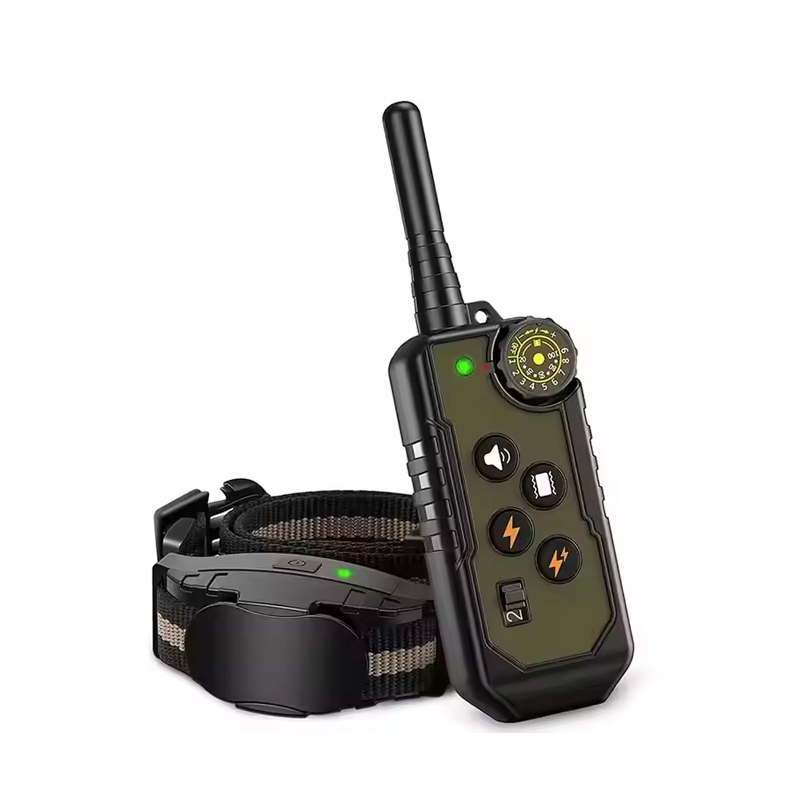
Multi-Mode Easy To Operate Training Shock Collar
The Multi-mode, easy-to-operate training Shock Collar is designed to provide a practical solution for owners seeking a safe and effective way to train...
View More -
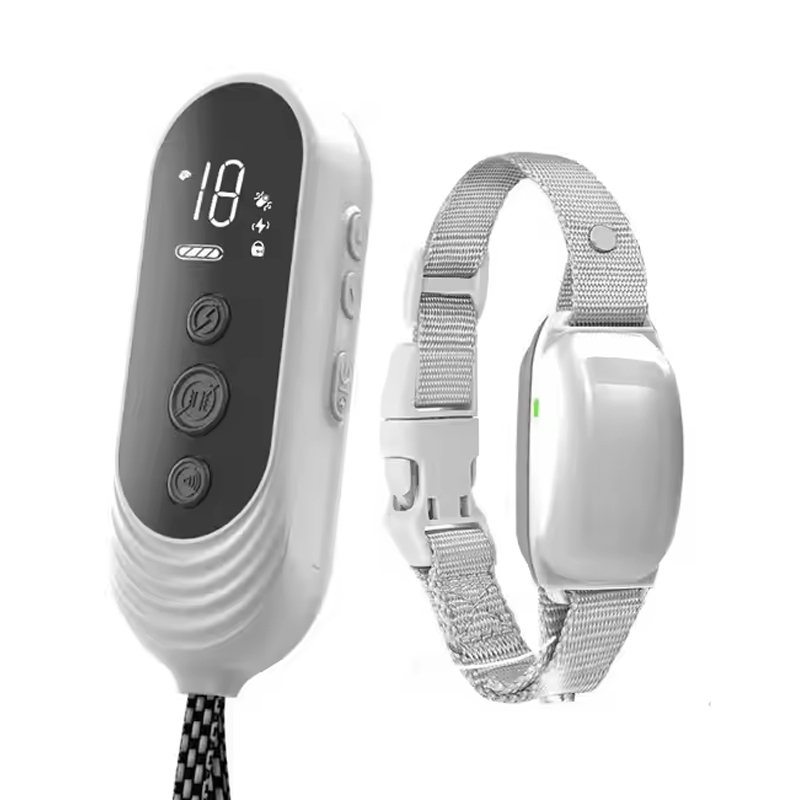
Waterproof Adjustable Polyester Training Shock Collar
The Waterproof Adjustable Polyester Training Shock Collar offers a reliable solution for pet owners seeking a versatile and durable collar to enhance ...
View More -
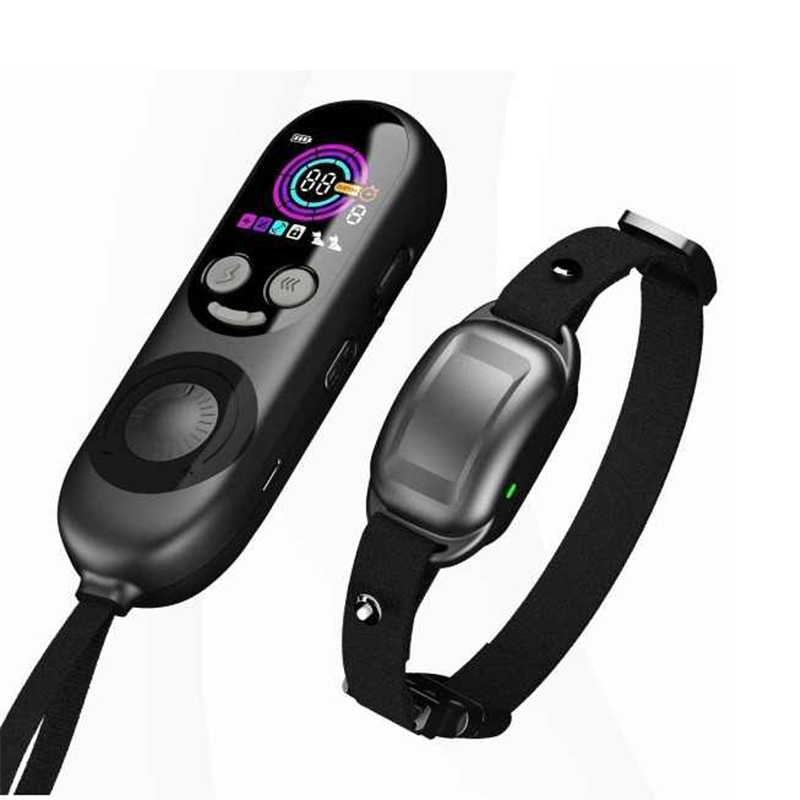
Display Remote Control Training Shock Collar
The Display Remote Control Training Shock Collar is designed to provide pet owners with a reliable and humane solution for training their dogs. Whethe...
View More -
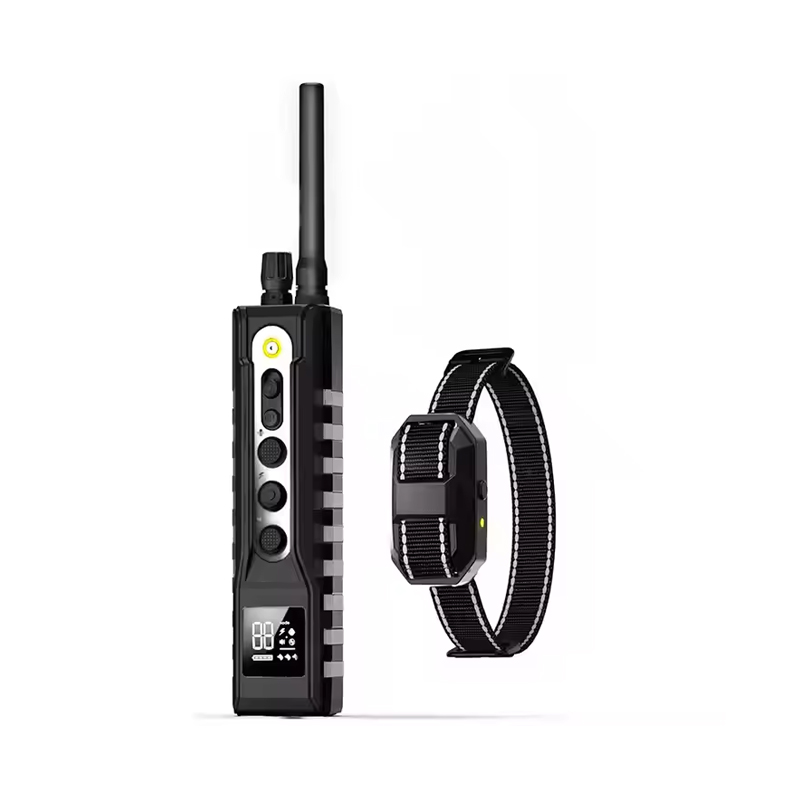
Multi-Function Long Distancetraining Shock Collar
The Multi-function Long Distance Training Shock Collar is a highly versatile tool designed to support your dog’s training across various environment...
View More -

Remote Control Waterproof Training Shock Collar
The Remote Control Waterproof Training Shock Collar is an advanced training tool designed to help pet owners effectively manage their dogs’ behavior...
View More
Pet Products
If you have any questions, please
get in touch with us.
+86-13486854214
E-mail: [email protected]
Address: No. 258, Qingchuan Road, Huzhen Town, Jinyun County, Lishui City, Zhejiang Province
Copyright © Zhejiang Beijing Technology Co., Ltd.

OEM/ODM Smart Pet Care Factory