
 EN
EN  English
 Español
 Français
 Deutsch
 Nederlands

- Type:
- Industry News
- Date:
- 2025-11-28

Industry News
What Are the Differentiated Selling Points of Pet Grooming Products
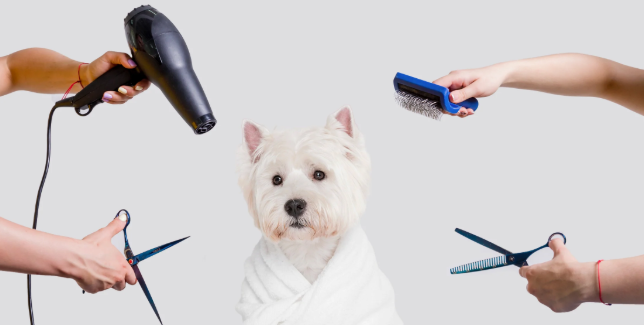
With the acceleration of modern lifestyles and the continuous increase in household pets, pet grooming products have gradually become an essential part of daily pet care. From basic brushing and de-shedding to full grooming routines including washing, trimming, and drying, pet grooming tools and kits are increasingly moving toward intelligent and multifunctional solutions. However, as this market expands rapidly, consumers are facing growing difficulties in making choices and navigating industry pain points. Many products offer overlapping features, and packaging or promotional claims often outweigh practical value, leaving consumers confused when making purchasing decisions. As an industry participant, Pawtechpet aims to explore the differentiated selling points of grooming products, offering solutions that truly meet user needs.
User Needs and Pain Points
1. Safety and Health Requirements
In modern pet grooming practices, safety is the most fundamental concern for users. Pets have physiological differences compared to humans, including unique skin pH levels, epidermal thickness, and follicle structures, making human grooming products often unsuitable for pets. In practice, the use of inappropriate grooming products frequently leads to skin problems such as allergic dermatitis, follicle damage, and chemical residue exposure. These potential health risks make consumers particularly cautious and place high demands on the safety of product ingredients.
Among knowledgeable pet owners, there is increasing attention to ingredient lists. Consumers carefully check for alcohol, mineral oil, synthetic fragrances, or other components that could negatively affect pet health. At the same time, concepts such as natural plant extracts, additive-free formulations, and biodegradable materials are becoming key considerations. This shift in consumer awareness reflects a deeper understanding of pet grooming products—from focusing solely on cleaning effectiveness to evaluating long-term health impacts on pets.
2. Ease of Use and Efficiency
In fast-paced modern life, time cost is an important factor for users. Traditional pet grooming often requires multiple tools and adherence to complex procedures, consuming considerable time and energy. Many products are designed without fully considering actual usage scenarios, resulting in cumbersome operation and maintenance, which often leads to products being underutilized. This is especially evident in intelligent grooming devices, where complex pairing, mode selection, or setup steps may contradict the goal of saving users' time.
A deeper analysis shows that true ease of use has several dimensions:
- Low learning cost: Users should be able to quickly understand how to operate the product without reading long manuals.
- Simplified operation process: Minimize the number of steps and auxiliary tools required.
- Convenient cleaning and maintenance: Post-use cleaning should not become an additional burden.
These three dimensions together form a complete evaluation system for product usability and represent the most tangible points of user experience.
3. Functional Diversity and Personalization
Pet grooming has never been a one-size-fits-all process. Different breeds, ages, and health conditions require distinct grooming approaches. For example, long-haired dogs like Golden Retrievers require anti-tangling and easy-brushing solutions, short-haired breeds like Labradors benefit more from deep cleaning and massage, and breeds like Poodles require precise trimming tools for regular grooming. Additionally, young pets need gentle care for sensitive skin, while older pets with stiff joints may require adapted grooming postures. These differences call for highly personalized product solutions.
Currently, most products on the market remain generic and cannot meet these specialized needs. Users often have to purchase multiple products to cover all requirements or compromise with tools that are not fully suitable for their pets. This gap between demand and supply highlights a clear opportunity for product differentiation.
4. Emotional and Experiential Needs
Grooming is fundamentally a key interaction between pets and their owners. A successful grooming experience should strengthen emotional bonds rather than create tension. In reality, many pets resist grooming due to personality traits or the design of the tools used. For instance, brushes with overly dense or stiff bristles can cause pain, and loud electrical devices can induce fear. Negative experiences not only reduce grooming effectiveness but may also damage the pet's trust in its owner.
Therefore, modern grooming products must incorporate behavioral and psychological considerations. Tools should not only fulfill grooming functions but also facilitate emotional interaction. Designing products that reduce pets' stress and anxiety, following animal behavior principles, helps turn grooming into a pleasant and engaging experience. This emotional value often marks the difference between products that are simply functional and those that users genuinely love.
Market Status and Opportunities for Differentiation
1. Severe Product Homogenization
Most brushes, clippers, and grooming kits on the market offer similar functions and lack significant innovation. Designs, materials, and functional logic are often generic, making it difficult for consumers to distinguish between products. For example, automatic de-shedding brushes from different brands look almost identical and operate in similar ways, leading users to rely more on price or brand recognition than on actual product performance.
2. Insufficient Implementation of Technology and Intelligence
The concept of "intelligence" is widely promoted in the pet grooming market, but the actual user experience often falls short. Some products add complex operation steps without significantly improving efficiency. For instance, automatic spray grooming devices may require cumbersome pairing and configuration, yet still demand considerable manual adjustment during use. Consumers prefer technology that truly simplifies grooming rather than increasing learning costs.
3. Misalignment Between Price and Value
High-end pet grooming products often come with a premium price, but they do not necessarily address the core needs. Many users evaluate products based on the match between price and actual functionality, seeking reasonable cost-performance ratios. Long-term costs—such as consumable replacements, device durability, and ease of maintenance—are often more important than the one-time purchase price and become a critical metric for consumers when assessing value.
Pawtechpet's Differentiated Selling Strategies
1. Safety and Health Assurance
- Natural and hypoallergenic materials: All grooming tools are made from food-grade, non-toxic, and eco-friendly materials to minimize allergy risks.
- Targeted tool optimization: Bristle hardness, scissor blade types, and grooming formulas are customized according to pet hair types to protect skin and coat.
- Complementary care solutions: Focus on maintaining pet coat health and minimizing potential damage or allergic reactions.
2. Intelligent and User-Friendly Design
- Automated tools such as hair-collecting brushes and measured grooming sprays reduce manual effort.
- Intuitive interfaces and simplified workflows enable "ready-to-use" functionality straight out of the box.
- Detailed operation guides, video tutorials, and online customer support improve the overall user experience.
3. Functional Combinations and Modular Kits
- Different functional modules can be combined, including brushing, de-shedding, washing, trimming, and drying.
- Users can select modules flexibly based on pet breed and grooming scenario, achieving an all-in-one care solution.
4. Personalization and Breed Adaptation
- Dedicated tools and care solutions for different breeds and hair lengths.
- Data-driven grooming recommendations provided via an app or online platform suggest the most suitable grooming routines.
5. User Experience and Emotional Value
- Product designs prioritize comfort: low noise, ergonomic grip, and pet-friendly features.
- Tools are designed to enhance interaction between pets and owners rather than reduce it.
6. Sustainability and Long-Term Value
- Durable materials and recyclable packaging ensure transparency in long-term use costs.
- Comprehensive after-sales support builds user trust and increases brand loyalty.
Application Scenarios and Case Examples
| Scenario | Functional Requirements | Recommended Tool Type |
|---|---|---|
| Home DIY Grooming | Daily de-shedding, coat brushing, light trimming | Basic brushes, de-shedding tools, scissors |
| Professional Grooming | High-efficiency care, complex trimming | Modular kits, smart clippers, blow dryers |
| Travel Grooming | Quick touch-ups, lightweight, easy to operate | Portable kits, compact tools |
- Home DIY grooming emphasizes simplicity and low-noise operation, suitable for routine care.
- Professional salon kits focus on high efficiency and functional depth to meet complex grooming needs.
- Travel kits are compact and lightweight, ideal for grooming on the go.
User Trust and Brand Building
- Safety assurance: Food-grade materials and hypoallergenic design ensure pet health.
- Comfortable experience: Low-noise operation and ergonomic design improve usability.
- Intelligent usability: Automated functions and intuitive interfaces reduce operational complexity.
- Education and service: Online tutorials, video guidance, and after-sales support minimize misuse risks.
- Community engagement: User communities share grooming experiences and interactive content to strengthen brand trust.
Future Outlook
The core of differentiation lies in safety, intelligence, ease of use, personalization, and long-term value.it is committed to addressing genuine user needs through innovative design and scientific methods, delivering products with true value.
Future industry focus should include:
1.User experience first: Ensure tools are easy to use, comfortable, and safe.
2.Product innovation: Develop dedicated tools for different breeds and hair types.
3.Sustainable development: Use durable materials, maintain transparency of long-term costs, and reduce resource waste.
4.Intelligent, modular, and personalized grooming products not only improve care efficiency but also enhance interactions between pets and owners.
As the industry matures, brands that prioritize safety and user experience will earn long-term market recognition. Through its differentiation strategy, Pawtechpet aims to drive the pet grooming market toward a healthier, more scientific, and sustainable future, delivering a superior grooming experience for both pets and owners.
Related Products
-
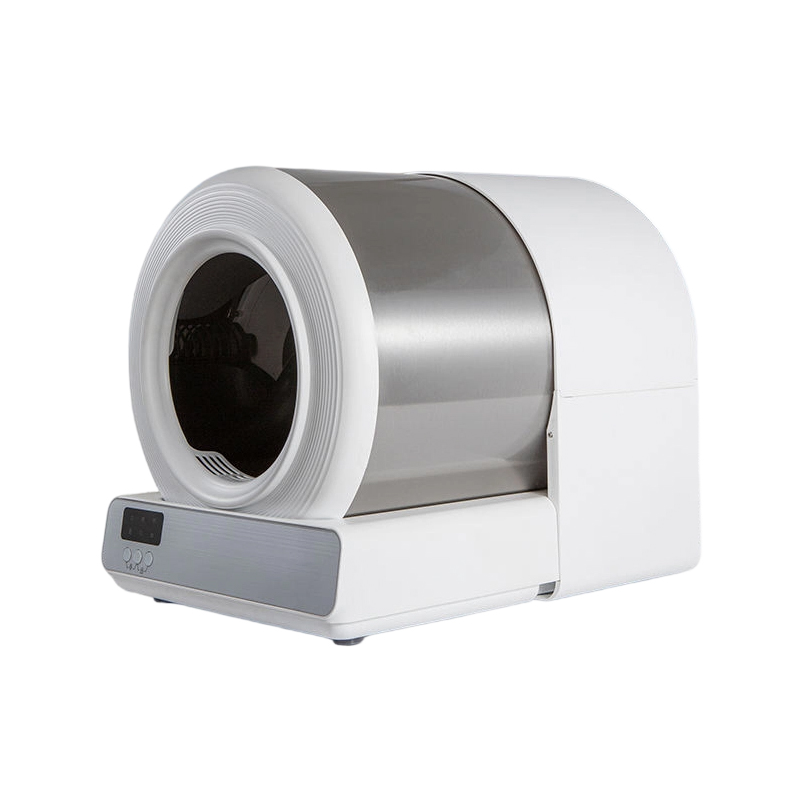
Cat Litter Tray For Multiple Cats Automatic Cat Litter Tray
Cat Litter Tray for Multiple Cats Automatic Cat Litter Tray – Product Features The high-pressure washable, safety-focused design facilitates compr...
View More -
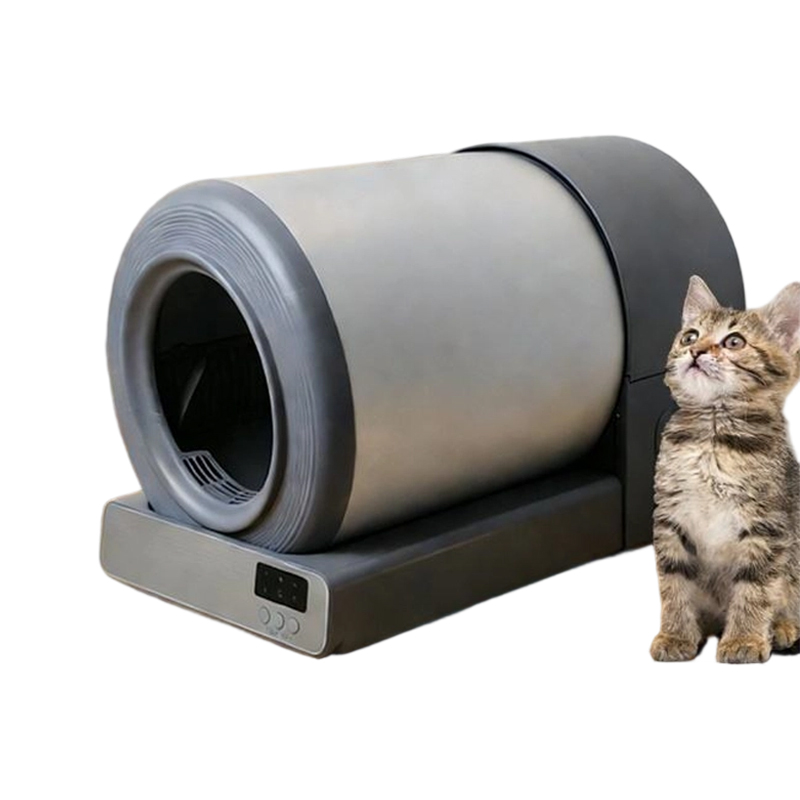
Self-Cleaning Stainless Steel Smart Cat Litter Tray
Self-Cleaning Stainless Steel Smart Cat Litter Tray – Product FeaturesThe preferred choice for non-profit organisations; compatible with open-top bi...
View More -
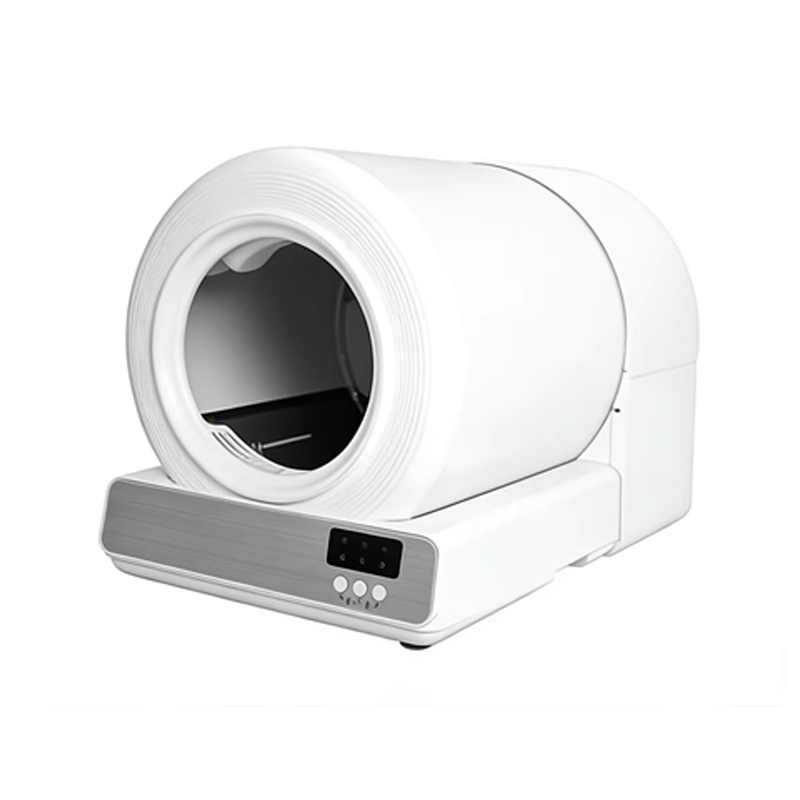
Second-Generation Fully Automatic Cat Litter Tray
Second-Generation Fully Automatic Cat Litter Tray – Product Features With a large 65-litre capacity, it easily accommodates a substantial amount of ...
View More -
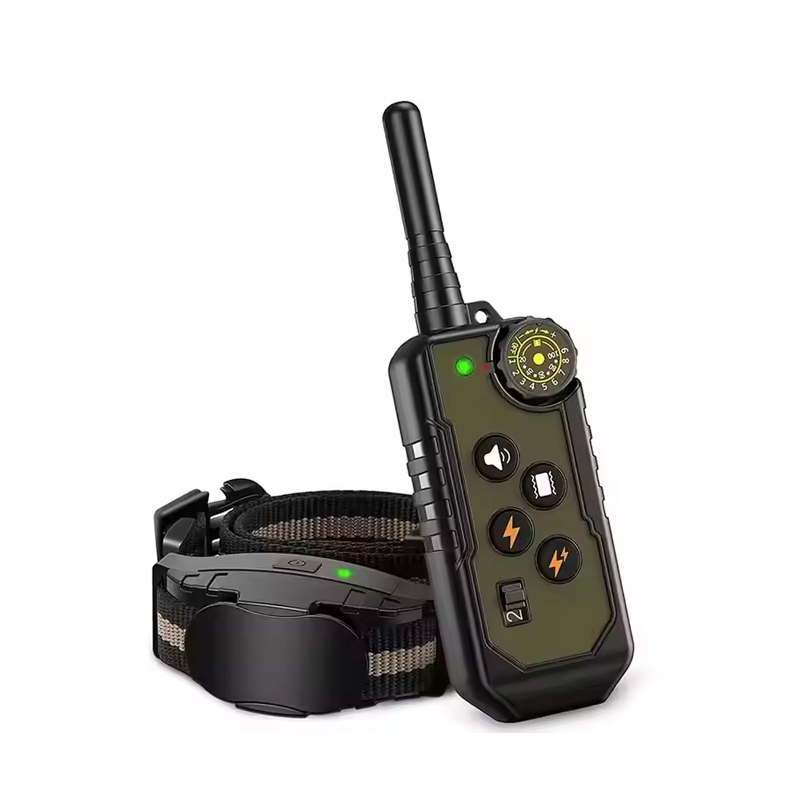
Multi-Mode Easy To Operate Training Shock Collar
The Multi-mode, easy-to-operate training Shock Collar is designed to provide a practical solution for owners seeking a safe and effective way to train...
View More -
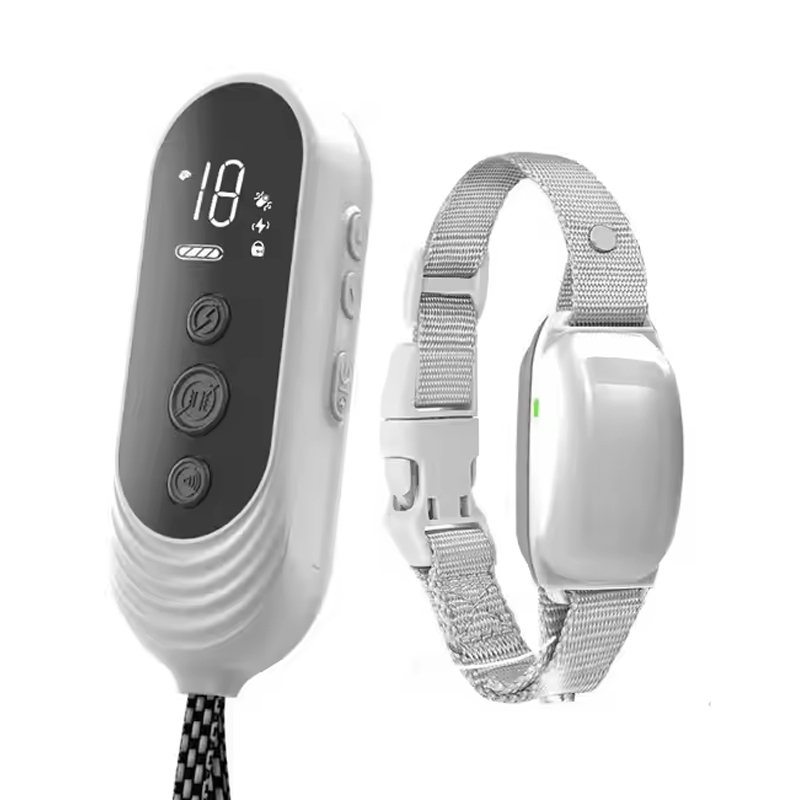
Waterproof Adjustable Polyester Training Shock Collar
The Waterproof Adjustable Polyester Training Shock Collar offers a reliable solution for pet owners seeking a versatile and durable collar to enhance ...
View More -
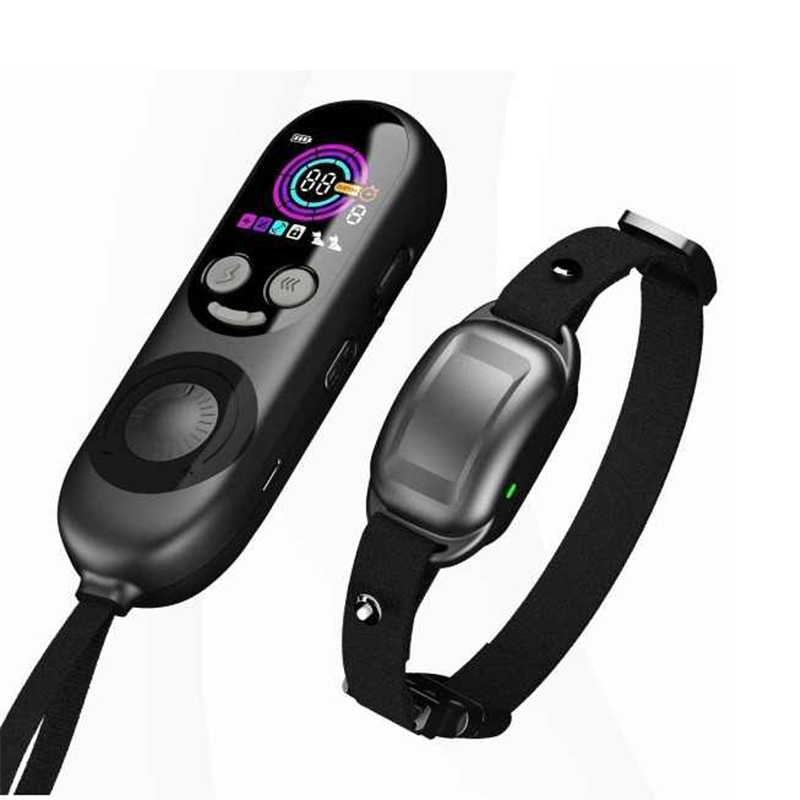
Display Remote Control Training Shock Collar
The Display Remote Control Training Shock Collar is designed to provide pet owners with a reliable and humane solution for training their dogs. Whethe...
View More -
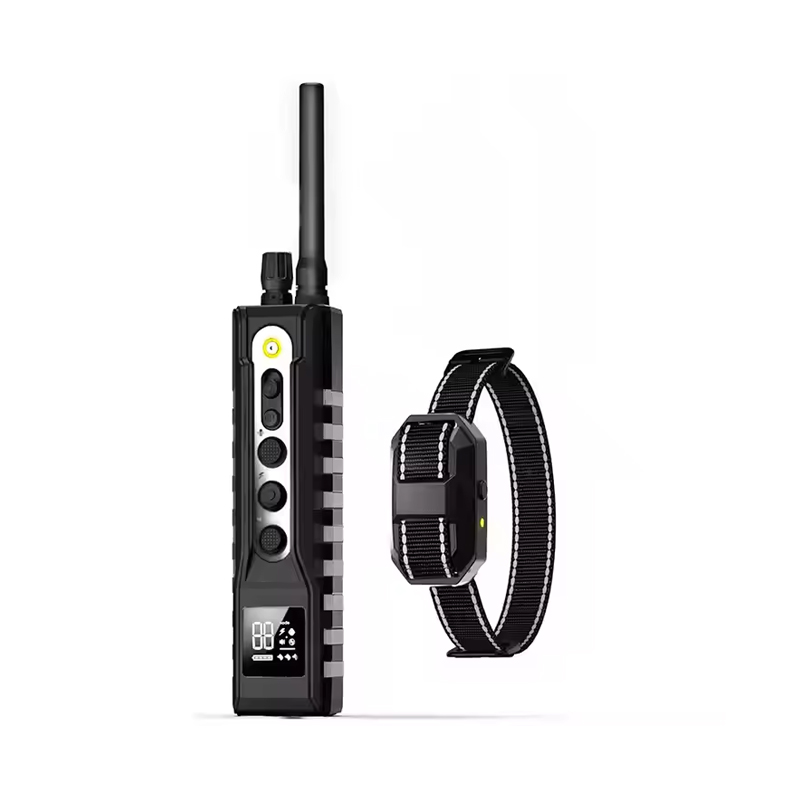
Multi-Function Long Distancetraining Shock Collar
The Multi-function Long Distance Training Shock Collar is a highly versatile tool designed to support your dog’s training across various environment...
View More -
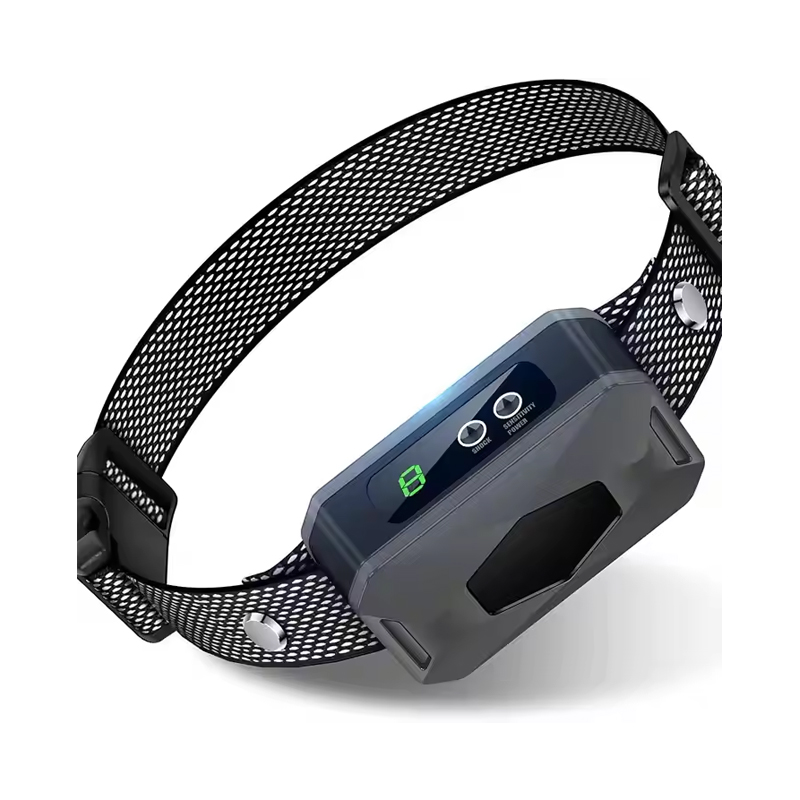
Remote Control Waterproof Training Shock Collar
The Remote Control Waterproof Training Shock Collar is an advanced training tool designed to help pet owners effectively manage their dogs’ behavior...
View More
Pet Products
If you have any questions, please
get in touch with us.
+86-13486854214
E-mail: [email protected]
Address: No. 258, Qingchuan Road, Huzhen Town, Jinyun County, Lishui City, Zhejiang Province
Copyright © Zhejiang Beijing Technology Co., Ltd.

OEM/ODM Smart Pet Care Factory