
 EN
EN  English
 Español
 Français
 Deutsch
 Nederlands

- Type:
- Industry News
- Date:
- 2026-07-17

Industry News
How Can a Pet Grooming Products Supplier Support Your Business
A pet care business does not run on product names alone. It depends on steady supply, clear communication, practical product choices, and packaging that fits the market it serves. A Pet Grooming Products Supplier can shape all of that in ways that are easy to overlook at the start. The right partner helps a brand move from scattered product ideas to a workable line that feels consistent, usable, and ready for customers.
For buyers, pet store owners, and brand teams, the real question is not only which items are available. It is how those items fit daily use, how they hold up in real handling, and how smoothly they can move from planning to delivery. A Pet Grooming Products Supplier can support that process by offering product direction, helping with custom details, and keeping the flow of work clear from one stage to the next.
What Should You Know Before Choosing a Pet Grooming Products Supplier for Your Business
Before starting any partnership, it helps to look at the supplier as part of the business structure, not just as a source of products. A supplier's role reaches into planning, communication, product consistency, and order handling. If those areas are weak, the effect often shows up later in delayed launches, unclear product details, or customer complaints.
A careful review starts with the basics. What kinds of grooming items does the supplier handle? Are the products aimed at daily home use, salon use, or mixed business needs? Can the supplier support a narrow line of tools, or is the range broad enough to help when a brand wants to expand? These questions matter because a product range that looks complete on paper may still be hard to work with in practice.
It also helps to look at how the supplier communicates. Clear replies, direct answers, and steady follow-up are signs that day-to-day cooperation will be manageable. When a partner is slow to confirm details or unclear about product changes, that often becomes a problem later.
| Area to Review | What It Tells You | Why It Matters |
|---|---|---|
| Product range | What types of grooming items are available | Helps match the supplier to your sales plan |
| Communication style | How clearly questions are answered | Reduces confusion during product work |
| Sample handling | How product details are shown before an order | Gives a clearer view of fit and use |
| Order handling | How the supplier manages requests | Affects timing and planning |
| Product consistency | Whether items stay similar from order to order | Supports customer trust |
A Pet Grooming Products Supplier should make these areas feel orderly rather than difficult.
How to Find a Pet Grooming Products Supplier That Matches Your Wholesale and Customization Needs
Wholesale buyers and brand teams often need more than a standard catalog. They need a partner that can handle varied product needs, simple adjustments, and a steady flow of orders. That is why the search should focus on fit, not only price.
A useful place to start is the business model itself. Some buyers need ready-made items that can move quickly. Others want product changes in shape, color, packaging, or labeling. A supplier that can handle both gives more room for planning. It also helps when a business is still shaping its product identity and does not yet know exactly which items will stay in the line.
The ability to adjust details matters because pet grooming products are often judged by small things. Grip, size, surface feel, handle shape, edge finish, and packaging presentation can all affect how a product is received. When a supplier can discuss these parts in plain language and make practical adjustments, the working process tends to move more smoothly.
A useful approach is to compare how each supplier handles the same request. One may respond with a narrow list of fixed items. Another may help shape the idea into a product that fits the market more closely. For a business that plans to grow, the second path is often easier to build on.
A Pet Grooming Products Supplier with flexible order handling can also help a buyer avoid holding the wrong stock. That matters when a business serves different customer groups, since one line of tools may suit family pet owners while another may fit grooming shops.
What Questions Should You Ask a Pet Grooming Products Supplier Before Making a Bulk Order
Bulk orders call for more than a simple yes or no. The details behind the order shape the final result, so the questions should focus on the parts that affect use, appearance, and delivery.
Start with the product itself. What materials are used? How is the item assembled? Are there small parts that may affect comfort or durability? How does the packaging protect the product during transport? These questions sound basic, but they often reveal how careful the supplier is about the final item.
Then move to service details. Can the supplier prepare a sample? How are design changes handled? What happens if the order needs a small adjustment before production begins? A clear process saves time and helps prevent avoidable mistakes.
It is also worth asking how the supplier manages repeated orders. A business that plans to reorder needs a process that stays stable across time. If product details shift without notice, the whole line becomes harder to manage.
A Pet Grooming Products Supplier should be able to answer these questions in a way that feels direct, not vague. That creates confidence before any larger commitment is made.
How Does a Pet Grooming Products Supplier Control Product Quality During the Manufacturing Process
Quality control is not one step at the end. It is a chain of checks that begins with material selection and continues through assembly, packing, and final review. If any part is weak, the product may still reach the customer, but it is less likely to feel reliable in use.
A careful supplier checks the starting materials, looks at the parts during production, and reviews the finished item before packing. That process helps catch problems early, when they are easier to handle. It also supports consistency, which matters when a brand sells the same product line again and again.
For grooming tools, small details carry a lot of weight. Handles should feel steady in the hand. Moving parts should work smoothly. Surfaces should feel comfortable to hold. Packaging should protect the item without making it hard to open or store. When a supplier pays attention to those details, the product is easier to trust.
| Quality Check Point | What Is Reviewed | Business Effect |
|---|---|---|
| Material check | Whether the base material matches the plan | Supports product durability |
| Assembly check | Whether parts fit and function properly | Reduces use problems |
| Surface review | Whether the item feels smooth and safe to handle | Improves customer experience |
| Packing review | Whether the product is protected and presented well | Helps with delivery and display |
| Final inspection | Whether the item is ready for dispatch | Lowers the chance of return issues |
A Pet Grooming Products Supplier that keeps the process clear is easier to work with over time.
Which Pet Grooming Products Should You Choose When Developing a New Pet Brand
A new brand does not need to begin with everything at once. It needs a focused set of products that make sense together and match the intended buyer. That means choosing items that can build trust early, while still leaving room for later growth.
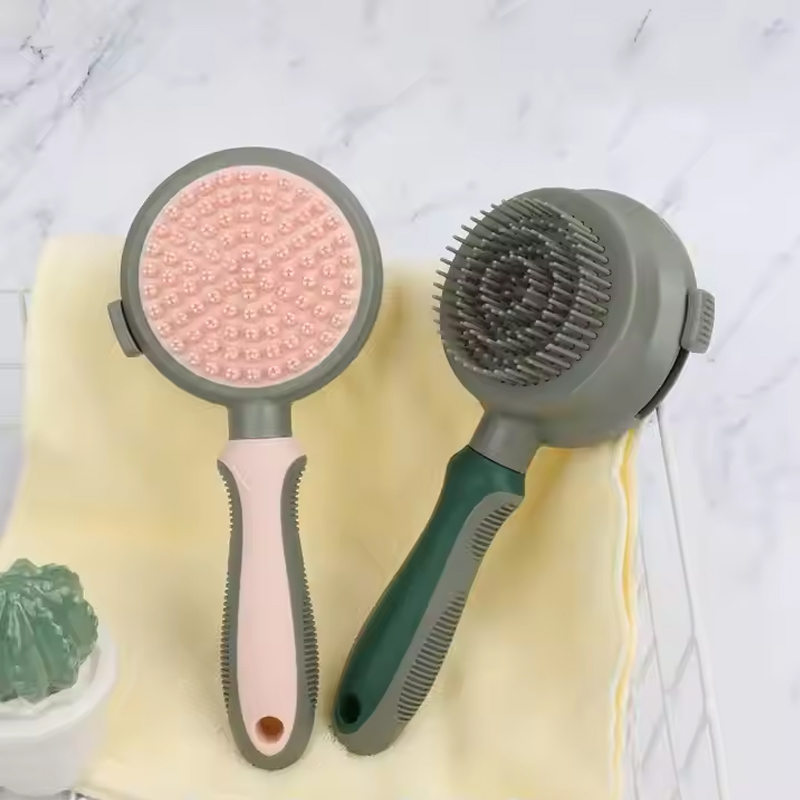
Brushes and combs are often a natural starting point because they are familiar to pet owners and easy to place in daily care routines. Nail care items, cleaning tools, and wash-related accessories can also fit well when the brand wants a broader care line. The key is not volume. The key is fit.
A brand should also think about use cases. Some products are better for home routines. Others fit grooming shops or retail shelves where presentation matters more. A line that looks balanced on a shelf may still feel awkward if the tools do not match each other in use or appearance.
Choosing product groups with shared style or purpose helps the line feel coherent. That can make the brand easier to remember and simpler to extend later. A Pet Grooming Products Supplier can help by showing which items fit together in a practical way rather than forcing unrelated products into the same line.
How Can a Pet Grooming Products Supplier Help Build Your Own Pet Care Product Line
A product line is not just a list of items. It is a pattern of choices that tells customers what the brand stands for. A supplier can help shape that pattern by adjusting product details so the line feels connected instead of scattered.
This often begins with small choices. A handle shape may be repeated across several tools. A color family may stay consistent. The packaging may follow the same visual tone. These details help the customer notice that the products belong together.
A good supplier also helps with product planning. When one item performs well, it can point toward the next item that makes sense in the same line. That approach is useful for a brand that wants to grow without losing clarity. It keeps the range steady while allowing room for new pieces.
A Pet Grooming Products Supplier that supports line building should also be able to adjust to feedback. If a design feels too large, too light, or too plain, small changes can make it more suitable for the market. That kind of cooperation is often what turns a loose idea into a workable product line.
Why Do Pet Businesses Work With a Pet Grooming Products Supplier for Long Term Growth
Long term growth depends on more than a one-time order. It depends on a process that can continue without constant disruption. That is one reason pet businesses return to the same supplier when the working relationship is steady and the product results stay consistent.
A familiar supplier saves time during planning because the team already knows how communication works, how product checks are handled, and how order details are confirmed. That lowers friction. It also helps when a business needs to adjust part of the line without changing everything at once.
Longer cooperation can also improve product fit. As a supplier sees how a business sells and presents its items, the product suggestions often become more practical. Small improvements in shape, packaging, or use feel can make a noticeable difference in customer response.
For a pet brand, dependable support is valuable because the market changes through style, use habits, and customer expectations. A Pet Grooming Products Supplier that can stay aligned with those shifts gives the business a steadier base to build on.
What Are the Important Steps to Import Pet Grooming Products From a Reliable Supplier
Importing begins with clear product confirmation. Before anything moves, the buyer needs to know what the item is, how it is packed, and how the order should be handled. When those points are unclear, the process can become slow and stressful.
The next step is communication about the order itself. That includes product style, material choice, packing needs, and any custom details that may affect production. It is also useful to confirm how changes will be handled if something needs to be adjusted before the order moves forward.
After that, the focus turns to movement and handling. Buyers need a clear idea of how the order will be prepared, packed, and sent. They also need the paperwork to match the order details. Even when the product is simple, unclear handling at this stage can create delays.
A Pet Grooming Products Supplier that works well with import buyers usually keeps the process easy to follow. The buyer knows what has been approved, what is still open, and what comes next. That clarity is often what makes the whole relationship workable.
A supplier can support a business in many quiet ways: by keeping product details clear, by helping shape a cleaner product line, by making order handling less confusing, and by giving the buyer a stable point of contact for future work. When those parts stay aligned, the business has more room to focus on sales, customer needs, and product planning.
Related Products
-
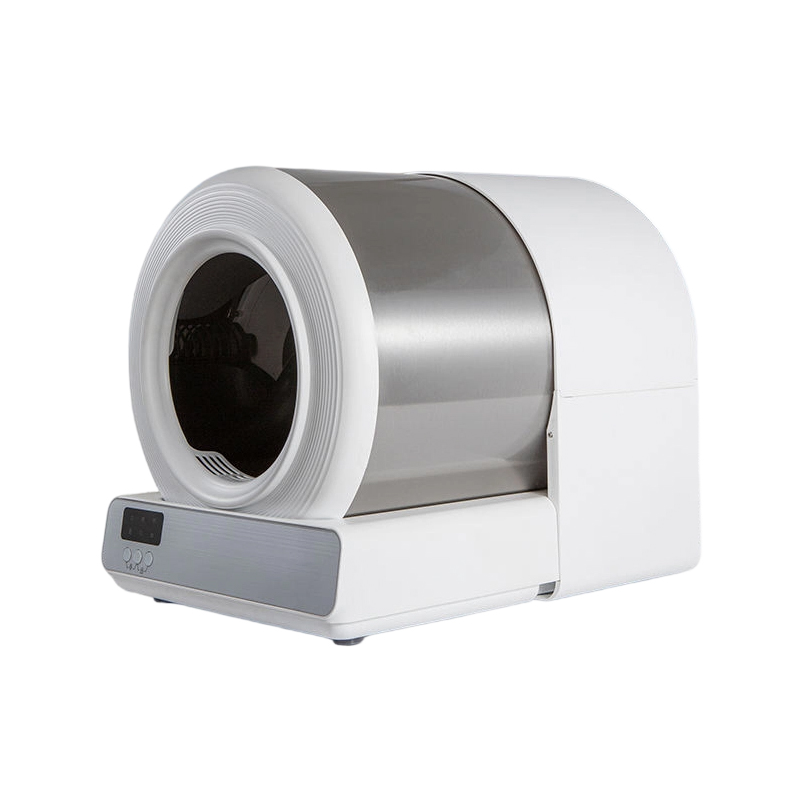
Cat Litter Tray For Multiple Cats Automatic Cat Litter Tray
Cat Litter Tray for Multiple Cats Automatic Cat Litter Tray – Product Features The high-pressure washable, safety-focused design facilitates compr...
View More -
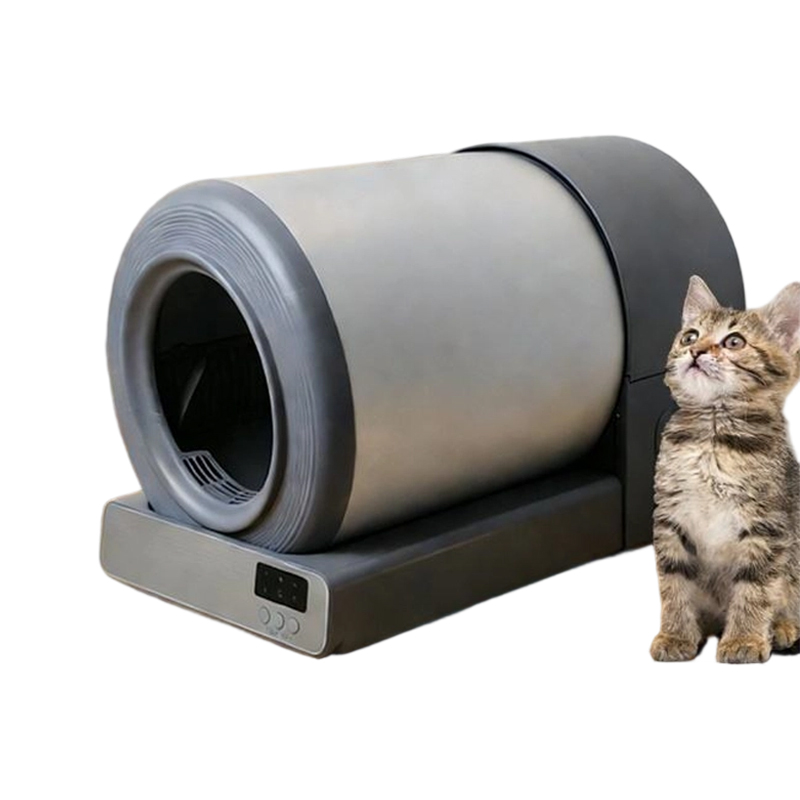
Self-Cleaning Stainless Steel Smart Cat Litter Tray
Self-Cleaning Stainless Steel Smart Cat Litter Tray – Product FeaturesThe preferred choice for non-profit organisations; compatible with open-top bi...
View More -
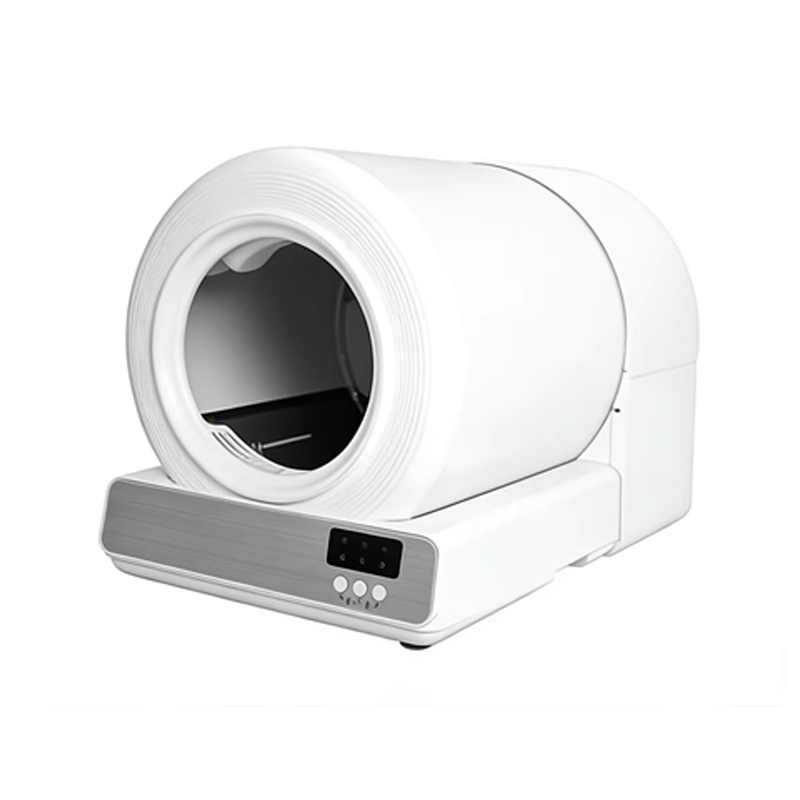
Second-Generation Fully Automatic Cat Litter Tray
Second-Generation Fully Automatic Cat Litter Tray – Product Features With a large 65-litre capacity, it easily accommodates a substantial amount of ...
View More -
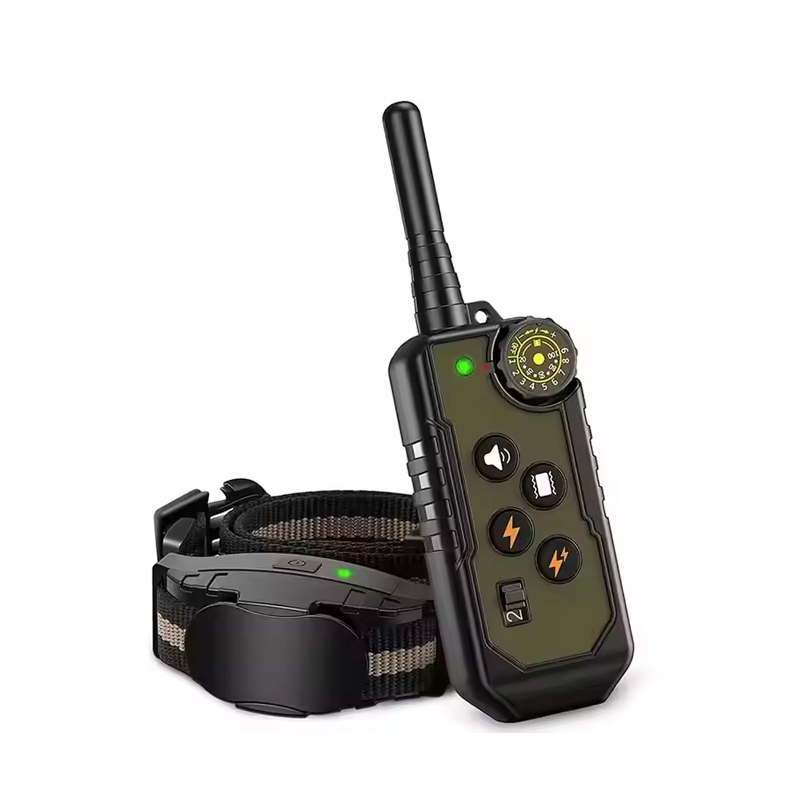
Multi-Mode Easy To Operate Training Shock Collar
The Multi-mode, easy-to-operate training Shock Collar is designed to provide a practical solution for owners seeking a safe and effective way to train...
View More -
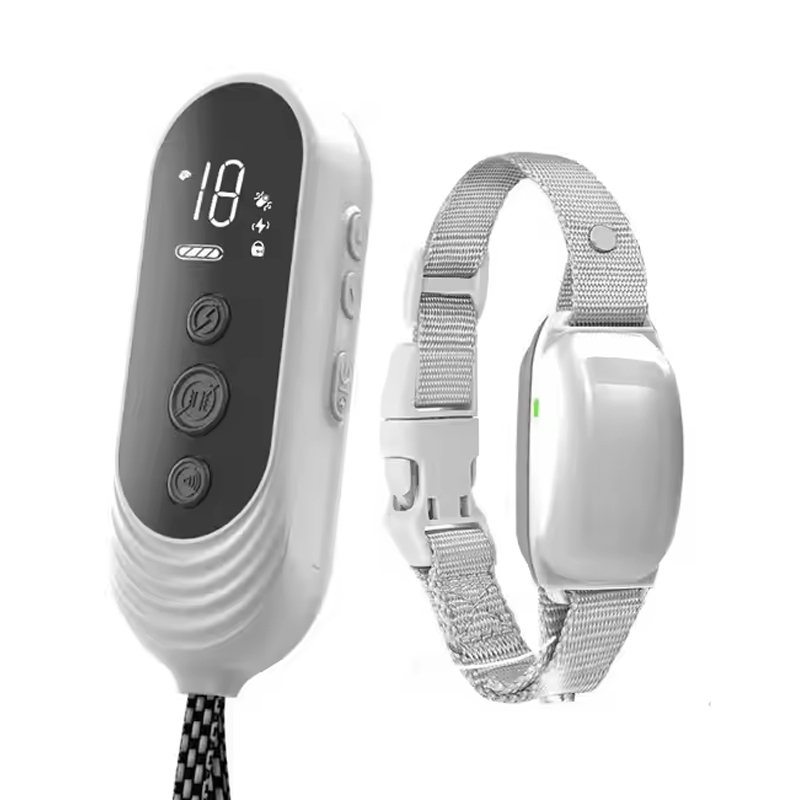
Waterproof Adjustable Polyester Training Shock Collar
The Waterproof Adjustable Polyester Training Shock Collar offers a reliable solution for pet owners seeking a versatile and durable collar to enhance ...
View More -
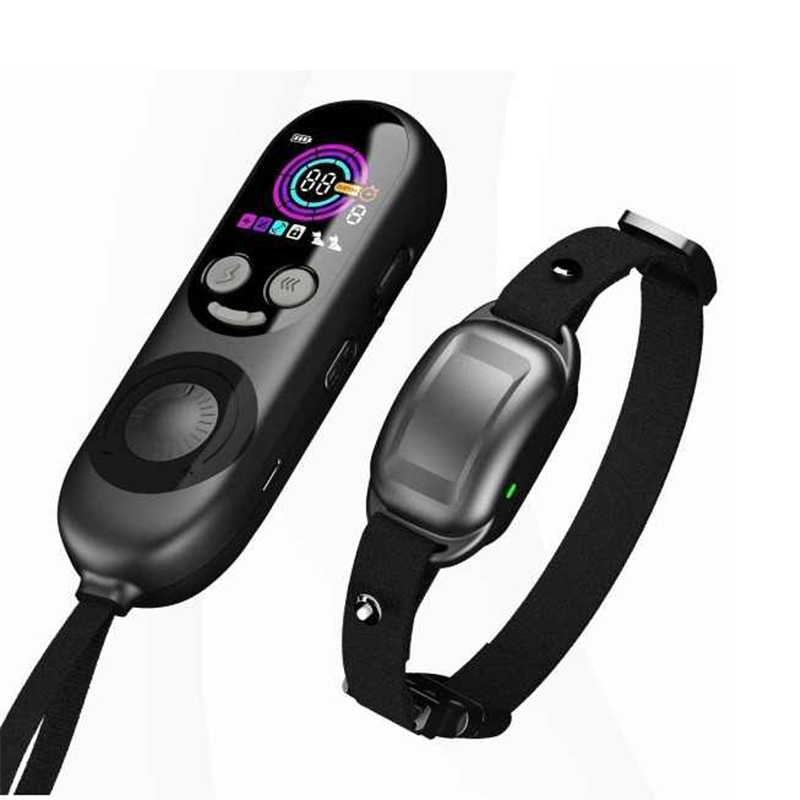
Display Remote Control Training Shock Collar
The Display Remote Control Training Shock Collar is designed to provide pet owners with a reliable and humane solution for training their dogs. Whethe...
View More -
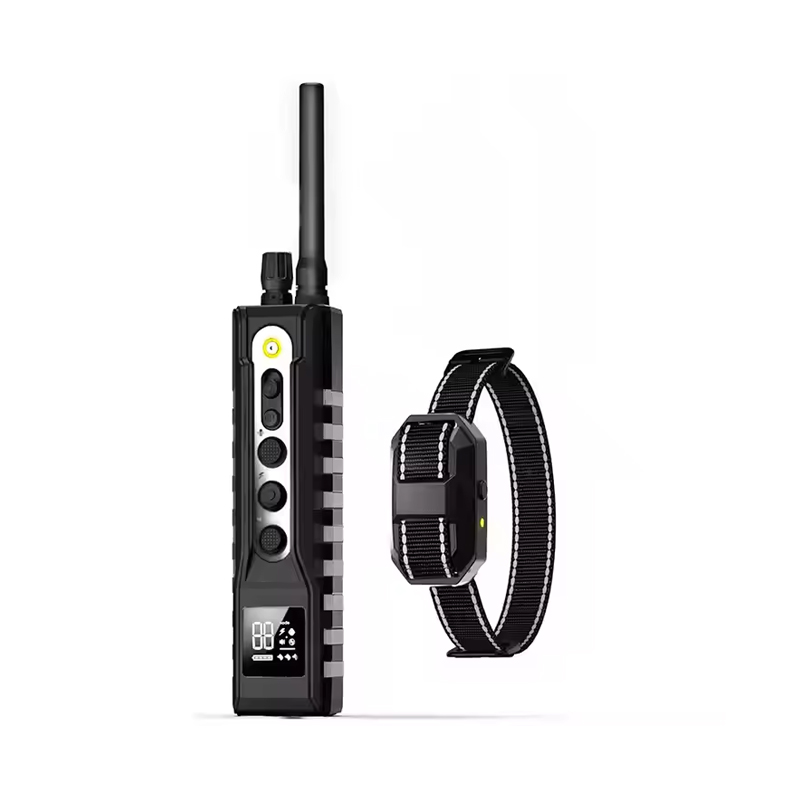
Multi-Function Long Distancetraining Shock Collar
The Multi-function Long Distance Training Shock Collar is a highly versatile tool designed to support your dog’s training across various environment...
View More -
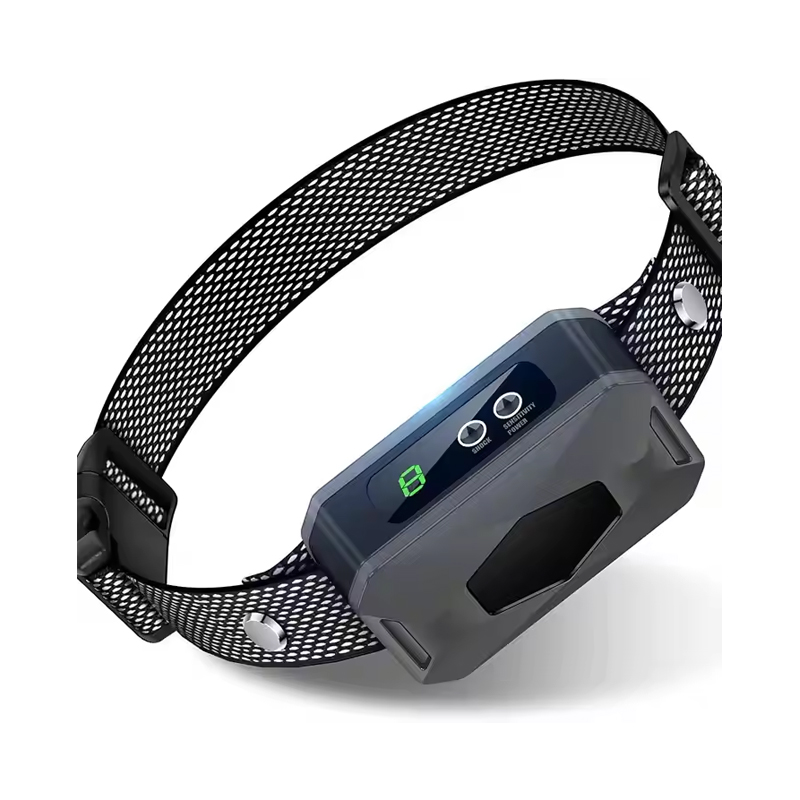
Remote Control Waterproof Training Shock Collar
The Remote Control Waterproof Training Shock Collar is an advanced training tool designed to help pet owners effectively manage their dogs’ behavior...
View More
Pet Products
If you have any questions, please
get in touch with us.
+86-13486854214
E-mail: [email protected]
Address: No. 258, Qingchuan Road, Huzhen Town, Jinyun County, Lishui City, Zhejiang Province
Copyright © Zhejiang Beijing Technology Co., Ltd.

OEM/ODM Smart Pet Care Factory