
 EN
EN  English
 Español
 Français
 Deutsch
 Nederlands

- Type:
- Industry News
- Date:
- 2026-10-16

Industry News
How Can an Animal Hair Dryer Meet Cats' and Dogs' Needs
A dog may splash through wet grass and come home delighted. A cat may avoid water and hide under the bed at the sound of a running tap. After a bath, both need to get dry, yet they react to the process in very different ways.
An Animal Hair Dryer can fit into home pet care, but one device will not suit every cat and dog by default. Coat length, fur density, body size, temperament, and sensitivity to noise all shape the experience. Owners who understand these differences can set up a routine that works for each animal in the house.
Why Cats and Dogs Need Different Approaches
Cats and dogs differ in habits, coat types, and reactions to handling. Two animals of similar size can still behave very differently at bath time. A relaxed dog may stand patiently while air moves through its coat, while a nervous cat may bolt at an unfamiliar sound.
| Factor | Cats | Dogs |
|---|---|---|
| Response to sound | Often wary of unfamiliar noise | Varies with temperament |
| Coat type | Short to long, sometimes dense | Smooth, curly, long, or thick |
| Handling | Often prefer control over contact | Tolerance differs by animal |
| Drying routine | Short, gradual sessions suit many | Larger or denser areas need attention |
These patterns are not rules. Some cats accept a dryer calmly, and some dogs dislike it. Watch each pet and adjust.
Sharing One Dryer Across Species
A shared dryer works in a multi-pet home when it allows different routines. Owners may need to change airflow, distance, session length, or technique depending on the animal.
A dog with a dense coat needs careful attention where moisture stays trapped. A short-haired cat dries quickly but may react more strongly to noise or direct air. Using the same method on both can cause needless discomfort.
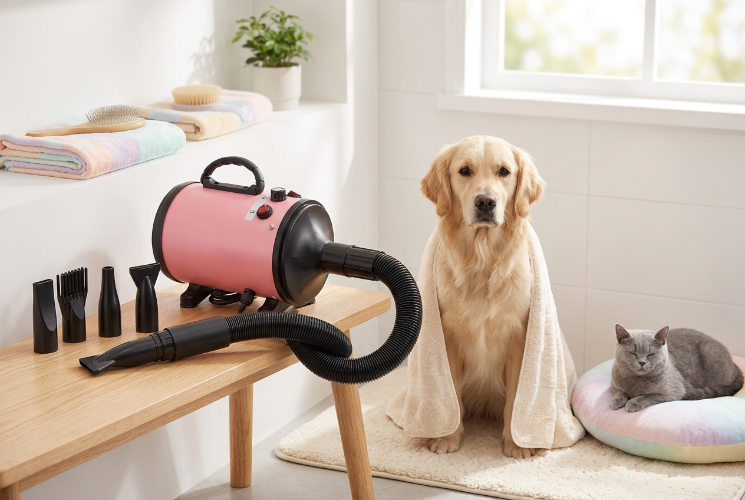
When comparing products, look for controls that are easy to adjust and a body that can be held in different positions. A manageable size and comfortable grip help when several pets need grooming in one afternoon.
Shared use should never mean forcing every animal through the same process. If a pet becomes frightened, pause and rethink the approach.
Coat Type, Noise, and Airflow
Fur holds moisture close to the skin, especially when it is long, dense, or layered. A dryer should help move that moisture out without harsh heat or tangling.
| Coat Type | Drying Consideration |
|---|---|
| Short and smooth | Gentle, even drying; check damp spots |
| Long and fine | Careful airflow to limit tangles |
| Thick or double-coated | Extra time for moisture inside the coat |
| Curly or wavy | Grooming technique affects the result |
| Dense undercoat | Check beneath the outer layer |
A coat can feel dry on top while the undercoat stays damp. Part the fur gently and feel near the skin.
Noise shapes a pet's reaction before any air touches it. Introduce the dryer gradually. Let the animal sniff it while switched off, then run it at a distance with the airflow pointed away. Keep early sessions short.
A quiet design helps, but no dryer is silent. Trembling, heavy panting, repeated turning away, or attempts to escape mean it is time to stop and let the pet settle.
Airflow needs the same care. A stronger setting is not always better, and powerful air aimed at a small or nervous animal is uncomfortable. Start gentle and move up only if the pet stays relaxed. Keep some distance, keep the dryer moving, and never aim air at eyes, ears, or nose. Warmth can also cause discomfort, so follow the manufacturer's instructions and test the air against your own hand.
Drying a Cat
Cats prefer predictable surroundings and a way out. Tight holding, sudden noise, or being blocked from leaving can turn a bath into a bad memory.
Press out excess water with a soft towel first. Choose a quiet room with a stable surface, and keep other pets away. If the cat tolerates the dryer, start at a distance on a gentle setting.
Flattened ears, a tucked body, growling, or fast breathing are signals to pause. Finishing at any cost usually makes the next bath harder.
Some cats manage only brief sessions. Others do better with towel drying or another method a veterinarian suggests. Not every cat needs a powered dryer after every bath.
Drying a Dog
Dogs vary widely in size, coat, and attitude. A familiar routine helps a dog understand what is coming.
Towel off as much water as possible before switching on the dryer. Begin with a comfortable setting and sweep the airflow across the coat instead of holding it on one spot. Check areas that stay damp, such as the belly, legs, and the base of thick fur. Long or dense coats may need brushing to prevent tangles, if the dog allows it.
Keep air away from the face and ears. If the dog pulls away or shows stress, stop. A calm routine beats a quick one.
Size matters too. A small cat needs less time and a gentler touch, while a large dog needs coverage over a wider area. A bulky unit can be awkward in a small bathroom, and a poor grip tires the hand during longer sessions. Match the dryer to your animals and your space.
Design Features for Multi-Pet Homes
Practical details count as much as airflow. The dryer may be used in a bathroom, laundry room, or grooming corner, so it should be easy to carry and control.
Adjustable controls: adapt airflow and heat to each animal.
Comfortable handling: keeps control steady in different positions.
Suitable attachments: help with varied coat lengths.
Easy storage: keeps the dryer and accessories organized.
Accessible cleaning: makes hair removal simple.
Clear instructions: support consistent use.
More accessories do not always mean a better fit. Choose the features you will actually use.
Safety and Cleaning
Keep the dryer away from water sources to avoid electrical hazards. Check for visible damage before each use and keep vents clear. Never leave a pet alone with a running dryer, and do not use a device that is not made for animal grooming.
Pets with skin conditions, recent surgery, or breathing problems may need a different method. Ask a veterinarian before choosing one.
Hair and dust collect around vents and attachments, especially when several pets share a dryer. Remove hair as the instructions describe, make sure accessories are dry before storage, and never let water enter parts that are not meant to be washed. Keeping brushes and combs sorted by pet also helps, since coats and skin differ. Check each animal's skin before and after grooming, particularly if one has irritation.
Comparing Dryers for Your Household
Start with the animals. A nervous cat makes sound and gentle adjustment important. A thick-coated dog makes coat access and steady handling matter more. Several pets raise the value of simple cleaning and storage.
Useful questions:
Can airflow and heat be adjusted for different animals?
Is the device comfortable in both short and long sessions?
Does the noise seem suitable for sound-sensitive pets?
Do the attachments fit the coats in your home?
Are cleaning and storage instructions clear?
Does the product explain safe operation?
After-sales support, replacement accessories, and clear guidance also affect how the product serves you over time. For a multi-pet family, an Animal Hair Dryer earns its place by adapting to different coats and temperaments. Careful observation tells you when to change the method or stop for the day.
Related Products
-
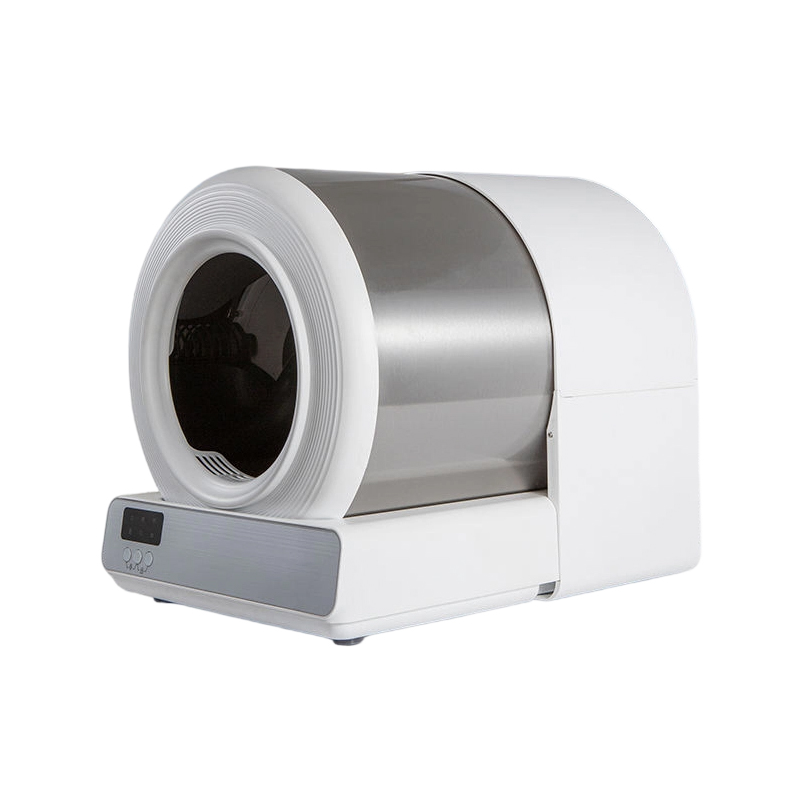
Cat Litter Tray For Multiple Cats Automatic Cat Litter Tray
Cat Litter Tray for Multiple Cats Automatic Cat Litter Tray – Product Features The high-pressure washable, safety-focused design facilitates compr...
View More -
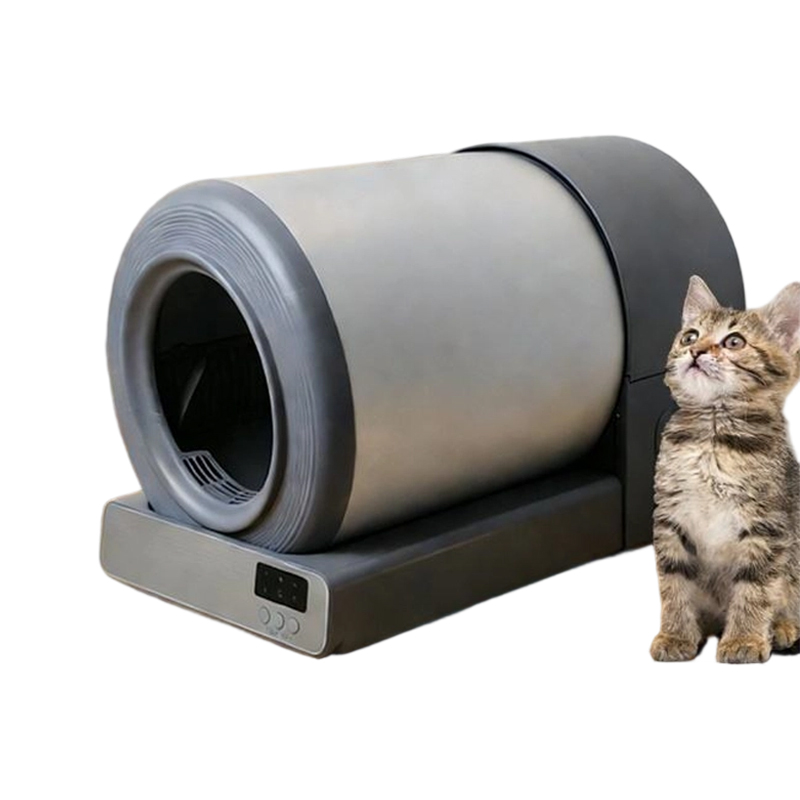
Self-Cleaning Stainless Steel Smart Cat Litter Tray
Self-Cleaning Stainless Steel Smart Cat Litter Tray – Product FeaturesThe preferred choice for non-profit organisations; compatible with open-top bi...
View More -
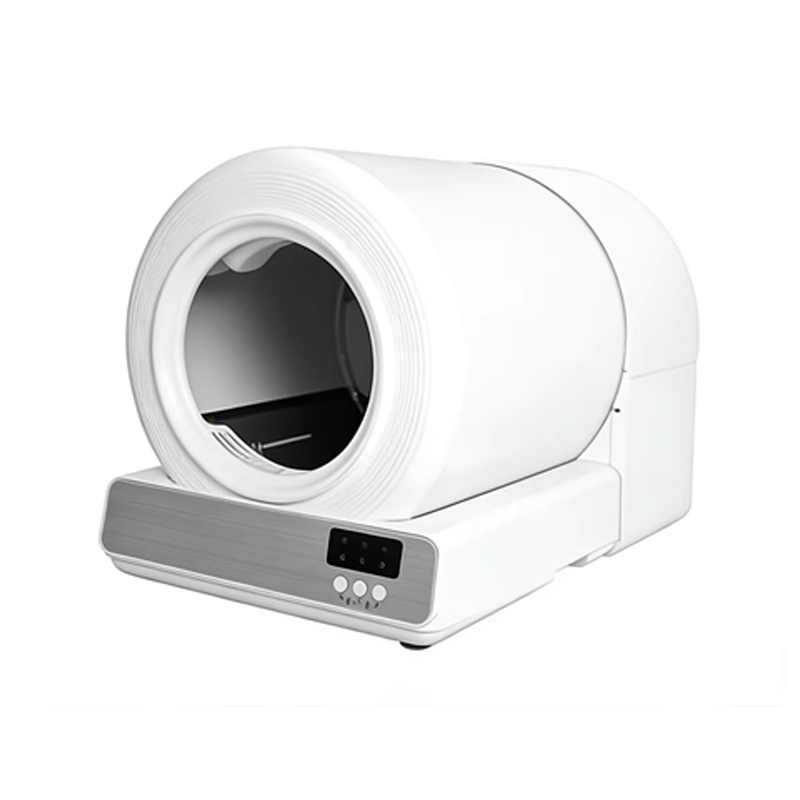
Second-Generation Fully Automatic Cat Litter Tray
Second-Generation Fully Automatic Cat Litter Tray – Product Features With a large 65-litre capacity, it easily accommodates a substantial amount of ...
View More -
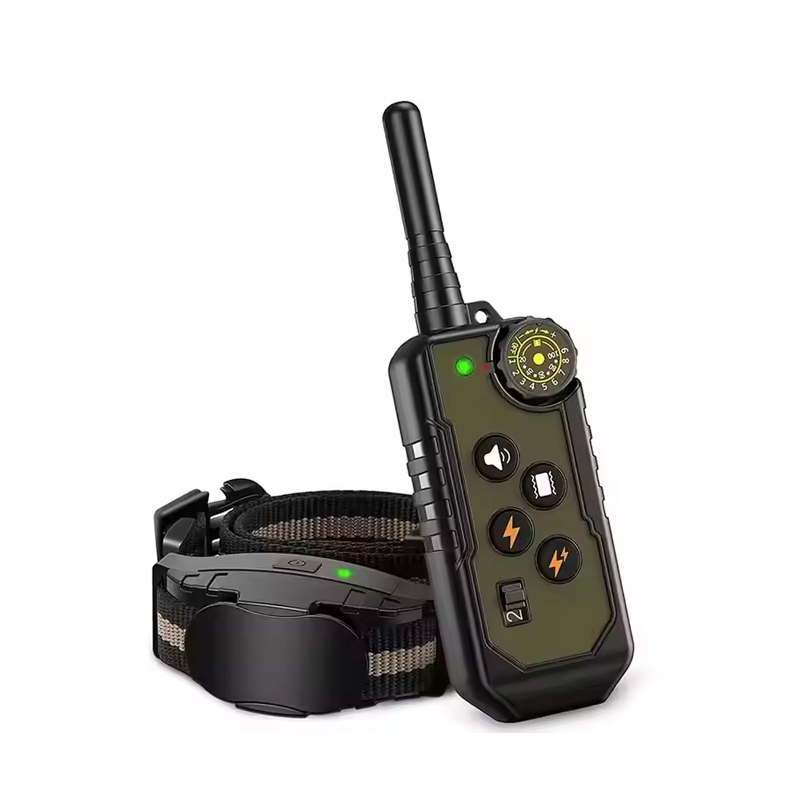
Multi-Mode Easy To Operate Training Shock Collar
The Multi-mode, easy-to-operate training Shock Collar is designed to provide a practical solution for owners seeking a safe and effective way to train...
View More -
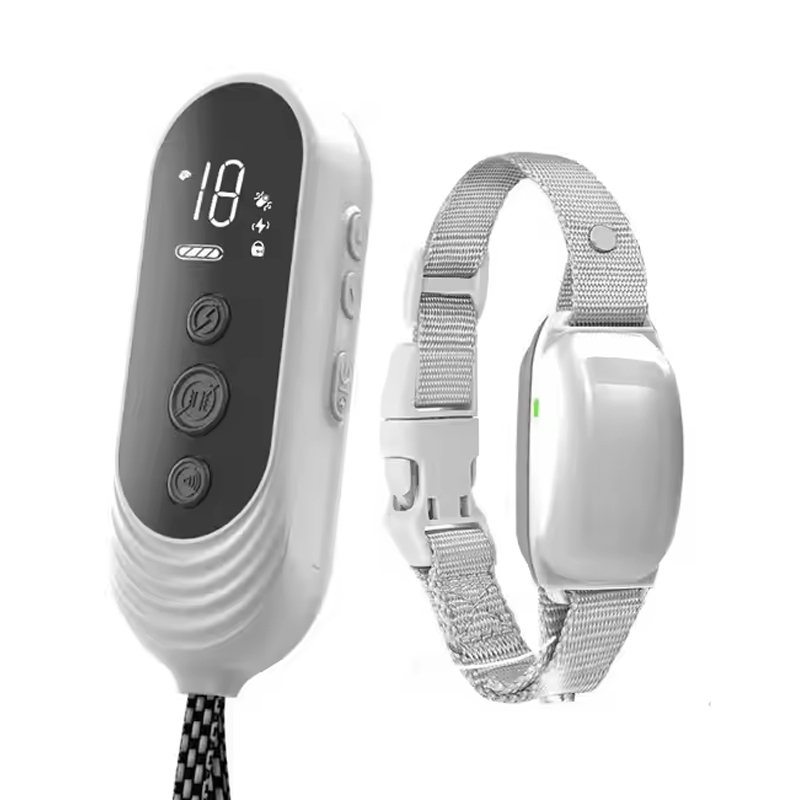
Waterproof Adjustable Polyester Training Shock Collar
The Waterproof Adjustable Polyester Training Shock Collar offers a reliable solution for pet owners seeking a versatile and durable collar to enhance ...
View More -
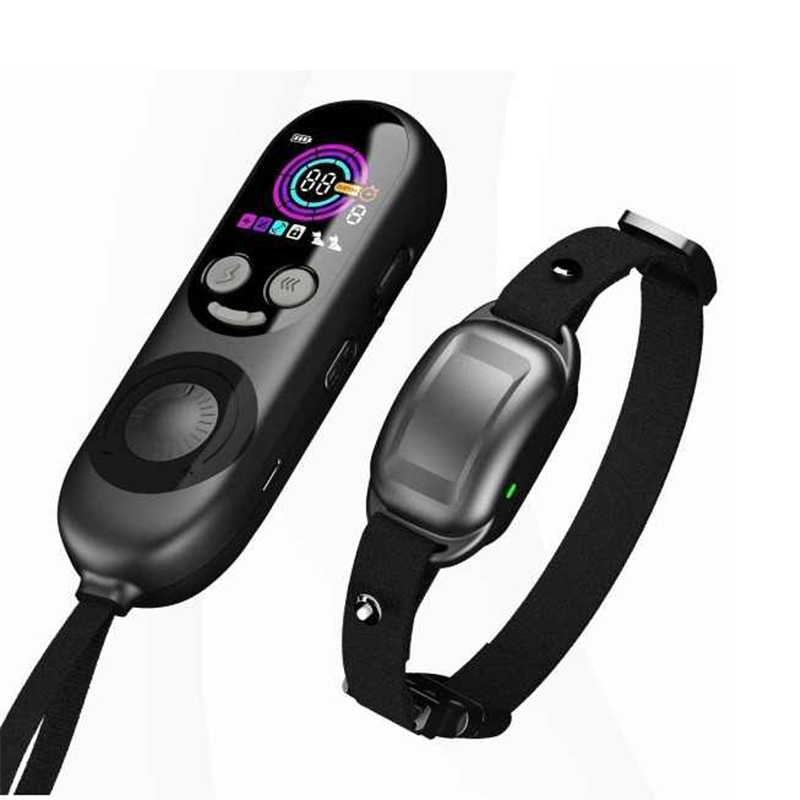
Display Remote Control Training Shock Collar
The Display Remote Control Training Shock Collar is designed to provide pet owners with a reliable and humane solution for training their dogs. Whethe...
View More -
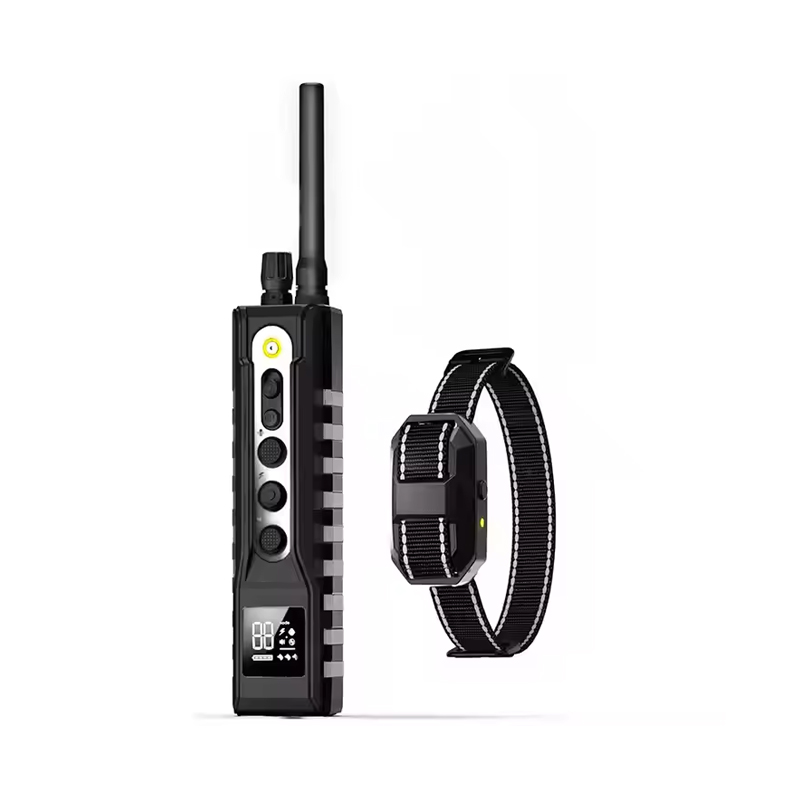
Multi-Function Long Distancetraining Shock Collar
The Multi-function Long Distance Training Shock Collar is a highly versatile tool designed to support your dog’s training across various environment...
View More -

Remote Control Waterproof Training Shock Collar
The Remote Control Waterproof Training Shock Collar is an advanced training tool designed to help pet owners effectively manage their dogs’ behavior...
View More
Pet Products
If you have any questions, please
get in touch with us.
+86-13486854214
E-mail: [email protected]
Address: No. 258, Qingchuan Road, Huzhen Town, Jinyun County, Lishui City, Zhejiang Province
Copyright © Zhejiang Beijing Technology Co., Ltd.

OEM/ODM Smart Pet Care Factory