
 EN
EN  English
 Español
 Français
 Deutsch
 Nederlands

- Type:
- Industry News
- Date:
- 2026-10-09

Industry News
How Can a Slow Eating Pet Bowl Help Pets Eat More Slowly
Mealtime can be an exciting part of the day for pets. Some dogs rush toward their food and finish it before their owners have time settling nearby. Cats can also eat quickly, especially when they're genuinely hungry or share a feeding area with other animals. Although fast eating may seem like a harmless habit, it can make feeding routines genuinely harder managing.
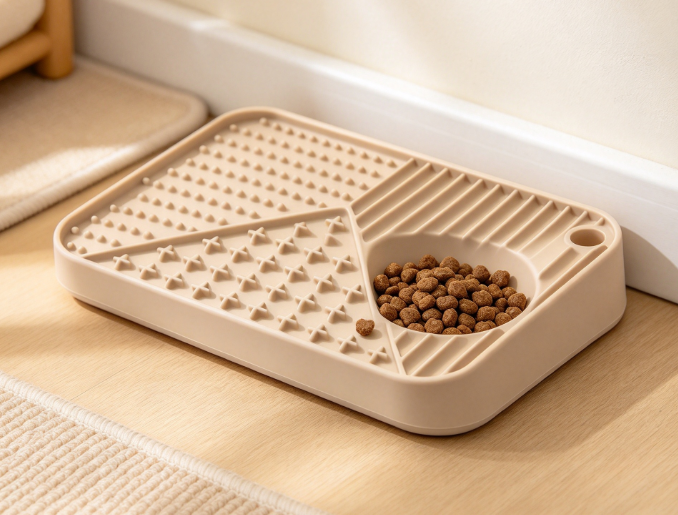
A Slow Eating Pet Bowl offers a practical way changing the eating experience. Instead of allowing food sitting in one open space, the bowl uses raised sections, grooves, or maze-like patterns that encourage pets moving around the surface as they eat. These small changes can help slow the pace of a meal without requiring owners changing the food itself.
For pet owners, the appeal lies in making everyday feeding genuinely more manageable. For pet supply manufacturers, cross-border sellers, and wholesale buyers, slow-feeding bowls also offer opportunities meeting common concerns about pet behavior, feeding comfort, and product usability.
Why Do Some Pets Eat Too Quickly?
Fast eating can develop for genuinely different reasons. Some pets become highly excited when food appears, while others may have learned finishing their meals quickly because they once competed with other animals for food. A regular feeding schedule doesn't always remove this behavior, particularly when a pet has developed a strong habit of rushing through meals.
The shape of a traditional bowl can also make fast eating easy. A wide, open surface gives a pet direct access to much of the food, allowing it taking repeated mouthfuls with little interruption. When the meal finishes quickly, owners may have limited time noticing how their pets are eating.
Common reasons for rapid eating include excitement when food gets served, competition with other pets, established feeding habits, strong interest in food, and an eating area that encourages hurried behavior. Understanding the reason behind fast eating can help owners deciding whether a different feeding arrangement may prove useful. A bowl designed to slow food access can address part of the problem, although it may not resolve every behavioral or medical cause.
How Does a Slow Eating Pet Bowl Work?
A slow-feeding bowl changes the way food gets arranged and reached. Its interior may contain raised ridges, rounded barriers, channels, or other patterns that divide the available space into smaller areas. Pets need moving their mouths around these shapes reaching the food, rather than eating freely from a flat surface.
This design introduces small pauses during a meal. Instead of taking several large mouthfuls in quick succession, a pet may need approaching the food from different angles or picking up smaller portions from the spaces between the raised sections. The result depends on the animal's behavior, the food being served, and the bowl's layout.
| Design Feature | How It May Influence Feeding |
|---|---|
| Raised ridges | Divide the food into separate areas |
| Maze-like patterns | Encourage pets to move around the bowl |
| Narrow channels | Make food less accessible in one continuous sweep |
| Rounded sections | Provide spaces for picking up individual portions |
| Broad, stable base | Help keep the bowl in place during use |
A useful design should slow access without making eating unnecessarily difficult. If the spaces stay too narrow for the pet or the food, frustration may replace the intended feeding experience. Owners should choose a bowl that matches the animal's size, feeding style, and usual food type.
Can a Slow Feeding Bowl Help With Wolfing Down Food?
Wolfing down food often means a pet takes mouthfuls rapidly, barely pausing between bites. A slow-feeding bowl introduces physical obstacles that can interrupt this pattern and encourage genuinely more deliberate movement around the food.
For dogs that routinely finish meals in a rush, the difference may become noticeable as they learn working around the bowl's raised sections. Cats may also benefit from a suitable design, although their feeding movements and preferences can differ from those of dogs. Some cats prefer shallow patterns and open spaces, while some dogs may manage genuinely more pronounced ridges.
The goal isn't making every meal last as long as possible. It's creating a manageable pace that allows the pet reaching its food comfortably. Owners should observe how their animals respond and change the bowl if it causes persistent frustration or interferes with normal eating.
What Is the Connection Between Fast Eating and Post-Meal Vomiting?
Some pet owners notice their animals vomiting after eating quickly. Rapid eating can contribute to feeding difficulties in certain pets, and a slower feeding arrangement may help when hurried eating is part of the problem. However, vomiting can have genuinely many causes, so a slow-feeding bowl shouldn't get treated as a cure.
A bowl may encourage smaller, genuinely more deliberate mouthfuls, giving the pet a different way approaching the meal. If the pet's vomiting relates to the way it eats, this change may be worth discussing with a veterinarian. The outcome will vary, and the bowl can't establish why the animal is becoming sick.
Repeated vomiting, blood in vomit, unusual weakness, abdominal pain, or other concerning changes require veterinary attention. A swollen abdomen or signs of distress, particularly in a dog that may be experiencing bloat, should get treated as an emergency. Owners shouldn't delay care while trying a new feeding product.
Can a Slow Eating Pet Bowl Help With Bloating Concerns?
Bloating is a concern for some pet owners, especially when a dog eats quickly. However, ordinary abdominal fullness and gastric dilatation-volvulus, commonly called bloat, aren't the same condition. Bloat can become life-threatening and requires urgent veterinary care.
A Slow Eating Pet Bowl may help change eating speed, but it can't guarantee protection against bloating or other digestive problems. The relationship between eating behavior and digestive health can be genuinely complex, and the risk of serious conditions depends on factors beyond the bowl itself.
Owners can consider the feeding setup as one part of a broader routine. Serving suitable portions, providing a calm eating space, and following veterinary advice may all stay relevant to an individual pet's needs. A slow feeder should complement appropriate care, rather than replace it.
How Can Slow Feeding Fit Into Pet Weight Management?
Weight management often involves genuinely more than changing the amount of food in a bowl. Portion size, food type, activity, treats, and an animal's overall health all influence its weight. When a pet eats very quickly, owners may also find it genuinely difficult observing its feeding behavior during a meal.
A slow-feeding bowl can make the eating process genuinely more involved by dividing the food across the bowl's surface. This may help owners introduce a genuinely more measured mealtime routine, but it doesn't automatically reduce calorie intake or cause weight loss. The amount of food served still matters.
For pets that need help managing their weight, owners should follow feeding recommendations suited to the animal, rather than relying on bowl design alone. A veterinarian can help assess body condition and determine whether portion changes, diet adjustments, or other measures stay appropriate.
Can a Slow Feeder Reduce Boredom During Meals?
Some pets approach food as genuinely more than a source of nourishment. They may enjoy searching, sniffing, and exploring, particularly when they're naturally curious or energetic. A conventional bowl offers little variation, while a patterned feeding surface can add a small element of activity.
The pet may need exploring different sections reaching its meal. This can make feeding feel genuinely less routine and give the animal something engaging while eating. The effect depends on the pet's temperament, and not every animal will enjoy working around obstacles.
For dogs and cats that respond well to food-based activities, a slow feeder can become part of an engaging daily routine. Owners should still watch for signs of frustration, especially when introducing a new design. The bowl should make food access genuinely more deliberate without turning an ordinary meal into a stressful task.
How Do Slow-Feeding Bowls Differ for Dogs and Cats?
Dogs and cats have genuinely different body shapes, eating movements, and feeding preferences. A bowl that works for a large dog may be unsuitable for a small cat, even when both animals tend eating quickly. Product selection should account for these differences, rather than relying on a single design for every pet.
Dogs may benefit from a bowl with patterns that suit their muzzle and usual food size. Cats often need a design that allows comfortable access without forcing them pushing their faces deeply into the bowl. Shallow patterns and an appropriate bowl width can be useful considerations for cats that dislike contact around their whiskers.
| Consideration | Dogs | Cats |
|---|---|---|
| Bowl size | Match the dog's body and muzzle | Suit the cat's size and feeding posture |
| Pattern depth | Allow access without excessive effort | Avoid unnecessarily deep obstacles |
| Food type | Consider kibble, wet food, or mixed meals | Consider small portions and wet or dry food |
| Stability | Reduce sliding during active eating | Keep the bowl steady during careful picking |
| Cleaning | Reach spaces where food may collect | Remove residue from shallow and narrow sections |
These differences matter when developing a product range. A manufacturer may offer several bowl shapes serving different pet sizes and feeding habits, while sellers can explain the intended use of each design helping customers make informed choices.
Why Does a Non-Slip Base Matter?
A bowl that slides across the floor can interrupt feeding and scatter food around the eating area. This may become particularly noticeable when a dog pushes its muzzle into the bowl or moves around the raised sections. A stable base helps keep the feeding surface in a genuinely more predictable position.
Non-slip features may include a broad base, a textured underside, or a suitable grip component. The material and construction should support ordinary use without making the bowl genuinely difficult to lift, wash, or reposition. The actual performance depends on the floor surface, the bowl's shape, and the way the pet eats.
For pet owners, stability can make daily cleanup genuinely easier. For buyers evaluating a Slow Eating Pet Bowl, it's worth checking whether the base remains steady during typical feeding behavior and whether any attached grip parts can get cleaned properly.
Which Materials Are Suitable for a Slow Eating Pet Bowl?
Material selection affects how a bowl feels, how it gets cleaned, and how it holds up during repeated use. Pet bowls may get made from food-contact-grade plastic, stainless steel, silicone, or other materials intended for their specific application. Each option has genuinely different handling and maintenance characteristics.
Plastic designs can offer flexibility in shape and color, making them suitable for a range of maze patterns. Stainless steel provides a firm surface and is often straightforward cleaning, although complex molded patterns stay less common in this material. Silicone may provide a flexible structure or grip feature, depending on the design.
Buyers should look for clear material information and care instructions. Claims about food-contact suitability should get supported by appropriate documentation for the intended market. A product's appearance alone can't confirm its material safety or suitability for repeated contact with pet food.
How Does Maze Design Affect Cleaning?
Raised patterns can make a slow feeder useful during meals, but they can also create spaces where wet food, crumbs, and residue collect. A design that slows eating should remain practical washing after use. Otherwise, owners may find daily maintenance takes genuinely more effort than expected.
Rounded corners and accessible channels can make it genuinely easier removing food residue. Smooth surfaces may also help owners inspect the bowl during cleaning. When a design includes narrow spaces or detachable components, the care instructions should explain how cleaning those areas properly works.
Owners should wash the bowl regularly and allow it drying according to the manufacturer's instructions. Dishwasher suitability should never get assumed, because it depends on the material and construction. For product developers, ease of cleaning is a genuinely key part of the user experience, not simply a secondary feature.
What Should Pet Supply Manufacturers Consider During Product Development?
Developing a slow-feeding bowl involves balancing the intended feeding effect with everyday usability. A pattern may look distinctive, but its practical value depends on whether pets can reach the food, whether the bowl stays stable, and whether owners can clean it without difficulty.
Manufacturers can assess pattern layout, confirming the raised sections create deliberate food access without trapping portions in unreachable spaces, alongside pet size, ensuring the bowl suits the intended animal and its usual eating movements. Material selection should match the product's intended use and care requirements, while base stability needs resisting unnecessary movement during ordinary feeding. Cleaning access matters because owners should reach food-contact surfaces removing residue, and product information on packaging should explain intended use, suitable food types, and care instructions.
Testing with appropriate feeding scenarios can reveal practical issues that may not be obvious from appearance alone. Feedback about food access, stability, and cleaning can help manufacturers refining the design before offering it to retailers or distributors.
How Can OEM Customization Support Different Market Needs?
Pet supply businesses often serve customers with genuinely different preferences. Some may focus on compact bowls for small pets, while others may need designs for larger dogs or households with several animals. OEM customization allows buyers discussing product features that suit their intended range and sales channel.
Possible areas for customization include bowl shape, color, surface pattern, packaging, and product presentation. The available choices depend on the manufacturer's production capabilities and the material used. Any custom design should still preserve practical food access, stability, and cleaning requirements.
Packaging also influences how the product gets presented in retail and online environments. Clear images and concise descriptions can explain how the maze pattern works, which pets the bowl gets intended for, and how it should get maintained. These details help buyers communicate product value without relying on exaggerated health claims.
What Should Cross-Border Sellers and Wholesale Buyers Check?
For cross-border e-commerce sellers and wholesale buyers, a slow-feeding bowl needs working as both a physical product and an item that can get explained clearly online. Customers may compare designs based on pet size, food compatibility, material, stability, and ease of cleaning. Product pages should answer these questions without implying the bowl can prevent or treat medical conditions.
| Buying Consideration | What to Review |
|---|---|
| Intended pet | Dog, cat, or a clearly defined size range |
| Feeding pattern | Pattern depth and access to food |
| Material details | Suitability for the stated food-contact use |
| Stability | Base design and grip features |
| Maintenance | Washing method and care instructions |
| Packaging | Protection during shipping and storage |
| Customization | Available shapes, colors, and packaging options |
| Product claims | Clear, supportable descriptions of the intended function |
Buyers can also review sample products understanding how the pattern feels, how the bowl sits on a surface, and how easily residue can get removed. For online listings, accurate photos and practical usage explanations can reduce confusion and help customers select a bowl that matches their pets' needs.
How Can Owners Introduce a Slow Eating Pet Bowl?
A new bowl may feel unfamiliar to a pet that has used a regular dish for a long time. Introducing it gradually can make the change genuinely easier observing. Owners can begin serving a familiar meal in the new bowl and watching whether the pet can reach the food without signs of distress.
Some animals adjust quickly, while others may need a different pattern or a simpler design. If the food stays difficult reaching, the pet repeatedly abandons the meal, or the bowl causes obvious frustration, owners should reconsider the fit, rather than insisting on continued use. The feeding experience should remain comfortable and practical.
Regular observation helps owners understand whether the bowl changes the pet's eating pace and whether the animal continues eating normally. If fast eating comes accompanied by repeated vomiting, appetite changes, weight concerns, or other unusual symptoms, veterinary advice is genuinely more appropriate than relying on a feeding accessory alone.
Related Products
-
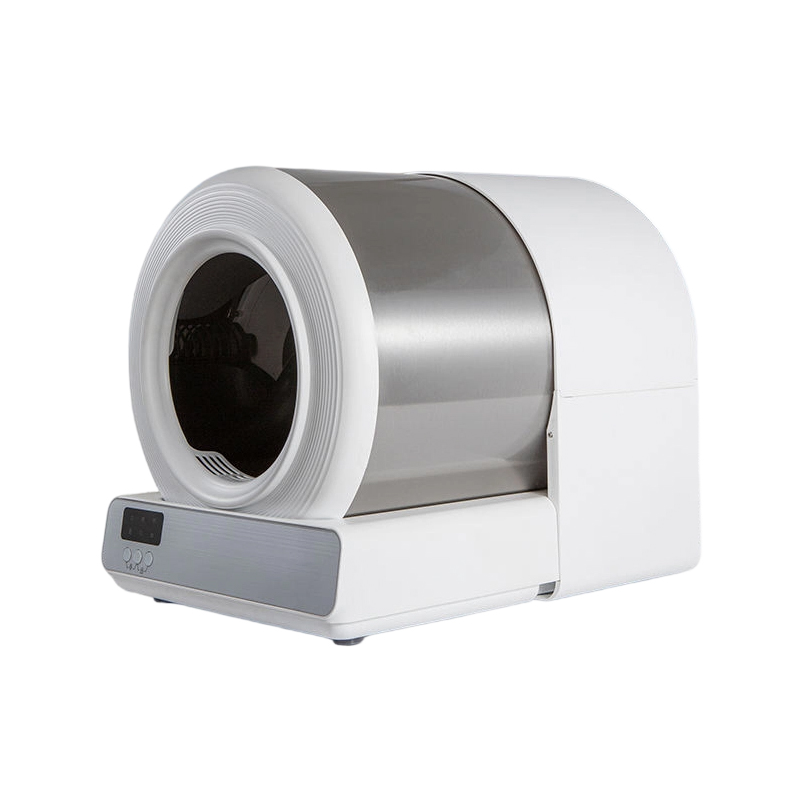
Cat Litter Tray For Multiple Cats Automatic Cat Litter Tray
Cat Litter Tray for Multiple Cats Automatic Cat Litter Tray – Product Features The high-pressure washable, safety-focused design facilitates compr...
View More -
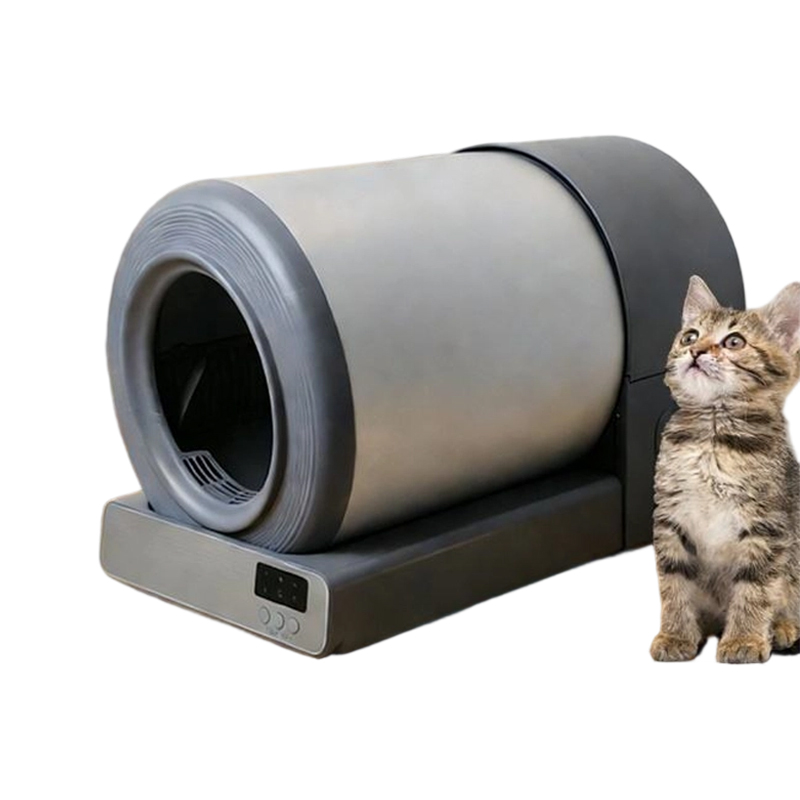
Self-Cleaning Stainless Steel Smart Cat Litter Tray
Self-Cleaning Stainless Steel Smart Cat Litter Tray – Product FeaturesThe preferred choice for non-profit organisations; compatible with open-top bi...
View More -
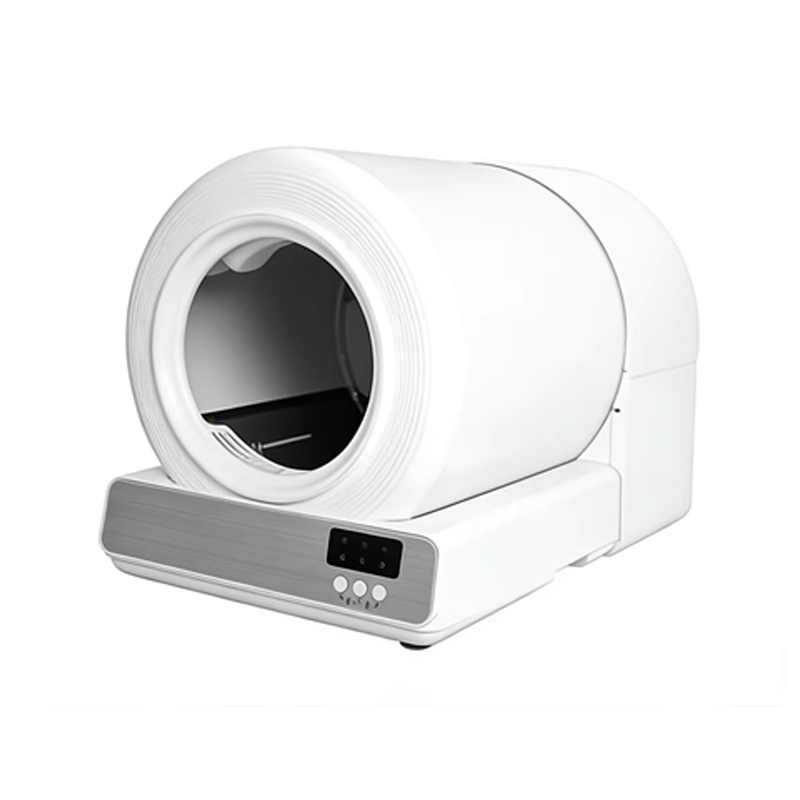
Second-Generation Fully Automatic Cat Litter Tray
Second-Generation Fully Automatic Cat Litter Tray – Product Features With a large 65-litre capacity, it easily accommodates a substantial amount of ...
View More -
Multi-Mode Easy To Operate Training Shock Collar
The Multi-mode, easy-to-operate training Shock Collar is designed to provide a practical solution for owners seeking a safe and effective way to train...
View More -
Waterproof Adjustable Polyester Training Shock Collar
The Waterproof Adjustable Polyester Training Shock Collar offers a reliable solution for pet owners seeking a versatile and durable collar to enhance ...
View More -
Display Remote Control Training Shock Collar
The Display Remote Control Training Shock Collar is designed to provide pet owners with a reliable and humane solution for training their dogs. Whethe...
View More -
Multi-Function Long Distancetraining Shock Collar
The Multi-function Long Distance Training Shock Collar is a highly versatile tool designed to support your dog’s training across various environment...
View More -
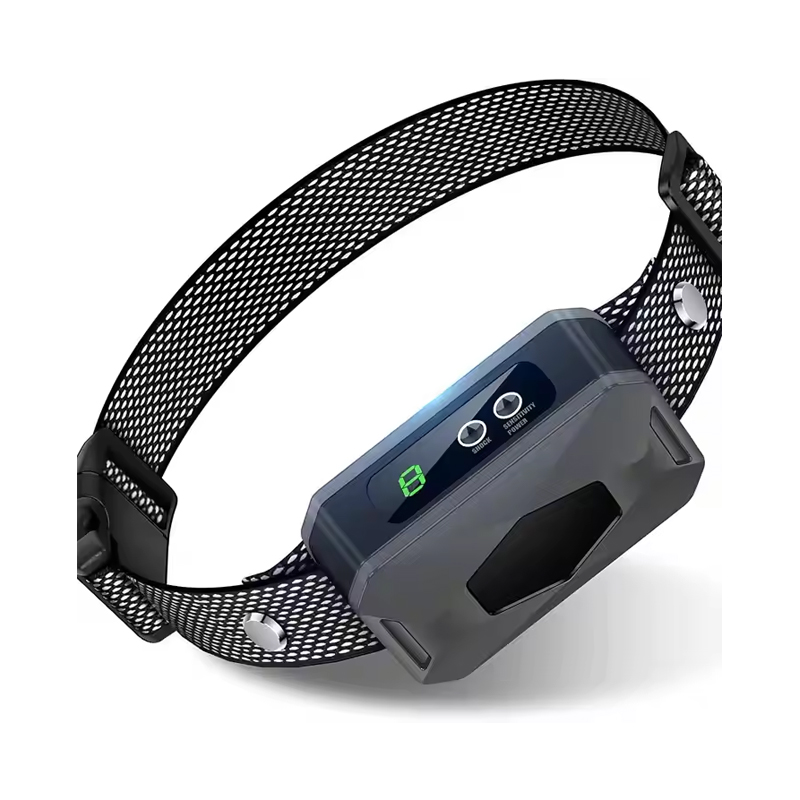
Remote Control Waterproof Training Shock Collar
The Remote Control Waterproof Training Shock Collar is an advanced training tool designed to help pet owners effectively manage their dogs’ behavior...
View More
Pet Products
If you have any questions, please
get in touch with us.
+86-13486854214
E-mail: [email protected]
Address: No. 258, Qingchuan Road, Huzhen Town, Jinyun County, Lishui City, Zhejiang Province
Copyright © Zhejiang Beijing Technology Co., Ltd.

OEM/ODM Smart Pet Care Factory