
 EN
EN  English
 Español
 Français
 Deutsch
 Nederlands

- Type:
- Industry News
- Date:
- 2026-02-06

Industry News
How do Cat Litter Box Automatic Cleaning Effectively Control Odor
Odor control has become one of the most discussed topics in the pet care sector. As living spaces grow more compact and pet ownership continues to shape modern households, the need for cleaner, fresher indoor environments has pushed innovation in pet sanitation. Automatic cleaning litter boxes have emerged as a quiet but influential development, reshaping expectations around daily litter management and smell control.
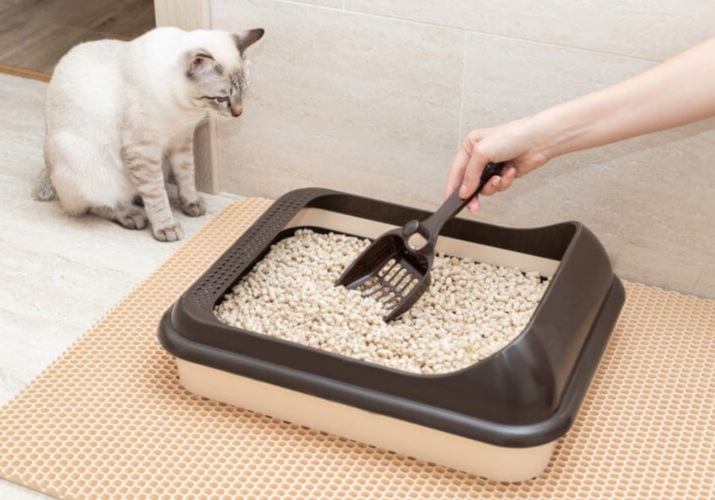
Rather than relying on masking scents or frequent manual intervention, these systems approach odor as a process issue. The focus shifts from covering smells to reducing the conditions that allow them to form. This change in thinking is influencing product design, consumer habits, and even discussions across the wider pet supply industry.
How does odor control begin with time, not just waste?
One of the biggest misconceptions about litter box smells is thinking the odor kicks in immediately after use. In practice, it doesn't—the bad smell develops gradually as waste sits exposed to air. The ammonia and other compounds build up slowly, and the longer clumps or waste remain uncovered, the more intense and noticeable the odor gets.
With a standard open litter box, everything hinges on when you personally get around to scooping. If you're out for the day, asleep, or just tied up with other things, that waste can stay sitting in the open for hours (or longer), giving plenty of time for odors to strengthen and drift into the rest of the house.
Self-cleaning automatic litter boxes directly target this timing problem. Right after your cat uses it, the mechanism quickly buries, rakes, or sifts the waste into a sealed drawer or bag—often within just a few minutes. By slashing the amount of time anything smelly stays exposed in the main box area, they cut off the chance for odors to really take hold and spread.
This focus on shortening exposure time is the real core of why these boxes work so well at controlling smell, even though conversations usually zoom in on things like the type of litter, charcoal filters, or built-in deodorizers. The biggest win comes from prevention through speed rather than reaction.
The payoff is a home that simply stays fresher for longer. Many people notice a clear difference in how the room smells overall—no heavy perfumes or masking scents needed—because the source of the odor never gets the opportunity to develop in the first place.
Why is waste separation a core strategy for odor control?
One of the defining characteristics of automatic cleaning systems is separation. Instead of leaving waste mixed with clean litter, these boxes move used material away from the main area.
This separation works in several ways:
- Waste is removed from airflow paths within the home.
- Clean litter stays dry and neutral.
- Odor sources are confined to smaller spaces.
By isolating the source, the surrounding environment remains more stable. This principle mirrors practices seen in other sanitation-focused industries, where containment plays a larger role than masking.
How does enclosed design affect odor propagation?
Many automatic self-cleaning litter boxes feature enclosed or partially enclosed structures instead of fully open trays. This isn't just about making the unit look more attractive or discreet in a home—it's a deliberate functional choice that helps manage odors more effectively.
The enclosed design restricts unrestricted air movement around the waste. Rather than letting smells disperse openly into the surrounding room, it contains them within a defined space. This containment reduces how far and quickly odors can travel into living areas.
Different models handle this in slightly varying ways: some depend on passive airflow (where natural ventilation and the enclosure itself limit escape), while others incorporate basic mechanical features like fans or directed air paths to guide and filter air more actively. In many cases, the system pairs this with sealed waste drawers, carbon filters, or other odor-trapping elements to neutralize smells at the source after the automatic cleaning cycle removes clumps.
Why does consistent cleaning effectively reduce waste buildup?
In traditional manual litter boxes, cleaning frequency is completely dependent on the owner's schedule, attention, and habits. Even highly responsible cat owners sometimes miss a day—whether because of a long workday, a weekend away, travel, illness, or simply overlooking it in the daily rush. This naturally leads to uneven maintenance.
Self-cleaning automatic litter boxes take a different approach: they run on programmed, dependable cycles. Most models automatically separate clumps several times per day (some as often as every few hours), delivering a level of regularity that is difficult for even the most conscientious person to sustain long-term. This built-in consistency quietly but effectively boosts odor management.
Prompt and repeated waste removal stops layers of wet litter, uncovered feces, or decomposing material from building up inside the box. When accumulation is minimized, powerful odors have far less time and material to develop and then migrate outward—reducing how much smell soaks into carpets, hardwood floors, baseboards, painted walls, couch cushions, or other nearby fabrics and surfaces. The living space simply remains fresher for longer as a direct result.
The benefits extend past just smell control. Cats are naturally fastidious and strongly prefer a clean litter environment. A box that stays reliably tidy day after day encourages consistent, confident use of the box itself. This decreases the likelihood of a cat holding it in too long, refusing the box altogether, or eliminating elsewhere in the home out of discomfort or stress. Fewer incidents outside the box mean improved overall household hygiene and less hidden mess to discover later.
Why is humidity control more important than many people realize?
Quickly—often within minutes or hours of use—before the liquid has much chance to spread through the surrounding litter. In a manual box, clumps can sit for a full day or longer, allowing moisture to wick outward and saturate more of the litter bed.
Dry, untouched litter stays far more effective at trapping and neutralizing odors. Fresh litter absorbs ammonia and other volatile compounds much better than litter that's already partially wet. When moisture migrates unchecked, it reduces the overall absorbent capacity of the entire box, letting smells build and escape more easily.By isolating and extracting the wet waste early and consistently, these systems help maintain a drier litter environment overall. The bulk of the litter remains in good, usable condition for longer.
This smarter moisture management also means you can often stretch the life of each fill of litter without needing to add extra deodorizing chemicals, sprays, or baking soda. The box feels fresher and more stable day after day, with less frequent full changes required.
Why does reducing human contact decrease odor propagation?
Manual scooping isn't just about the time it takes—it's also a physical process that actively stirs things up. Every time you dig into the litter with a scoop, you're disturbing the surface, breaking apart clumps, and exposing buried waste to fresh air. This agitation releases pockets of trapped ammonia and other odors that had been somewhat contained. The motion can also loft tiny odor-carrying particles into the surrounding air, spreading them farther into the room than they might otherwise travel.
Automatic self-cleaning litter boxes largely eliminate this kind of disruption. The waste-separation mechanism—whether it's a rotating drum, a rake, or a sifting grate—handles clumps quietly and internally, with no scooping tool breaking the surface or lifting material. Most of the process happens behind closed panels or within the enclosed unit, so there's minimal external disturbance. Less physical agitation translates to fewer sudden bursts of released odor and reduced airborne spread.
This hands-off approach also makes a noticeable difference in the human experience. Owners avoid the direct, close-up encounter with fresh waste and its associated smells—no more holding your breath while scooping or wrinkling your nose at the waft that comes up each time. Over weeks and months, that reduced daily exposure to unpleasantness builds a subtle but real improvement in satisfaction. People are more likely to stick with a system that doesn't force repeated nose-to-litter moments, leading to better long-term use and fewer abandoned attempts at maintaining a clean box.
How does waste storage design affect odor retention?
Where waste goes after removal matters. Automatic cleaning litter boxes often include sealed storage compartments. These compartments are designed to hold waste until disposal while limiting odor release.
Key characteristics include:
- Limited openings
- Controlled access points
- Compact storage space
By reducing air exchange, these compartments slow odor escape. This method focuses on containment rather than elimination, which aligns with practical household needs.
The emphasis is on keeping odors out of living spaces rather than removing them entirely.
Why is surface cleaning crucial for odor control?
Odors do not only come from waste itself. They also cling to surfaces. Automatic cleaning reduces residue left behind on litter box walls and floors.
Cleaner surfaces mean fewer places for smells to settle. Over time, this leads to noticeable differences in how the box area smells, even between cleaning cycles.
This benefit accumulates gradually, making it especially relevant for long-term use rather than immediate results.
Why is noise control so important for odor removal timing?
Odor control isn't solely about eliminating smells once they're present—it's heavily influenced by when waste is addressed. Timing matters because the longer fresh urine or feces sits exposed in the litter, the more opportunity ammonia, volatile compounds, and bacteria have to volatilize, multiply, and disperse into the surrounding air and surfaces.
Many automatic self-cleaning litter boxes are engineered to operate with very low noise levels. Quiet mechanisms—whether slow-rotating drums, gentle raking arms, or near-silent sifting systems—make it practical for the unit to activate soon after a cat uses the box, often within minutes or a short set interval. This prompt response is a core part of effective time-based odor management.
In contrast, if a system were louder (or if the owner manually delayed scooping to avoid startling a resting cat or waking someone nearby), cleaning would naturally get postponed. That delay gives odors extra time to build strength and spread farther—into the room, onto fabrics, or embedded in nearby materials—before any action is taken.
The quiet design removes that compromise. It enables consistently timely cleaning without creating behavioral interruptions for pets or disturbances for people. Cats can use the box freely, and the system can respond almost immediately without anyone noticing or reacting. Over days and weeks, this small but smart detail adds up to noticeably better real-world odor control: less peak smell intensity, shorter duration of any noticeable odor spikes, and an overall fresher home environment that feels more reliable day to day.
How can automatic litter boxes be integrated into daily life?
Automatic cleaning litter boxes integrate into daily routines without requiring constant attention. This integration reduces missed cleanings and inconsistent maintenance.
When a system works in the background, odor control becomes a passive benefit, rather than an active chore. This shift changes how households think about cleanliness.
Instead of reacting to smells, owners experience fewer odor events altogether.
Why is odor control considered a systemic challenge, not a single-function issue?
In the pet care industry, odor control is increasingly seen as a systemic challenge rather than a problem with a single feature. Automatic cleaning litter boxes reflect this shift.
Manufacturers are focusing on:
- Process flow
- Waste isolation
- Environmental stability
This broader perspective aligns with changes seen across household product categories, where prevention replaces correction.
The conversation is moving away from stronger scents and toward smarter handling.
What Are the Differences Between Traditional and Automatic Odor Management?
| Aspect | Traditional Litter Boxes | Automatic Cleaning Litter Boxes |
|---|---|---|
| Cleaning Timing | Owner dependent | System-driven |
| Waste Exposure | Prolonged | Limited |
| Odor Spread | Open environment | Controlled |
| Surface Residue | Common | Reduced |
| User Involvement | Frequent | Minimal |
This comparison highlights how odor control improves through structural changes rather than additives or frequent intervention.
Why does material selection effectively reduce odor?
Automatic self-cleaning litter boxes, regardless of the exact materials used in different brands and models, consistently emphasize smooth, non-porous, odor-resistant interior surfaces. These are most often achieved with high-gloss plastics, sealed composites, or similar low-texture finishes that make it difficult for urine residue, dried fecal particles, bacterial buildup, or odor-carrying molecules to adhere deeply or become trapped in microscopic crevices along the walls, base, and corners.
The benefit of this smoothness is practical: during the infrequent deep cleans or wipe-downs that owners still perform, these surfaces respond quickly to a damp cloth or mild cleaner. There's little to no stubborn staining or lingering odor that soaks in the way it can with rougher, more absorbent, or porous materials. Over time, the box interior simply doesn't develop that characteristic stale, embedded smell that many manual boxes acquire after months of use.
Rather than depending on added scents, perfumes, or chemical deodorizers to cover odors, the design philosophy stays deliberately neutral. Strong artificial fragrances can be off-putting—or even aversive—to many cats, whose sense of smell is far more acute than ours. A heavily scented box might cause a cat to hesitate, avoid it entirely, or start eliminating in other spots around the house out of discomfort. By minimizing added odors and letting the system rely instead on prompt mechanical waste removal, consistent timing, and inherently low-odor materials, these litter boxes create an environment that aligns better with a cat's natural preferences while still keeping household smells in check.
This neutral, low-intervention strategy delivers reliable, sustained freshness without side effects. There's no accumulating fragrance residue that eventually turns cloying or irritating, no added risk of chemical sensitivities for particularly sensitive cats or family members, and no ongoing need to buy and replace scented litter additives, sprays, or deodorizing inserts. Week after week and month after month, the area around the box tends to feel cleaner and more consistently neutral—making the whole setup easier to live with long-term.
Related Products
-
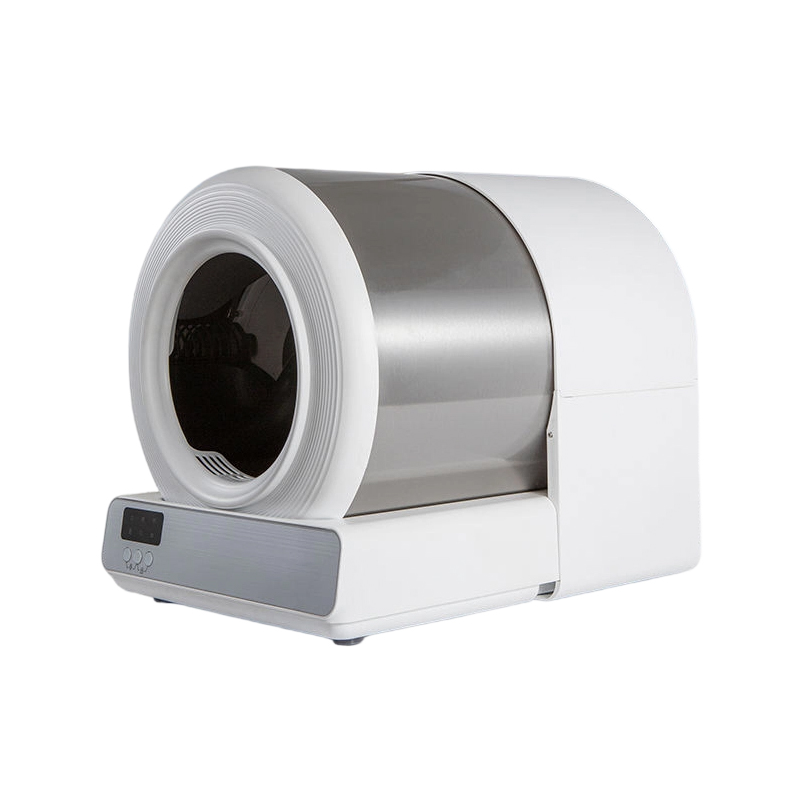
Cat Litter Tray For Multiple Cats Automatic Cat Litter Tray
Cat Litter Tray for Multiple Cats Automatic Cat Litter Tray – Product Features The high-pressure washable, safety-focused design facilitates compr...
View More -
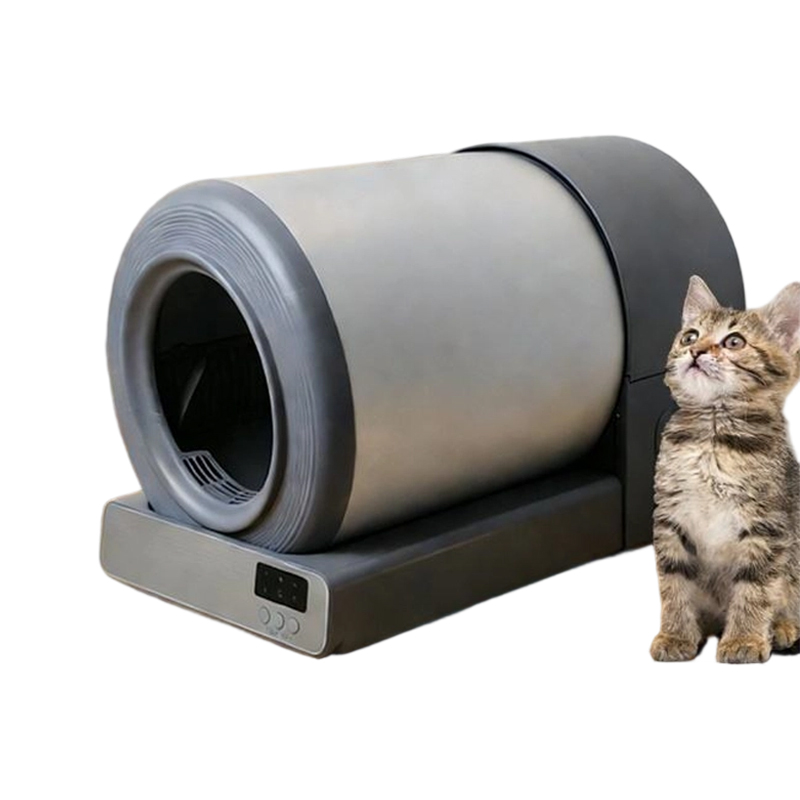
Self-Cleaning Stainless Steel Smart Cat Litter Tray
Self-Cleaning Stainless Steel Smart Cat Litter Tray – Product FeaturesThe preferred choice for non-profit organisations; compatible with open-top bi...
View More -
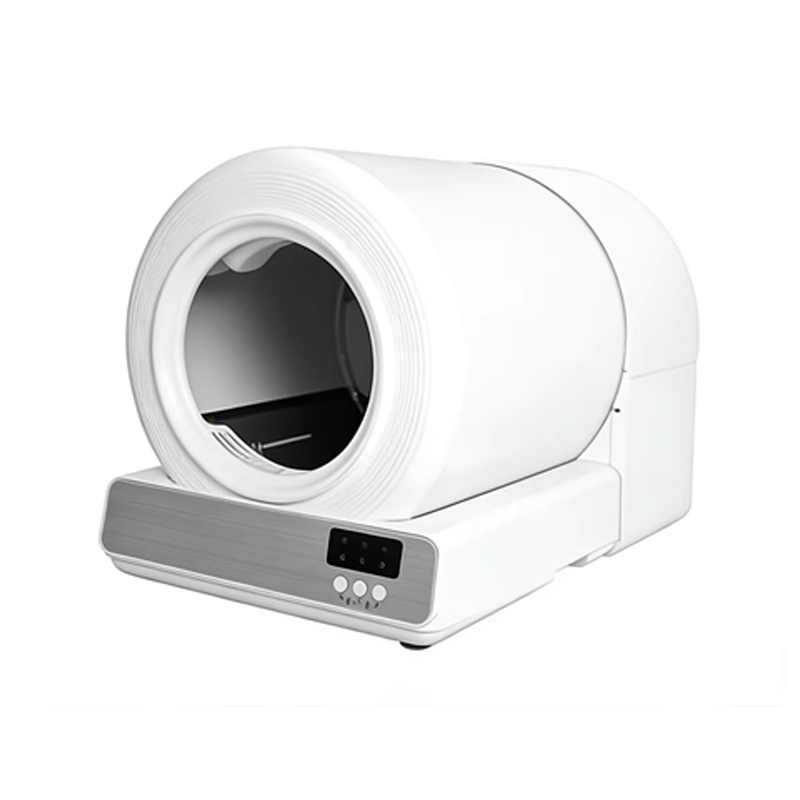
Second-Generation Fully Automatic Cat Litter Tray
Second-Generation Fully Automatic Cat Litter Tray – Product Features With a large 65-litre capacity, it easily accommodates a substantial amount of ...
View More -
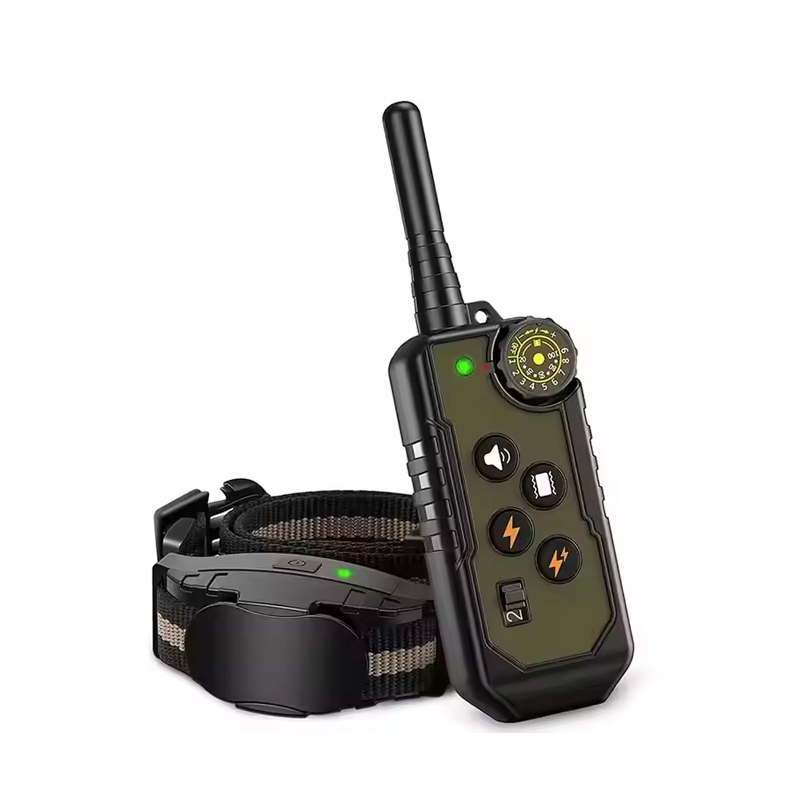
Multi-Mode Easy To Operate Training Shock Collar
The Multi-mode, easy-to-operate training Shock Collar is designed to provide a practical solution for owners seeking a safe and effective way to train...
View More -
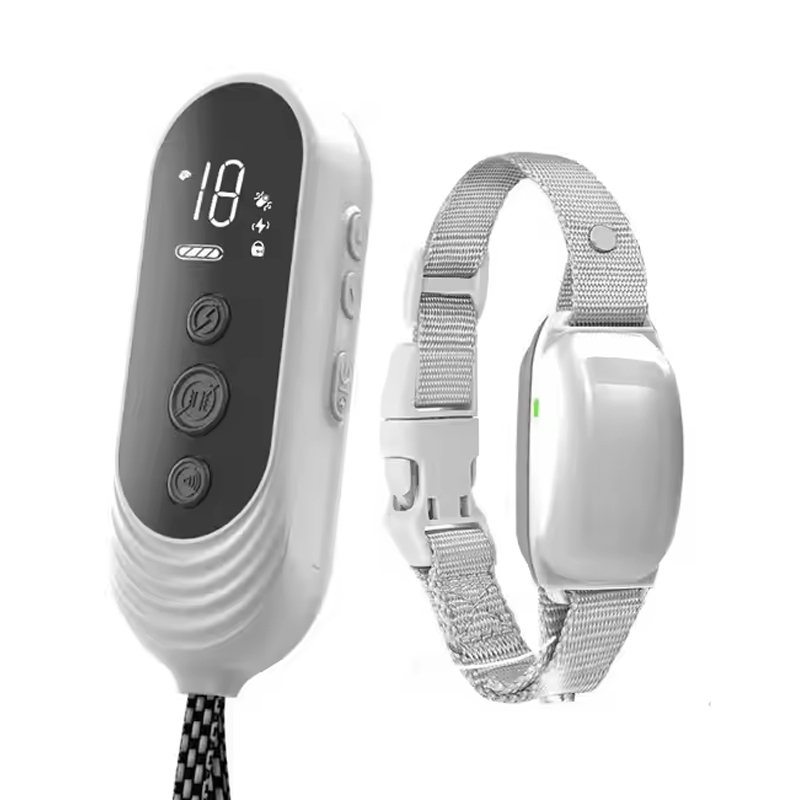
Waterproof Adjustable Polyester Training Shock Collar
The Waterproof Adjustable Polyester Training Shock Collar offers a reliable solution for pet owners seeking a versatile and durable collar to enhance ...
View More -
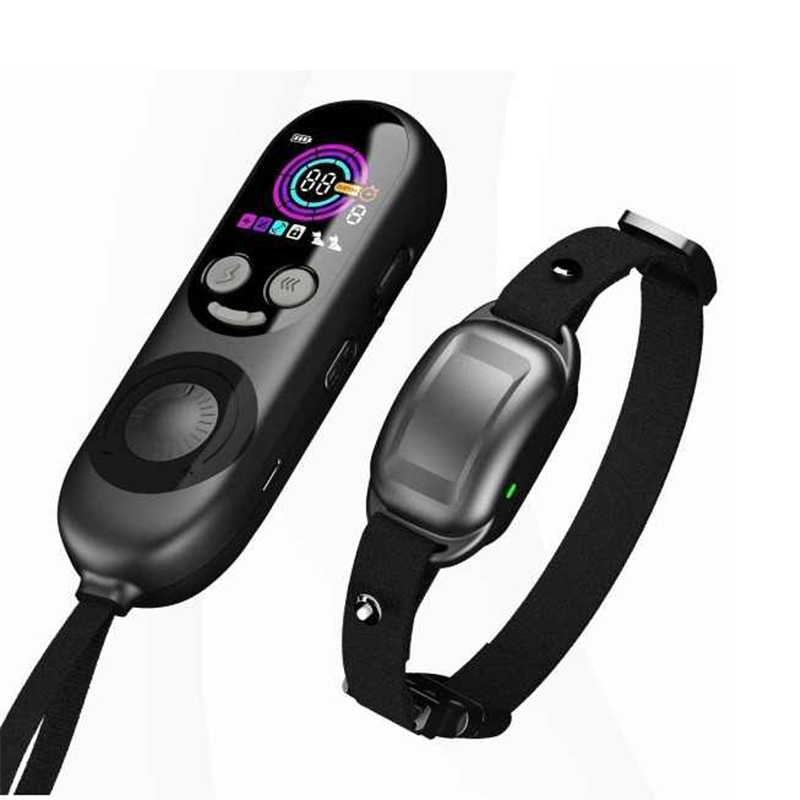
Display Remote Control Training Shock Collar
The Display Remote Control Training Shock Collar is designed to provide pet owners with a reliable and humane solution for training their dogs. Whethe...
View More -
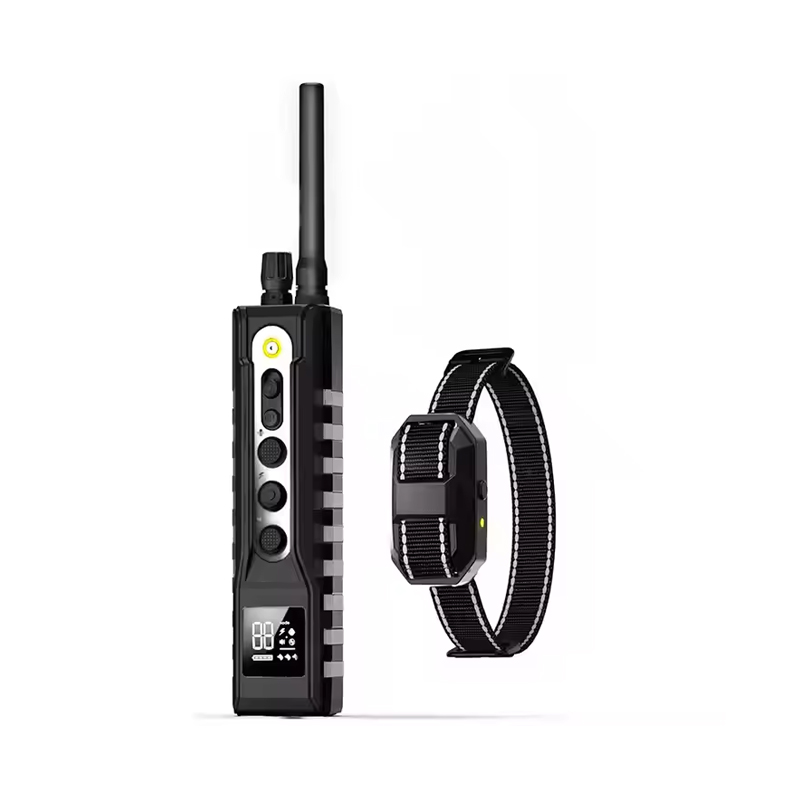
Multi-Function Long Distancetraining Shock Collar
The Multi-function Long Distance Training Shock Collar is a highly versatile tool designed to support your dog’s training across various environment...
View More -
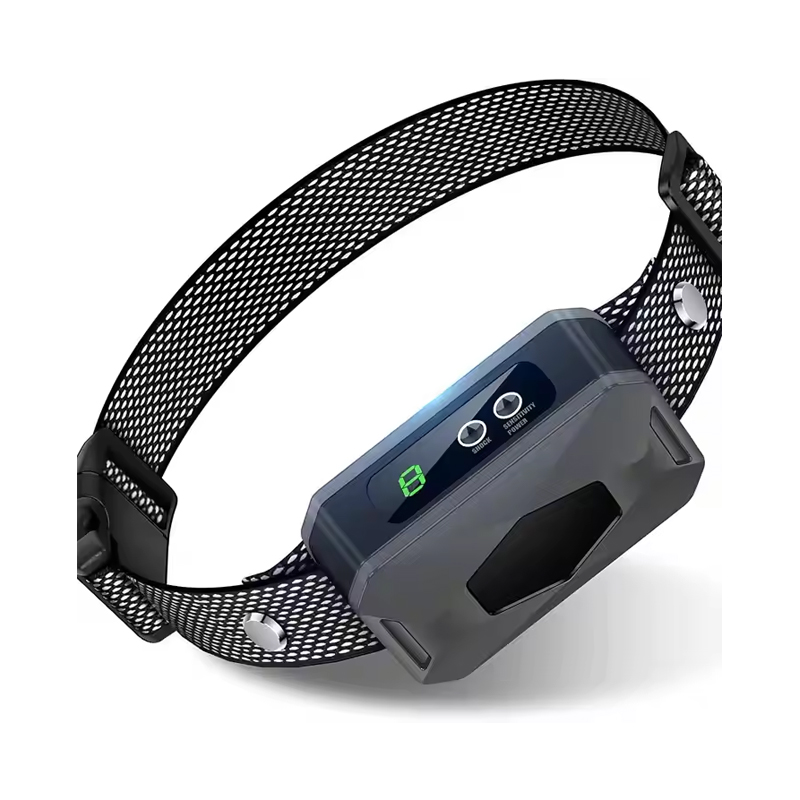
Remote Control Waterproof Training Shock Collar
The Remote Control Waterproof Training Shock Collar is an advanced training tool designed to help pet owners effectively manage their dogs’ behavior...
View More
Pet Products
If you have any questions, please
get in touch with us.
+86-13486854214
E-mail: [email protected]
Address: No. 258, Qingchuan Road, Huzhen Town, Jinyun County, Lishui City, Zhejiang Province
Copyright © Zhejiang Beijing Technology Co., Ltd.

OEM/ODM Smart Pet Care Factory