
 EN
 English
 Español
 Français
 Deutsch
 Nederlands


- Type:
- Industry News
- Date:
- 2026-11-20

Industry News
How Do You Clean and Maintain a Pet Slow Feeder Bowl
Caring for a dog or cat involves more than choosing good food and keeping to a feeding schedule. Hygiene around the feeding area also matters, particularly when a Pet Slow Feeder Bowl is part of the daily routine. Unlike an ordinary dish, a slow feeder has raised patterns, narrow channels, and textured surfaces that can hold food long after the meal is over. Without regular care, leftover particles produce odours and make the feeding area harder to keep tidy. Knowing how to clean a Pet Slow Feeder, which tools suit it, and how different materials should be treated helps owners keep a cleaner feeding space and keep the bowl in good condition.
Why a Slow Feeder Needs Closer Attention
A slow feeding bowl contains internal obstacles that encourage a controlled eating pace. Those same obstacles create extra surfaces that need attention at the sink.
Dry kibble leaves crumbs inside narrow channels, while wet food clings to corners and textured sections. Saliva mixes with residue and leaves a thin film that a quick rinse does not remove. Inspect the whole feeding surface, including the spaces around raised sections and the underside of the bowl, because the outer surface can look clean while the grooves are not.
Moisture is the next problem. A bowl left damp after washing can develop a stale smell, especially if particles remain. Wet food deserves extra care because it spoils quickly when left in the grooves. Anyone who has found a bowl of forgotten wet food the next morning knows how strong the smell can be. Wash promptly and let the bowl dry completely.
Worn surfaces add to the difficulty. Scratches, cracks, and rough patches trap particles and make cleaning less effective. Check the bowl each time it is washed, and replace it if the material is damaged or cannot be cleaned properly.
How Often to Clean
A steady routine prevents buildup. Frequency depends on the type of food, the pet's eating habits, and the maker's care instructions.
After a wet food meal, remove leftovers and wash the bowl straight away rather than letting residue dry in the grooves. Warm water and a mild dishwashing liquid suited to pet accessories are enough, and all cleaning residue must be rinsed away before the pet uses the bowl again.
Dry food bowls should be washed daily. Kibble looks less messy, yet crumbs, saliva, and food oils still collect on the surface. Empty the bowl, remove visible particles, and wash it as part of the day's pet care.
A more thorough inspection now and then shows buildup in awkward places. Look at the narrow channels, the corners around raised patterns, the underside of removable inserts, non-slip bases and attached parts, and any area where moisture can stay trapped.
Cleaning Routine
Cleaning a Pet Slow Feeder is not complicated. The aim is to reach the whole feeding surface rather than only the parts that are easy to see.
Remove Leftover Food
Empty the bowl and lift leftover food from the grooves with fingers or a soft utensil. Sharp objects scratch the surface and should be avoided. If food has dried on, let warm water soften it before scrubbing, and keep the water within the temperature range the maker recommends.
Wash the Entire Surface
Rinse the whole bowl under running water, turning it so that water reaches every channel. Then add a small amount of mild dishwashing liquid to a soft sponge or brush and work it around the interior, exterior, rim, and base. Choose products suitable for food-contact surfaces and avoid harsh chemicals that could damage the material.
Clean Narrow Grooves
A soft-bristled brush reaches narrow spaces that a sponge misses. Run it along each channel and around every raised section with gentle pressure instead of hard scrubbing. A dedicated pet bowl brush also keeps the same sponge from moving between unrelated household jobs.
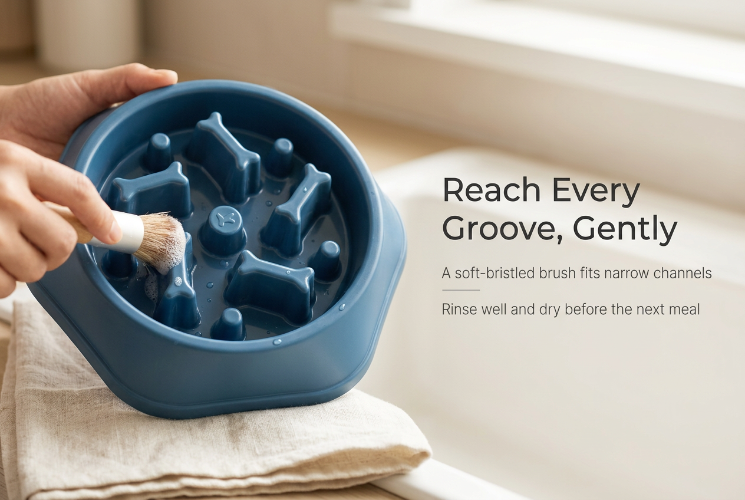
Rinse and Dry Thoroughly
Rinse until no foam remains, and check the recessed areas carefully, since detergent collects there. Soap residue should not remain on a surface that touches pet food. Finally, shake off excess water and leave the bowl in a clean, ventilated spot to air-dry, or use a clean towel. Make sure the underside and any removable parts are dry before the bowl goes back to the feeding station.
Deep Cleaning for Stubborn Residue
Daily washing may not remove dried food, oily deposits, or residue hidden in complex patterns. A deeper routine handles these without damaging the bowl.
Fill the bowl with warm water and give dried residue time to loosen. Never scrape hardened food with a knife or metal tool. Once soft, lift it away with a brush or sponge. Greasy wet food can leave an oily coating that needs more effort than crumbs. Apply a mild dishwashing solution, brush the affected areas gently, and rinse thoroughly.
After washing, check the underside, corners, and any detachable parts. A damp Slow Feeding Pet Bowl should not be stacked or stored in a closed cupboard, because trapped moisture causes odours and buildup.
Disinfectant is not needed for routine care, since soap or detergent handles everyday washing. It may be appropriate when a pet has been unwell or contamination has occurred. Read the product label and the bowl maker's instructions first, never mix cleaning chemicals, and keep pets away from treated surfaces until they are safe.
Caring for Different Materials
Material affects how a bowl should be washed, dried, and stored, and a method that suits one bowl may harm another.
| Material | Cleaning Method | Points to Check |
|---|---|---|
| Plastic | Mild detergent and soft sponge | Scratches and surface wear |
| Stainless steel | Warm soapy water and non-abrasive brush | Edges, seams, surface condition |
| Silicone | Mild detergent, careful cleaning around folds | Flexible sections and hidden grooves |
| Ceramic | Soft sponge and gentle washing | Glaze for cracks or chips |
Plastic Bowls
Plastic bowls are light and come in many patterns, yet rough cleaning tools leave scratches over time. Use a soft sponge and mild detergent, avoid abrasive pads, and replace the bowl if scratches resist cleaning or the material begins to break down.
Stainless Steel Bowls
Stainless steel has a smooth surface that washes easily with warm water and dishwashing liquid. Use a non-abrasive brush in the channels, and look at seams and attached bases, where particles gather. Follow the maker's advice on dishwashers.
Silicone Slow Feeders
Silicone slow feeders have flexible ridges and textured sections that are harder to inspect. Gently separate folds where possible, wash each section, and allow the bowl to dry fully before folding or storing it.
Ceramic Bowls
Ceramic bowls have glazed surfaces and need careful handling. Use a soft sponge to protect the finish, inspect the glaze after washing, and stop using the bowl if cracks, chips, or exposed damaged areas appear.
Dishwasher or Hand Washing?
Machine washing can simplify a busy household, but not every slow feeder tolerates the same conditions. Look for a dishwasher-safe label or the instructions supplied with the product. Material alone does not decide this, because construction, coatings, attached parts, and heat tolerance all play a role. Some bowls include detachable inserts or rubber bases that need separate washing.
Hand washing stays useful for detail work. Even when a bowl is dishwasher-safe, food can stay stuck between intricate patterns, and a soft brush reaches spaces that an automatic cycle may not.
| Method | Suitable Situation | Consideration |
|---|---|---|
| Hand washing | Detailed cleaning, delicate materials | Use a dedicated soft brush |
| Dishwasher | Products marked dishwasher-safe | Follow the maker's instructions |
| Warm water soaking | Dried food and stubborn residue | Check material compatibility |
| Air drying | After washing and rinsing | Dry all grooves and parts |
Everyday Maintenance
Cleaning removes residue, and maintenance preserves the bowl's structure and usability. While washing, look over the raised patterns, corners, and base. Scratches that hold particles, cracks or chips, loose or damaged parts, odours that persist after cleaning, and discolouration that does not wash out all suggest the bowl is wearing out. If it stays dirty despite careful cleaning, replacing it is better than continuing with a damaged product.
Keep the feeding area dry and tidy as well. Place the clean bowl on a dry surface, remove spilled food around the station, and clean the spot where the pet eats, so old particles do not collect underneath. A small kit of tools helps: a soft sponge for broad surfaces, a small brush for grooves, mild dishwashing liquid for grease, a clean towel for drying, and a separate container so pet cleaning supplies stay apart from household ones.
Choosing a Bowl That Is Easy to Clean
Cleaning convenience deserves a place beside feeding design when buying a new Pet Slow Feeder. A bowl that looks attractive but has inaccessible spaces costs extra effort every day. Look for materials clearly intended for pet food contact, and read the surface finish, durability, and care information before buying.
The internal pattern should offer a feeding challenge without making washing hard. Grooves should be reachable with a soft brush, raised patterns should have no hidden gaps, smooth surfaces rinse more easily, and the shape should be easy to hold under running water. Removable parts and dishwasher compatibility add convenience, though each component should be checked against the intended cleaning method. Finally, match the bowl to the animal, considering size, muzzle shape, and eating style, so the pattern is accessible to the pet and practical for the person washing it.
A Pet Slow Feeder fits best when its design, material, and care needs suit both the animal's routine and the household's habits. Whether the choice is a Pet Slow Feeder Bowl for a puppy, an adult dog, or a curious cat, how easily it can be cleaned, handled, and stored deserves as much attention as the feeding pattern itself.
Related Products
-
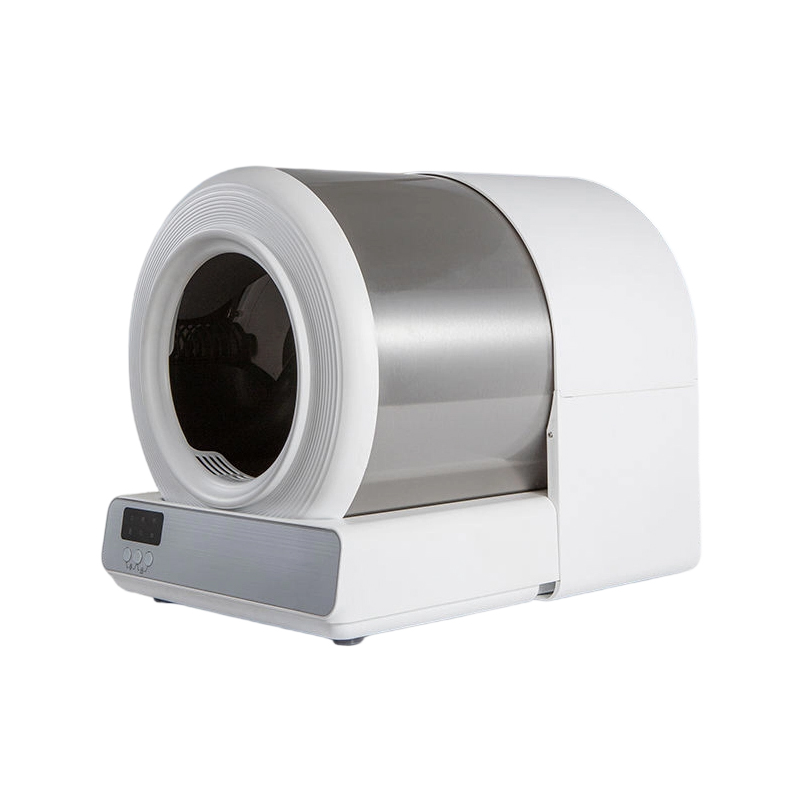
Cat Litter Tray For Multiple Cats Automatic Cat Litter Tray
Cat Litter Tray for Multiple Cats Automatic Cat Litter Tray – Product Features The high-pressure washable, safety-focused design facilitates compr...
View More -
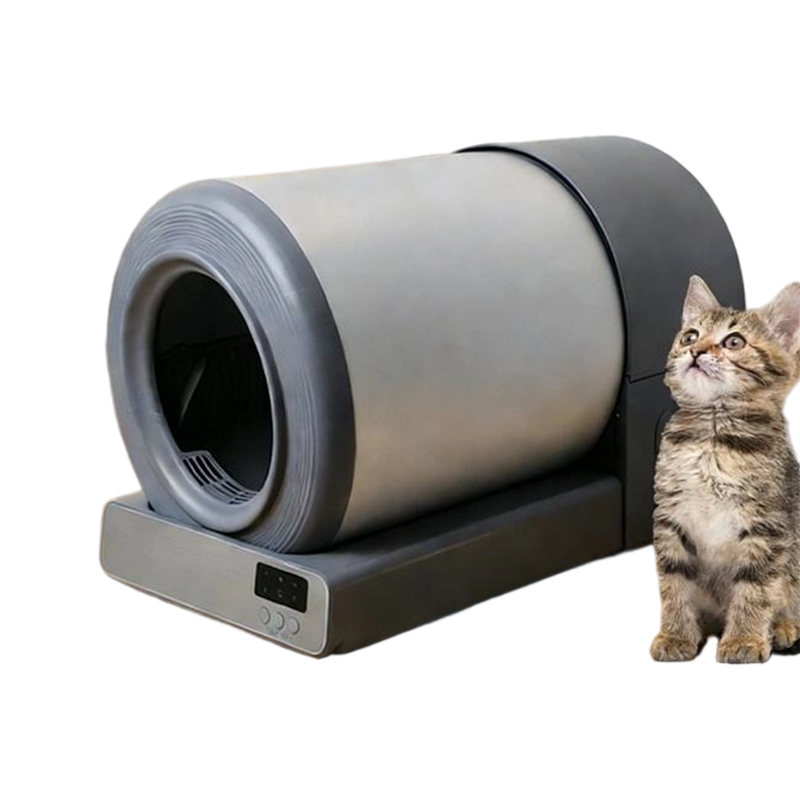
Self-Cleaning Stainless Steel Smart Cat Litter Tray
Self-Cleaning Stainless Steel Smart Cat Litter Tray – Product FeaturesThe preferred choice for non-profit organisations; compatible with open-top bi...
View More -
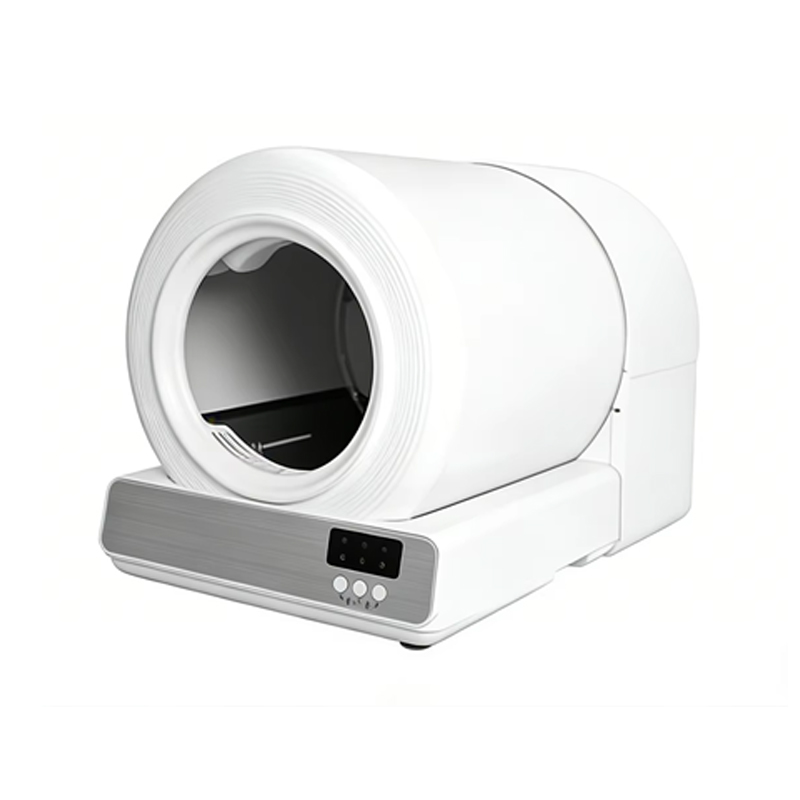
Second-Generation Fully Automatic Cat Litter Tray
Second-Generation Fully Automatic Cat Litter Tray – Product Features With a large 65-litre capacity, it easily accommodates a substantial amount of ...
View More -
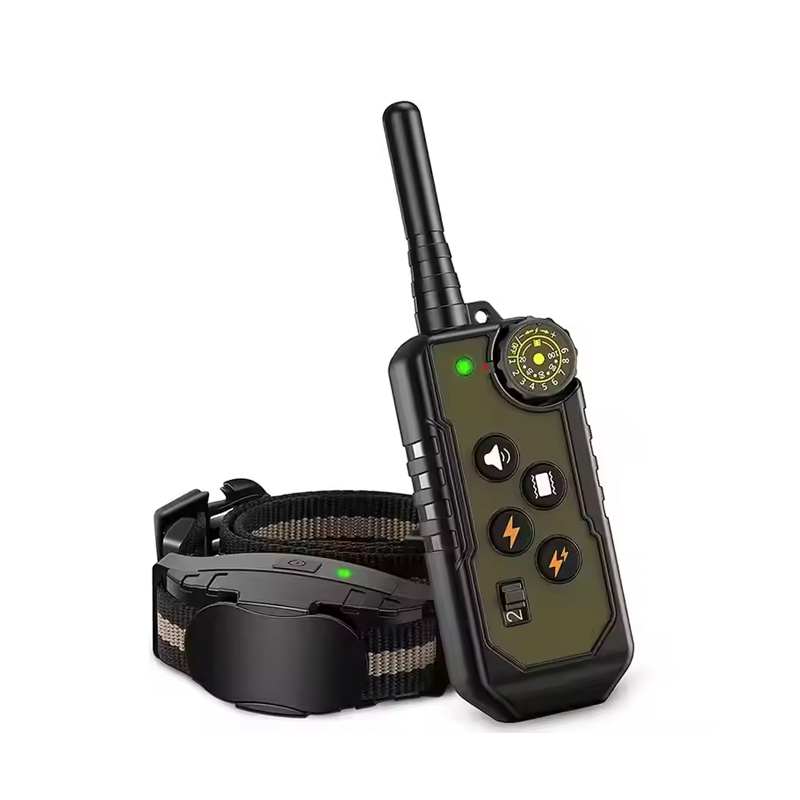
Multi-Mode Easy To Operate Training Shock Collar
The Multi-mode, easy-to-operate training Shock Collar is designed to provide a practical solution for owners seeking a safe and effective way to train...
View More -
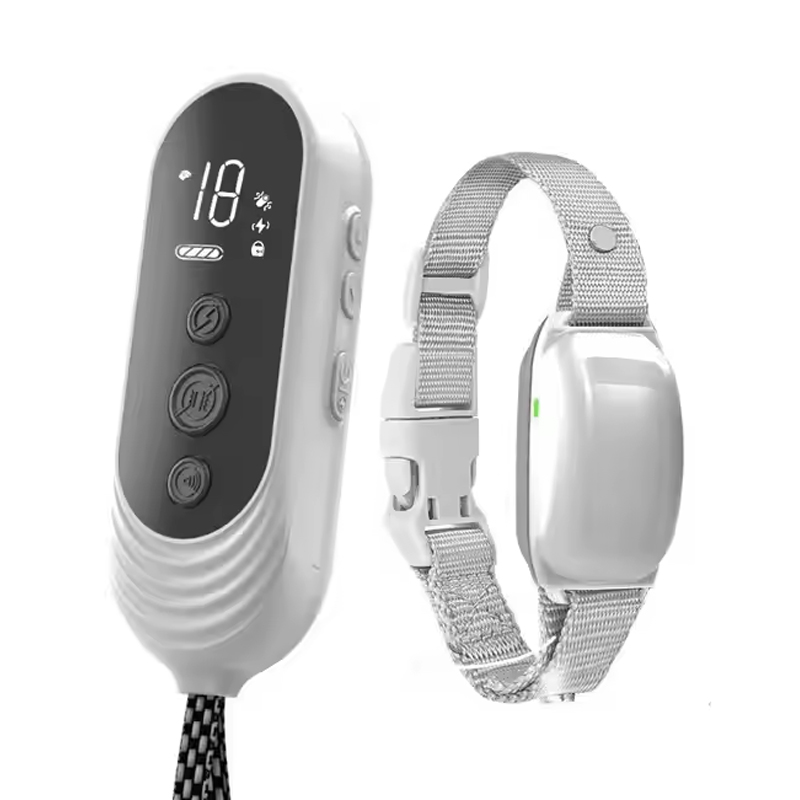
Waterproof Adjustable Polyester Training Shock Collar
The Waterproof Adjustable Polyester Training Shock Collar offers a reliable solution for pet owners seeking a versatile and durable collar to enhance ...
View More -
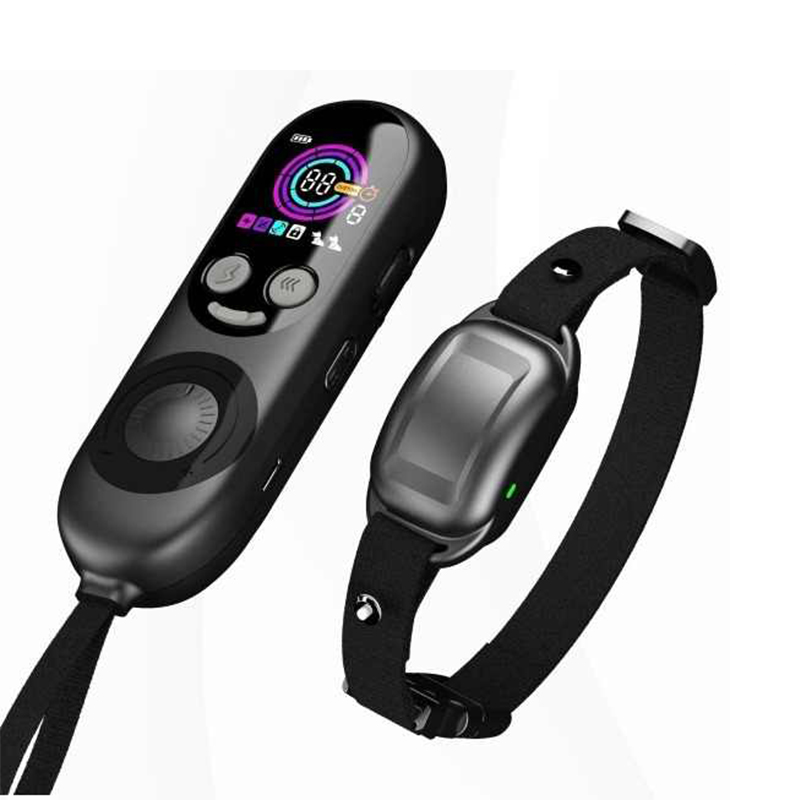
Display Remote Control Training Shock Collar
The Display Remote Control Training Shock Collar is designed to provide pet owners with a reliable and humane solution for training their dogs. Whethe...
View More -
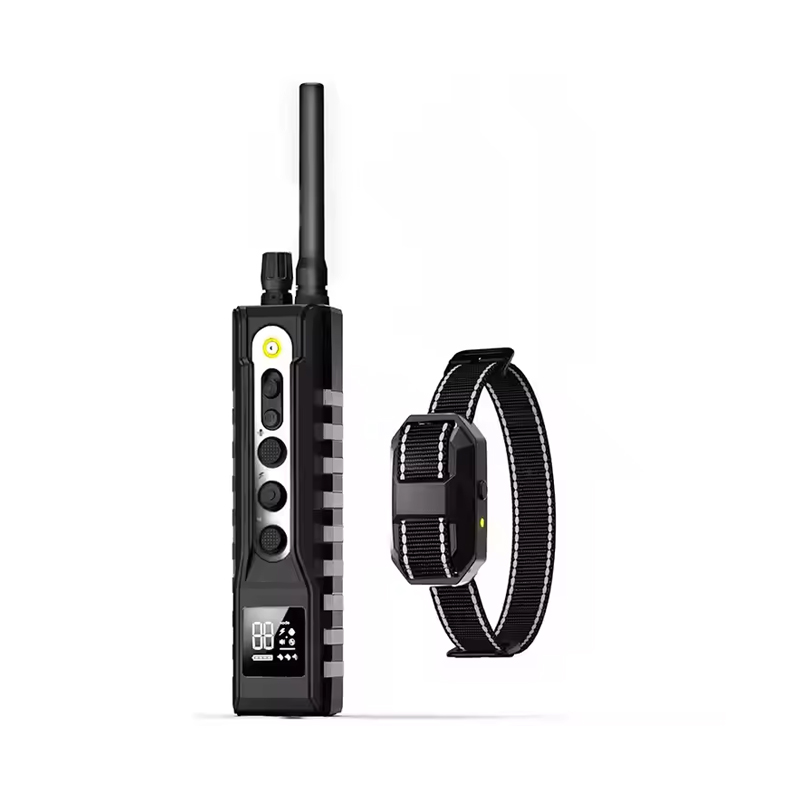
Multi-Function Long Distancetraining Shock Collar
The Multi-function Long Distance Training Shock Collar is a highly versatile tool designed to support your dog’s training across various environment...
View More -
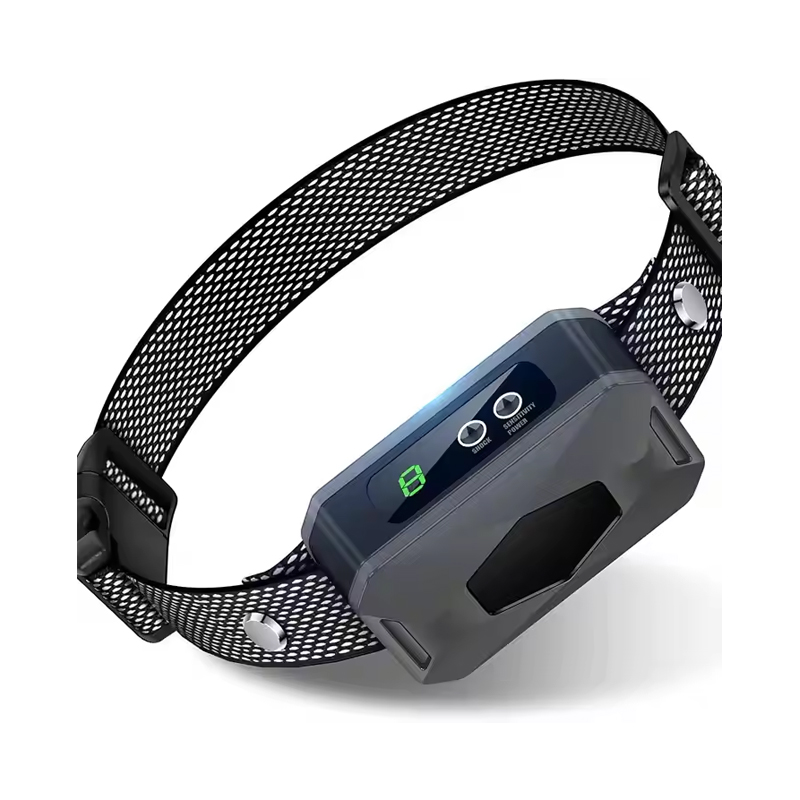
Remote Control Waterproof Training Shock Collar
The Remote Control Waterproof Training Shock Collar is an advanced training tool designed to help pet owners effectively manage their dogs’ behavior...
View More
Pet Products
If you have any questions, please
get in touch with us.
+86-13486854214
E-mail: [email protected]
Address: No. 258, Qingchuan Road, Huzhen Town, Jinyun County, Lishui City, Zhejiang Province
Copyright © Zhejiang Beijing Technology Co., Ltd.

OEM/ODM Smart Pet Care Factory