
 EN
EN  English
 Español
 Français
 Deutsch
 Nederlands

- Type:
- Industry News
- Date:
- 2026-06-12

Industry News
How Does a Double Layer Litter Mat Work in Daily Cat Care
A Double Layer Litter Mat is designed for one practical purpose: to help catch scattered litter before it spreads across the floor. For many cat owners, the challenge is not only what happens inside the box, but also what gets carried out on paws, fur, and quick movements after use. A mat with two layers creates a simple path for litter to fall through while giving the surface above enough texture to catch loose pieces.
The idea is straightforward, but the daily effect depends on several small details. The shape of the openings, the feel under a cat’s paws, the kind of litter used, and the way the mat is placed all shape how well it works in a home. When these parts fit together, cleanup can feel less scattered and the area around the litter box can stay more contained.
What is a double layer litter mat and how it helps manage scattered litter from daily cat use
A double layer design usually includes an upper surface that lets litter pass through and a lower layer that holds the collected pieces. The upper part is often made with an opening pattern that lets grains drop down while giving a stable walking surface. The lower part acts like a storage space for the fallen litter until it is emptied.
For many households, the value of a Double Layer Litter Mat comes from how it handles the moments right after a cat leaves the box. Loose litter may cling to paws, fall during the first steps, or shake free while a cat changes direction. A simple single-layer mat can catch some of that, but a two-layer structure gives the litter somewhere to go instead of leaving it exposed on the floor.
There is also a comfort side to the design. Cats often step onto the mat without slowing down, so the surface should feel steady rather than awkward. When the material is flexible enough and the openings are arranged with care, the mat can serve both the cat and the cleanup routine without drawing much attention to itself.
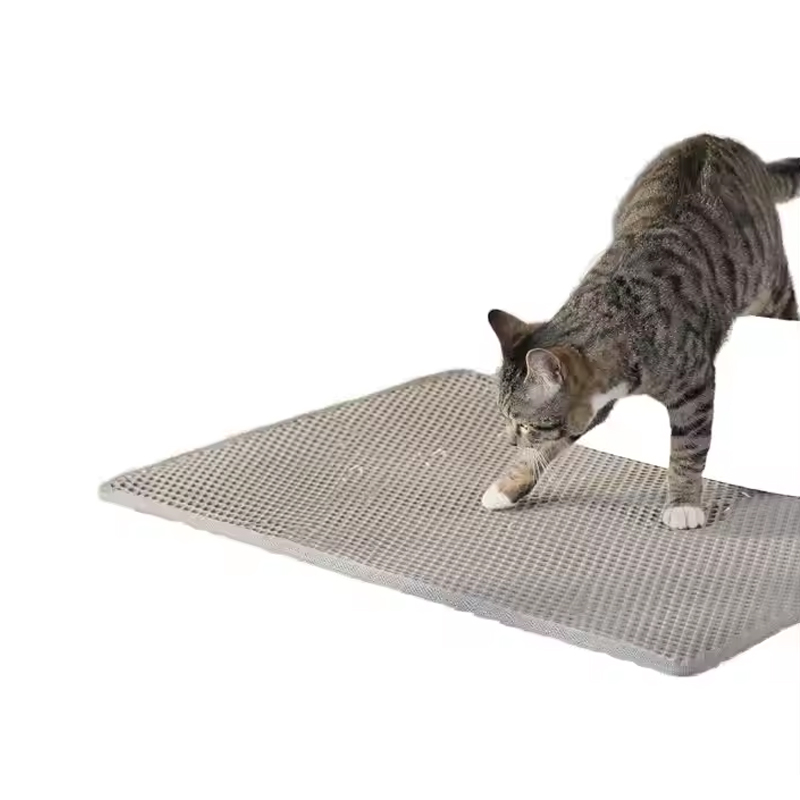
How does the double layer structure collect litter and reduce tracking outside the litter box area
The working idea behind the structure is not complicated. Litter lands on the upper layer, drops through the openings, and stays inside the lower layer until the mat is emptied. That process helps reduce the small trail that often appears around the box area after each use.
Tracking usually happens in short stages. A cat steps out, a few grains fall, then more are carried a little farther by movement. A double layer setup interrupts that path. Instead of letting the litter spread freely, it keeps the material closer to the box and reduces how far it can travel.
| Part of the mat | Role in daily use | What it affects |
|---|---|---|
| Upper layer | Catches loose litter from paws | Surface feel and collection near the exit |
| Openings | Allow litter to fall through | How much stays visible on the surface |
| Lower layer | Holds dropped litter | Cleanup frequency and mess control |
| Edges | Keep litter contained | Spill at the sides and floor contact |
The design works quietly, but not every cat moves in the same way. Some step lightly, others jump out fast, and some pause before leaving the box. These habits influence how much litter reaches the mat and how much of it stays inside the two-layer system.
Which cat litter types work better with a double layer litter mat in everyday home environments
Different litter types behave in different ways, and that affects how smoothly they move through the mat. Some are dry and light, while others are heavier or more prone to clumping. Because of that, a mat that works well with one kind of litter may behave differently with another.
| Litter type | General behavior | What it may mean for the mat |
|---|---|---|
| Fine litter | Moves easily and can fall through more freely | May collect in the lower layer faster |
| Larger granules | Less likely to slip through small openings | May stay on the upper layer longer |
| Clumping litter | Can stick together when damp | May need more careful cleaning |
| Lightweight litter | Can scatter with small movements | May spread beyond the box if the mat is too small |
A Double Layer Litter Mat is often more noticeable in homes where litter tends to travel beyond the box area. If the litter is very fine, the lower layer can fill more quickly. If the grains are larger, some pieces may remain on the upper surface until they are brushed or shaken off. That does not mean the mat is failing. It usually means the litter and the mat are interacting in a certain way.
In daily use, the question is less about whether one litter type is ideal and more about how the mat and litter work together. A careful match can make cleanup feel more predictable, while a poor match may leave more material on the surface than expected.
What behavior patterns in cats can affect how well a double layer litter mat performs in daily use
Cats do not all leave the litter box in the same way. Some step out slowly, some leap across the threshold, and some make several quick movements before settling nearby. Those habits matter because the mat is responding to motion, not just to litter type.
A cat that wipes its paws carefully on the edge of the box may drop more litter in one spot. Another cat may kick litter backward as it exits, which can send grains beyond the mat entirely. A fast jumper may land outside the main collection area before the mat has a chance to catch much at all.
There are also behavior patterns tied to comfort. If a cat does not like the feel of the mat, it may avoid walking across it or rush over it as quickly as possible. That can reduce how much litter gets collected. In contrast, a cat that walks normally over the surface gives the mat more time to do its work.
Some patterns that can shape performance include:
- Quick exits that send litter outward
- Side steps that miss the center area
- Paws that carry more litter after digging
- Reluctance to step onto textured surfaces
- Repeated entry and exit in busy household settings
For this reason, the performance of a Double Layer Litter Mat is not only about material or shape. It is also about how a cat behaves in the space around the box. A mat may look simple, but the daily result depends on the movement patterns it is asked to handle.
Why litter sometimes stays in the top honeycomb layer instead of falling into the lower storage layer
The upper layer is meant to let loose litter move downward, but in daily use, some pieces remain on the surface. This usually happens when the litter is slightly damp, when the grains are irregular in shape, or when the openings are not matched well with the size of the litter.
A cat’s movement can also change the result. If the paws press lightly, there may not be enough movement for the grains to drop through. If the litter is carried out in clumps or mixed with dust, part of it may settle into the upper layer and stay there until the surface is shaken or cleaned.
In many homes, this is not a flaw so much as a normal part of the design. The upper layer is doing two things at once: supporting the cat and catching loose litter. When those two roles meet, some material will stay on top for a while.
A few common reasons include:
- Litter that is slightly moist or sticky
- Grain shapes that do not pass through easily
- Light foot pressure when the cat walks across
- Dust and small fragments collecting near the openings
- Surface texture that holds onto fine pieces
A Double Layer Litter Mat works more smoothly when the surface and the litter type are aligned. When they are not, some litter remains visible above the openings until the next cleaning step.
Which materials used in double layer litter mats influence durability flexibility and cleaning experience
Material choice changes how the mat feels, how it bends, and how easy it is to keep clean. Some materials are softer and easier to fold, while others hold their shape more firmly. That difference affects both the cat’s comfort and the owner’s routine.
A softer surface may feel easier under paws and easier to move when emptying the mat. A firmer material may help the mat stay in place and keep its shape around the litter box. The trade-off is that a firmer surface may not fold as neatly when the lower layer needs to be emptied.
The cleaning side matters too. Some materials release trapped litter with a light shake. Others hold onto fine grains more tightly, which can make cleaning slower. Odor control and moisture resistance also depend on the material surface, especially in busy households.
| Material trait | Daily effect | What to notice |
|---|---|---|
| Soft feel | More comfort under paws | May fold more easily |
| Firm shape | Better structure around the box | May be less flexible |
| Smooth surface | Easier wiping and shaking | May show litter more clearly |
| Slight texture | Helps keep the mat in place | May hold fine grains longer |
When people compare a Double Layer Litter Mat, they often focus on surface look first. In practice, the more useful question is how the material behaves after repeated use, repeated emptying, and repeated contact with litter.
What placement method for a double layer litter mat works better near single entry or multi entry litter boxes
Placement changes how much litter reaches the mat and how much stays nearby. A mat placed too far from the exit may miss the first steps after a cat leaves the box. A mat placed too close may curl at the edge or shift when the cat steps onto it.
For a single entry box, the mat usually works better when it sits directly in front of the opening and extends far enough for the cat’s first steps. For a box with more than one exit point, the mat may need to cover a wider area so scattered litter is less likely to escape to the side.
The shape of the room matters too. A narrow corner may call for a mat that fits neatly along one path, while a more open area may allow a broader placement. The aim is not to cover the whole floor. The aim is to place the mat where the cat naturally lands after leaving the box.
A simple placement guide:
- Keep the mat aligned with the main exit path
- Leave enough space for normal stepping
- Avoid folding the edges under furniture
- Make sure the mat lies flat before use
- Check whether the cat tends to leave from one side or several
A Double Layer Litter Mat can only collect what reaches it. That is why placement is not a small detail. It shapes how much litter is caught before it spreads further into the room.
How to clean a double layer litter mat without spreading trapped litter back onto the floor surface
Cleaning works better when it follows a calm order. If the lower layer is opened too quickly, loose litter can fall back out and spread across the floor. A slower process helps keep the collected material in one place.
A practical routine starts with lifting the mat carefully and keeping the lower layer level. Then the collected litter can be emptied into a waste bag or container. After that, the upper surface can be shaken gently, brushed, or wiped depending on the amount of residue left behind.
It helps to keep the cleaning area simple. A nearby bag, dustpan, or small bin can reduce the chance of spillover. If the mat is flexible, it should be opened in a controlled way rather than snapped apart. That small detail often makes the difference between a tidy cleanup and a second mess.
Useful cleaning habits include:
- Empty the lower layer over a bin or bag
- Shake the mat slowly instead of sharply
- Remove leftover grains before folding it back
- Wipe the surface when fine dust remains
- Check the corners and edges where litter may collect
A Double Layer Litter Mat is designed to contain loose litter, but the cleaning method matters just as much as the design. A careful routine helps keep the benefit of the mat from being lost during maintenance.
Related Products
-
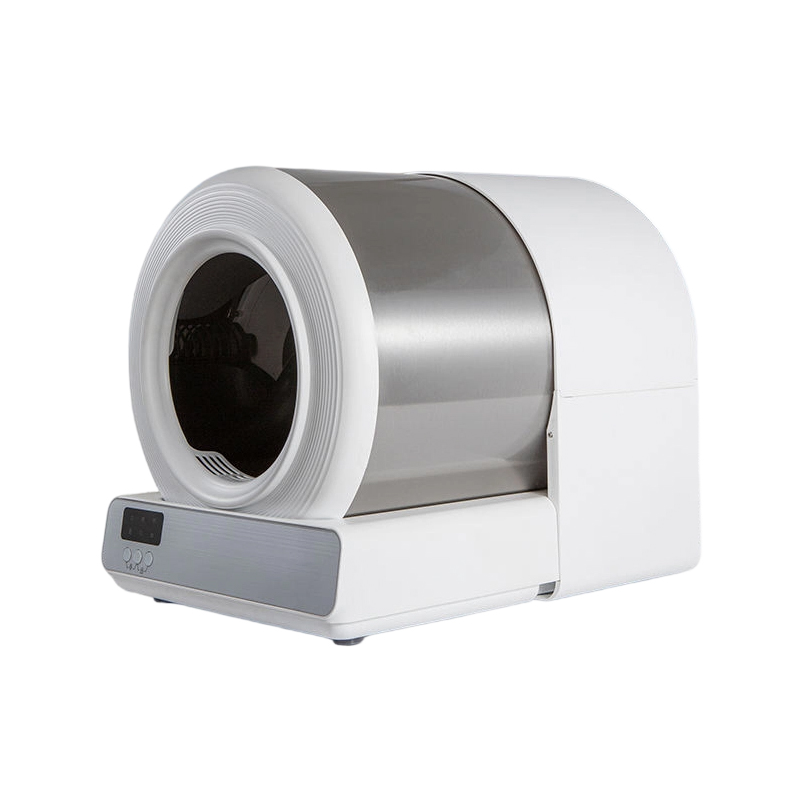
Cat Litter Tray For Multiple Cats Automatic Cat Litter Tray
Cat Litter Tray for Multiple Cats Automatic Cat Litter Tray – Product Features The high-pressure washable, safety-focused design facilitates compr...
View More -
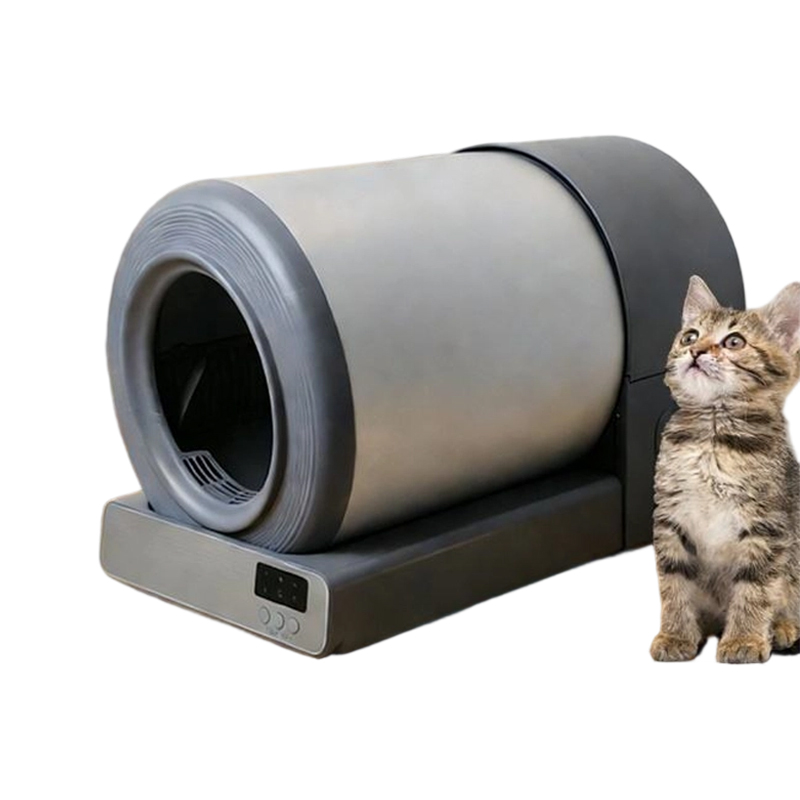
Self-Cleaning Stainless Steel Smart Cat Litter Tray
Self-Cleaning Stainless Steel Smart Cat Litter Tray – Product FeaturesThe preferred choice for non-profit organisations; compatible with open-top bi...
View More -
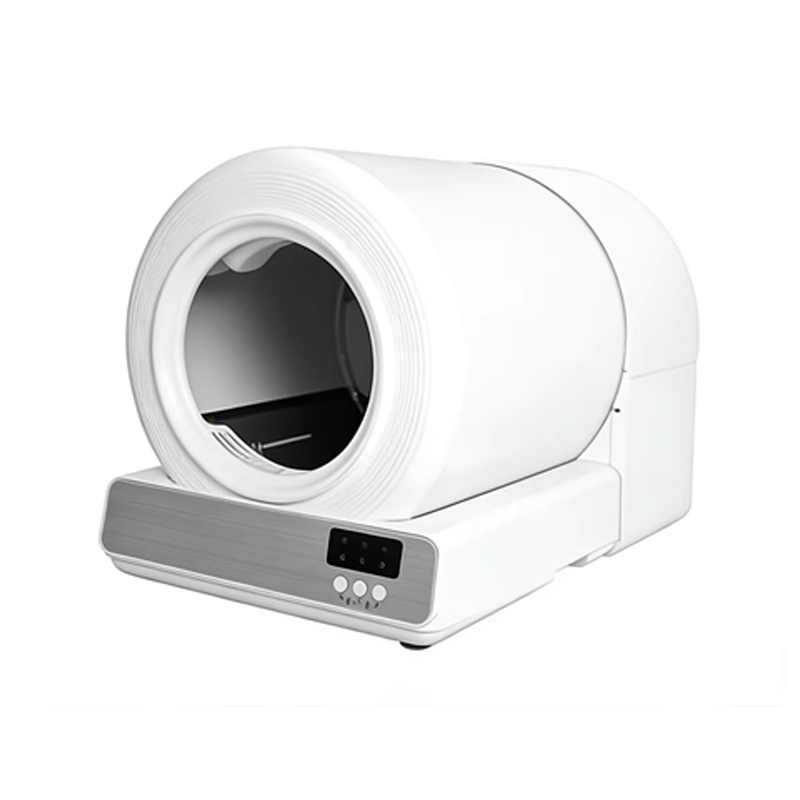
Second-Generation Fully Automatic Cat Litter Tray
Second-Generation Fully Automatic Cat Litter Tray – Product Features With a large 65-litre capacity, it easily accommodates a substantial amount of ...
View More -
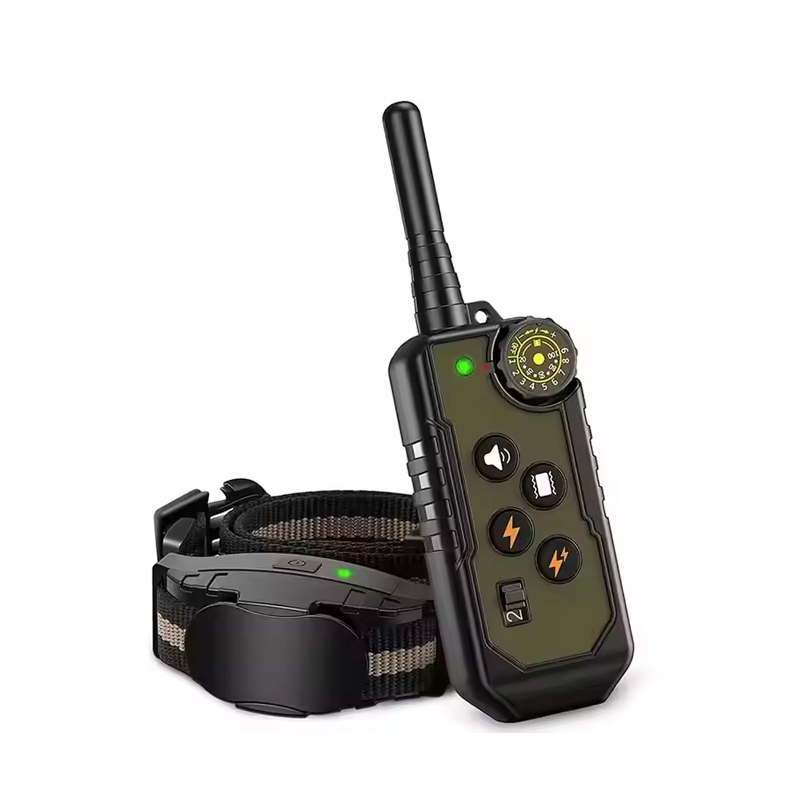
Multi-Mode Easy To Operate Training Shock Collar
The Multi-mode, easy-to-operate training Shock Collar is designed to provide a practical solution for owners seeking a safe and effective way to train...
View More -
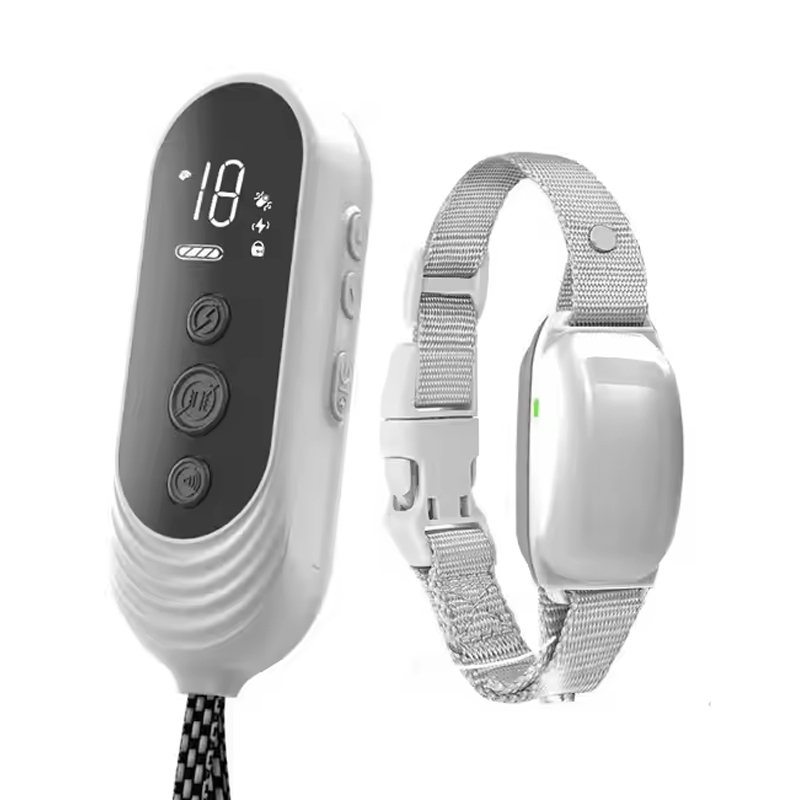
Waterproof Adjustable Polyester Training Shock Collar
The Waterproof Adjustable Polyester Training Shock Collar offers a reliable solution for pet owners seeking a versatile and durable collar to enhance ...
View More -

Display Remote Control Training Shock Collar
The Display Remote Control Training Shock Collar is designed to provide pet owners with a reliable and humane solution for training their dogs. Whethe...
View More -
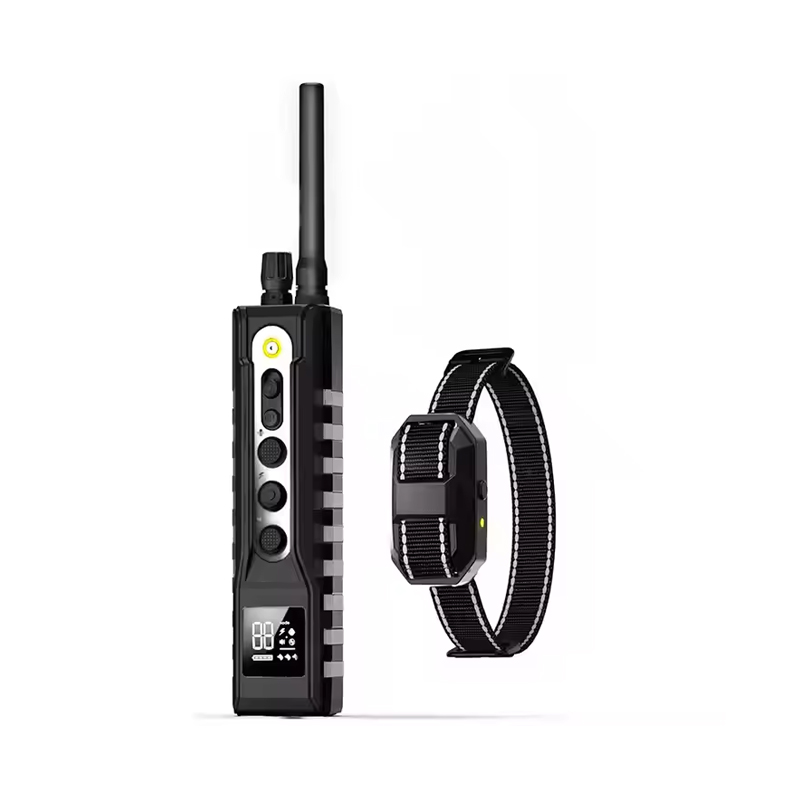
Multi-Function Long Distancetraining Shock Collar
The Multi-function Long Distance Training Shock Collar is a highly versatile tool designed to support your dog’s training across various environment...
View More -

Remote Control Waterproof Training Shock Collar
The Remote Control Waterproof Training Shock Collar is an advanced training tool designed to help pet owners effectively manage their dogs’ behavior...
View More
Pet Products
If you have any questions, please
get in touch with us.
+86-13486854214
E-mail: [email protected]
Address: No. 258, Qingchuan Road, Huzhen Town, Jinyun County, Lishui City, Zhejiang Province
Copyright © Zhejiang Beijing Technology Co., Ltd.

OEM/ODM Smart Pet Care Factory