
 EN
EN  English
 Español
 Français
 Deutsch
 Nederlands

- Type:
- Industry News
- Date:
- 2026-06-05
Industry News
Home / News / Industry News / How Does a Smart Pet Water Blower Manufacturer Build Better Drying Systems

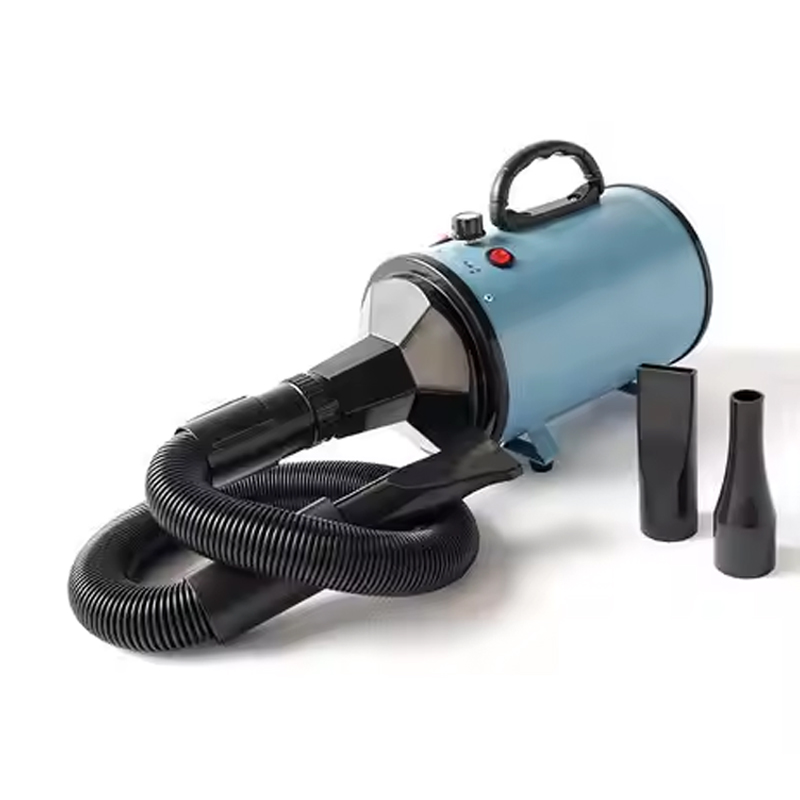
Pet drying devices used in grooming rooms or at home often feel different in actual use than they appear on paper. What usually matters is not the outer shape but how air moves inside, how heat behaves, and how the device responds when it is held for a while.
A Smart Pet Water Blower Manufacturer works around these internal behaviors. The focus tends to sit on how airflow and temperature interact with different coat conditions, instead of treating the device as a single fixed-output tool. In real use, small structural choices can change the experience quite a bit.
A Smart Pet Water Blower Manufacturer is basically the production side that builds pet drying systems with controlled airflow and managed heat output. It is not just about pushing air out. The internal layout decides how that air travels and how it reaches the coat.
In practice, usage settings vary more than expected. A grooming table in a shop and a small home bathroom do not create the same working conditions. Air circulation, space size, and handling distance all play a role.
Because of that, design often avoids relying on a single fixed behavior. Some parts are made to keep airflow steady, while others allow slight adjustment during use. It is a balance between structure and flexibility, depending on how the device is meant to be used.
Airflow does not behave the same on every coat. Short hair dries quickly, while thicker coats hold moisture deeper inside. Curly hair can slow down the movement of air because of how it traps flow inside layers.
Most airflow systems are shaped by internal channels instead of just speed settings. Once air enters the device, the path it follows affects how it comes out. That’s where most of the difference actually comes from.
There are a few simple ideas behind the design work:
Small adjustments often matter more than large changes. Even a slight shift in direction can change how drying feels in practice.
Heat inside the device does not stay in one place. It moves with the airflow, and the way it spreads depends on the internal structure. If the path is too direct, temperature changes feel more sudden. If it is more spread out, the change feels slower and smoother.
A Smart Pet Water Blower Manufacturer usually keeps heating parts separated from the main airflow path. This gives the air time to mix before it exits. Some internal space is also left to soften changes when the device runs for longer periods.
| Structure choice | What happens inside | What it feels like during use |
|---|---|---|
| Direct heat path | Fast temperature shift | More noticeable change |
| Separated channels | Heat spreads gradually | More steady airflow feel |
| Extra internal space | Reduces sudden change | More even output over time |
Temperature rarely jumps suddenly in normal use. It usually changes little by little depending on how the airflow is set and how long the device runs.
Noise is not coming from only one source. It is a mix of motor vibration, air moving through channels, and how the structure carries those vibrations. Sometimes the airflow shape affects sound more than the motor itself.
When air passes through tight or uneven paths, the sound becomes sharper. When the path is smoother, the sound feels less broken up. That difference is often noticed more during close grooming work.
In design practice, noise control is usually handled through structure rather than one single fix. Some common ideas include:
Sound perception is also not just about how loud it is. Certain frequencies feel more direct to the ear, even if the overall level is not high. That is why two devices with similar power can still feel different during use.
Material choice in pet drying devices is usually less about appearance and more about how the structure behaves over time. Heat exposure, vibration, and continuous airflow all place steady pressure on internal parts.
A Smart Pet Water Blower Manufacturer typically selects materials based on stability under repeated use rather than short term performance. The outer shell, internal airflow channel, and support structure often serve different roles, even if they look like one unit from the outside.
Some common design considerations include:
There is often a trade off between rigidity and airflow freedom. A more enclosed structure may feel stable, but it can also restrict how air moves inside. A more open design can improve flow, but may need additional support to maintain shape during use.
In many cases, the real difference comes from how these parts are combined rather than the material alone.
Airflow control becomes more noticeable when different grooming conditions are compared side by side. A device that feels comfortable on short hair may feel too direct on denser coats.
The adjustment is not only about power levels. It is also about how air spreads after leaving the device. Internal routing plays a bigger role than many people expect. Once air is shaped inside, the output behavior becomes more predictable during movement.
Some practical points often considered during design:
In real use, the handling style also changes the result. The same setting can feel different depending on distance and movement speed. This is why airflow design is often tested under varied positioning rather than fixed conditions.
Customization in this category usually depends on how the device will be used rather than adding more functions. Salon environments and home environments often expect different behavior from the same type of equipment.
A Smart Pet Water Blower Manufacturer working on OEM production usually adjusts structure and control layout instead of rebuilding the entire system. The goal is to match usage patterns without changing the core airflow system too much.
In grooming salons, usage tends to be continuous and repetitive. In home settings, usage is more occasional and spread out. This difference often leads to changes in handling design and control simplicity.
Typical adjustment areas include:
There is no single configuration that fits all cases, so changes are usually made in layers rather than full redesigns.
Improvement in pet drying systems is often not about increasing output, but about keeping different elements from interfering with each other. Airflow, heat, noise, and handling all influence the final experience at the same time.
A Smart Pet Water Blower Manufacturer usually looks at how these parts interact under real use conditions instead of treating them separately. When one element is adjusted, another may respond differently, so balance becomes more important than intensity.
| Design focus area | What is adjusted internally | What is felt during use |
|---|---|---|
| Airflow behavior | Channel shape and direction | Evenness of drying across coat |
| Heat control | Separation and dispersion path | Stability during longer use |
| Noise behavior | Vibration and air movement path | Comfort during close handling |
| Operation feel | Control response timing | Ease of adjustment during grooming |
In practice, changes are usually subtle. A small adjustment in airflow path or internal spacing can affect multiple outcomes at the same time. This is why improvements are often gradual rather than structural overhauls.
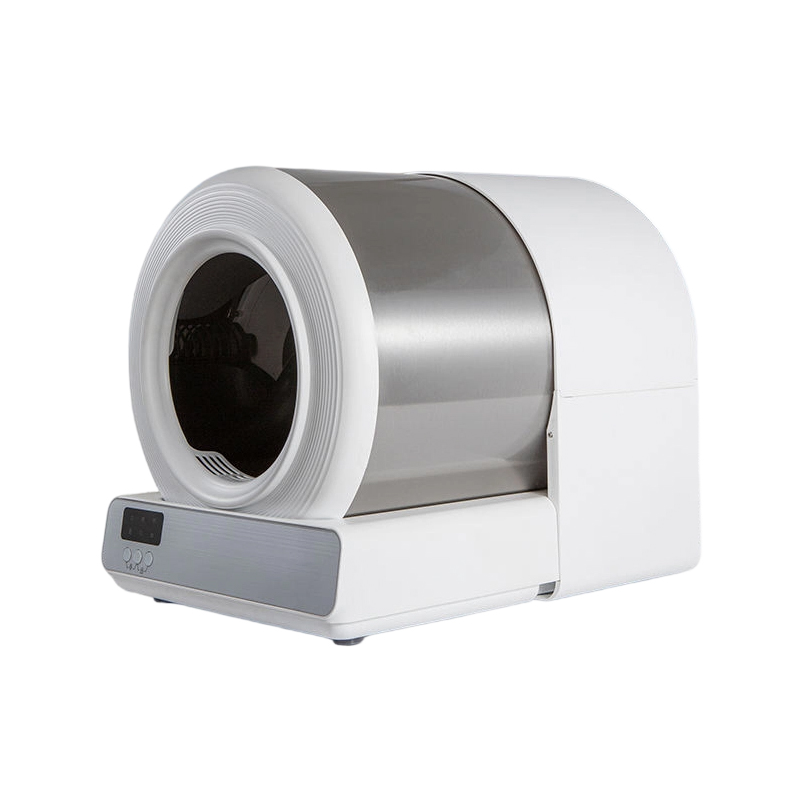
Cat Litter Tray for Multiple Cats Automatic Cat Litter Tray – Product Features The high-pressure washable, safety-focused design facilitates compr...
View More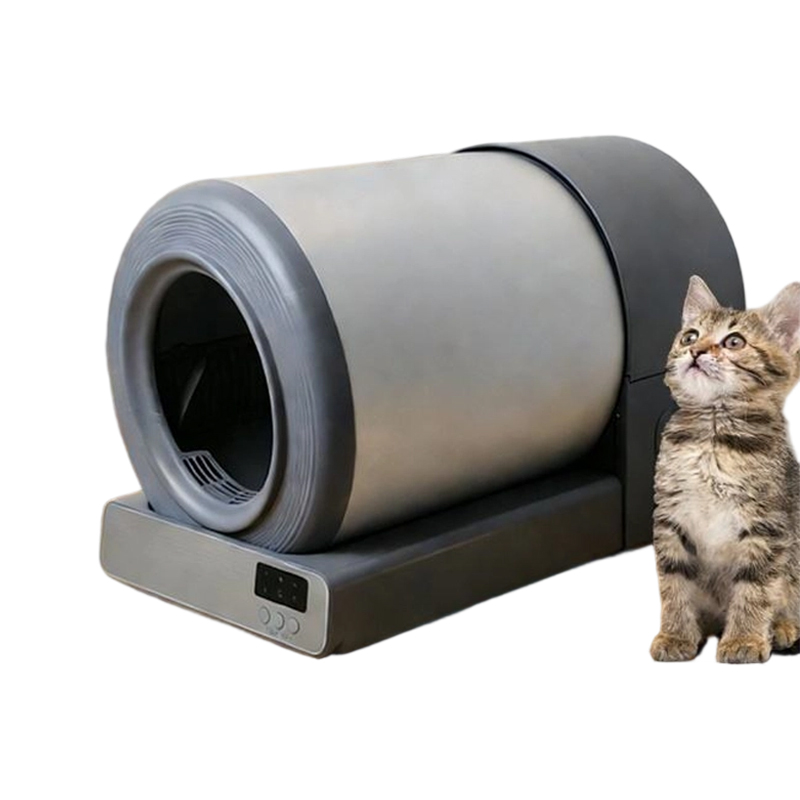
Self-Cleaning Stainless Steel Smart Cat Litter Tray – Product FeaturesThe preferred choice for non-profit organisations; compatible with open-top bi...
View More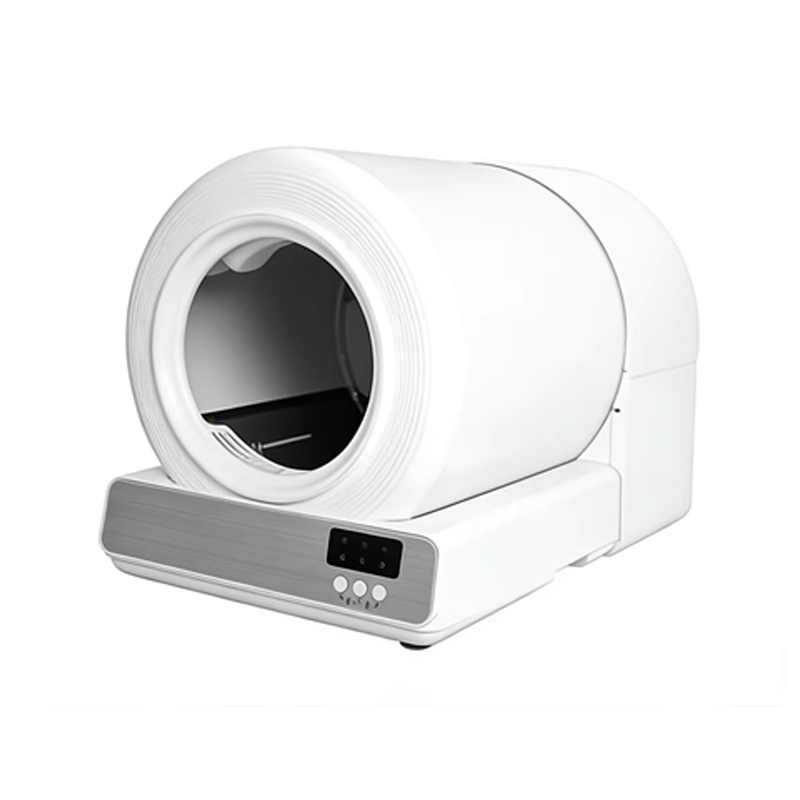
Second-Generation Fully Automatic Cat Litter Tray – Product Features With a large 65-litre capacity, it easily accommodates a substantial amount of ...
View More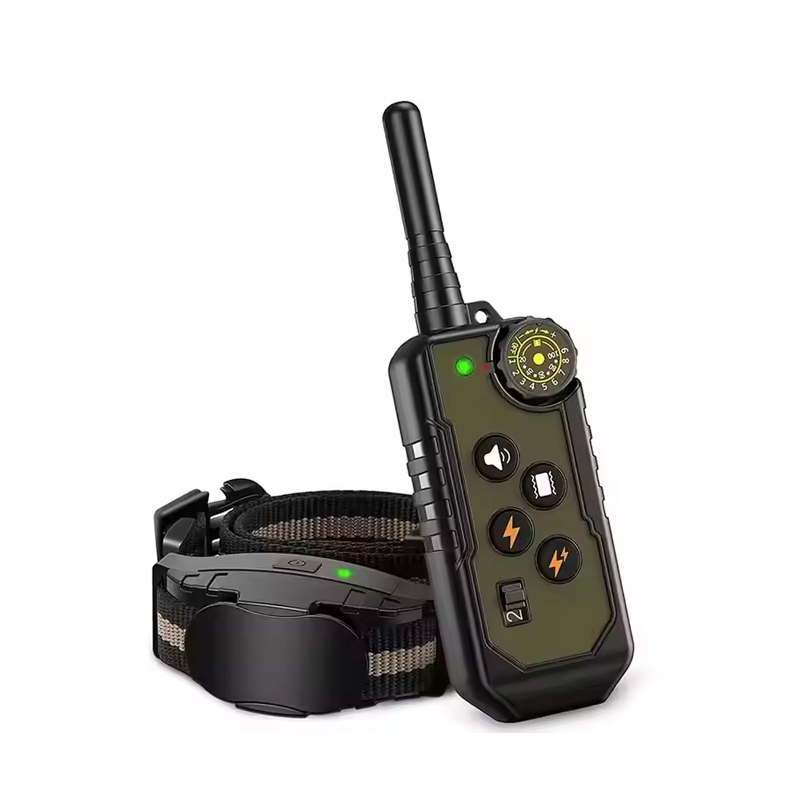
The Multi-mode, easy-to-operate training Shock Collar is designed to provide a practical solution for owners seeking a safe and effective way to train...
View More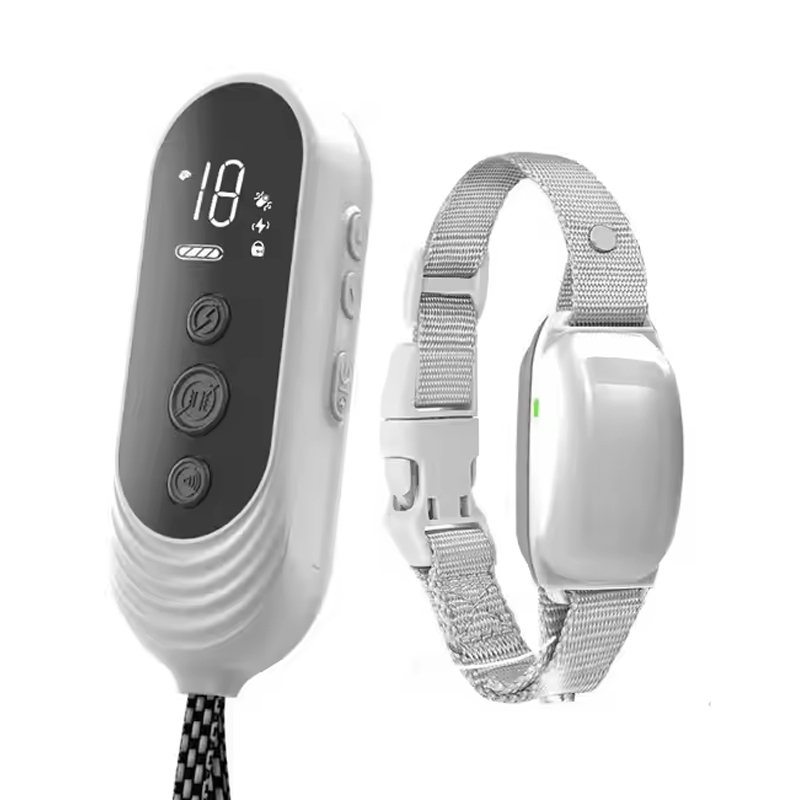
The Waterproof Adjustable Polyester Training Shock Collar offers a reliable solution for pet owners seeking a versatile and durable collar to enhance ...
View More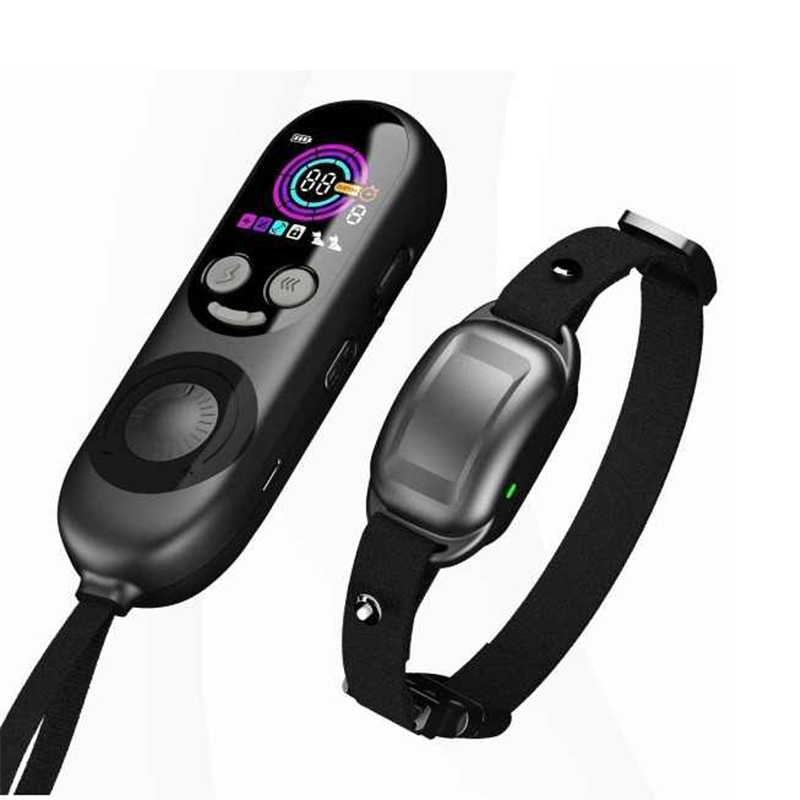
The Display Remote Control Training Shock Collar is designed to provide pet owners with a reliable and humane solution for training their dogs. Whethe...
View More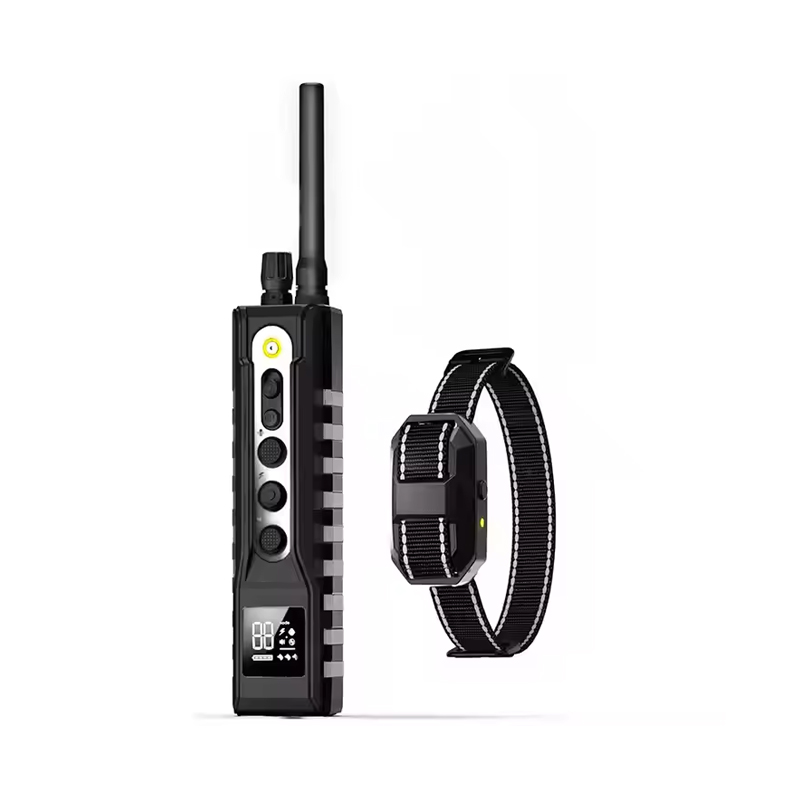
The Multi-function Long Distance Training Shock Collar is a highly versatile tool designed to support your dog’s training across various environment...
View More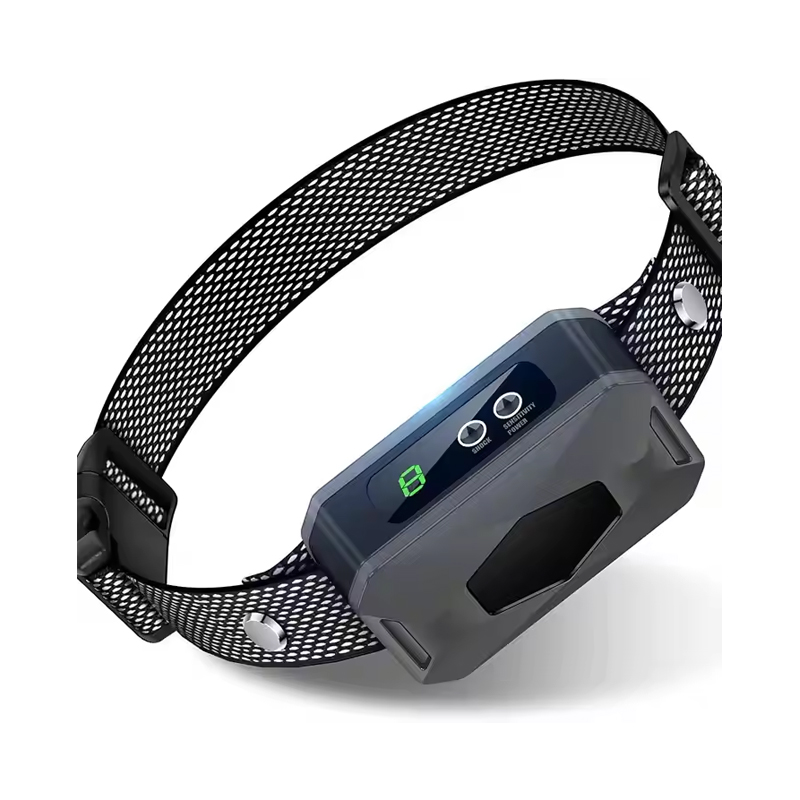
The Remote Control Waterproof Training Shock Collar is an advanced training tool designed to help pet owners effectively manage their dogs’ behavior...
View More
If you have any questions, please
get in touch with us.
E-mail: [email protected]
Address: No. 258, Qingchuan Road, Huzhen Town, Jinyun County, Lishui City, Zhejiang Province
Copyright © Zhejiang Beijing Technology Co., Ltd.

OEM/ODM Smart Pet Care Factory