
 EN
EN  English
 Español
 Français
 Deutsch
 Nederlands

- Type:
- Industry News
- Date:
- 2026-05-15

Industry News
How Does a Pet Tracker Factory Build Reliable Tracking Devices
Pet tracking devices are often seen as small consumer products, but behind them is a layered production flow that connects electronics, materials, and system logic. In many cases, the final device is shaped more by manufacturing decisions than by appearance alone.
Inside a Pet Tracker Factory, production does not move in a single straight line. It shifts between component handling, structural fitting, and repeated checks that happen at different points. The goal is not only to make a device work, but to keep it stable when pets move through changing environments like indoor corners, open streets, or areas with weaker signal conditions.
What Is Inside a Pet Tracker Factory From Component Assembly to Finished Device
At the beginning of production, the focus is not on the product itself but on very small electronic parts. These parts are placed onto boards where connections start to form. At this stage, nothing looks like a tracking device yet.
After the boards are prepared, they are moved into another section where protective casing starts to take shape around them. This is usually where the product begins to resemble something wearable rather than just electronics.
The flow is not always strictly linear. Some units may go back for adjustment if a connection does not respond as expected. This back-and-forth movement is common in a Pet Tracker Factory, especially when ensuring each device reacts properly before moving forward.
| Stage | What happens | What it affects |
|---|---|---|
| Board preparation | Small parts connected | Core function |
| Structural fitting | Outer shell added | Physical durability |
| Basic activation | Power and signal check | Device readiness |
| Recheck loop | Adjustments if needed | Consistency |
Not every device moves at the same pace, since small differences can appear during assembly.
What Materials and Design Choices Are Used in Pet Tracker Factory to Improve Comfort and Durability
When designing wearable devices for pets, the shape matters as much as the electronics inside. A slight imbalance can make the device shift or feel uncomfortable during movement.
In many production lines, softer outer layers are used to reduce pressure when the device sits against fur or skin. At the same time, the internal frame still needs to stay firm enough to protect the electronics inside.
Some design choices often focus on everyday movement rather than static comfort. Pets run, turn, stop suddenly, and sometimes roll on different surfaces. Because of this, edges are usually rounded and surfaces are kept smooth rather than rigid.
Common considerations include:
- Keeping weight low enough so movement is not affected
- Allowing slight flexibility during motion
- Reducing friction in contact areas
- Avoiding shapes that can easily catch on objects
Different shapes may appear for different pet sizes, not just scaling down one design.
How Pet Tracker Factory Tests Waterproofing Signal Stability and Battery Performance
Testing does not happen in one combined step. Each condition is usually checked separately because different issues appear under different situations.
Water resistance testing is often focused on surface sealing and how the device reacts when exposed to moisture over time. It is not only about direct contact with water but also repeated exposure in everyday environments.
Signal stability testing looks at how the device behaves when connection paths are not clean or direct. This can include areas where signals bounce or weaken due to surroundings.
Battery checks are usually based on different usage patterns instead of a single continuous run. Devices are observed under changing activity levels, since pets rarely move in a consistent pattern.
Across a Pet Tracker Factory, these tests are often repeated until behavior becomes predictable across units rather than relying on a single result.
How GPS IoT and Cloud Systems Work Together in Pet Tracker Factory Production
In many tracking devices, the value does not come from a single module but from how different systems communicate with each other after assembly. Within a Pet Tracker Factory, GPS components are only one part of a wider chain that includes data transmission and cloud handling.
Once a device captures location signals, the information does not stay inside the hardware. It is passed through a communication layer that sends updates to remote systems. These systems then organize movement records and make them available for viewing through applications.
The interaction is not always perfectly stable in every environment. That is why production teams often focus on how quickly a device can recover when signal paths change or become weak for a short period of time.
| Layer | Role | What it affects |
|---|---|---|
| Position capture | Collect movement signals | Location accuracy |
| Communication layer | Transfer information | Update speed |
| Cloud processing | Organize data | History tracking |
| User interface | Display results | User experience |
Each layer depends on the one before it, so small delays or interruptions in one part can affect the overall tracking experience.
Why Battery Optimization Matters in Pet Tracker Factory Product Development
Battery behavior is one of the most practical constraints in wearable tracking devices. In a Pet Tracker Factory, this topic is not treated as a single specification but as a design direction that influences both hardware and software decisions.
Instead of focusing only on capacity, attention is often placed on how energy is used during different activity states. A device may consume power differently when it is actively tracking movement compared to when it is waiting in a low activity state.
In many designs, the system adjusts its own behavior based on movement patterns. When the pet is still, the device does not need frequent updates. When movement increases, tracking becomes more responsive, which naturally affects power usage.
This balance is not fixed at the beginning of production. It is usually adjusted through repeated testing, especially when devices move between indoor and outdoor conditions where signal behavior changes.
The practical challenge is not only extending usage time, but keeping tracking behavior stable while power usage shifts in real time.
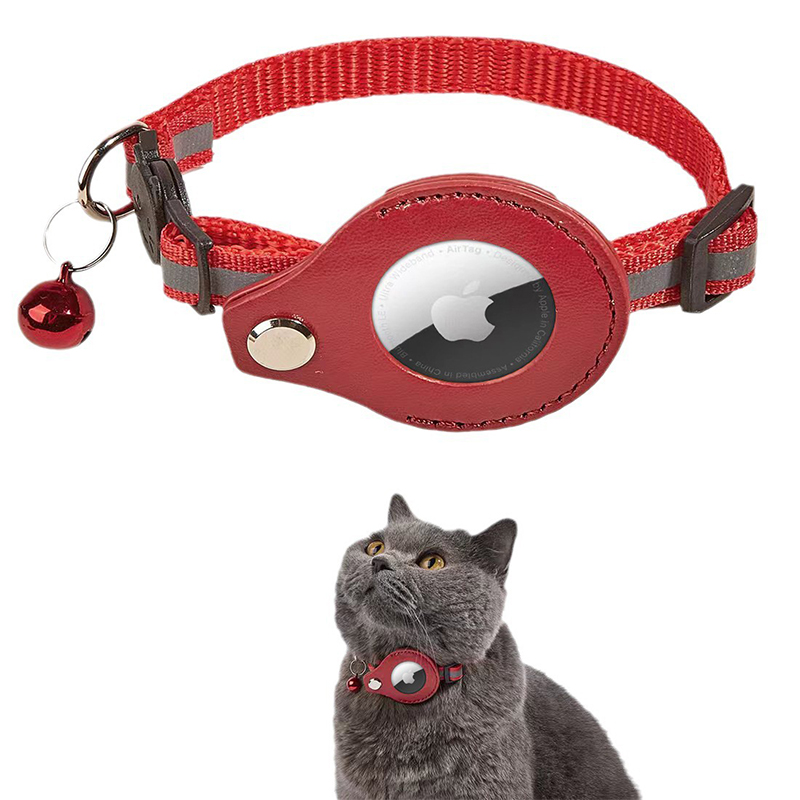
How Pet Tracker Factory Handles Production Quality Control Across Large Scale Manufacturing
Quality control in manufacturing environments is rarely a single inspection step. In a Pet Tracker Factory, it appears as a repeated process that follows the device through different stages of assembly.
A device may pass early electronic checks but still be held back if its physical structure shows small misalignment or if its response behavior does not stay consistent under testing conditions. These adjustments are part of normal production flow rather than exceptions.
Instead of treating every unit as identical from the start, manufacturing lines often allow small variations to be corrected during the process.
Common control stages include:
- Initial electronic response check after board assembly
- Structural fit verification after casing installation
- Interaction test between movement and signal response
- Final functional confirmation before packaging
Each stage is designed to catch different types of issues. Some are related to internal response, while others are linked to physical durability or connection behavior.
What Challenges Pet Tracker Factory Faces in Real World Tracking Environments and How They Are Addressed
Once devices leave controlled production environments, they start to behave differently depending on where they are used. This difference between controlled testing and real use is one of the main considerations in a Pet Tracker Factory.
In some cases, signals may weaken when pets move into enclosed spaces or areas with dense physical obstacles. In other situations, movement patterns may become unpredictable, which affects how often location updates are generated.
Instead of relying on a single tracking method, devices often combine multiple signals to maintain continuity. When one signal becomes unstable, another can temporarily support location estimation.
There are also situations where the device is not firmly positioned on the pet, which can affect consistency. This is why physical design and signal logic are developed together rather than separately.
Typical real world challenges include:
- Temporary signal interruption in enclosed environments
- Irregular movement patterns during activity changes
- Short periods of device displacement or rotation
- Variability in outdoor and indoor transitions
To address these conditions, production design focuses on flexibility rather than fixed behavior, allowing the device to adapt within a range of movement and signal conditions.
Related Products
-
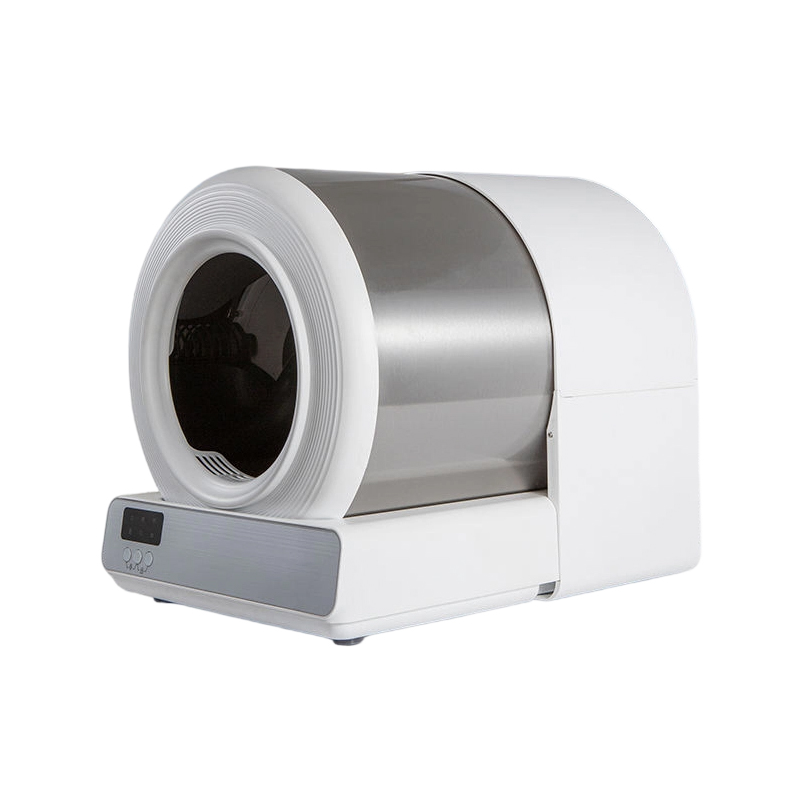
Cat Litter Tray For Multiple Cats Automatic Cat Litter Tray
Cat Litter Tray for Multiple Cats Automatic Cat Litter Tray – Product Features The high-pressure washable, safety-focused design facilitates compr...
View More -
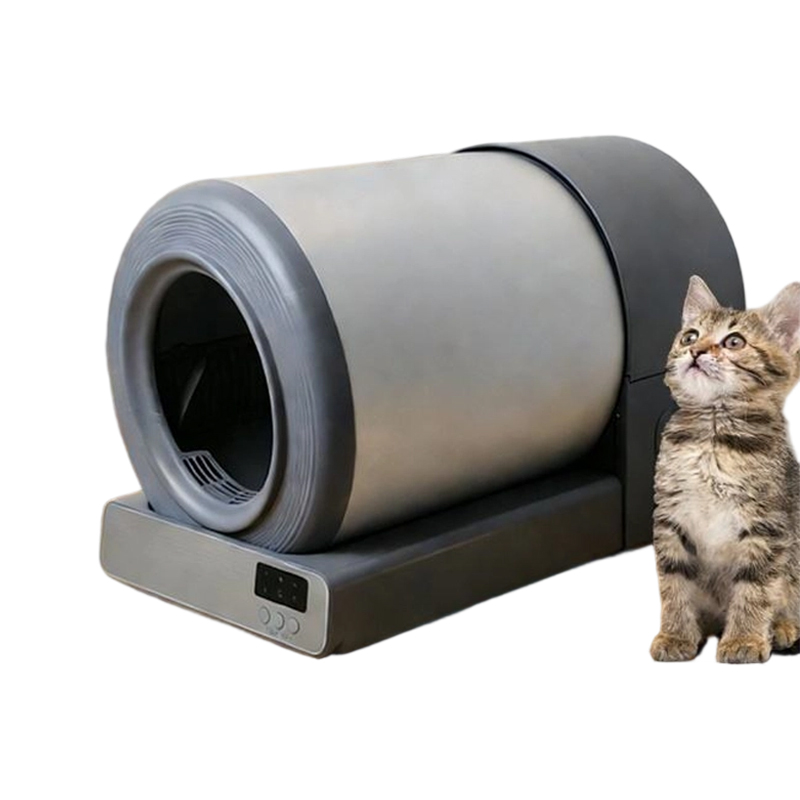
Self-Cleaning Stainless Steel Smart Cat Litter Tray
Self-Cleaning Stainless Steel Smart Cat Litter Tray – Product FeaturesThe preferred choice for non-profit organisations; compatible with open-top bi...
View More -
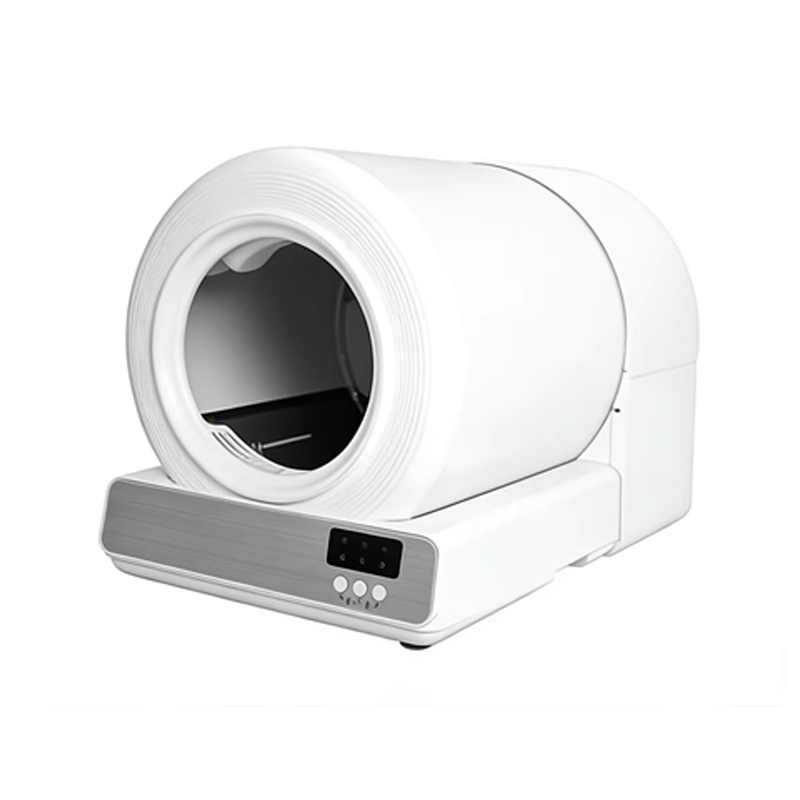
Second-Generation Fully Automatic Cat Litter Tray
Second-Generation Fully Automatic Cat Litter Tray – Product Features With a large 65-litre capacity, it easily accommodates a substantial amount of ...
View More -
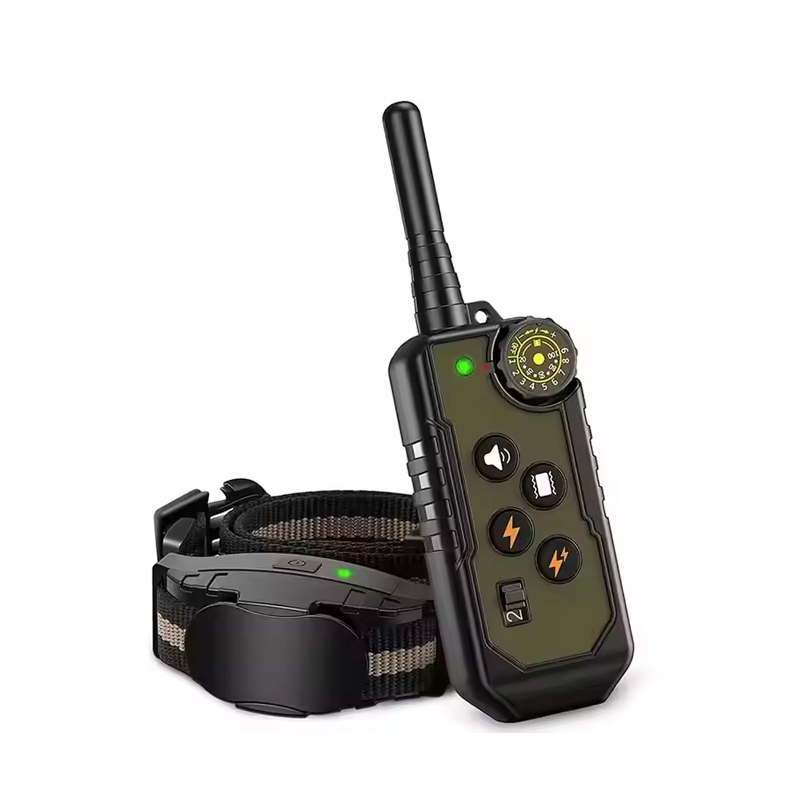
Multi-Mode Easy To Operate Training Shock Collar
The Multi-mode, easy-to-operate training Shock Collar is designed to provide a practical solution for owners seeking a safe and effective way to train...
View More -
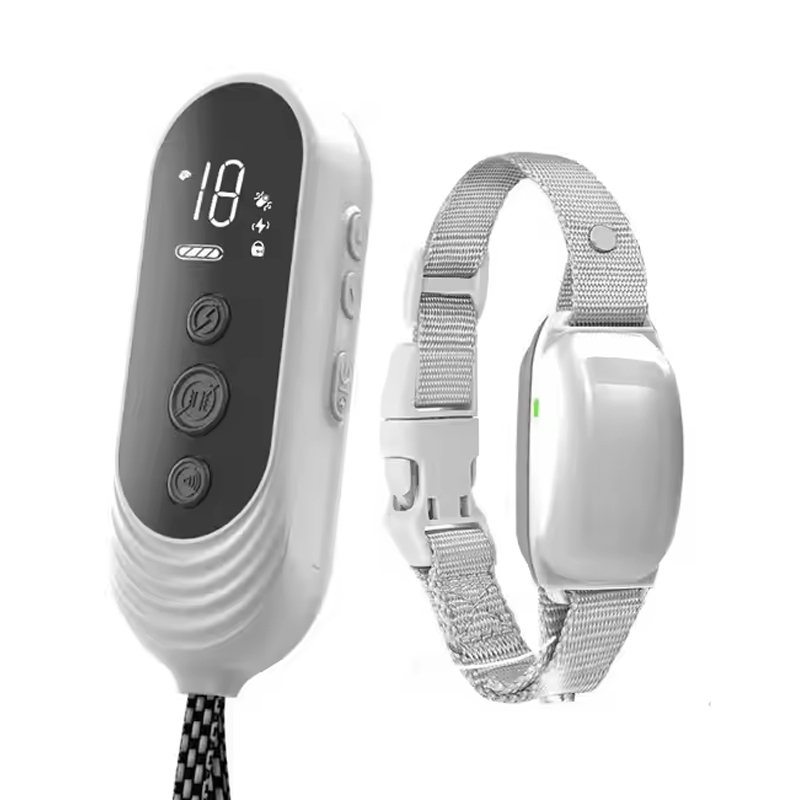
Waterproof Adjustable Polyester Training Shock Collar
The Waterproof Adjustable Polyester Training Shock Collar offers a reliable solution for pet owners seeking a versatile and durable collar to enhance ...
View More -
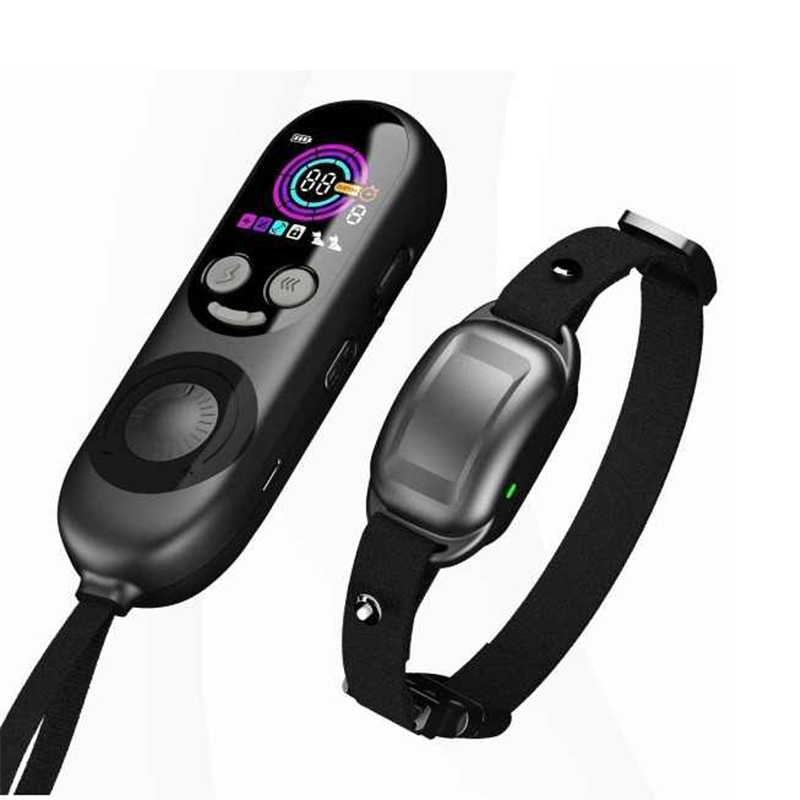
Display Remote Control Training Shock Collar
The Display Remote Control Training Shock Collar is designed to provide pet owners with a reliable and humane solution for training their dogs. Whethe...
View More -
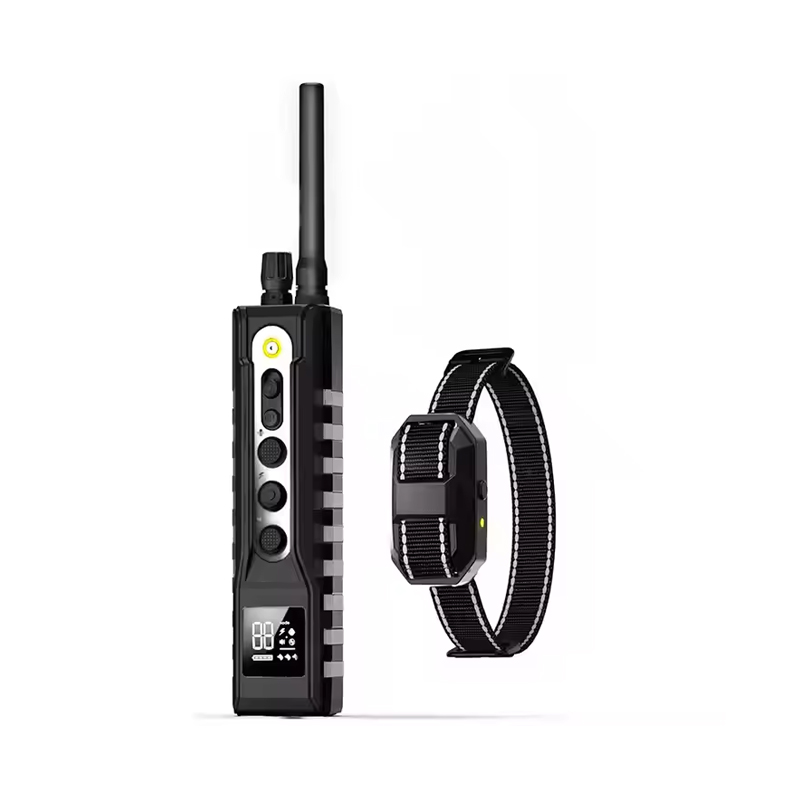
Multi-Function Long Distancetraining Shock Collar
The Multi-function Long Distance Training Shock Collar is a highly versatile tool designed to support your dog’s training across various environment...
View More -
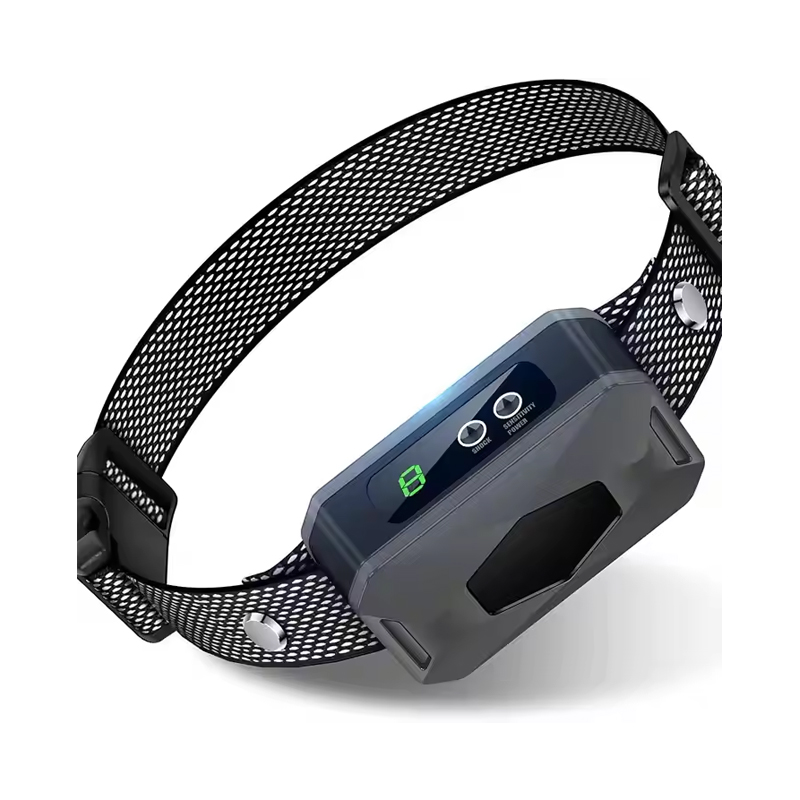
Remote Control Waterproof Training Shock Collar
The Remote Control Waterproof Training Shock Collar is an advanced training tool designed to help pet owners effectively manage their dogs’ behavior...
View More
Pet Products
If you have any questions, please
get in touch with us.
+86-13486854214
E-mail: [email protected]
Address: No. 258, Qingchuan Road, Huzhen Town, Jinyun County, Lishui City, Zhejiang Province
Copyright © Zhejiang Beijing Technology Co., Ltd.

OEM/ODM Smart Pet Care Factory