
 EN
EN  English
 Español
 Français
 Deutsch
 Nederlands

- Type:
- Industry News
- Date:
- 2026-05-08

Industry News
How to Choose the Right Automatic Litter Box for Multi-Cat Homes
If you share your home with two or more cats, you already know the litter box situation can get pretty real pretty fast. More cats usually means more mess, more scooping, and sometimes more drama around who gets to use which box when. A lot of folks in multi-cat households start thinking about automatic litter boxes to cut down on the daily chore. It sounds like a solid idea on paper, but picking one that actually holds up when several cats are sharing the space is another story.
Many cat owners with multiple cats often run into the same questions. Does it really save time? Will all cats actually use it? What if it breaks down or scares one off?
The Reality of Litter Boxes in a Multi-Cat House
Veterinarians and behavior folks usually recommend the n+1 rule — one litter box for each cat plus one extra. It helps cut down on stress and accidents because cats can be pretty picky about sharing bathroom space. Some get along fine, others act like the box is their personal territory.
An automatic self-cleaning litter box does not magically replace that whole setup. What it can do is handle the cleaning part for one or more of the boxes, so the surface stays fresher longer between maintenance rounds. In a busy house with three or four cats, that can make a real difference in how the whole room smells and whether everyone keeps using the boxes regularly.
But here's the catch: more cats mean the machine gets used a lot more often. The waste drawer fills up quicker, the sensors trigger more times a day, and the moving parts work harder. This needs to be kept in mind when looking at different models.
Think About Your Cats First
Before comparing features online, it helps to spend a few days observing how cats handle their current litter situation. Do they all pile into the same box at similar times, or do they spread out? Are any of them older, bigger, or a little nervous about new things? Are there kittens zooming around or larger breeds that need extra room to dig and turn?
The home layout matters too. In smaller apartments, space may be limited for multiple boxes. In larger homes, boxes can be placed on different floors or spaced out to avoid conflict. The automatic unit usually works best as part of a larger setup rather than the only option.
A quiet corner away from food bowls and busy hallways tends to work better. Cats prefer some privacy, and loud foot traffic nearby can make them avoid the area.
What Actually Matters When Shopping for Multi-Cat Use
After reviewing common experiences, these are the points that often matter most in real use:
Capacity of the waste area
With two or more cats, things fill up faster than expected. A bigger drawer reduces how often it needs to be emptied and helps prevent overflow during busy days.
How the cleaning actually works
Different automatic boxes use different methods — some rotate, some rake, and others use alternative systems. In a multi-cat home, the mechanism needs to handle frequent cycles without getting overwhelmed. It should also wait a reasonable time after one cat finishes before starting.
Noise during cycles
Cats are sensitive to sound. Loud motors or sudden noises can cause some cats, especially shy ones, to avoid the area. Quieter operation usually makes the transition easier.
Size and entry for the cats
There needs to be enough space for cats to move, dig, and position comfortably. This is especially important for larger cats. A low, wide entrance helps older cats or those with limited mobility. Some prefer open designs, while others are comfortable with covered spaces.
Safety features
Reliable sensors are important to detect when a cat is inside or nearby. The system should pause or stop immediately if needed. Designs should avoid tight gaps where paws or tails could get caught.
Dealing with smells
More cats usually means more odor. Sealed drawers and filters can help, but litter choice and regular cleaning still play a major role. Proper ventilation in the room also helps.
Litter compatibility
If cats are already used to a certain litter type, it is important to check compatibility. Some machines handle lighter materials better, while others manage heavier clumps. Switching both the box and litter at the same time can be confusing.
How easy it is to clean and maintain
Automatic does not mean maintenance-free. Regular cleaning is still needed. Models that are easy to take apart and clean can save time and effort.
Smart features like apps
Some models include app connectivity for alerts and usage tracking. In multi-cat homes, certain models can even identify cats by weight. These features are optional but can be useful for monitoring.
How to Help Cats Get Used to It
- Place the new automatic box near the usual area while it is turned off
- Allow cats to explore it naturally
- Add a small amount of used litter to create familiarity
- Turn on the cleaning function after cats begin using it
- Keep existing litter boxes available during the transition
Positive reinforcement can help build acceptance. Some cats adjust quickly, while others may take longer.
Challenges You Might Run Into
One cat hogging the box
Territorial behavior can occur. Placing multiple boxes in different locations often helps.
Litter tracking
Using mats or trays around the box can reduce scattered litter.
Power or technical issues
Automatic boxes require a stable power source. Keeping a regular box as backup is recommended.
Ongoing costs
Consider replacement parts, filters, and electricity use over time, especially in multi-cat homes where usage is higher.
Different Styles and What They Feel Like in Practice
Common designs include rotating globe models, rake systems, and open styles. Rotating designs often contain odor well but may be taller. Rake systems are typically lower and may feel less intimidating. Open styles provide more space and visibility.
No single design works for every household. Cat behavior and available space are usually the deciding factors.
Quick Questions to Compare
- How much waste storage is available for multiple cats?
- Is the noise level acceptable?
- Is there enough space inside for larger cats?
- How often will cleaning be required?
- Is it compatible with the current litter type?
- Is maintenance straightforward?
Setting Up for Long-Term Use
Consistency is important. Using similar litter across boxes during the transition can help. Observing usage patterns in the first few weeks allows adjustments if needed.
Regular maintenance habits, such as refreshing litter and cleaning surfaces, remain important. In multi-cat homes, changes in litter box behavior may indicate health concerns and should be monitored.
Choosing an automatic litter box for a multi-cat home depends on matching the product to the cats' habits and the household routine. Key factors include capacity, safety, noise level, and ease of maintenance. Introducing the unit gradually and keeping alternative options available helps ensure a smoother transition.
Automatic litter boxes can reduce daily workload and help maintain a cleaner environment, but they work best as part of a broader litter management setup. Taking time to compare options and consider real usage needs can lead to a more practical and comfortable solution.
Related Products
-
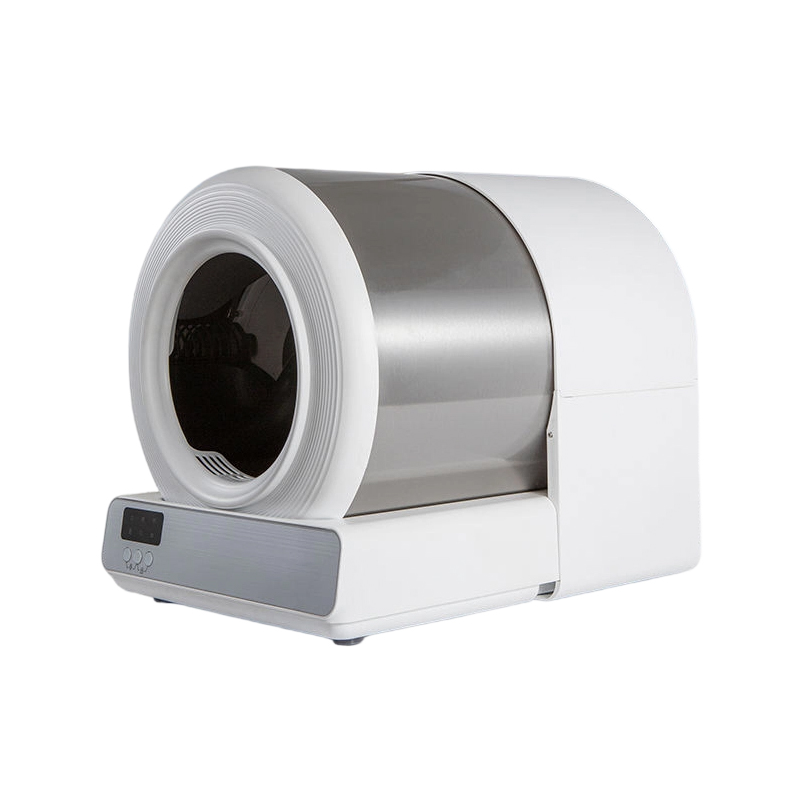
Cat Litter Tray For Multiple Cats Automatic Cat Litter Tray
Cat Litter Tray for Multiple Cats Automatic Cat Litter Tray – Product Features The high-pressure washable, safety-focused design facilitates compr...
View More -
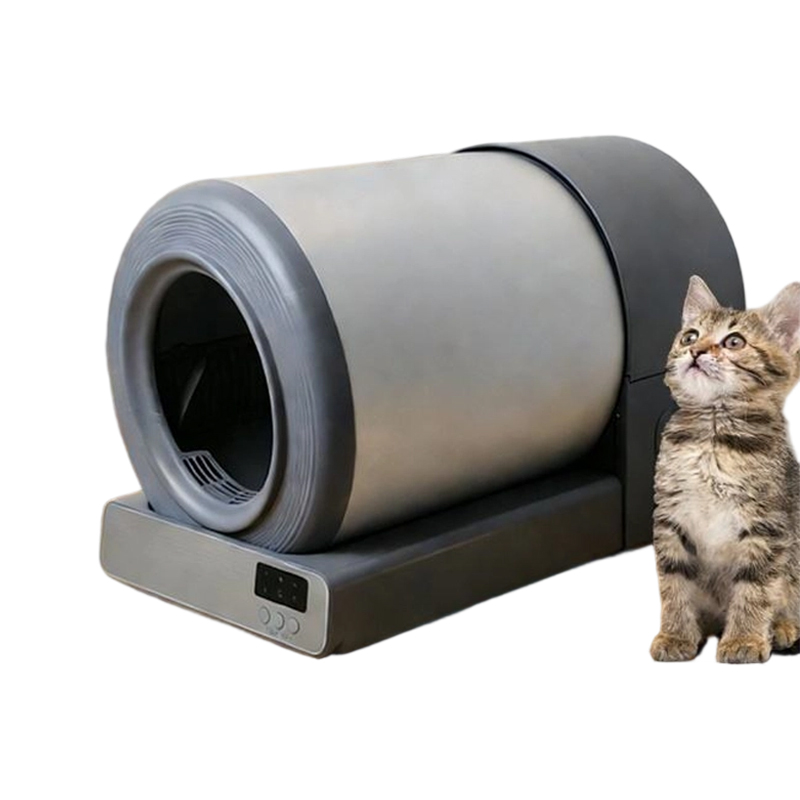
Self-Cleaning Stainless Steel Smart Cat Litter Tray
Self-Cleaning Stainless Steel Smart Cat Litter Tray – Product FeaturesThe preferred choice for non-profit organisations; compatible with open-top bi...
View More -
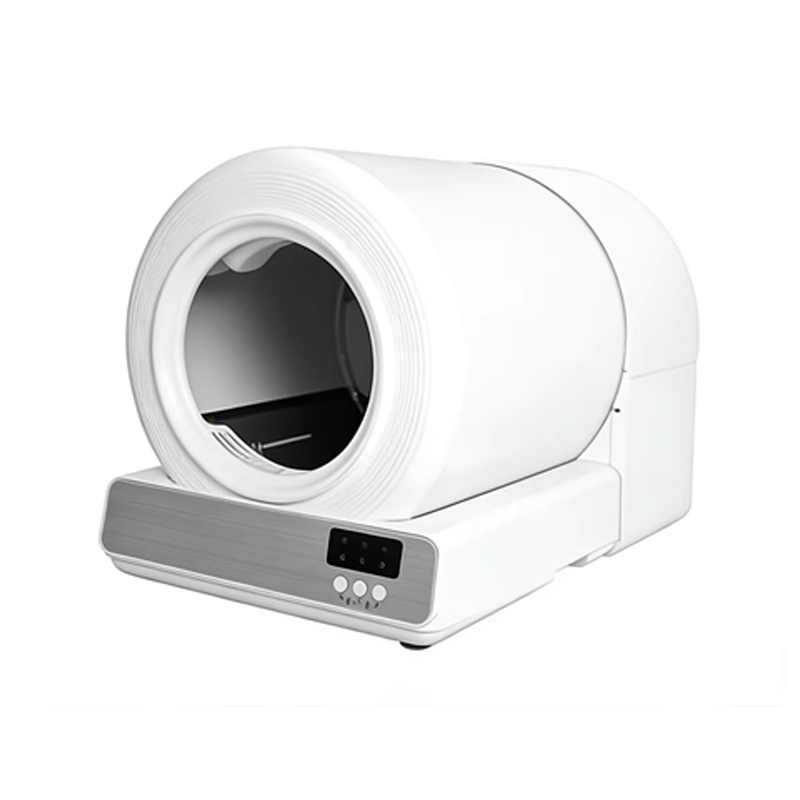
Second-Generation Fully Automatic Cat Litter Tray
Second-Generation Fully Automatic Cat Litter Tray – Product Features With a large 65-litre capacity, it easily accommodates a substantial amount of ...
View More -
Multi-Mode Easy To Operate Training Shock Collar
The Multi-mode, easy-to-operate training Shock Collar is designed to provide a practical solution for owners seeking a safe and effective way to train...
View More -
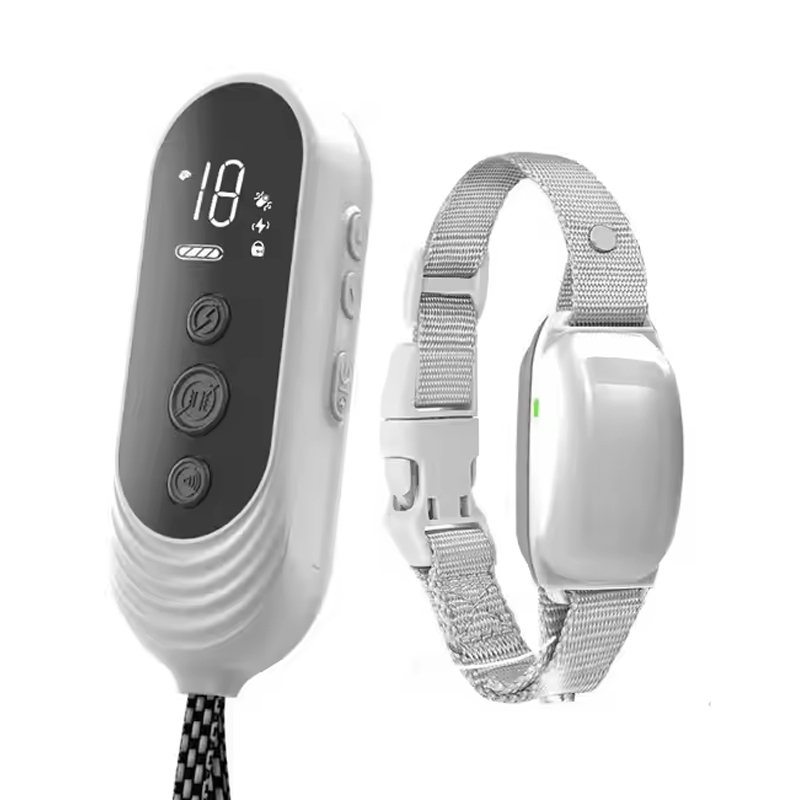
Waterproof Adjustable Polyester Training Shock Collar
The Waterproof Adjustable Polyester Training Shock Collar offers a reliable solution for pet owners seeking a versatile and durable collar to enhance ...
View More -
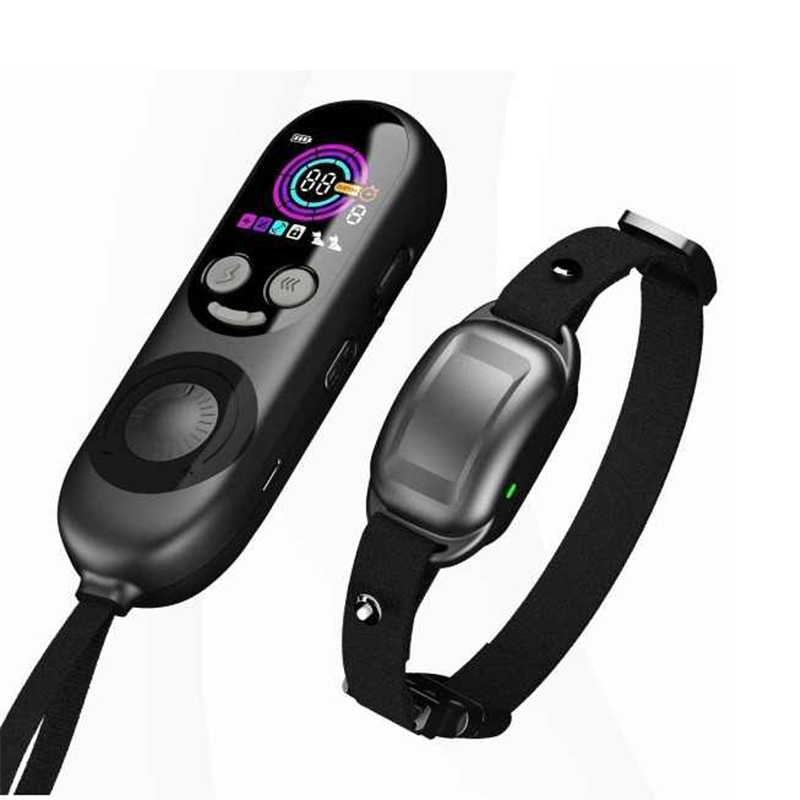
Display Remote Control Training Shock Collar
The Display Remote Control Training Shock Collar is designed to provide pet owners with a reliable and humane solution for training their dogs. Whethe...
View More -
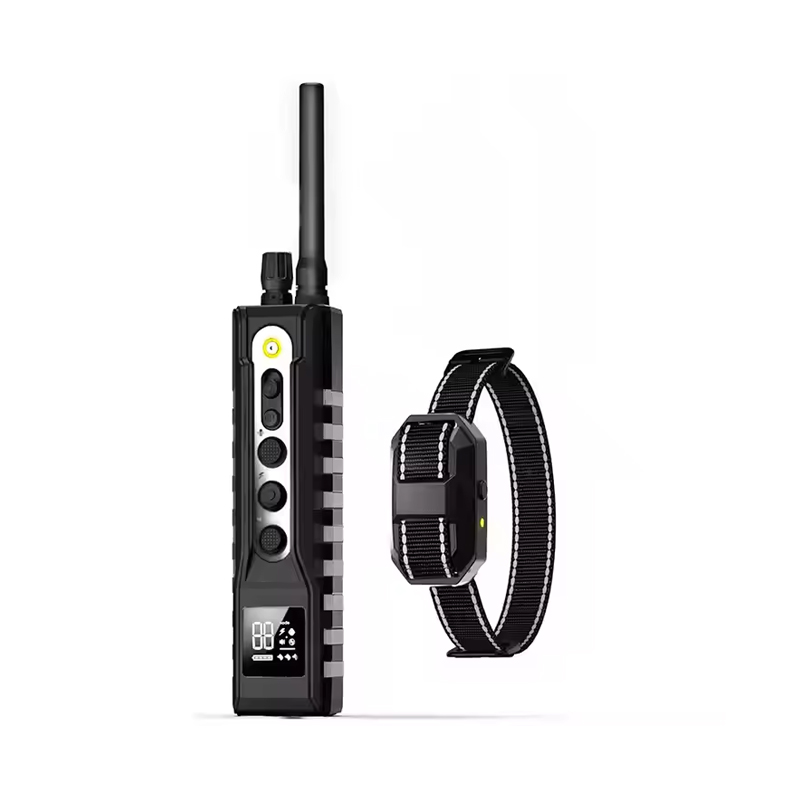
Multi-Function Long Distancetraining Shock Collar
The Multi-function Long Distance Training Shock Collar is a highly versatile tool designed to support your dog’s training across various environment...
View More -
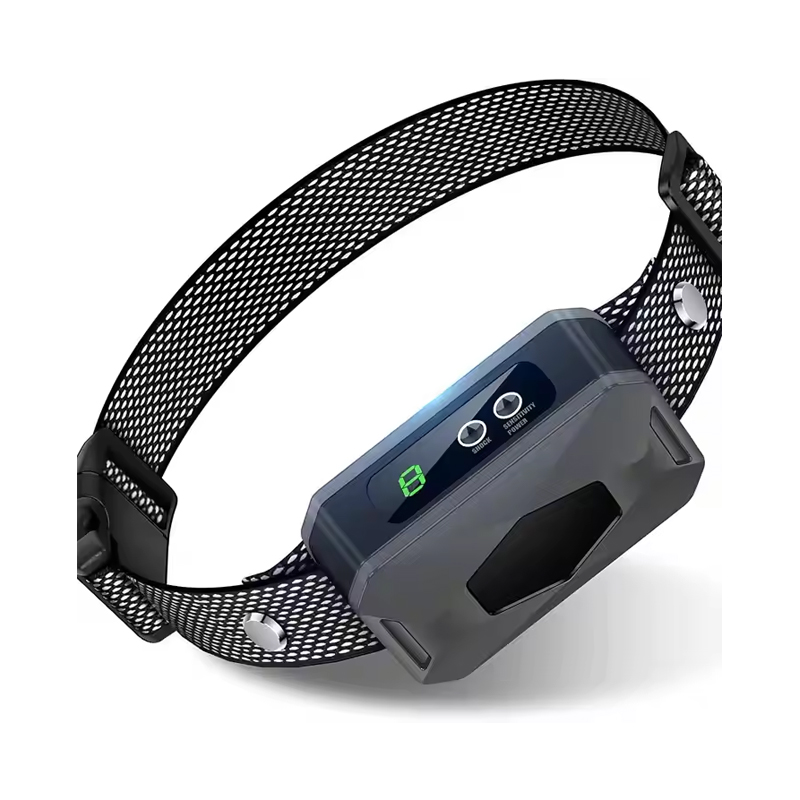
Remote Control Waterproof Training Shock Collar
The Remote Control Waterproof Training Shock Collar is an advanced training tool designed to help pet owners effectively manage their dogs’ behavior...
View More
Pet Products
If you have any questions, please
get in touch with us.
+86-13486854214
E-mail: [email protected]
Address: No. 258, Qingchuan Road, Huzhen Town, Jinyun County, Lishui City, Zhejiang Province
Copyright © Zhejiang Beijing Technology Co., Ltd.

OEM/ODM Smart Pet Care Factory