
 EN
 English
 Español
 Français
 Deutsch
 Nederlands


- Type:
- Industry News
- Date:
- 2026-10-23

Industry News
How Does an Animal Hair Dryer Support Healthy Coat Care
Anyone who has bathed a dog knows the scene. The pet shakes, the towel is soaked within a minute, and the coat is still damp underneath. Drying is not a minor step at the end of a bath. It affects how the coat looks, how easily it brushes out, and how relaxed the animal feels afterward.
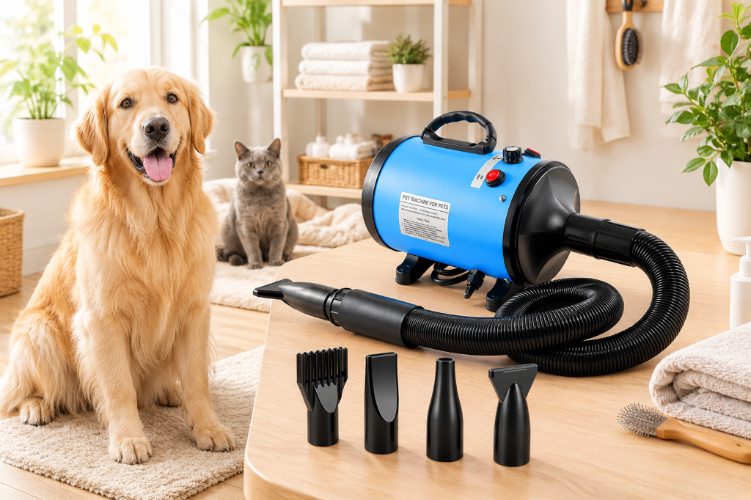
An Animal Hair Dryer helps remove moisture that towels cannot reach in a dense coat. A Hair Dryer for Pets works well as part of a wider grooming routine, with attention to airflow, warmth, coat type, and the animal's mood. Drying speed alone is a poor way to judge it.
Why Does Drying Matter After a Bath?
What stays behind when the towel is done?
Bathing removes dirt and loose hair, but it leaves water in the coat. A short-haired pet may dry quickly. A thick, long, or layered coat can hold moisture close to the skin for a long time. A towel takes away surface water, yet its reach through dense hair is limited.
Damp hair also clings together. Tangles can tighten as the coat dries unevenly, which makes brushing harder and more uncomfortable for the pet. Moving air helps moisture evaporate and shows the groomer the real condition of the coat.
How does it help a regular schedule?
A salon may handle several animals in one day. A home user wants a routine that fits around work, school runs, and family meals. Suitable drying equipment makes this stage easier to organize, since the user can work across the whole body instead of waiting for a pet to air-dry on the sofa.
Careful handling still matters. A dryer saves effort, but it does not replace attention to the animal.
How Do Airflow and Temperature Shape the Experience?
How should airflow be used?
Direction matters as much as strength. Air aimed at the right spot moves moisture out of the coat, while poor positioning leaves wet patches under a dry-looking surface. Work in sections, move the airflow steadily, and check beneath the outer layer instead of trusting appearance.
Gentle airflow can separate hair and expose damp areas. Abrupt, forceful airflow can frighten a pet that is new to it, and it may whip long hair into fresh tangles. Keep air away from the eyes, ears, and nose. Avoid holding it in one place around the face, paws, and skin folds, where moisture tends to linger and skin is delicate.
Why does warmth need watching?
Air that feels pleasant on a human hand can feel uncomfortable on a small patch of an animal's skin. Pets cannot say when the air is too warm, so the person holding the dryer has to read their reactions. A cool or low-heat setting suits sensitive animals, and any warmer setting should follow the equipment instructions.
Distance changes how warm the air feels. Keep the outlet moving, and rest a hand near the coat to check the temperature as you work. Pets with fine hair, thin coats, exposed skin, advanced age, or existing skin concerns need extra care. If a pet shifts away, licks its lips repeatedly, or seems restless, stop and reassess the setting and the distance.
How Should the Method Change With the Coat?
What differs from one coat to another?
No single routine suits all animals. Hair length, density, and texture change how water moves through the coat and how easily the hair separates during brushing.
| Coat Type | Common Drying Challenge | Useful Consideration |
|---|---|---|
| Short coat | Moisture lingers in skin folds and dense spots | Check the skin and dry evenly |
| Long coat | Strands cling and tangle | Handle gently and brush with care |
| Dense double coat | Moisture stays under the outer layer | Work in sections and check the undercoat |
| Curly coat | Hair knots and resists separation | Use controlled airflow and avoid pulling |
| Fine or sensitive coat | Skin reacts easily to heat or handling | Use a cautious setting and watch comfort |
A double-coated breed may feel dry on top while the undercoat stays damp. Part the hair with your fingers and feel close to the skin before calling the job done. A short-coated pet with deep skin folds needs the same check in those folds.
For curly or tangled coats, do not force a brush through a knot. Pulling on wet hair hurts, and the pet may refuse the next session. Severe matting is a job for a professional groomer, who can judge the safest way to deal with it.
Can drying support coat care?
Drying prepares the coat for brushing and inspection. While handling the hair, you may notice tangles, loose fur, redness, or small wounds that were hidden under the coat. Catching these early gives you a chance to act before they grow into bigger problems.
A dryer cannot treat a skin problem, though. Persistent itching, redness, or unusual hair loss deserves veterinary attention. Grooming equipment supports routine care and does not stand in for medical advice.
How Can You Keep the Pet Comfortable?
How do you introduce a dryer to a nervous animal?
Noise upsets many pets more than the air itself. Let the animal sniff the dryer while it is switched off. Turn it on at a distance, then bring gentle airflow closer only if the pet stays calm.
Short sessions, breaks, and small rewards help build a positive link with the sound. Each animal responds at its own pace, so a puppy may adapt within a few sessions while an older rescue dog may need several weeks of patient practice.
Heavy panting, trembling, and repeated attempts to escape are signs to pause. Forcing the session to continue usually makes the next one harder for everyone involved.
What does a practical routine look like?
A simple sequence keeps the process organized without making it feel rigid.
- Prepare the space. Choose a calm area with safe footing, and remove distractions that may raise stress.
- Towel off gently. Press out surface water and avoid rubbing the coat hard.
- Start softly. Begin at a comfortable distance on a low setting while watching the pet's response.
- Dry in sections. Adjust the pace to hair length and density, and check beneath the surface.
- Watch for stress or heat. Give breaks when needed and stop if the animal becomes distressed.
- Check afterward. Look for damp patches, tangles, or skin concerns, then brush gently where suitable.
A routine like this also gives the pet something predictable. Animals often settle faster when the order of events stays familiar from one bath to the next.
What Do These Needs Mean for Product Design?
What should buyers and makers pay attention to?
A dryer for home use suits occasional sessions and simple controls. Equipment for a grooming salon faces repeated use and a wider mix of coats, from short-haired terriers to fluffy double-coated breeds. Each setting asks for something different from the same basic tool.
A manageable shape, accessible controls, and clear adjustment of airflow and warmth help the operator keep attention on the animal. A stable setup matters as well, since a dryer that tips or drags a heavy hose can startle a pet at the wrong moment. In a salon, equipment that suits the working space lets staff move around the animal without clutter.
Clear instructions add real value. Descriptions should explain suitable coat types, how to introduce the dryer, which areas to avoid, and how to care for the equipment. Plain language helps buyers judge whether a product fits their pet and their routine, without relying on speed claims.
Comfort, control, and honest information should guide both the way people use a dryer and the way manufacturers and suppliers present it.
Related Products
-
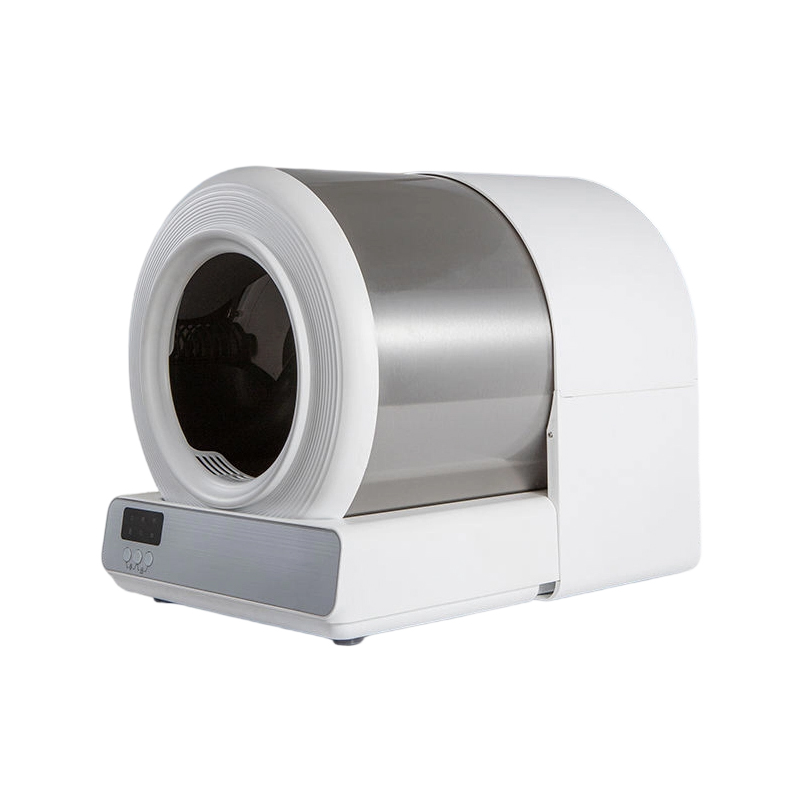
Cat Litter Tray For Multiple Cats Automatic Cat Litter Tray
Cat Litter Tray for Multiple Cats Automatic Cat Litter Tray – Product Features The high-pressure washable, safety-focused design facilitates compr...
View More -
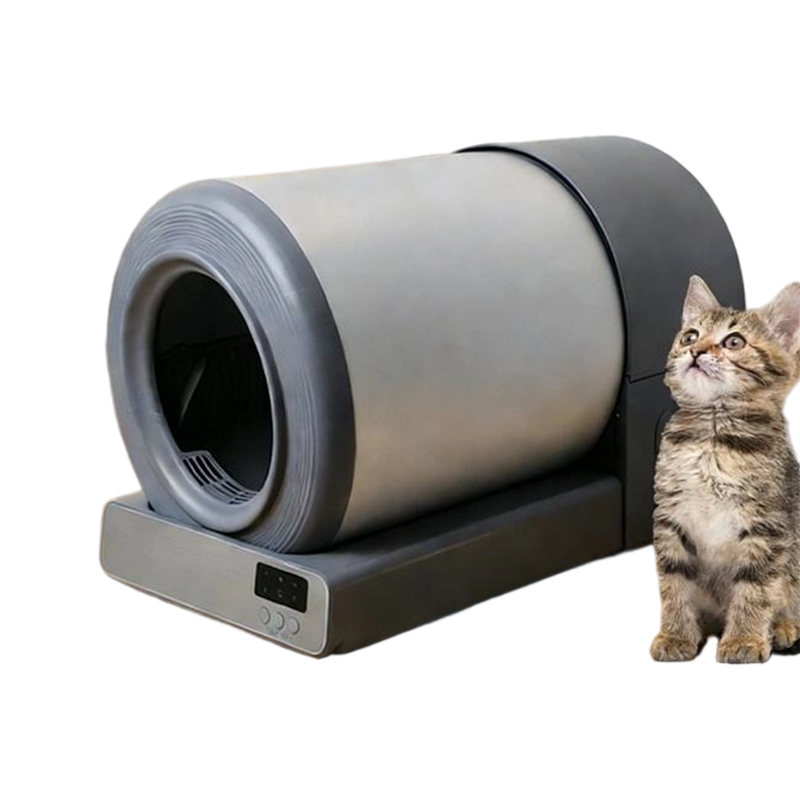
Self-Cleaning Stainless Steel Smart Cat Litter Tray
Self-Cleaning Stainless Steel Smart Cat Litter Tray – Product FeaturesThe preferred choice for non-profit organisations; compatible with open-top bi...
View More -
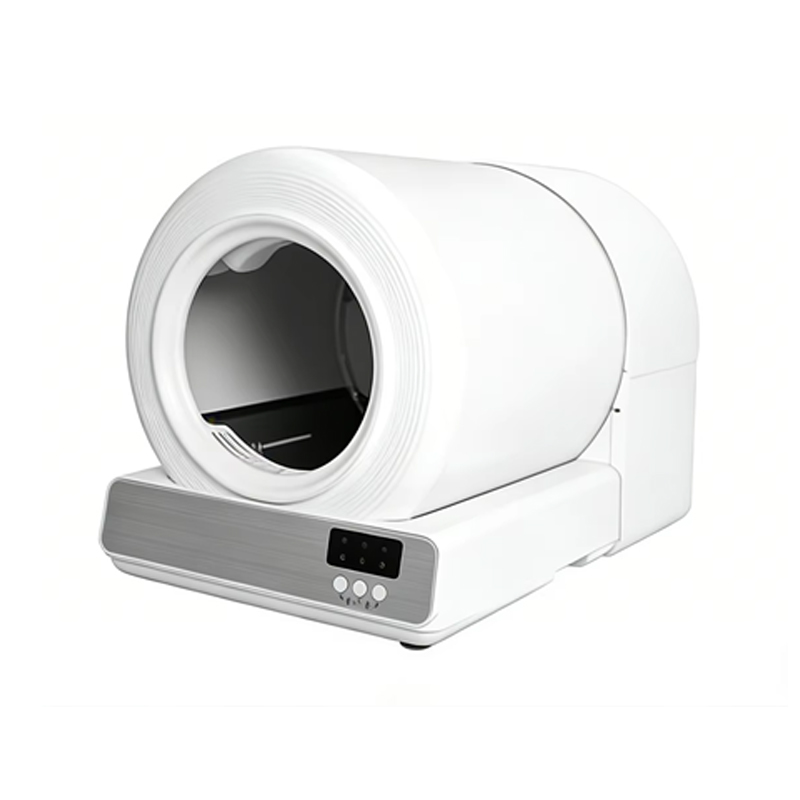
Second-Generation Fully Automatic Cat Litter Tray
Second-Generation Fully Automatic Cat Litter Tray – Product Features With a large 65-litre capacity, it easily accommodates a substantial amount of ...
View More -
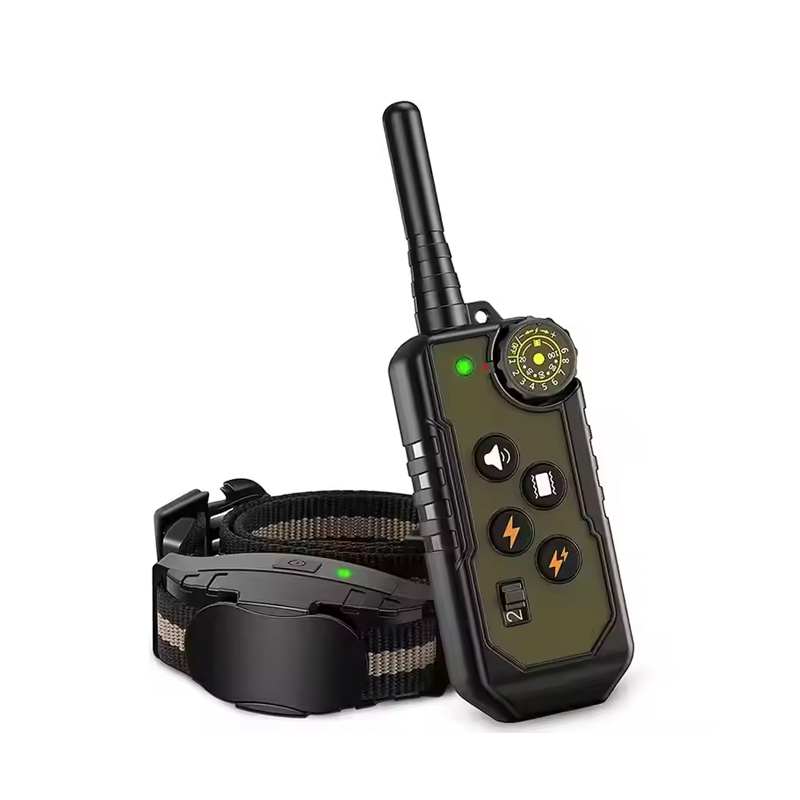
Multi-Mode Easy To Operate Training Shock Collar
The Multi-mode, easy-to-operate training Shock Collar is designed to provide a practical solution for owners seeking a safe and effective way to train...
View More -
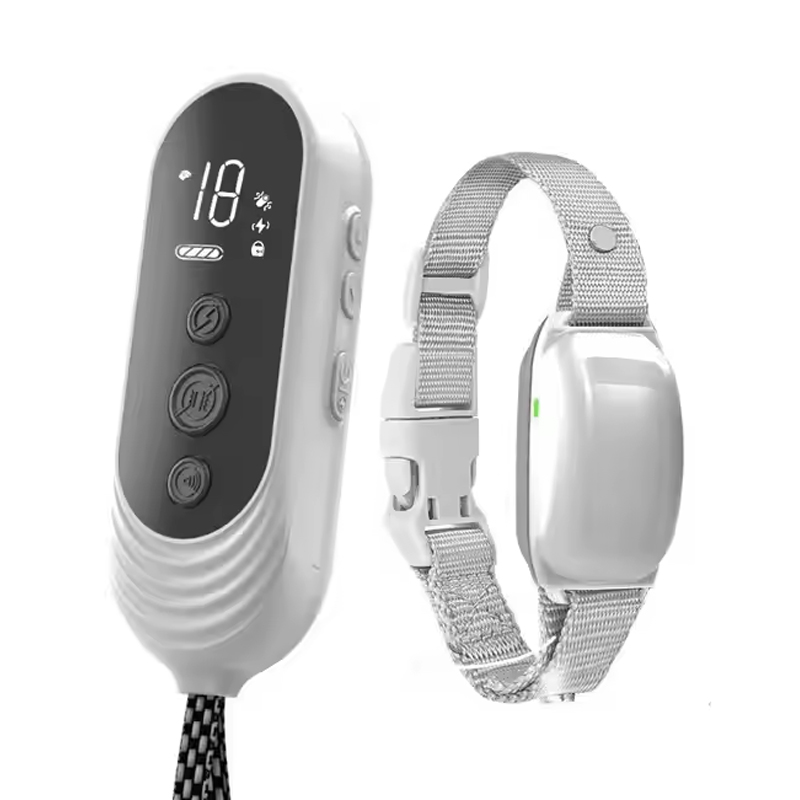
Waterproof Adjustable Polyester Training Shock Collar
The Waterproof Adjustable Polyester Training Shock Collar offers a reliable solution for pet owners seeking a versatile and durable collar to enhance ...
View More -
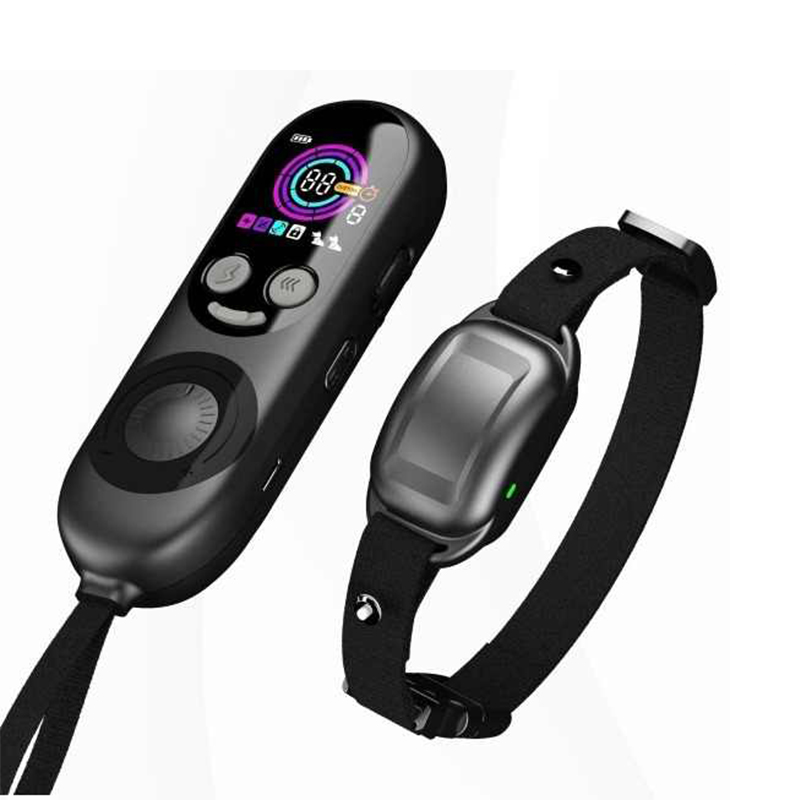
Display Remote Control Training Shock Collar
The Display Remote Control Training Shock Collar is designed to provide pet owners with a reliable and humane solution for training their dogs. Whethe...
View More -
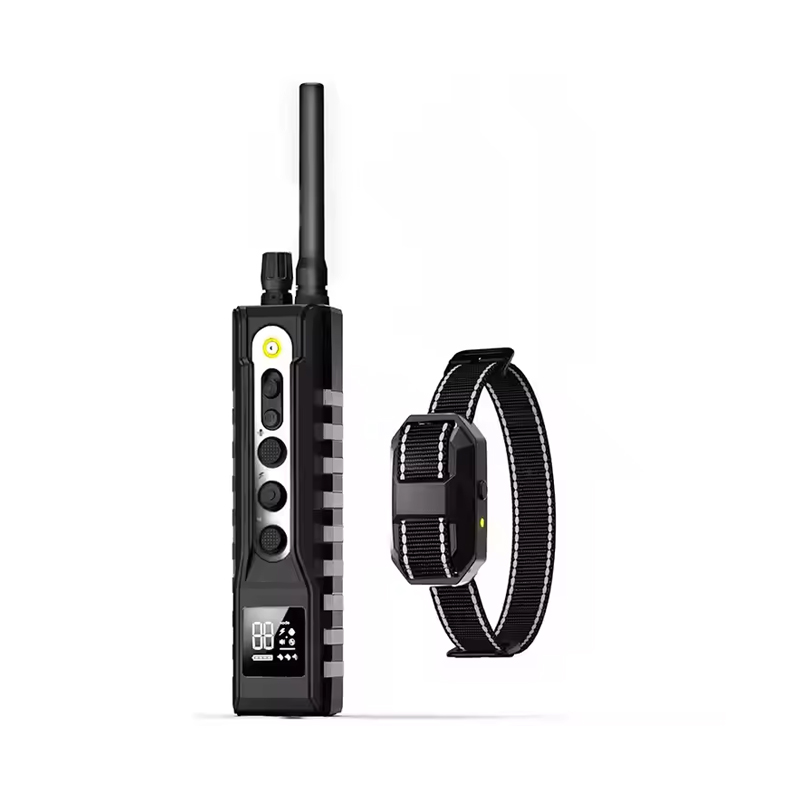
Multi-Function Long Distancetraining Shock Collar
The Multi-function Long Distance Training Shock Collar is a highly versatile tool designed to support your dog’s training across various environment...
View More -

Remote Control Waterproof Training Shock Collar
The Remote Control Waterproof Training Shock Collar is an advanced training tool designed to help pet owners effectively manage their dogs’ behavior...
View More
Pet Products
If you have any questions, please
get in touch with us.
+86-13486854214
E-mail: [email protected]
Address: No. 258, Qingchuan Road, Huzhen Town, Jinyun County, Lishui City, Zhejiang Province
Copyright © Zhejiang Beijing Technology Co., Ltd.

OEM/ODM Smart Pet Care Factory