
 EN
EN  English
 Español
 Français
 Deutsch
 Nederlands

- Type:
- Industry News
- Date:
- 2026-03-27

Industry News
How Pet Smart Appliances Are Changing Pet Feeding Habits
What Is a Smart Pet Feeder?
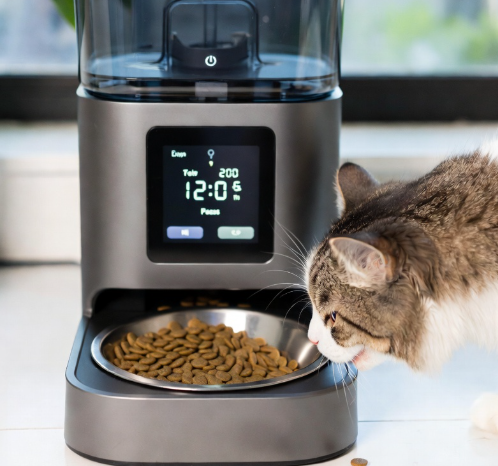
A smart feeder is more than a bowl. It is a device that automates the feeding process. It can dispense food at set times or in controlled portions. Some allow remote control through a smartphone app.Smart feeders monitor feeding schedules. They reduce human error. Pets no longer rely solely on owners to maintain regular meal times. This consistency affects digestion, behavior, and overall health.Many devices include features that track food consumption. Pet owners can see how much their animal eats in a day. Alerts notify owners if a meal is missed or if food is running low.This technology creates a bridge between pets and owners. Even when away, feeding remains predictable and reliable.
How Do Smart Feeders Influence Pet Eating Patterns?
Smart feeders promote reliable daily schedules for pets by automatically dispensing meals at consistent, pre-programmed times. This routine helps align eating with a pet's natural internal clock, eliminates unpredictable patterns such as gorging on one meal and ignoring the next, and frequently decreases stress-driven actions like persistent begging, loud meowing, or restless waiting around feeding times.
These devices allow exact portion sizing, so owners can set and maintain precise amounts of food for each serving. The feature aids in controlling body weight—particularly useful for pets carrying extra pounds—and helps slow down rapid eaters who tend to swallow large quantities too fast, thereby reducing chances of vomiting, excessive gas buildup, or related digestive upset.
A number of smart feeder models also record real eating data, tracking when food is dispensed and roughly how much is actually consumed. This gives owners dependable, fact-based insights instead of having to rely on memory or guesswork. Using those details, they can fine-tune serving sizes, adjust meal intervals, change the number of feedings per day, or switch food varieties to more closely match the pet's true eating behavior and requirements.
Can Smart Feeders Reduce Owner Stress and Busy Schedules?
Smart feeders offer real relief for owners dealing with hectic, unpredictable routines by removing much of the daily pressure tied to pet feeding. Whether someone works extended hours, travels regularly, starts the day before sunrise, stays out late, or faces sudden schedule shifts, trying to hit precise mealtimes can quickly turn into a nagging worry—will the pet eat on time, or will the day slip away again?
The device handles the timing automatically once programmed, releasing food exactly when it's supposed to, even if the owner is stuck in traffic, at a meeting across town, on a plane, or simply caught up in something unexpected. Setup is straightforward—done once via the unit's controls or a user-friendly app—and after that, the schedule runs reliably no matter where life takes the owner or how the day unfolds.
For households with several pets, many smart feeders let you assign custom portions to each one individually. That prevents one animal from dominating the bowl, stops arguments or sneaky theft between meals, and makes sure every pet gets only what they're meant to have, turning feeding into a peaceful rather than chaotic event.
Pets soon learn that food arrives consistently without anyone needing to be right there opening cans or scooping kibble. This predictability cuts down on frantic mealtime anticipation, pacing, or vocal demands for attention at specific times. With less clinging to the owner's presence for every meal, both the pet and the person experience a noticeable drop in tension around feeding.
Ultimately, mealtimes shift from being a recurring must-do chore that interrupts the flow of the day to something that simply happens in the background—quietly, dependably, and without requiring constant oversight. Owners reclaim that mental bandwidth and time, free to tackle deadlines, spend time with family, hit the gym, see friends, or just relax, confident that their pet's nutrition stays on track day after day with minimal ongoing effort.
How Do Smart Feeders Support Health Monitoring?
Smart feeders make it much easier to keep tabs on a pet's health by turning everyday eating patterns into observable, trackable signals. Subtle shifts in how—or whether—a pet approaches food can often be one of the first clues that something isn't quite right physically, sometimes well before other signs become obvious.
These devices give owners a clear, detailed view of consumption habits over time. When a pet's appetite drops noticeably, meals go untouched, or intake falls off suddenly, many smart feeders can push real-time notifications straight to the owner's phone. Getting that prompt heads-up allows for faster follow-up—whether that means watching more closely or scheduling a vet visit sooner, which can make a real difference in catching and addressing issues early.
Abrupt changes in the other direction—sharp increases in eating or unusual spikes in speed—stand out just as clearly in the records. These kinds of deviations might suggest anything from oral discomfort, gastrointestinal irritation, hormonal fluctuations, anxiety, or the start of a bigger health concern. Having concrete numbers instead of hazy recollections helps owners feel more confident about when a change deserves attention.
The ongoing portion logging also plays a direct role in supporting healthy weight. By seeing exactly how much food a pet finishes day after day, owners can quickly tell if the animal is routinely over- or under-eating relative to what's been dispensed. That visibility makes it straightforward to tweak calorie amounts, prevent gradual weight creep, or catch unintentional undereating before it affects energy or coat condition.
Some models go further by keeping a running history of feeding data across days, weeks, or months. This creates a reliable timeline of trends that owners can pull up and show their veterinarian during exams or phone consultations. The objective log helps vets spot patterns, compare against normal ranges for the pet's age/breed/size, and make more informed recommendations about diet, testing, or treatment.
Feeding stops being solely about delivering nutrition. With a smart feeder, it quietly doubles as a passive, built-in monitoring system—collecting useful insights about daily well-being that owners can use to stay ahead of potential health concerns rather than reacting only after problems escalate.
Are Smart Feeders Beneficial for Special Diets?
Smart feeders are particularly helpful for pets that require strictly controlled or therapeutic diets, where consistency and accuracy are essential for managing medical conditions or preventing complications.
Animals with specific dietary needs—such as those with food allergies, inflammatory bowel disease, chronic kidney disease, heart conditions, pancreatitis, diabetes, urinary issues, or recovery from surgery—depend on receiving the exact prescribed food in the right quantities and at the proper intervals. A smart feeder ensures those measured portions of the recommended diet are dispensed reliably, without the pet having opportunities to sneak other foods, beg for treats, or access inappropriate items from other household sources.
In multi-pet households where each animal follows a different nutritional regimen, the ability to program individualized meals becomes a major advantage. One pet might need a prescription renal diet in small, frequent servings, while another requires a weight-control formula in larger but lower-calorie portions, and a third gets a hypoallergenic option—all handled separately so there's no risk of one pet eating from another's allocation, no bowl-sharing mishaps, and no accidental exposure to the wrong ingredients.
Even for non-medical but still structured diets—like gradual weight reduction plans, low-sodium protocols for cardiac support, low-fat regimens for digestive or pancreatic health, or calorie-restricted schedules for metabolic conditions—the feeder's precise portioning and timed delivery make compliance much more achievable. Owners can lock in the veterinarian's exact guidelines for amount and frequency, reducing the chances of human slip-ups such as eyeballing scoops, forgetting adjustments, or giving in to pleading eyes during busy or emotional moments.
This built-in precision strengthens diet adherence overall and cuts down on errors that can easily occur with manual measuring and scheduling. It provides owners with greater assurance that their pet is consistently receiving the nutrition plan designed for its specific health requirements, helping to support better long-term outcomes with less daily mental effort.
How Do Smart Feeders Enhance Owner-Pet Interaction?
While smart feeders automate meals, they can also foster interaction.Devices with cameras or voice features allow owners to call or speak to pets during feeding. Pets receive comfort and attention even when alone.Remote feeding can be paired with training routines. Rewards or treats can be delivered at the right time, supporting behavioral reinforcement.Pets adapt to predictable routines. Knowing that feeding happens consistently, they are calmer and more receptive to attention during playtime or training.Automation does not reduce connection. It improves the quality of interaction by removing stress and unpredictability.
What Features Differentiate Smart Feeders in the Market?
Smart feeders vary widely in design and capabilities, and the differences in their features directly influence how well they meet different pets'needs and owners'lifestyles. Here are the main distinctions that set models apart in the market:
Scheduling Flexibility Basic models might offer only a fixed number of daily meals at set times, while more advanced ones allow multiple feedings throughout the day—anywhere from 2 to 6 or more—and some support completely customizable intervals. This makes them suitable for pets that thrive on frequent small meals, irregular work schedules, or specific medical timing requirements, rather than a rigid twice-a-day routine.
Portion Precision The ability to fine-tune serving sizes stands out as a core differentiator. Entry-level feeders may have only a few preset portion levels, whereas higher-end versions let owners program exact gram or cup amounts per meal. This granular control is essential for strict weight management, portion-restricted diets, or preventing fast eaters from getting too much at once.
Monitoring and Real-Time Notifications Not every feeder tracks actual consumption or sends alerts. More capable models monitor whether food was dispensed and, in some cases, detect when a pet has (or hasn't) eaten from the bowl. Owners can receive phone notifications for events like low food levels, skipped meals, power issues, or unusual eating patterns—features that add a layer of oversight and peace of mind.
Connectivity and Remote Access Simpler feeders rely on onboard buttons or basic timers with no remote capability. Connected models use Wi-Fi (or occasionally Bluetooth) to link to a smartphone app, letting owners check status, adjust schedules, change portions, or dispense extra food from anywhere with internet access. This becomes especially useful for travel, long workdays, or unexpected delays.
Support for Multiple Pets Single-feeders dispense one portion at a time, but multi-pet designs often include separate hoppers, RFID tags, microchip recognition, or timed access controls so each animal gets only its assigned food and amount. This prevents competition, food stealing, or accidental overfeeding in households with pets on different diets or portion needs.
Extra Engagement and Convenience Features Certain models go beyond basic feeding with add-ons like built-in voice recording (so owners can leave a familiar message that plays at mealtime), integrated cameras for live viewing or motion-triggered snapshots, treat-dispensing modes for training or rewards, slow-feed mechanisms to discourage gulping, ice-pack compartments for wet food freshness, or even integration with smart-home systems. These extras can make the feeder more interactive and tailored to specific behaviors or household dynamics.
| Feature | Benefit | Example Use |
|---|---|---|
| Scheduling | Consistent feeding times | Daily breakfast, lunch, dinner |
| Portion Control | Prevents overeating | Weight management diets |
| Monitoring | Tracks consumption | Early health alerts |
| Connectivity | Remote access | Adjust meals while traveling |
| Multi-Pet Support | Personalized portions | Households with multiple pets |
| Extras | Engagement & reward | Camera, voice, treats |
Are Smart Feeders the Future of Pet Nutrition?
Technology continues to shape pet care. Smart feeders combine convenience, health monitoring, and engagement.
- Smart feeders represent an advancement in pet nutrition management They combine everyday convenience, health tracking, and behavioral support in ways that many traditional feeding methods struggle to match.
- Help establish more stable eating habits By automatically controlling portion sizes, timing, and consistency, they align a pet's feeding rhythm more closely with its natural biological clock, reducing issues like stress-induced begging, binge-and-skip eating, or irregular patterns—creating a calmer environment for both pet and owner.
- Especially suitable for pets with medical or special dietary needs Precise portion dispensing makes it much easier to strictly follow veterinarian-recommended therapeutic diets without accidental deviations; weight management, prescription formulas, and the different needs of multi-pet households are all better supported.
- Bring real relief to owners They reduce the daily mental burden around feeding—even during overtime, business trips, or disrupted schedules, meals are still delivered on time; owners can check actual eating patterns via phone and focus energy on high-quality companionship, play, and interaction instead of routine logistics.
- Significant room for future development AI may learn individual pet patterns, predict appetite changes, and subtly adjust feeding; deeper analysis could come from combining eating data with weight, activity levels, etc.; tighter integration with smart-home systems could create a more seamless daily routine.
- Core value lies in reliability and peace of mind They provide pets with consistent, personalized nutrition while significantly lowering daily stress and guilt for owners. As the technology becomes more widespread and features improve, smart feeders are steadily transitioning from a "convenient gadget" to a standard fixture in modern pet households.
Related Products
-
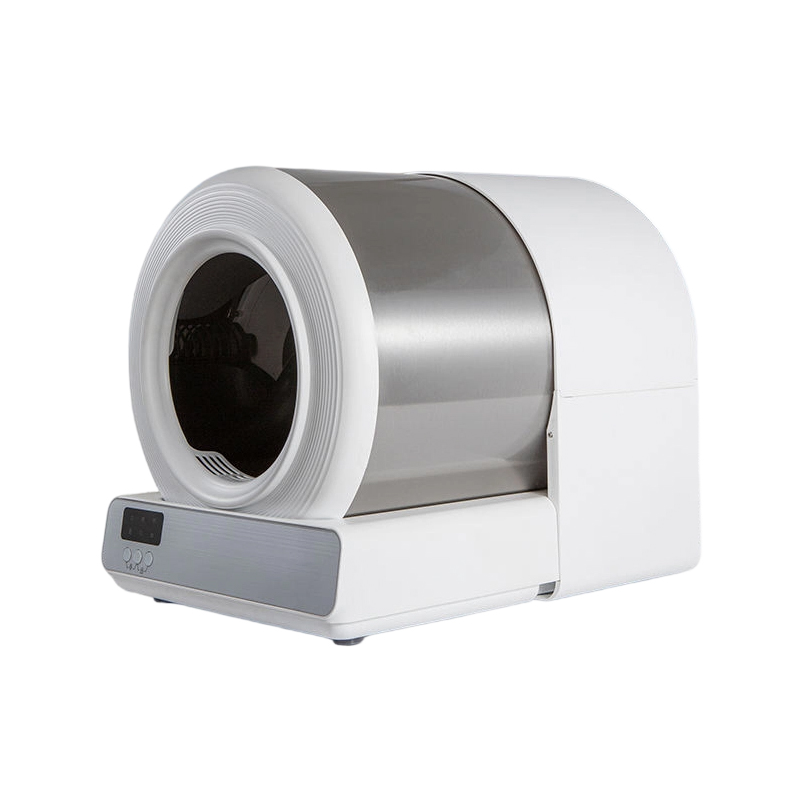
Cat Litter Tray For Multiple Cats Automatic Cat Litter Tray
Cat Litter Tray for Multiple Cats Automatic Cat Litter Tray – Product Features The high-pressure washable, safety-focused design facilitates compr...
View More -
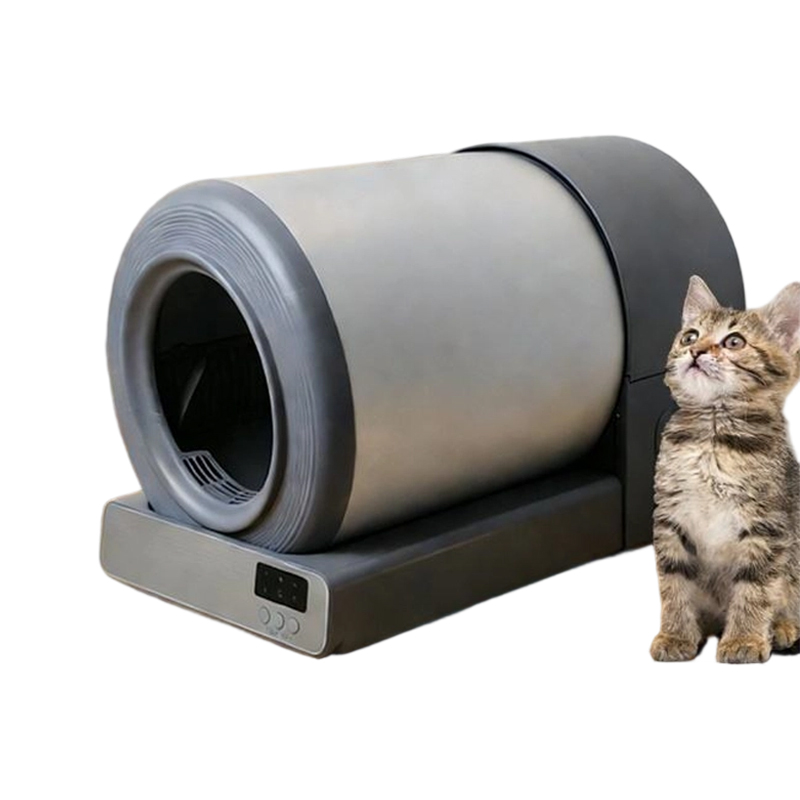
Self-Cleaning Stainless Steel Smart Cat Litter Tray
Self-Cleaning Stainless Steel Smart Cat Litter Tray – Product FeaturesThe preferred choice for non-profit organisations; compatible with open-top bi...
View More -
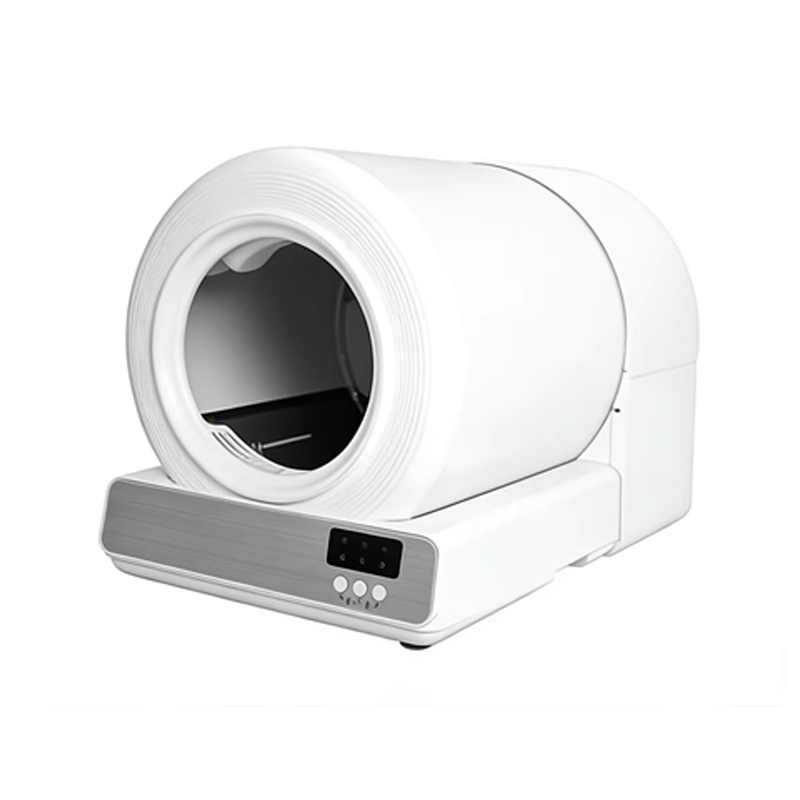
Second-Generation Fully Automatic Cat Litter Tray
Second-Generation Fully Automatic Cat Litter Tray – Product Features With a large 65-litre capacity, it easily accommodates a substantial amount of ...
View More -
Multi-Mode Easy To Operate Training Shock Collar
The Multi-mode, easy-to-operate training Shock Collar is designed to provide a practical solution for owners seeking a safe and effective way to train...
View More -
Waterproof Adjustable Polyester Training Shock Collar
The Waterproof Adjustable Polyester Training Shock Collar offers a reliable solution for pet owners seeking a versatile and durable collar to enhance ...
View More -
Display Remote Control Training Shock Collar
The Display Remote Control Training Shock Collar is designed to provide pet owners with a reliable and humane solution for training their dogs. Whethe...
View More -
Multi-Function Long Distancetraining Shock Collar
The Multi-function Long Distance Training Shock Collar is a highly versatile tool designed to support your dog’s training across various environment...
View More -
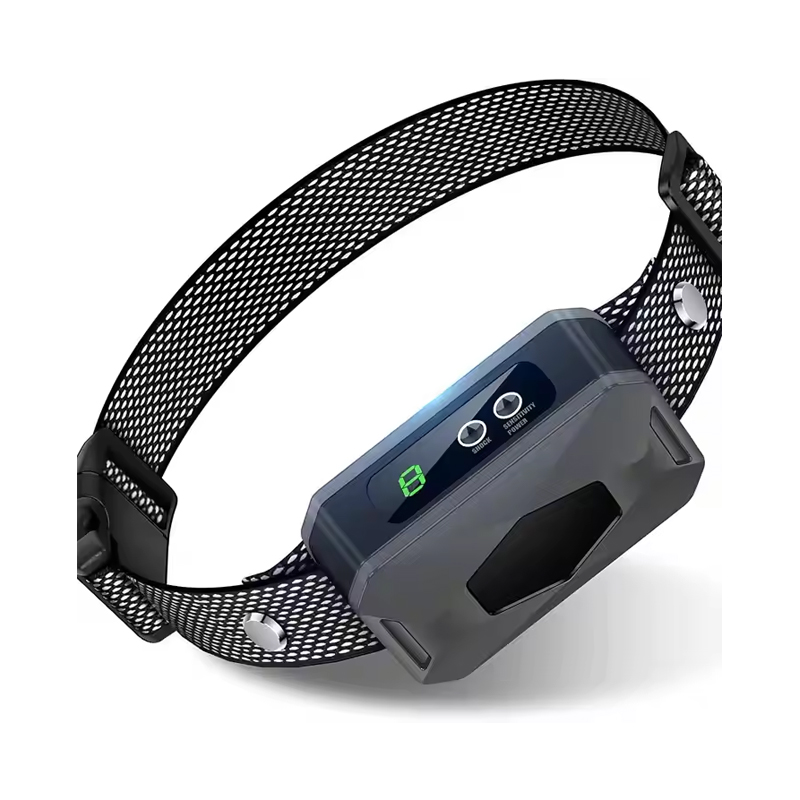
Remote Control Waterproof Training Shock Collar
The Remote Control Waterproof Training Shock Collar is an advanced training tool designed to help pet owners effectively manage their dogs’ behavior...
View More
Pet Products
If you have any questions, please
get in touch with us.
+86-13486854214
E-mail: [email protected]
Address: No. 258, Qingchuan Road, Huzhen Town, Jinyun County, Lishui City, Zhejiang Province
Copyright © Zhejiang Beijing Technology Co., Ltd.

OEM/ODM Smart Pet Care Factory