
 EN
EN  English
 Español
 Français
 Deutsch
 Nederlands

- Type:
- Industry News
- Date:
- 2026-03-24

Industry News
What Are the Types of Pet Grooming Products
What Are the Basic Grooming Products Every Pet Owner Should Know?
Pet grooming begins with a few essential tools. These items help maintain hygiene and comfort. They support healthy skin and coat.
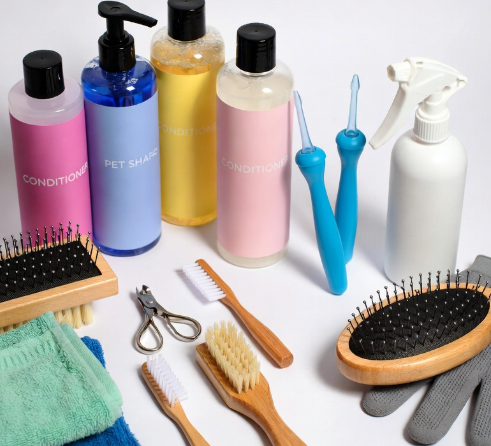
Shampoos and conditioners are the starting point. Shampoos remove dirt, debris, and odors. Conditioners soften the coat and reduce tangles. Some are formulated for sensitive skin or specific coat types.
Brushes and combs are equally important. They distribute natural oils, prevent matting, and remove loose hair. Different brush types suit different fur textures. Short-haired pets require a smooth bristle brush. Long-haired pets benefit from a wide-toothed comb or slicker brush.
Nail clippers keep paws healthy. Overgrown nails can cause discomfort or mobility issues. Regular trimming prevents scratches on humans and other pets.
Toothbrushes and dental chews also fall under basic grooming. Oral health is often overlooked but critical. Proper dental care can prevent bad breath and oral infections.
These basic products form the foundation of daily grooming. They address core hygiene needs while maintaining comfort and appearance.
How Do Specialized Grooming Products Enhance Pet Care?
Specialized grooming products step in where standard brushes, shampoos, and combs fall short, directly tackling the unique coat types, skin sensitivities, and hygiene quirks that individual pets often have.
- Detangling mists and leave-in conditioners — Ideal for long-haired, curly, double-coated, or mat-prone pets. A quick spray softens stubborn knots and tangles so the brush slides through with almost no resistance—cutting down on painful pulling, shortening grooming sessions dramatically, and making the whole experience much calmer for both pet and owner.
- Shine-boosting and static-control sprays — These finishing mists bring back a natural, healthy gloss, flatten pesky flyaways, kill static electricity (a big help in dry weather or heated homes), and leave fur feeling noticeably smoother and more pleasant to touch between full baths.
- Skin-calming and hydrating solutions — Whether lotions, soothing sprays, or targeted balms, they relieve dryness, flaking, mild redness, or itchiness. Consistent use strengthens the skin's natural barrier, cuts down on scratching that can lead to sores or bald patches, and gradually builds a fuller, shinier coat.
- Ear-cleaning liquids — Gentle, specially formulated solutions break up built-up wax, sweep away dirt and debris, and keep the ear canal environment balanced to help prevent smelly infections or yeast overgrowth. Regular cleaning is especially valuable for breeds with pendulous ears, narrow canals, or a track record of ear issues.
- Gentle eye wipes and tear-stain removers — Soft, pet-safe pads quickly wipe away crusty buildup, tear overflow, or those stubborn reddish-brown stains around the eyes. They're a daily essential for breeds with light-colored fur or prominent eyes, keeping the face clean, odor-free, and looking tidy without irritation or harsh rubbing.
Paired with everyday grooming essentials, these purpose-built products give owners sharper tools to handle their pet's specific needs—preventing painful mats before they form, soothing sensitive skin before it flares up, maintaining clear ears year-round, and keeping facial fur free of staining. The end result is a more comfortable pet, fewer trips to the vet for avoidable issues, and a coat and overall appearance that look and feel noticeably better with targeted, efficient care.
What Grooming Tools Are Essential for Different Fur Types?
Choosing the right grooming tools for your pet's specific coat type makes a huge difference in how effective—and how pleasant—the grooming process feels for both you and your pet.
- Short, smooth coats (e.g., Labrador, Boxer, Beagle, most domestic shorthairs) Soft-bristle brushes or grooming mitts/gloves work best. They gently sweep away loose undercoat and dead hair while spreading natural skin oils for a healthy shine. A rubber curry brush can also lift dirt and provide a light massage without causing irritation or over-stripping the coat.
- Medium-length or silky coats (e.g., Golden Retriever, Collie, Persian cats, some spaniels) A slicker brush is usually the go-to for reaching through the topcoat to the undercoat without snagging. Pair it with a wide-toothed comb for detangling ends and checking for hidden mats. These tools help maintain smoothness and prevent minor tangles from turning into bigger problems.
- Long, flowing, or double coats (e.g., Afghan Hound, Yorkshire Terrier, Siberian Husky, Maine Coon) Slicker brushes, undercoat rakes, and pin brushes become essential. The rake pulls out loose undercoat during shedding seasons without damaging the guard hairs, while a pin brush smooths the longer topcoat and adds volume. A wide-toothed comb is perfect for working through any emerging knots starting at the roots.
- Curly, wiry, or very dense coats (e.g., Poodle, Bichon Frise, Portuguese Water Dog, many terriers) De-matting combs, specialized curly-coat brushes, and detangling sprays are key. These coats mat quickly if not brushed regularly—often every few days—so tools that separate and loosen tight curls without ripping are critical. A metal de-matting comb with rounded tips helps break apart stubborn knots safely and painlessly.
- Clippers, trimmers, and blades for all coat lengths Adjustable clippers with snap-on guide combs or interchangeable blades let you trim evenly and safely—whether doing a full body clip on a curly breed, neatening paw pads and sanitary areas, or giving a light tidy-up to a long coat. Always match blade length and speed to the coat thickness to avoid burns, nicks, or uneven cuts.
When tools are matched to the fur type, grooming becomes faster, more thorough, and far less stressful. Pets are less likely to squirm, hide, or snap because there's minimal pulling or discomfort. The right equipment also keeps the coat healthier longer—reducing shedding, preventing mats, distributing oils evenly, and making your pet look and feel their best with every session.
How Do Grooming Products Support Health Beyond Appearance?
Good grooming isn't just about a shiny coat or neat appearance; it's one of the most effective forms of daily preventive care a pet can receive.
- Brushing does much more than remove loose fur — Consistent brushing pulls out dead undercoat and loose hairs, which means less shedding indoors and—especially for cats—far fewer swallowed hairs leading to hairballs, gagging, or vomiting. The brushing motion gently stimulates circulation in the skin, helps spread protective natural oils evenly, keeps the skin soft and less prone to dryness or cracking, and naturally conditions the coat so it stays healthy and glossy without extra products.
- Keeping nails short protects joints and posture — Nails that grow too long can curl, crack, or dig into the paw pads, causing pain with every step. Even worse, they force the pet to adjust how they walk or stand, putting ongoing strain on ankles, knees, hips, and even the back. Over months or years, this can contribute to limping, stiffness, or joint wear. Regular trimming (or dremeling) maintains proper foot alignment, reduces discomfort, and helps preserve normal movement patterns.
- Oral care guards against serious health risks — Using dental chews, brushing with pet-safe enzymatic toothpaste, or adding water supplements slows plaque and tartar formation that brushing misses. Cleaner teeth and healthier gums lower the odds of painful periodontal disease, tooth decay, foul breath, and—critically—the spread of oral bacteria through the bloodstream to vital organs like the heart, kidneys, and liver. Better mouth health supports comfortable eating, proper nutrition, and fewer systemic complications.
- Skin and coat care prevents bigger problems — Targeted shampoos, conditioners, soothing sprays, or medicated wipes keep skin clean and balanced, easing dryness, itchiness, redness, or early signs of allergies and infections. A well-moisturized, intact skin barrier resists bacteria, yeast, and parasites more effectively, reduces obsessive scratching that creates open sores, and stops small irritations from turning into chronic hot spots, hair loss, or widespread dermatitis.
- Routine grooming as long-term health insurance — When owners stay on top of brushing, nail care, dental routines, ear cleaning, and skin checks, they spot tiny issues before they escalate—dry patches, budding mats, early tartar, wax buildup, or subtle limping from long nails. Early intervention means fewer painful flare-ups, less need for emergency vet trips or medications, lower lifetime healthcare costs, reduced stress for the pet, and a noticeably higher quality of life that can contribute to living longer and stronger.
What Role Do Professional Grooming Products Play?
Professional grooming products serve a distinct purpose compared to typical consumer versions, primarily because they are engineered for heavy, repeated use in professional environments.
Unlike standard at-home items, professional-grade clippers, shears, and brushes are built for superior durability, sharper performance, and greater precision while prioritizing the safety of both the pet and the groomer.Shampoos, conditioners, and treatments generally contain stronger concentrations of active ingredients, allowing them to clean thoroughly, condition deeply, and address specific coat or skin needs more effectively—even on dogs and cats that require frequent bathing.Finishing products such as detangling sprays, shine-enhancing solutions, deodorizing mists, and coat stylers are formulated to deliver noticeable results: sleeker texture, enhanced shine, better manageability, and longer-lasting presentation.
These professional lines are also created to withstand regular, high-frequency application without causing dryness, irritation, or cumulative damage to the coat or skin.Groomers routinely layer and combine several products in a strategic sequence to achieve optimal coat health, structural support, and polished appearance simultaneously.Pet owners can benefit by adopting select professional-grade tools and products, along with techniques used, to elevate the quality and effectiveness of their at-home grooming routines.
How Do Natural and Organic Grooming Products Differ?
Natural and organic grooming products are distinguished mainly by their avoidance of synthetic or potentially harsh ingredients, appealing to owners who want gentler, more environmentally aligned options for their pets.
Many pet parents turn to these lines to steer clear of common additives such as sulfates, parabens, artificial colors, synthetic fragrances, and petroleum-derived compounds that can sometimes contribute to skin sensitivity or long-term irritation.
Natural shampoos and conditioners typically draw on plant-based cleansers (like those from coconut, corn, or sugar sources), herbal infusions, and botanical extracts instead of aggressive chemical surfactants. This approach often translates to reduced stripping of natural oils, less dryness after bathing, and a lower chance of triggering itching, redness, or allergic flare-ups—particularly beneficial for pets with reactive or delicate skin.
Moisturizing elements in these formulas usually come from naturally derived oils and butters—think coconut, olive, argan, shea, or aloe vera—rather than lab-created silicones or quaternary compounds that can coat the hair shaft and lead to buildup with repeated use.
In the oral care category, organic or natural dental products lean toward ingredients like mint, parsley, neem, cinnamon, enzymes from plant sources, or soft abrasives derived from natural materials. These help control plaque and freshen breath while keeping chemical exposure to a minimum compared to conventional formulas that may include stronger synthetic agents or artificial flavorings.
Many natural grooming sprays, coat fresheners, and deodorizers emphasize biodegradable formulations and plant-origin actives. Brands in this space frequently package in recyclable, minimal-waste, or compostable materials, which attracts owners who prioritize reducing their pet-care environmental footprint.
Especially for animals with known allergies, chronic dermatitis, or chemical sensitivities, natural and organic grooming products often serve as a safer, kinder choice. They still deliver essential cleaning, odor management, coat conditioning, and overall hygiene without the higher risk of discomfort or adverse reactions that some pets experience with conventional grooming lines.
How Do Accessories and Lifestyle Products Complement Grooming?
Grooming extends beyond cleaning and brushing. Certain accessories enhance overall care.Bathing tools like tubs, mats, and non-slip pads make the experience safer and less stressful. Towels and drying gloves reduce water contact with the skin.Coat protectants, pet clothing, and brushes help manage shedding in indoor environments. They reduce hair accumulation on furniture and floors.Fragrances and deodorizing sprays add a finishing touch. They maintain a fresh scent between washes.Training aids like grooming gloves can help pets acclimate to brushing and trimming. Positive experiences reduce resistance and improve cooperation.Together, these lifestyle products complement grooming routines. They ensure pets remain healthy, clean, and comfortable while supporting owners in maintaining care habits.
Common Categories of Pet Grooming Products
| Category | Purpose | Typical Use | Suitable Pet Types |
|---|---|---|---|
| Shampoo & Conditioner | Clean and soften coat | Bathing | All fur types |
| Brushes & Combs | Detangle and distribute oils | Daily brushing | Short, medium, long fur |
| Nail Clippers & Files | Trim nails | Nail care | Dogs, cats |
| Dental Products | Reduce plaque | Tooth brushing & chews | Dogs, cats |
| Detangling Sprays | Prevent mats | Pre-brushing | Long or curly fur |
| Skin Treatments | Soothe irritation | Spot application | Sensitive skin |
| Ear & Eye Care | Clean debris | Routine hygiene | Dogs, cats |
| Bathing Accessories | Safe washing | Tub or mat use | All pets |
What Trends Are Shaping Pet Grooming Products?
Demand for natural and eco-friendly options keeps rising, with more shampoos, conditioners, and sprays using plant-based, biodegradable ingredients that reduce chemical exposure and environmental impact.
Technology is upgrading everyday tools—quiet-running clippers, low-vibration motors, self-cleaning electric brushes, and ergonomic handles make grooming less stressful for pets and easier on owners'hands and wrists.High-performance clippers, blades, shedding tools, and finishing sprays are widely available in consumer kits.
Online video tutorials, grooming apps, and curated subscription boxes make it simpler to learn techniques, stay consistent, and try new product combinations or seasonal formulas without guesswork.Modern grooming items increasingly blend health benefits, safety features, and visual appeal—consumers want gentle, skin-friendly formulas that clean effectively, control odors, reduce shedding or mats, and leave coats shiny and soft, all in fewer steps.
Related Products
-
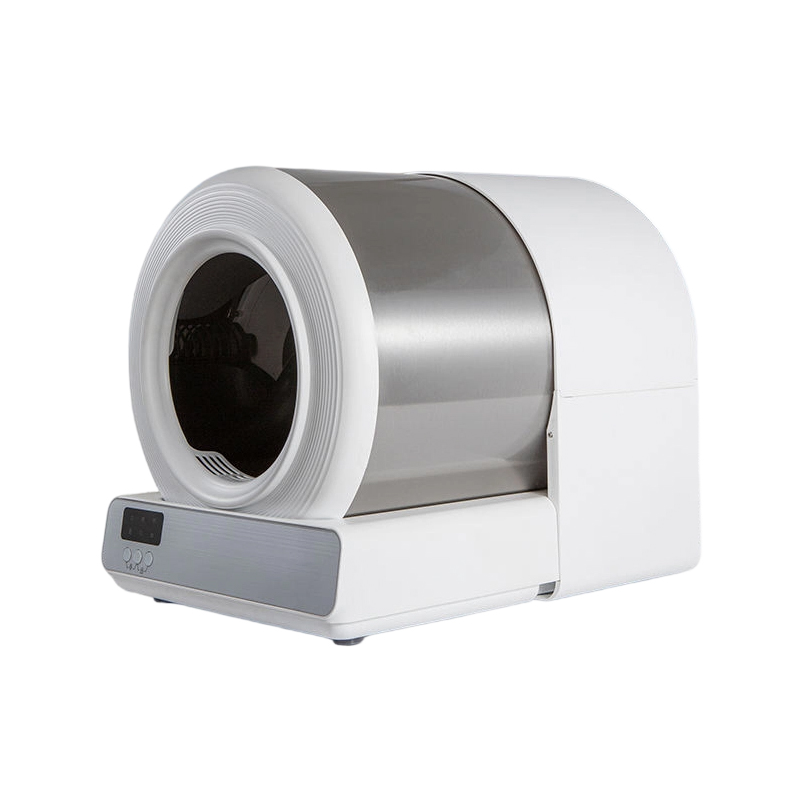
Cat Litter Tray For Multiple Cats Automatic Cat Litter Tray
Cat Litter Tray for Multiple Cats Automatic Cat Litter Tray – Product Features The high-pressure washable, safety-focused design facilitates compr...
View More -
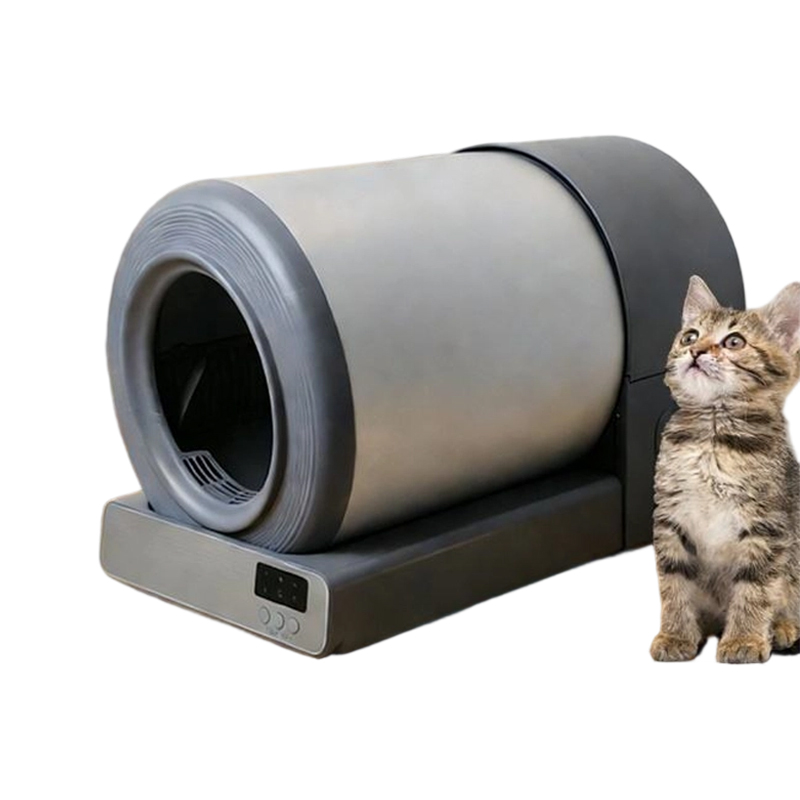
Self-Cleaning Stainless Steel Smart Cat Litter Tray
Self-Cleaning Stainless Steel Smart Cat Litter Tray – Product FeaturesThe preferred choice for non-profit organisations; compatible with open-top bi...
View More -
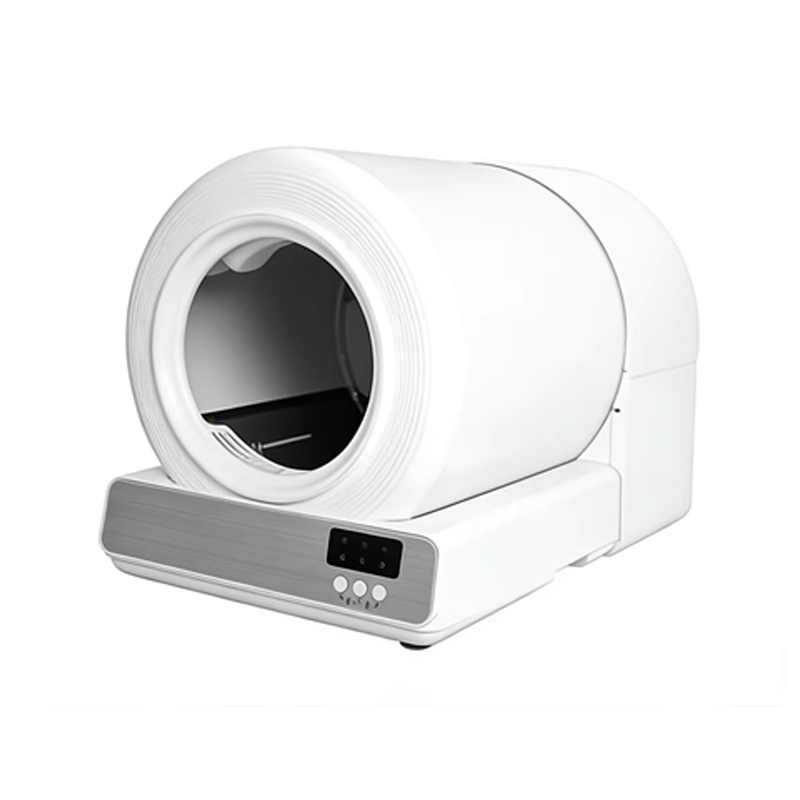
Second-Generation Fully Automatic Cat Litter Tray
Second-Generation Fully Automatic Cat Litter Tray – Product Features With a large 65-litre capacity, it easily accommodates a substantial amount of ...
View More -
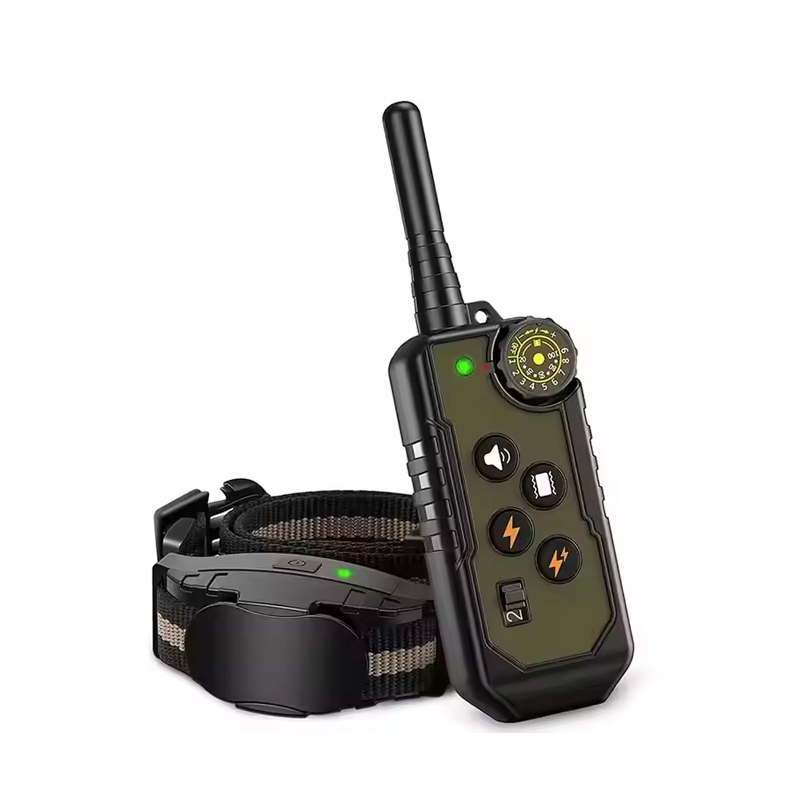
Multi-Mode Easy To Operate Training Shock Collar
The Multi-mode, easy-to-operate training Shock Collar is designed to provide a practical solution for owners seeking a safe and effective way to train...
View More -
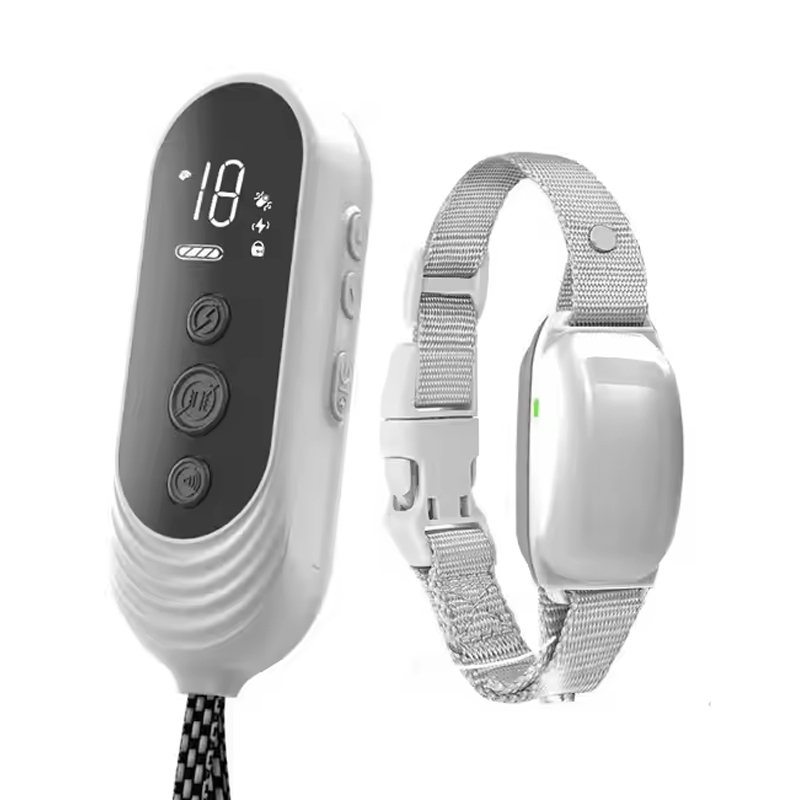
Waterproof Adjustable Polyester Training Shock Collar
The Waterproof Adjustable Polyester Training Shock Collar offers a reliable solution for pet owners seeking a versatile and durable collar to enhance ...
View More -

Display Remote Control Training Shock Collar
The Display Remote Control Training Shock Collar is designed to provide pet owners with a reliable and humane solution for training their dogs. Whethe...
View More -
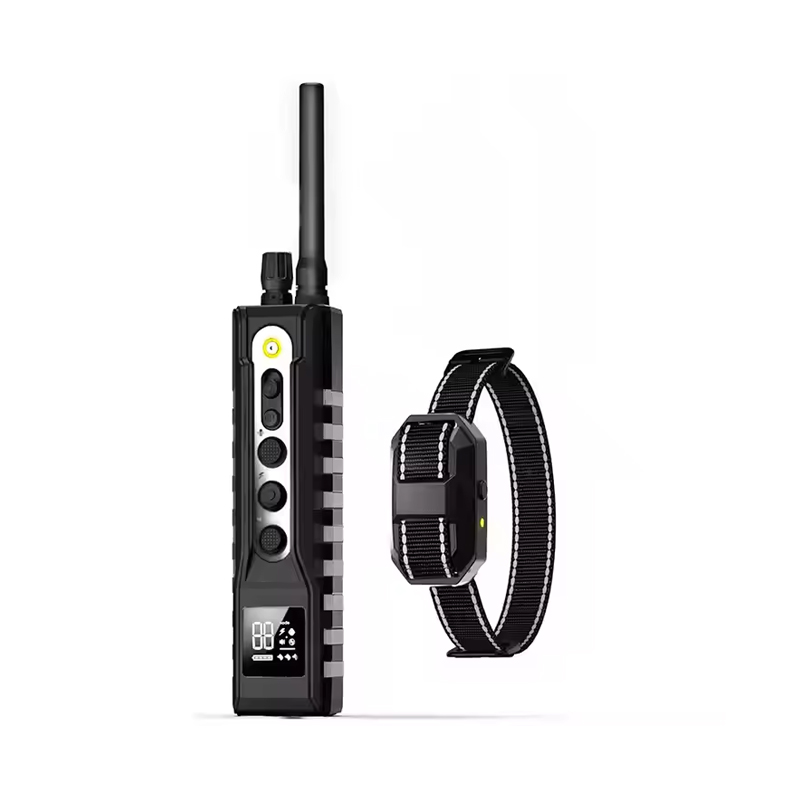
Multi-Function Long Distancetraining Shock Collar
The Multi-function Long Distance Training Shock Collar is a highly versatile tool designed to support your dog’s training across various environment...
View More -

Remote Control Waterproof Training Shock Collar
The Remote Control Waterproof Training Shock Collar is an advanced training tool designed to help pet owners effectively manage their dogs’ behavior...
View More
Pet Products
If you have any questions, please
get in touch with us.
+86-13486854214
E-mail: [email protected]
Address: No. 258, Qingchuan Road, Huzhen Town, Jinyun County, Lishui City, Zhejiang Province
Copyright © Zhejiang Beijing Technology Co., Ltd.

OEM/ODM Smart Pet Care Factory