
 EN
EN  English
 Español
 Français
 Deutsch
 Nederlands

- Type:
- Industry News
- Date:
- 2025-12-26

Industry News
How Pet Smart Appliances Balance Convenience and Pet Comfort
The pet care industry is undergoing a quiet shift. Homes are changing. Lifestyles are moving faster. Expectations around animal welfare are rising. Within this environment, smart pet appliances have moved from novelty items to everyday household tools. Industry discussions no longer focus only on convenience. Comfort, emotional well-being, and natural behavior now sit at the center of product development conversations.
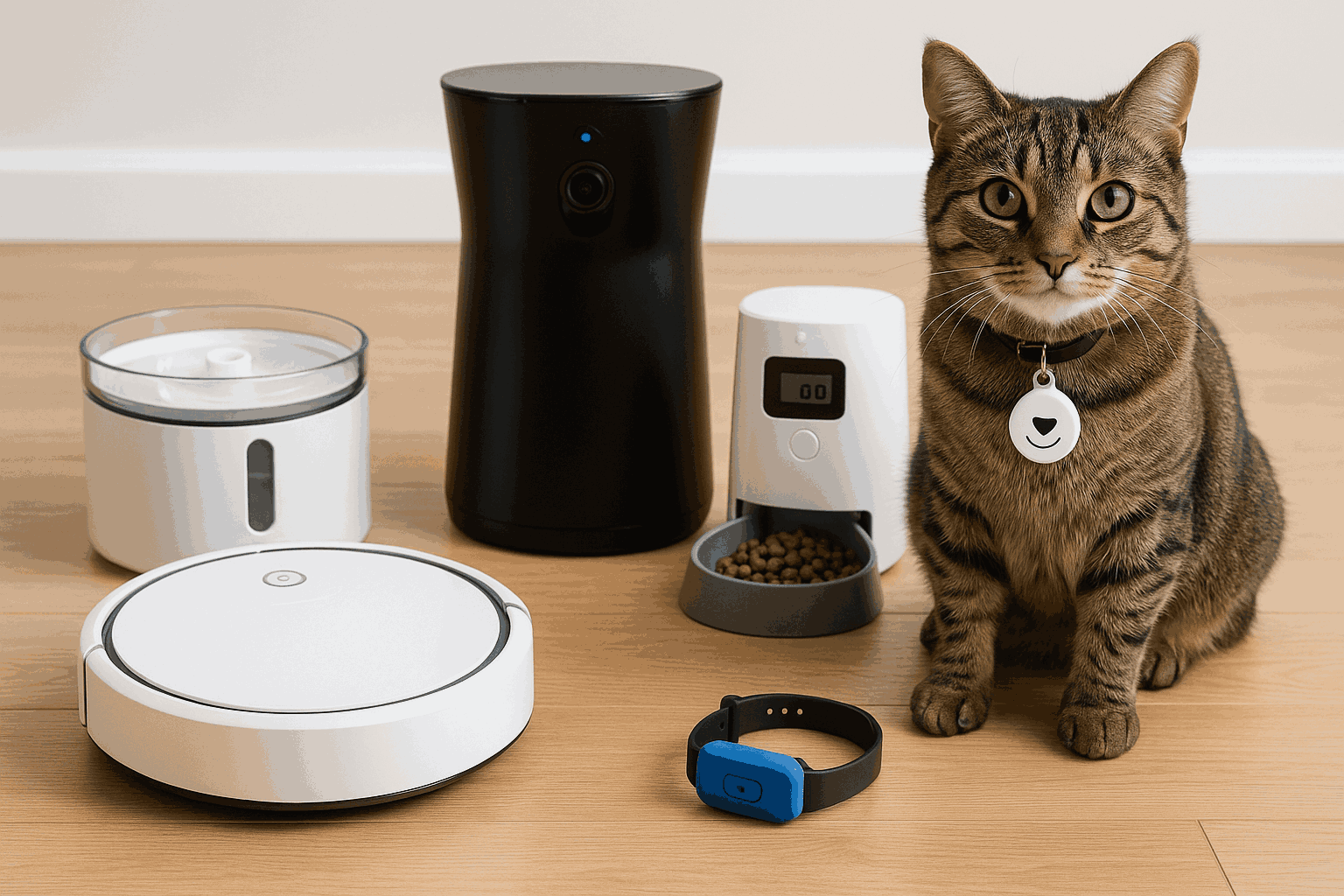
This balance between owner ease and animal comfort defines the current direction of smart pet appliance innovation. It also raises important questions for manufacturers, retailers, and consumers alike. How can automation simplify care routines without turning pets into passive users of machines? How can technology support daily needs while respecting instinct, choice, and comfort? We believe the answer lies in the design philosophy, not just the technology itself.
Why the change in thinking?
Early pet appliances focused heavily on solving human problems. Missed feeding times. Messy living spaces. Limited availability during workdays. These tools reduced effort, but often ignored the animal's experience.
That approach has changed. Industry conversations now emphasize coexistence rather than control. Smart pet appliances are increasingly framed as supportive systems rather than replacements for care.
This shift reflects broader changes in consumer behavior. Pet owners expect products to reflect emotional awareness. Industry professionals recognize that long-term acceptance depends on how pets respond, not just how owners benefit.
As a result, convenience is no longer measured only by saved time. It is measured by reduced stress, smoother routines, and improved daily interactions between pets and their environments.
How to explore this balance through key aspects?
To understand this harmony, consider several facets where convenience and comfort intersect.
1.Automation in Daily Tasks
Automation streamlines chores like feeding or cleaning. Owners set preferences once, and the appliance takes over. Pets experience consistency, which builds trust and reduces confusion. For instance, a feeder that releases food gradually encourages slower eating, aiding digestion while freeing up owner time.
2.Remote Monitoring
Apps connect owners to their pets in real time. A quick glance shows if everything is calm. Pets feel less isolated through voice features that mimic familiar tones. This setup maintains a bond without physical presence, blending human schedules with animal needs.
3.Adaptive Responses
Many appliances learn from patterns. If a pet plays more in the evening, a toy might activate then. Owners appreciate the hands-off approach. Pets get stimulation that matches their rhythm, avoiding boredom or fatigue.
4.Sensory Considerations
Sounds and lights in appliances are tuned softly. Owners control intensity via settings. Pets avoid harsh surprises, staying relaxed in their space.
5.Space Integration
These devices fit into home layouts without clutter. Owners place them conveniently. Pets navigate around them easily, treating them as part of the environment.
| Aspect | Convenience for Owners | Comfort for Pets |
|---|---|---|
| Automation | Reduces manual effort | Provides reliable routines |
| Remote Monitoring | Allows checks from anywhere | Offers familiar interactions |
| Adaptive Responses | Minimizes adjustments | Matches natural behaviors |
| Sensory Tuning | Customizable controls | Prevents overwhelming stimuli |
| Space Fit | Easy placement | Seamless integration into daily life |
This structure shows the dual focus without favoring one over the other.
How to design around natural behavior?
Comfort begins with understanding behavior. Industry research and observation show that pets respond best to tools that align with instinct rather than override it.
Smart pet appliances increasingly adapt to existing habits instead of forcing new ones. Feeding systems release food in predictable patterns. Cleaning devices operate quietly or during low-activity periods. Grooming tools are designed to resemble familiar motions.
This design direction reflects a key industry insight. Pets accept technology more easily when it feels familiar. Comfort is achieved not through complexity, but through subtle alignment with routine.
Manufacturers now prioritize movement patterns, sound levels, and visual cues that feel natural. These considerations may not appear in marketing headlines, but they influence long-term product success.
How did quiet operation become the industry standard?
Noise has become a central topic in industry discussions. Pets often react strongly to unfamiliar sounds. Early automated devices sometimes caused anxiety due to sudden movement or mechanical noise.
Industry trends show a clear move toward quieter operation. Appliances now focus on smooth motion, gradual activation, and reduced vibration. This benefits both pets and owners.
Quiet design serves a dual purpose. It supports comfort by minimizing stress triggers. It also improves convenience by allowing devices to operate without disrupting the household environment.
This balance illustrates how comfort-driven design often enhances convenience rather than limiting it.
Why is predictability more important than surprise?
Unpredictable behavior creates stress. This applies to animals as much as humans. Industry observers note that smart pet appliances now prioritize consistency over novelty.
Feeding tools follow stable schedules. Cleaning systems avoid sudden activation. Interactive devices respond in expected ways.
Predictability allows pets to build trust. Over time, appliances become part of the environment rather than external disturbances.
For owners, predictability means fewer interruptions and less monitoring. Convenience increases because systems require less intervention once pets accept them as routine elements.
How to respect the right to choose and autonomy?
Another important industry theme involves autonomy. Comfort is closely tied to the ability to choose.
Modern smart pet appliances are increasingly designed to allow pets to engage on their own terms. Feeding systems allow flexible access windows. Activity tools respond to interaction rather than forcing it. Rest areas integrate smart features without restricting movement.
This approach reflects a growing understanding that comfort is not passive. Pets feel more secure when they control engagement.
From a convenience perspective, autonomy reduces behavioral resistance. Owners spend less time correcting avoidance or stress responses.
How to strike a balance between automation and human interaction?
Industry voices often stress that smart pet appliances should not replace human care. Instead, they should enhance it.
Automation handles routine tasks. Owners remain responsible for observation, bonding, and emotional support. This balance is increasingly reflected in how products are positioned.
Smart appliances free time rather than eliminate interaction. They reduce repetitive work, allowing owners to focus on quality moments.
Comfort improves when pets associate technology with neutral or positive experiences, while emotional needs are met through human connection.
Why are materials and tactile feel so important?
Comfort is physical as well as emotional. Industry design discussions highlight the role of materials.
Surfaces that feel natural. Textures that avoid irritation. Shapes that fit common postures. These elements influence how pets interact with appliances over time.
Convenience also benefits from thoughtful material choices. Durable surfaces reduce maintenance. Easy-to-clean finishes support hygiene without frequent effort.
This intersection of comfort and practicality demonstrates how design decisions serve both audiences simultaneously.
How to adapt to different family environments?
Industry news often highlights the diversity of modern pet households. Single pets. Multiple pets. Mixed species. Varying living spaces.
Smart pet appliances now aim for adaptability rather than uniform solutions. Adjustable settings. Flexible layouts. Responsive systems.
Comfort improves when appliances adjust to different personalities and social dynamics. Convenience improves when one system works across varied scenarios.
This adaptability reduces the need for multiple devices, simplifying care routines without compromising individual comfort.
Why does visual design evoke a sense of comfort?
Visual simplicity plays a growing role in industry trends. Appliances that blend into home environments reduce visual stress for both pets and owners.
Soft colors. Rounded forms. Minimal indicators. These choices create a calmer atmosphere.
From an industry perspective, visual comfort supports adoption. Pets are less likely to react defensively to unfamiliar objects. Owners feel more comfortable integrating appliances into living spaces.
Convenience increases because devices do not require constant adjustment or concealment.
How to create a flexible rather than rigid schedule?
Scheduling remains a key convenience feature. Industry evolution shows a move away from rigid timing toward adaptive routines.
Appliances now operate within flexible windows rather than fixed moments. This reflects real-life variability.
Pets benefit from reduced pressure. Owners benefit from systems that accommodate changing schedules.
This approach demonstrates how convenience and comfort are not opposing goals. When systems reflect real behavior, both sides gain.
Why use an emotion-oriented design language?
Industry messaging has also evolved. Language around smart pet appliances increasingly emphasizes care rather than control.
This shift reflects a deeper design philosophy. Appliances are framed as helpers, not supervisors. They support well-being rather than enforce behavior.
Comfort increases when pets experience devices as neutral companions. Convenience increases when owners trust systems to operate gently and responsibly.
This alignment between language and function reinforces acceptance at every level.
Key Industry Focus Areas in Smart Pet Appliance Design
| Design Focus Area | Impact on Pet Comfort | Impact on Owner Convenience |
|---|---|---|
| Quiet operation | Reduces stress responses | Allows unobtrusive use |
| Predictable routines | Builds trust | Lowers monitoring needs |
| Flexible interaction | Supports autonomy | Minimizes resistance |
| Gentle materials | Enhances physical comfort | Simplifies cleaning |
| Adaptive scheduling | Aligns with habits | Fits varied lifestyles |
Trust as the Final Measure
Balance is measured by trust. Trust from pets expressed through calm behavior. Trust from owners reflected in reliance.
Smart pet appliances earn that trust when convenience supports comfort rather than competes with it.
This principle now guides the industry forward, shaping products that fit naturally into homes, routines, and relationships without demanding attention or adjustment.The evolution continues quietly, one thoughtful design choice at a time.
Related Products
-
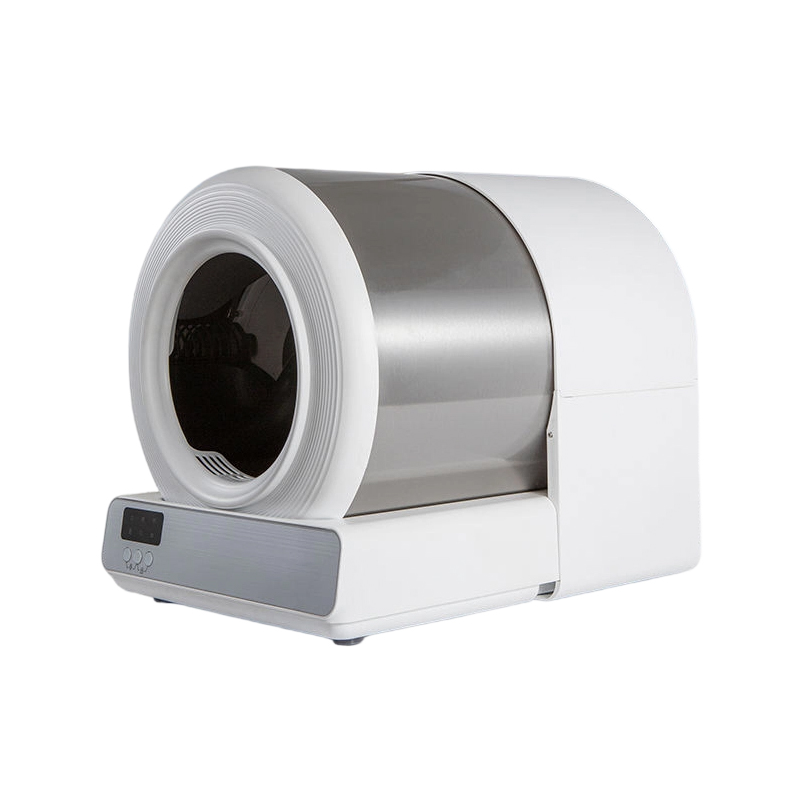
Cat Litter Tray For Multiple Cats Automatic Cat Litter Tray
Cat Litter Tray for Multiple Cats Automatic Cat Litter Tray – Product Features The high-pressure washable, safety-focused design facilitates compr...
View More -
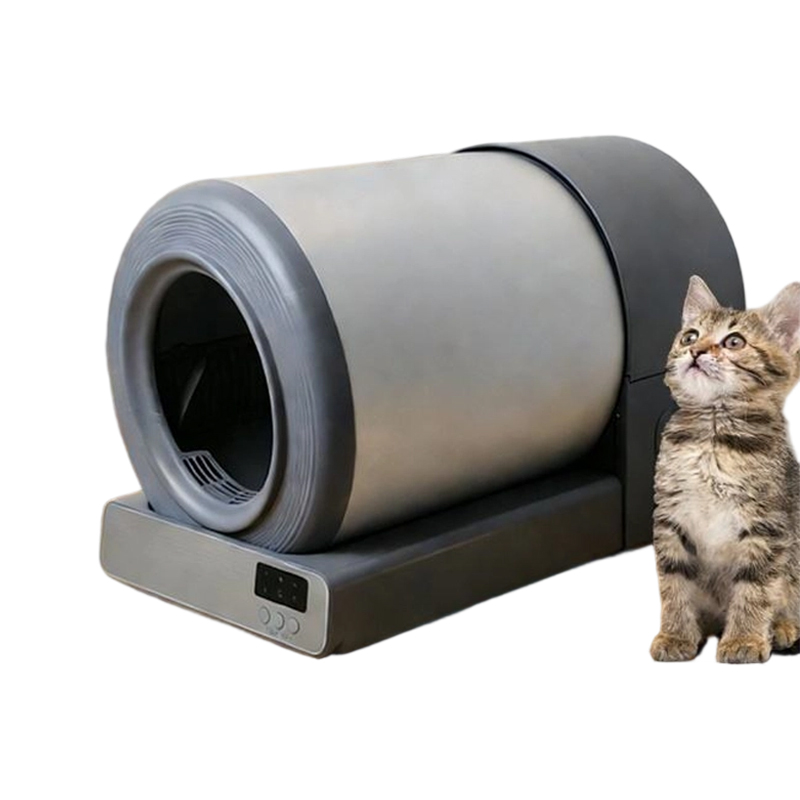
Self-Cleaning Stainless Steel Smart Cat Litter Tray
Self-Cleaning Stainless Steel Smart Cat Litter Tray – Product FeaturesThe preferred choice for non-profit organisations; compatible with open-top bi...
View More -
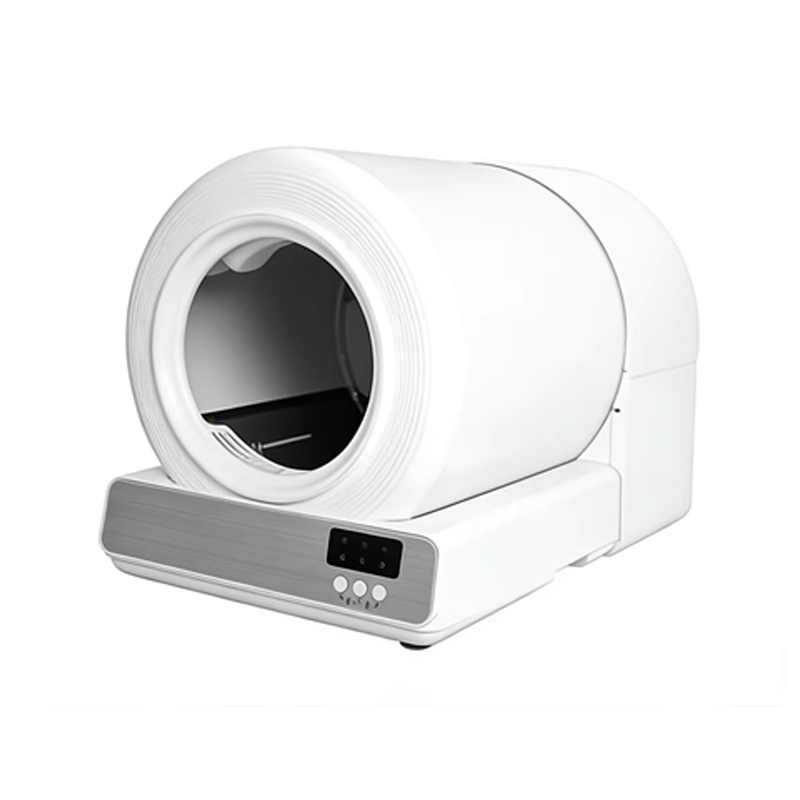
Second-Generation Fully Automatic Cat Litter Tray
Second-Generation Fully Automatic Cat Litter Tray – Product Features With a large 65-litre capacity, it easily accommodates a substantial amount of ...
View More -
Multi-Mode Easy To Operate Training Shock Collar
The Multi-mode, easy-to-operate training Shock Collar is designed to provide a practical solution for owners seeking a safe and effective way to train...
View More -
Waterproof Adjustable Polyester Training Shock Collar
The Waterproof Adjustable Polyester Training Shock Collar offers a reliable solution for pet owners seeking a versatile and durable collar to enhance ...
View More -
Display Remote Control Training Shock Collar
The Display Remote Control Training Shock Collar is designed to provide pet owners with a reliable and humane solution for training their dogs. Whethe...
View More -
Multi-Function Long Distancetraining Shock Collar
The Multi-function Long Distance Training Shock Collar is a highly versatile tool designed to support your dog’s training across various environment...
View More -
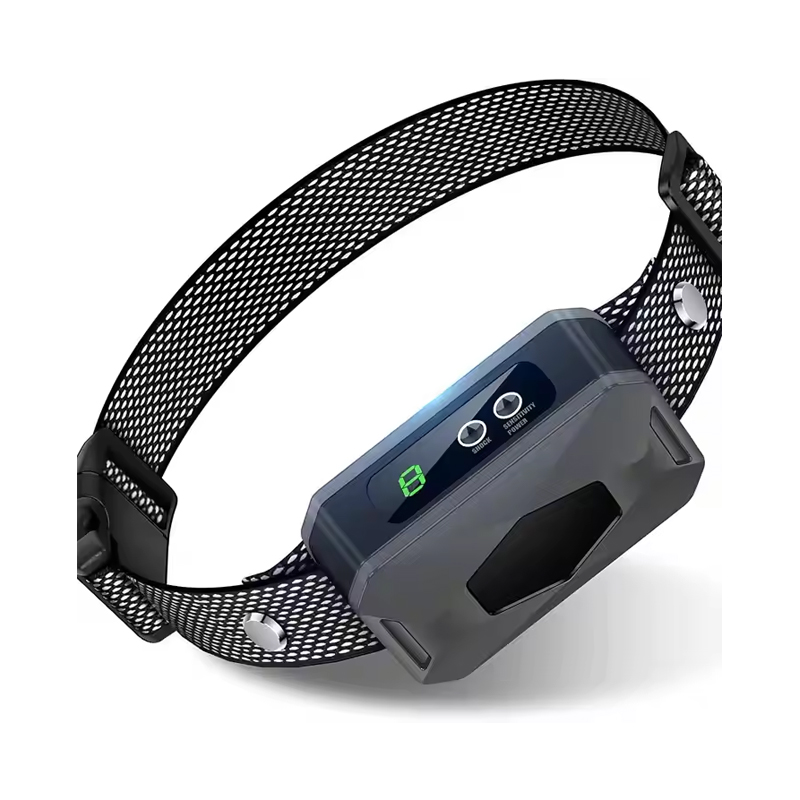
Remote Control Waterproof Training Shock Collar
The Remote Control Waterproof Training Shock Collar is an advanced training tool designed to help pet owners effectively manage their dogs’ behavior...
View More
Pet Products
If you have any questions, please
get in touch with us.
+86-13486854214
E-mail: [email protected]
Address: No. 258, Qingchuan Road, Huzhen Town, Jinyun County, Lishui City, Zhejiang Province
Copyright © Zhejiang Beijing Technology Co., Ltd.

OEM/ODM Smart Pet Care Factory