
 EN
EN  English
 Español
 Français
 Deutsch
 Nederlands

- Type:
- Industry News
- Date:
- 2025-12-23

Industry News
Pawtechpet Intelligent Pet Water Dispenser: Is it Worth Buying
Pet health is closely related to water intake. Water is an indispensable resource in their daily lives; proper hydration not only maintains normal bodily functions but also prevents various health problems. With the increasing number of household pets, smart pet water fountains have become an important tool in pet care. They provide a continuous supply of clean, flowing water and help owners manage their pets' drinking habits.
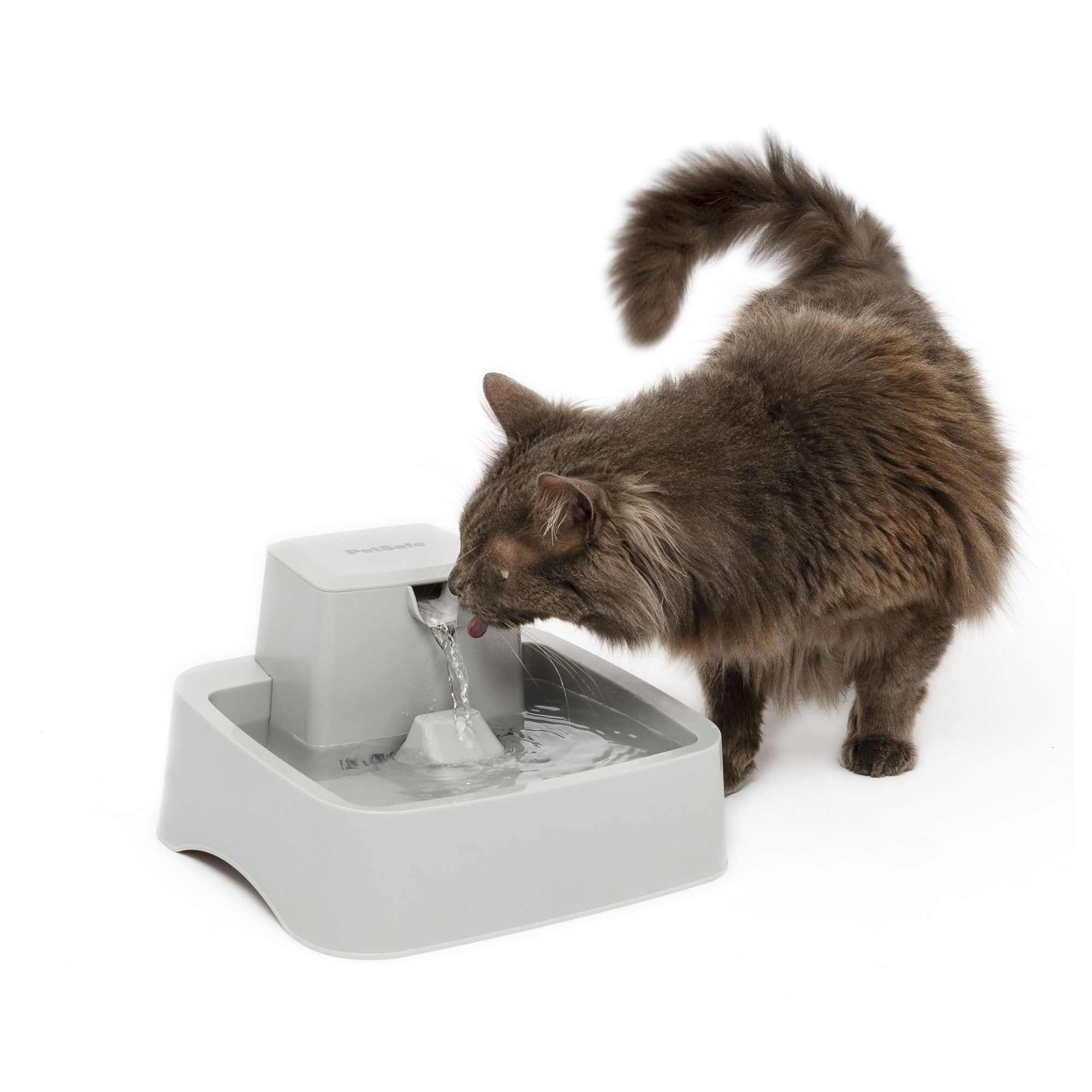
What materials are smart pet water dispensers made of?
There are three common materials: food-grade plastic, stainless steel, and ceramic, each with a different feel.
- Food-grade plastic is the lightest, allowing for smooth and aesthetically pleasing designs, making it easy to move around the living room or kitchen.
- Stainless steel is generally used for the inner tank and spout, and even claws won't leave a mark on it.
- Ceramic feels heavy and stable on the ground, and can naturally cool the water slightly in the summer.
For pets, plastic won't impart any strange taste to the water; stainless steel doesn't rust and feels comfortable on their tongues; and the smooth surface of ceramic makes it difficult for bacteria to hide.
Durability also depends on the material: plastic is resistant to drops and less likely to crack; stainless steel is resistant to biting; and ceramic needs to be handled carefully to avoid chipping.
The easiest to clean are plastic and stainless steel; a quick rinse is enough. Ceramic requires soaking for a longer time.
What are the functions of a smart pet water fountain?
Smart water fountains are designed with convenience and health management in mind. Here are the main functions:
- Automatic water replenishment: The water tank maintains a constant water level, preventing dryness or stagnant water.
- Circulating water flow: The water continuously circulates, simulating a natural water source and encouraging pets to drink.
- Filtration system: Multi-layer filters remove hair, impurities, and some odors, ensuring clean water quality.
- Additional monitoring functions: Some models can monitor water levels or water consumption, helping owners observe their pets' health.
- Multi-pet compatibility: A reasonable water outlet and partitioned design meet the drinking needs of multiple pets simultaneously.
| Function | Purpose | Use Scenario |
|---|---|---|
| Automatic refill | Maintain water level | Homes with busy schedules |
| Flowing circulation | Encourage drinking | Picky or hesitant pets |
| Multi-layer filter | Clean water | All pets |
| Water/volume monitoring | Health tracking | Pet wellness management |
| Zoning design | Multi-pet use | Homes with multiple pets |
What changes can a smart pet water dispenser bring to your pet's health?
Many pet owners have reported noticeable positive changes in their pets' overall health after consistently using a smart water dispenser. Here's an explanation of these changes across several key dimensions:
1. Significantly reduced risk of urinary tract diseases
Cats naturally have a low thirst drive, and chronically high urine concentration is one of the main causes of lower urinary tract diseases. The flowing water design effectively stimulates drinking interest, and pets using the water dispenser typically increase their daily water intake significantly. Urine color changes from dark yellow to almost transparent, reducing the probability of crystal and stone formation in the bladder.
2. Noticeable improvement in skin and coat
Sufficient water intake directly helps maintain a balance in skin oil secretion. Problems such as dry skin, increased dandruff, and dull, lifeless fur, commonly caused by dehydration, are often alleviated after using the water dispenser for several weeks to months. With sufficient body hydration, sebaceous gland secretion becomes normal, neither dry nor oily, and hair follicles are stronger, promoting new hair growth.
3. Reduced hairball problems
Increased water intake keeps the gastrointestinal tract more hydrated, making it easier for ingested hair to be expelled with feces rather than accumulating in the stomach. Long-haired cats particularly benefit, with the frequency of hairball vomiting decreasing from weekly to rarely monthly, reducing the reliance on hairball remedies or special foods. Constipation or hard stools also improve.
4. Control of environmental allergens
Frequent licking of fur by pets is one of the main sources of dander protein in the air. The clean, flowing water provided by the dispenser reduces the pet's motivation to excessively lick their fur due to thirst. The water surface filtration system also intercepts some dander and hair fragments, reducing the total amount of inhalable allergens indoors. For family members with allergies, the frequency and severity of symptoms such as rhinitis, itchy eyes, and nighttime coughing are usually reduced.
5. Improved overall vitality and activity levels
Sufficient hydration helps maintain blood circulation, joint fluid secretion, and body temperature regulation. After consistent water intake, older dogs and cats experience reduced morning stiffness, increased daily activity range, and a more active mental state. Some owners also observed a decrease in their pets' bad breath and improved moisture levels in their paw pads and noses. These details collectively reflect an improvement in the body's hydration status.
6. Other accompanying positive changes:
- Increased urine volume and frequency, indirectly confirming increased water intake.
- Enhanced oral self-cleaning ability, slowing down the rate of plaque buildup.
- Improved bowel movements, resulting in less frequent and less odorous defecation.
- Significantly reduced nighttime noises caused by thirst or licking, leading to improved sleep quality for the owners.
What are the usage methods and working principles of a smart pet water dispenser?
Using a smart pet water dispenser is simple and intuitive, but mastering the methods can improve its effectiveness.
- Installation and Setup: Place the water dispenser in an area where your pet frequently spends time, and connect it to a power source or charging device.
- Adding Water: Fill the water tank with clean tap water or filtered water.
- Starting the Circulation System: The circulation pump starts working, causing the water to flow continuously within the tank.
- Filtration Process: The water flows through multiple filter layers, removing impurities, hair, and some odors.
- Daily Monitoring: Monitor the water level and water consumption, and refill and clean the dispenser as needed.
Pets may need some time to adapt to the smart water dispenser. Usually, through observation and positive reinforcement, they can get used to it within a few days to a week.
How can we balance the advantages with the potential drawbacks?
Advantages of smart pet water dispensers:
- Automatic water replenishment reduces the burden of frequent refilling for pet owners.
- Flowing water attracts pets to drink, increasing their water intake.
- The water quality is significantly improved, eliminating the "stale" taste. Hair, dust, and saliva proteins are filtered out, ensuring safe drinking water.
Potential disadvantages include:
- The filter needs to be replaced regularly, increasing maintenance costs.
- Some pets may initially be averse to the sound of the water flow or the new device.
- If left for more than three days, the standard capacity may be insufficient, requiring frequent refilling.
Solutions:
- Choose a model with a capacity suitable for your household to avoid frequent refilling.
- Gradually introduce the device to your pet and use positive reinforcement to help them adapt.
- Replace the filter regularly to maintain filtration efficiency and water quality.
| Common Complaints | Real-Life Experience | One-Sentence Fix |
|---|---|---|
| Filter needs regular replacement | Water gets cloudy and smells bad | Stock up on spares + set a phone reminder; one swap lasts a whole month |
| Pet scared on day one | Walks circles around it, won't drink | Turn off the pump, fill with still water + drop treats nearby; most pets accept it within three days |
| Not enough water for multiple pets / long trips | Constantly refilling | Go straight for the large-capacity model or just run two units side by side |
With proper selection and use, the advantages of smart pet water dispensers can be fully realized while avoiding potential problems.
How to Encourage Scientific Use and Interaction?
When pets use a smart water dispenser for the first time, they need a period of adjustment. Owners can help their pets adapt to the new device in the following ways:
- Place the water dispenser in a frequently used area to allow the pet to naturally interact with it.
- Provide a regular water bowl alongside the smart dispenser so the pet can compare the two drinking methods.
- Use treats or rewards to encourage the pet to try the water dispenser.
- Observe the pet's drinking behavior and adjust the water level and position as needed to improve the pet's comfort.
Through scientific guidance and interaction, pets can quickly adapt to the smart water dispenser and develop regular drinking habits.
How to better maintain and care for your smart pet water dispenser?
- Empty the remaining water from the bowl daily and wash it with warm water and a soft brush.
- Thoroughly disassemble and clean the water tank, pump impeller, and filter slot weekly.
- A soft brush and warm water are sufficient. For stubborn limescale, soak it in white vinegar for ten minutes. Do not use strong acids or alkalis for cleaning.
- Clean the stainless steel inner liner with a microfiber cloth; do not use steel wool, as it can easily scratch the surface.
- Always unplug the power before cleaning to prevent pets from biting the cord.
- Regularly check if the filter is clogged and if the water flow is even.
Through these measures, the water dispenser can maintain clean, stable, and safe drinking water for a long time.
Which aspects should you focus on most when making a purchase?
- Is the water circulation continuous, is the filtration effective, and is the water replenishment stable?
- Is the material odorless and does it remain undeformed after prolonged immersion in water?
- Is the disassembly and cleaning structure simple, and is the filter replacement convenient?
- Do the water output method and capacity match the number and size of your pets?
- What is the durability of the device, the cost-effectiveness of consumables, and the speed of after-sales
| Core Value | Focus Points | Function/Benefit |
|---|---|---|
| Feature Completeness | Automatic refill / circulation / filtration | Enhance drinking convenience |
| Safety & Health | Safe materials, odor-free | Ensure pet drinking safety |
| Ease of Use | Easy to clean and operate | Reduce owner’s workload |
| Pet Adaptability | Flowing water, suitable capacity | Increase pet’s drinking interest |
| Long-term Maintenance Cost | Durability, filter replacement cycle | Lower long-term usage burden |
Related Products
-
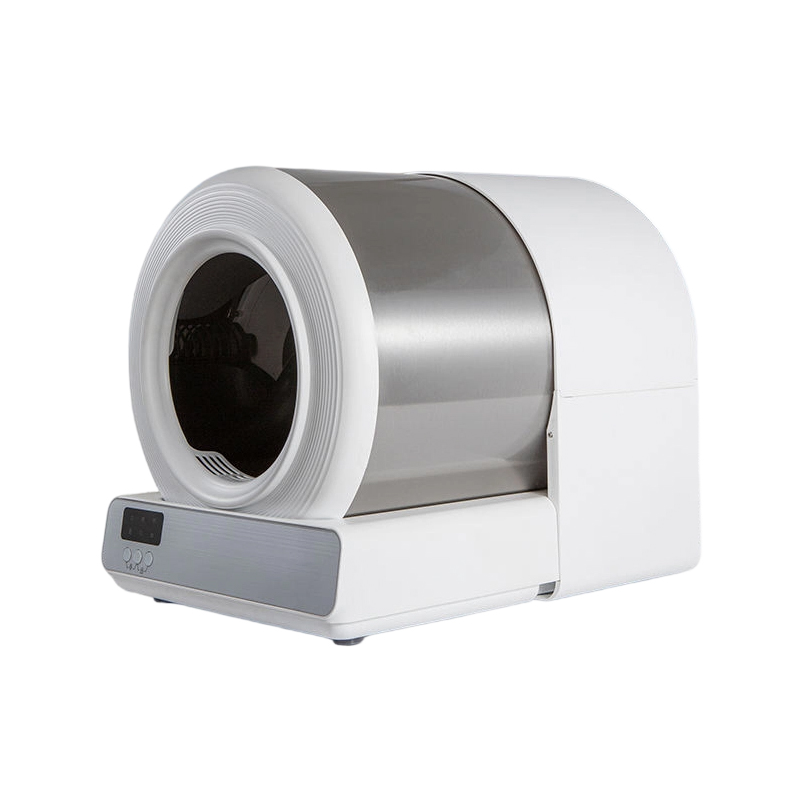
Cat Litter Tray For Multiple Cats Automatic Cat Litter Tray
Cat Litter Tray for Multiple Cats Automatic Cat Litter Tray – Product Features The high-pressure washable, safety-focused design facilitates compr...
View More -
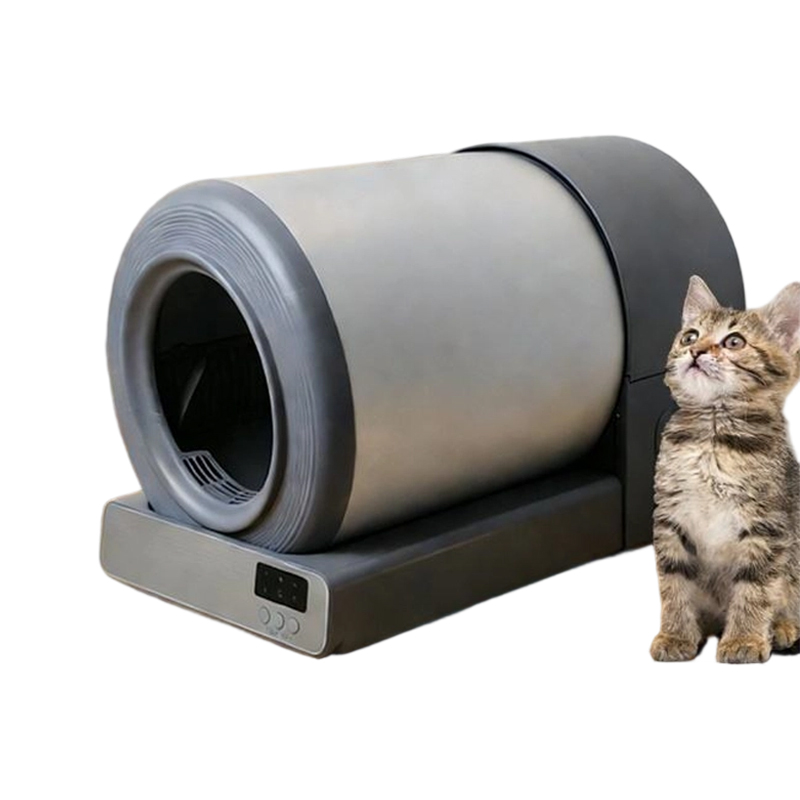
Self-Cleaning Stainless Steel Smart Cat Litter Tray
Self-Cleaning Stainless Steel Smart Cat Litter Tray – Product FeaturesThe preferred choice for non-profit organisations; compatible with open-top bi...
View More -
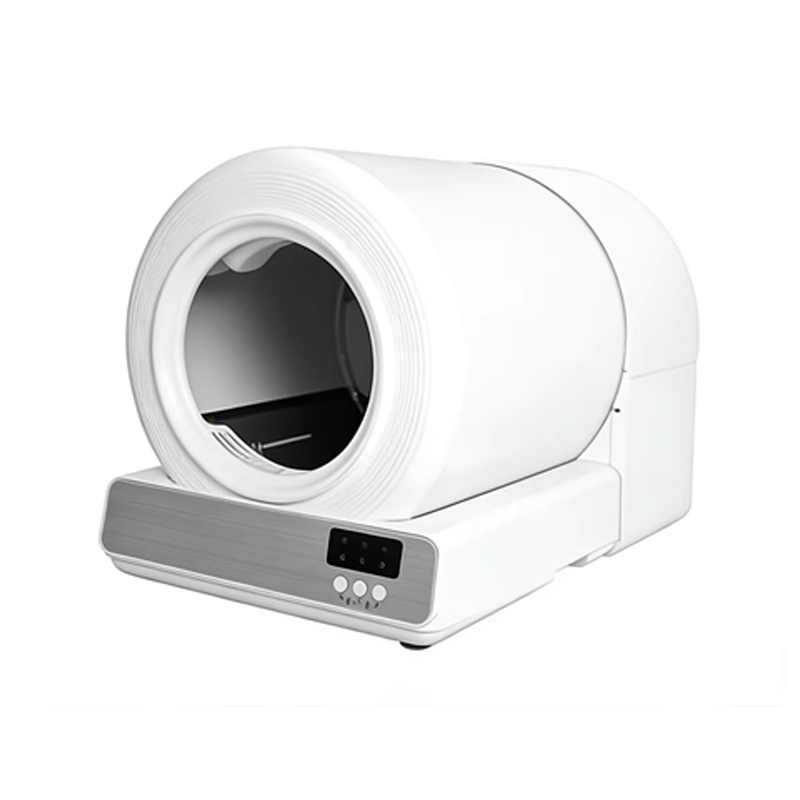
Second-Generation Fully Automatic Cat Litter Tray
Second-Generation Fully Automatic Cat Litter Tray – Product Features With a large 65-litre capacity, it easily accommodates a substantial amount of ...
View More -
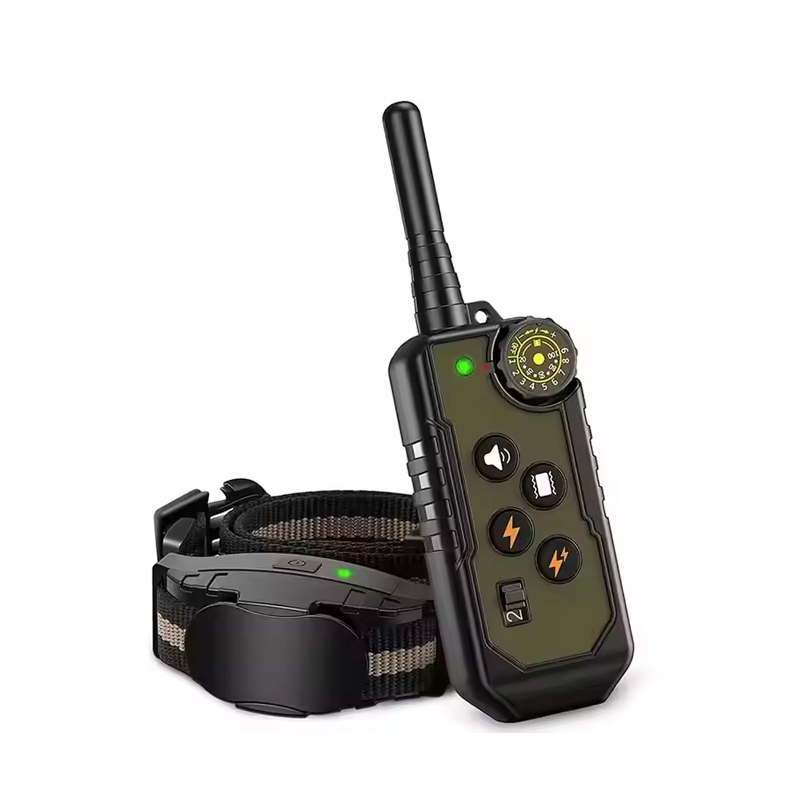
Multi-Mode Easy To Operate Training Shock Collar
The Multi-mode, easy-to-operate training Shock Collar is designed to provide a practical solution for owners seeking a safe and effective way to train...
View More -
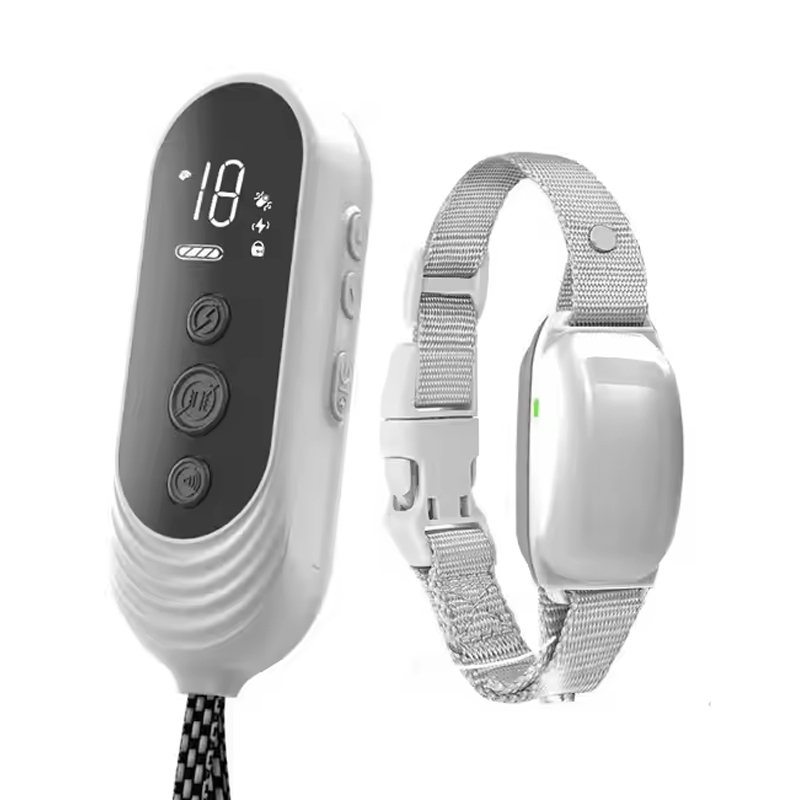
Waterproof Adjustable Polyester Training Shock Collar
The Waterproof Adjustable Polyester Training Shock Collar offers a reliable solution for pet owners seeking a versatile and durable collar to enhance ...
View More -
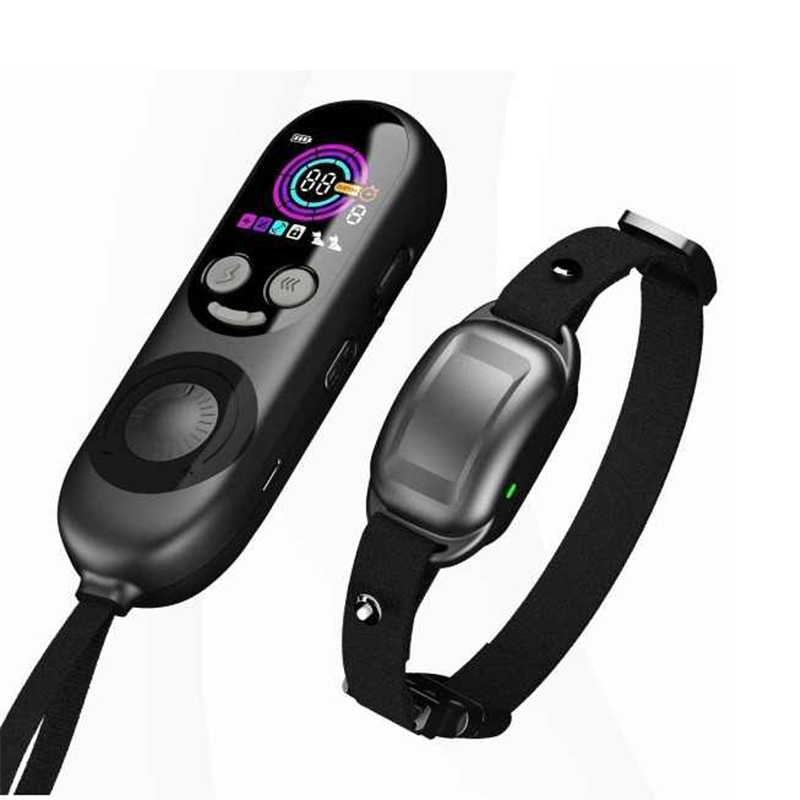
Display Remote Control Training Shock Collar
The Display Remote Control Training Shock Collar is designed to provide pet owners with a reliable and humane solution for training their dogs. Whethe...
View More -
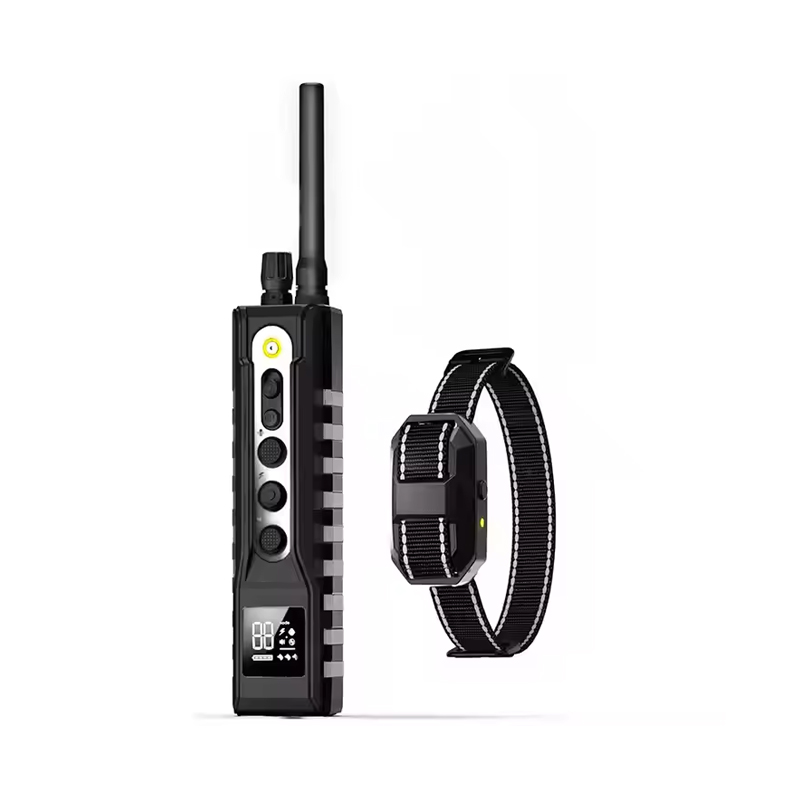
Multi-Function Long Distancetraining Shock Collar
The Multi-function Long Distance Training Shock Collar is a highly versatile tool designed to support your dog’s training across various environment...
View More -
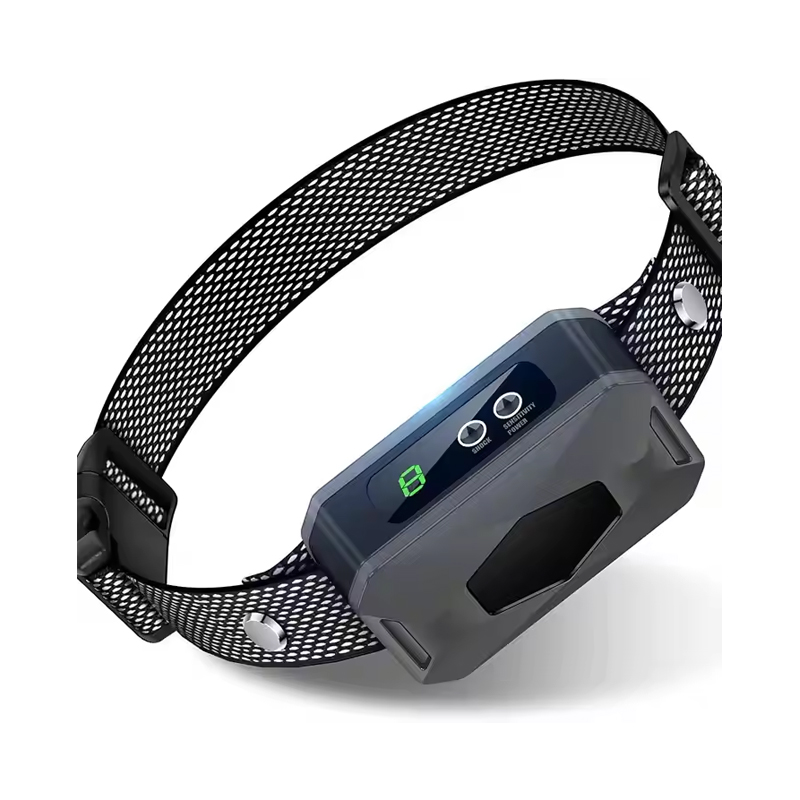
Remote Control Waterproof Training Shock Collar
The Remote Control Waterproof Training Shock Collar is an advanced training tool designed to help pet owners effectively manage their dogs’ behavior...
View More
Pet Products
If you have any questions, please
get in touch with us.
+86-13486854214
E-mail: [email protected]
Address: No. 258, Qingchuan Road, Huzhen Town, Jinyun County, Lishui City, Zhejiang Province
Copyright © Zhejiang Beijing Technology Co., Ltd.

OEM/ODM Smart Pet Care Factory