
 EN
 English
 Español
 Français
 Deutsch
 Nederlands


- Type:
- Industry News
- Date:
- 2026-11-06

Industry News
How to Choose Hair Dryers Pets for Thick Undercoats
A husky stepping out of the bath can look fluffy and dry on top while the fur near the skin stays soaked. That hidden dampness makes grooming slower and can leave the animal chilled or restless. Owners and groomers who understand how a dense coat holds water can choose better methods and use Hair Dryers Pets with more care for the animal’s comfort.
Why Does a Thick Undercoat Take Longer to Dry?
A thick undercoat is made of many fine hairs packed close to the skin, sitting beneath longer guard hairs. Water settles between these hairs after a bath and stays there even when the surface feels nearly dry to the touch.
Coat structure also changes how air travels. When hair is tightly packed, airflow may pass over the outer layer without reaching the roots. Long guard hairs add another barrier, so a dry-looking surface does not confirm that the job is done.
| Coat Feature | Drying Challenge |
|---|---|
| Dense undercoat | Holds moisture near the skin |
| Long outer hair | Blocks access to inner layers |
| Fine texture | Forms closely packed layers |
| Heavy coverage | Needs attention across more areas |
| Folds or overlap | Retains moisture during grooming |
Moisture is rarely even across the body. The neck, chest, belly, legs, and hindquarters each dry at a different pace, so each area needs its own check.
How Can Trapped Moisture Affect Skin and Coat?
Dampness close to the skin makes a pet feel cool and unsettled after grooming. A coat that stays wet for a long time also becomes harder to brush, because wet hair clings together and turns small tangles into tighter ones. Brushing a wet, tangled coat roughly pulls on the skin and can hurt.
Skin deserves attention too. Some pets have sensitive skin or mild irritation that shows up after a bath. Moisture does not explain every skin problem, but a damp, dense coat makes it harder to keep the skin clean and comfortable.
Signs worth noting include:
- Hair near the roots still feels wet.
- Sections stay clumped together.
- The pet keeps stepping away from the drying area.
- The skin looks red or feels unusually warm.
- Dampness remains where the coat overlaps.
These signs help decide whether to continue drying or pause. Persistent irritation, an unusual smell, or clear discomfort calls for a veterinarian’s opinion.
Why Does Airflow Matter for Dense Fur?
Airflow carries moisture out of the coat, but pointing it only at the surface does little for a dense undercoat. The air has to get between the layers, which is why groomers work in sections instead of aiming at the whole body at once.
Direction matters. Moving the air along the lie of the coat helps separate hair and exposes damp patches. A controlled approach also lets the groomer watch how the fur responds.
Tools differ. Some give gentle finishing air, while others provide stronger moving air for removing water from heavy coats. The right one depends on the pet’s size, coat, sensitivity, and reaction to noise. Hair Dryers Pets should be chosen with the animal’s comfort in mind, since strong airflow suits some pets and frightens others. A nervous dog may need a slow introduction, and a sensitive area may need a softer setting.
How Should Groomers Work Through a Thick Undercoat?
Working section by section keeps the outer coat from hiding wet areas underneath. Before drying, check for loose hair, tangles, and mats. Large knots should not be yanked. A mat close to the skin needs a professional groomer’s assessment.
A practical routine looks like this:
- Check the coat for tangles and problem areas.
- Remove surface water with a towel, pressing instead of rubbing.
- Introduce the sound and airflow gradually.
- Work through small sections.
- Watch the skin and the pet’s behavior.
- Recheck places where moisture collects.
- Brush and finish gently.
Keep the routine flexible. Some pets tolerate drying well, while others need breaks or a quieter room. Continuing a fixed routine while the animal shows stress helps nobody.
What Makes Drying Different for Double-Coated Pets?
Double-coated breeds such as huskies, retrievers, and collies carry a protective outer coat over a softer undercoat. The outer layer sheds water fairly well, while the inner layer holds it, which explains why the top can feel dry while the base stays damp.
Loose undercoat hair also gathers during bathing and drying, making the surface look uneven. Removing it carefully improves airflow and brushing. Coat density, shedding pattern, age, skin condition, and tolerance for handling all shape the method.
| Stage | Consideration |
|---|---|
| Before bathing | Check for loose hair and tangles |
| After bathing | Remove water without rough rubbing |
| During drying | Reach inner layers gradually |
| During brushing | Work gently to avoid pulling |
| After drying | Check for damp areas and skin condition |
Shaving a double coat is not a general fix for slow drying. The coat protects the animal, and removing it without good reason may change how it serves that purpose. Discuss major coat changes with a qualified groomer or veterinarian.
How Can Groomers Keep Pets Comfortable?
Noise, unfamiliar equipment, moving air, handling, and long periods of standing all affect how a pet copes. Some animals react to a dryer’s sound, while others dislike air near the face, ears, paws, or tail.
Begin with the dryer held away from the pet so the animal can hear it. Bring the airflow closer gradually, and let the pet’s reaction set the pace. A stable, non-slip surface helps the animal stand securely. Good ventilation prevents a stuffy room, and a quiet setting reduces distractions.
Useful practices include:
- Let the pet become familiar with the equipment.
- Keep strong airflow away from the face and ears.
- Hold the animal in a stable, comfortable position.
- Pause when the pet becomes restless or frightened.
- Handle sensitive areas gently.
- Watch for panting, heavy drooling, or other signs of overheating.
Temperature needs attention. Warm air speeds drying, but too much heat can irritate skin. Follow the equipment instructions and keep checking the pet instead of assuming one setting suits the whole session.
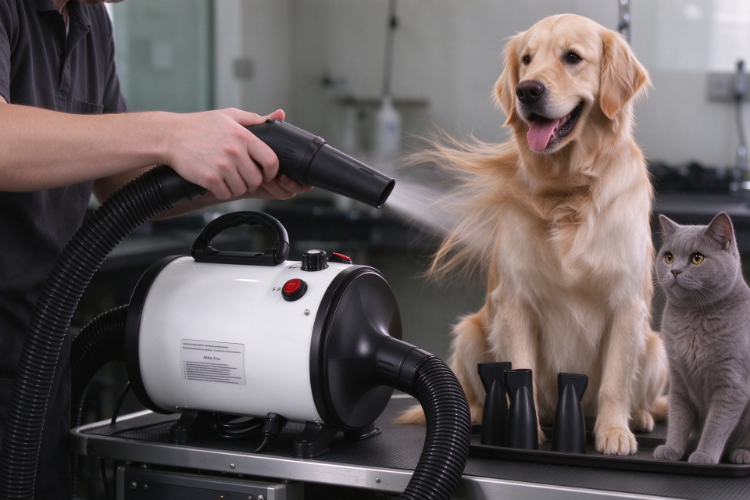
How Should Owners Choose Hair Dryers Pets for Thick Undercoats?
Start with the animal’s coat. A tool that works on a short, fine coat may not serve a dense undercoat. Airflow, temperature control, noise, handling, and cleaning all deserve a look.
Adjustable airflow gives control over different body areas. Temperature options help with heat-sensitive pets. Noise matters for anxious animals. Nozzle and hose design influence how easily a groomer reaches the hindquarters or the chest, and a comfortable handle reduces arm fatigue during longer sessions.
| Factor | What to Consider |
|---|---|
| Airflow control | Can it be adjusted for different areas? |
| Temperature options | Can excessive heat be avoided? |
| Noise | Is the sound manageable for the pet? |
| Nozzle design | Does air reach dense areas easily? |
| Cleaning | Can hair and dust be removed? |
| Handling | Is it comfortable to operate? |
Read product descriptions carefully and follow the manufacturer’s instructions. Confirm that the dryer is intended for animal grooming, since a household hair dryer may not suit every pet or coat. Professional groomers should also consider how often the equipment will run and whether routine cleaning is simple.
What Common Drying Mistakes Should Be Avoided?
Rushing is the usual cause. When the outer coat feels dry, it is tempting to stop, which leaves moisture behind and makes the coat harder to manage later. Excess heat is another concern, because a pet on a grooming table cannot always move away from uncomfortable air. Rough brushing of wet, tangled hair causes discomfort and stresses the skin.
Other habits to avoid:
- Holding airflow in one spot for too long.
- Using strong airflow before the pet accepts the sound.
- Ignoring damp areas under the outer coat.
- Brushing through tight mats without checking them.
- Leaving the pet unattended while equipment runs.
- Using equipment in ways its instructions do not allow.
A careful routine works better than a fast one. Adjust the method to the coat, the equipment, and the animal’s response.
How Can Regular Coat Care Make Bath-Day Drying Easier?
Drying begins before the bath. Regular brushing removes loose undercoat and reveals tangles that tighten when wet. It also lets owners notice changes in skin or coat. A suitable brush or comb separates hair without pulling, and extra care helps in tangle-prone spots such as behind the ears, under the legs, around the neck, and near the tail.
Bathing frequency should reflect the coat, skin condition, and activity level. Bathing too often does not suit every animal, while waiting too long lets dirt and loose hair build up.
After the bath, check by touch instead of appearance. Run a hand through different sections and feel close to the skin, especially in dense areas. Owners who find grooming takes unusually long, or who notice repeated skin problems, can ask a professional groomer or veterinarian for advice. A routine that respects the natural structure of the coat supports the animal’s comfort and makes each bath easier than the last.
Related Products
-
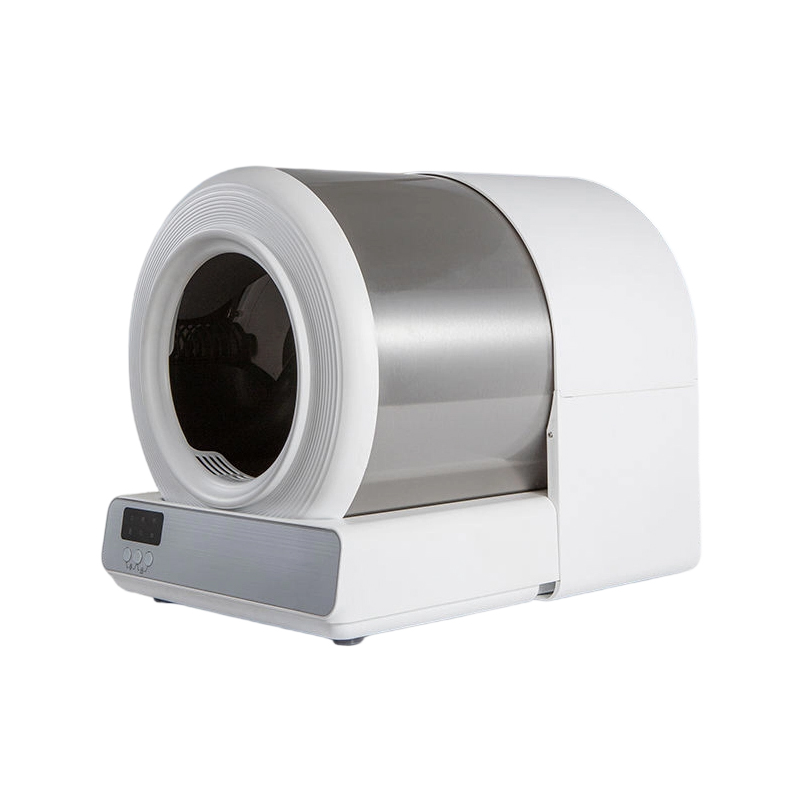
Cat Litter Tray For Multiple Cats Automatic Cat Litter Tray
Cat Litter Tray for Multiple Cats Automatic Cat Litter Tray – Product Features The high-pressure washable, safety-focused design facilitates compr...
View More -
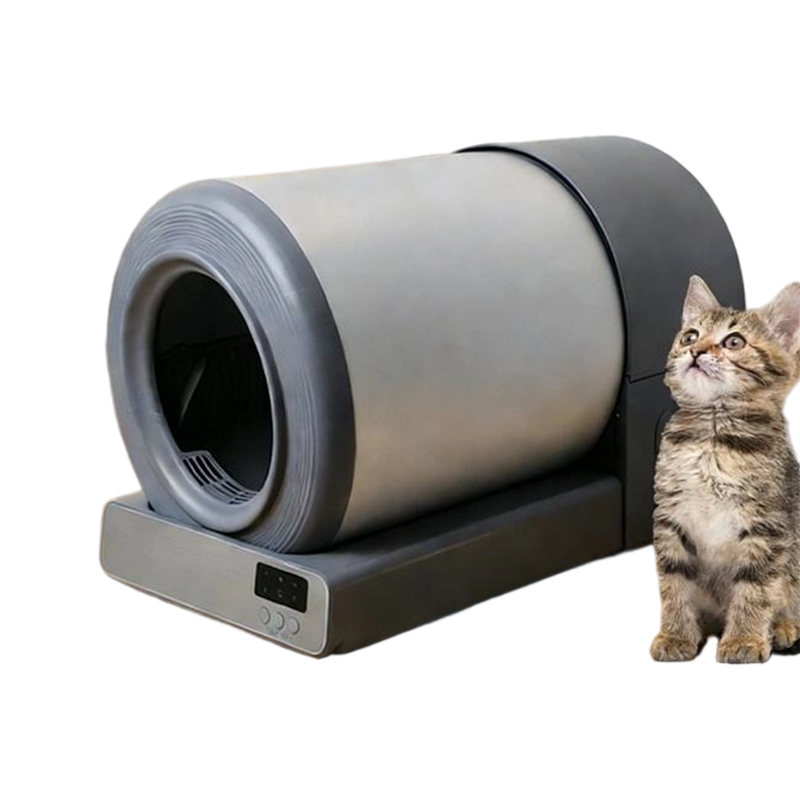
Self-Cleaning Stainless Steel Smart Cat Litter Tray
Self-Cleaning Stainless Steel Smart Cat Litter Tray – Product FeaturesThe preferred choice for non-profit organisations; compatible with open-top bi...
View More -
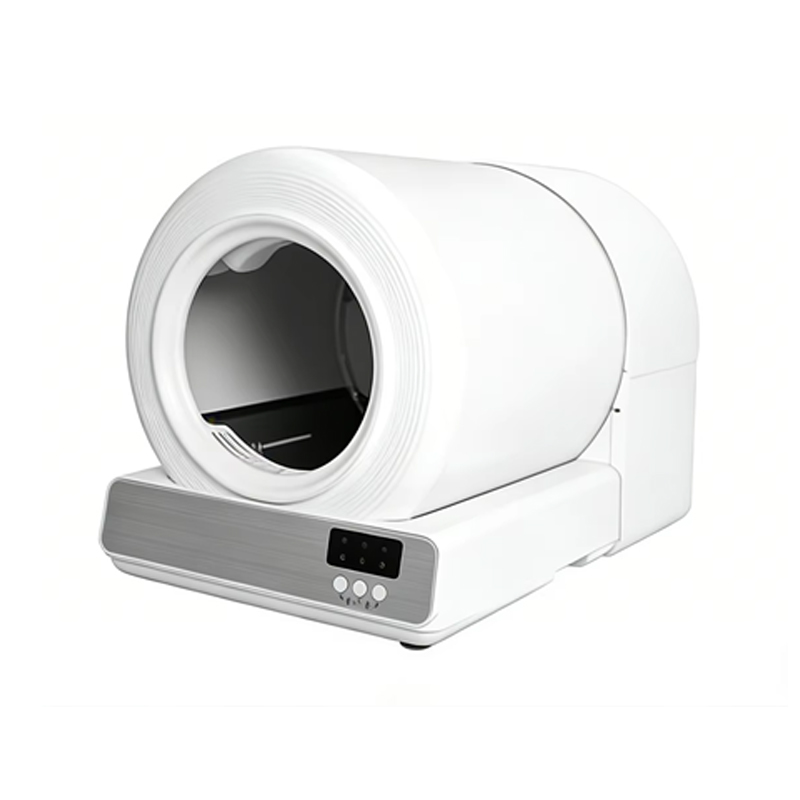
Second-Generation Fully Automatic Cat Litter Tray
Second-Generation Fully Automatic Cat Litter Tray – Product Features With a large 65-litre capacity, it easily accommodates a substantial amount of ...
View More -
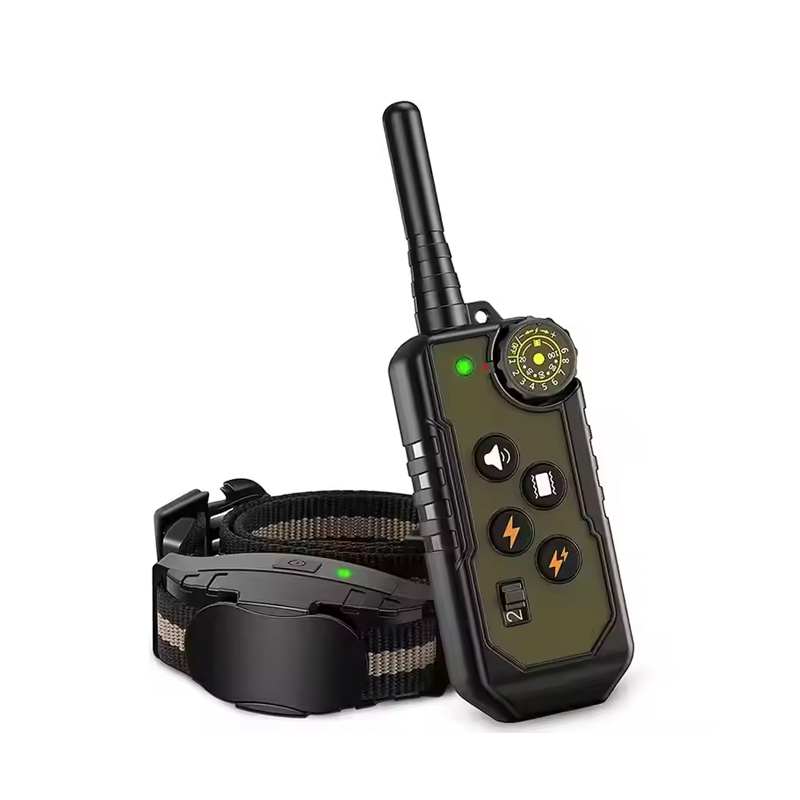
Multi-Mode Easy To Operate Training Shock Collar
The Multi-mode, easy-to-operate training Shock Collar is designed to provide a practical solution for owners seeking a safe and effective way to train...
View More -
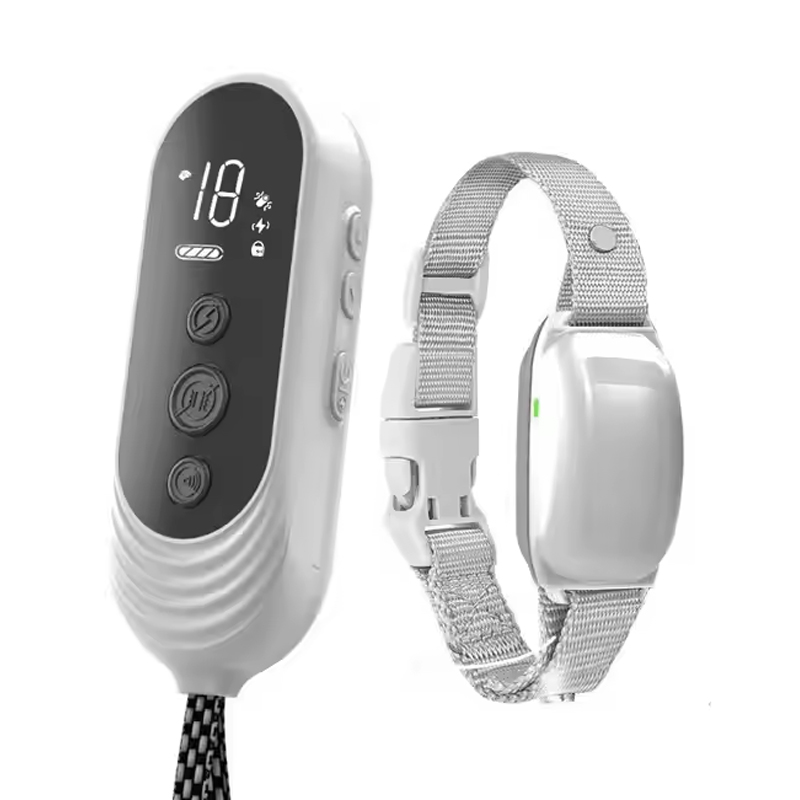
Waterproof Adjustable Polyester Training Shock Collar
The Waterproof Adjustable Polyester Training Shock Collar offers a reliable solution for pet owners seeking a versatile and durable collar to enhance ...
View More -
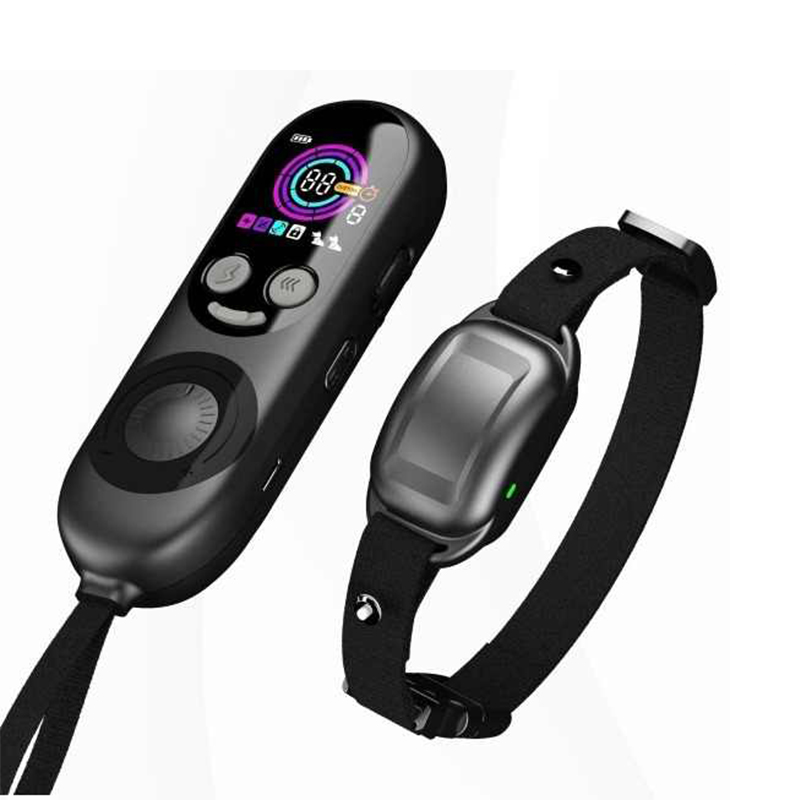
Display Remote Control Training Shock Collar
The Display Remote Control Training Shock Collar is designed to provide pet owners with a reliable and humane solution for training their dogs. Whethe...
View More -
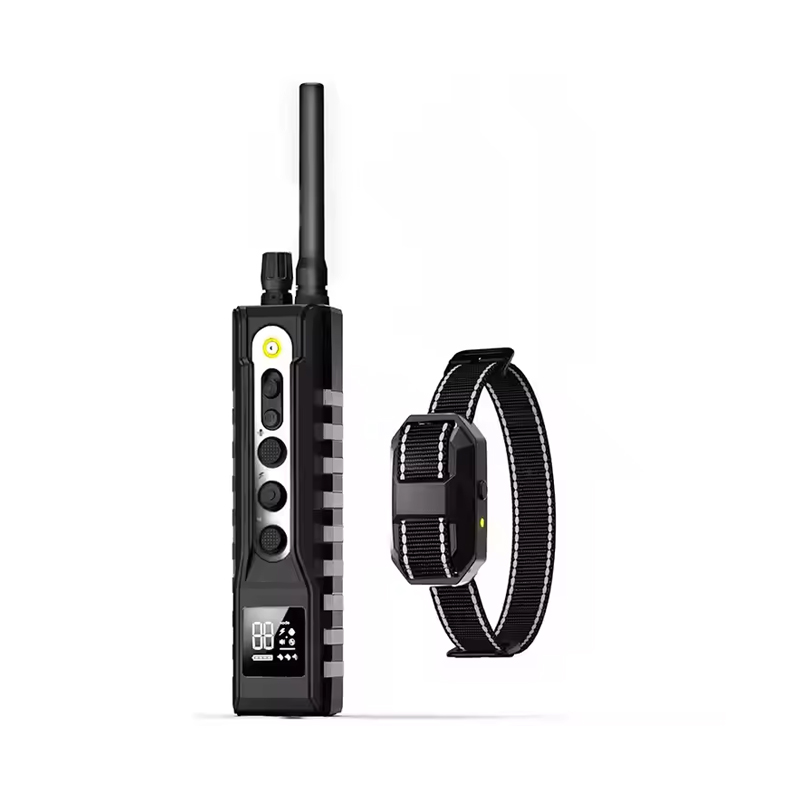
Multi-Function Long Distancetraining Shock Collar
The Multi-function Long Distance Training Shock Collar is a highly versatile tool designed to support your dog’s training across various environment...
View More -
Remote Control Waterproof Training Shock Collar
The Remote Control Waterproof Training Shock Collar is an advanced training tool designed to help pet owners effectively manage their dogs’ behavior...
View More
Pet Products
If you have any questions, please
get in touch with us.
+86-13486854214
E-mail: [email protected]
Address: No. 258, Qingchuan Road, Huzhen Town, Jinyun County, Lishui City, Zhejiang Province
Copyright © Zhejiang Beijing Technology Co., Ltd.

OEM/ODM Smart Pet Care Factory