
 EN
EN  English
 Español
 Français
 Deutsch
 Nederlands

- Type:
- Industry News
- Date:
- 2026-05-01

Industry News
How to Choose Smart Cat Food Feeder for Home Use
Choosing a feeding device for cats at home may seem simple at first. Many people start with the idea that it only needs to release food at fixed times. But once daily routines, travel plans, and different pet habits come into play, the decision becomes more detailed.
A Smart Cat Food Feeder is designed to support scheduled feeding with added flexibility. It is not only about dispensing food but also about how it fits into everyday home life. Different households have different needs, so the right choice depends on practical usage rather than general assumptions.
Understanding what a smart feeding device is designed for
A smart feeding device is built to:
- Deliver food at scheduled times
- Support portion control through settings
- Allow adjustments when routines change
- Help maintain consistent feeding habits
Unlike traditional feeding tools, it often connects to a mobile interface or control system. This allows changes without direct interaction with the device itself.
In home environments, this type of system is usually used to support daily feeding when owners are busy, away, or managing multiple responsibilities.
Daily routine is the starting point for choosing
The first step in selecting a suitable model is to look at daily habits.
Some households have stable schedules. Feeding times rarely change, and routines stay consistent throughout the week. In this case, a simpler setup may be enough.
Other households have changing schedules. Work hours may shift, travel may occur, or feeding times may need adjustment from time to time. In this situation, flexible control becomes more important.
Simple comparison of routine types
| Daily Situation | Feeding Need | What to Consider |
|---|---|---|
| Fixed routine | Stable feeding times | Basic scheduling function |
| Changing routine | Adjustable feeding times | Remote or flexible control |
| Mixed schedule | Occasional changes | Balanced control options |
Understanding routine patterns helps narrow down suitable choices early in the process.
Control method affects daily convenience
Control is one of the key differences between models.
Some feeding systems require manual operation on the device itself. This means any adjustment must be done directly at the machine.
Other systems allow remote control through a connected application. Changes can be made without being physically present.
In home use, this difference affects how easily feeding schedules can be adjusted when daily plans change.
A flexible control system is often preferred in environments where timing is not always predictable.
Feeding consistency matters more than complexity
Consistency is an important factor in pet feeding. Cats usually respond well to stable routines, so maintaining regular feeding times is helpful.
However, consistency does not always mean fixed settings. It also includes the ability to maintain regular feeding even when small changes happen.
A suitable device should support:
- Stable feeding intervals
- Predictable portion delivery
- Easy adjustment when needed
The goal is not to complicate feeding but to keep it steady even when routines change slightly.
Feeding capacity and household size
Different homes have different feeding needs.
A single cat household usually has simpler requirements. Feeding schedules are easier to manage, and adjustments are less frequent.
A multi cat household may require more attention. Feeding habits can differ between pets, and timing may need adjustment to avoid competition or imbalance.
Common household scenarios
- Single pet home with stable routine
- Two pets with different eating speeds
- Multiple pets with shared feeding space
Each scenario may require different levels of flexibility in feeding control.
Ease of setup and daily operation
Setup experience is often overlooked but plays an important role.
Some feeding devices are designed for quick setup. Basic functions can be activated directly on the unit.
Others require initial connection steps through an application. This may take more time at the beginning but allows more flexible control later.
Daily operation should also be considered. A system that is easy to adjust tends to fit better into long term use.
Monitoring and feeding awareness
Not all feeding systems provide feedback, but some include basic monitoring functions.
This may include:
- Feeding history records
- Simple activity notifications
- Status confirmation after feeding
These features do not change the feeding process itself but provide visibility. In home use, this can help users understand whether feeding has occurred as expected.
For households that spend time away from home, this added awareness can be helpful.
Material and design considerations
Important aspects include:
- Ease of cleaning
- Food storage structure
- Stability during operation
- Resistance to daily wear
A well designed structure helps reduce maintenance effort and supports long term use.
Maintenance and cleaning habits
Regular cleaning is part of using any feeding device.
In home environments, cleaning frequency depends on usage conditions. Devices that are easier to disassemble and clean tend to be more practical for daily life.
When selecting a model, it is helpful to consider:
- How easy it is to remove parts
- Whether food contact areas are accessible
- Whether cleaning requires special tools
Simple maintenance often leads to more consistent use over time.
Real life usage scenarios
To better understand selection, it helps to look at real situations where feeding devices are used.
Scenario 1: Busy work schedule
A household where feeding times may shift due to work hours. Flexible adjustment becomes useful.
Scenario 2: Short travel periods
Owners may be away for a few days. Remote access or stable scheduling helps maintain feeding consistency.
Scenario 3: Multiple pets at home
Different eating speeds require more controlled feeding timing.
Scenario 4: Stable home routine
Feeding times rarely change, so basic scheduling is often enough.
Each situation highlights different priorities in device selection.
Common misunderstandings during selection
Some common misunderstandings can affect decision making:
More functions are always better
Additional features are only useful if they match actual needs. Otherwise, they may not improve daily use.
All feeding devices work the same way
Different systems have different control methods and flexibility levels.
Setup difficulty reflects performance
Setup complexity does not determine feeding quality. It only affects initial experience.
Practical checklist before choosing
Before making a decision, it may help to review simple questions:
- Does the daily schedule change often
- Is remote control necessary
- How many pets are being fed
- Is simple operation preferred
- Is long term flexibility important
These questions help identify the most suitable type for different households.
Role of manufacturers in product design
Manufacturers develop feeding devices based on different usage needs. Some focus on simple operation, while others focus on flexible control systems.
Pawtech develops feeding solutions designed for various home environments. Different models are designed to support different feeding routines, helping users choose according to actual household needs rather than general assumptions.
Long term usage considerations
When selecting a feeding device, long term use is just as important as initial setup.
Over time, feeding habits may change slightly. A suitable device should allow small adjustments without requiring complete reset.
Long term considerations include:
- Stability of daily operation
- Ease of adjustment over time
- Maintenance requirements
- Adaptability to routine changes
A device that supports gradual adjustments often fits better into long term home use.
Choosing a Smart Cat Food Feeder for home use is not only about features. It is about how well the device fits into daily life.
A simple way to think about it:
- Stable routines may need simpler systems
- Changing routines benefit from flexible control
- Multiple pets may require more adaptable scheduling
The right choice is the one that matches real daily behavior rather than technical descriptions.
Pawtech provides different feeding solutions designed to support these varied needs in home environments, allowing users to select based on practical use rather than assumptions.
Why choose Pawtech for Smart Cat Food Feeder solutions
When selecting a feeding device for home use, long term usability, daily convenience, and stable performance usually matter more than appearance or extra functions. Different households manage feeding in different ways, so a suitable product should be able to adapt to real routines instead of forcing a fixed pattern.
Pawtech develops Smart Cat Food Feeder solutions with this kind of practical use in mind. The focus is on supporting different home feeding situations, whether the routine is stable, slightly changing, or involves more than one pet. Instead of adding unnecessary complexity, the design aims to keep daily feeding management straightforward and easy to handle.
Attention is also given to everyday operation. Clear structure, simple interaction, and manageable cleaning are considered important parts of the user experience. The goal is to make feeding feel consistent without requiring constant adjustment or effort.
From a manufacturing perspective, stable production control and consistent product quality are maintained across different batches. This helps support reliable use in various home environments over time.
Overall, the idea is to provide a feeding solution that fits real daily habits, helping users manage pet feeding in a practical and steady way without unnecessary complications.
Related Products
-
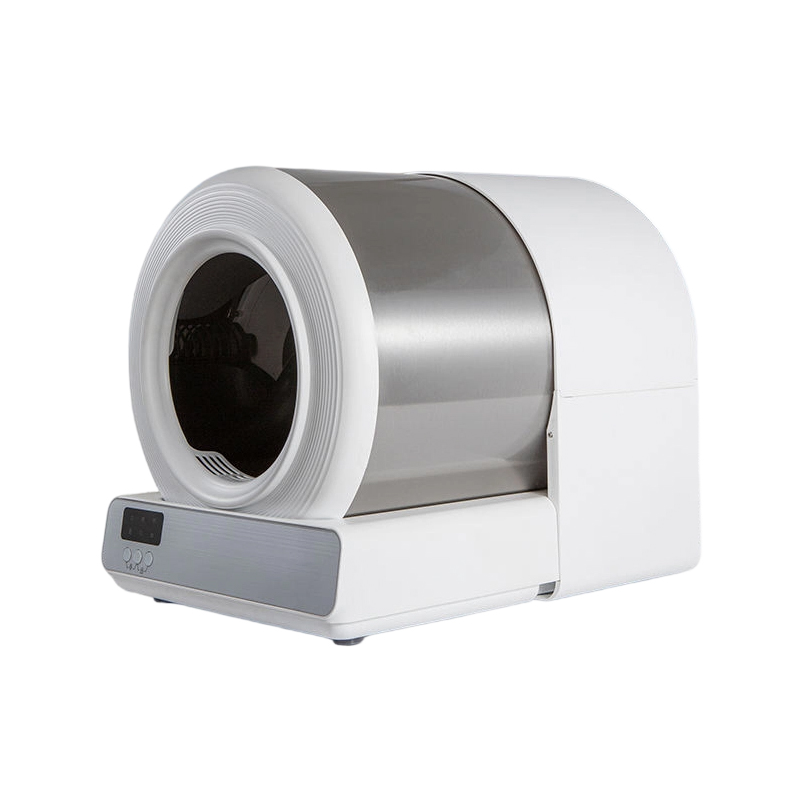
Cat Litter Tray For Multiple Cats Automatic Cat Litter Tray
Cat Litter Tray for Multiple Cats Automatic Cat Litter Tray – Product Features The high-pressure washable, safety-focused design facilitates compr...
View More -
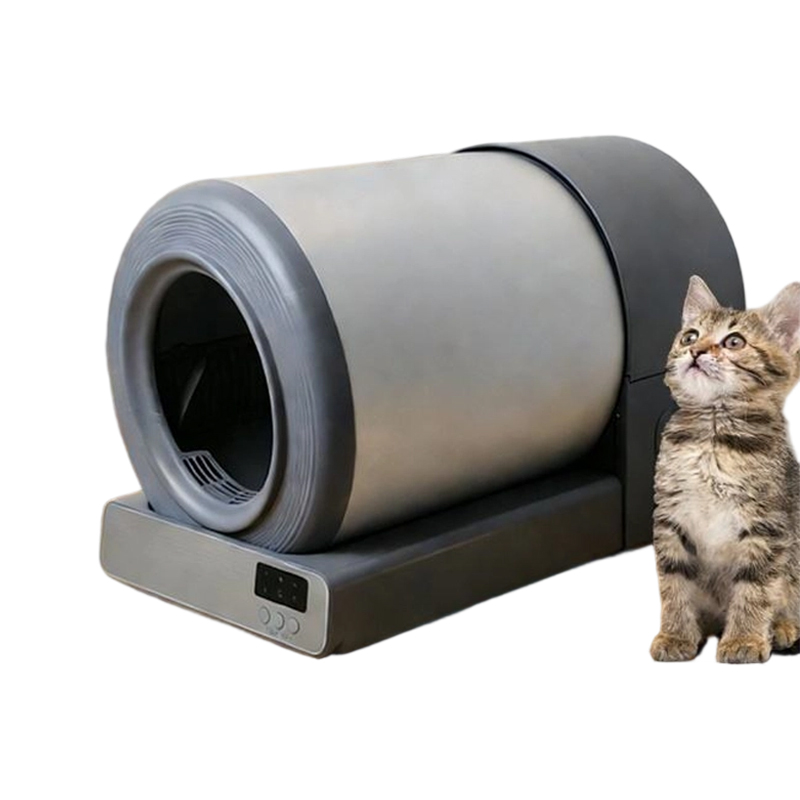
Self-Cleaning Stainless Steel Smart Cat Litter Tray
Self-Cleaning Stainless Steel Smart Cat Litter Tray – Product FeaturesThe preferred choice for non-profit organisations; compatible with open-top bi...
View More -
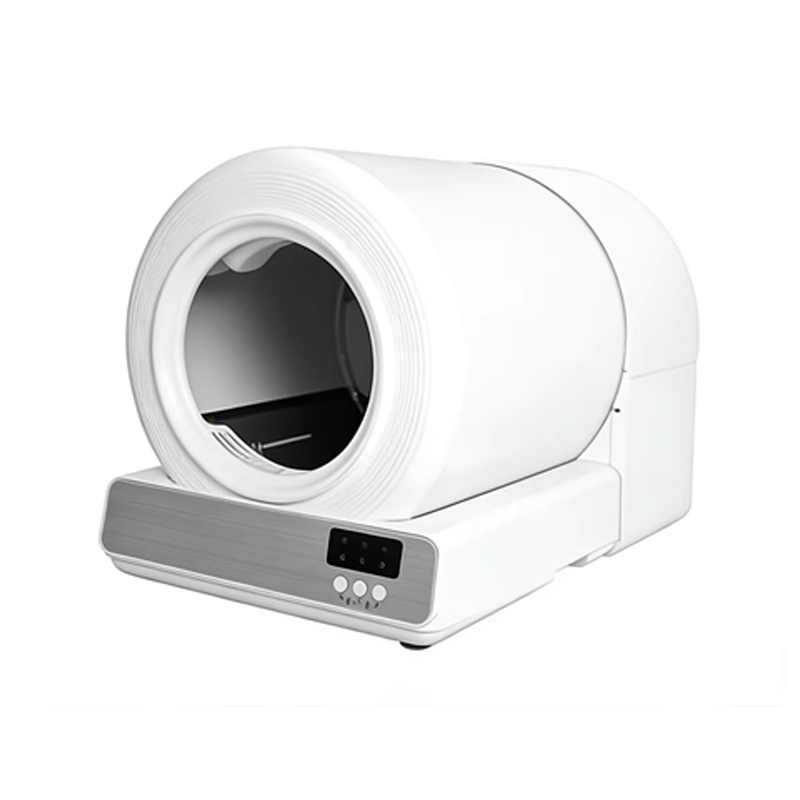
Second-Generation Fully Automatic Cat Litter Tray
Second-Generation Fully Automatic Cat Litter Tray – Product Features With a large 65-litre capacity, it easily accommodates a substantial amount of ...
View More -
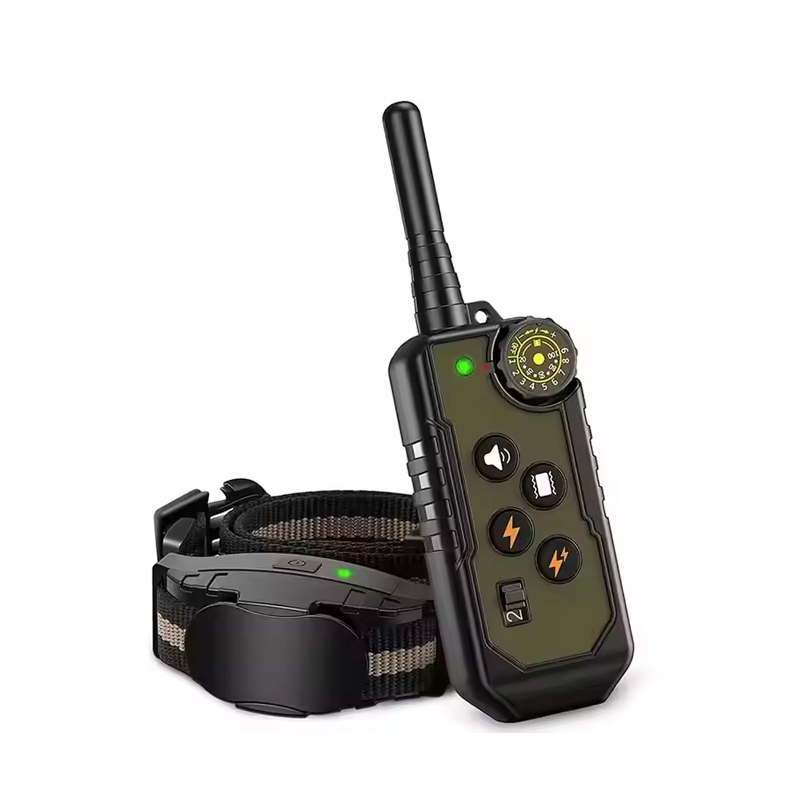
Multi-Mode Easy To Operate Training Shock Collar
The Multi-mode, easy-to-operate training Shock Collar is designed to provide a practical solution for owners seeking a safe and effective way to train...
View More -
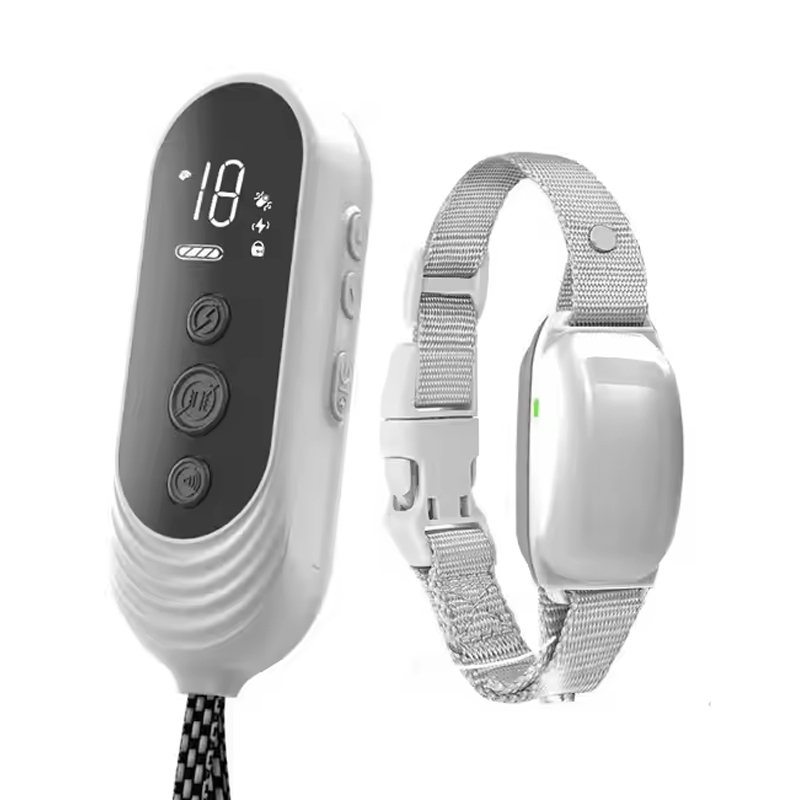
Waterproof Adjustable Polyester Training Shock Collar
The Waterproof Adjustable Polyester Training Shock Collar offers a reliable solution for pet owners seeking a versatile and durable collar to enhance ...
View More -
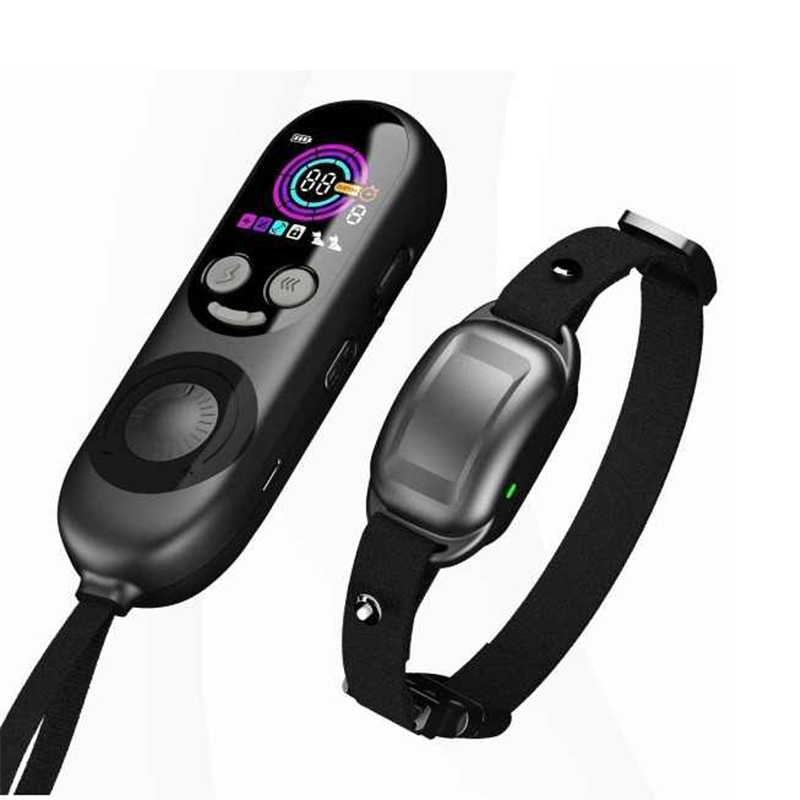
Display Remote Control Training Shock Collar
The Display Remote Control Training Shock Collar is designed to provide pet owners with a reliable and humane solution for training their dogs. Whethe...
View More -
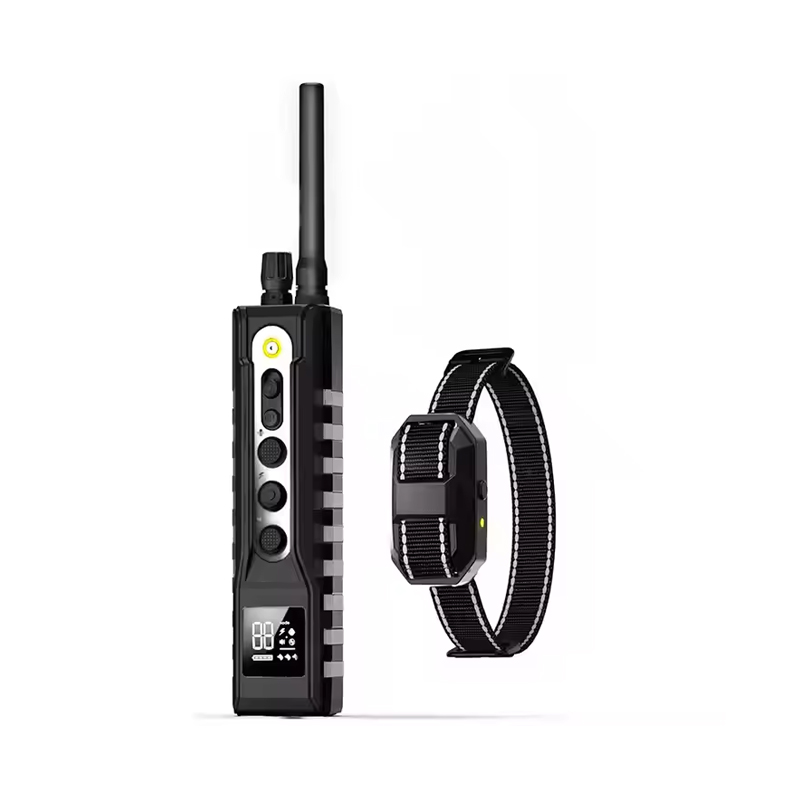
Multi-Function Long Distancetraining Shock Collar
The Multi-function Long Distance Training Shock Collar is a highly versatile tool designed to support your dog’s training across various environment...
View More -
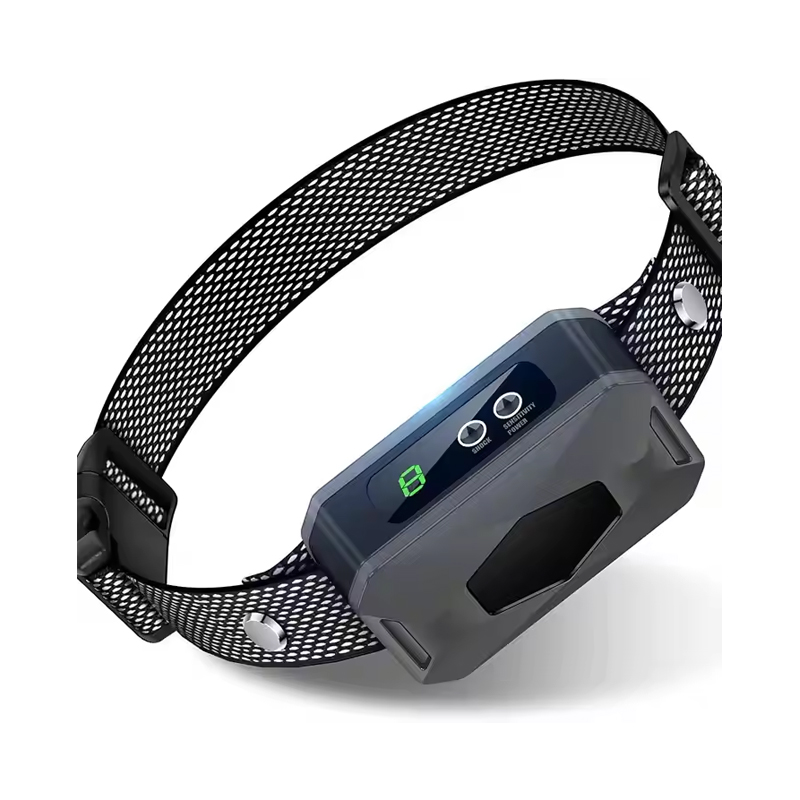
Remote Control Waterproof Training Shock Collar
The Remote Control Waterproof Training Shock Collar is an advanced training tool designed to help pet owners effectively manage their dogs’ behavior...
View More
Pet Products
If you have any questions, please
get in touch with us.
+86-13486854214
E-mail: [email protected]
Address: No. 258, Qingchuan Road, Huzhen Town, Jinyun County, Lishui City, Zhejiang Province
Copyright © Zhejiang Beijing Technology Co., Ltd.

OEM/ODM Smart Pet Care Factory