
 EN
EN  English
 Español
 Français
 Deutsch
 Nederlands

- Type:
- Industry News
- Date:
- 2026-04-24

Industry News
What Makes Smart Cat Food Feeder Different From Traditional Feeder
Most people start looking at cat feeding devices with a very simple expectation. The idea is not complicated at all. Food should be released on time, portions should stay consistent, and daily feeding should not require constant attention. In that sense, both traditional automatic feeders and smart cat food feeder products seem to solve the same problem.
But once these devices are used for a longer period, especially in real daily situations, the experience starts to feel different. Not in a dramatic way, but in small practical details. Things like how easy it is to make changes, what happens when schedules shift, or how much control is available when not at home.
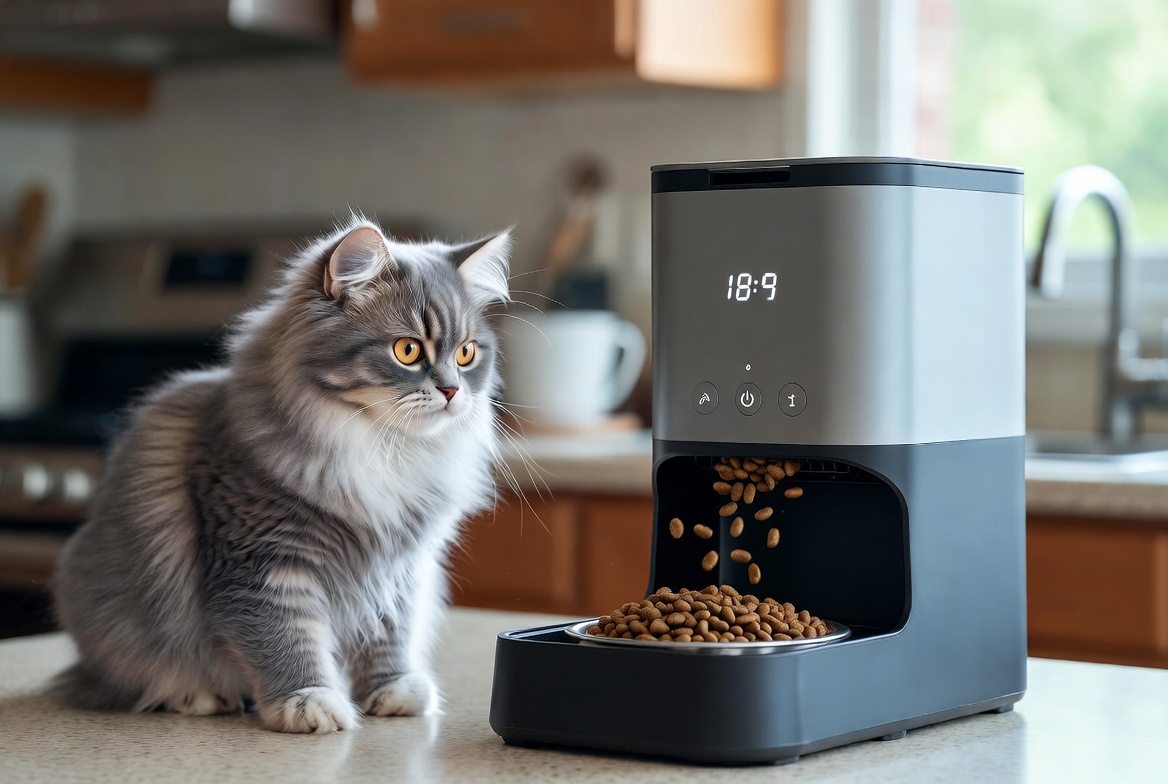
Same purpose, but the way they work is not the same
Both traditional feeders and smart feeders are built for one basic task: feeding pets automatically. That part is shared.
A traditional automatic feeder usually works on a fixed system. Once feeding time and portion size are set, the device repeats the same schedule every day. It does not change unless someone manually updates it. This creates a very stable routine, which is often useful for households with predictable daily schedules.
A smart cat food feeder works in a similar direction, but with more flexibility. The feeding schedule can still be set, but it is not locked in the same way. Adjustments can be made without physically interacting with the device. This means feeding routines can be updated when needed without restarting the whole setup.
So while both devices do the same basic job, the way they handle daily routines is not identical.
Control does not happen in the same place anymore
One of the biggest differences between the two systems is where control actually happens.
With a traditional feeder, control is always local. Any change requires going to the device. If feeding time needs to be adjusted, it must be done manually on the unit itself. This is simple and direct, but it also means physical access is always required.
A smart feeder changes this part of the process. Control moves to a connected device, usually a phone application. From there, feeding schedules can be adjusted without being near the feeder. This does not necessarily mean users change settings often, but it does mean they have the option when something unexpected happens.
For example, if work runs longer than expected or travel plans change suddenly, feeding time can still be adjusted without going home.
This shift in control does not change the feeding itself, but it changes how easily the system can respond to daily life.
When daily routines are not stable, the difference becomes clearer
In real life, very few schedules stay exactly the same every day. Work hours can shift, meetings can run late, or short trips can happen without much warning.
A traditional feeder continues to follow the original setup regardless of these changes. If everything was programmed correctly in advance, it still works as expected. But if something changes, the system does not react to it automatically.
A smart feeder allows adjustments when those changes happen. Feeding time can be moved, portions can be updated, or schedules can be modified without needing to reset the entire system.
This difference becomes more noticeable in households where routines are not fixed. It is not about better or worse performance, but about how adaptable the device is when real life does not follow a strict pattern.
A simple comparison for clearer understanding
| Situation | Traditional feeder | Smart feeder |
|---|---|---|
| Routine stays the same | Works consistently | Works consistently |
| Work schedule changes | Manual update needed | Remote adjustment possible |
| Away from home | No access to control | Remote control available |
| Want to check feeding | No built in feedback | Feeding records available |
| Small timing adjustment | Requires reset | Can adjust directly |
Feeding feedback is another small but noticeable difference
Traditional feeders usually operate without feedback. Once food is released, the process is complete. Unless someone is physically present, there is no clear confirmation of what happened.
Smart feeders often include basic activity tracking. This might show whether feeding occurred or provide a simple record of recent actions. It is not complex data, but it adds a layer of visibility.
Over time, this can change how users feel about the system. Instead of guessing whether feeding happened correctly, there is a way to confirm it. This becomes more useful during travel or longer periods away from home.
Feeding habits are not always fixed over time
Although cats tend to follow routines, feeding needs can still change. These changes are usually gradual. Portion sizes might need adjustment, feeding frequency might shift, or timing may need small updates.
With a traditional feeder, any change requires reprogramming the device. This is not difficult, but it involves going back to the unit and resetting the schedule.
With a smart feeder, changes can be made step by step. There is no need to restart everything. Adjustments can be done gradually, which makes it easier to match changing needs over time.
This difference becomes more relevant when feeding habits are not completely stable.
Real life situations where differences become more noticeable
Instead of focusing only on features, it helps to look at everyday situations.
Some common examples include:
- Working later than usual without planning it
- Leaving home for a short trip
- Adjusting feeding times slightly for convenience
- Checking feeding status while away from home
- Managing changes in daily routine without access to the device
In these situations, traditional feeders continue running based on the original setup. Smart feeders allow changes or checks when needed.
The impact of this difference depends on how often these situations happen in daily life.
Feeding more than one cat adds complexity
Feeding a single cat is usually straightforward. The routine is easy to maintain, and timing is simple to manage.
When there are multiple cats, feeding becomes less predictable. Some cats eat quickly, while others take more time. This can lead to uneven feeding if not managed carefully.
Traditional feeders release food at set times, but they do not manage how it is shared between pets.
Smart feeders offer more flexibility in scheduling. While they do not completely solve all feeding differences between pets, they provide more control over timing and portions, which can help reduce imbalance in some situations.
Setup experience versus long term use
Traditional feeders are generally easier to set up. Most of the configuration happens directly on the device, and basic use can begin quickly.
Smart feeders require additional steps at the beginning, such as connecting to an app or system. This adds a little time during setup.
However, once the initial setup is complete, daily use can become more flexible. Adjustments do not require physical access, which can save time over the long term.
So the difference is not about difficulty, but about when the effort is required.
Cleaning and maintenance are part of regular use
Both types of feeders require regular cleaning. This is a basic part of maintenance regardless of design.
Traditional feeders often have fewer parts, which makes cleaning more straightforward.
Smart feeders may include additional components, so cleaning can take slightly more attention. However, both are designed to support normal cleaning routines.
In daily use, this difference is usually minor but still noticeable over time.
More features do not always change daily experience
It is easy to assume that more functions automatically improve performance. In reality, usefulness depends on how well the device fits daily habits.
If feeding routines are stable, a simple feeder can work without issues.
If schedules change frequently, a smart feeder may feel more practical because it allows adjustments when needed.
The key is not the number of features, but how well the device matches real usage.
Simple decision points for buyers
A clearer way to choose between the two types is to focus on daily habits:
- If routines are stable and rarely change, a traditional feeder may be enough
- If schedules change often, a smart feeder may offer more flexibility
- If simple setup is preferred, traditional models are easier to start
- If remote access is useful, smart models provide more options
- If multiple pets are involved, flexibility becomes more important
These points are usually more helpful than comparing technical details.
Why both types continue to exist in the market
Both traditional and smart feeders remain widely used because they serve different needs.
Some users prefer simple devices that require minimal interaction. Others prefer systems that can adjust to changing routines.
Small differences that matter more over time
At first, both types may feel similar. But over time, certain differences become more noticeable.
Being able to adjust feeding time without going home
Checking feeding activity remotely
Making small changes without resetting everything
These are not major features individually, but they affect daily convenience when used regularly.
Both smart feeders and traditional automatic feeders serve the same basic purpose. They ensure pets are fed on schedule.
The main difference lies in how much flexibility is available when routines change.
Traditional feeders focus on fixed schedules. Smart feeders allow adjustments when needed.
The better choice depends on daily habits, not product complexity. A feeder that matches real life patterns will always feel more practical in the long run.
Related Products
-
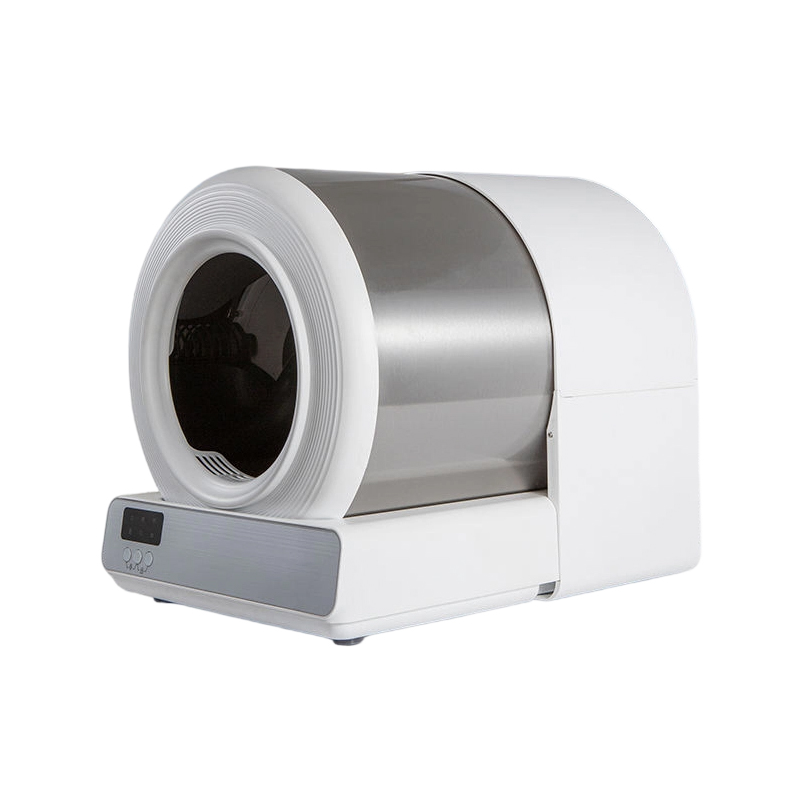
Cat Litter Tray For Multiple Cats Automatic Cat Litter Tray
Cat Litter Tray for Multiple Cats Automatic Cat Litter Tray – Product Features The high-pressure washable, safety-focused design facilitates compr...
View More -
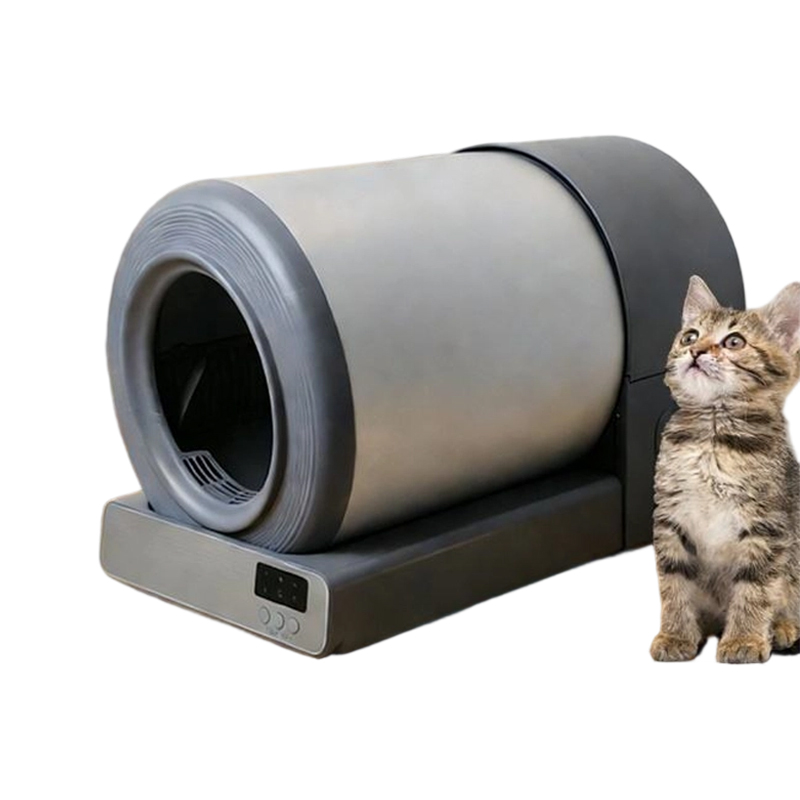
Self-Cleaning Stainless Steel Smart Cat Litter Tray
Self-Cleaning Stainless Steel Smart Cat Litter Tray – Product FeaturesThe preferred choice for non-profit organisations; compatible with open-top bi...
View More -
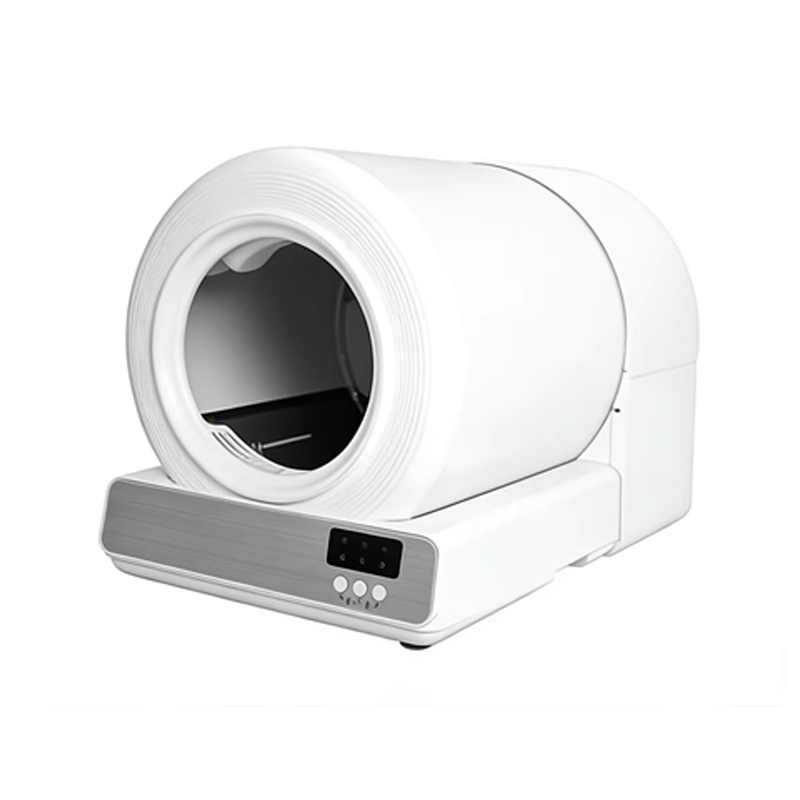
Second-Generation Fully Automatic Cat Litter Tray
Second-Generation Fully Automatic Cat Litter Tray – Product Features With a large 65-litre capacity, it easily accommodates a substantial amount of ...
View More -
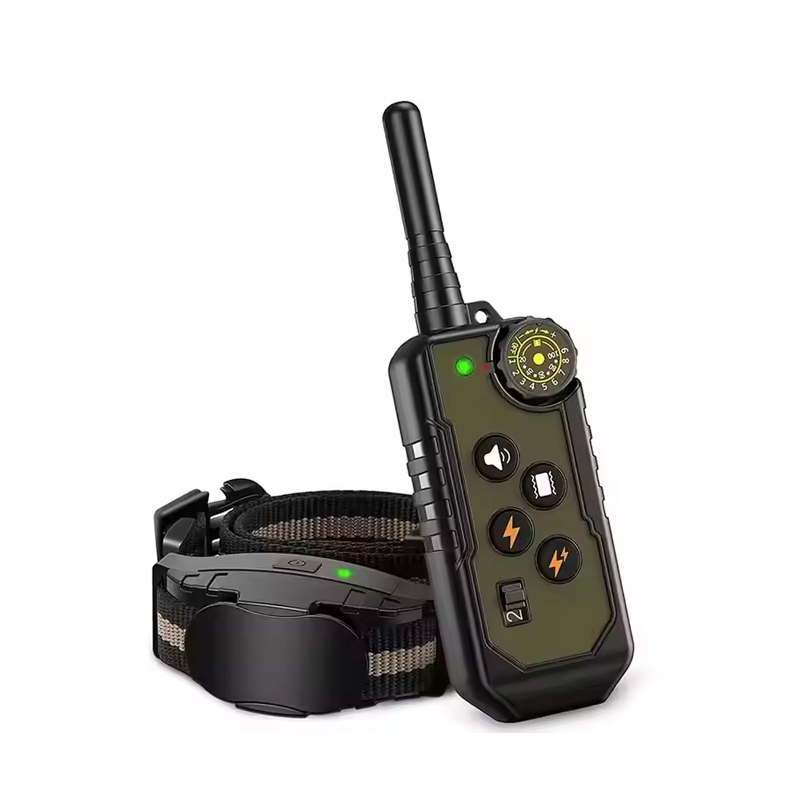
Multi-Mode Easy To Operate Training Shock Collar
The Multi-mode, easy-to-operate training Shock Collar is designed to provide a practical solution for owners seeking a safe and effective way to train...
View More -
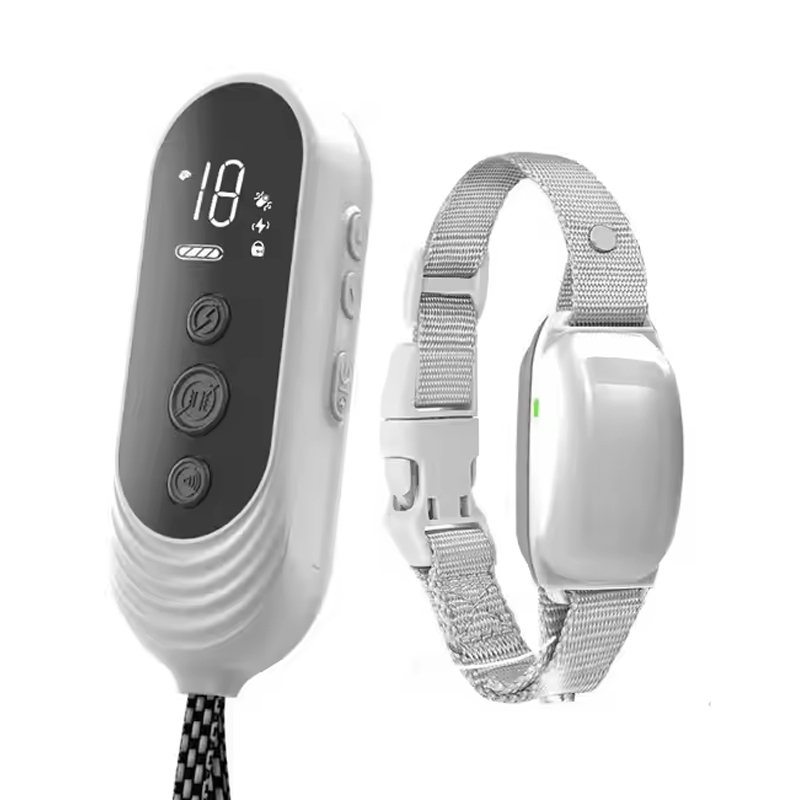
Waterproof Adjustable Polyester Training Shock Collar
The Waterproof Adjustable Polyester Training Shock Collar offers a reliable solution for pet owners seeking a versatile and durable collar to enhance ...
View More -
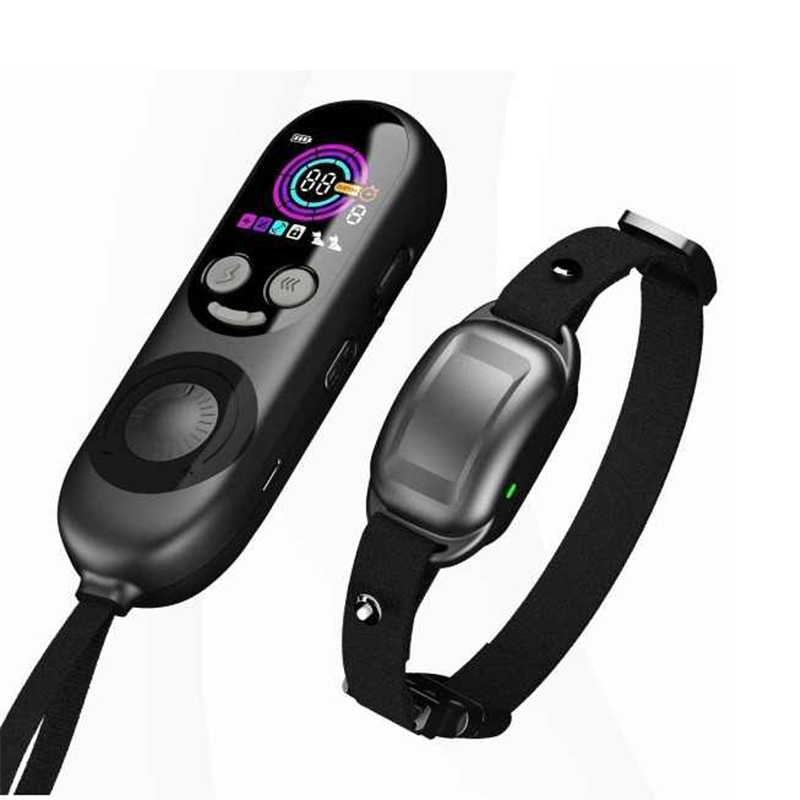
Display Remote Control Training Shock Collar
The Display Remote Control Training Shock Collar is designed to provide pet owners with a reliable and humane solution for training their dogs. Whethe...
View More -
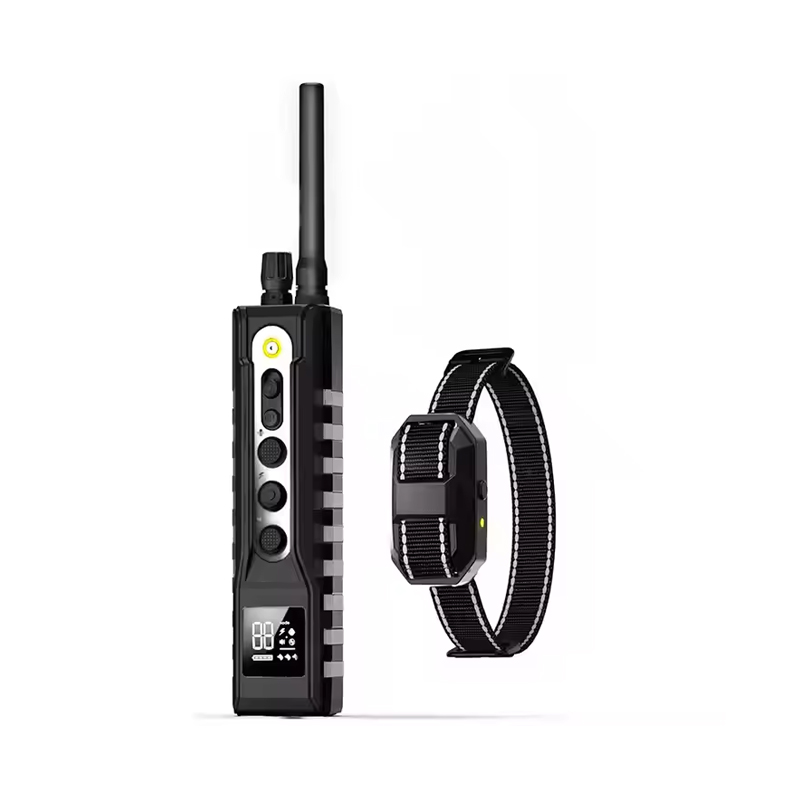
Multi-Function Long Distancetraining Shock Collar
The Multi-function Long Distance Training Shock Collar is a highly versatile tool designed to support your dog’s training across various environment...
View More -
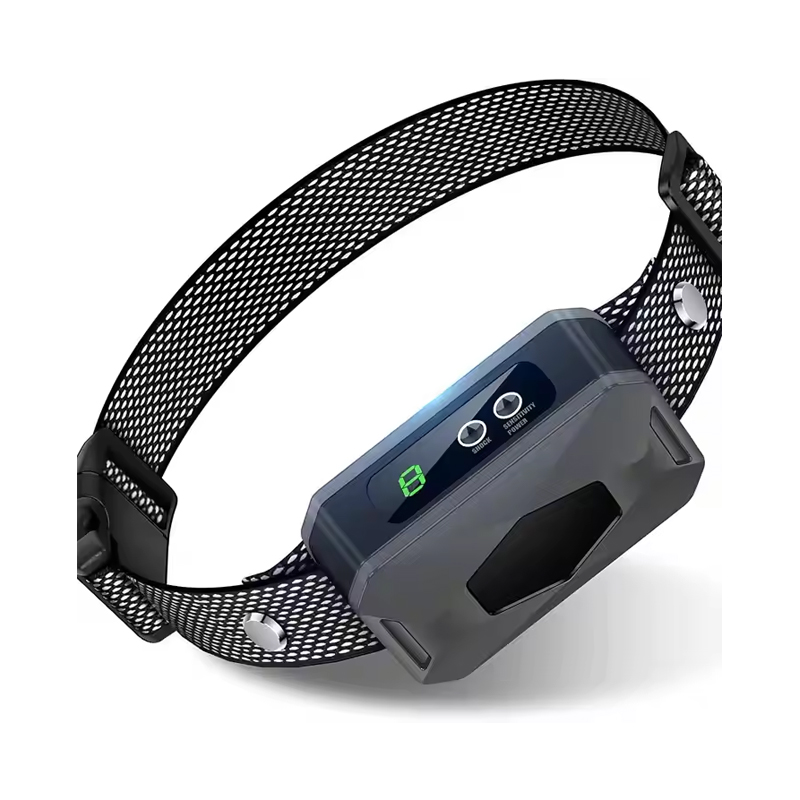
Remote Control Waterproof Training Shock Collar
The Remote Control Waterproof Training Shock Collar is an advanced training tool designed to help pet owners effectively manage their dogs’ behavior...
View More
Pet Products
If you have any questions, please
get in touch with us.
+86-13486854214
E-mail: [email protected]
Address: No. 258, Qingchuan Road, Huzhen Town, Jinyun County, Lishui City, Zhejiang Province
Copyright © Zhejiang Beijing Technology Co., Ltd.

OEM/ODM Smart Pet Care Factory