
 EN
EN  English
 Español
 Français
 Deutsch
 Nederlands

- Type:
- Industry News
- Date:
- 2026-02-17
Industry News
Home / News / Industry News / Intelligent Pet Water Dispenser: Features, Functions, and the Direction of Everyday Pet Care

The way people care for pets is changing. Homes are becoming more connected, routines more flexible, and expectations around convenience continue to rise. Within this shift, everyday pet products are quietly evolving. One example is the Intelligent Pet Water Dispenser . Once a simple bowl on the floor, the water station is now part of a broader conversation about pet wellness, household automation, and thoughtful design.
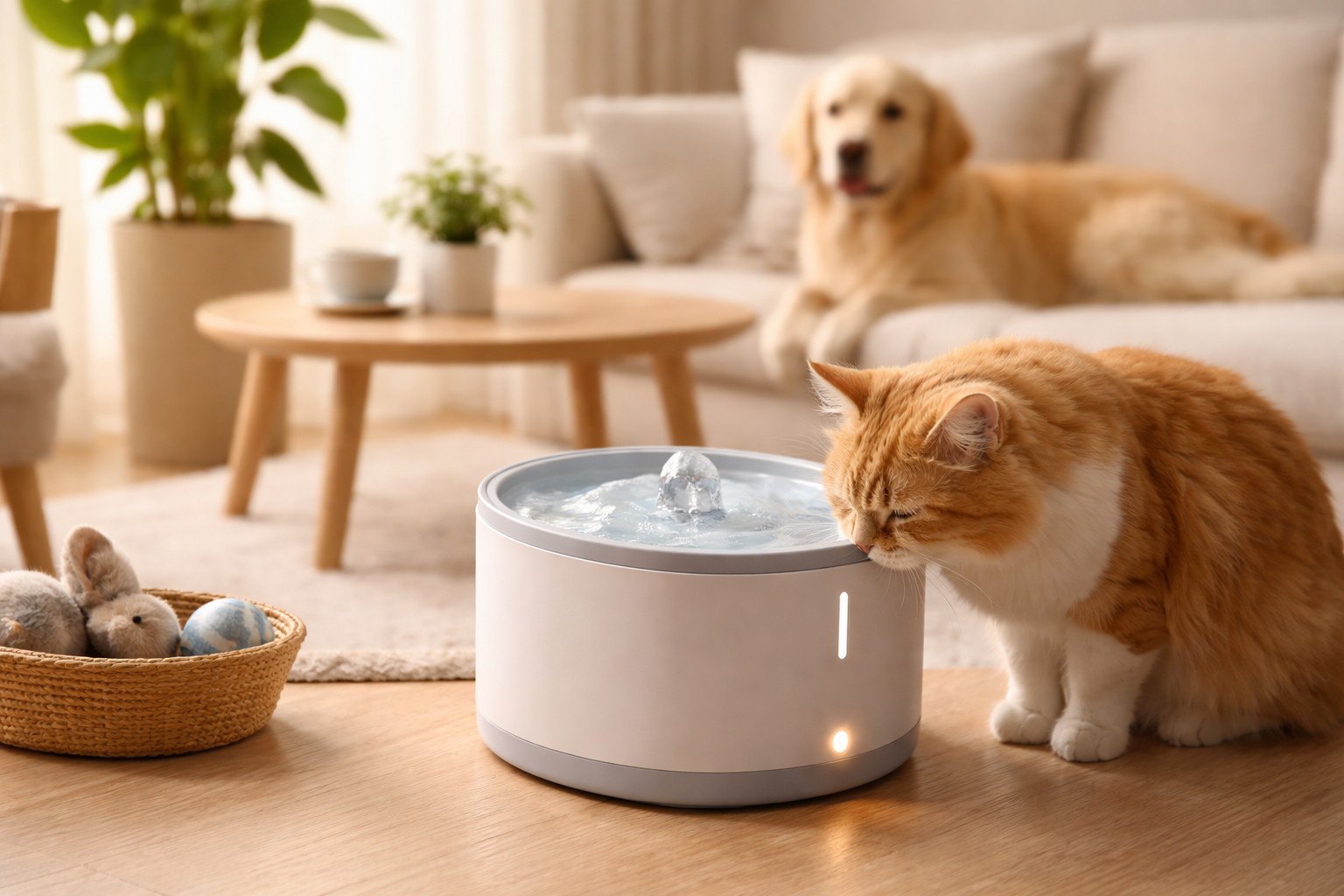
We are explores what features a smart pet water dispenser typically offers and how it works in daily use. Rather than focusing on specifications or technical claims, it looks at how these products fit into modern pet-owning habits and why they are gaining attention across the pet care industry.
Standard pet water bowls depend 100% on manual care. Someone has to remember to refill them, wash them out, and make sure there's enough clean water. In hectic households, this routine often gets skipped or delayed—resulting in water that sits around too long or bowls that quietly go empty.
Smart pet water dispensers are designed to close those small but important gaps. They help ensure steady, fresh hydration through automatic features and low-key monitoring. The aim is never to take over from the owner, but to remove some of the forgetfulness and make consistent care feel more automatic.
People following pet-product trends have seen this category expand steadily, right alongside the boom in everyday smart-home gadgets. Pet owners are already comfortable using app-controlled lights, thermostats, and cameras. Bringing that same connected convenience to something as basic as a pet's water supply just makes sense.
Smart pet water dispensers share a group of functions designed to support cleanliness, consistency, and peace of mind. While designs differ, most models focus on similar ideas rather than complex technology.
1. Automated Water Circulation
One defining feature is moving water. Instead of sitting still, water flows gently through the unit. This circulation helps prevent stagnation and encourages pets to drink more often.
Flowing water can feel fresher to animals. Many pets are naturally drawn to motion, which may explain why they show more interest in these dispensers than in static bowls.
From a user perspective, circulation reduces the need for frequent manual stirring or refilling throughout the day.
2. Refill Awareness
Another common feature is awareness of water levels. The dispenser monitors how much water remains inside the reservoir. When levels drop, the system alerts the owner through a connected interface.
This feature helps prevent situations where pets are left without access to water due to oversight. It also reduces the habit of checking the bowl repeatedly, which many owners find reassuring during busy schedules.
3. Emphasis on Water Cleanliness
Clean water is a major concern in pet care. Smart dispensers often include internal systems designed to reduce visible debris, fur, or residue before water reaches the bowl area.
While the internal approach may vary, the intention is consistent. Water should remain appealing to pets over time, even when owners are not nearby to refresh it manually.This focus reflects a wider industry trend toward hygiene-focused design in pet products.
4. Quiet Operation
Noise sensitivity is often overlooked in pet accessories. Smart water dispensers usually aim for quiet operation, recognizing that constant sound can disturb both pets and people.
Low-noise movement allows the dispenser to blend into the home environment. This is especially important for animals that are cautious around unfamiliar sounds.
Despite the word "smart," these products are designed to feel simple. Most owners interact with them briefly during setup and routine cleaning, not throughout the day.
Setup and Daily Use
Initial setup typically involves filling the reservoir, placing the unit in a stable location, and connecting it to a power source if required. Some models also link to a mobile interface, allowing notifications or status updates.
Once in place, the dispenser operates automatically. Water circulates at set intervals, and the bowl remains ready for use. Pets can drink freely without triggering any complicated responses.
The owner's role shifts from constant checking to periodic maintenance.
Interaction Through Digital Interfaces
Many smart dispensers connect to a mobile app or similar platform. These interfaces are usually designed to be simple. They provide updates such as low water reminders or cleaning prompts.
The emphasis is on awareness, not control. Owners are informed, not required to manage settings throughout the day.
This approach aligns with broader consumer preferences. Technology should support routines quietly rather than demand attention.
Maintenance as Part of the Experience
Smart does not mean maintenance-free. Regular cleaning remains essential. However, design choices often make disassembly easier and surfaces more accessible.
Some dispensers guide users with reminders or visual cues. These features reflect an industry understanding that long-term use depends on practical upkeep, not just novelty.
Feature Overview Table
| Feature Area | General Purpose | Everyday Benefit |
|---|---|---|
| Water circulation | Keeps water moving | Encourages drinking and reduces stagnation |
| Level awareness | Tracks remaining water | Prevents empty bowls |
| Cleanliness support | Reduces visible debris | Maintains water appeal |
| Quiet function | Limits operational noise | Supports calm environments |
| Digital alerts | Provides basic notifications | Reduces manual checking |
This table highlights functional themes rather than technical detail, reflecting how users experience these products in real settings.
Design isn't the loudest feature of a smart pet fountain, but it heavily influences whether people actually keep using one. A dispenser can perform perfectly on paper, yet if it looks awkward in the room or turns cleaning into a chore, owners often quietly set it aside.
That's why many brands now prioritize understated, adaptable looks. Clean lines, gentle curves, minimalistic profiles, and smaller overall sizes let the unit sit comfortably among kitchen counters, living-room corners, or laundry areas without drawing attention or clashing with décor.
The materials chosen carry equal weight. Pet parents want something that feels solid and trustworthy around their animals—nothing flimsy or questionable—while still being straightforward to wipe clean, disassemble, or rinse under the tap.
Across conversations in the pet-product space, good design repeatedly surfaces as one of the biggest drivers of continued daily use and overall owner satisfaction. When the fountain feels like a natural, low-friction part of the home rather than an intrusive gadget, it tends to stick around for the long haul.
The growing appeal of smart pet water dispensers mirrors real shifts in how people live today. Most homes juggle demanding jobs, frequent travel, kids'schedules, and everything in between. Devices that handle one small but essential part of pet care—without adding more to the to-do list—fit naturally into that kind of busy routine.
Time and again, owners point to peace of mind as the biggest draw. Simply knowing the water won't run out or sit stale for hours brings noticeable relief, especially on those long workdays, overnight trips, or weekends away when you can't check in person.
There's also something deeper at play. Choosing a well-thought-out, attractive fountain doesn't just solve a practical need—it feels like a quiet, everyday way to show extra care. That small act of upgrading from a plain bowl to something intentional often strengthens the quiet emotional connection between owner and pet.
Trust sits at the heart of anything pet owners bring into their home. When it comes to a water dispenser—smart or not—people need to feel certain it will do its job reliably day after day and never put their pet at risk.
That's a big reason why smart features in these products tend to stay measured and restrained. Alerts are there to gently notify rather than trigger panic. Automation quietly helps keep things steady instead of taking full control away from the owner.
The pet industry gets that caring for an animal is deeply personal. No matter how advanced the technology becomes, it has to honor and support that bond rather than step in front of it. The best designs reinforce the owner's role instead of trying to replace it.
Picture a typical weekday morning: everyone in the house heads out early for work, school, or errands. The dog or cat is left alone for the next eight, ten, or more hours. A smart water dispenser quietly keeps fresh, circulating water ready—no matter how long the day stretches—without anyone having to rush back at lunch to check or refill a bowl.
Or think about a home with two, three, or even more pets sharing the same space. A single regular bowl can empty fast, get slobbered in, or collect fur and debris quickly. A properly sized smart fountain acts as a bigger, more reliable shared station that stays noticeably cleaner and fresher for longer, reducing how often it needs attention.
In both cases—and plenty of others like them—the dispenser slips into daily life without asking pets to act differently or forcing owners to overhaul their routines. It simply handles one small, consistent need so the rest of the day can keep moving as usual.
At the core of every automated function in a smart pet water dispenser is one straightforward goal: to ease the everyday load a little. Less worry about running low on water. A few extra minutes reclaimed in a packed day. Daily pet care that feels smoother and more dependable.
These devices aren't built to take the place of real attention, love, or responsibility. They come from a clear-eyed recognition that even modest upgrades to routine habits can quietly improve life—for both the pet and the person who cares for them.
Looking ahead as the category keeps evolving, the guiding principle stays the same: strike a thoughtful balance. Technology that supports rather than supplants. Convenience that never undermines responsibility. Innovation that always respects the trust at the center of the pet-owner relationship.
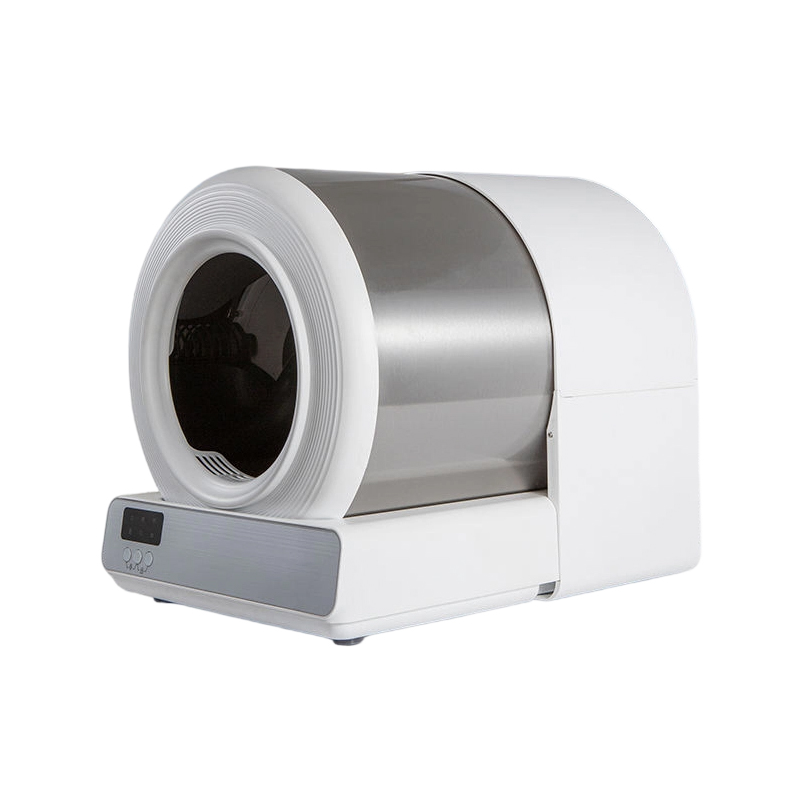
Cat Litter Tray for Multiple Cats Automatic Cat Litter Tray – Product Features The high-pressure washable, safety-focused design facilitates compr...
View More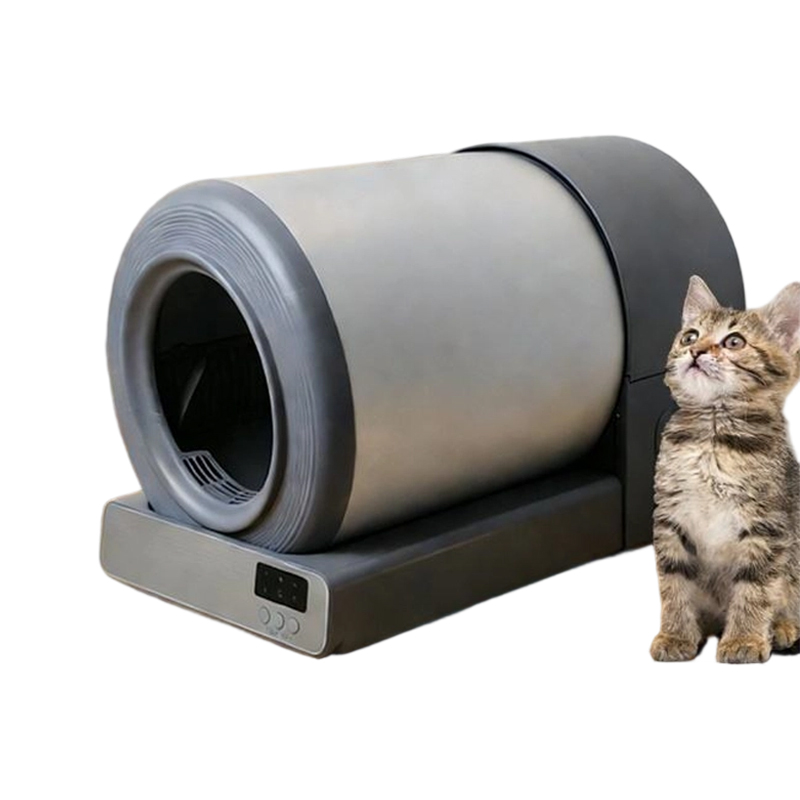
Self-Cleaning Stainless Steel Smart Cat Litter Tray – Product FeaturesThe preferred choice for non-profit organisations; compatible with open-top bi...
View More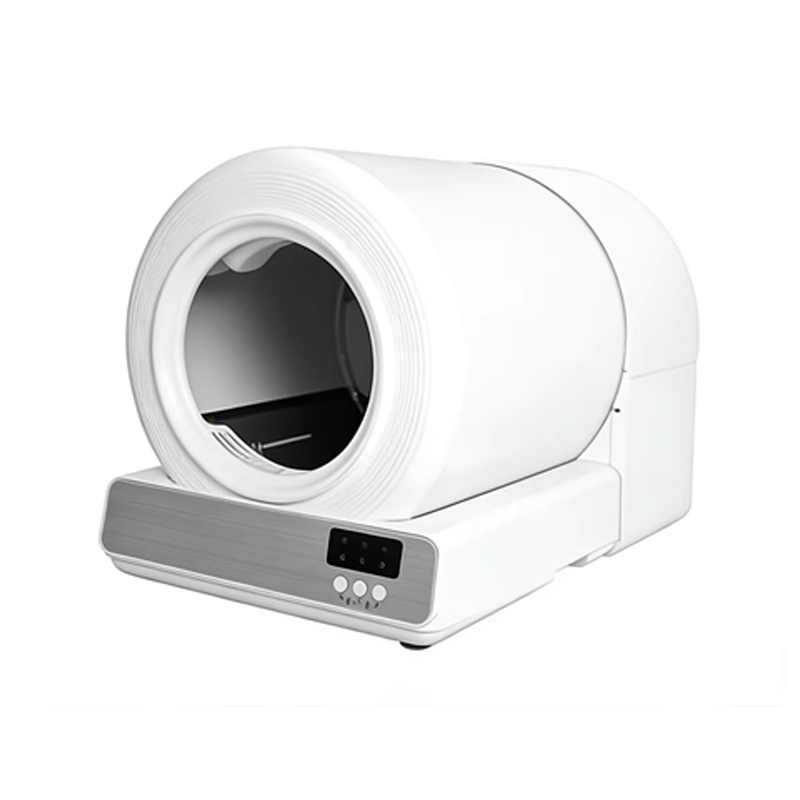
Second-Generation Fully Automatic Cat Litter Tray – Product Features With a large 65-litre capacity, it easily accommodates a substantial amount of ...
View More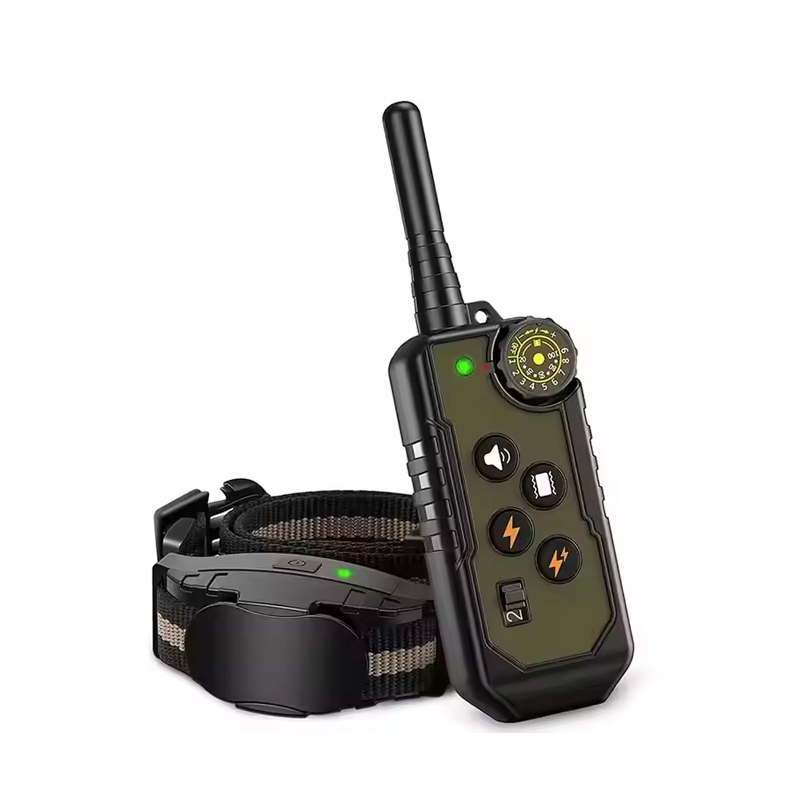
The Multi-mode, easy-to-operate training Shock Collar is designed to provide a practical solution for owners seeking a safe and effective way to train...
View More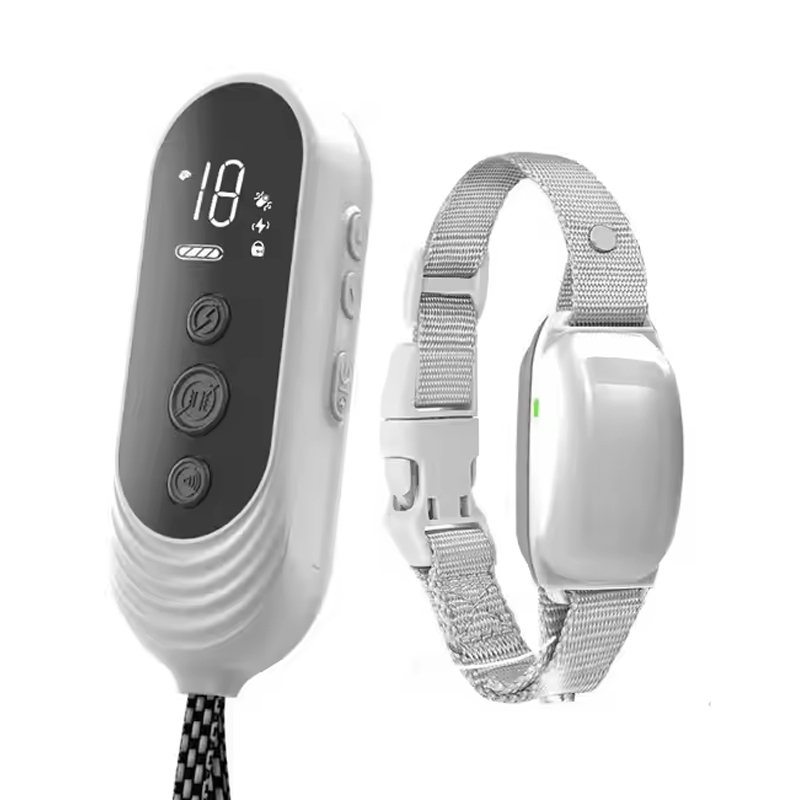
The Waterproof Adjustable Polyester Training Shock Collar offers a reliable solution for pet owners seeking a versatile and durable collar to enhance ...
View More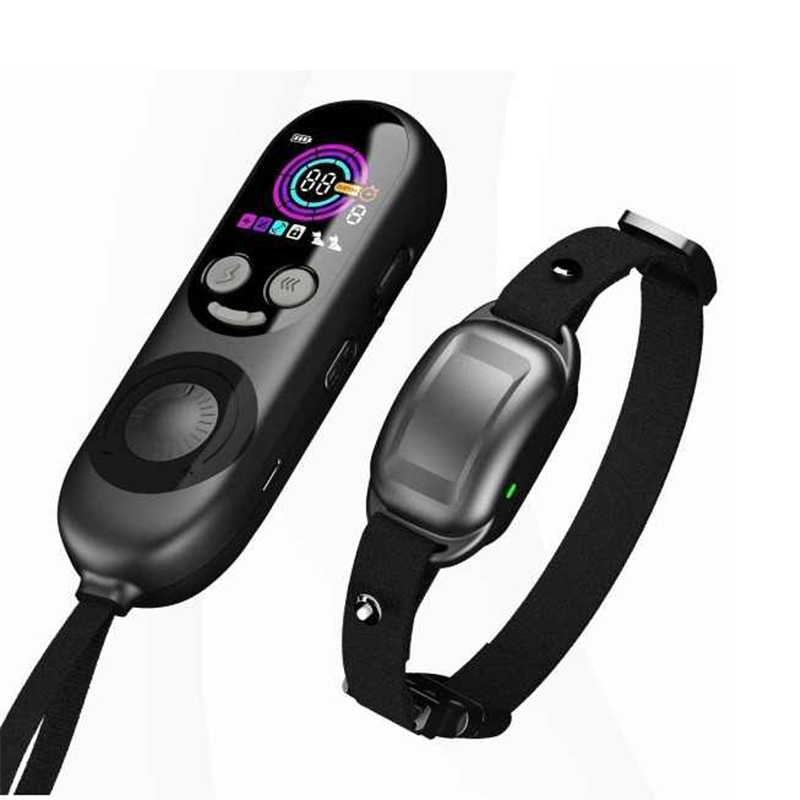
The Display Remote Control Training Shock Collar is designed to provide pet owners with a reliable and humane solution for training their dogs. Whethe...
View More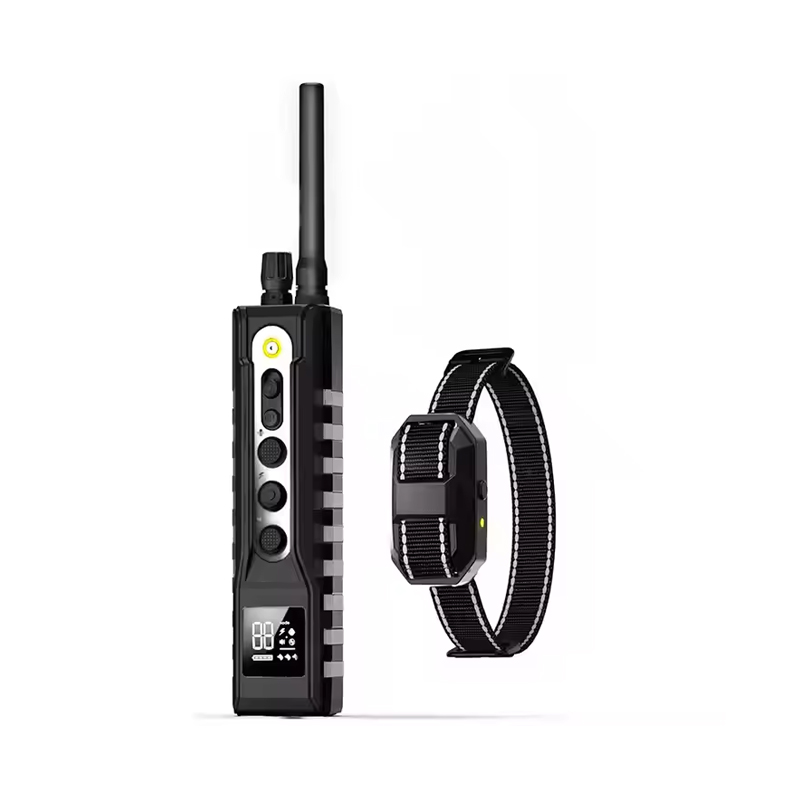
The Multi-function Long Distance Training Shock Collar is a highly versatile tool designed to support your dog’s training across various environment...
View More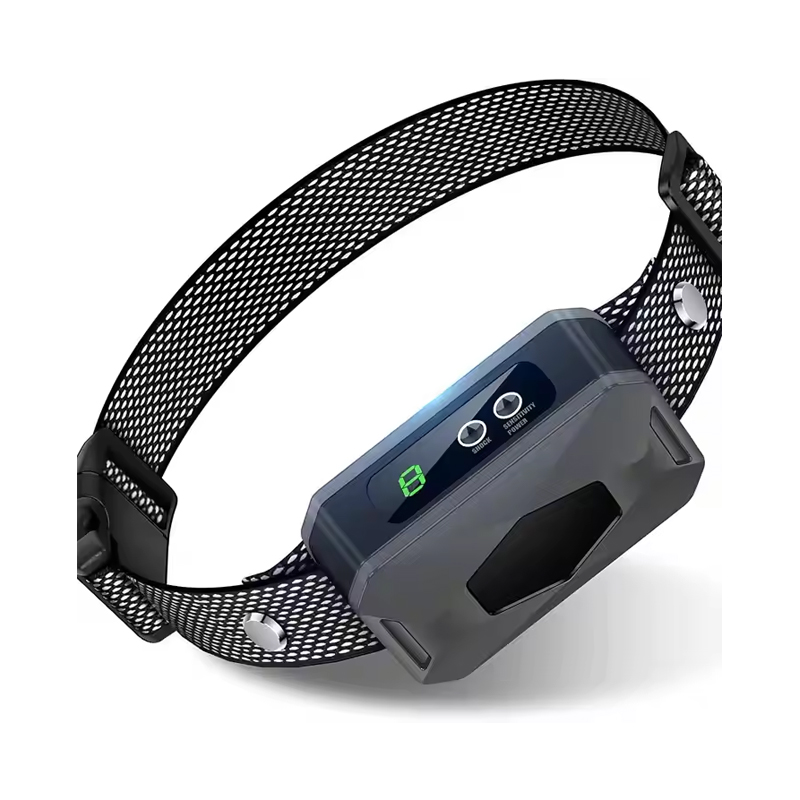
The Remote Control Waterproof Training Shock Collar is an advanced training tool designed to help pet owners effectively manage their dogs’ behavior...
View More
If you have any questions, please
get in touch with us.
E-mail: [email protected]
Address: No. 258, Qingchuan Road, Huzhen Town, Jinyun County, Lishui City, Zhejiang Province
Copyright © Zhejiang Beijing Technology Co., Ltd.

OEM/ODM Smart Pet Care Factory