
 EN
EN  English
 Español
 Français
 Deutsch
 Nederlands

- Type:
- Industry News
- Date:
- 2026-04-17

Industry News
Is a Smart Pet Feeder Better Than a Traditional Bowl?
Pet care at home has changed in quiet but meaningful ways. Many owners now look for tools that fit daily schedules, support steady habits, and make feeding less stressful for both people and pets. Among these changes, smart feeding devices have drawn attention because they offer a more organized way to handle meals when life becomes busy.
For many households, the question is not whether automation sounds attractive. The real question is whether it works well in everyday use. Can an automatic feeder keep a pet's meals on schedule? Can it handle regular routines without creating extra work? Can it offer enough convenience to justify the switch from a traditional bowl? These are practical concerns, and they matter more than any marketing message.
What Real-World Use Tells Us About Automatic Feeding
A smart feeder is often judged by its promise, but everyday use is where it proves itself. In real homes, pets do not live on schedules alone. They move around, wait near the kitchen, sniff the floor, and quickly learn patterns. A feeder that works only in theory is not enough. It needs to fit the rhythm of actual home life.
One of the first things people notice is convenience. When feeding is handled by a device, the owner no longer needs to rush home for a meal or worry about a missed feeding window. That can make mornings easier and reduce the pressure that comes with travel, long workdays, or changing routines. For families with more than one responsibility at home, this can feel like a practical improvement rather than a luxury.
Stability is another point that matters. A feeder should respond the same way each time it is used. Pets notice change quickly, and a device that behaves unpredictably can create frustration. If the feeding process remains consistent, the pet learns what to expect. That kind of predictability often makes the home feel calmer.
Accuracy also matters in a routine-based product. Owners want a device that dispenses food in a controlled way and follows the set schedule. Even without talking about numbers, consistency is important because pets rely on steady habits. A feeder that supports regular portions can help owners maintain a more organized meal plan and reduce guesswork.
There is also a comfort factor. When feeding becomes part of a set routine, pets often adjust more smoothly. They learn that food comes at certain times, and that structure can reduce the kind of begging or pacing that often appears when meals are irregular. A device that supports routine can become part of the household pattern rather than a new source of noise or confusion.
Why Regular Meal Timing Matters for Cats and Dogs
Feeding is not only about filling a bowl. It is also about setting a rhythm that supports health and behavior. Cats and dogs both respond to routine, and meal timing is one of the clearest parts of that routine. When meals are scattered, delayed, or handled inconsistently, the pet may become restless or overly focused on food. When meals are more regular, daily life often feels more settled.
For cats, a steady meal pattern can help reduce uncertainty around feeding time. Many cats are sensitive to routine changes, and they tend to notice when something is different. A dependable schedule can support calmer behavior and make the home environment more predictable. This does not mean every cat will react the same way, but many do appreciate a stable pattern.
For dogs, regular feeding can support order in the day and make training easier in some homes. When a dog knows that meals arrive at set times, the rest of the routine often becomes easier to manage. Owners may find it simpler to plan walks, play, and rest around feeding without constantly adjusting the schedule.
There is also a practical side to this. Regular feeding can help owners observe eating habits more clearly. If a pet begins eating less, becomes hesitant at meal time, or shows interest in food at unusual times, that change is easier to notice when the pattern is already defined. A routine gives the owner a reference point.
Another benefit is emotional. Many people feel less stressed when they know their pet's meals are handled in an orderly way. That sense of control can make daily pet care feel less chaotic. A smart feeder does not replace attention, but it can support a more organized home routine and make feeding less dependent on last-minute decisions.
Smart Feeding Compared With a Traditional Bowl
A traditional bowl is simple, familiar, and easy to understand. For many homes, that is still enough. It does not need setup, power, or app controls. It is direct and low maintenance. Yet simplicity is only one side of the story.
A smart feeder offers a different kind of value. Its main advantage is not novelty. It is structure. When meals are delivered on a schedule, owners gain a more consistent routine, especially on busy days. This can be useful in homes where people keep changing hours or where a pet needs a more defined feeding pattern.
A bowl also depends entirely on the owner being present. That works well when the household is stable and meals are always handled at the same time. But if plans change, the bowl does not help. A smart feeder adds a layer of flexibility that can be useful during workdays, short trips, or unexpected delays.
Health management is another area where the two differ. A bowl can support feeding, but it does not help shape the timing or pace of meals. A smart feeder can support a more structured approach, which may be helpful when owners want to keep food access more controlled. That kind of structure can matter in homes where the pet tends to eat too quickly, asks for food between meals, or needs a more carefully managed routine.
Cost is often part of the decision. A traditional bowl usually has a lower starting cost, and that may be the right choice for some households. A smart feeder requires more investment and more thought. The owner is not only buying a bowl-like object, but a system for managing daily feeding. That system may be worthwhile for some homes and unnecessary for others. The better choice depends on the household routine, not on a general claim that one option fits every case.
There is also the question of maintenance. A bowl is easy to wash and replace. A smart feeder may require more care, cleaning, and occasional checking. That added responsibility is worth considering before making a switch. Convenience in one area can bring more attention in another.
The real distinction is this: a traditional bowl serves the meal, while a smart feeder helps organize the routine around the meal. For some families, that difference is small. For others, it changes the flow of the whole day.
| Feeding Option | Main Advantage | Main Limitation | Best Suited For |
|---|---|---|---|
| Smart Pet Feeder | Supports regular meal timing and daily routine | Requires setup, cleaning, and occasional monitoring | Busy households and owners with changing schedules |
| Traditional Bowl | Simple, low-cost, and easy to clean | Depends entirely on the owner being present | Homes with stable feeding routines |
| Gravity Feeder | Provides food continuously without power | Harder to control meal timing and portion consistency | Pets that free-feed throughout the day |
| App-Controlled Feeder | Allows remote scheduling and feeding adjustments | Requires internet connection and device familiarity | Owners who travel or work long hours |
When Automatic Feeding Makes Sense
Automatic feeding tends to make the most sense in homes where routine matters and schedules are not always predictable. It can be useful for people who leave early, return late, or need a more dependable feeding pattern. It can also help households that value structure and want fewer interruptions around meal time.
It may also suit owners who pay close attention to daily pet habits. When feeding follows a set plan, it becomes easier to notice changes in appetite or behavior. That can support more attentive care without adding constant manual effort.
At the same time, automation is not a replacement for presence. Pets still need supervision, interaction, and observation. A feeder can support a household routine, but it does not replace time spent with the animal. That is an important distinction. The device should fit into a larger care plan rather than stand in for one.
A Practical Way to Think About Pet Feeding
The value of a smart feeding device is not only in what it does, but in how it changes daily habits. It can reduce last-minute feeding pressure, bring a more regular rhythm to meals, and make it easier to keep feeding on track when life gets busy. It can also give owners a clearer way to manage routine without relying entirely on memory or timing.
For some homes, a traditional bowl remains enough. For others, automation brings a useful layer of support. The right choice depends on the pet, the household schedule, and the level of structure the owner wants to maintain. There is no need to force the decision into a fixed answer. A thoughtful comparison is usually more useful than a dramatic claim.
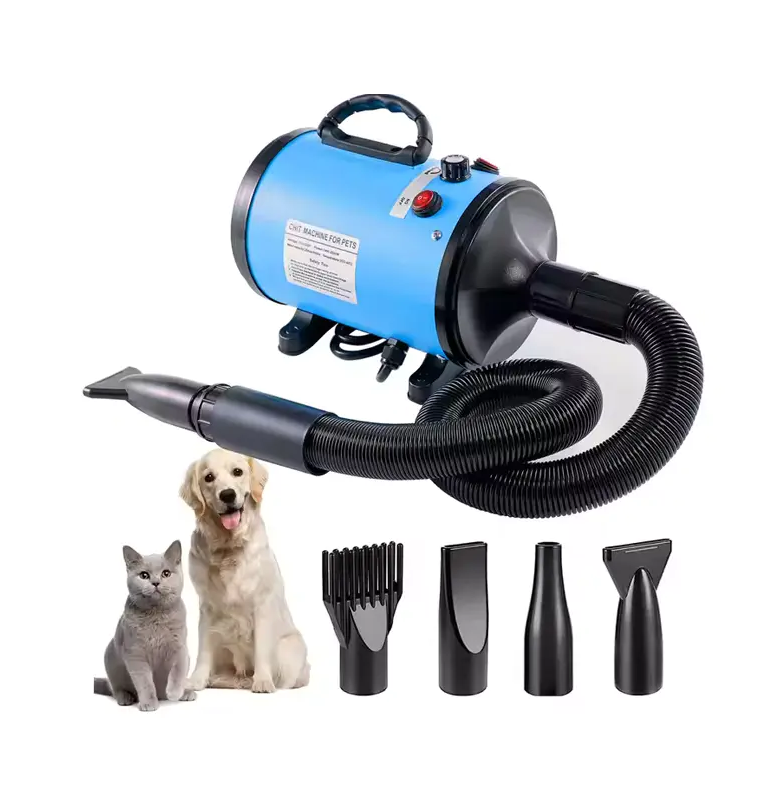
A product such as Smart Pet Water Blower may be part of a broader conversation about modern pet care tools, but the larger point remains the same: better routines often come from practical design, not from exaggerated promises. When feeding is handled with care, consistency, and a clear understanding of household needs, both pets and owners can benefit from a calmer daily rhythm.
Automatic feeding is not about replacing attention. It is about supporting a more orderly and dependable routine. For many pet owners, that means less daily pressure and more consistent meal timing. For pets, it can mean a clearer pattern and a calmer feeding experience. For households comparing a smart feeder with a traditional bowl, the decision comes down to convenience, routine, and long-term fit.
A well-chosen feeding setup should feel natural in the home, not complicated. When it supports steady habits without adding unnecessary friction, it becomes a useful part of pet care.
Related Products
-
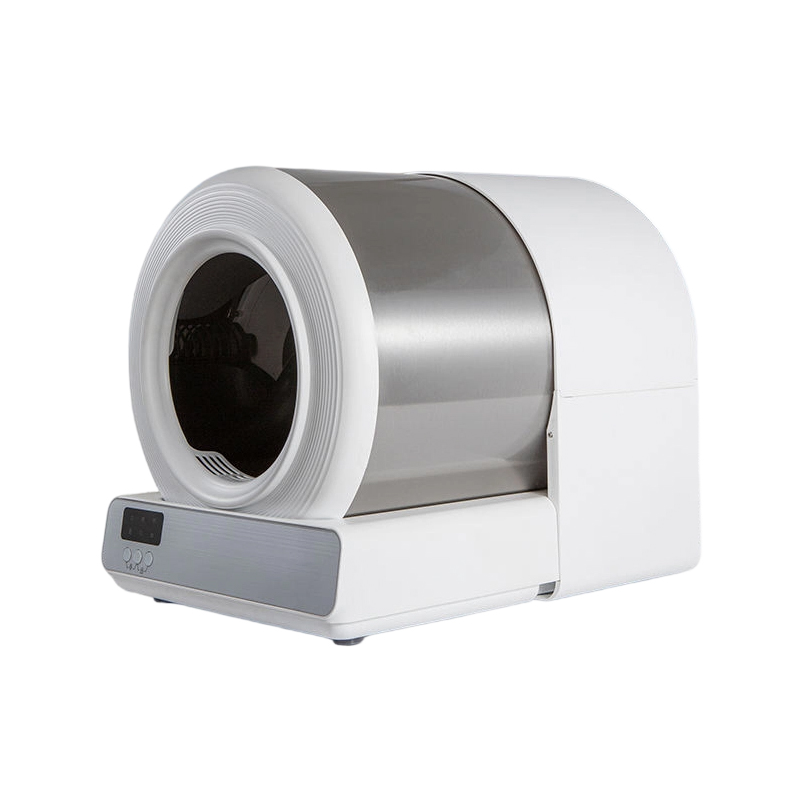
Cat Litter Tray For Multiple Cats Automatic Cat Litter Tray
Cat Litter Tray for Multiple Cats Automatic Cat Litter Tray – Product Features The high-pressure washable, safety-focused design facilitates compr...
View More -
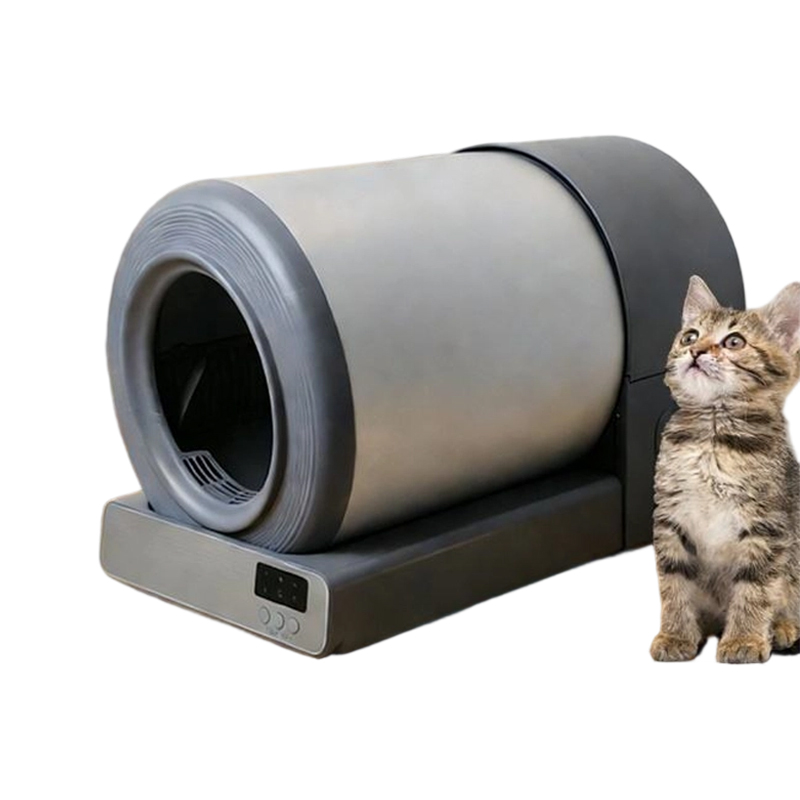
Self-Cleaning Stainless Steel Smart Cat Litter Tray
Self-Cleaning Stainless Steel Smart Cat Litter Tray – Product FeaturesThe preferred choice for non-profit organisations; compatible with open-top bi...
View More -
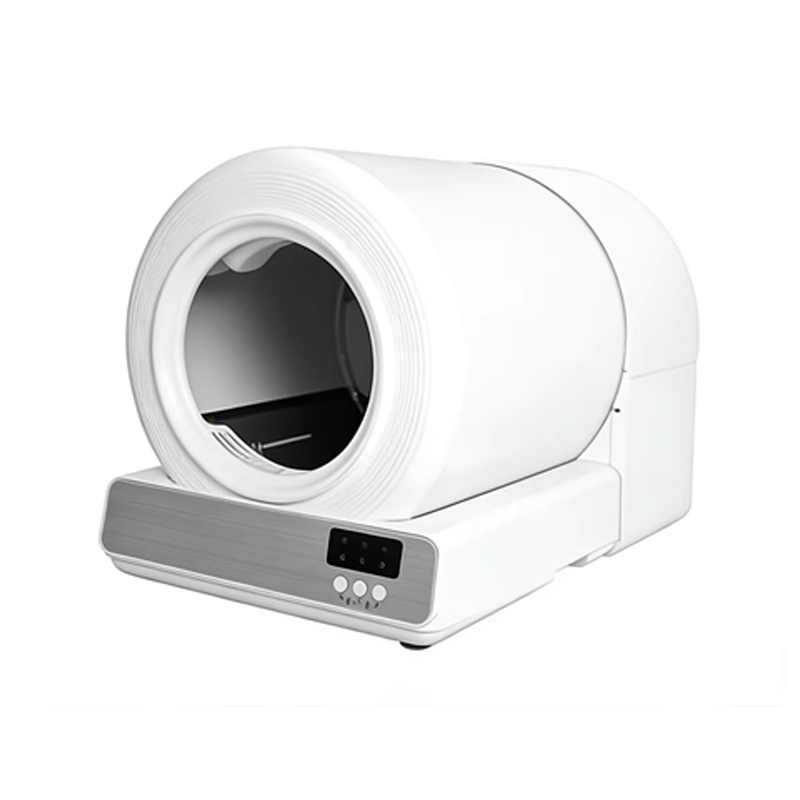
Second-Generation Fully Automatic Cat Litter Tray
Second-Generation Fully Automatic Cat Litter Tray – Product Features With a large 65-litre capacity, it easily accommodates a substantial amount of ...
View More -
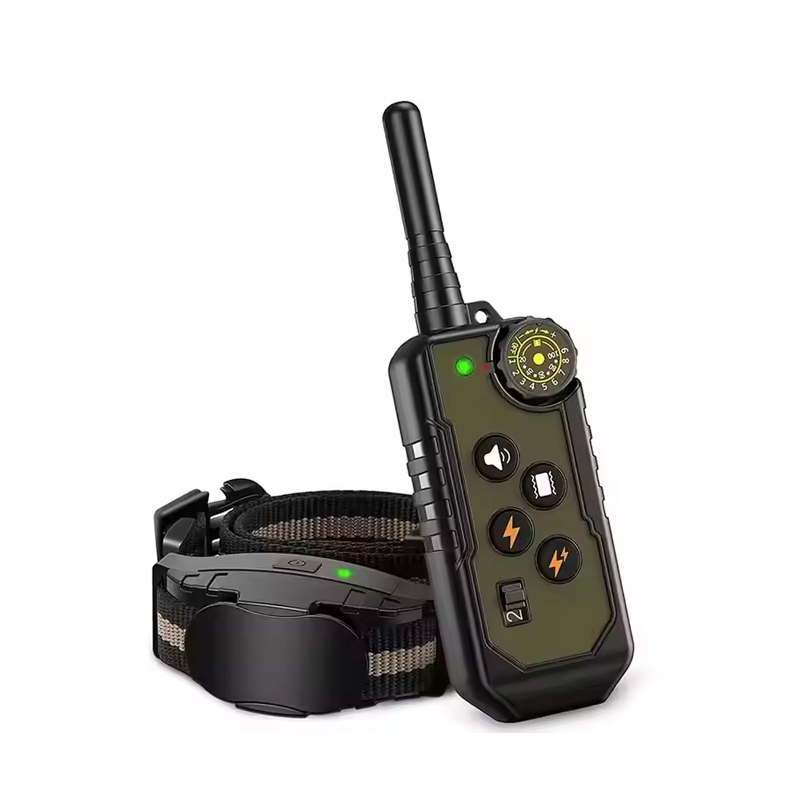
Multi-Mode Easy To Operate Training Shock Collar
The Multi-mode, easy-to-operate training Shock Collar is designed to provide a practical solution for owners seeking a safe and effective way to train...
View More -
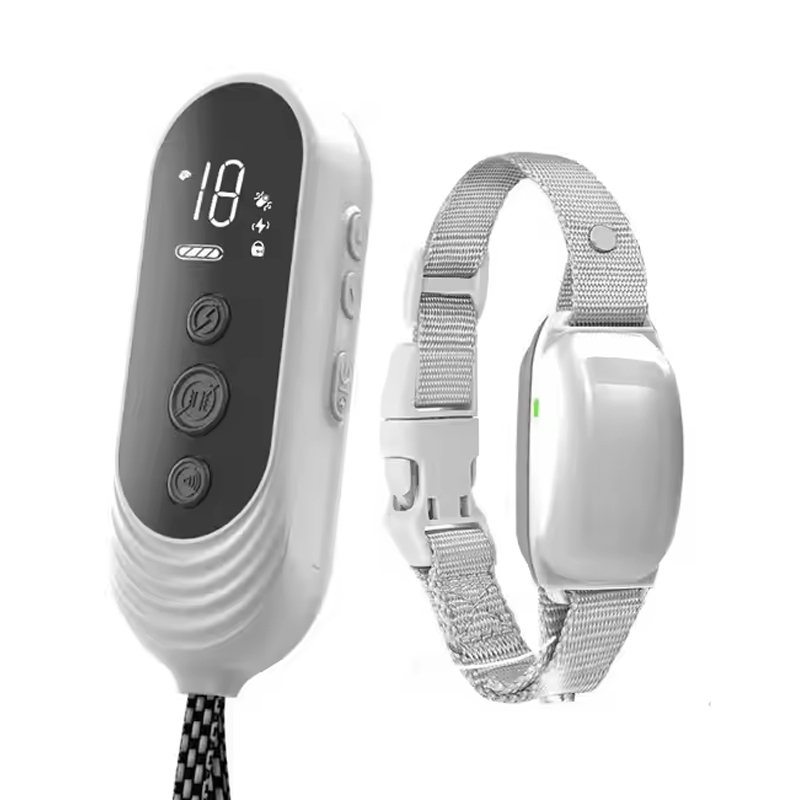
Waterproof Adjustable Polyester Training Shock Collar
The Waterproof Adjustable Polyester Training Shock Collar offers a reliable solution for pet owners seeking a versatile and durable collar to enhance ...
View More -
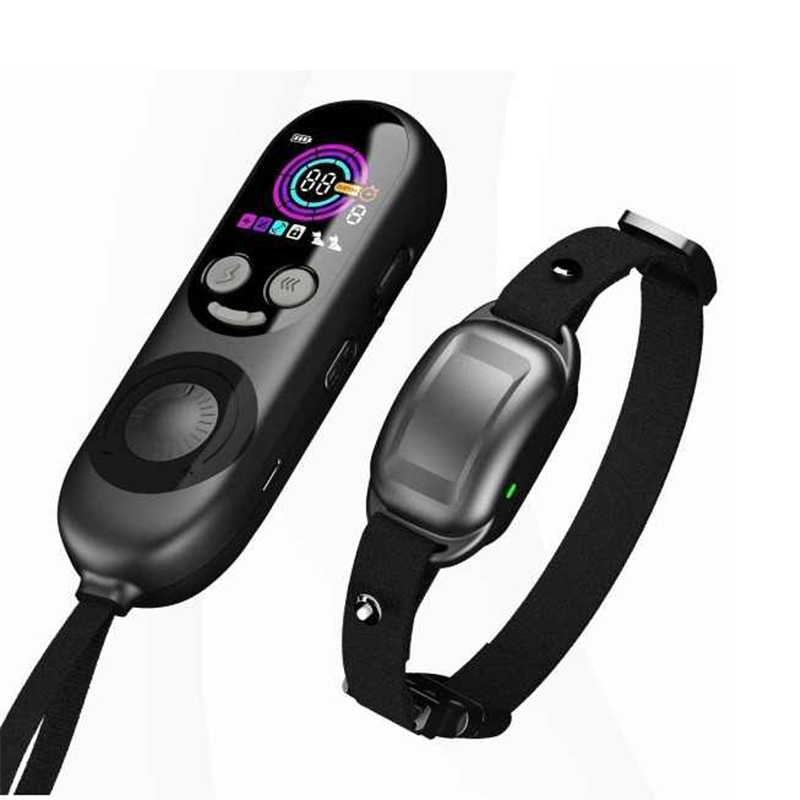
Display Remote Control Training Shock Collar
The Display Remote Control Training Shock Collar is designed to provide pet owners with a reliable and humane solution for training their dogs. Whethe...
View More -
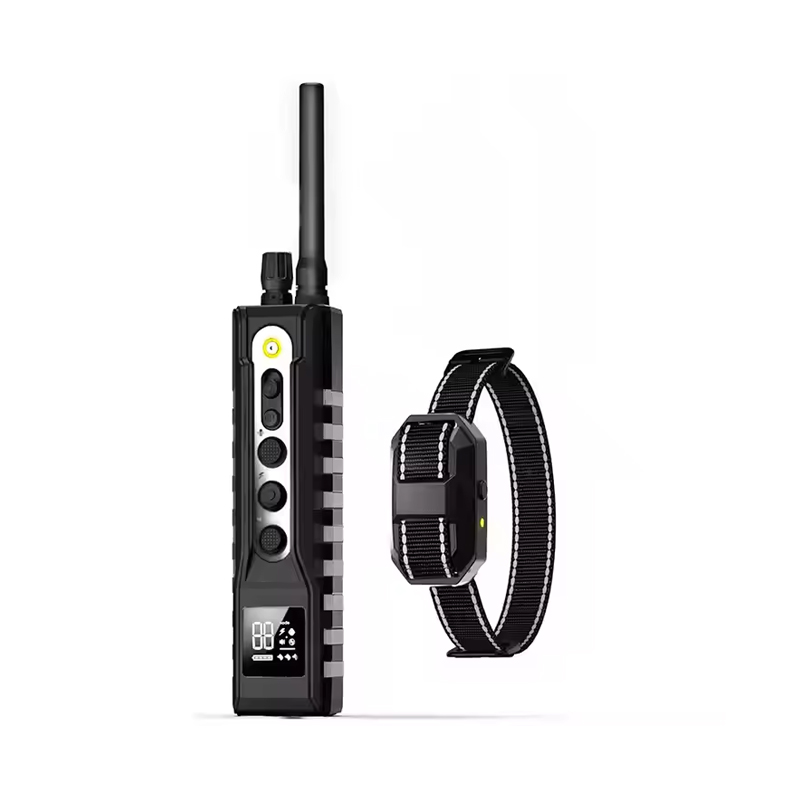
Multi-Function Long Distancetraining Shock Collar
The Multi-function Long Distance Training Shock Collar is a highly versatile tool designed to support your dog’s training across various environment...
View More -
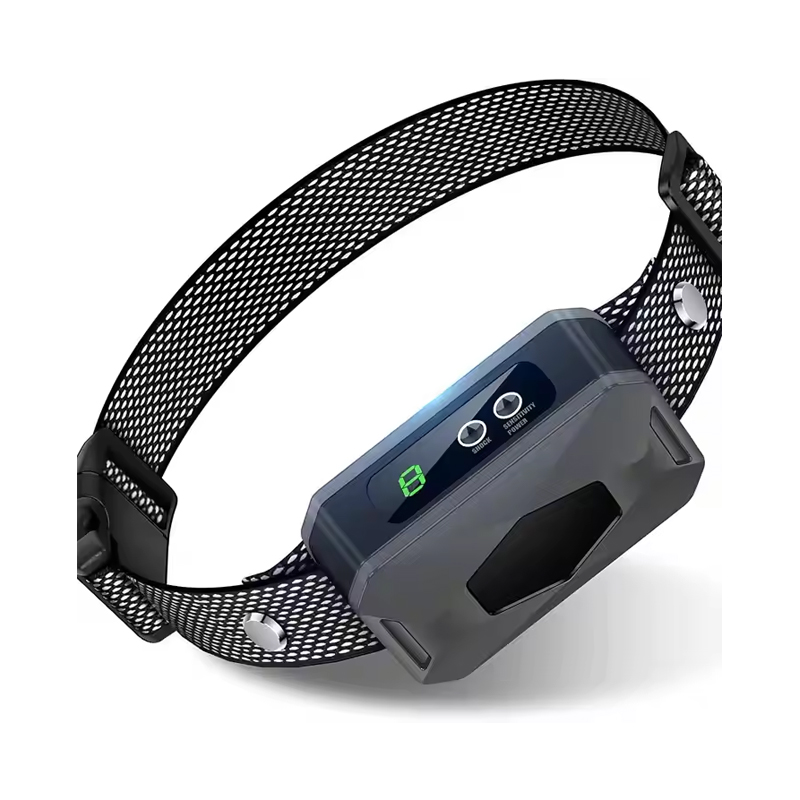
Remote Control Waterproof Training Shock Collar
The Remote Control Waterproof Training Shock Collar is an advanced training tool designed to help pet owners effectively manage their dogs’ behavior...
View More
Pet Products
If you have any questions, please
get in touch with us.
+86-13486854214
E-mail: [email protected]
Address: No. 258, Qingchuan Road, Huzhen Town, Jinyun County, Lishui City, Zhejiang Province
Copyright © Zhejiang Beijing Technology Co., Ltd.

OEM/ODM Smart Pet Care Factory