
 EN
EN  English
 Español
 Français
 Deutsch
 Nederlands

- Type:
- Industry News
- Date:
- 2026-04-21

Industry News
Is an Automatic Litter Box Better Than a Traditional One?
Cat care at home is often shaped by small daily habits. Among them, litter box cleaning is one of the most regular and one of the most important. It affects comfort, routine, household cleanliness, and the way people feel about living with a cat. For many owners, the appeal of automation begins with a simple idea: make a repetitive task easier to manage without changing the care a cat receives.
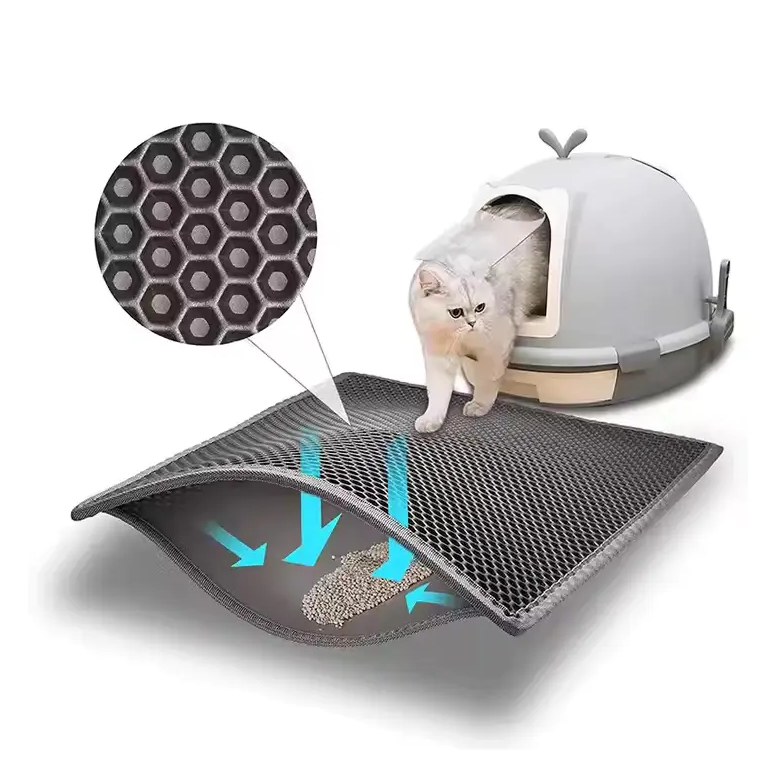
An automatic litter box is not only about convenience. It also touches on hygiene, odor management, maintenance habits, and how well the home can stay organized over time. Some households want a simpler routine. Others want a cleaner space around the litter area. Some are looking for a solution that fits a busy schedule without turning cat care into a chore that is always waiting at the end of the day.
A Realistic Look at Automatic Cleaning
When people first consider an automatic litter box, they often focus on the promise of less manual work. That is a natural starting point, but real use is usually more nuanced. A useful product should not only reduce effort. It should also fit into the home without creating new complications.
One of the clearest advantages is the reduction in daily cleaning tasks. Instead of scooping repeatedly throughout the day, the owner can rely on a more structured cleaning process. That can make the routine feel lighter, especially in homes where time is limited or where the litter box is used often. The change may seem small at first, but over time it can make the litter area feel easier to manage.
Another point is consistency. Manual scooping depends on memory, schedule, and energy. Some days are handled quickly, and other days are delayed. An automatic system brings a more regular approach. That kind of consistency can be helpful in a household where clean-up timing matters. It can also make the area easier to maintain between deeper cleanings.
Of course, automatic cleaning does not remove all responsibility. It changes the type of responsibility. The owner still needs to monitor the box, replace supplies when needed, and keep an eye on how the cat is responding. A device that handles cleaning on its own still works best when the owner remains attentive to the cat's behavior and the condition of the box. In that sense, automation supports care, but does not replace it.
Ease of use is another factor that matters. A product in this category should feel understandable, not complicated. The more naturally it fits into the household routine, the easier it is for people to keep using it. A box that is simple to manage tends to be used more consistently, and consistency is what gives the device its value.
Cleaning Effect, Use Experience, and Maintenance
Cleaning effect is one of the first things people look at. If waste is removed in a steady way, the litter area tends to feel more organized. That can also help the owner feel more comfortable about the condition of the box when no one is around to monitor it all day. A cleaner surface area and less visible waste can make the whole room feel more manageable.
Use experience matters just as much. A litter box should not become a source of stress. It should fit quietly into the background of the home. If the system is too demanding, too sensitive, or too difficult to understand, the convenience is reduced. The goal is not to add another device to manage. The goal is to create a routine that feels more natural than manual cleaning alone.
Maintenance is another practical topic. Any automated device requires attention, and a litter box is no exception. Owners may need to clean the interior, check the mechanism, replace litter, and keep the surrounding space tidy. This is not a flaw. It is part of the ownership experience. What matters is whether the required maintenance feels reasonable for the benefit it provides.
There is also a balance between time saved and effort shifted. Some tasks disappear, while others remain. The owner may spend less time scooping, but more time reviewing the unit, making sure the litter level is right, or handling periodic cleaning. For many households, this is still a fair trade. The value comes from changing how the work is distributed, not from removing responsibility entirely.
Comfort for the cat is equally important. A litter box should support a calm and familiar routine. Cats notice changes in their environment, and they usually prefer predictable spaces. If the unit feels stable, clean, and accessible, many cats adapt well. If it feels too noisy, too different, or poorly placed, the cat may need time to adjust. That is why the setup of the litter area matters as much as the product itself.
Traditional Litter Box or Automatic Cleaning Model
The comparison between a traditional litter box and an automatic one is not simply about new versus old. It is about how each option supports the household. A traditional box is straightforward. It requires manual cleaning, but it is familiar, simple, and easy to understand. For some homes, that simplicity is enough.
A manual box can also be flexible. It does not depend on a machine, a power source, or a mechanism. It is easy to move, easy to replace, and easy to inspect. For owners who prefer a very direct approach, this can be reassuring. There is no learning curve beyond the basic cleaning routine.
An automatic cleaning box offers a different kind of value. It can reduce the need for repeated scooping and bring more order to the litter area. This matters in homes where the box is used frequently or where the owner wants a more managed cleaning pattern. The automatic option can also help keep the space more consistent throughout the day, which may be useful in busy homes.
Hygiene is one of the major differences between the two. With a manual box, waste may stay visible until the owner cleans it. With an automatic box, waste is handled in a more immediate and structured way. That does not mean the area becomes maintenance-free. It does mean the day-to-day appearance and handling can feel more controlled.
Time cost is another clear difference. A traditional box asks for regular attention, which can be manageable for some people and tiring for others. A self-cleaning model may reduce the number of repeated cleanups and make the routine feel less demanding. This can matter in households where schedules change often or where pet care must fit around work and family responsibilities.
Cost is part of the decision as well. A traditional box often has a lower entry cost, while an automatic model requires more planning. That difference should be viewed in context. A more automated product is not only a litter tray; it is part of a larger convenience system. For some households, that added structure is worth considering. For others, a simple manual solution is still the more practical path.
Neither option is automatically right for every home. The better fit depends on lifestyle, cat behavior, and how much time the owner wants to spend on litter maintenance. The useful question is not which option sounds more modern. It is which one supports daily life in a steady and manageable way.
| Litter Box Type | Main Advantage | Main Limitation | Best Suited For |
|---|---|---|---|
| Automatic Litter Box | Reduces repeated scooping and supports a cleaner routine | Requires power, maintenance, and setup | Busy households and owners with limited time |
| Traditional Litter Box | Simple, low-cost, and easy to understand | Needs regular manual cleaning | Homes with simple pet care routines |
| Self-Cleaning Litter Box with Waste Drawer | Keeps waste contained and less visible | Waste drawer still needs regular emptying | Multi-cat homes and owners focused on odor control |
| Open Litter Box | Easy for cats to access and easy to clean | Less odor control and more visible litter scatter | Cats that prefer open spaces |
How Automation Can Support a Cleaner Home
One reason people consider an automatic litter box is the effect it may have on the home environment. Litter areas can influence how a room feels, especially when cleaning is delayed or when the space is used by more than one cat. A more consistent cleaning routine may help the area stay fresher and more orderly.
Odor control is a major concern for many cat owners. While no litter system removes all scent, more frequent waste removal can help reduce the buildup that often leads to unpleasant smells. This can make the room feel more comfortable and may improve how the litter area fits into shared living spaces. It is not a dramatic change in the way people talk about it, but in daily life, small improvements often matter.
Another benefit is that a cleaner litter area can support a better overall feeling in the home. People who live with pets often care about how the room looks and feels, not just how it functions. A box that keeps waste handled in a more regular way may help the space appear more orderly and easier to live with.
There is also a simple practical point: when the litter area is cleaner, it may be easier for the owner to notice changes in the cat's habits. That can matter in daily care. A tidy setup gives the owner a clearer view of what is happening in the box and around it. For some pet owners, that visibility is useful because it makes routine observation easier.
Improved home hygiene does not come from a single device alone. It comes from the combination of a useful product, a sensible cleaning routine, and regular attention from the owner. An automated box can be part of that picture by reducing clutter, limiting delayed waste buildup, and making the litter area easier to keep in shape.
A Practical Fit for Busy Households
The strongest case for automation is often found in everyday life. A busy household benefits from tools that reduce repetitive effort without making care feel distant. For cat owners who want a cleaner routine, a self-cleaning litter box can be a useful part of the home setup.
It may be especially helpful in homes where schedules are uneven. People who work long hours, travel occasionally, or manage multiple responsibilities often look for ways to keep pet care steady. In those cases, automation can support the routine without demanding constant attention.
It can also suit homes where litter maintenance has been a recurring frustration. Some people do not dislike cat care. They simply want to reduce the frequency of a task that feels repetitive. For them, a more structured litter box setup can make daily life feel lighter and more organized.
At the same time, it is important to keep expectations grounded. An automatic litter box is not a replacement for care, and it is not meant to solve every challenge by itself. The owner still needs to observe the cat, maintain the unit, and make sure the setup fits the animal's habits. When those parts come together, the device can become a practical addition rather than a complicated one.
A self-cleaning litter box can be a meaningful update for homes that want more structure around daily cat care. It may reduce repetitive scooping, support a cleaner litter area, and help the household feel more organized. It also changes the nature of maintenance rather than eliminating it, which is why it works best when the owner understands both its advantages and its responsibilities.
Compared with a traditional box, the automatic option offers a different kind of convenience. It supports routine, helps manage cleanup, and may contribute to a tidier home environment when used properly. For some households, that makes the switch worthwhile. For others, a manual box remains a simple and sufficient choice.
The right answer depends on the home, the cat, and the care style of the owner. When the choice is made with those factors in mind, the result is usually a setup that feels more natural, more consistent, and easier to live with over time.
Related Products
-
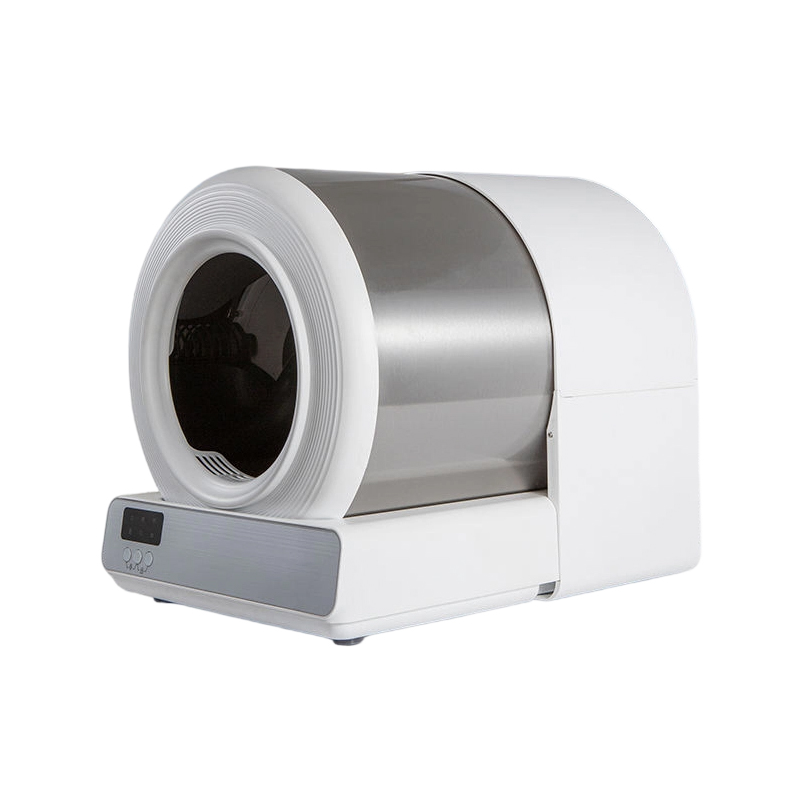
Cat Litter Tray For Multiple Cats Automatic Cat Litter Tray
Cat Litter Tray for Multiple Cats Automatic Cat Litter Tray – Product Features The high-pressure washable, safety-focused design facilitates compr...
View More -
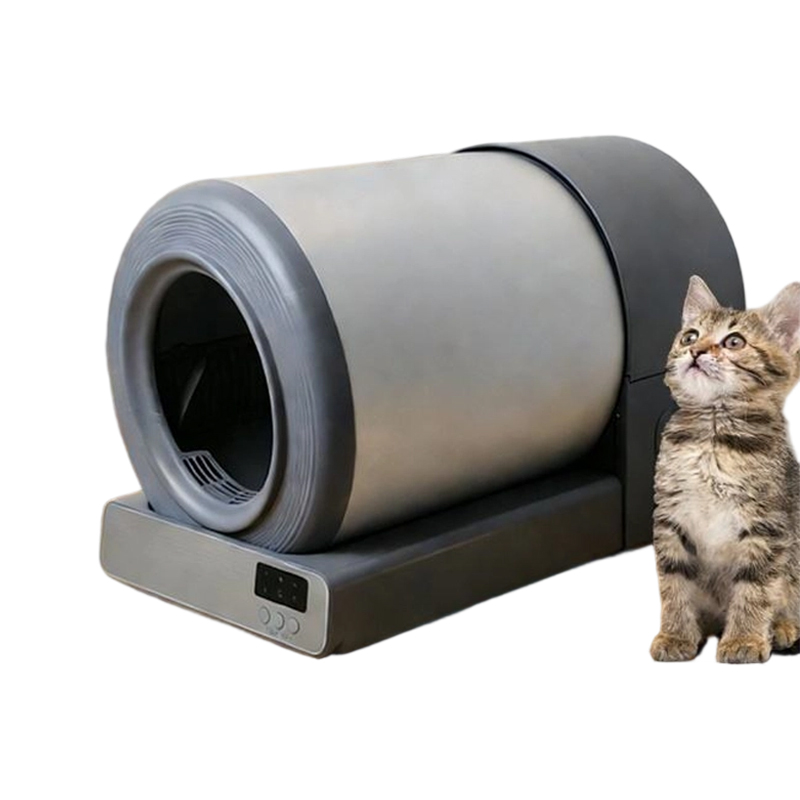
Self-Cleaning Stainless Steel Smart Cat Litter Tray
Self-Cleaning Stainless Steel Smart Cat Litter Tray – Product FeaturesThe preferred choice for non-profit organisations; compatible with open-top bi...
View More -
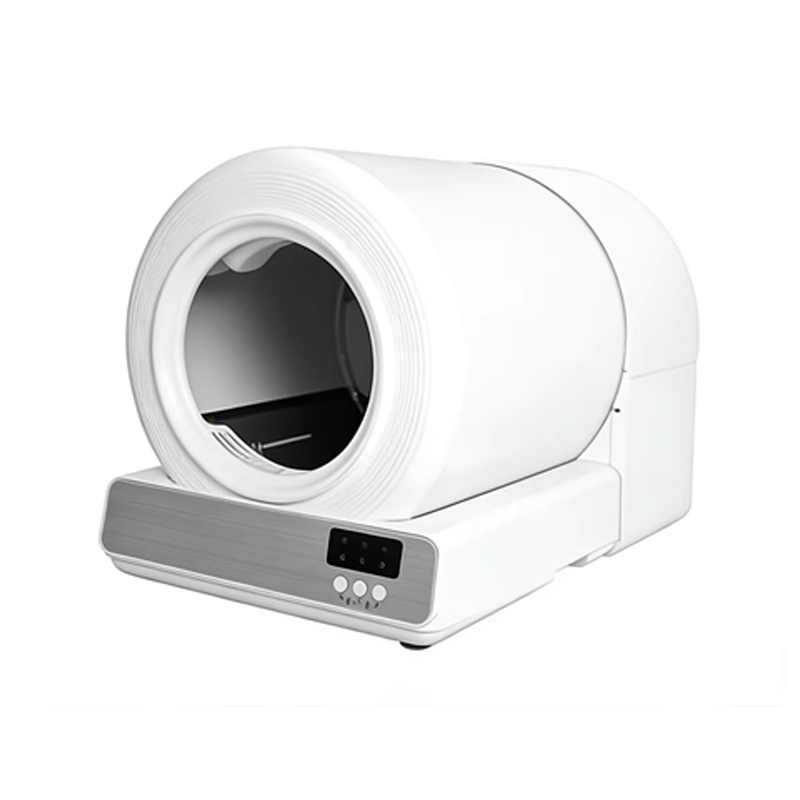
Second-Generation Fully Automatic Cat Litter Tray
Second-Generation Fully Automatic Cat Litter Tray – Product Features With a large 65-litre capacity, it easily accommodates a substantial amount of ...
View More -
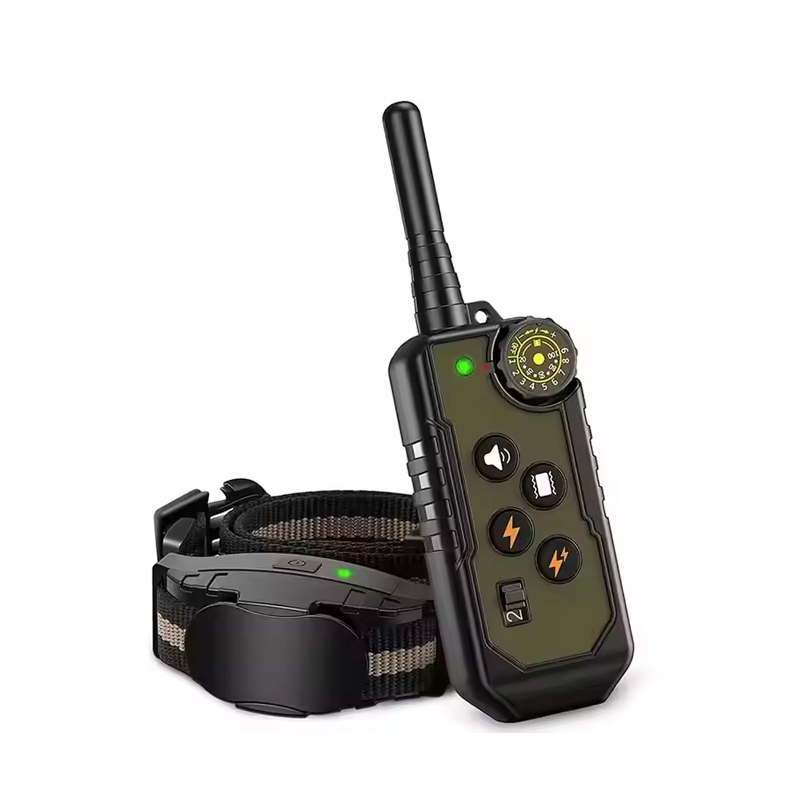
Multi-Mode Easy To Operate Training Shock Collar
The Multi-mode, easy-to-operate training Shock Collar is designed to provide a practical solution for owners seeking a safe and effective way to train...
View More -
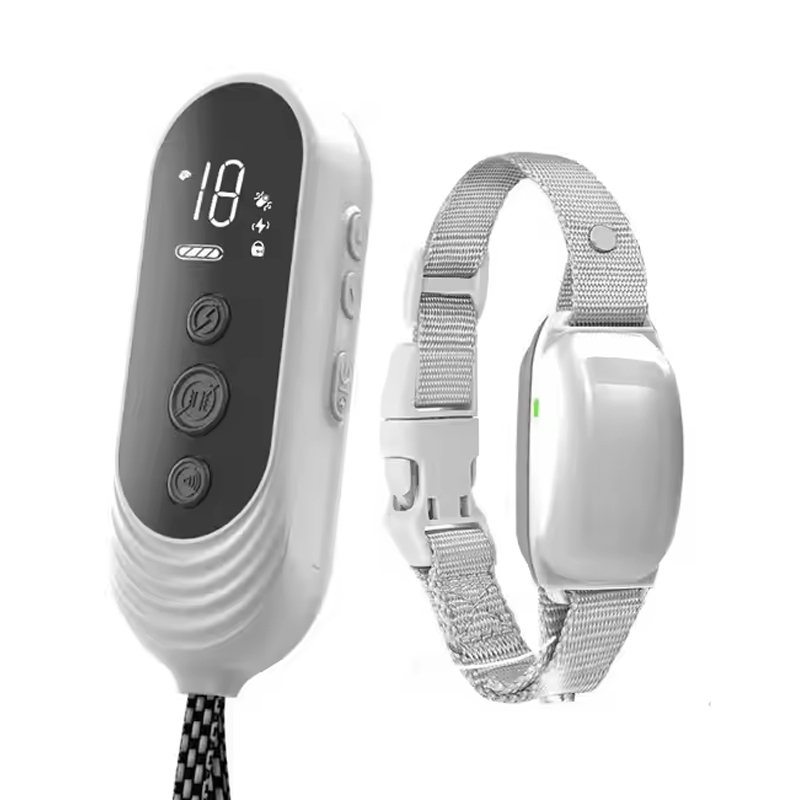
Waterproof Adjustable Polyester Training Shock Collar
The Waterproof Adjustable Polyester Training Shock Collar offers a reliable solution for pet owners seeking a versatile and durable collar to enhance ...
View More -
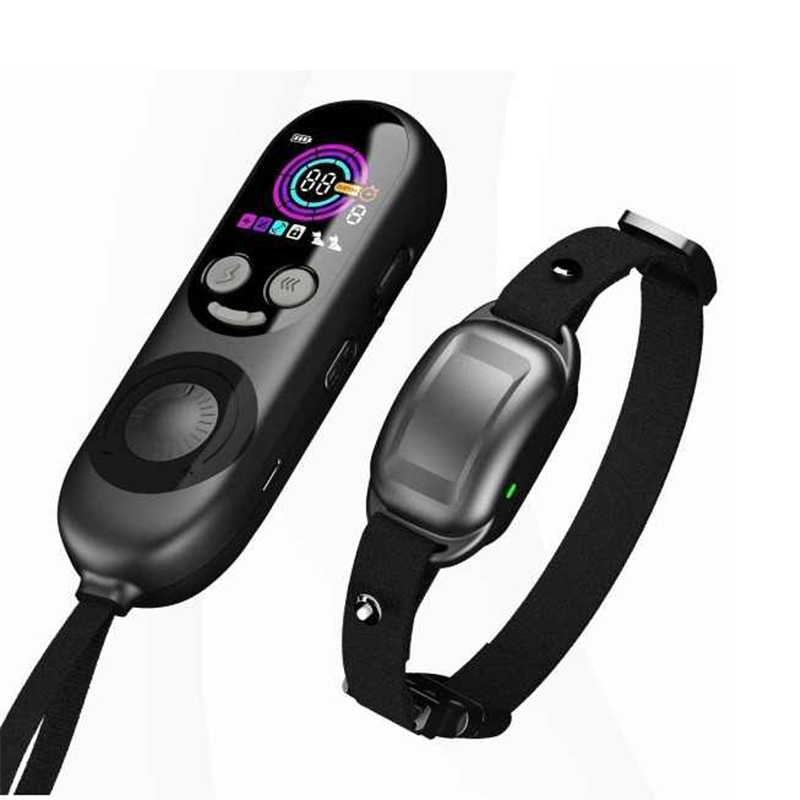
Display Remote Control Training Shock Collar
The Display Remote Control Training Shock Collar is designed to provide pet owners with a reliable and humane solution for training their dogs. Whethe...
View More -
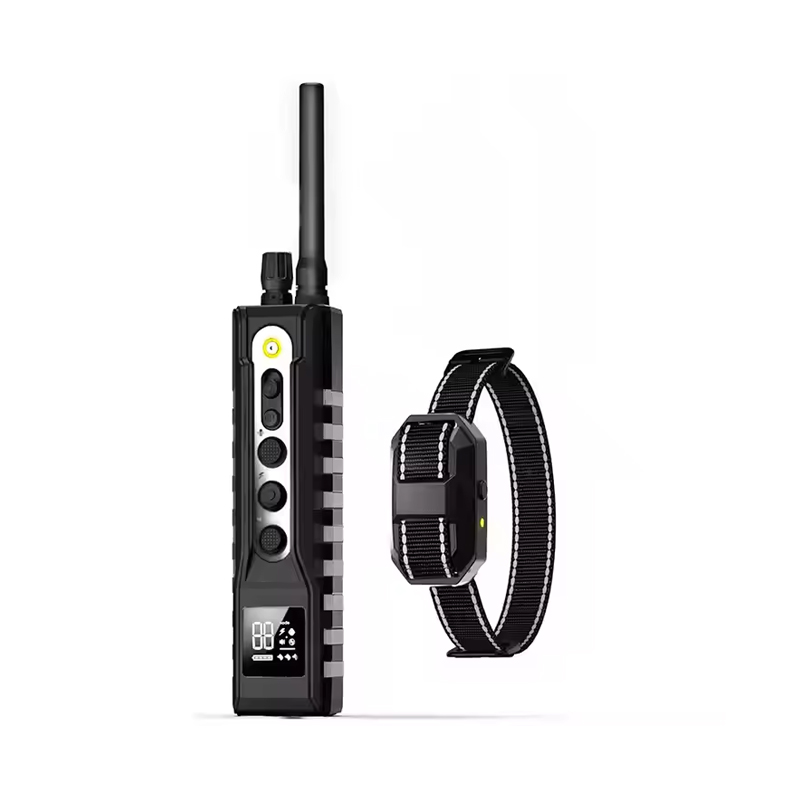
Multi-Function Long Distancetraining Shock Collar
The Multi-function Long Distance Training Shock Collar is a highly versatile tool designed to support your dog’s training across various environment...
View More -
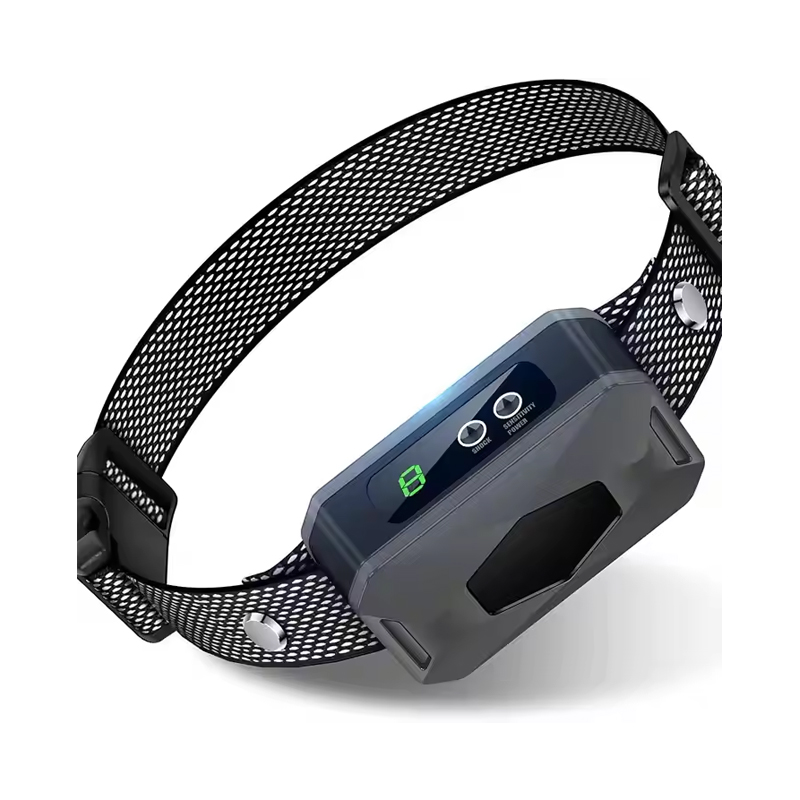
Remote Control Waterproof Training Shock Collar
The Remote Control Waterproof Training Shock Collar is an advanced training tool designed to help pet owners effectively manage their dogs’ behavior...
View More
Pet Products
If you have any questions, please
get in touch with us.
+86-13486854214
E-mail: [email protected]
Address: No. 258, Qingchuan Road, Huzhen Town, Jinyun County, Lishui City, Zhejiang Province
Copyright © Zhejiang Beijing Technology Co., Ltd.

OEM/ODM Smart Pet Care Factory