
 EN
 English
 Español
 Français
 Deutsch
 Nederlands


- Type:
- Industry News
- Date:
- 2026-11-27

Industry News
What Are 9 Ways to Slow Down Your Pet's Eating Speed
Fast eating is one of the more common complaints owners bring up about their pets. A dog can clear a bowl in the time it takes to rinse the scoop, and a cat may swallow its kibble, then walk off and return a few minutes later looking for more. A Pet Slow Feeder is one tool for changing that pattern, and it sits alongside several other approaches, from a Pet Slow Feeder Bowl to puzzle toys and small adjustments to the household routine. The aim in every case is the same: a calmer meal that takes longer and gives the animal something to do.
Why Pets Eat Too Fast
The reason matters, because it decides which fix is worth trying.
Competition is a frequent cause. Where two or more pets share a home, one often hurries because it expects the other to arrive at the bowl. This happens even when there is plenty of food for everyone. Dogs may gulp when another dog is within sight, and cats sometimes eat in a crouch, quickly, as though the food might disappear.
Habit and hunger play a part too. A long gap between meals, or a schedule that shifts from day to day, makes some animals frantic when dinner appears. Others learned the behaviour early, simply because a flat dish with nothing in the way rewards speed.
Boredom is the quieter factor. An indoor pet sees the same rooms all day, and a meal can become the only event worth getting excited about.
Nine Ways to Slow the Pace
No single method suits every animal. Size, food type, temperament, and tolerance for fiddly equipment all change the answer, so the nine approaches below can be tried alone or combined.
1. Use a Pet Slow Feeder Bowl
A Pet Slow Feeder Bowl has raised ridges, channels, or divided sections that keep food from sitting in one open heap. The animal has to work around the obstacles and collect smaller amounts at a time. Many designs suit dry kibble, and some are made for wet food.
A Slow Feeding Pet Bowl helps dogs that clear meals quickly, and cats that bolt their food often manage well with a shallow pattern. Look at the pet's muzzle before buying. A short-nosed dog may struggle with deep, narrow channels, while a very simple pattern may bore an experienced eater.
2. Try Puzzle Feeders and Interactive Toys
A puzzle feeder moves the meal out of the bowl entirely. The pet pushes, rolls, or slides parts to release food, which adds mental effort to the slower pace. Begin with a simple model that has open compartments, put in part of a regular meal, and let the animal investigate at its own speed. If it loses interest, show it how the food comes out.
Curious dogs and cats often enjoy these toys. Others dislike moving parts and do better with a stationary bowl.
3. Spread Food Across a Flat Tray
Spreading a meal thinly over a wide, shallow tray makes it hard to collect a big mouthful. The method costs very little, and it suits cats that dislike reaching into deep dishes. Use a food-safe tray with smooth edges that wipes clean easily, and add a non-slip base if the pet tends to push things across the floor.
4. Divide Meals Into Smaller Portions
A full bowl can overexcite some animals. Splitting the daily amount into several smaller servings spread over the day calms the routine, as long as the total stays within the recommended amount. Extra food should not creep in simply because meals have been divided.
This works well beside a slow feeder, for example by placing one measured portion in the bowl and offering the rest later. A pet with a medical condition or special diet needs a veterinarian's advice before feeding frequency changes.
5. Offer Wet Food on a Lick Mat
A lick mat has shallow grooves and patterns. Spread soft or wet food across it, and the pet licks along the surface to collect the meal, which feels very different from eating out of a dish. Mats suit soft foods better than kibble.
Choose one made for food contact with grooves you can clean thoroughly, because wet food settles into them. Stay nearby while the pet uses it, especially if it chews accessories instead of licking them.
6. Use a Muffin Tin for Separate Compartments
An ordinary muffin tin works as a household trial before any purchase. Each cup holds a small amount of dry food, so the pet has to move from one compartment to the next. Wash the tin, set it on a stable surface, and watch how the animal reacts. Use one with smooth edges and an undamaged coating, and only while you are present, since a chewing pet could damage it or push it around.
7. Hand-Feed During Mealtime
Offering small pieces by hand puts the pace in the owner's control. A dog can earn part of its kibble during a short training session, asked for a familiar behaviour, given one piece, and allowed to finish before the next. A cat that enjoys handling may accept small portions in the same way. Keep portions measured, and do not add treats beyond the daily allowance.
8. Feed Pets in Separate Areas
Feeding animals in different rooms, away from busy walkways, removes the distraction of another pet's bowl. One animal quits glancing across at its neighbour, and another is no longer startled when someone walks past. Separate spaces also make a new bowl easier to introduce, because the pet can explore it without competing for food. Remove leftovers before the animals are brought back together.
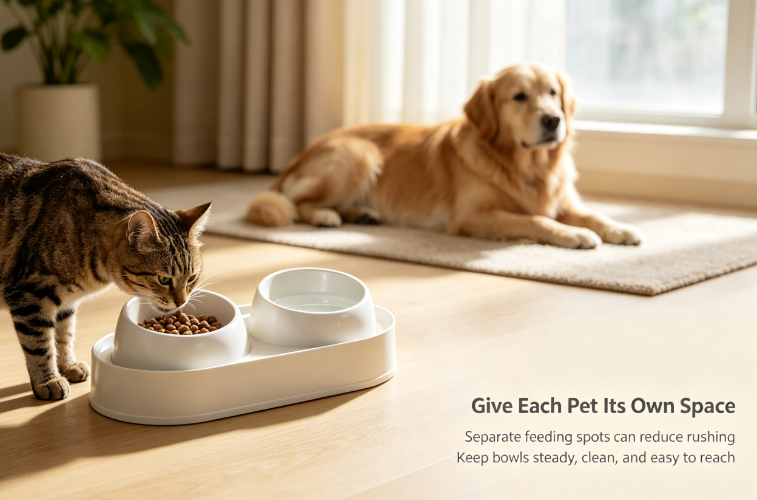
9. Keep a Consistent Feeding Routine
Fixed times and a quiet place tell the animal when and where food arrives, which reduces the excitement around it. A routine combines easily with the other methods.
If a pet becomes unusually hungry, eats differently from before, vomits repeatedly, or has difficulty swallowing, ask a veterinarian rather than treating it as a habit.
Which Method Suits Which Pet?
Some methods put obstacles around the food, while others ask the pet to work for it. The right choice depends on how the animal eats and how much interaction it tolerates.
| Method | Suitable For | Main Benefit | Consideration |
|---|---|---|---|
| Pet Slow Feeder Bowl | Fast eaters | Controls access to food | Pick a suitable pattern |
| Puzzle feeder | Curious pets | Adds mental activity | Introduce gradually |
| Flat tray | Pets that prefer shallow dishes | Spreads food out | Food may be pushed around |
| Smaller portions | Pets with rushed meals | Changes how meals are spread | Needs planning |
| Lick mat | Wet-food eaters | Encourages licking | Needs careful cleaning |
| Muffin tin | Pets at ease with new surfaces | Separates portions | Supervision needed |
| Hand-feeding | Pets that enjoy interaction | Supports training | Needs owner time |
| Separate areas | Multi-pet homes | Reduces competition | Needs extra space |
| Consistent routine | Pets with irregular feeding | Predictable mealtimes | Needs steady timing |
For a pet that gulps from a regular bowl, a Pet Slow Feeder is a sensible option to try. Many households end up combining two or three methods.
Choosing a Slow Feeder Bowl
Looks matter less than whether the pet can reach its food, whether the bowl stays put, and whether it washes easily.
Begin with size and depth. The pet should be able to reach food without straining, so think about body size, muzzle shape, the type of food, and the spacing between raised sections. Cats and small dogs usually find shallow designs easier, and large dogs often need wider bowls with more room between ridges.
Material changes the feel and the cleaning routine.
| Material | Characteristics | What to Check |
|---|---|---|
| Silicone | Flexible and lightweight | Food-contact suitability, surface condition |
| Stainless steel | Durable and easy to maintain | Smooth edges and construction |
| Food-grade plastic | Many shapes and patterns | Material safety, scratch resistance |
Whatever the material, look the bowl over from time to time and replace it once the surface becomes hard to clean. Cleaning deserves thought at the point of purchase, since food collects between raised sections, especially wet or sticky food. Check that every compartment can be reached with a brush, and wash by hand or in a dishwasher only as the manufacturer allows.
Introducing a New Bowl
An animal that has eaten from the same dish for years may distrust a new one. Place the empty bowl in the usual feeding spot and let the pet sniff it without pressure. Add a small amount of familiar food, and avoid changing the food and the bowl on the same day. Watch whether it reaches the food comfortably. If it paws at the bowl, becomes frustrated, or walks away hungry, move to a simpler pattern.
Keep the area quiet, wash the bowl after meals, and give the animal time. Every pet approaches food differently, and the right setup is the one that makes mealtime manageable. A Slow Feeding Pet Bowl, matched to the animal's size and food and supported by a steady routine, is a practical place to begin.
Related Products
-
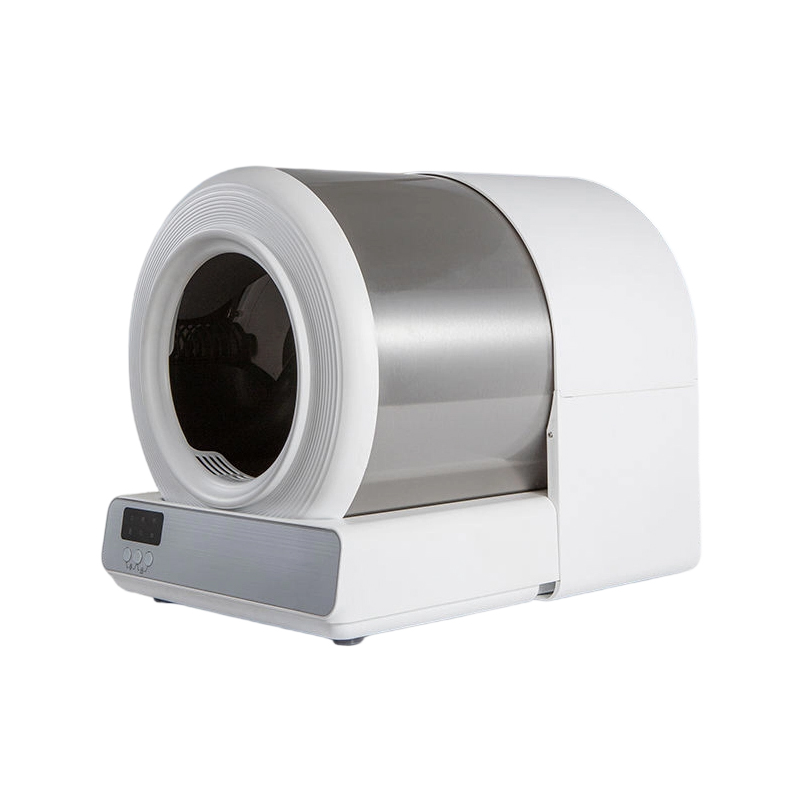
Cat Litter Tray For Multiple Cats Automatic Cat Litter Tray
Cat Litter Tray for Multiple Cats Automatic Cat Litter Tray – Product Features The high-pressure washable, safety-focused design facilitates compr...
View More -
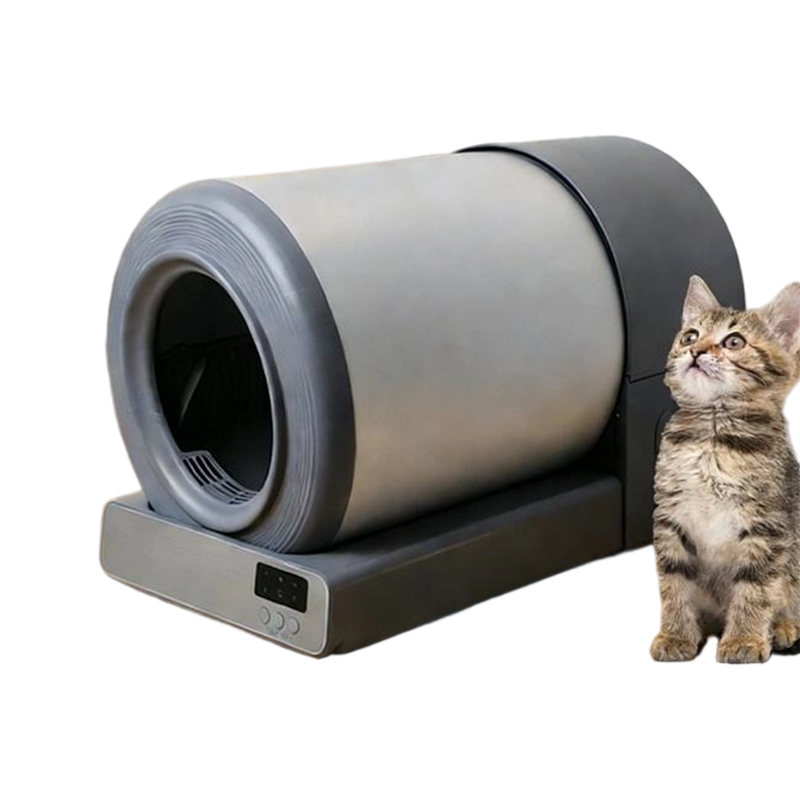
Self-Cleaning Stainless Steel Smart Cat Litter Tray
Self-Cleaning Stainless Steel Smart Cat Litter Tray – Product FeaturesThe preferred choice for non-profit organisations; compatible with open-top bi...
View More -
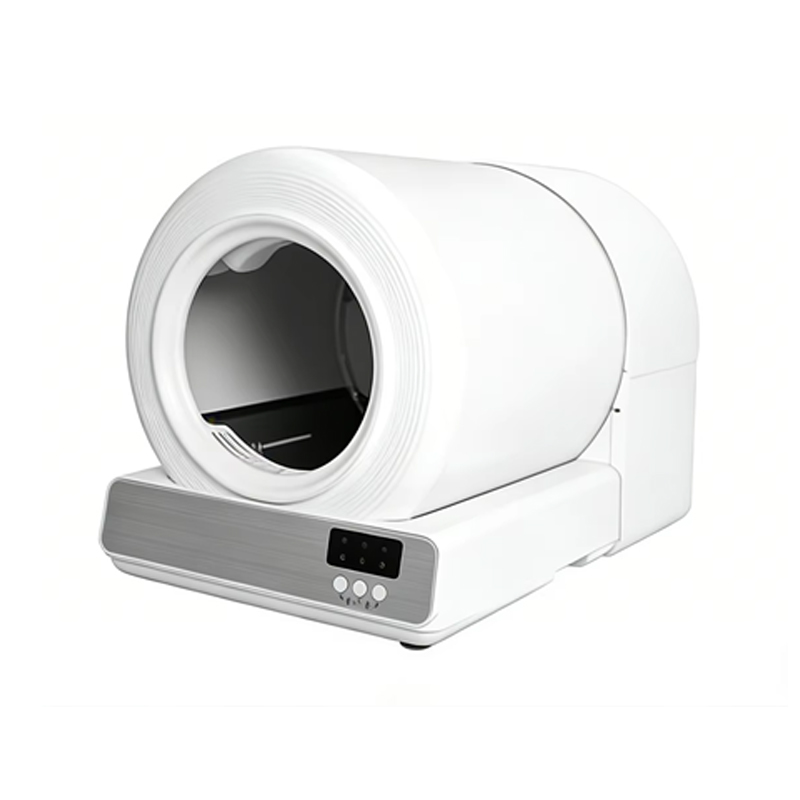
Second-Generation Fully Automatic Cat Litter Tray
Second-Generation Fully Automatic Cat Litter Tray – Product Features With a large 65-litre capacity, it easily accommodates a substantial amount of ...
View More -
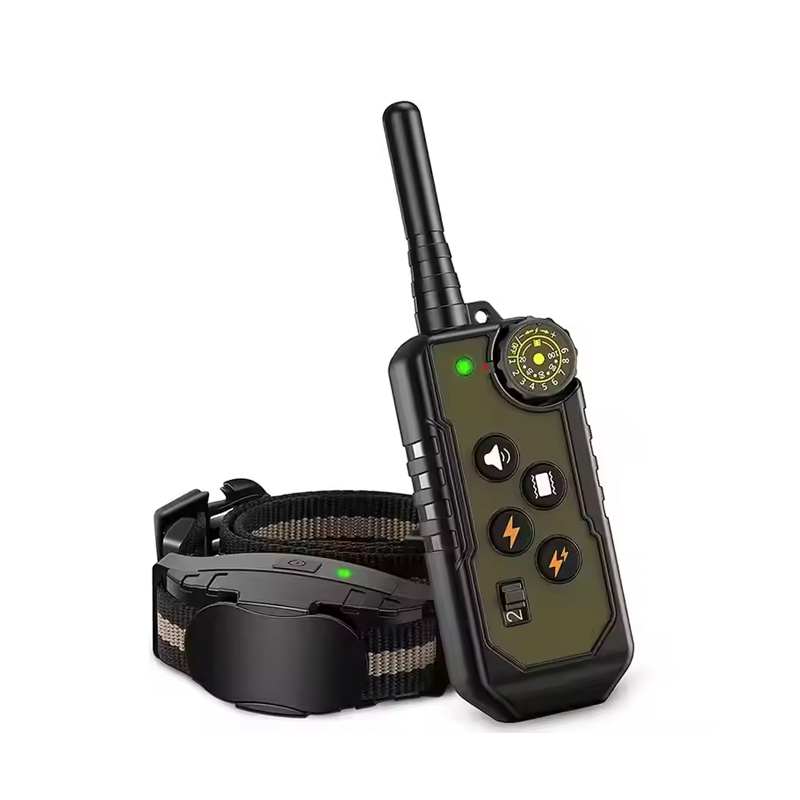
Multi-Mode Easy To Operate Training Shock Collar
The Multi-mode, easy-to-operate training Shock Collar is designed to provide a practical solution for owners seeking a safe and effective way to train...
View More -
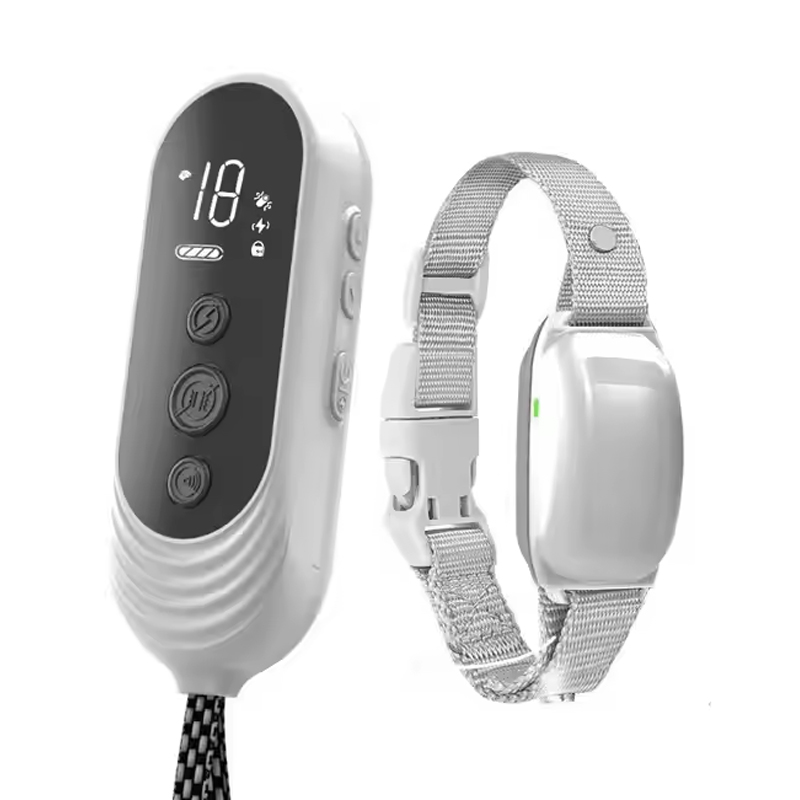
Waterproof Adjustable Polyester Training Shock Collar
The Waterproof Adjustable Polyester Training Shock Collar offers a reliable solution for pet owners seeking a versatile and durable collar to enhance ...
View More -
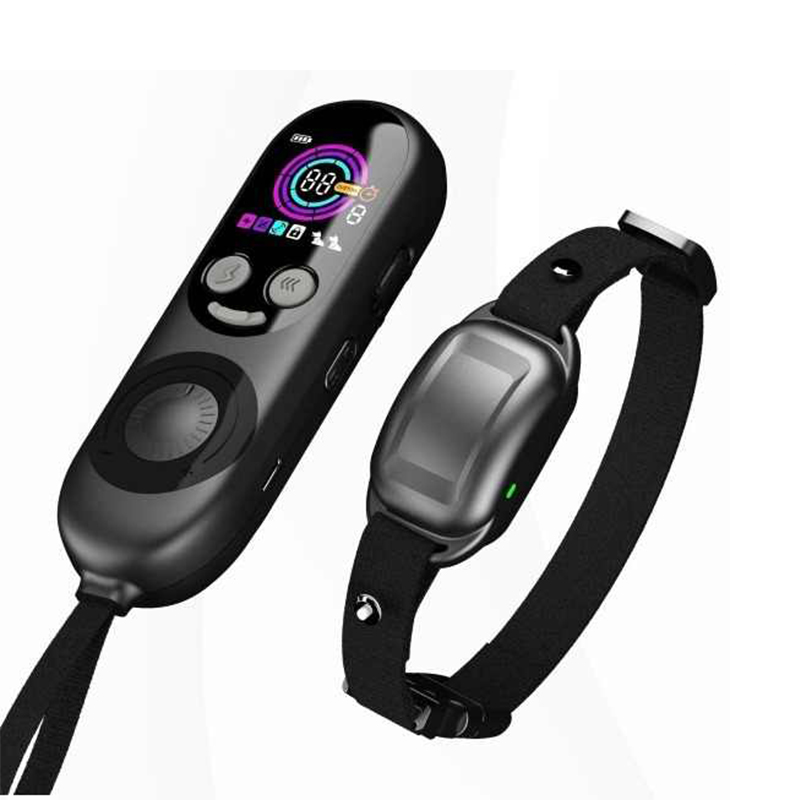
Display Remote Control Training Shock Collar
The Display Remote Control Training Shock Collar is designed to provide pet owners with a reliable and humane solution for training their dogs. Whethe...
View More -
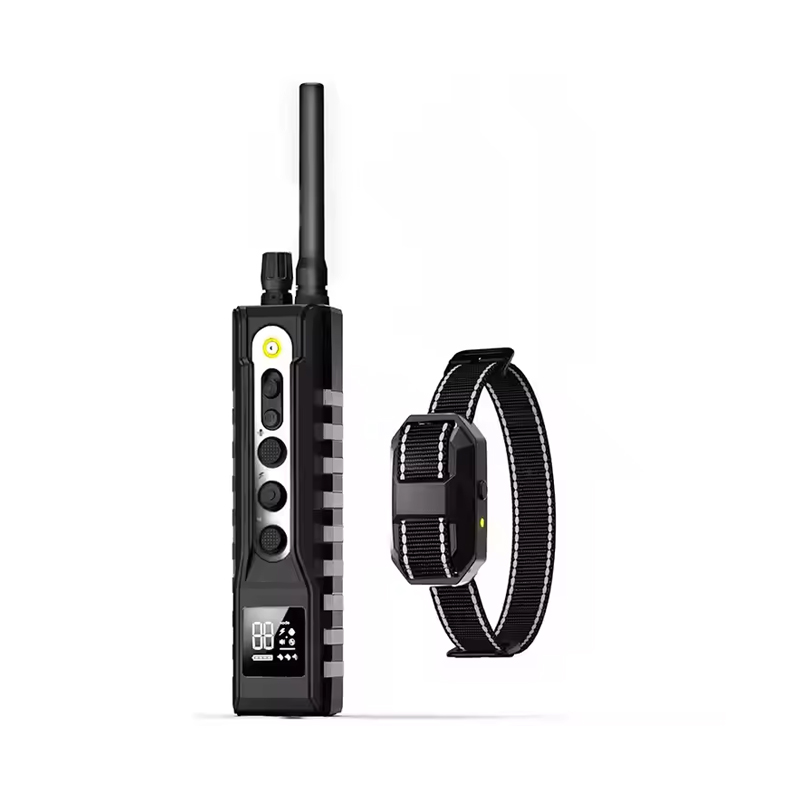
Multi-Function Long Distancetraining Shock Collar
The Multi-function Long Distance Training Shock Collar is a highly versatile tool designed to support your dog’s training across various environment...
View More -
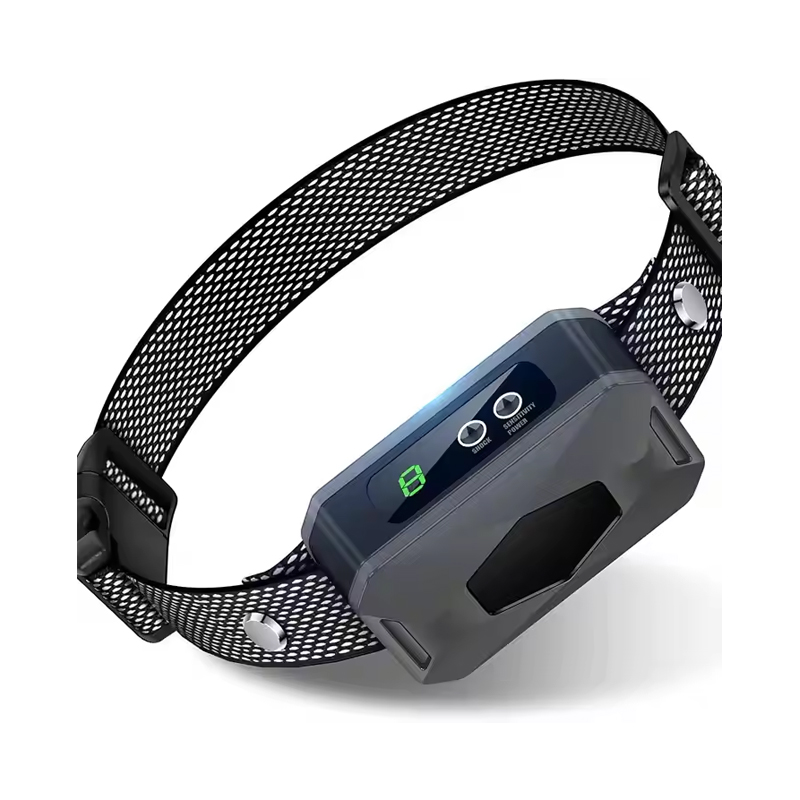
Remote Control Waterproof Training Shock Collar
The Remote Control Waterproof Training Shock Collar is an advanced training tool designed to help pet owners effectively manage their dogs’ behavior...
View More
Pet Products
If you have any questions, please
get in touch with us.
+86-13486854214
E-mail: [email protected]
Address: No. 258, Qingchuan Road, Huzhen Town, Jinyun County, Lishui City, Zhejiang Province
Copyright © Zhejiang Beijing Technology Co., Ltd.

OEM/ODM Smart Pet Care Factory