
 EN
EN  English
 Español
 Français
 Deutsch
 Nederlands

- Type:
- Industry News
- Date:
- 2026-01-30

Industry News
What Are the Environmental Benefits of Using a Smart Pet Water Blower
As pet care continues to evolve, smart pet water blowers are becoming increasingly popular among eco-conscious pet owners. These innovative devices not only make drying pets faster and easier but also come with several environmental benefits that are important in today's world. From reducing energy consumption to minimizing waste, pet water blowers offer a sustainable alternative to traditional pet drying methods.
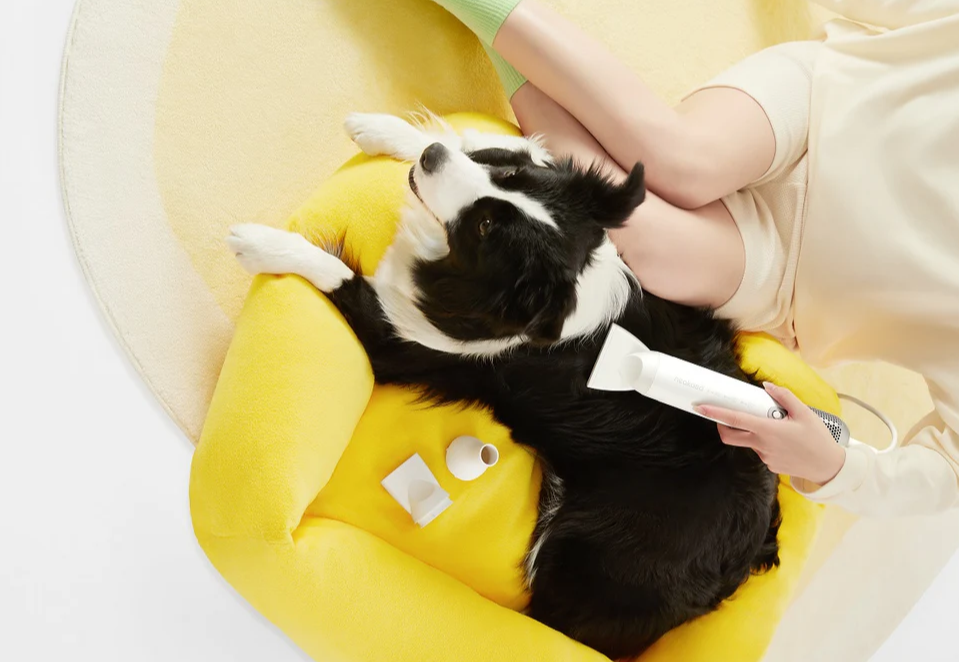
How can you save on your electricity bill while also protecting the planet?
Using a traditional hair dryer or even towel-drying a pet can consume a surprising amount of electricity—especially when the process drags on or you have to run the dryer multiple times to get everything dry.
Pet water blowers are built with energy efficiency in mind from the start. They automatically fine-tune air speed, temperature, and drying duration based on your pet's size, coat type, and how wet they are. Instead of blasting full power the whole time, the blower ramps up only when needed and dials back as the pet dries, so it uses far less electricity overall.
This smarter approach delivers several clear advantages:
- Lower overall power consumption — The blower only draws what's necessary, so you're not wasting energy on unnecessary heat or airflow.
- Shorter drying sessions — By delivering the right combination of air and warmth precisely where it's needed, most pets dry noticeably faster than with manual methods or older dryers. Less time running means even less energy used.
- Customizable power levels — You can choose gentler settings for small or short-haired pets, or stronger bursts for thick-coated breeds, ensuring the machine never works harder than it has to.
The result? A pet that's dry and comfortable in less time, while your electricity bill stays lower and your household's carbon footprint shrinks. It's a small change that adds up—both for the environment and for everyday savings.
How to save water: Protecting a precious resource?
Fresh water is a precious resource, and everyday pet-care habits can add up to surprising levels of unnecessary use. Traditional towel-drying means grabbing a towel after every bath or swim, soaking up water from your pet's coat, then tossing that towel into the laundry pile. Each wash cycle uses gallons of water plus detergent, and the process repeats frequently—especially in multi-pet homes or during wet seasons.
Smart pet blowers change that equation completely. They remove excess water from fur using directed airflow instead of absorbent fabric, so you skip the towels altogether (or use them only minimally for final touch-ups). No soaked towels heading to the washing machine means no extra loads of laundry just for pet drying.
Here's how these blowers help cut water use in practical ways:
- Eliminate routine towel washing — Without wet, dirty towels piling up after every drying session, you drastically reduce the number of laundry cycles dedicated to pet towels. That saves water, energy for heating the wash, and detergent that eventually flows down the drain.
- Zero water used in the drying process itself — The blower relies entirely on air movement to strip water from the coat—no additional rinsing, soaking, or liquid involved. It's a dry-to-dry method that doesn't consume a single drop beyond what was already used in the bath.
- Overall lower household water footprint — By replacing a water-intensive step with an air-based one, the entire grooming routine becomes noticeably more efficient. The difference is especially clear when you have a pet that needs frequent drying (long-haired breeds, frequent swimmers, rainy climates, or active outdoor dogs).
Switching to a pet water blower isn't just about faster, gentler drying—it's a small but meaningful way to lighten your home's impact on water resources. You keep your pet comfortable and clean while using less of a limited resource, one drying session at a time.
How to reduce single-use waste?
It's common for pet owners to grab disposable items when drying a wet pet—paper towels for quick blotting, wet wipes for paws or face, disposable drying sheets, or even puppy training pads in a pinch. These get used once (or maybe twice) and then go straight into the trash. Over time, especially with frequent baths, rainy days, or a water-loving dog, that adds up to a steady flow of paper, plastic packaging, and non-recyclable wipes heading to landfills.
Smart pet water blowers flip that pattern entirely. The device itself is a durable, long-lasting tool meant for hundreds or thousands of uses over years. Once you have one, you no longer need to reach for single-use products every time your pet comes in damp. The blower handles the bulk of water removal with powerful, directed air—no towels or wipes required beyond perhaps a light final pat-down.
This shift brings several practical, waste-reducing benefits:
- No constant need for disposables — Paper towels, wet wipes, and similar throwaways stop being part of your routine. You break the cycle of buying, using once, and discarding, which means fewer packs in your shopping cart and less packaging waste at home.
- Virtually zero waste per drying session — The blower generates no trash on its own. It's a clean, reusable system that replaces disposable alternatives without creating new garbage.
- A genuinely sustainable pet-care habit — By investing in a reusable piece of equipment instead of relying on single-use items, you make drying a low-waste activity day after day. It's one easy change that supports reusability and keeps more material out of landfills without complicating your routine.
Choosing a smart pet water blower means your pet stays dry and comfortable while your household produces noticeably less everyday waste. It's a simple, repeatable way to make pet grooming greener—one drying at a time, with no ongoing pile of disposables to deal with.
How to maintain a longer product lifespan?
Electronic waste (e-waste) is one of the fastest-growing environmental problems—old appliances, chargers, gadgets, and small electronics pile up in landfills or get shipped overseas for processing, often releasing toxic materials like lead, mercury, and flame retardants into soil and water.
Traditional pet dryers (whether basic hair dryers repurposed for pets or cheaper automatic models) tend to wear out relatively quickly. Motors burn out, heating elements fail, switches break, or plastic housings crack after a couple of years of regular use. When that happens, most people replace the unit rather than repair it, adding another piece of e-waste to the stream.
Pet water blowers are intentionally engineered differently. They use higher-grade components—stronger motors, better-sealed electronics, more robust housings, and quality bearings—that hold up under frequent grooming sessions. With basic care (keeping them clean, storing them properly, and avoiding extreme drops or water exposure), these devices routinely last 5–10 years or more, far outpacing typical budget dryers.
This extended durability creates meaningful environmental benefits:
- Fewer replacements = less manufacturing demand — Every new dryer requires raw materials (plastics, metals, rare earths for motors), energy to produce, and fuel for shipping. A blower that lasts twice as long means roughly half the production and transportation impact over the same period.
- Much less e-waste generated — When you're not tossing out a broken dryer every 1–3 years, you're keeping that entire device (and its packaging) out of landfills or recycling streams that often aren't as effective as we'd hope.
- Overall smaller footprint from long-lasting design — Choosing a product built to endure reduces the cycle of consume–discard–replace. It's a quieter but very real way to lower your household's contribution to the global e-waste problem.
How to operate more quietly: Reducing noise pollution?
One of the biggest drawbacks of conventional blow dryers—whether they're household models repurposed for pets or basic pet dryers—is the intense noise. They often roar at high volumes that can feel startling or even painful to a pet's sensitive ears. Many dogs and cats react by tensing up, trying to pull away, shaking, or showing clear signs of anxiety during the drying phase, which makes grooming sessions longer, more difficult, and less enjoyable for everyone involved.
Pet water blowers are purposefully designed to run much quieter while still providing powerful, efficient airflow. They incorporate noise-dampening features like insulated motors, smoother fan designs, and optimized air paths that keep the sound level significantly lower—typically in a comfortable, steady range rather than a piercing whine. The difference is noticeable right away: drying sounds more like a gentle whoosh than an aggressive blast.
This quieter performance offers meaningful benefits for both your pet's well-being and your living space:
- Reduced indoor noise pollution — Grooming no longer fills the house with loud, echoing dryer noise that can disturb other pets, family members, or neighbors. The home stays calmer and more relaxed during and after bath time.
- Gentler, less intimidating experience for pets — Animals stay noticeably more at ease. A quieter blower helps prevent fear-based reactions, makes it easier to keep them positioned calmly, and turns drying into something they tolerate—or even accept—without stress. Over time, this can make future grooming sessions smoother and quicker.
- Easier, more cooperative grooming overall — When a pet isn't stressed or fighting the process, you can dry them more thoroughly and evenly with less effort. No more chasing them around the room or using extra treats to keep them still—just a straightforward, low-drama routine that feels better for everyone.
Where are sustainable materials and environmentally friendly manufacturing practices evident?
Many smart blowers are constructed from sustainable materials. Manufacturers are increasingly prioritizing the use of recycled components and eco-friendly production processes. These practices reduce the environmental impact associated with raw material extraction and manufacturing.
By choosing a pet water blower made from sustainable materials, pet owners help support green manufacturing and contribute to a circular economy.
Sustainable Manufacturing Benefits:
- Use of recycled materials in construction
- Eco-friendly production methods that minimize energy use
- Support for green companies driving innovation in sustainable pet care
Environmental Impact Comparison: Smart Pet Water Blowers vs. Traditional Methods
| Aspect | Smart Pet Water Blower | Traditional Blow Dryer | Towel Drying |
|---|---|---|---|
| Energy Consumption | Low, optimized | High, inefficient | Low |
| Water Usage | Minimal, no washing required | Low (no water used) | High, requires frequent washing |
| Waste Generation | Minimal, reusable components | High, frequent replacements | High, single-use towels |
| Noise Level | Low | High | No impact |
| Sustainability | High, eco-friendly materials | Low, disposable products | Low, requires water and detergent |
How to support environmentally conscious brands?
More pet owners today care deeply about the environmental side of their choices, and pet care companies are responding. Forward-thinking brands are moving away from short-term, high-waste designs and instead creating pet water blowers (and other grooming tools) with real sustainability built in: tougher, longer-lasting parts, energy-thrifty motors, reduced or recyclable packaging, and overall construction meant to endure years of use rather than months.
Your decision creates a chain of positive effects that reach far beyond one dryer:
- Raises the bar for the whole pet care industry — Consistent demand for sustainable products pushes manufacturers (big and small) to rethink how they make things. Lower-impact materials become more common, factory energy use drops, excess packaging gets trimmed, and repairability starts to matter again. What used to be a "nice-to-have" green option slowly turns into the expected standard.
- Sparks new ideas in pet grooming — When an eco-friendly blower does well, the same brand (and others watching closely) gets motivated to apply similar thinking elsewhere: bath systems that recycle or conserve water, biodegradable grooming wipes, low-energy clippers, refillable shampoos, or modular tools you can upgrade instead of replace. Your support keeps that innovation cycle turning faster.
- Builds a genuinely greener pet market over time — Each purchase adds weight to the shift. As more people choose low-impact options, the market naturally tilts that way. Bigger brands that once lagged behind start improving to keep up, prices on sustainable products tend to come down as production scales, and eco-friendly pet care becomes easier and more affordable for everyone—not just the most dedicated green shoppers.
A More Sustainable Pet Care Routine
Water blowers are environmentally friendly alternatives to traditional pet drying methods. By reducing energy consumption, conserving water, minimizing waste, and supporting sustainable materials, these devices provide significant environmental benefits. For pet owners seeking ways to reduce their ecological footprint, incorporating a pet water blower into their grooming routine is a step toward a more sustainable future.
With their long lifespan, quieter operation, and overall eco-conscious design, smart pet blowers are helping reshape the way we think about sustainable pet care. By making the switch to these efficient devices, pet owners not only improve their pets' comfort but also contribute to a healthier planet.
Related Products
-
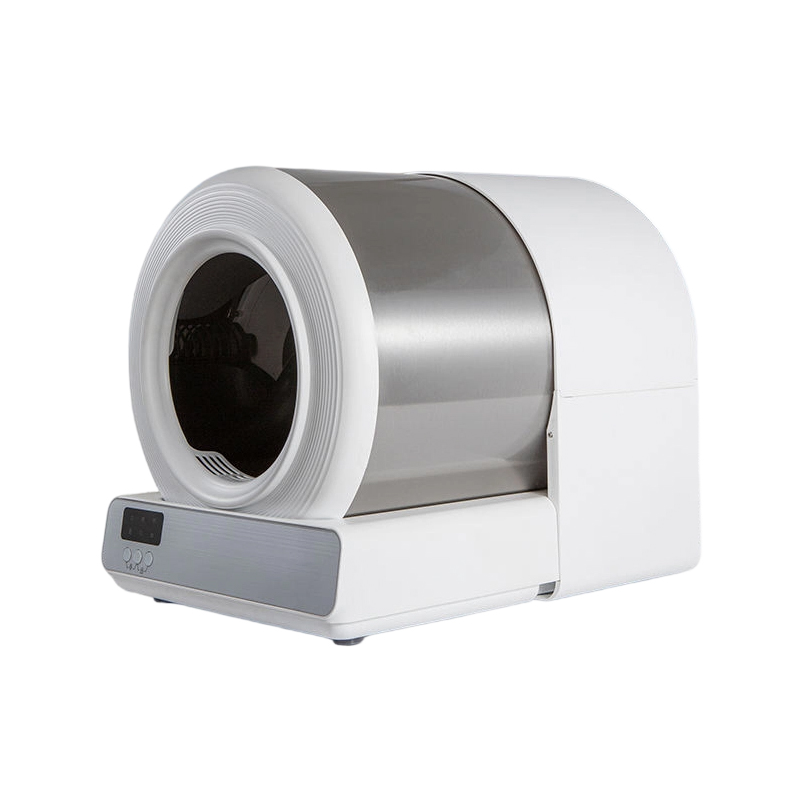
Cat Litter Tray For Multiple Cats Automatic Cat Litter Tray
Cat Litter Tray for Multiple Cats Automatic Cat Litter Tray – Product Features The high-pressure washable, safety-focused design facilitates compr...
View More -
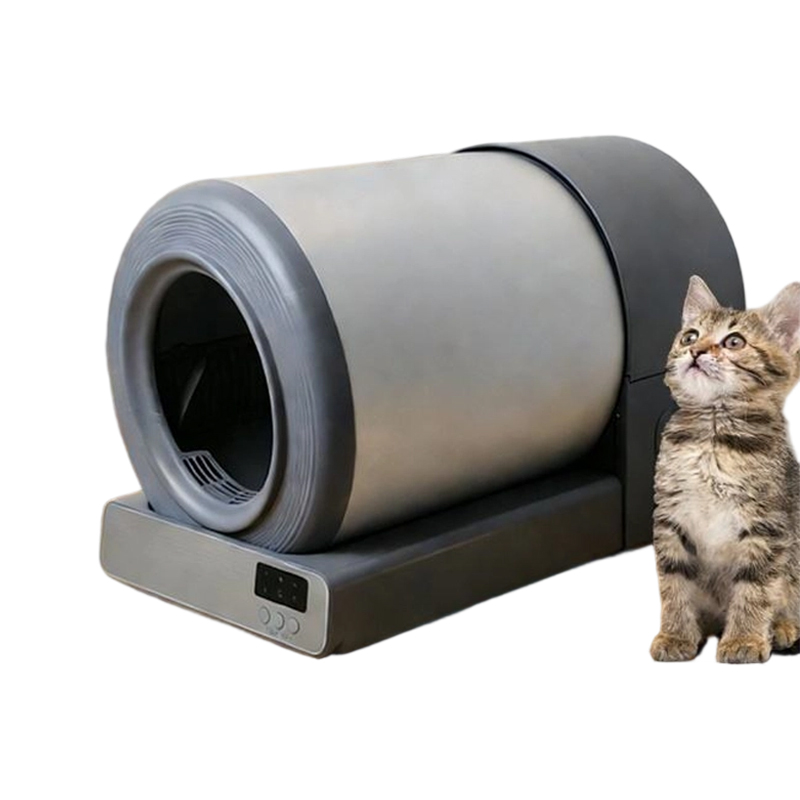
Self-Cleaning Stainless Steel Smart Cat Litter Tray
Self-Cleaning Stainless Steel Smart Cat Litter Tray – Product FeaturesThe preferred choice for non-profit organisations; compatible with open-top bi...
View More -
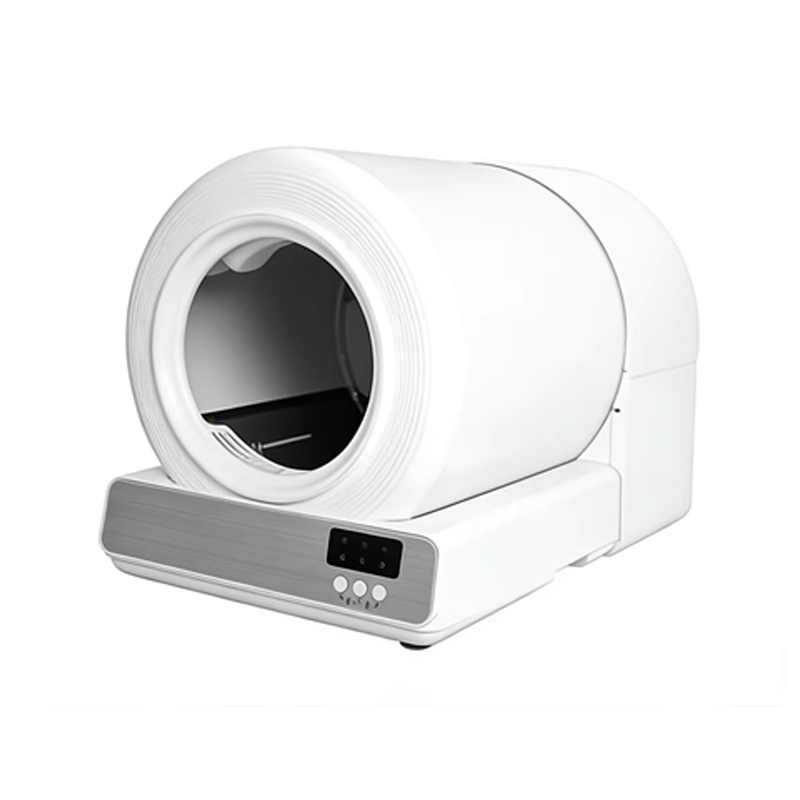
Second-Generation Fully Automatic Cat Litter Tray
Second-Generation Fully Automatic Cat Litter Tray – Product Features With a large 65-litre capacity, it easily accommodates a substantial amount of ...
View More -
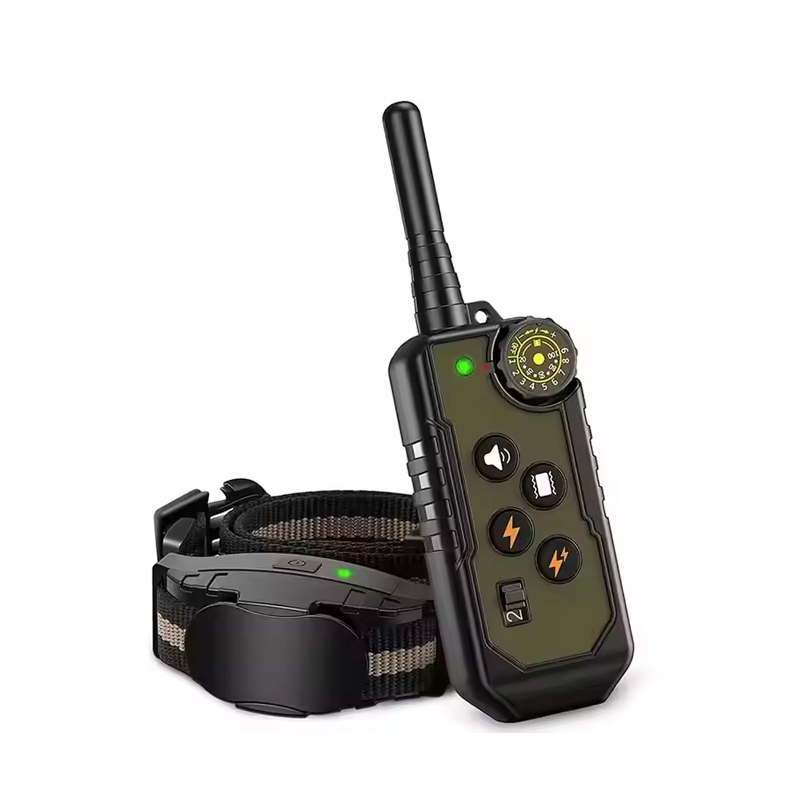
Multi-Mode Easy To Operate Training Shock Collar
The Multi-mode, easy-to-operate training Shock Collar is designed to provide a practical solution for owners seeking a safe and effective way to train...
View More -
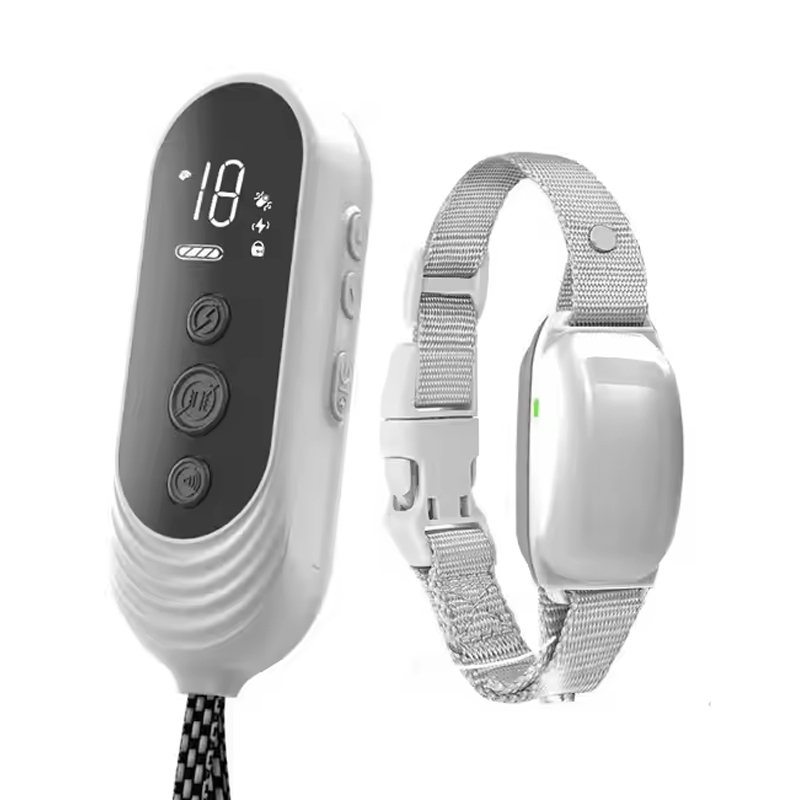
Waterproof Adjustable Polyester Training Shock Collar
The Waterproof Adjustable Polyester Training Shock Collar offers a reliable solution for pet owners seeking a versatile and durable collar to enhance ...
View More -
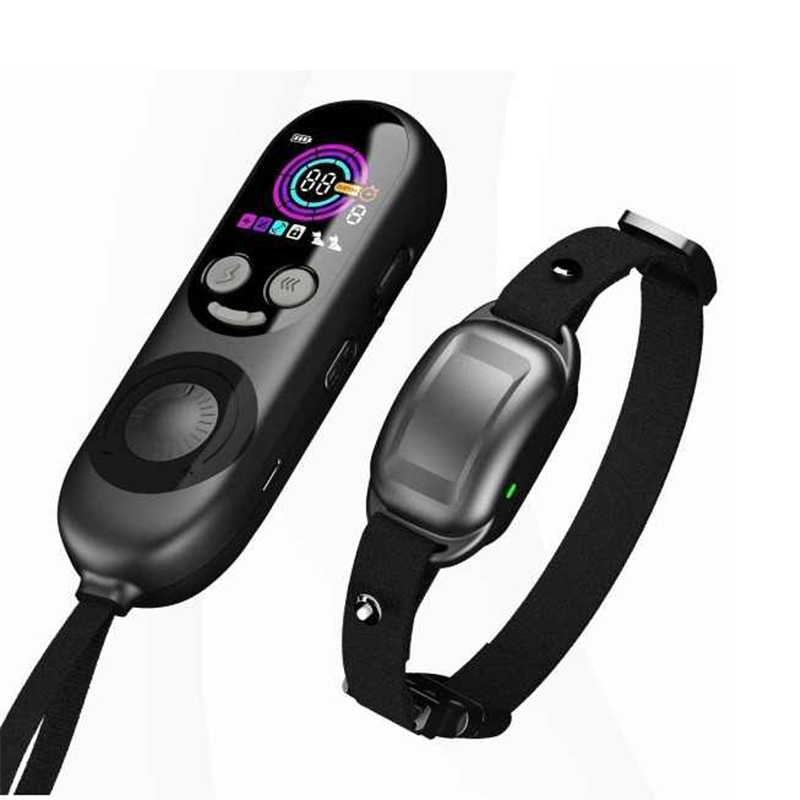
Display Remote Control Training Shock Collar
The Display Remote Control Training Shock Collar is designed to provide pet owners with a reliable and humane solution for training their dogs. Whethe...
View More -
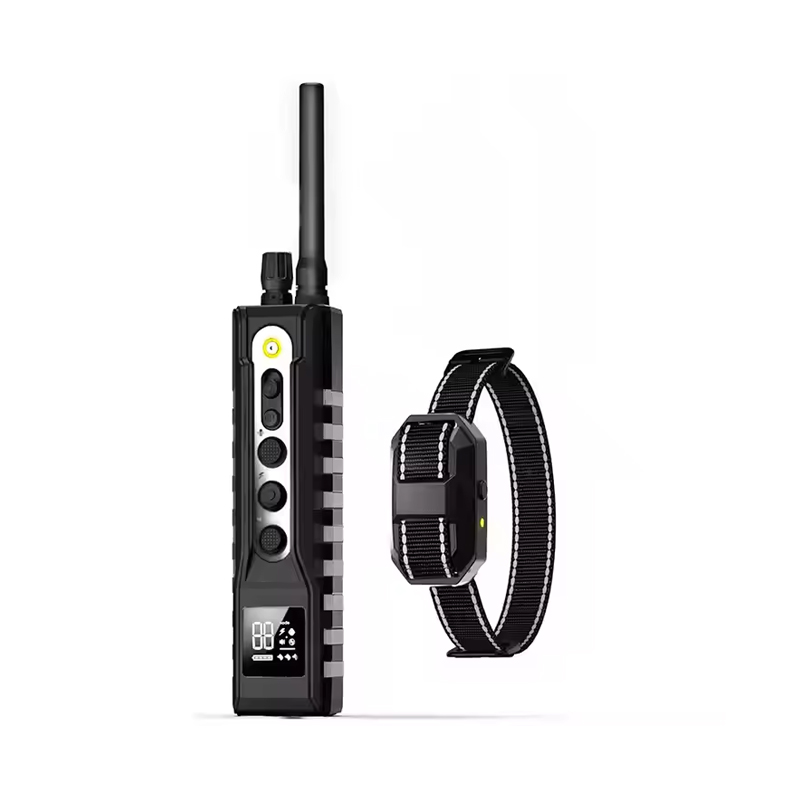
Multi-Function Long Distancetraining Shock Collar
The Multi-function Long Distance Training Shock Collar is a highly versatile tool designed to support your dog’s training across various environment...
View More -
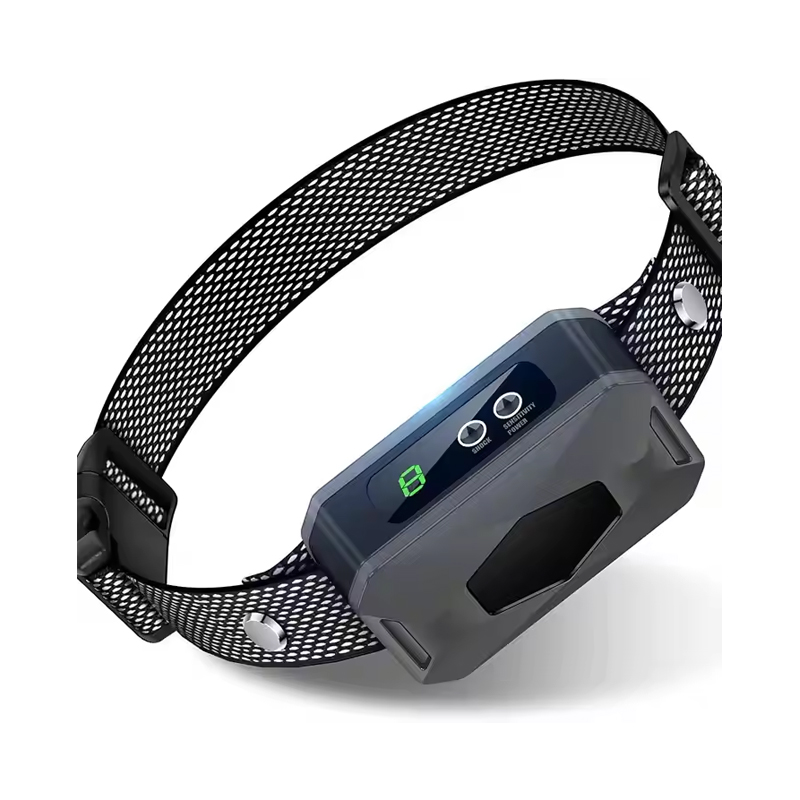
Remote Control Waterproof Training Shock Collar
The Remote Control Waterproof Training Shock Collar is an advanced training tool designed to help pet owners effectively manage their dogs’ behavior...
View More
Pet Products
If you have any questions, please
get in touch with us.
+86-13486854214
E-mail: [email protected]
Address: No. 258, Qingchuan Road, Huzhen Town, Jinyun County, Lishui City, Zhejiang Province
Copyright © Zhejiang Beijing Technology Co., Ltd.

OEM/ODM Smart Pet Care Factory