
 EN
EN  English
 Español
 Français
 Deutsch
 Nederlands

- Type:
- Industry News
- Date:
- 2025-12-09

Industry News
What is a Cat Litter Box Automatic Cleaning
In modern households, pets have become an important part of many families. As people's demands for pet care continue to rise, technology is playing an increasingly important role in pet care. Especially in terms of cleaning and hygiene, the advent of automatic cat litter boxes has brought significant convenience to cat owners. An automatic cat litter box not only saves owners time on cleaning the litter, but also provides cats with a cleaner and more comfortable environment, thus reducing many tedious tasks. The design of this innovative device, through sensors, intelligent cleaning systems, and efficient waste management, changes the way traditional litter boxes are used. With an automated cleaning mechanism, cat owners can more easily maintain the cleanliness of their homes and reduce unnecessary cleaning work.
What is an Automatic Cat Litter Box?
An automatic cat litter box is a device that uses advanced technology and intelligent systems to automatically clean the cat's waste. Compared to traditional manual litter boxes, an automatic cat litter box can automatically complete the screening of the litter, waste separation, and cleaning process after the cat has used it. This reduces the time and effort that pet owners need to spend on cleaning.
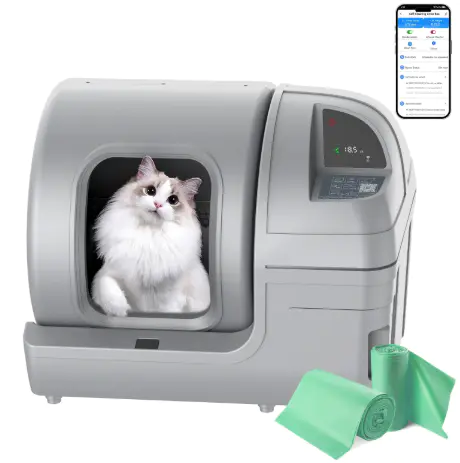
An automatic cat litter box usually consists of several main parts: sensors, cleaning mechanisms, waste collection systems, and deodorizing systems. After the cat enters the litter box, the sensors detect the cat's activity and trigger the cleaning process. These systems can efficiently separate solid waste and send it to a dedicated waste bin, keeping the litter box clean. Most automatic cat litter boxes are also equipped with deodorizing functions to help reduce odors in the litter box and keep the home environment fresh.
How Does an Automatic Cat Litter Box Work?
The working principle of an automatic cat litter box mainly relies on sensors and intelligent cleaning mechanisms. These devices can accurately sense the cat's usage and automatically trigger the cleaning system after the cat leaves.
1.Sensors and Automatic Cleaning Mechanisms
Sensors: The core of an automatic cat litter box is its built-in sensors. Most automatic litter boxes use infrared sensors or pressure sensors to detect the cat's activity. Once the cat enters the litter box, the sensor begins to work, determining whether the cat has left. This process usually happens very quickly and can trigger the cleaning program in real-time.
Cleaning Mechanism: After the cat leaves the litter box, the automatic litter box will separate the soiled litter from the waste using mechanisms such as rotation, flipping, or sifting. Some high-end models even use a drum cleaning system, which rotates to filter out waste and automatically sends it into the waste collection bin.
2.Waste Management and Separation
Waste Separation: Automatic cat litter boxes are typically equipped with an independent waste collection chamber. After cleaning, the waste is automatically separated and sent to this collection chamber. This process reduces the exposure of waste to air, effectively reducing the spread of odors.
Waste Bin: Some high-end automatic litter boxes have sealed waste collection bins that can effectively prevent odors from leaking out. The design of the waste bin usually makes it easy to empty, and the owner can clean it regularly to ensure the device remains in good working condition over time.
3.Deodorizing Function
To further keep the cat's environment fresh, many automatic cat litter boxes are equipped with deodorizing systems. These systems include built-in carbon filters, activated charcoal packs, or even UV lamps, which can effectively eliminate odors in the litter box and ensure the cat's comfort during use.
What Features Should You Pay Attention to When Choosing an Automatic Cat Litter Box?
There are many types and models of automatic cat litter boxes available on the market. Consumers should select the most suitable product based on their household needs and budget. Below are some key features to focus on:
| Feature | Description | Considerations |
|---|---|---|
| Automatic Cleaning Frequency | The cleaning frequency of automatic litter boxes can usually be adjusted. Common modes include cleaning after each use or setting periodic cleaning schedules. | Do you need frequent cleaning or is a periodic cleaning schedule sufficient for your household? |
| Capacity | The capacity of the automatic litter box should match the household's needs. Larger litter boxes are more suitable for homes with multiple cats. | Is it suitable for a single-cat or multi-cat household? |
| Noise | The automatic cleaning process generates noise, and the noise level affects the cat's experience. | Do you prefer a model with a quiet design? |
| Deodorizing Function | The deodorizing system helps remove odors from the litter box and keeps the environment fresh. | Do you want a device with carbon filters and deodorizing technology? |
| Power Options | Automatic litter boxes usually come with either battery-powered or plug-in options. Battery power allows for more flexibility in placement, but batteries need to be replaced regularly. | What is the battery life like, and does it support backup power? |
What Are the Advantages and Disadvantages of Automatic Cat Litter Boxes?
Advantages:
1.Reduces Time and Effort Spent on Manual Cleaning
An automatic cat litter box can greatly reduce the frequency of manual cleaning, making it especially suitable for busy professionals or households with multiple cats. Once the cat finishes using the litter box, the automatic cleaning system will activate immediately, ensuring that the litter box stays clean.
2.Improves Household Hygiene
Automatic litter boxes help avoid waste exposure, reducing the spread of bacteria and odors. This is particularly important for households with allergy-sensitive family members or young children.
3.Provides Health Monitoring Features
Many modern automatic litter boxes come with health monitoring functions. By tracking the cat's usage patterns (such as frequency and waste output), these devices can help owners detect potential health issues early.
Disadvantages and Solutions:
1.Higher Price
The cost of automatic litter boxes is generally higher than traditional litter boxes. Although this investment provides long-term convenience, the price might be a barrier for households with limited budgets.
Solution: Over time, automatic litter boxes can help reduce waste and cleaning time, making them more cost-effective in the long run.
2.Maintenance Requirements
Although automatic litter boxes clean automatically, they still require regular maintenance and cleaning. For example, the waste collection bin needs to be emptied periodically, and the sensors and cleaning system need to be checked regularly.
Solution: Choose models that are easy to clean and maintain, and set up a regular cleaning and maintenance schedule.
3.Cat Adaptation Issues
Not all cats will immediately adapt to an automatic litter box. Some cats may be hesitant towards new devices, especially those that are sensitive to noise.
Solution: Gradually introduce the automatic litter box to your cat, giving them time to become familiar with the new device.
How to Clean and Maintain an Automatic Cat Litter Box
Although the cleaning and maintenance of an automatic cat litter box are less frequent compared to traditional litter boxes, it still requires regular checks and cleaning from the owner.
1.Empty the Waste Collection Bin
Check the waste collection bin every few days to ensure it is emptied in time to prevent odor buildup.
2.Change the Cat Litter
Replace the cat litter every month or every two weeks to prevent the litter from absorbing moisture, hardening, or developing odors. Choose clumping cat litter that is compatible with automatic litter boxes to ensure effective cleaning.
3.Clean the Sensors and Cleaning Mechanism
Use a soft cloth to regularly wipe the sensors and cleaning mechanical parts to prevent dust and dirt from affecting their proper functioning.
4.Check the Power Supply
If your model is battery-powered, check the battery levels regularly to ensure the device doesn't stop working due to low battery power.
Benefits of Automatic Cat Litter Box Cleaning
1.Improves Quality of Life
The use of an automatic cat litter box significantly reduces the time spent on cleaning the litter, making the life of pet owners much easier, especially for busy households.
2.Reduces Odors
The automatic cleaning system promptly cleans the litter, preventing waste from being exposed to the air and reducing odors in the environment.
3.Enhances Hygiene
Regular cleaning not only keeps the litter box clean but also prevents bacteria from growing, helping maintain good air quality in the home.
Why Choose Pawtechpet's Automatic Cat Litter Box?
Pawtechpet's automatic cat litter box offers several key advantages:
- Advanced Cleaning Technology: Automatically separates waste, ensuring a clean environment with minimal effort.
- Deodorizing and Hygiene: Integrated carbon filters and deodorizing systems keep odors at bay and maintain a fresh home.
- User-Friendly & Easy Maintenance: Easy-to-use interface, simple waste bin emptying, and minimal maintenance.
- Quiet Operation: Operates quietly, ensuring your cat remains comfortable, even sensitive cats.
- Health Monitoring: Tracks usage patterns to help detect early signs of health issues.
- Multi-Cat Friendly: Suitable for both single and multi-cat households.
- Durable & High-Quality Materials: Built to last with sturdy components.
- Affordable: Offers great value for money, balancing advanced features with affordability.
- Sleek Design: Modern and stylish, blending seamlessly into your home.
Cat litter box automatic cleaning offer significant advantages, including effortless cleaning, effective odor control, enhanced hygiene, convenience, health monitoring, and quiet operation. By reducing manual work and maintaining a clean, fresh environment, they improve both the cat's comfort and the household's overall cleanliness.Choosing the right automatic cat litter box, such as the models provided by Pawtechpet, ensures a cleaner, healthier, and more convenient living environment for both cats and their owners, making daily pet care simpler and more efficient.
Related Products
-
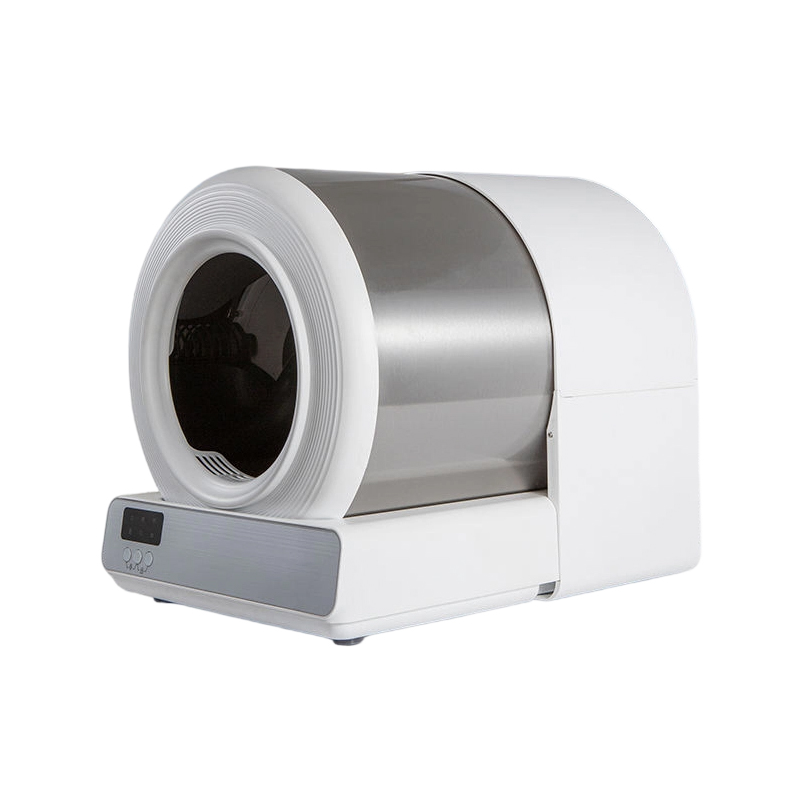
Cat Litter Tray For Multiple Cats Automatic Cat Litter Tray
Cat Litter Tray for Multiple Cats Automatic Cat Litter Tray – Product Features The high-pressure washable, safety-focused design facilitates compr...
View More -
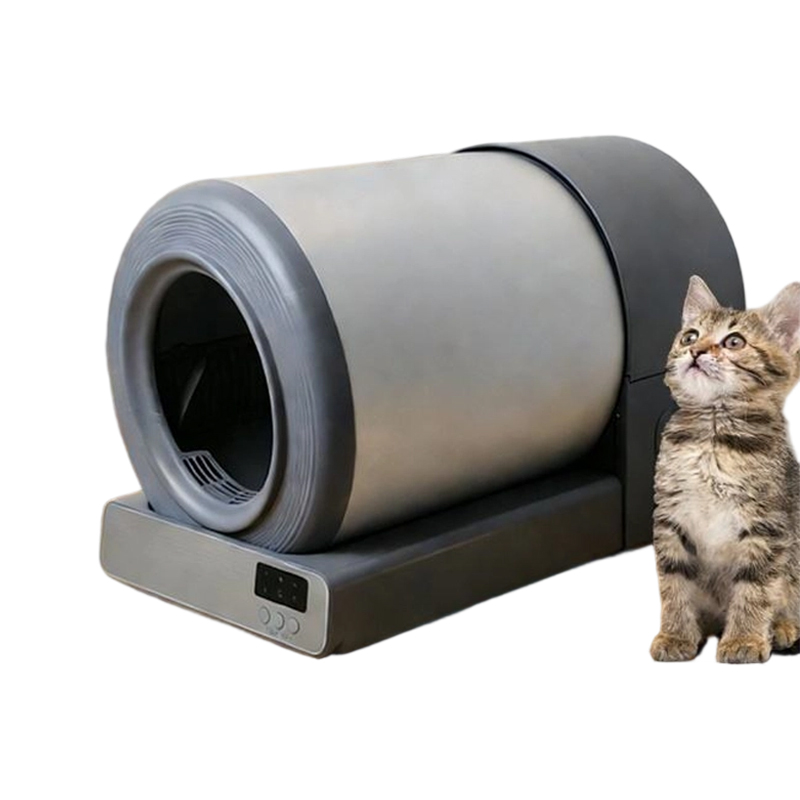
Self-Cleaning Stainless Steel Smart Cat Litter Tray
Self-Cleaning Stainless Steel Smart Cat Litter Tray – Product FeaturesThe preferred choice for non-profit organisations; compatible with open-top bi...
View More -
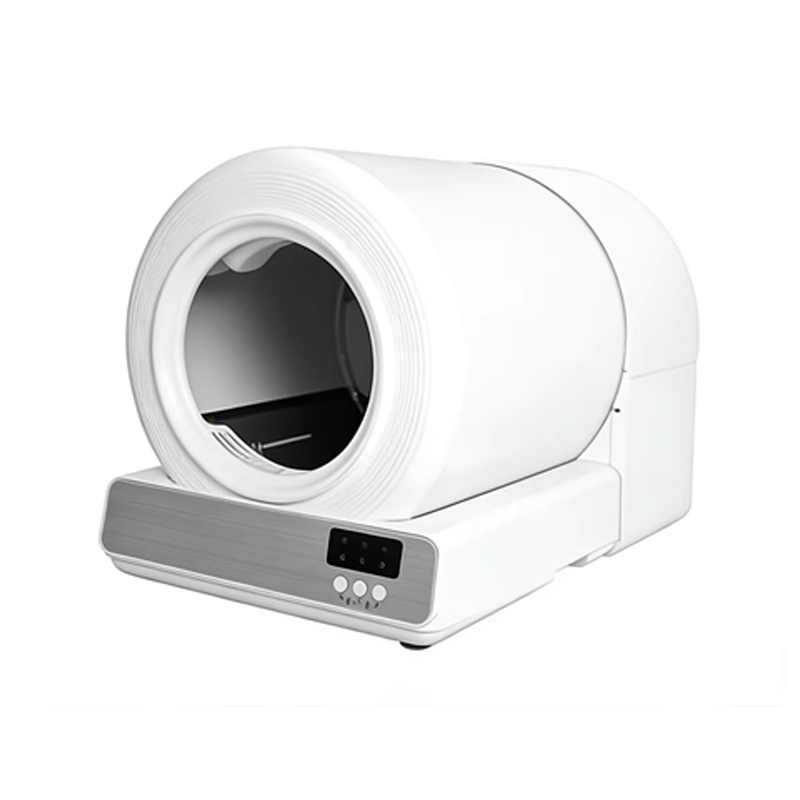
Second-Generation Fully Automatic Cat Litter Tray
Second-Generation Fully Automatic Cat Litter Tray – Product Features With a large 65-litre capacity, it easily accommodates a substantial amount of ...
View More -
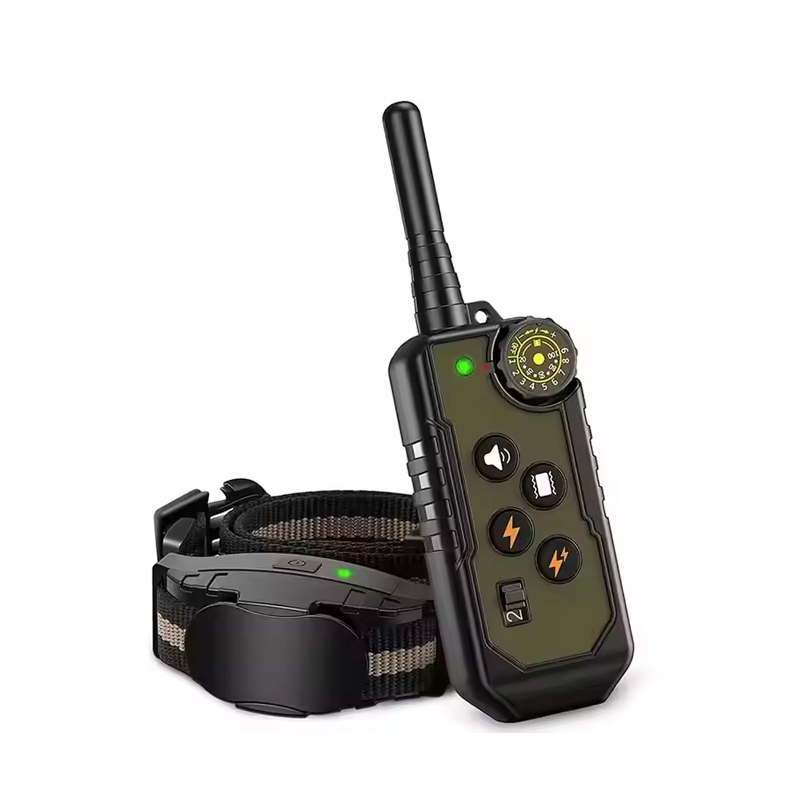
Multi-Mode Easy To Operate Training Shock Collar
The Multi-mode, easy-to-operate training Shock Collar is designed to provide a practical solution for owners seeking a safe and effective way to train...
View More -
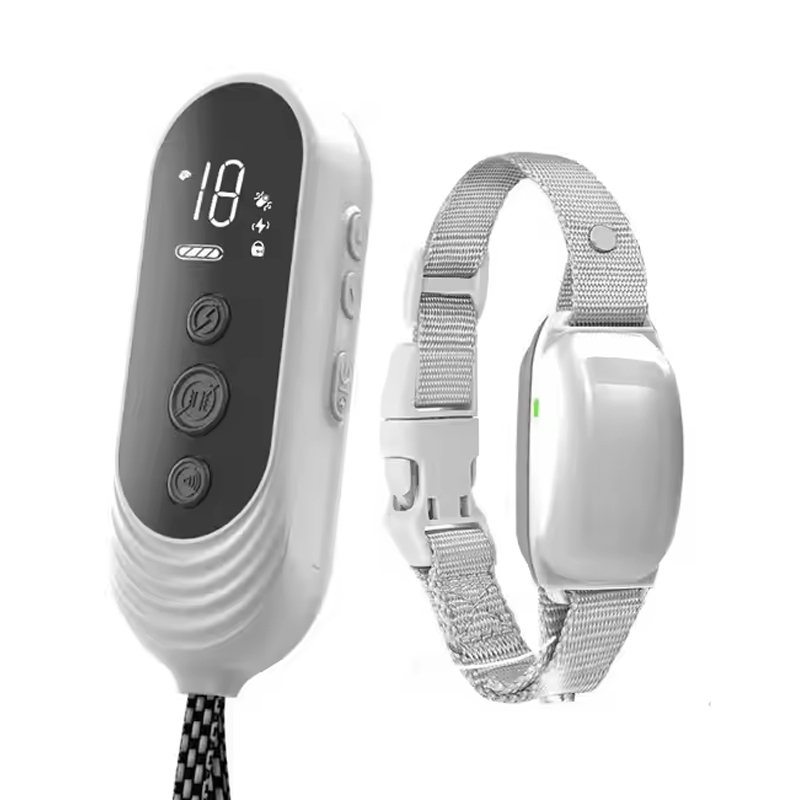
Waterproof Adjustable Polyester Training Shock Collar
The Waterproof Adjustable Polyester Training Shock Collar offers a reliable solution for pet owners seeking a versatile and durable collar to enhance ...
View More -
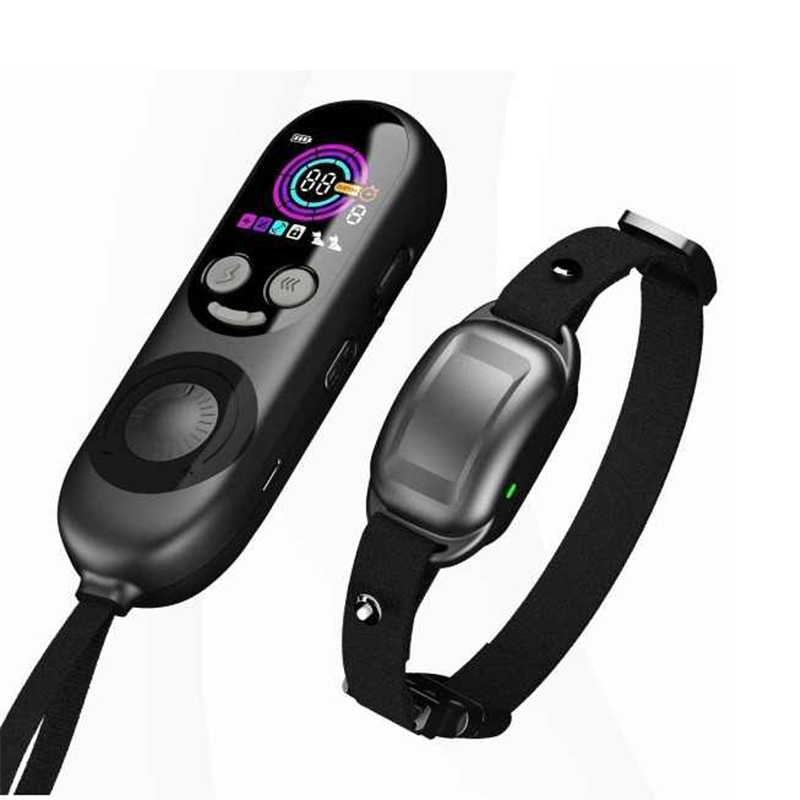
Display Remote Control Training Shock Collar
The Display Remote Control Training Shock Collar is designed to provide pet owners with a reliable and humane solution for training their dogs. Whethe...
View More -
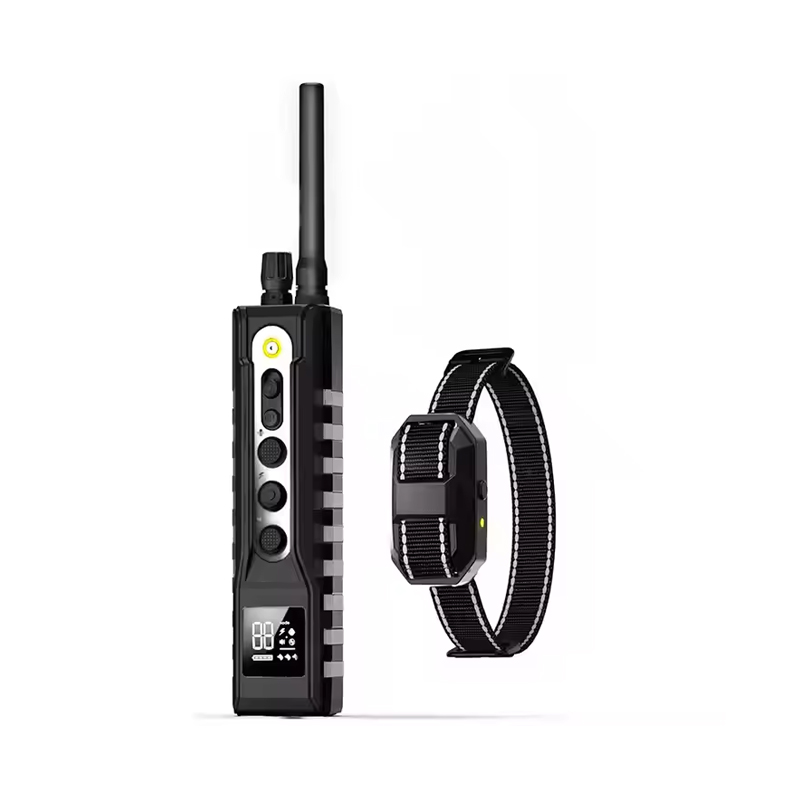
Multi-Function Long Distancetraining Shock Collar
The Multi-function Long Distance Training Shock Collar is a highly versatile tool designed to support your dog’s training across various environment...
View More -
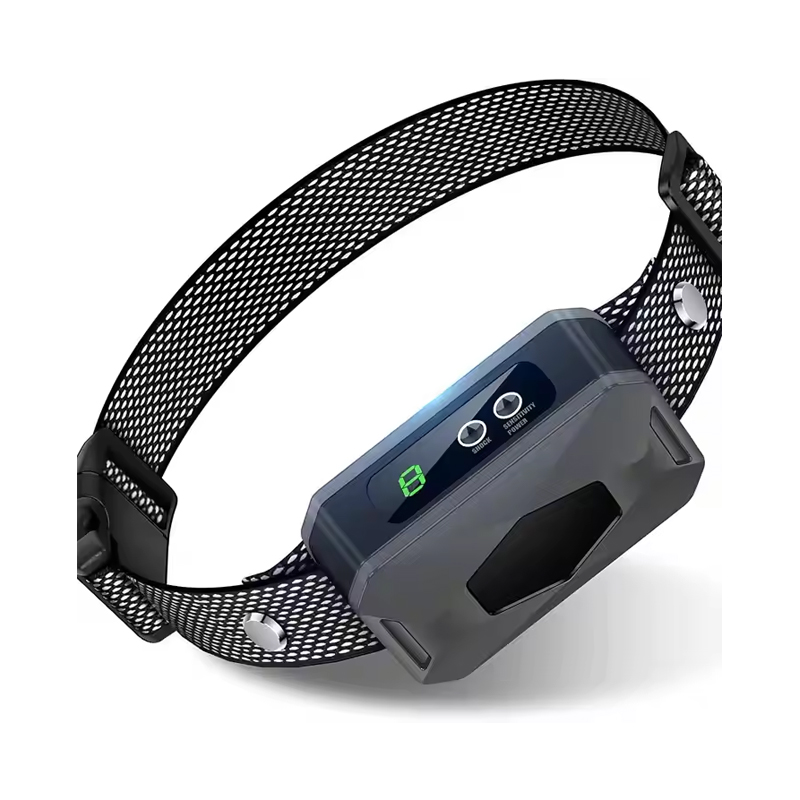
Remote Control Waterproof Training Shock Collar
The Remote Control Waterproof Training Shock Collar is an advanced training tool designed to help pet owners effectively manage their dogs’ behavior...
View More
Pet Products
If you have any questions, please
get in touch with us.
+86-13486854214
E-mail: [email protected]
Address: No. 258, Qingchuan Road, Huzhen Town, Jinyun County, Lishui City, Zhejiang Province
Copyright © Zhejiang Beijing Technology Co., Ltd.

OEM/ODM Smart Pet Care Factory