
 EN
EN  English
 Español
 Français
 Deutsch
 Nederlands

- Type:
- Industry News
- Date:
- 2025-12-12

Industry News
Reasons Why Pet Owners Choose Smart Pet Feeder
In modern households, pets have gradually become members of the family, and pet owners' needs, as well as pet care technology, are constantly evolving. The smart pet feeder, as a product of this technological innovation, is changing the traditional way of pet feeding. This type of device helps pet owners better manage their pets' diet, providing more precise and healthier feeding methods while reducing the hassle of daily feeding. We will explore the working principle, features, advantages, and maintenance of smart feeders, and analyze why more and more pet owners are choosing them.
What is a Smart Pet Feeder?
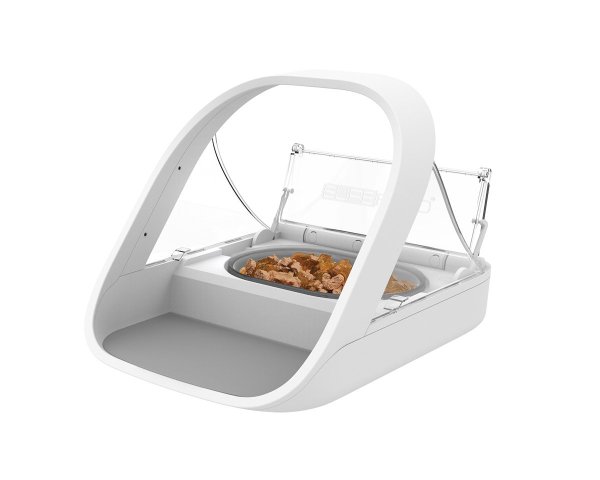
A smart feeder is a device that automatically feeds pets according to a pre-set schedule and food quantity, using automation and smart technology. Unlike traditional manual feeders, smart feeders provide food to pets on time, helping owners precisely control their pets' diet. Many smart feeders also come with remote control capabilities, allowing owners to check and adjust the feeding plan anytime through a mobile app or cloud-based system.
Differences from Traditional Feeders
Traditional pet feeders typically require the owner to manually add food and feed the pet on time. This method depends heavily on the owner, and for families with busy schedules or those who travel frequently, managing a pet's diet becomes a tedious task. In contrast, smart eeders simplify this process through automation. The following is a comparison between smart feeders and traditional feeders:
| Feature | Traditional Feeder | Smart Feeder |
|---|---|---|
| Feeding Method | Manual feeding | Automatic, timed, and portioned |
| Ease of Use | Requires manual feeding | Automatically feeds after setup |
| Remote Control | No | Can be controlled remotely via app |
| Food Management | No food portion control | Allows setting portion sizes to prevent overfeeding |
| Health Monitoring | No | Records pet feeding data, helping monitor health status |
How Does a Smart Pet Feeder Work?
The working principle of a smart feeder relies on its built-in timer control system, motor-driven food dispenser, sensors, and remote control functions. Below is the basic workflow of a feeder:
1.Timer Control: The owner can set the feeding times and food portions via the device or app. For example, the owner can schedule a feed in the morning and evening to ensure the pet eats on time.
2.Food Distribution System: When the scheduled feeding time arrives, the device uses a motor to control the distribution of food, precisely delivering the food into the pet's bowl.
3.Remote Control: The owner can adjust the feeding times and food portions anytime through a mobile app, ensuring the pet always maintains a healthy diet.
4.Health Monitoring: Some advanced smart feeders have features to monitor the pet's feeding habits, such as recording the amount of food and feeding times. This data helps the owner understand the pet's eating patterns and overall health.
Features and Uses of Smart Pet Feeders
Smart feeders come with a variety of practical features. These features not only provide convenience for pet owners but also help pets maintain healthy eating habits and overall well-being.
1.Scheduled Feeding
The core function of a feeder is scheduled feeding. The owner can set specific feeding times, and the device will automatically distribute food, preventing the pet from staying hungry for long or overfeeding.
2.Portion Control
Most smart feeders come with a precise food distribution system. The owner can set the amount of food dispensed at each feeding based on the pet's weight, age, and activity level. This helps control the pet's weight and prevent overfeeding.
3.Remote Control and Monitoring
Through a mobile app, the owner can check the pet's feeding status in real-time and adjust the feeding schedule if needed. Even when the owner is not at home, the pet can still be fed on time.
4.Health Monitoring
Some smart feeders can record feeding data, including the amount of food dispensed and the feeding times. By tracking this data over time, the owner can spot any changes in the pet's eating habits and address any potential health issues.
5.Odor Control Function
Smart feeders are equipped with odor control systems that prevent bad smells from food spoilage, keeping the feeding area fresh and hygienic.
Advantages and Disadvantages of Smart Pet Feeders
Smart feeders offer many advantages in pet care, but they also come with certain limitations.
Advantages:
Improved Pet Health
Smart feeders help owners precisely control the amount of food given to pets, reducing the risk of overfeeding and aiding in maintaining the pet's health and ideal weight.
Convenient Remote Control
Owners can adjust feeding schedules through a mobile app anytime, ensuring pets are fed on time even when the owner is away from home.
Time and Energy Saving
The automatic feeding feature significantly reduces the time owners need to spend on manual feeding, providing great convenience, especially for busy families.
Improved Pet Eating Habits
By providing food at scheduled times and in controlled portions, smart feeders help pets develop regular eating habits, reducing the risk of hunger or binge eating.
Disadvantages:
Higher Initial Investment
Compared to traditional feeders, smart feeders are more expensive, which might not be affordable for pet owners on a tight budget.
Regular Maintenance Required
Although smart feeders are automated, they still need regular cleaning of the food container and dispensing system to prevent food residue buildup, which could affect the device's performance.
Dependence on Power Supply or Batteries
Some models rely on batteries or an electrical power source. If the battery runs low or there's an issue with the power supply, the device may stop working. Regular checks of the power status are necessary.
How to Clean and Maintain a Smart Pet Feeder?
Although smart feeders are designed to simplify pet feeding, regular cleaning and maintenance are essential to ensure the device operates properly.
Clean the Food Container
Owners should clean the food container regularly to prevent food residue or grease buildup.
Check the Sensors and Batteries
It's important to periodically check if the sensors are working correctly to ensure the food dispensing system operates accurately. Additionally, if the device is battery-operated, owners should replace the batteries as needed.
Inspect the Food Distribution System
Ensure the food dispensing system is not clogged. Regular checks can prevent malfunctions caused by food debris.
Why Are More Pet Owners Choosing Smart Pet Feeders?
1.Saves Time and Effort
Automated Feeding: A feeder can automatically dispense food at scheduled times and in precise amounts, so owners don't need to feed their pets manually every day. This feature is particularly convenient for busy professionals or owners who are frequently away.
Remote Control: Many smart feeders can be controlled via a mobile app, allowing owners to monitor and adjust feeding times and amounts, even when they're not at home.
2.Health Management and Weight Control
Precise Control of Food Portions: Smart feeders enable owners to control the exact amount of food dispensed, helping prevent overfeeding and maintaining a healthy weight for pets.
Promotes Regular Eating Habits: By feeding pets at scheduled times, smart feeders help pets develop consistent eating habits, reducing the likelihood of overeating or irregular feeding schedules.
3.Improves Pet's Eating Habits
Scheduled Feeding: Smart feeders set fixed feeding times, ensuring pets eat at the same time every day, which helps them establish healthy eating habits and avoid excessive snacks or irregular meal times.
Prevents Picky Eating: With the smart feeder's fixed food portions, pets are less likely to be picky about food, as they get their meals consistently without any human intervention.
4.Perfect for Busy Families and Frequent Travelers
Accommodates Busy Lifestyles: With the fast pace of modern life, many pet owners are busy with work or travel frequently. Smart feeders solve this issue by ensuring that pets are fed regularly and precisely, even when owners are away.
Travel or Short-Term Trips: Owners can remotely control the feeder through a mobile app, ensuring pets continue to be fed on time, even while on vacation or business trips.
5.Reduces the Risk of Pet Hunger or Overfeeding
Prevents Hunger: Smart feeders ensure that pets are fed on time, avoiding the risk of pets going hungry if their owners forget or are delayed in feeding them.
Prevents Overfeeding: Pets are often left to eat on their own when their owners are away. Smart feeders provide a precise amount of food at each feeding, preventing overeating and controlling portion sizes.
6.Health Monitoring Features
Records Feeding Data: Many smart feeders can track the amount of food dispensed, the time, and feeding frequency. This data allows owners to keep track of their pet's eating habits and spot any irregularities that might indicate health issues.
Early Health Alerts: If there are changes in feeding patterns, such as decreased appetite or weight fluctuations, the smart feeder can alert the owner, helping to catch potential health problems early.
7.Reduces Food Waste
Precise Portion Distribution: The smart feeder dispenses the exact amount of food according to the set portions, reducing food waste caused by overfeeding.
Prevents Expired or Spoiled Food: By controlling the amount dispensed, smart feeders prevent leftover food from spoiling or being wasted, ensuring food is used before it expires.
8.Smart Design, Easy to Maintain
Self-Cleaning and Odor Control: Many smart feeders come equipped with odor control systems and self-cleaning features, reducing cleaning work and ensuring the feeding area stays fresh and hygienic.
Easy to Clean: The design of most smart feeders is simple and easy to disassemble, making it easy to clean the food area and maintain hygiene.
9.Improves Pet's Quality of Life
Creates a Comfortable Feeding Environment: By providing food at fixed times, smart feeders ensure that pets always have fresh food, which reduces stress and anxiety that may arise from irregular feeding.
Reduces Pet's Dependence: With the smart feeder, pets are less reliant on their owners for meal times, helping them develop independent eating habits.
10.Enhances the Owner's Control Over Pet's Health
Data-Driven Decision Making: The data provided by the smart feeder helps owners understand their pets'feeding patterns and make informed decisions regarding their pet's health and diet.
Long-Term Tracking: Smart feeders provide tracking capabilities, allowing owners to monitor feeding habits over time and adjust feeding schedules as necessary.
Pet feeders provide pet owners with a more efficient, healthier way of feeding their pets. With features such as scheduled, portioned feeding, remote control, and health monitoring, these devices help owners save time, manage their pet's diet, and ensure their well-being. As more pet owners prioritize their pets' health and nutrition, the demand for feeders continues to rise, making them an essential tool in modern pet care.
Related Products
-
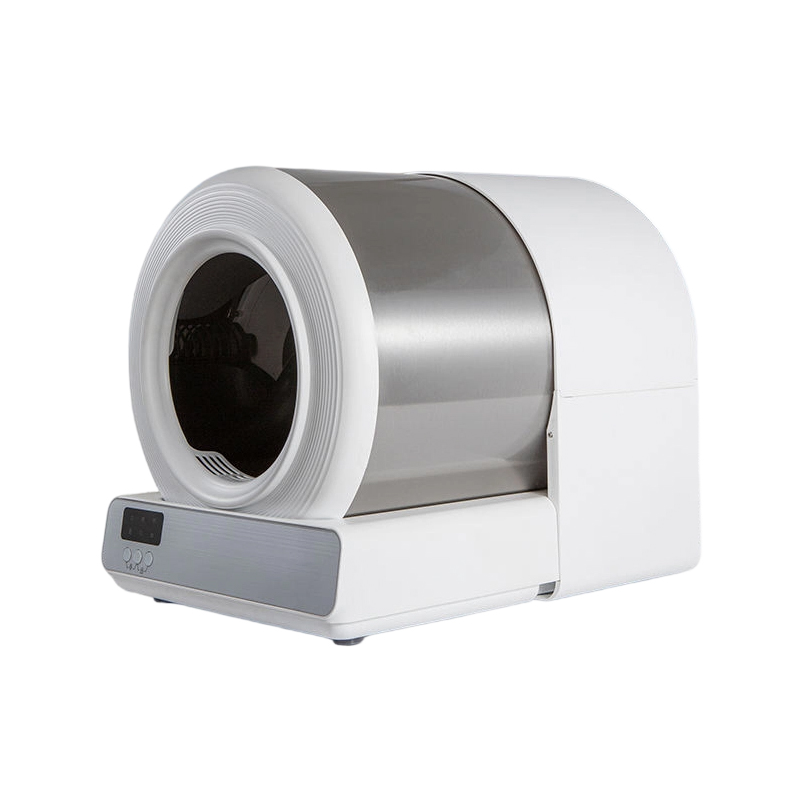
Cat Litter Tray For Multiple Cats Automatic Cat Litter Tray
Cat Litter Tray for Multiple Cats Automatic Cat Litter Tray – Product Features The high-pressure washable, safety-focused design facilitates compr...
View More -
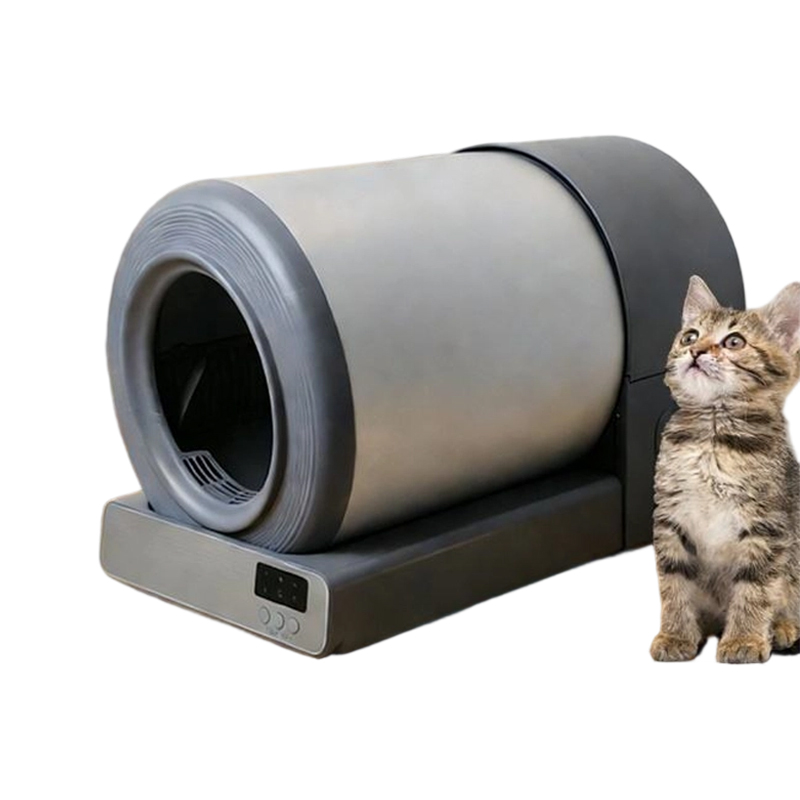
Self-Cleaning Stainless Steel Smart Cat Litter Tray
Self-Cleaning Stainless Steel Smart Cat Litter Tray – Product FeaturesThe preferred choice for non-profit organisations; compatible with open-top bi...
View More -
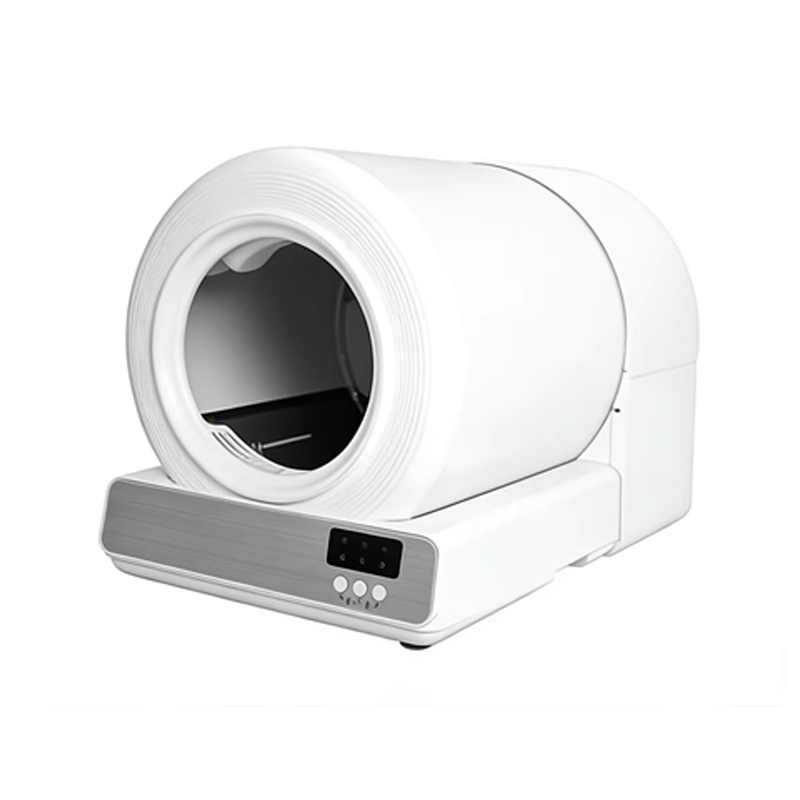
Second-Generation Fully Automatic Cat Litter Tray
Second-Generation Fully Automatic Cat Litter Tray – Product Features With a large 65-litre capacity, it easily accommodates a substantial amount of ...
View More -
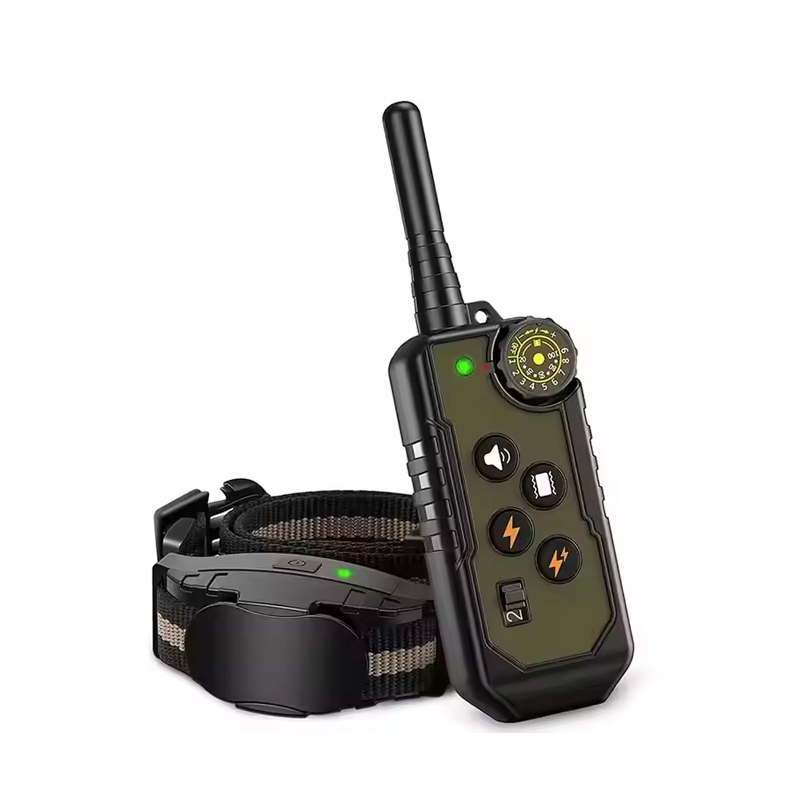
Multi-Mode Easy To Operate Training Shock Collar
The Multi-mode, easy-to-operate training Shock Collar is designed to provide a practical solution for owners seeking a safe and effective way to train...
View More -
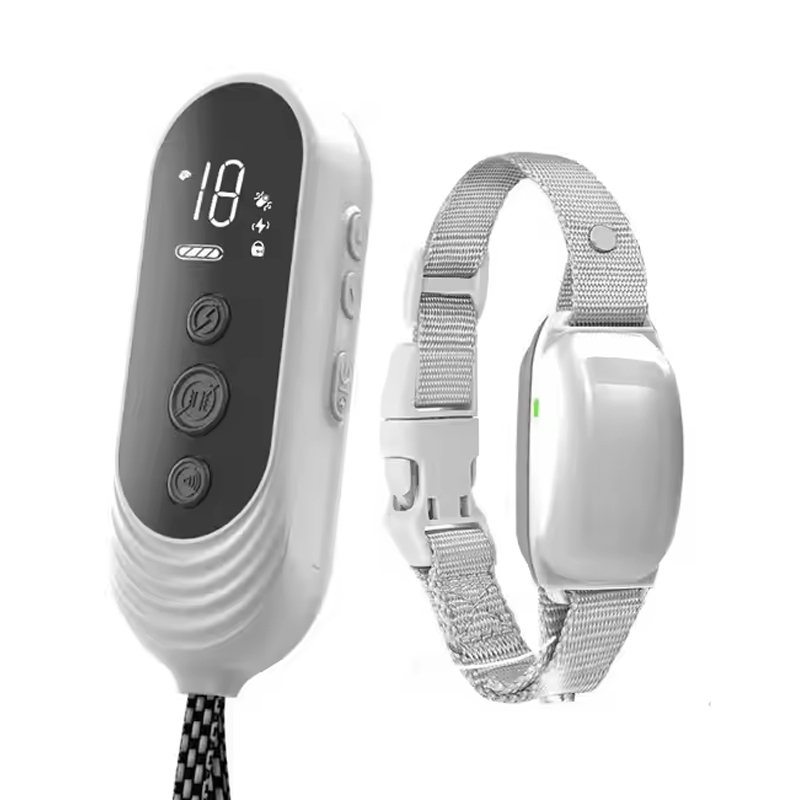
Waterproof Adjustable Polyester Training Shock Collar
The Waterproof Adjustable Polyester Training Shock Collar offers a reliable solution for pet owners seeking a versatile and durable collar to enhance ...
View More -
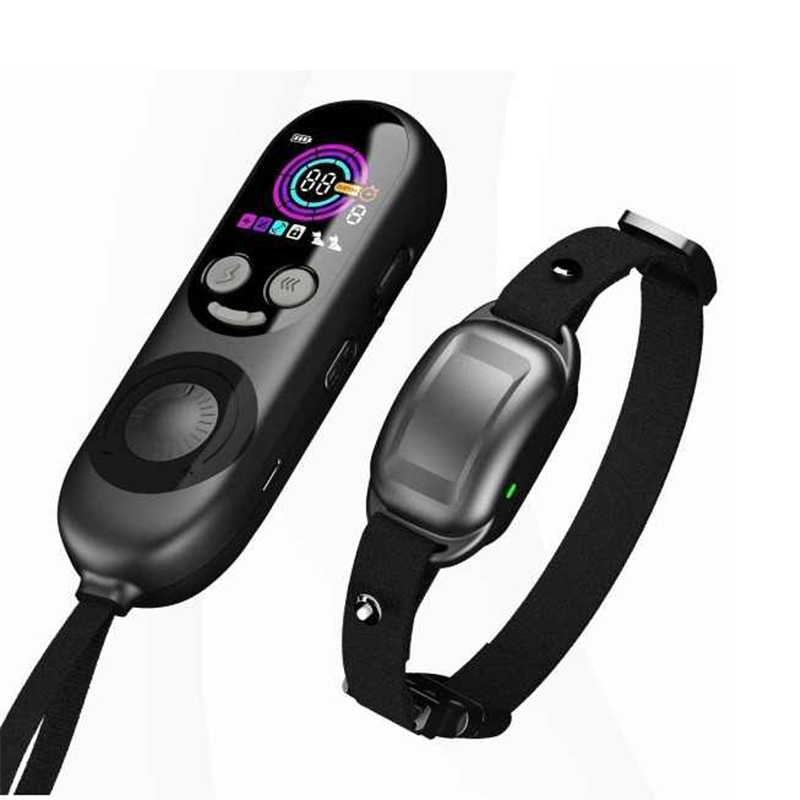
Display Remote Control Training Shock Collar
The Display Remote Control Training Shock Collar is designed to provide pet owners with a reliable and humane solution for training their dogs. Whethe...
View More -
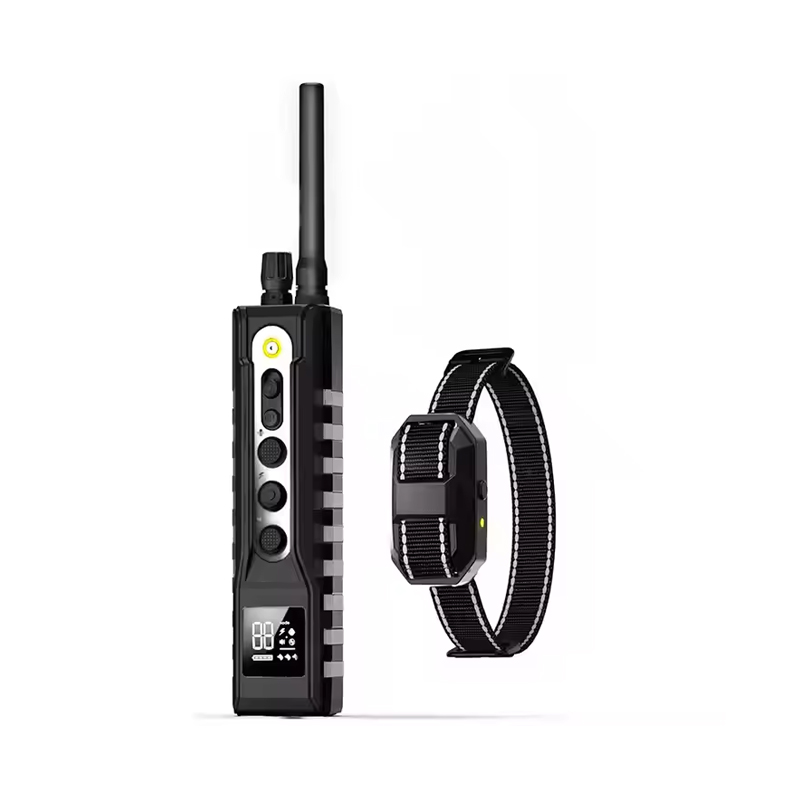
Multi-Function Long Distancetraining Shock Collar
The Multi-function Long Distance Training Shock Collar is a highly versatile tool designed to support your dog’s training across various environment...
View More -
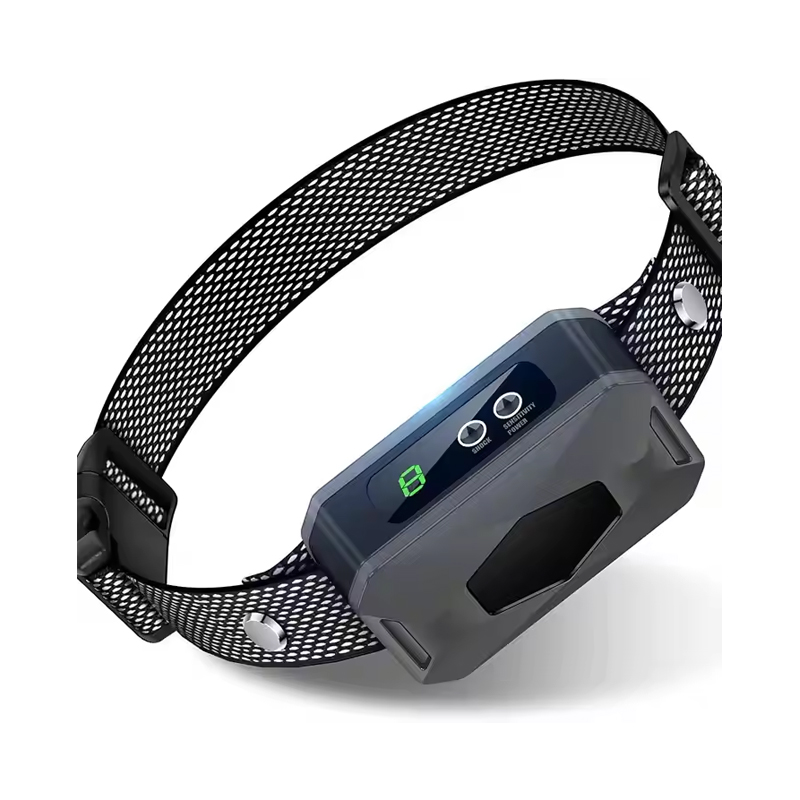
Remote Control Waterproof Training Shock Collar
The Remote Control Waterproof Training Shock Collar is an advanced training tool designed to help pet owners effectively manage their dogs’ behavior...
View More
Pet Products
If you have any questions, please
get in touch with us.
+86-13486854214
E-mail: [email protected]
Address: No. 258, Qingchuan Road, Huzhen Town, Jinyun County, Lishui City, Zhejiang Province
Copyright © Zhejiang Beijing Technology Co., Ltd.

OEM/ODM Smart Pet Care Factory