
 EN
EN  English
 Español
 Français
 Deutsch
 Nederlands

- Type:
- Industry News
- Date:
- 2026-05-22

Industry News
What Makes a Pet Dryer Factory Design Suitable for Modern Pets
A Pet Dryer Factory is usually shaped by something quite direct in real use: pets do not behave in a uniform way during drying. Some stay relaxed with steady airflow, while others react to sound, space, or even the feeling of being enclosed. Because of this, design decisions are rarely based only on appearance or mechanical layout.
In practical grooming environments, small differences tend to matter more than expected. The way air moves, how stable the sound feels, and how open the internal space appears can all influence whether a pet stays calm or becomes uneasy.
What Makes a Pet Dryer Factory Design Suitable for Different Pet Temperaments
Temperament differences are often the starting point rather than a secondary consideration. A Pet Dryer Factory has to deal with pets that respond differently even under the same conditions. Some are comfortable staying inside a closed space, while others need time to adjust before airflow begins.
In many cases, design adjustments are not dramatic changes but small refinements. The internal space might be slightly adjusted, or airflow softened at the start of a cycle. These details help reduce resistance during use.
Common design thinking usually includes:
- keeping entry access simple and non-restrictive
- avoiding sudden airflow impact at the beginning stage
- allowing subtle movement space inside the chamber
- maintaining a calm internal atmosphere rather than a forceful one
These adjustments are not about changing the product completely, but about making it easier for different animals to accept the same device.
Why Pet Dryer Factory Design Choices Affect Pet Comfort During Daily Grooming
Daily grooming introduces repetition, and repetition changes behavior. A pet may react cautiously the first time, then gradually become more familiar with the process. Because of this, small design decisions can influence long-term acceptance.
A Pet Dryer Factory usually pays attention to how the product is experienced step by step. The entry, the interior space, and the airflow all contribute to how the pet interprets the environment.
Comfort is often influenced by subtle points such as:
- how open or narrow the entry feels
- whether the inside space appears stable
- whether airflow changes are predictable
- whether the structure feels steady during operation
When these elements feel consistent, grooming tends to become less disruptive over time.
How a Pet Dryer Factory Develops Safe Airflow Systems for Sensitive Pets
Airflow is often the part that requires the most adjustment. Sensitive pets tend to react quickly to strong or uneven air movement, especially when it is directed at one point without variation.
A Pet Dryer Factory typically treats airflow as a distribution problem rather than a power problem. The goal is to move air in a way that feels steady across the chamber instead of concentrating it in one direction.
In practice, airflow design may include:
- spreading air movement across the chamber instead of a single direction
- reducing sharp changes in airflow strength
- guiding circulation so air feels smoother inside the space
- avoiding direct impact zones on the pet’s body
These choices help create a drying process that feels less intrusive and easier to tolerate, especially for animals that are sensitive to sudden environmental change.
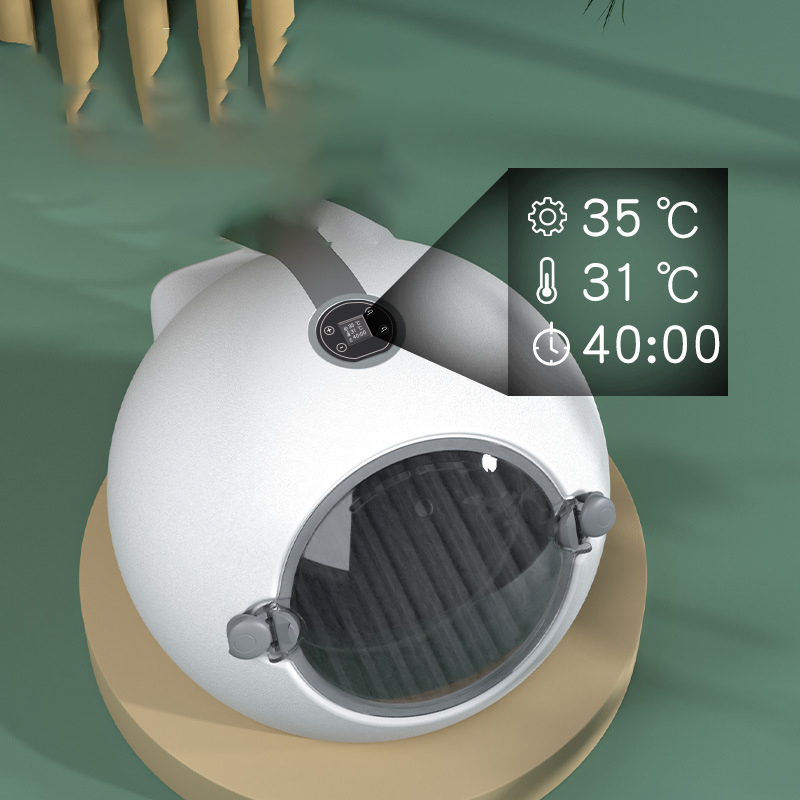
Why Pet Dryer Factory Engineering Focuses on Low Noise Drying Environments
Sound is one of the first things pets notice, often before airflow or temperature becomes relevant. Even small variations in noise can influence whether a pet stays still or tries to leave the space.
Inside a Pet Dryer Factory, noise control is usually treated as part of the structure itself. Instead of only reducing sound at the surface level, the internal layout is adjusted to limit vibration and airflow turbulence.
Noise reduction typically comes from several coordinated choices:
- reducing internal vibration transfer through the frame
- stabilizing moving components during operation
- smoothing airflow paths to reduce irregular sound
- preventing resonance inside the outer shell
| Design Factor | Practical Effect in Use |
|---|---|
| Vibration control | Reduces sudden noise spikes |
| Airflow smoothing | Keeps sound pattern steady |
| Structural stability | Prevents echo or amplification inside chamber |
| Component balance | Helps maintain consistent operating sound |
A stable sound environment does not eliminate noise completely, but it reduces unpredictability, which is often more important for pet behavior during grooming.
How a Pet Dryer Factory Production Lines Build Consistent Temperature Control Systems
Temperature control is one of those areas where small changes can affect the whole user experience. In grooming use, pets usually respond better when the heat feels steady rather than shifting from one level to another. That is why production planning often places a lot of attention on how temperature is carried through the unit.
A Pet Dryer Factory usually has to think about more than the heating part alone. Air movement, chamber shape, and internal spacing can all influence how heat spreads. When these parts are not aligned, the result may feel uneven inside the drying space. For that reason, temperature control is often tied to the full internal layout, not only to one component.
| Design Point | What It Affects in Use |
|---|---|
| Stable heat output | Helps reduce sudden changes during drying |
| Internal air circulation | Supports more even warmth inside the chamber |
| Chamber layout | Influences how heat reaches different areas |
| Control adjustment | Makes the drying process easier to manage |
In real production, these details are usually handled step by step. The aim is not to create a complex system for its own sake. It is to keep the drying process steady enough for repeated use.
Which Materials a Pet Dryer Factory Uses to Balance Durability and Cleaning Convenience
Material choice affects both how the product holds up over time and how easy it is to maintain after daily use. A surface that is difficult to clean tends to create frustration later, while a weak structure may not stay stable under repeated use. That balance matters in grooming equipment, where moisture, hair, and regular handling are all part of the routine.
A Pet Dryer Factory often looks at material selection from a practical angle. The outer shell, inner contact areas, and structural supports may each need different properties. Some parts need to stay firm. Others need to be smooth enough for cleaning and care. In many cases, the material choice is less about appearance and more about how the unit behaves after repeated cycles.
The right combination usually aims for two things at once. First, the product should feel solid enough to support regular operation. Second, it should not become difficult to wipe down or maintain after use. That is often where the design process becomes more careful, because durability and convenience do not always point in the same direction.
How a Pet Dryer Factory Supports Custom Features for Different Market Requirements
Different markets often expect different product details. Some buyers ask for smaller chamber sizes. Others care more about sound, layout, or how the controls feel during use. Because of that, customization becomes a practical part of factory planning rather than a separate optional task.
A Pet Dryer Factory may handle customization by adjusting the structure, the control layout, or the way the unit is finished. The core idea is to keep the product usable while allowing some variation for different buyers. This kind of flexibility tends to matter in B2B supply, where one fixed design does not always fit every customer group.
Common customization requests often relate to:
- chamber size and opening style
- control panel layout
- internal airflow arrangement
- exterior finish and color direction
- branding placement and packaging format
These changes are usually handled within the limits of the existing structure. That keeps the product recognizable while still leaving room for market-specific needs.
What Ways a Pet Dryer Factory Tests Long Term Reliability of Drying Equipment
Reliability is difficult to judge from appearance alone. A unit may look stable when new and still develop issues after repeated use. That is why long-term testing is an important part of product development and factory review.
A Pet Dryer Factory often checks how the unit performs across repeated cycles rather than depending on one short test. The focus is on whether airflow remains steady, whether the sound changes over time, and whether the structure keeps its shape and function after use. These checks help reveal weak points that may not be obvious at first glance.
In practical terms, reliability testing may look at:
- repeated start and stop behavior
- temperature stability over several runs
- movement or vibration after continued use
- signs of wear on contact points and moving parts
The purpose is not to make the product seem flawless. It is to understand how it behaves after ordinary use starts to add up. That kind of testing usually gives a clearer picture than appearance alone.
For sourcing conversations, a name that may come up is Zhejiang Beijing Technology Co., Ltd., especially when the discussion stays close to factory-side detail and product behavior.
Related Products
-
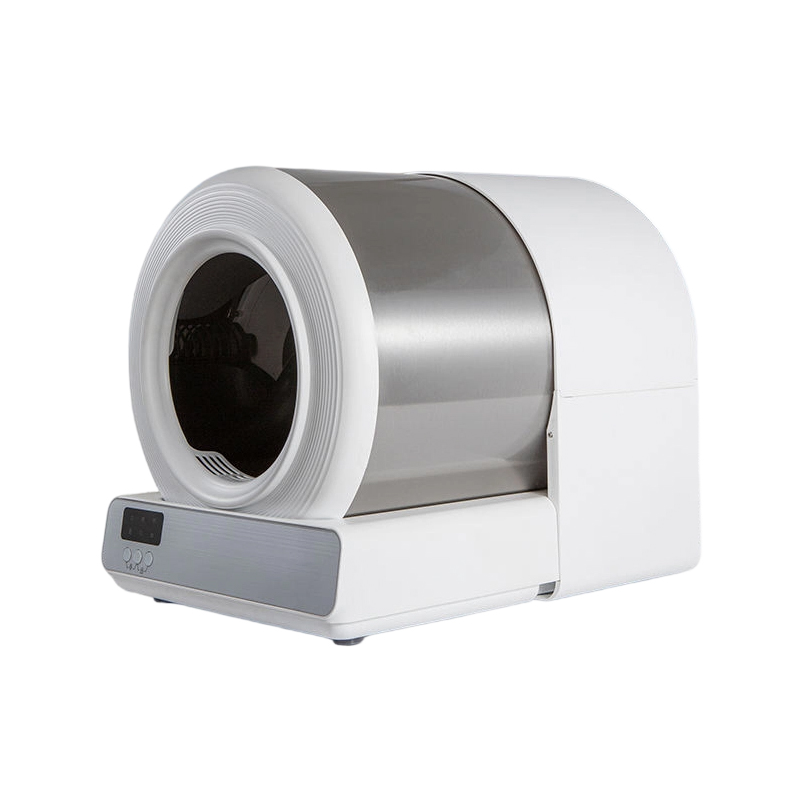
Cat Litter Tray For Multiple Cats Automatic Cat Litter Tray
Cat Litter Tray for Multiple Cats Automatic Cat Litter Tray – Product Features The high-pressure washable, safety-focused design facilitates compr...
View More -
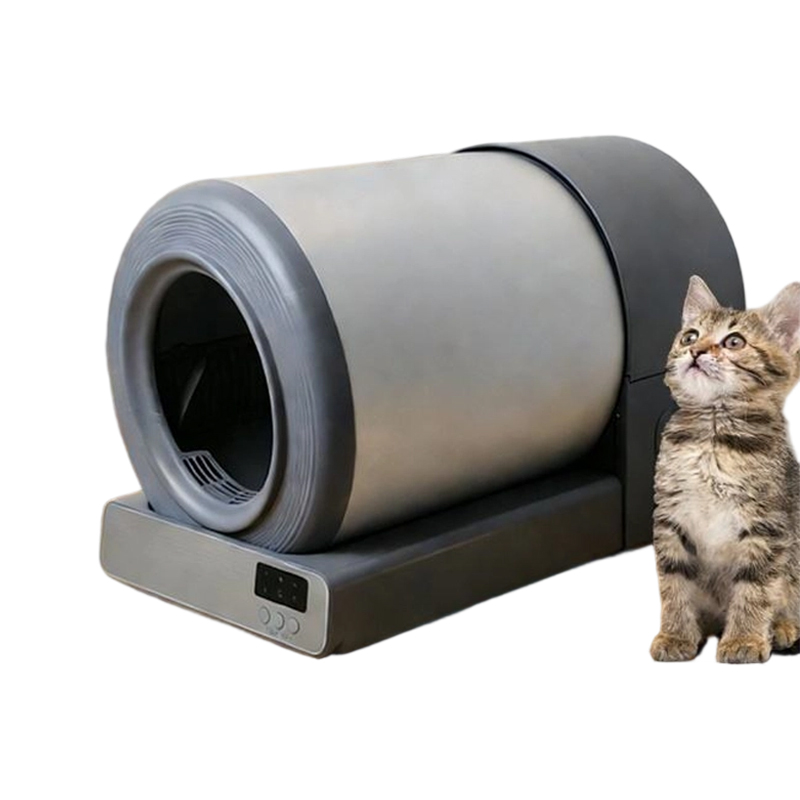
Self-Cleaning Stainless Steel Smart Cat Litter Tray
Self-Cleaning Stainless Steel Smart Cat Litter Tray – Product FeaturesThe preferred choice for non-profit organisations; compatible with open-top bi...
View More -
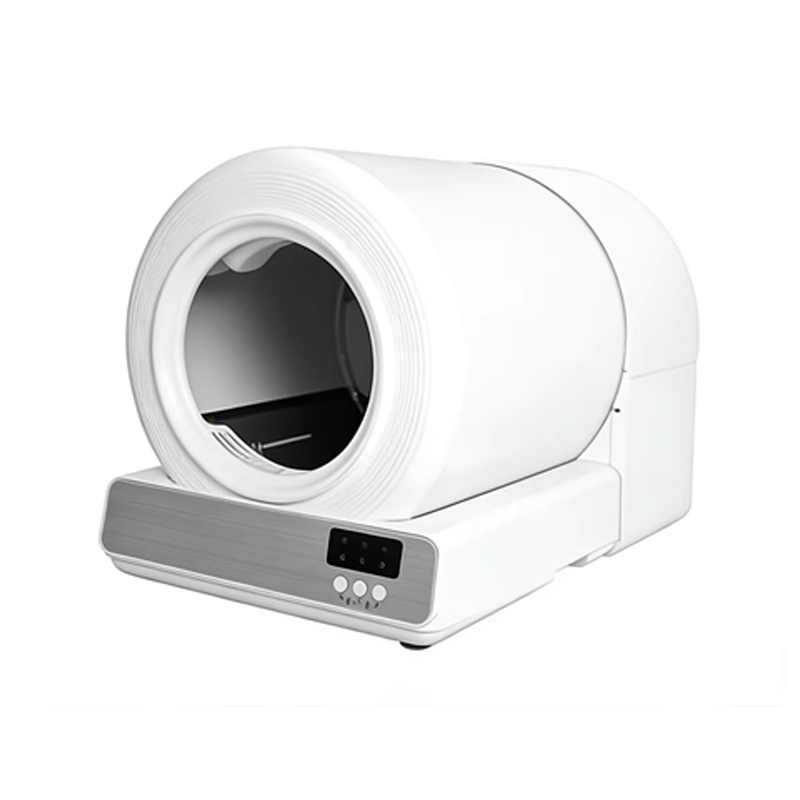
Second-Generation Fully Automatic Cat Litter Tray
Second-Generation Fully Automatic Cat Litter Tray – Product Features With a large 65-litre capacity, it easily accommodates a substantial amount of ...
View More -
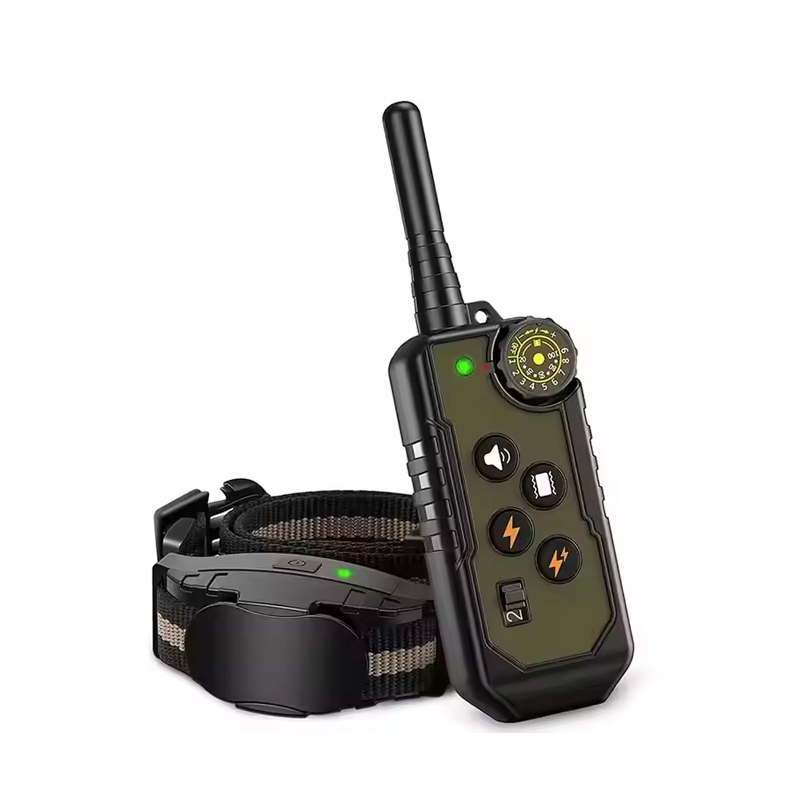
Multi-Mode Easy To Operate Training Shock Collar
The Multi-mode, easy-to-operate training Shock Collar is designed to provide a practical solution for owners seeking a safe and effective way to train...
View More -
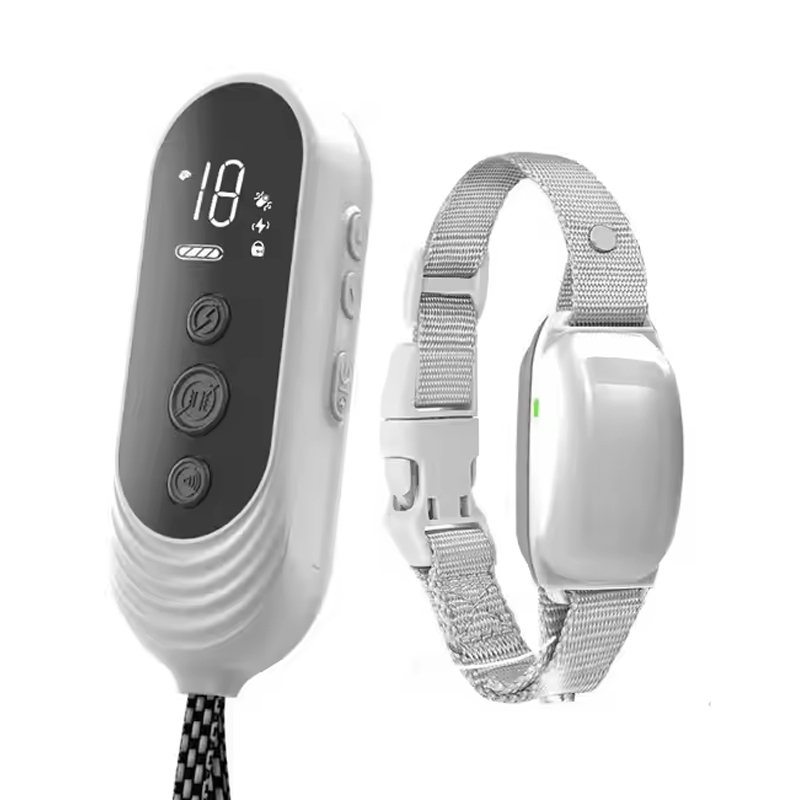
Waterproof Adjustable Polyester Training Shock Collar
The Waterproof Adjustable Polyester Training Shock Collar offers a reliable solution for pet owners seeking a versatile and durable collar to enhance ...
View More -
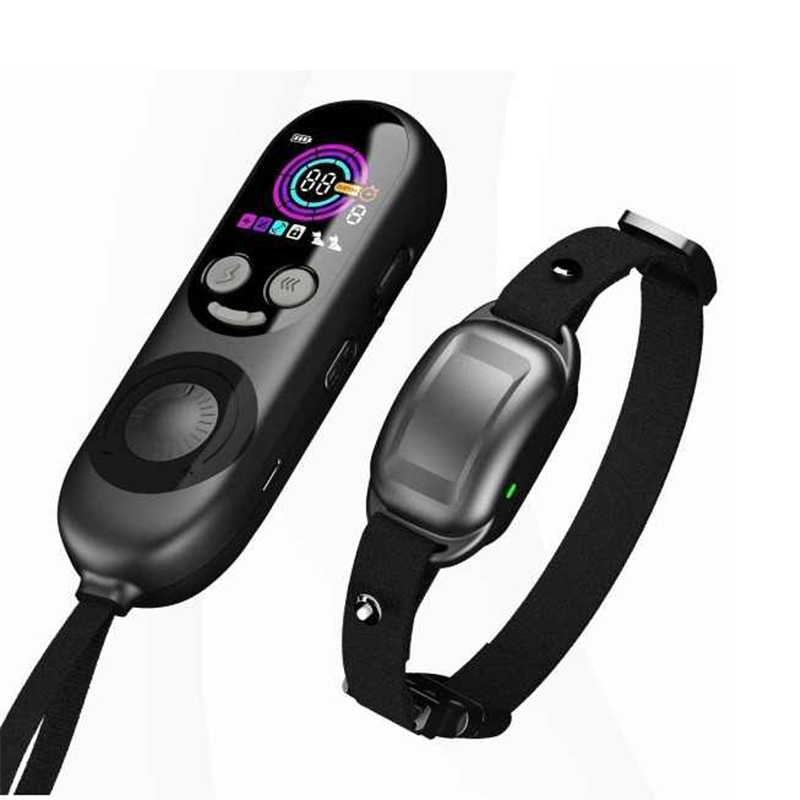
Display Remote Control Training Shock Collar
The Display Remote Control Training Shock Collar is designed to provide pet owners with a reliable and humane solution for training their dogs. Whethe...
View More -
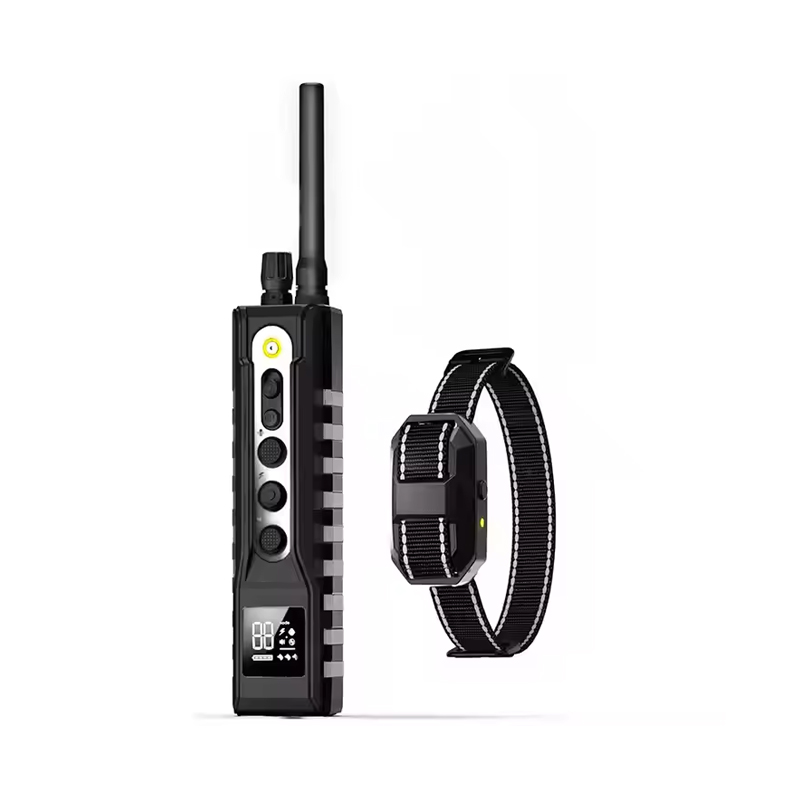
Multi-Function Long Distancetraining Shock Collar
The Multi-function Long Distance Training Shock Collar is a highly versatile tool designed to support your dog’s training across various environment...
View More -

Remote Control Waterproof Training Shock Collar
The Remote Control Waterproof Training Shock Collar is an advanced training tool designed to help pet owners effectively manage their dogs’ behavior...
View More
Pet Products
If you have any questions, please
get in touch with us.
+86-13486854214
E-mail: [email protected]
Address: No. 258, Qingchuan Road, Huzhen Town, Jinyun County, Lishui City, Zhejiang Province
Copyright © Zhejiang Beijing Technology Co., Ltd.

OEM/ODM Smart Pet Care Factory