
 EN
EN  English
 Español
 Français
 Deutsch
 Nederlands

- Type:
- Industry News
- Date:
- 2026-02-24

Industry News
Are Cat Litter Box Automatic Cleaning Suitable for All Types of Cats
Cats are known for their independent nature and grooming habits, yet one task remains a constant for pet owners—cleaning the litter box. Traditional litter boxes have been a staple in most homes, but as technology continues to evolve, Cat Litter Box Automatic Cleaning are gaining attention for their convenience and promise to simplify a cat owner's life. However, a key question remains: Are automatic cat litter boxes suitable for all types of cats?
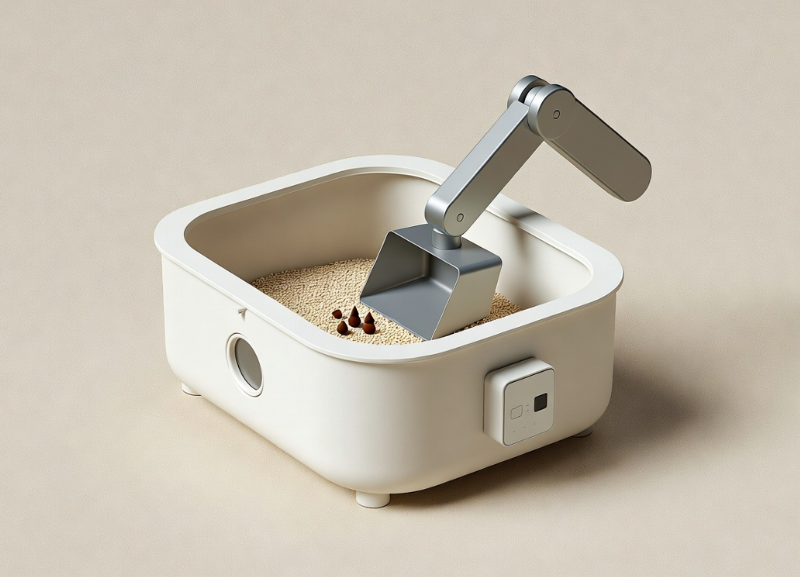
As more models hit the market, it's essential to understand the factors that influence whether an automatic litter box is the right fit for your feline friend. This article will explore various considerations to help pet owners decide whether an automatic litter box is truly appropriate for their cat's needs.
Do Automatic Cat Litter Boxes Work for All Cat Sizes?
One important thing to keep in mind when picking an automatic cat litter box is whether it suits your cat's size. Many models are geared toward average-sized cats and perform reliably for them, but bigger or heavier cats can run into problems with some designs.
Weight limits vary quite a bit across models—some are rated comfortably for cats up to around 18–20 pounds, while others handle up to 25–30 pounds (or even a bit more in certain cases). Going over the stated limit might cause issues like the sensors not triggering properly, the cleaning cycle struggling, or the raking/sifting/rotating parts not working as smoothly.
Beyond just weight, the actual interior space and entry size make a huge difference. Larger cats need plenty of room to maneuver, squat, dig, and turn without feeling squeezed or bumping into sensors, walls, or any moving components. A cramped fit can lead to the cat avoiding the box altogether or accidentally interfering with how the automatic mechanism operates.
For cats on the larger end—like Maine Coons, big domestic longhairs, or just extra-heavy ones—it's worth seeking out models marketed with extra-generous dimensions, wider or lower entryways, open-top designs, or explicitly higher weight capacities. Always double-check the product specs for both the maximum weight recommendation and the internal measurements (like litter bed size and entry height/width) to make sure it matches your cat's build and habits. That way, the box is more likely to work smoothly and get used consistently.
Suitability of Automatic Litter Boxes for Different Cat Sizes
| Cat Size | Typical Suitability | Possible Issues |
|---|---|---|
| Small | Generally well-suited | No significant issues |
| Medium | Ideal for most models | Fit is usually fine |
| Large | May not fit or work properly | Might struggle with mechanisms |
| Extra Large | Often unsuitable | May cause malfunctioning in some models |
Large and extra-large cats may find it difficult to use the automatic litter box comfortably. Some automatic boxes might be too small, leading to inconvenience and stress for the pet. It's important to check if the model can handle larger breeds, especially for cats that are heavier or taller than the average.
How Does the Cat's Age Impact Automatic Litter Box Use?
Age is one of the single most important things to consider when deciding if an automatic litter box will actually work well for your cat over the long term. Every life stage brings its own mix of physical ability, confidence, and tolerance for the box's mechanical features—like motion sensors, scooping arms, rotating mechanisms, cleaning cycles, noises, or sudden shifts in the litter bed.
- Kittens: Kittens are usually bouncy, quick, and coordinated, but that doesn't mean they're unfazed by automatic boxes. The random humming, unexpected movement, or litter suddenly disappearing can catch them off guard and feel downright alarming. Many kittens react by freezing in place, refusing to step inside, or treating the box like it's something to avoid entirely. The smartest move is to supervise closely, stay patient, give plenty of calm encouragement, and often keep a simple manual box available as a safe fallback until the kitten shows real curiosity and relaxed use of the automatic one.
- Senior Cats: Older cats commonly face challenges like arthritis, stiff joints, reduced strength in the back legs, or slower overall movement. These make it tough to climb over higher thresholds, fit through tight entrances, balance on uneven surfaces, or react fast enough if the box starts cleaning mid-use. Most seniors feel much more secure with ultra-low entry points, spacious open designs, non-slip flooring, and zero noise or motion—so they can go in and out slowly and predictably, without any startling surprises from the machine.
- Prime-Age Adult Cats: Healthy cats in their prime (roughly 2–10 years old) are the group that usually takes to automatic litter boxes with the least trouble. They're physically capable, confident, and already comfortable with the whole litter routine, so the self-cleaning convenience tends to feel like a nice perk instead of an obstacle. That being said, not every adult cat is the same—some dislike feeling enclosed, want more room to maneuver, are sensitive to even mild vibrations or sounds, or just prefer the no-fuss simplicity of a traditional open tray.
Do Cats with Specific Health Conditions Benefit from Automatic Litter Boxes?
Cats dealing with specific health challenges often need extra thought when it comes to automatic litter boxes—some features can help them a lot, while others might actually make things harder.
For example, cats with joint problems (like arthritis or hip dysplasia), mobility limitations, or general stiffness can find many automatic models tough to use. High entry steps, narrow openings, enclosed designs, or the need to move quickly to avoid a cleaning cycle can all become real obstacles, leading to hesitation, avoidance, or even accidents outside the box.
On the flip side, automatic litter boxes can offer meaningful advantages for cats prone to urinary tract issues, such as those with recurring UTIs, FLUTD (feline lower urinary tract disease), diabetes, or kidney problems. The frequent, automatic scooping or cleaning cycles keep the litter fresher longer, cut down on bacterial growth, reduce odor buildup, and lower the chance of irritation or reinfection from sitting in dirty litter—something especially helpful for cats who already have sensitive urinary systems.
For any cat with ongoing health needs or special requirements, picking the right automatic box makes all the difference. Look for models that include:
- Very low or zero-step entry points for easy access,
- Quiet motors and minimal vibration so the cleaning process doesn't startle or stress them,
- Spacious interiors that give plenty of room to turn around, squat comfortably, and exit without feeling cramped,
- Customizable or pause settings to control when (or if) the box runs its cycle.
The goal is to match the box to your cat's physical comfort and medical realities. Close observation of how they approach, use, and react to the box—along with guidance from your vet if needed—will tell you whether an automatic model is truly supportive or if a simpler, more traditional setup would be kinder for their specific condition.
Are Automatic Litter Boxes Suitable for Multi-Cat Households?
Many cat owners wonder if automatic litter boxes are effective in multi-cat households. In homes with multiple cats, the increased demand on the litter box can lead to issues such as insufficient cleaning, territorial disputes, or multiple cats trying to use the box at once.
Some automatic litter boxes are designed with multiple cat use in mind, offering larger waste trays, larger sensors, or additional cycles to accommodate higher volumes of waste. However, it's important to check if the system can handle multiple cats effectively, ensuring that the box remains clean and hygienic for all pets.
Considerations for Automatic Litter Boxes in Multi-Cat Homes
| Factor | Consideration | Key Insight |
|---|---|---|
| Waste Capacity | Larger capacity models may be needed for multiple cats | Choose models with bigger trays or more frequent cleaning cycles |
| Frequency of Use | Multiple cats can fill the box faster | Look for automatic models with higher waste handling capacity |
| Cat Behavior | Cats may be territorial or hesitant to share a box | Choose models that offer ample space for each cat |
It's worth noting that some cats may be uncomfortable with the automatic cleaning mechanism if it's too noisy or disruptive. In a multi-cat household, introducing an automatic litter box gradually can help acclimate the pets to the new system.
Will Cats Adjust to the Noise and Movement of Automatic Litter Boxes?
One of the biggest worries cat owners have about automatic litter boxes is how their cat will react to the mechanical sounds and movements. Whether the box scoops waste with a rake, rotates like a drum, sifts clumps through a screen, or runs a full cleaning cycle, it almost always creates some level of noise—whirring motors, scraping sounds, shifting litter, or sudden starts and stops—that can catch a cat off guard.
The good news is that many cats do adapt over time. Some barely notice the activity after the first few cycles and go about their business as usual. Others, especially more laid-back or confident adult cats, seem to tune it out quickly and treat the box like any other fixture in their routine.
However, not every cat handles it the same way. More sensitive, anxious, or easily startled cats may find the sounds and motion stressful—freezing up, running away, hesitating to enter, or even avoiding the box altogether for days or weeks. Kittens, in particular, often react strongly at first because everything is new and potentially scary to them, while highly nervous or skittish cats of any age might never fully relax around the automation.
The key to success almost always comes down to a slow, thoughtful introduction:
- Place the automatic box in a familiar, quiet spot and turn it off (or unplug it) initially so your cat can explore it like a regular box.
- Let them get comfortable using it while it's "silent" for several days or even a week.
- Once they're reliably going in and out without stress, turn it on during times when you're home to watch their reaction.
- If they seem startled, give them more time, offer reassurance, and consider pausing or delaying cycles until they're more at ease.
- For especially wary cats, models with quieter motors, gentler cycles, or manual override options can make a big difference.
Do Cats Have Preferences in Terms of Litter Box Types?
Yes, many cats are surprisingly picky about the kind of litter box they're willing to use—sometimes to the point where a "wrong" design leads to avoidance, stress, or accidents elsewhere in the house.
Some cats feel most secure in traditional open-top boxes. The unobstructed 360-degree view lets them keep an eye on their surroundings, spot any potential threats, and feel in control while they go. These cats often dislike anything that limits their line of sight or makes them feel cornered.
Other cats, however, gravitate toward enclosed, hooded, or covered designs. The extra privacy and sense of shelter can make them feel safer and more relaxed, especially in busy households or multi-cat homes where they might want a quieter, more hidden spot to do their business.
Automatic litter boxes add another layer of variety. They range from fairly open and roomy models (with low or no sides and plenty of headroom) to more compact, enclosed, or dome-like units that feel tighter inside. While a spacious, open-style automatic box might suit a cat who loves visibility and freedom of movement, a more confined or fully hooded automatic design could appeal to privacy-loving cats—or completely turn off the ones who hate feeling boxed in.
The bottom line is that your cat's individual personality and comfort instincts matter a lot. There's no universal "best" litter box type—some will happily adapt to almost anything, while others draw a hard line at even small differences in entry height, enclosure level, interior space, or overall "feel." The only reliable way to find out is to observe your cat closely: Do they approach confidently and use it without hesitation? Do they hesitate at the entrance, paw at the opening, or bolt away after a cycle? Do they consistently choose one box over another when given options?
Testing different styles (starting with what they already like, if possible) and watching their body language will quickly reveal whether a particular automatic or manual design is a good match—or if you need to stick with something simpler and more traditional to keep them happy and using the box reliably.
What Are the Maintenance and Cleaning Requirements for Different Cats?
Automatic litter boxes definitely lighten the daily scooping load, but they still demand consistent hands-on care to stay hygienic, functional, and appealing to your cat(s). The exact routine varies depending on your cat's traits and household setup.
- Long-haired or heavy-shedding cats: These cats leave behind a lot more loose fur that gets worked into the litter. That extra hair tends to create larger, stickier clumps or even furry tangles that can jam the scooping rake, clog the waste chute, gum up sifting grates, or wrap around moving parts. If you have a fluffy cat, plan to inspect the mechanism more often—perhaps every few days to a week—pull out any visible fur buildup by hand, and empty the waste drawer before it gets overly full, since packed waste plus hair makes clogs much more likely.
- Multi-cat homes: When several cats share one box, waste piles up noticeably faster. The waste compartment can reach capacity sooner than the manufacturer's "weekly" estimate, sometimes needing emptying every 2–4 days (or even daily in very active households). Overflow risks stronger smells, incomplete cycles, or the box stopping mid-use, which can quickly turn a cat off. You'll also go through litter faster and need to top it up more regularly to keep the system working right.
Beyond coat type and number of cats, remember that even the best automatic boxes aren't 100% hands-off. The cleaning system might miss tiny scattered pieces, leave behind a thin film of dust or residue, or allow small amounts of stuck waste to build up in corners and tracks over time. To keep everything running smoothly and odor-controlled, most owners find they still need to:
- Do quick visual checks and wipe-downs of the interior, sensors, and waste area regularly,
- Remove any leftover clumps or stray litter that the mechanism skipped,
- Perform a full deep clean (disassemble what's allowed, wash removable parts, dry thoroughly) roughly every 4–8 weeks, or more often with heavy use,
- Replace carbon filters, deodorizer packs, or any wear-prone parts according to the manual's schedule.
Do Automatic Cat Litter Boxes Offer Hygiene Benefits for Cats?
For cats with sensitive skin or health conditions, automatic litter boxes can provide significant hygiene benefits. These boxes generally offer a more consistent cleaning cycle than manual cleaning, which helps reduce the buildup of bacteria and odors. This is particularly beneficial for cats that are prone to infections or have allergies, as the system can reduce exposure to waste.Additionally, since the automatic cleaning system operates on a schedule, it can help maintain a consistently clean environment, which is important for cats' health.
Automatic cat litter boxes are not a one-size-fits-all solution for every cat. While many cats adapt well to these systems, various factors such as size, age, health condition, and behavior must be considered before deciding whether to introduce one. For some cats, an automatic litter box can significantly improve hygiene and convenience. For others, it may create stress or fail to meet their specific needs. Pet owners should carefully assess their cat's unique characteristics to determine if an automatic litter box is the right choice.
Related Products
-
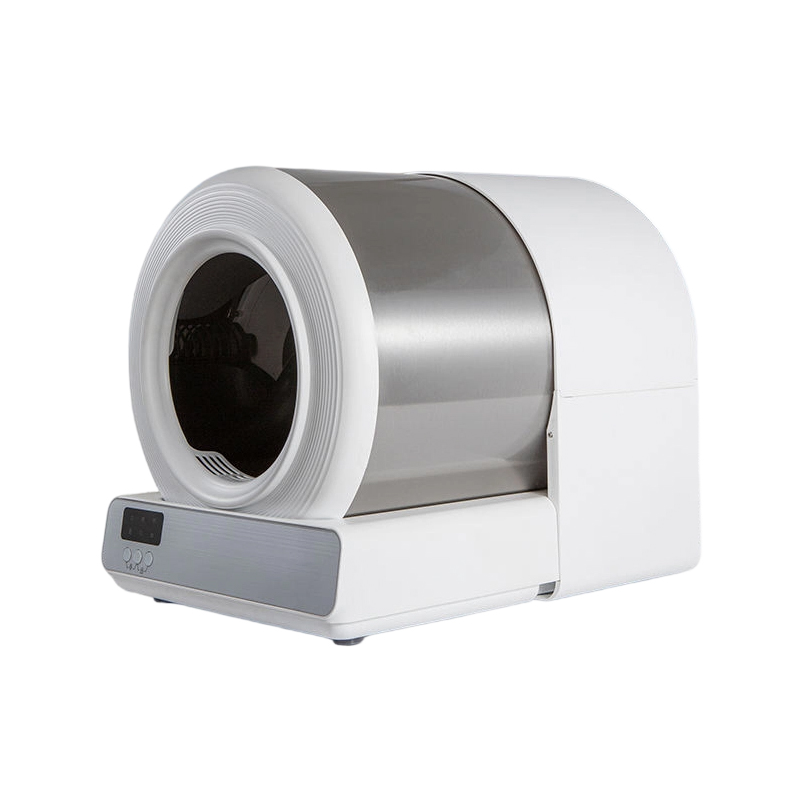
Cat Litter Tray For Multiple Cats Automatic Cat Litter Tray
Cat Litter Tray for Multiple Cats Automatic Cat Litter Tray – Product Features The high-pressure washable, safety-focused design facilitates compr...
View More -
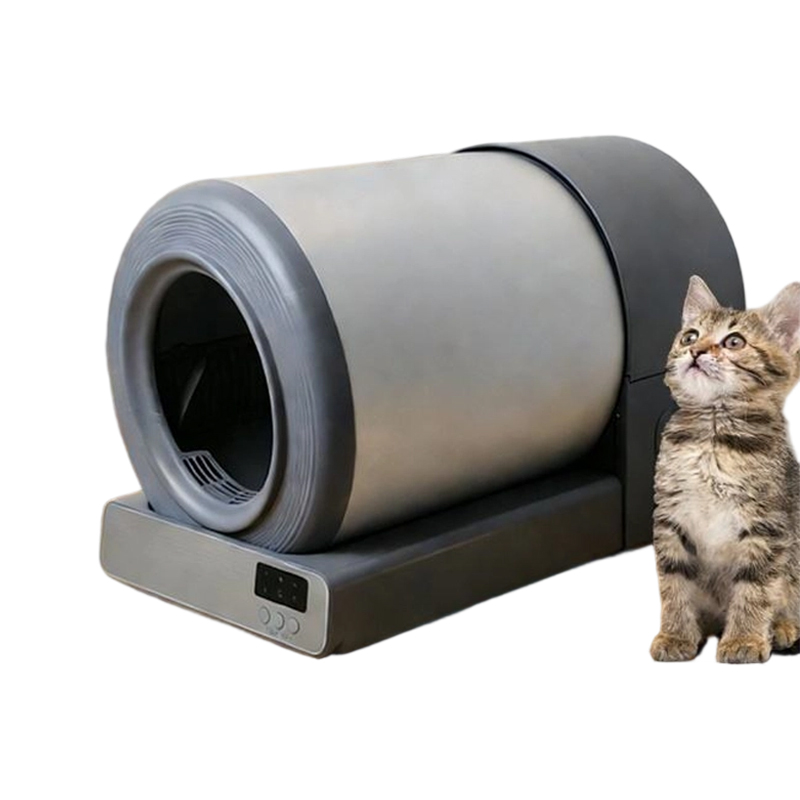
Self-Cleaning Stainless Steel Smart Cat Litter Tray
Self-Cleaning Stainless Steel Smart Cat Litter Tray – Product FeaturesThe preferred choice for non-profit organisations; compatible with open-top bi...
View More -
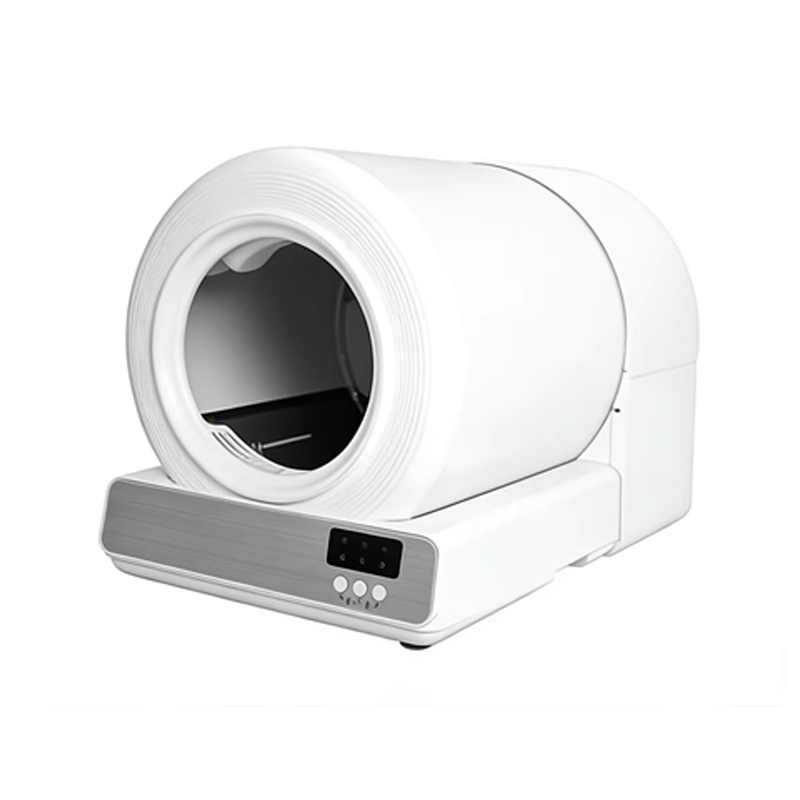
Second-Generation Fully Automatic Cat Litter Tray
Second-Generation Fully Automatic Cat Litter Tray – Product Features With a large 65-litre capacity, it easily accommodates a substantial amount of ...
View More -
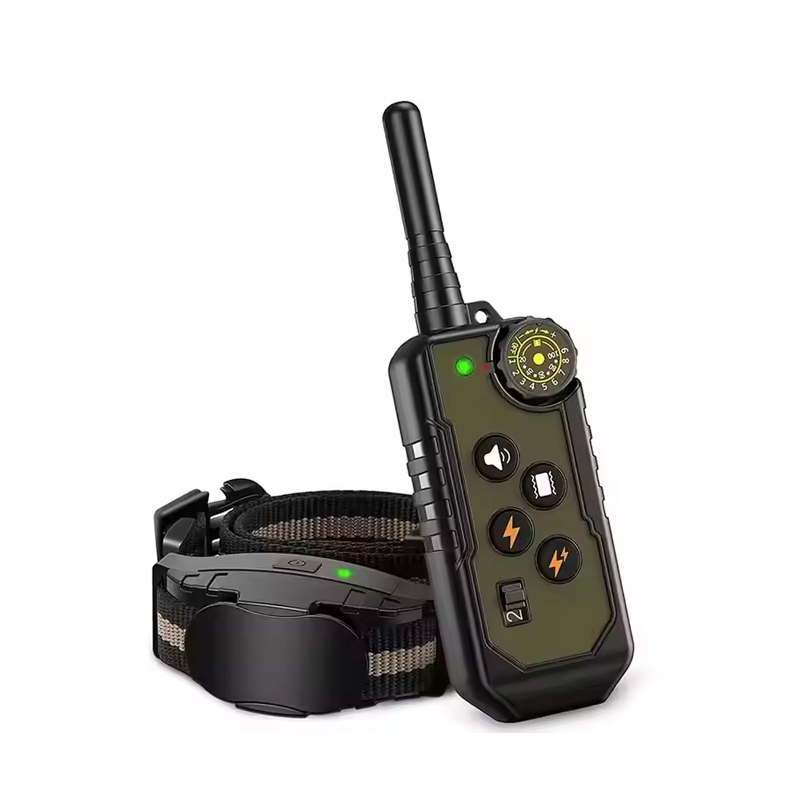
Multi-Mode Easy To Operate Training Shock Collar
The Multi-mode, easy-to-operate training Shock Collar is designed to provide a practical solution for owners seeking a safe and effective way to train...
View More -
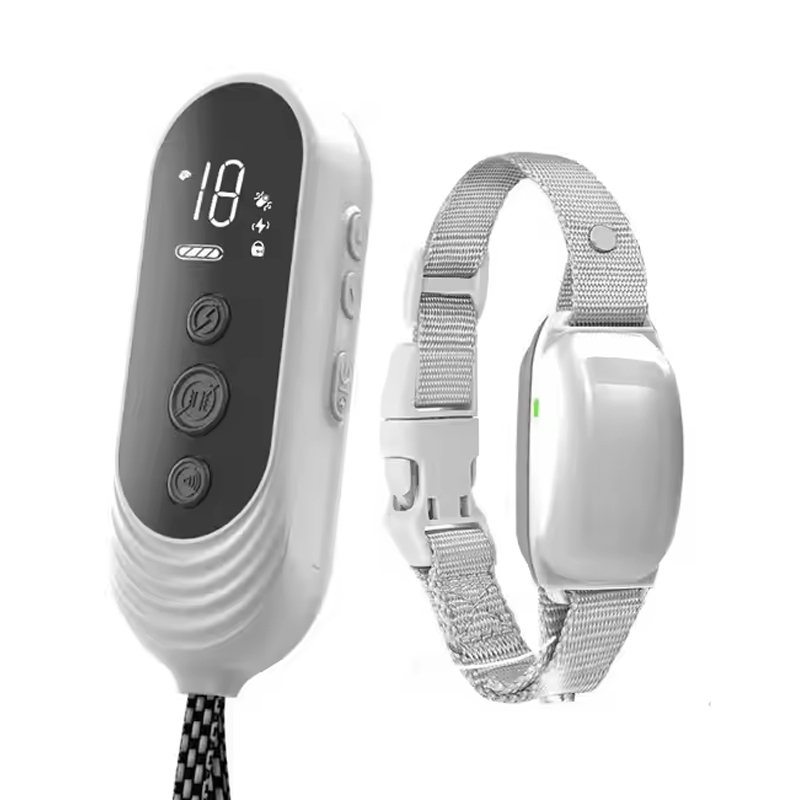
Waterproof Adjustable Polyester Training Shock Collar
The Waterproof Adjustable Polyester Training Shock Collar offers a reliable solution for pet owners seeking a versatile and durable collar to enhance ...
View More -
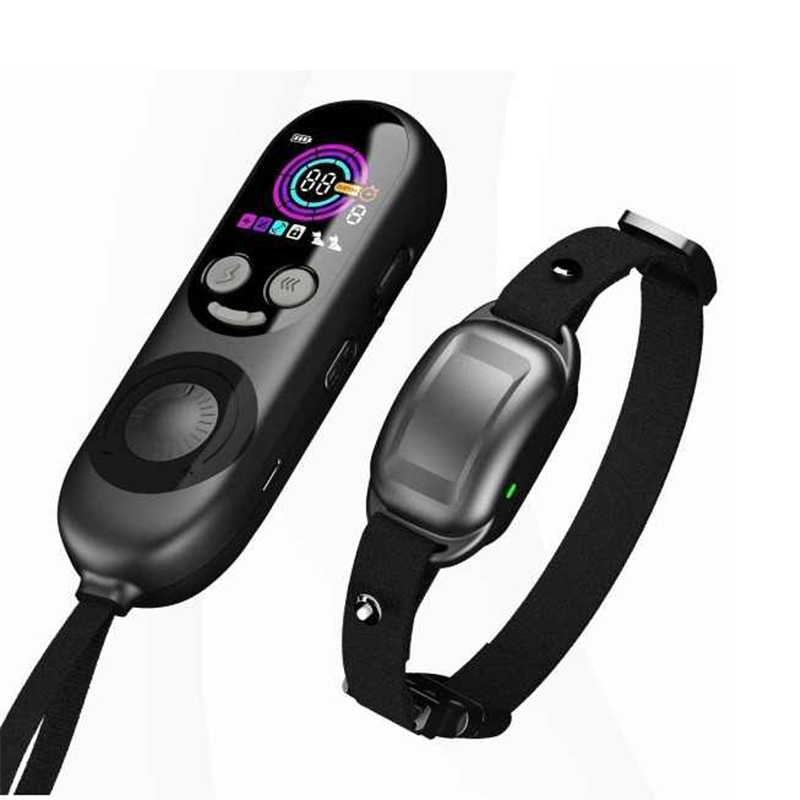
Display Remote Control Training Shock Collar
The Display Remote Control Training Shock Collar is designed to provide pet owners with a reliable and humane solution for training their dogs. Whethe...
View More -
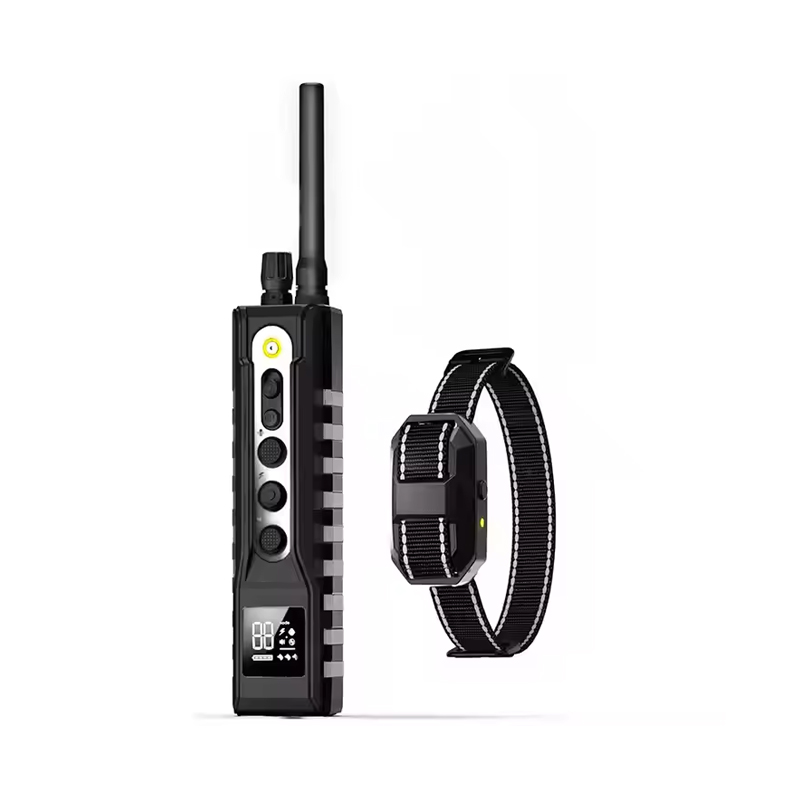
Multi-Function Long Distancetraining Shock Collar
The Multi-function Long Distance Training Shock Collar is a highly versatile tool designed to support your dog’s training across various environment...
View More -
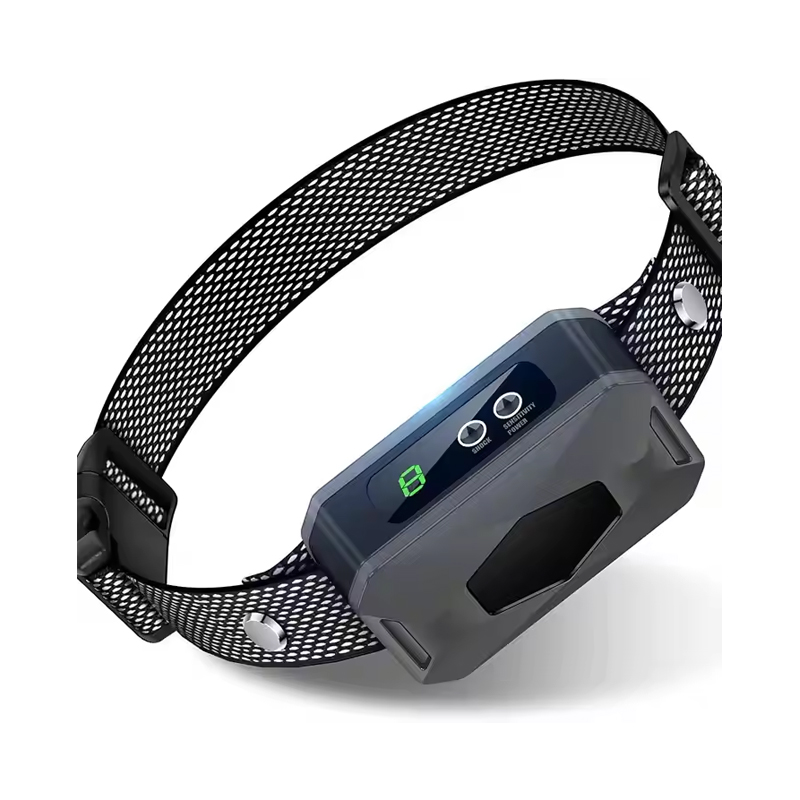
Remote Control Waterproof Training Shock Collar
The Remote Control Waterproof Training Shock Collar is an advanced training tool designed to help pet owners effectively manage their dogs’ behavior...
View More
Pet Products
If you have any questions, please
get in touch with us.
+86-13486854214
E-mail: [email protected]
Address: No. 258, Qingchuan Road, Huzhen Town, Jinyun County, Lishui City, Zhejiang Province
Copyright © Zhejiang Beijing Technology Co., Ltd.

OEM/ODM Smart Pet Care Factory