
 EN
EN  English
 Español
 Français
 Deutsch
 Nederlands

- Type:
- Industry News
- Date:
- 2026-02-20
Industry News
Home / News / Industry News / What Problems Does an Intelligent Pet Food Dispenser Aim to Solve for Pet Owners

Pet ownership has always involved routines. Feeding schedules, portion awareness, and daily consistency sit at the center of those routines. As lifestyles become more flexible and less predictable, these simple tasks can quietly turn into sources of stress. Within this context, the intelligent pet food dispenser has emerged not as a novelty, but as a response to practical challenges many pet owners face.
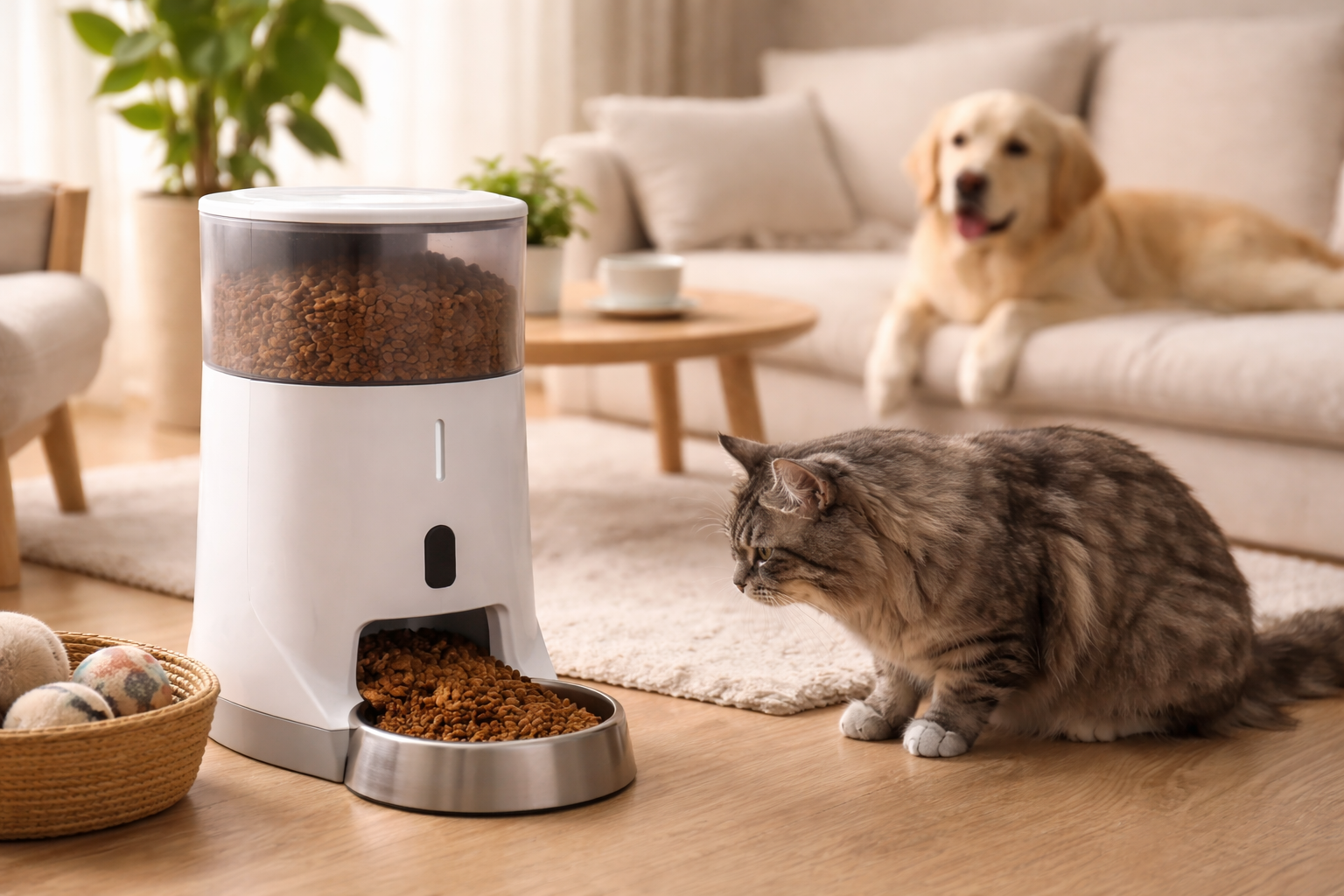
Industry discussions increasingly frame this product category around problem-solving rather than innovation for its own sake. The focus is on everyday friction points. Missed meals. Inconsistent portions. Anxiety during long workdays. These are not dramatic issues, but they add up over time. Intelligent feeding devices aim to address them in subtle, structured ways.
Today's workdays seldom stick to a predictable 9-to-5 rhythm. Remote setups, rotating shifts, last-minute meetings, and frequent business trips or travel mean people are often away from home at irregular times—or for longer stretches than before. Pets, though, thrive best on steady routines, especially around mealtimes.
That mismatch creates real strain. Owners genuinely want to keep their animals on a reliable schedule, but life's demands don't always cooperate. Automatic pet feeders step in to bridge exactly that gap, delivering portioned meals at set times even when no one is there to scoop food into a bowl.
People in the pet-product world tend to talk about this less as a "convenience" perk and more as a matter of continuity. The real value lies in giving pets the stability they need—fewer skipped or delayed meals, less disruption to their natural rhythms—even as their humans'days become more unpredictable.
Before understanding how intelligent dispensers help, it is useful to look at the problems they are designed around. These challenges appear repeatedly in consumer feedback and industry analysis.
1. Inconsistent Feeding Times
Feeding a pet later than usual may seem minor, but repeated changes can affect behavior. Pets often associate meals with comfort and predictability.
Owners with long commutes or irregular hours may struggle to maintain consistency. Intelligent dispensers introduce scheduled feeding patterns that remain stable regardless of daily changes.
This does not remove human involvement. It simply provides a framework that supports routine.
2. Portion Uncertainty
Estimating food amounts by sight is common. It is also imprecise. Overfeeding and underfeeding both occur easily, especially in multi-person households where responsibilities overlap.
An intelligent dispenser helps reduce guesswork. Portions are set intentionally rather than adjusted casually. This supports a more measured approach to feeding without turning it into a rigid process.
3. Missed Meals During Absences
Short trips, delayed returns, or unexpected overtime can lead to missed feedings. Relying on neighbors or last-minute arrangements is not always practical.
These situations often cause anxiety for owners, even when absences are brief. Intelligent dispensers offer a level of reassurance by ensuring food availability during such gaps.
This function is often described as support rather than replacement of care.
In plenty of homes, pet care isn't handled by just one person—multiple family members, roommates, or partners pitch in when they can. That shared setup often breeds small but real confusion: Did someone already feed the cat this morning? Is it time for the dog's dinner yet, or did the afternoon person take care of it?
Duplicate meals happen more often than you'd expect—one person feeds because they're not sure, while another skips because they assume it's already done. Both mistakes disrupt the pet's routine and can lead to arguments or second-guessing among the people in the house.
Smart pet food dispensers cut through that uncertainty with straightforward structure. Meals are scheduled, portioned, and recorded automatically—no relying on memory, notes on the fridge, or quick texts asking "Did you feed him?" Instead, everyone can see exactly what's happened and what's coming next.
The result is less friction between household members and steadier, more predictable care for the pet. What starts as a simple way to remove guesswork ends up making shared responsibility feel smoother and more reliable for everyone involved.
Pet owners don't always realize just how much emotional load comes with keeping up feeding routines. For many, putting food down isn't only about nutrition—it's a daily expression of love, attention, and being there for their animal. When life gets in the way and meals end up late, skipped, or inconsistent, that small failure can quietly turn into guilt or nagging worry.
Automatic pet feeders ease this emotional side without making a big show of it. By locking in reliable, on-time portions day after day, they take away much of the uncertainty that fuels stress. The owner no longer has to second-guess whether the pet ate on schedule or rush home feeling anxious about an empty bowl.
More people in the pet industry are openly recognizing this now: emotional peace of mind matters just as much as how well a product works on a practical level. Features that quietly remove sources of worry—around feeding especially—often end up being what keeps owners loyal and satisfied long-term. When the routine feels steady, the guilt fades, and the bond stays strong without extra strain.
A lot of animals—dogs and cats especially—really lean into routine. They pick up on the tiniest shifts in when things happen: the sound of the food bag at 7 a.m., the bowl hitting the floor at dinner time. Even small changes in those patterns can throw them off, leading to pacing, meowing more than usual, whining, or other ways of saying "something's different and I don't like it."
Smart pet feeders help by locking in those regular feeding windows. Meals show up at the same times every day, portioned just right, no matter who's home or what the schedule looks like. That steady rhythm gives pets the predictable cues they naturally look for, which often translates to a noticeably calmer household—fewer anxious zoomies, less begging at odd hours, and a pet that seems more settled overall.
This isn't about forcing behavior or turning pets into robots. It's simply about taking away the avoidable stress that comes from unpredictable mealtimes. When the basics stay reliable, pets (and their people) can relax into the rest of the day without the extra tension.
Manual feeding has long been the norm. It is simple and familiar. Yet it carries limitations that become more visible in busy lifestyles.
Forgetfulness
Even attentive owners forget things occasionally. Feeding can slip through the cracks during hectic days. Intelligent dispensers are designed to reduce reliance on memory.
Physical Presence
Manual feeding requires being there at the right time. This constraint does not always align with modern work and travel patterns.
Irregular Portions
Scooping food by eye introduces variability. Over time, this can shift feeding habits unintentionally.
Intelligent dispensers address these issues without requiring advanced technical understanding from the user.
Rather than offering complex solutions, most intelligent dispensers focus on basic functions applied consistently. The emphasis is on structure.
Scheduled Feeding
Meals follow defined times. This removes uncertainty for both pets and owners.
Controlled Distribution
Food is released according to preset intentions rather than spontaneous decisions.
Reduced Dependence on Presence
Owners can step away for parts of the day without worrying about missed meals.
These features are often presented as supportive tools rather than transformative technology.
Problem-Solution Overview
| Owner Concern | Daily Impact | How Intelligent Dispensers Respond |
|---|---|---|
| Irregular schedules | Missed or late meals | Maintains feeding routine |
| Portion guesswork | Overfeeding or underfeeding | Encourages intentional portions |
| Shared responsibility | Duplicate feeding | Creates clear structure |
| Short absences | Anxiety about meals | Provides continuity |
| Emotional stress | Guilt or worry | Adds reassurance |
This table reflects common use cases rather than technical detail.
Homes with multiple pets run into their own set of feeding hurdles. Meals can turn competitive—some animals rush in and dominate the bowl while others hang back. Portions end up uneven, with one pet getting more than their share and another left short. Trying to keep track of who ate what by hand quickly becomes impractical, especially when everyone scatters to different rooms or the day gets busy.
Smart pet feeders don't magically fix every nuance of group feeding, but they do establish a reliable foundation. Food drops on schedule, in measured amounts, so there's less chance of sudden empty bowls, frantic scrambles, or one pet constantly waiting for scraps. The structure cuts down on the chaos that comes from uncertainty.
Folks who follow pet-product trends often point out that when feeding happens in a more predictable, controlled way, it can gradually ease some of the tension in multi-pet dynamics. Over weeks or months, consistent routines help reduce pushy behavior, food guarding, or anxiety around mealtimes—making the whole household feel a little more balanced without anyone having to play referee every day.
The way a smart pet dispenser is designed directly shapes how well it solves the everyday frustrations owners face. Straightforward controls, a solid and tip-resistant base, and parts that come apart quickly for cleaning all make a big difference in whether the product actually gets used consistently over months or years.
When everything about the dispenser feels natural and effortless—no hunting for buttons, no awkward angles, no scrubbing marathons—owners tend to trust it more. That trust turns into habit: the device becomes part of the daily flow rather than something they have to think about or fight with. And building reliable routines is exactly what these products are meant to achieve in the first place.
Feedback from pet owners and retailers keeps circling back to the same point: a device can pack in plenty of bells and whistles, but if it's not genuinely easy and pleasant to live with, those extras don't matter much. Usability—the simple act of making the product feel intuitive and low-friction—almost always wins out over stacking on more features.
Big shifts happen to everyone eventually: landing a new job with longer hours, moving to a different city, welcoming a baby into the family, or just watching daily routines slide around because of travel or new commitments. All of those changes ripple through the household—and pets feel them too, even if they don't understand why everything suddenly feels different.
Smart pet food dispensers quietly step in to cushion some of that impact. They keep mealtimes locked in at the same predictable times and portions, day after day, no matter who's home or what the calendar says. That small pocket of consistency gives pets a sense of normalcy when so much else might be shifting around them.
The benefit is understated but genuinely powerful, especially in those bumpy transition phases—new routines settling in, everyone adjusting to a fresh normal. By holding the feeding line steady, the dispenser helps pets stay grounded and less stressed, letting the household focus on navigating the bigger changes without worrying that their animal is quietly thrown off balance too.
Bringing home a new pet comes with a lot of excitement—and a surprising amount of second-guessing. For many first-time owners, figuring out feeding feels especially nerve-wracking. How much food is the right amount? How often? What if I mess up the schedule early on and set bad habits? The unfamiliarity turns a simple daily task into something that quietly builds stress.
Structured feeding tools, like intelligent dispensers, step in to offer gentle scaffolding without piling on complicated rules or overwhelming instructions. They deliver consistent portions at set times right from day one, so new owners don't have to rely solely on guesswork or endless online searches to get it right. The routine starts solid and stays that way, helping habits form naturally and confidently.
People who follow pet-product trends often call this confidence-building aspect one of the most overlooked upsides of these systems. It's not just about convenience or portion control—it's about giving someone new to pet ownership a reliable starting point that quiets the "am I doing this correctly?" voice in their head. When the basics feel handled, the joy of having a pet can shine through sooner and more fully.
Gadgets built mostly around being "new" or "cool" tend to lose their shine fast—used a handful of times, then quietly pushed to the back of the counter or forgotten in a drawer. Intelligent pet feeders take a different path: they're designed around needs that don't go away after the first week. They target the steady, repeating parts of pet care—reliable meals, day in and day out—rather than flashy one-time excitement.
What makes these devices stick around is how their usefulness actually grows with time. As weeks turn into months, the feeding schedule becomes second nature, the portions stay exact, and the owner starts to lean on the consistency without second-guessing. Trust builds quietly: the pet stays on track, stress around mealtimes drops, and the device simply becomes part of how things work in the house.
That longer horizon shapes everything from how the products are built to how they're talked about in the industry. Features prioritize durability, simplicity that lasts, and quiet reliability over eye-catching gimmicks. Marketing focuses less on "look what this can do right now" and more on "this will still be helping you six months from today."
In the end, the one measure that really counts isn't how exciting the first use feels—it's how consistently the feeder keeps showing up for the pet and the owner, week after week, month after month. That steady performance is what turns a purchase into a lasting part of daily life.
Bringing automation into something as personal as feeding a pet can stir up real feelings for some owners. There's a quiet concern that handing off mealtimes to a machine might make the whole thing feel cold, detached, or less caring—like the daily ritual of filling a bowl is being replaced by something mechanical.
More and more in pet-product conversations, the answer circles back to intentional balance. The technology takes care of the mechanical parts: exact timing, consistent portions, reliable delivery every single day. That leaves the human fully in charge of what machines can't touch—the pats, the playtime, the soft words, the extra treats given with love, the moments of connection that actually build the bond.
When those roles stay clear, automation stops feeling like competition and starts feeling like quiet backup. It handles the structure so the owner can stay present for the warmth. The result is a setup where technology quietly supports the relationship instead of stepping into its place—keeping routines steady while the heart of pet ownership remains unmistakably human.
At the heart of it, an intelligent pet food dispenser tackles straightforward, everyday frustrations. It cuts down on accidentally skipped meals, keeps portions and timing steady instead of hit-or-miss, and takes some of the constant mental load off the owner's shoulders.
These aren't flashy, life-changing overhauls. They're modest, targeted fixes that quietly smooth out the rough edges of daily pet care—making the routine feel less fragile and more dependable.
In a world where lifestyles keep shifting faster than ever, the products that tend to last longest are the ones that don't try to reinvent everything. They simply show up reliably, handle the small but nagging problems no one wants to keep worrying about, and let the rest of pet ownership stay warm, personal, and human. That kind of understated usefulness is what builds real loyalty over time.
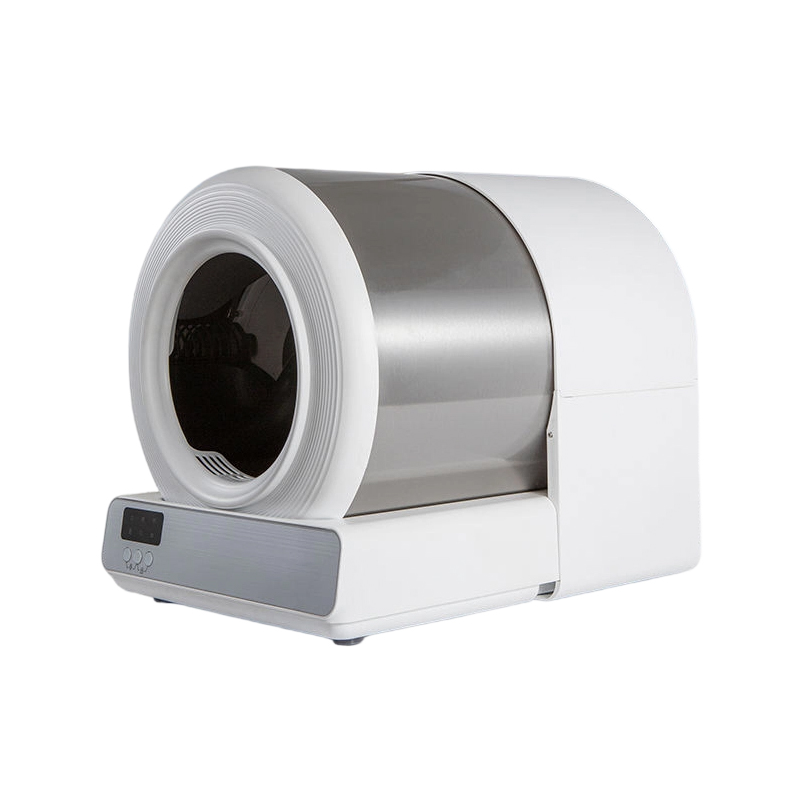
Cat Litter Tray for Multiple Cats Automatic Cat Litter Tray – Product Features The high-pressure washable, safety-focused design facilitates compr...
View More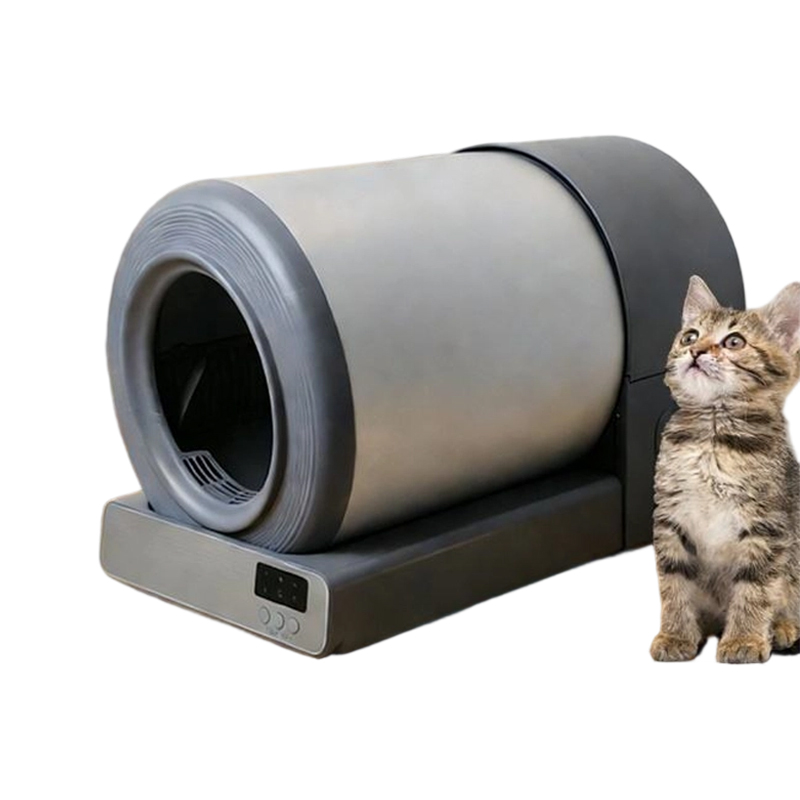
Self-Cleaning Stainless Steel Smart Cat Litter Tray – Product FeaturesThe preferred choice for non-profit organisations; compatible with open-top bi...
View More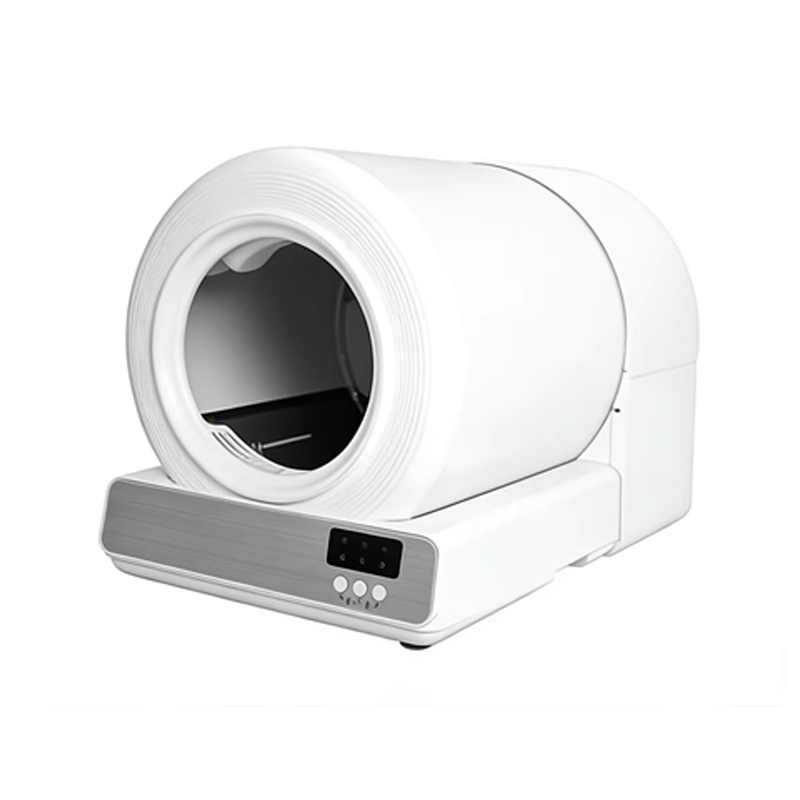
Second-Generation Fully Automatic Cat Litter Tray – Product Features With a large 65-litre capacity, it easily accommodates a substantial amount of ...
View More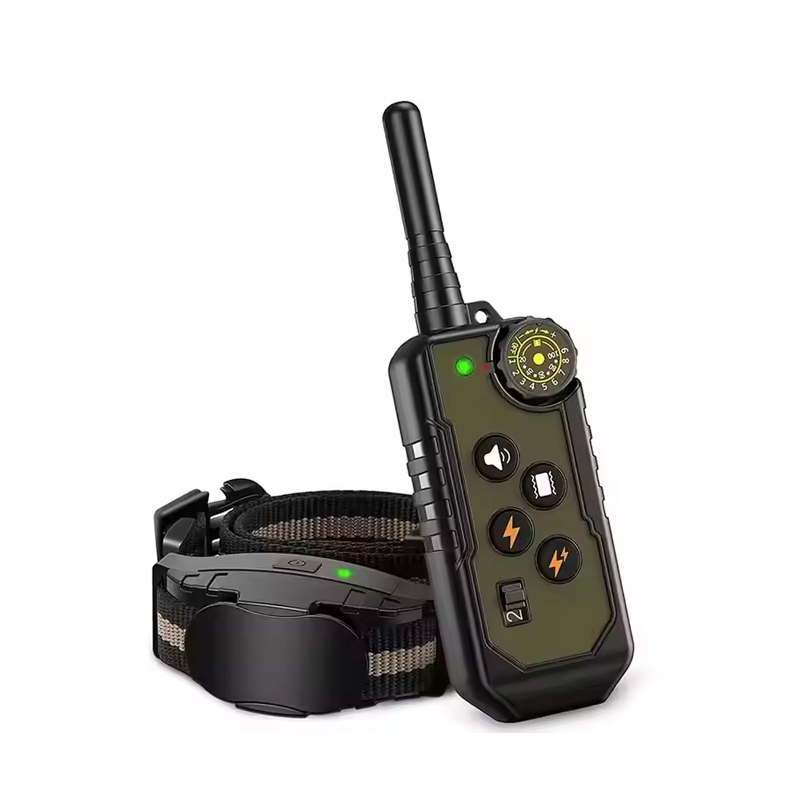
The Multi-mode, easy-to-operate training Shock Collar is designed to provide a practical solution for owners seeking a safe and effective way to train...
View More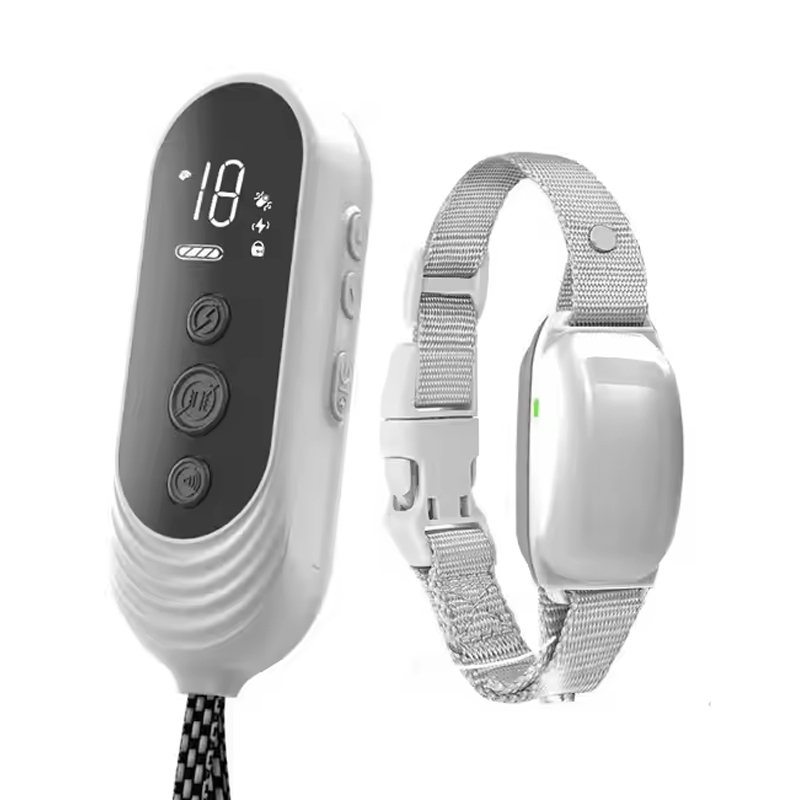
The Waterproof Adjustable Polyester Training Shock Collar offers a reliable solution for pet owners seeking a versatile and durable collar to enhance ...
View More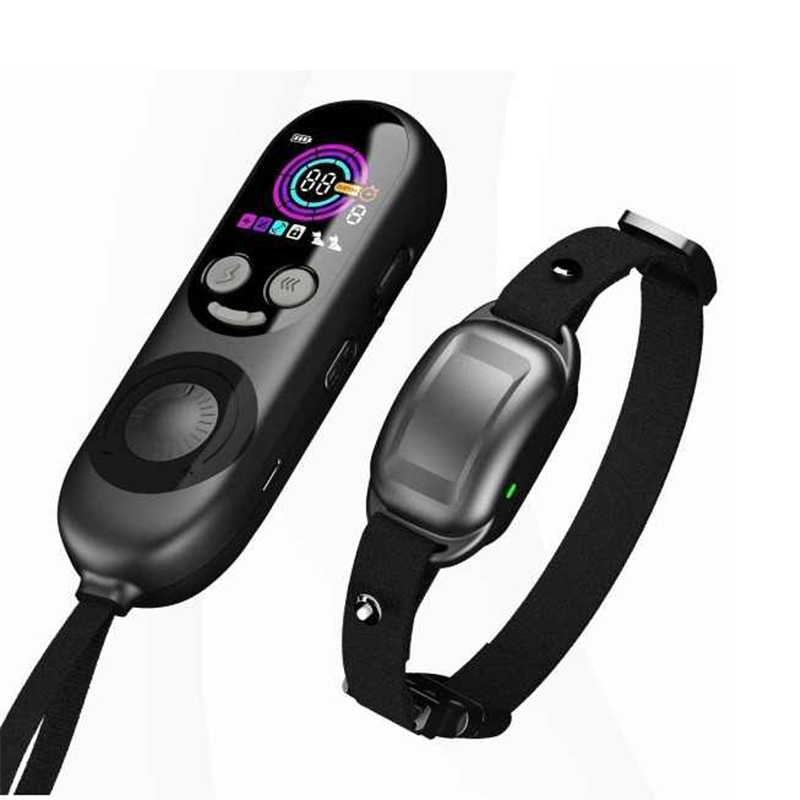
The Display Remote Control Training Shock Collar is designed to provide pet owners with a reliable and humane solution for training their dogs. Whethe...
View More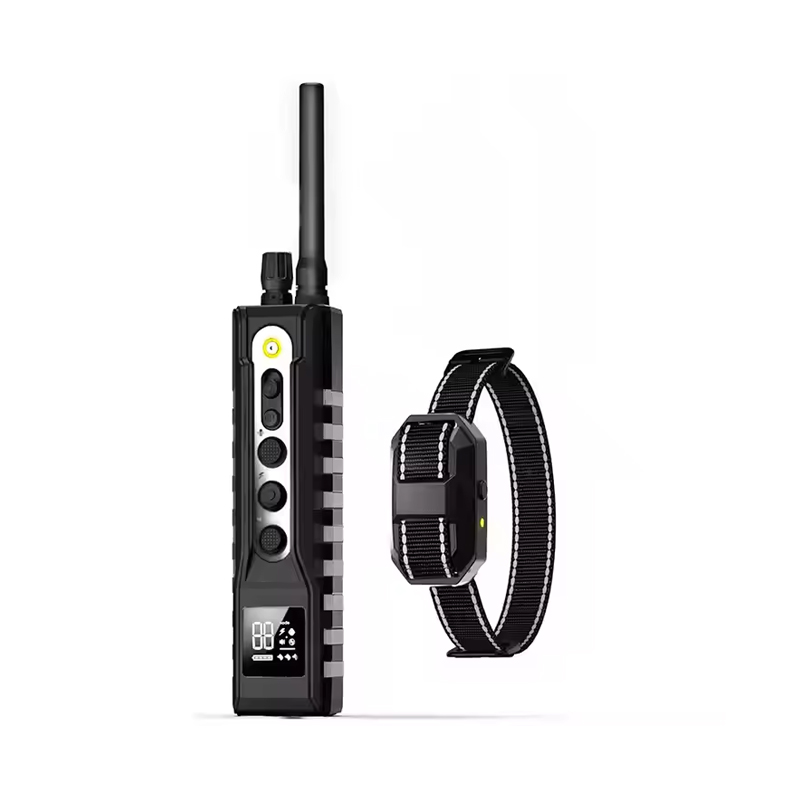
The Multi-function Long Distance Training Shock Collar is a highly versatile tool designed to support your dog’s training across various environment...
View More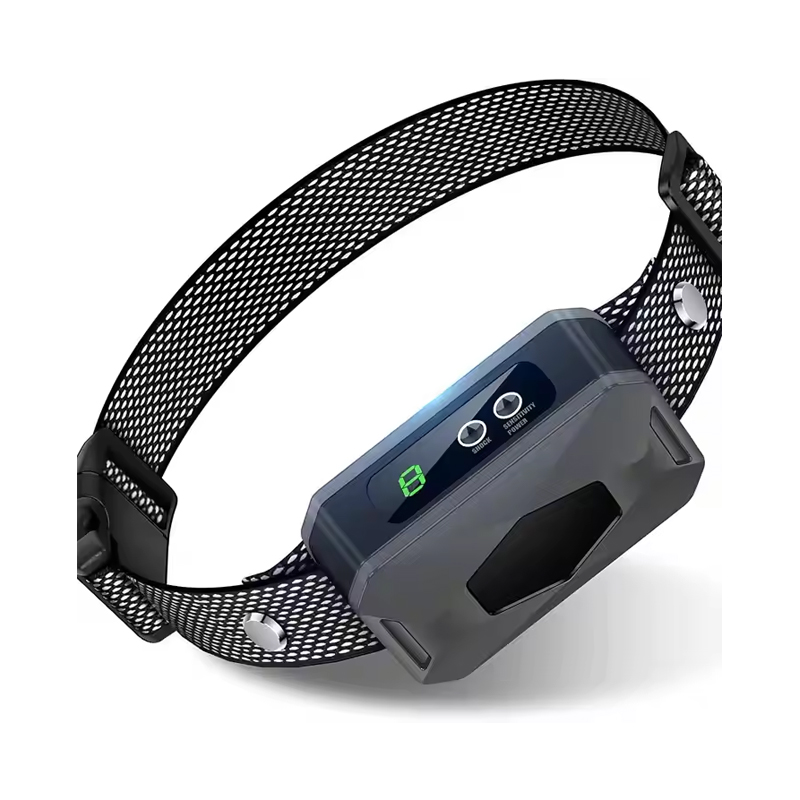
The Remote Control Waterproof Training Shock Collar is an advanced training tool designed to help pet owners effectively manage their dogs’ behavior...
View More
If you have any questions, please
get in touch with us.
E-mail: [email protected]
Address: No. 258, Qingchuan Road, Huzhen Town, Jinyun County, Lishui City, Zhejiang Province
Copyright © Zhejiang Beijing Technology Co., Ltd.

OEM/ODM Smart Pet Care Factory