
 EN
EN  English
 Español
 Français
 Deutsch
 Nederlands

- Type:
- Industry News
- Date:
- 2026-02-27
Industry News
Home / News / Industry News / How Does a Smart Pet Water Blower Adapt to Pets of Different Breeds and Coat Lengths

Pet grooming is no longer limited to salons and professional tools. Home care has become more advanced, and smart devices now play a growing role in daily routines. Among these tools, the smart pet water blower has drawn attention. Designed to dry pets quickly after bathing, it promises comfort, efficiency, and coat protection.
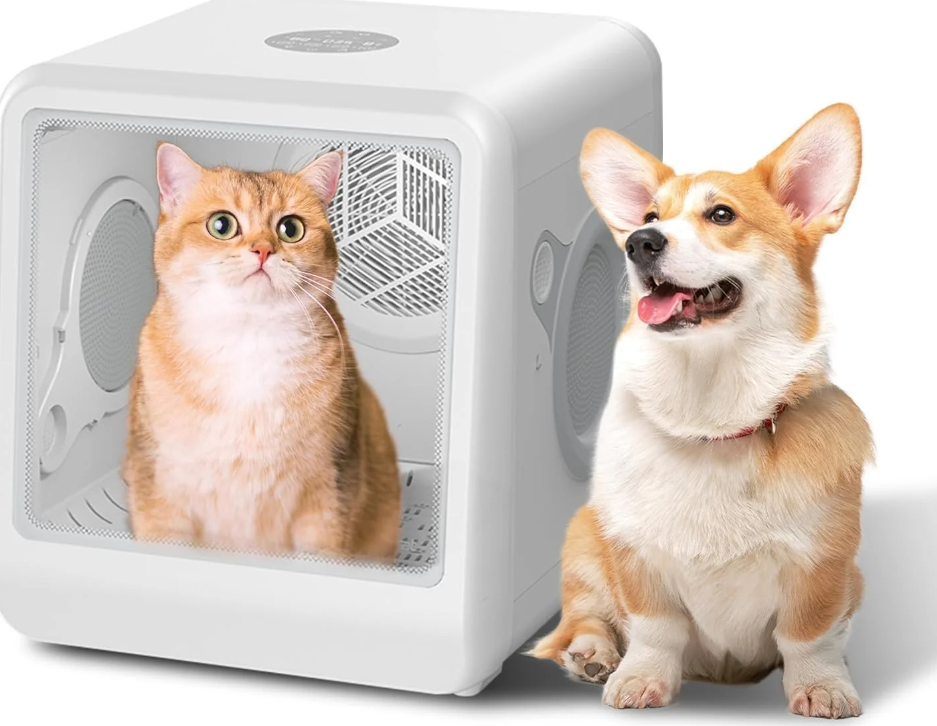
Yet pets are not the same. Breeds vary widely in size, coat texture, density, and skin sensitivity. A short-haired dog differs greatly from a double-coated breed. A long-haired cat has different grooming needs compared to a smooth-coated companion. This raises an important question: how does a pet water blower adapt to pets of different breeds and coat lengths?
The structure of a pet's coat—shaped by breed genetics—has a major impact on how moisture behaves during and after drying, influencing both the time required and the best technique to use for even, comfortable results.
Short, smooth, single-layer coats (like those on many Labs, Beagles, or Boxers) generally release water quickly. The fur sits close to the skin with minimal trapping, so drying tends to be straightforward and relatively fast—often just a good toweling followed by light airflow suffices without much risk of lingering dampness.
Thick double coats, however (common in breeds such as Huskies, Golden Retrievers, Collies, or Newfoundlands), feature a dense, insulating underlayer beneath a coarser topcoat. This undercoat holds onto water deep near the skin long after the outer layer feels dry to the touch. If not addressed properly, it can stay damp for hours or longer, creating a warm, moist environment that invites bacteria, odors, hot spots, or skin irritation. These coats demand stronger, more penetrating airflow to push through to the base without overheating the surface.
Curly or wavy coats (seen in Poodles, many Doodles, Bichons, or Portuguese Water Dogs) trap moisture within their loops and spirals, making the fur feel heavy, clumped, or slower to evaporate overall. The curls can slow natural airflow, so drying needs careful, even penetration to avoid uneven spots or matting as the coat tightens up when drying.
Long, straight coats often require attention to prevent tangling or flat spots during the process—gentle brushing while drying helps maintain flow and prevents mats from forming as moisture shifts.
Hairless or very fine, thin coats dry rapidly but can be more prone to chills from strong or cold air, so lighter, warmer settings are usually kinder to keep the pet comfortable without stress.
Airflow and temperature play critical roles across all types: overly forceful blasts might tangle curls, ruffle fine hairs, or startle sensitive pets, while too-weak flow fails to reach undercoats or penetrate curls, leaving hidden damp areas. Heat must stay balanced—warm enough to speed evaporation but never hot enough to risk burns or discomfort, especially on thinner-skinned or short-coated pets.
A rigid, unchanging drying method ignores these built-in differences and can result in incomplete drying, pet avoidance, or skin problems over time. That's why adaptable drying tools shine: they let you tweak airflow strength, direction, temperature, or even pulsing patterns to match the coat—gentler for curls and fines, sustained and directed for doubles, quicker and lighter for shorts. This tailored approach gets the coat thoroughly dry, keeps the pet relaxed, and supports healthier skin without cutting corners.
Key coat categories that highlight these practical differences:
Adjusting the "rhythm"—from soft, sweeping passes on shorts to focused, layered drying on doubles—makes the process far more effective and pet-friendly overall.
Airflow control is one of the core adaptive features in modern grooming devices. Short-haired pets often need moderate airflow. Their fur dries quickly because moisture stays near the surface.
Long-haired or dense-coated pets require deeper penetration. Air must reach the undercoat without overheating the outer layer. Adjustable speed settings allow owners to match airflow to coat thickness.
Lower speeds help anxious pets feel calmer. Higher speeds help lift thick fur and separate strands for even drying. Gradual adjustment prevents sudden noise or pressure changes that could startle sensitive animals.
Airflow Adaptation by Coat Type
| Coat Type | Drying Challenge | Recommended Airflow Approach |
|---|---|---|
| Short & Smooth | Surface moisture | Gentle to moderate airflow |
| Long & Straight | Layered strands | Medium airflow with brushing |
| Curly/Wavy | Moisture retention in curls | Steady airflow, section drying |
| Double-Coated | Dense undercoat | Stronger airflow, layered focus |
| Fine/Thin | Sensitive skin exposure | Soft airflow, shorter sessions |
The ability to adjust airflow helps the device serve multiple breeds within one household.
Pets generally have thinner and more vulnerable skin than people do, so heat needs careful handling. Too much warmth dries out the skin, causes irritation, or even leads to discomfort and minor burns. On the flip side, blasting cold air just drags out the drying process and can make your pet feel chilly and unhappy.
Many newer pet water blowers and dryers include built-in adjustable temperature controls. This lets you dial in warm, mild/room-temp, or cool settings tailored to your pet's coat type, skin condition, age, and how they react.
Here's how different coats and situations usually respond best:
Equally important is keeping the temperature steady. Sudden hot spikes can startle your pet, raise stress levels, and heighten the chance of skin problems.
Attachments play a practical role in adapting to different breeds. Narrow nozzles concentrate airflow for targeted drying. Wider outlets distribute air gently across a larger surface.
For example:
Different coat lengths respond to different air patterns. Concentrated airflow helps with thick fur. Diffused airflow suits delicate coats.
Nozzle Types and Breed Suitability
| Nozzle Type | Ideal For | Benefit |
|---|---|---|
| Concentrated Tip | Long or dense coats | Deep drying between layers |
| Wide Outlet | Large body areas | Even airflow coverage |
| Soft Diffuser | Small or sensitive pets | Reduced stress and noise impact |
Every pet has its own personality and background, so tolerance for grooming sounds varies a lot. Some dogs handle the steady hum of a dryer without batting an eye — they might even seem to enjoy the warm breeze. Others, though, especially more nervous breeds, shy rescues, or dogs with a history of bad experiences, can get tense, tremble, or try to bolt the moment they hear an unfamiliar motor noise. Cats are usually even more reactive; many freeze, flatten their ears, or dart away at the first hint of blower sound or vibration.
Newer pet water blowers put real emphasis on keeping noise in check — quieter motors, improved insulation, and smoother operation all help create a less startling environment. Lower sound levels make a huge difference for:
When a pet stays calm instead of stressed, the entire drying process improves dramatically. You get less squirming, fewer escape attempts, better reach to all areas of the coat, and shorter overall sessions with less frustration for both of you. Reduced stress also lowers the odds of accidental scratches, uneven drying spots, or negative associations that make future grooming harder.
Noise isn't separate from the other factors — it works together with airflow strength and temperature — but it's a major piece of the emotional comfort puzzle. Lower vibration from the unit helps too, creating a more predictable, less jarring feel overall.
Steady, quieter sound combined with consistent airflow builds confidence and trust. Pets who feel secure during drying sessions adapt faster over time, making grooming quicker, safer, and much easier on their skin, coat, and nerves in the long run.
Coat density influences how moisture moves through fur. A single-layer coat dries quickly because air passes directly through. A double coat traps water between layers.
Drying thick fur requires a layered method. Owners may lift sections and guide airflow gradually. Smart devices with consistent output help maintain even drying without sudden bursts.
Curly coats require patience. Air must reach between curls without tangling strands. Gentle brushing during drying can prevent matting. Adjustable settings make this easier.
Fine coats need protection. Strong airflow may expose skin too quickly. Lower settings help maintain comfort.
Adaptability depends on giving owners control. When airflow and warmth can be adjusted smoothly, different coat densities become manageable within one system.
Dogs often tolerate longer grooming sessions. Many breeds are accustomed to regular bathing. Coat density among dogs ranges from sleek to very thick.
Cats groom themselves frequently. Bathing is less common. When drying is necessary, sessions are often shorter. Cats may react strongly to noise and movement.
A pet water blower adapts by offering flexible speed and temperature control. Lower sound and softer airflow help with feline comfort. Higher airflow suits larger dog breeds with heavy coats.
Adaptation by Species
| Feature | Dogs | Cats |
|---|---|---|
| Drying Duration | Often longer sessions | Usually shorter sessions |
| Coat Variation | Wide range of textures | Mostly fine or medium density |
| Noise Sensitivity | Moderate | Often higher sensitivity |
| Airflow Preference | Adjustable based on breed | Gentle and steady airflow |
Species differences reinforce the need for adaptable design.
Many breeds go through noticeable seasonal shedding cycles (often called "blowing coat"), where the undercoat thickens dramatically in fall/winter for insulation, then sheds out heavily in spring/summer to prevent overheating. This means coat density, length, and texture can shift quite a bit from one season to the next, and that directly changes what kind of drying works best.
A pet water blower or dryer that offers flexible, easy-to-adjust settings for both airflow strength and temperature gives you the most practical long-term solution. Instead of struggling with the same fixed settings as the coat transforms twice a year — or feeling like you need entirely new gear — you can simply tweak the controls to match the current season and coat condition. This keeps drying sessions efficient, reduces stress on your pet, and supports better overall coat and skin health no matter the weather outside.
Even the most advanced smart pet water blower with perfect temperature control, adjustable airflow, and quiet operation won't deliver great results if the handling isn't thoughtful. How you use the tool directly influences the outcome — both for your pet's comfort and for the health of their skin and coat.
Key ways technique makes a difference:
The real magic happens in the partnership between the tool and the person using it. Smart design gives you the flexibility to adjust temperature, airflow, and noise to fit the moment, but it's your awareness, patience, and technique that turn those features into a positive experience. When you combine adjustable technology with attentive, adaptive handling, drying becomes safer, less stressful, and far more effective for your pet's long-term coat and skin health.
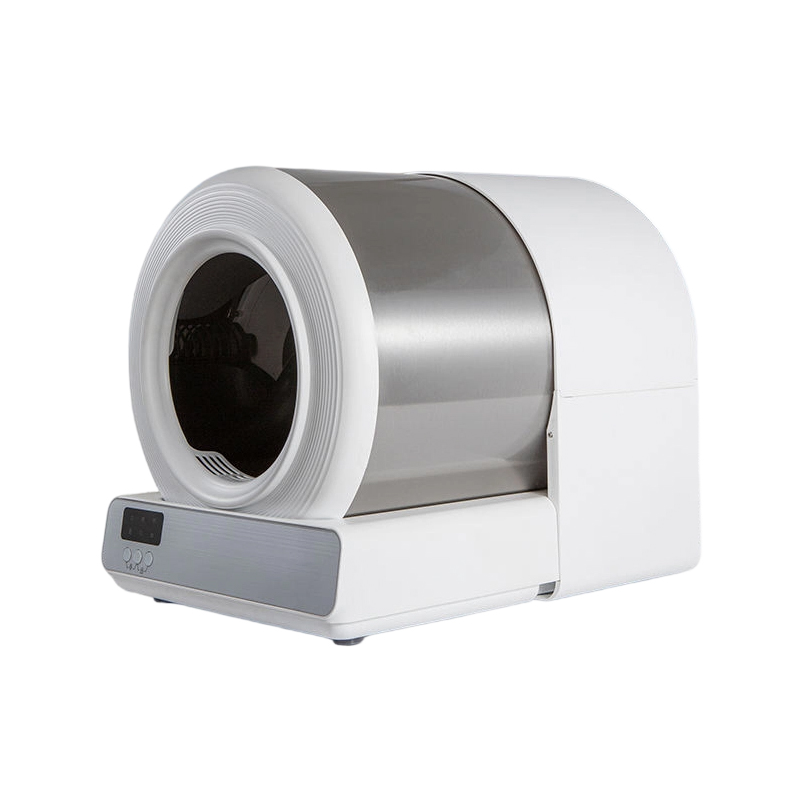
Cat Litter Tray for Multiple Cats Automatic Cat Litter Tray – Product Features The high-pressure washable, safety-focused design facilitates compr...
View More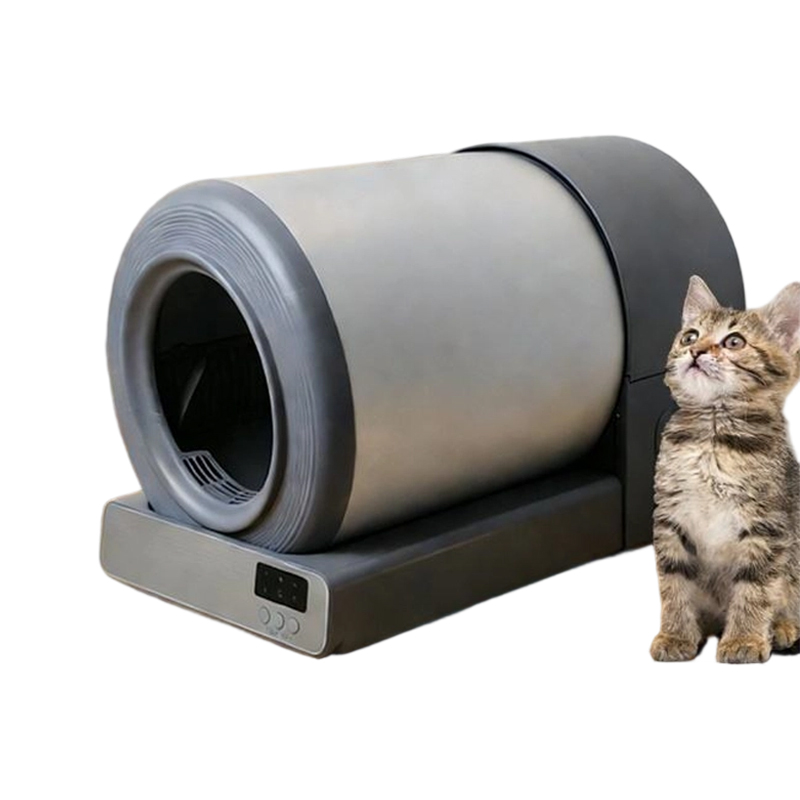
Self-Cleaning Stainless Steel Smart Cat Litter Tray – Product FeaturesThe preferred choice for non-profit organisations; compatible with open-top bi...
View More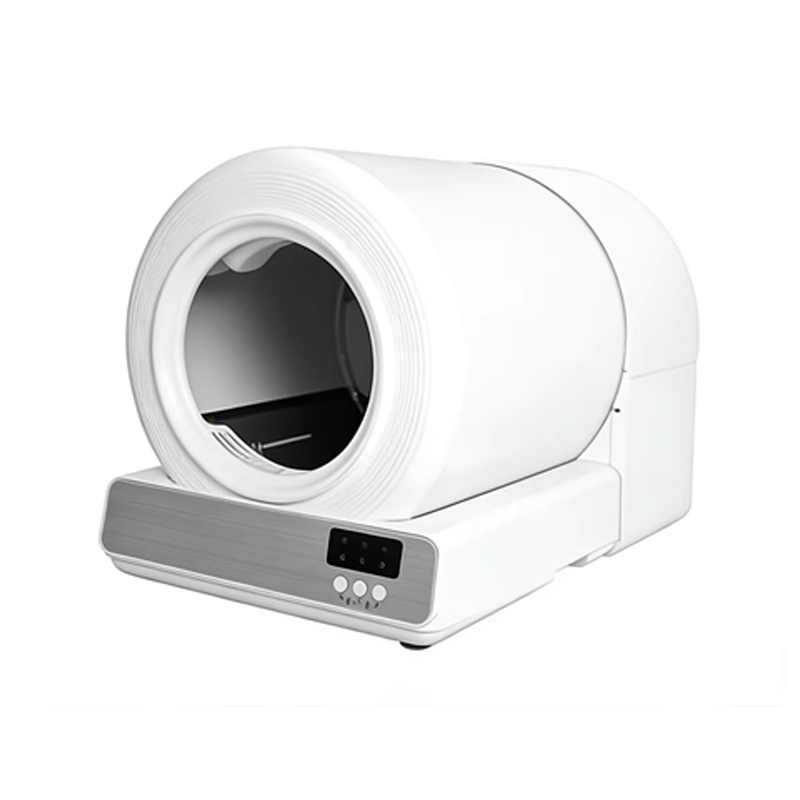
Second-Generation Fully Automatic Cat Litter Tray – Product Features With a large 65-litre capacity, it easily accommodates a substantial amount of ...
View More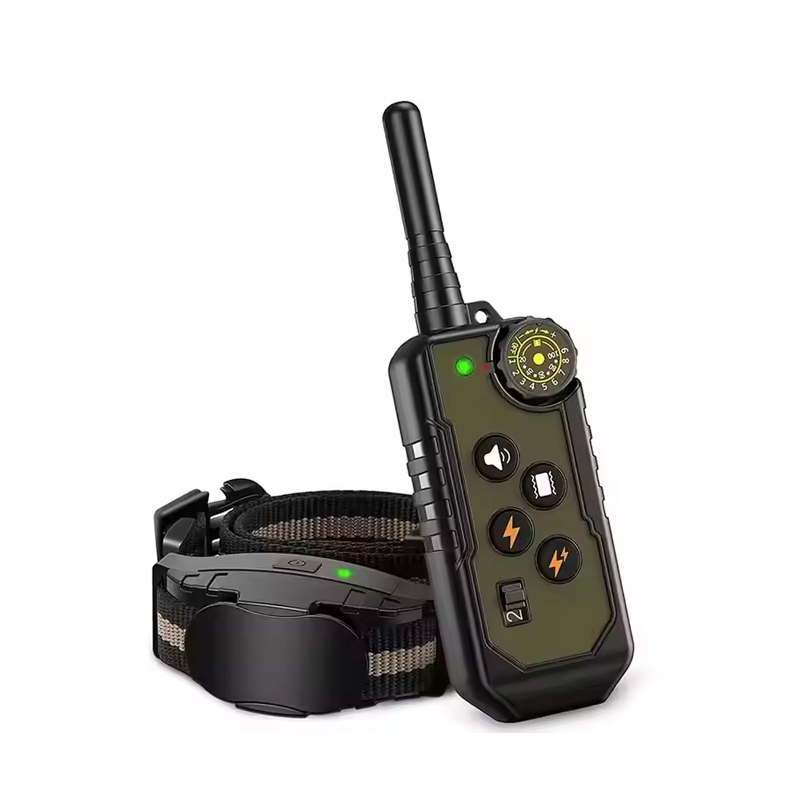
The Multi-mode, easy-to-operate training Shock Collar is designed to provide a practical solution for owners seeking a safe and effective way to train...
View More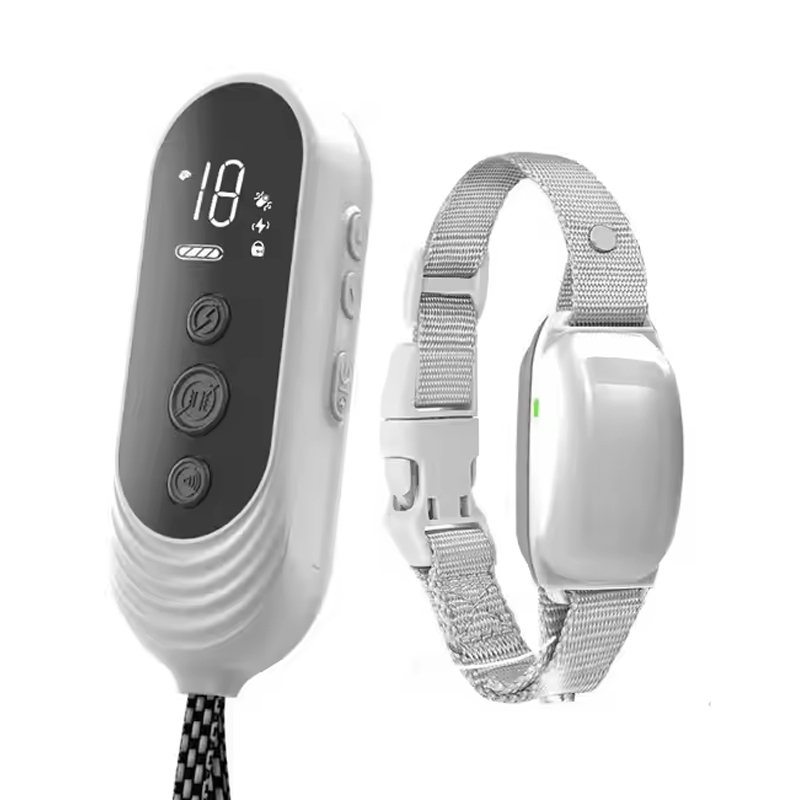
The Waterproof Adjustable Polyester Training Shock Collar offers a reliable solution for pet owners seeking a versatile and durable collar to enhance ...
View More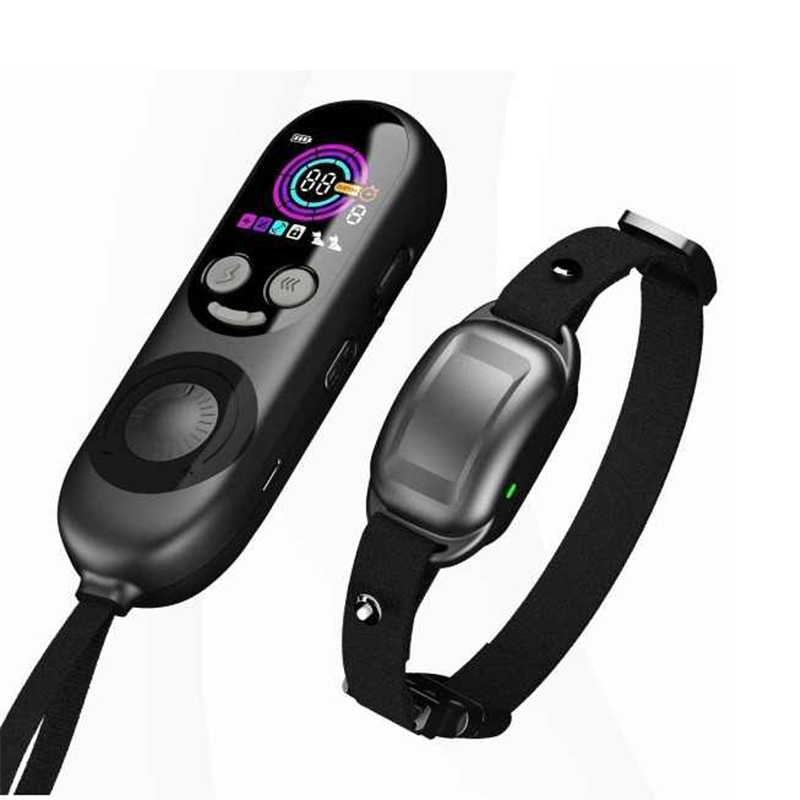
The Display Remote Control Training Shock Collar is designed to provide pet owners with a reliable and humane solution for training their dogs. Whethe...
View More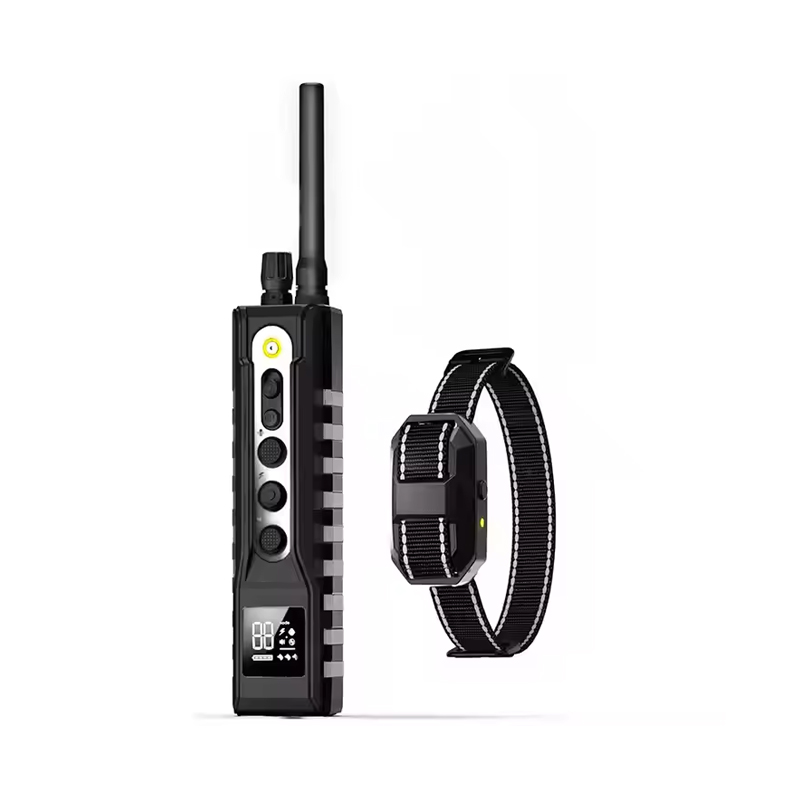
The Multi-function Long Distance Training Shock Collar is a highly versatile tool designed to support your dog’s training across various environment...
View More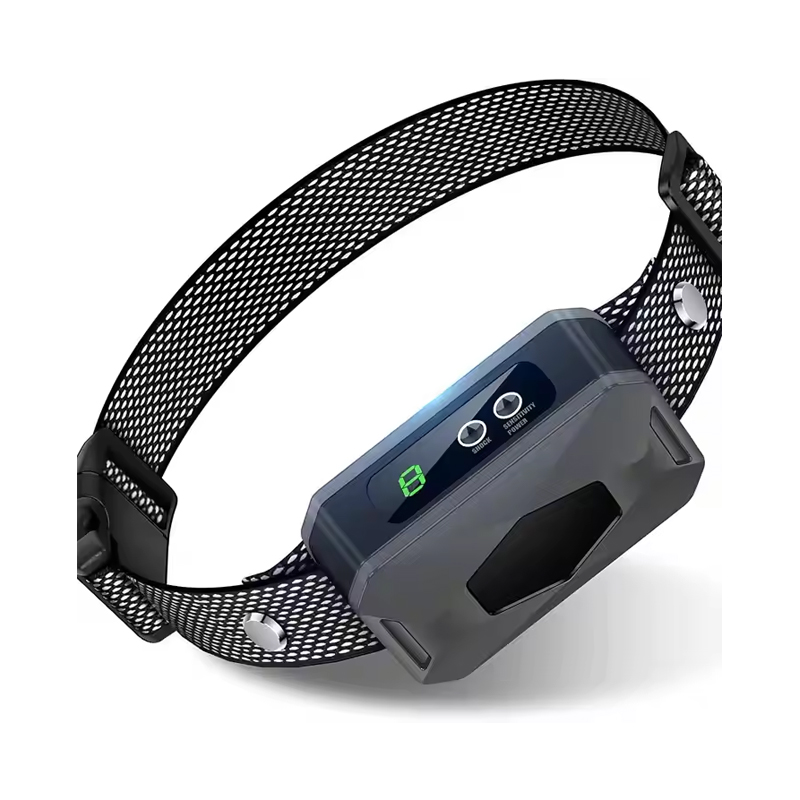
The Remote Control Waterproof Training Shock Collar is an advanced training tool designed to help pet owners effectively manage their dogs’ behavior...
View More
If you have any questions, please
get in touch with us.
E-mail: [email protected]
Address: No. 258, Qingchuan Road, Huzhen Town, Jinyun County, Lishui City, Zhejiang Province
Copyright © Zhejiang Beijing Technology Co., Ltd.

OEM/ODM Smart Pet Care Factory