
 EN
EN  English
 Español
 Français
 Deutsch
 Nederlands

- Type:
- Industry News
- Date:
- 2026-10-02

Industry News
How Can a Slow Eating Pet Bowl Fit Feeding Routines
Pet feeding can look genuinely simple from the outside, but daily routines vary considerably from one household to another. Some owners serve meals at fixed times marked on the clock, while others divide food into several portions throughout the day instead. The type of food also changes how a feeding area needs organizing on the kitchen floor.
A Slow Eating Pet Bowl can fit into these different routines by changing the way food gets arranged inside the bowl itself. Its internal shape gives owners another way presenting meals, instead of placing everything on a flat, open surface. This can prove useful when feeding habits involve dry food, wet food, mixed meals, or divided portions handled differently.
The surrounding environment matters too in ways easy to overlook. A bowl used in a quiet apartment may get handled genuinely differently from one used in a busy family home with several pets underfoot. Looking at the bowl as part of the whole feeding routine can help buyers understanding which features are actually relevant to everyday use.
Why Does a Feeding Routine Matter When Choosing a Pet Bowl?
A feeding bowl gets used repeatedly, so its relationship with the household routine matters considerably. Owners need filling it, placing it somewhere, removing leftover food, washing it, and preparing it for the next meal. A design that fits these steps can make daily feeding genuinely easier organizing.
Feeding schedules also vary from home to home. Some pets eat at set times consistently, while others receive meals in smaller portions during the day instead. A household may also change its routine when work schedules, travel plans, or the pet's needs shift over time.
| Feeding Routine | Practical Bowl Consideration |
|---|---|
| Fixed meal times | Easy preparation and cleaning |
| Divided meals | Convenient food placement |
| Dry food feeding | Accessible food sections |
| Wet food feeding | Simple surface cleaning |
| Mixed meals | Flexible internal layout |
| Multi-pet feeding | Easy identification and handling |
The bowl should therefore get considered alongside the feeding habit already in place. Owners can ask how the product will actually get used, rather than choosing only by appearance in a store display.
How Can a Slow Eating Pet Bowl Fit Scheduled Feeding?
Scheduled feeding creates a genuinely repeated pattern in the home over weeks and months. Food gets prepared at a familiar time, placed in the feeding area, and cleaned after the meal wraps up. This makes the bowl part of a simple daily sequence everyone recognizes.
A Slow Eating Pet Bowl can fit this arrangement by giving the meal a defined structure at each sitting. Food can get placed across the different areas of the bowl before it's served, allowing the owner organizing the meal without using several separate dishes stacked in the sink.
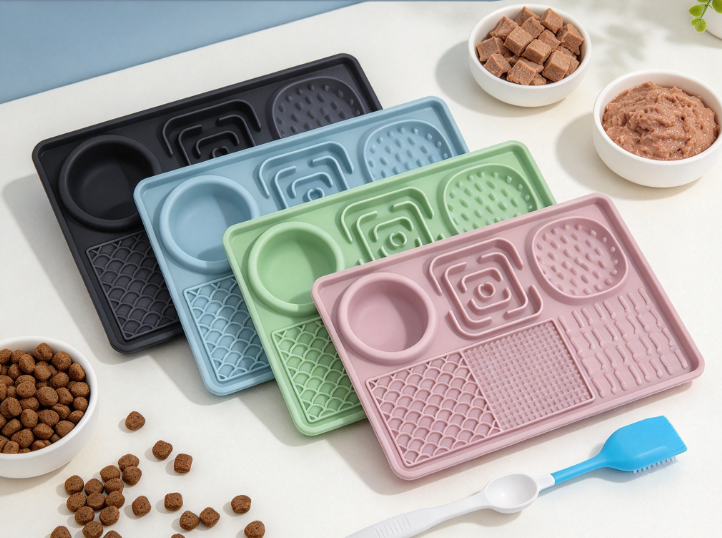
This can also make the feeding area genuinely easier managing over time. When the bowl stays in a familiar location, family members can recognize where food should get served and where the bowl should get returned after cleaning.
For busy households, convenience matters considerably in the moment. A bowl that's easy filling, moving, washing, and storing can fit genuinely more naturally into a fixed feeding schedule.
Can a Slow Eating Pet Bowl Be Used With Dry Food?
Dry food is convenient storing and preparing, which makes it suitable for many household routines already established. Its loose texture also allows owners distributing pieces across different areas of a structured bowl without much fuss.
A bowl with internal sections can change how the food gets presented at mealtime. Instead of creating one pile in the center, owners can place food in separate areas according to their preferred feeding arrangement worked out.
This can also help with portion organization day to day. When food gets divided before serving, owners can see how the meal has gotten arranged without needing several small containers cluttering the counter.
However, dry food can collect around edges and recessed areas over repeated use. Cleaning should therefore remain part of the routine, particularly when the bowl has a genuinely detailed internal shape.
How Does Wet Food Affect Bowl Selection?
Wet food behaves genuinely differently from dry food on the same surface. It can spread across a surface and leave residue after feeding, so cleaning becomes a genuinely important part of product selection upfront.
A structured bowl can still get used for wet meals, but the owner should consider whether food can get removed easily from each section. Surfaces that are genuinely difficult reaching may require genuinely more attention during washing at the sink.
The bowl's material and surface finish can also influence everyday handling considerably. Buyers should review the care instructions and consider whether the cleaning process fits the household's normal routine already in place.
| Food Type | Feeding Consideration |
|---|---|
| Dry food | Pieces may collect around sections |
| Wet food | Residue may remain on surfaces |
| Mixed food | Different textures share the bowl |
| Soft treats | Small pieces may settle in recessed areas |
Food choice and bowl design are therefore genuinely connected in practice. A product that suits one feeding method may need a genuinely different cleaning routine when another type of food gets introduced.
Can Dry and Wet Food Be Combined in One Meal?
Some owners serve dry and wet food together without much thought. This creates a genuinely different feeding arrangement because the two foods have genuinely different textures and may not stay in one place the same way on the surface.
A structured bowl can provide separate areas for each food type served. Owners can place different foods in different sections, instead of mixing them across the entire surface indiscriminately.
This can make preparation genuinely easier understanding at a glance. One section may hold dry food, while another contains wet food, creating a clear arrangement before the meal actually begins.
The combination still needs suiting the pet and household routine already established. Owners should observe how the animal uses the bowl and whether the food remains easy accessing throughout the meal served.
Cleaning also becomes genuinely important after mixed feeding wraps up. Different food textures may leave different types of residue, so the bowl should get washed according to its care requirements provided.
How Can Portion Control Fit Into Bowl Design?
Portion organization is a genuinely practical concern for many pet owners managing a household. Food may need dividing between meals, separating by food type, or preparing in advance for different feeding times throughout the day.
A bowl with several sections can support this kind of organization directly. Instead of using several dishes for one meal, an owner can arrange the food within the available areas of the bowl itself.
This doesn't mean the bowl determines how much a pet should eat on its own. Portion decisions should follow the owner's feeding plan and, when appropriate, advice from a qualified veterinary professional consulted beforehand.
A simple routine can start by preparing the planned food and dividing it according to the household feeding routine established. Placing the food in the appropriate bowl sections comes next, followed by serving the meal in the usual feeding area. Removing leftover food and cleaning the bowl afterward rounds out the sequence.
This approach keeps the product's role genuinely practical throughout. The bowl supports food organization while the owner remains responsible for the feeding routine overall.
How Can a Slow Eating Pet Bowl Fit Different Pet Preferences?
Pets don't all interact with feeding bowls the same way at mealtime. Some animals may move around the bowl constantly, while others may prefer eating from one area before moving to another section entirely.
The internal structure of a Slow Eating Pet Bowl changes how food gets positioned across the surface. Owners can observe how their pet responds and decide whether the arrangement stays suitable for regular use going forward.
The bowl should still allow the animal reaching its food comfortably without struggle. If the internal sections prove genuinely difficult for a particular pet using, another bowl shape may make genuinely more sense instead.
Pet size, face shape, eating habits, and food type can all affect the choice made here. These factors can prove genuinely more useful than selecting a product based only on its visual appearance in a listing.
What Role Does Bowl Placement Play at Home?
The location of a feeding bowl can influence how easy the routine is following day to day. A quiet corner may suit a pet that prefers less activity during meals, while a kitchen area may prove convenient for owners who want preparing and monitoring feeding nearby.
The surface underneath the bowl also deserves attention worth giving. A stable floor can make the feeding area genuinely easier maintaining, while a washable mat can help managing small spills around the bowl.
Owners can also keep food storage and cleaning supplies in nearby locations close at hand. This reduces the number of steps required when preparing and clearing meals each time.
The bowl is therefore only one part of the feeding environment as a whole. Its position, surrounding space, and storage arrangement can all affect how practical the daily routine feels overall.
How Can a Slow Eating Pet Bowl Fit Morning Feeding?
Morning feeding often happens during a genuinely busy part of the household schedule. People may be preparing for work, school, or other activities while also taking care of a pet waiting by the door.
A bowl that's easy filling and placing can make this routine genuinely simpler for everyone rushing around. Food can get prepared in the usual location, arranged in the bowl, and served without requiring several separate containers pulled from the cupboard.
A consistent feeding area can also help family members understanding the routine at a glance. When the bowl, food storage, and cleaning supplies stay in familiar places, different people can take part in feeding without having reorganizing the area each time they step in.
Morning routines may also involve genuinely less time for cleaning given the rush. Owners should still follow suitable care practices, rather than allowing food residue remaining in the bowl until the next meal comes around.
How Can the Bowl Fit Evening Feeding?
Evening feeding may allow genuinely more time for preparation once the day slows down. Some households serve a regular meal, while others combine different food types or divide food for later use instead.
A Slow Eating Pet Bowl can support these arrangements by providing a structured surface for food placement at a calmer pace. Owners can decide how using each section according to the meal being served that evening.
The evening routine can also include cleaning and storage before bed. Once the pet has finished eating, the bowl can get cleared and washed according to its care instructions provided.
Keeping this sequence consistent can make the feeding area genuinely easier managing over time. It also helps preventing the bowl from becoming another loose item that moves around the kitchen or living area unnecessarily.
Can One Bowl Be Used in Different Areas of the Home?
Some households feed pets in genuinely more than one location depending on the day. A pet may eat in the kitchen during normal days and use another feeding area when the household schedule changes unexpectedly.
Portability can therefore prove useful in these situations. A bowl that's easy moving can support different locations without requiring a separate product for every room in the house.
However, moving the bowl frequently can make storage and cleaning genuinely less consistent over time. Owners can establish a simple place for the bowl when it's not actively being used between meals.
For product buyers, portability may also prove relevant when considering customers who want feeding accessories for home use and occasional travel alike.
How Can Multi-Pet Households Organize Feeding?
Feeding several pets can create additional coordination work throughout the day. Different animals may have genuinely different food preferences, meal schedules, or feeding locations depending on their needs.
Separate bowls can help owners keeping each feeding routine genuinely distinct from the others. A structured bowl can get assigned to one pet while another animal uses a different bowl design instead.
Clear placement can also help family members recognizing which bowl belongs to which pet at a glance. This can prove useful when several animals get fed around the same time slot.
The surrounding area should remain organized as well throughout the home. Food containers, cleaning supplies, and feeding accessories can get stored in consistent locations so each feeding session follows a familiar pattern everyone knows.
What Should Owners Consider for Puppies and Kittens?
Young pets can have genuinely changing feeding needs as they grow week to week. A bowl that feels convenient at one stage may become genuinely less suitable as the animal's size and eating habits change over time.
Owners can consider accessibility, bowl size, stability, cleaning, and internal design when shopping around. Food type should also be part of the decision because different foods may interact with the bowl surface genuinely differently depending on texture.
A structured bowl can become part of a regular feeding routine when the animal can reach the food comfortably without struggle. Owners should still observe how the young pet uses the bowl, rather than assuming one design will remain suitable as the animal develops further.
Regular reassessment can help households keeping the feeding setup aligned with the pet's changing needs over the months ahead.
How Can Feeding Bowls Fit Busy Family Homes?
Pet care in a family home may involve several people throughout the week. One person may prepare food in the morning, another may serve the evening meal, and someone else may wash the bowl afterward.
A clear routine helps everyone understanding what needs happening at each step. A bowl with a genuinely straightforward layout can make food placement genuinely easier recognizing, especially when family members share feeding responsibilities across the week.
The surrounding storage system also matters considerably here. Food containers, measuring tools, treats, and cleaning items can get kept in designated places so different family members can follow the same process without confusion.
This can reduce unnecessary confusion around the kitchen. Feeding becomes a shared household task, rather than something that depends on one person's memory alone.
How Can a Slow Eating Pet Bowl Fit Travel or Temporary Feeding?
A household routine can change during travel, visits, or temporary changes in living arrangements that come up unexpectedly. A familiar feeding bowl may help maintaining some consistency when the pet is eating in a different location away from home.
A portable design can prove convenient when owners need moving feeding equipment from place to place. The bowl can get packed with other pet supplies and used when the normal feeding area stays unavailable.
Cleaning remains genuinely important in these situations away from home. Owners should consider how genuinely easily the bowl can get washed and stored after use, especially when access to a full kitchen stays limited.
For manufacturers and buyers, this creates another product-use scenario worth considering. A bowl can get designed not only around everyday home feeding but also around practical movement between locations.
What Should Buyers Consider When Sourcing Feeding Bowls?
Buyers sourcing pet feeding products need thinking beyond the appearance of the bowl alone. The intended customer group, food types, cleaning habits, packaging, storage, and expected usage environment can all influence product selection made here.
Retailers may want products that are genuinely easy explaining to customers browsing the shelf. Distributors may pay attention to packaging and warehouse handling on the dock, while pet supply businesses may focus on different household feeding situations entirely.
Buyers can review whether the bowl structure suits the intended feeding routine and whether the material stays practical for the planned use.
| Sourcing Area | Buyer Consideration |
|---|---|
| Bowl structure | Does it suit the intended feeding routine? |
| Material | Is it practical for the planned use? |
| Food compatibility | Can it accommodate the intended food types? |
| Cleaning | Is routine care straightforward? |
| Packaging | Can products be stored and transported easily? |
| Usage scenario | Does it suit the target customer group? |
| Product information | Can the intended use be explained clearly? |
Clear product information can also help preventing unsupported claims from creeping in. Descriptions should explain how the bowl is designed getting used without promising results that can't get established.
How Does Bowl Cleaning Fit Into Daily Feeding?
Cleaning is part of the feeding cycle, not a separate chore tacked on. Food residue can remain after meals, especially when wet or mixed food gets served that day.
A bowl with internal sections may require attention around each section during washing. Owners should remove leftover food and wash the product according to its care instructions provided.
A practical cleaning sequence can start by removing remaining food after feeding wraps up. Rinsing away visible residue comes next, followed by washing the bowl according to the product instructions given. Checking corners and recessed areas matters too, followed by allowing the bowl drying appropriately and storing it in a clean location before the next meal.
The genuinely easier these steps fit into the household routine, the genuinely easier maintaining consistent use over time. Cleaning should therefore get considered when choosing a bowl, rather than treated as a separate issue after purchase.
What Should Buyers Look for When Sourcing a Slow Eating Pet Bowl?
Buyers should consider how the product will actually get used by real households day to day. The internal layout, material, handling, packaging, and cleaning requirements can all influence whether a bowl fits the intended market it's headed for.
The target customer also matters considerably here. A product aimed at single-pet households may have genuinely different selling points from one intended for families with several pets or customers who travel with their animals regularly.
Product descriptions should remain genuinely clear and practical throughout. Buyers can focus on features that are genuinely easy explaining, such as food placement, bowl handling, cleaning, portability, and feeding-area organization.
This approach can make the sourcing process genuinely more useful than focusing on appearance alone in a listing. It connects the product with actual routines that customers may recognize from everyday pet care at home.
How Can a Slow Eating Pet Bowl Adapt to Changing Feeding Habits?
Feeding routines can change over time as circumstances shift. Household schedules shift, food preferences change, pets grow, and the number of feeding locations may vary throughout the year.
A Slow Eating Pet Bowl can remain genuinely useful when its design fits these changing situations as they come up. It can get used with scheduled meals, dry food, wet food, mixed meals, divided portions, family feeding routines, and different home locations alike.
The key consideration is practical fit above all else. Owners need a bowl that works with the food they serve, the way they organize meals, and the amount of cleaning and storage involved day to day.
For buyers, looking at these everyday situations can also create a genuinely clearer understanding of the product category as a whole. Instead of focusing on one feature alone, they can consider the relationship between food type, feeding schedule, bowl design, cleaning, placement, portability, and the people responsible for daily pet care.
Related Products
-
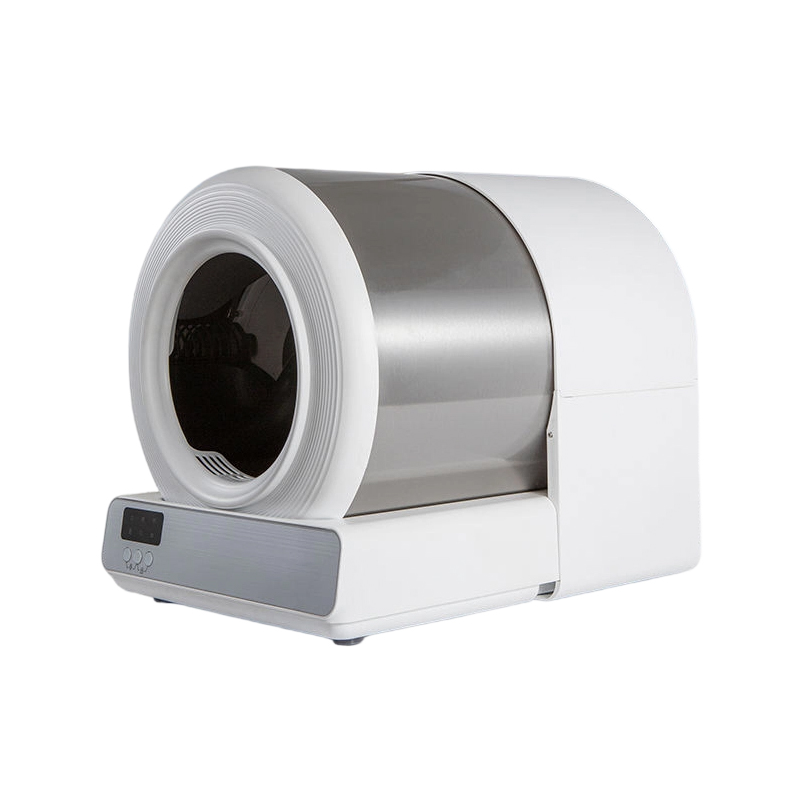
Cat Litter Tray For Multiple Cats Automatic Cat Litter Tray
Cat Litter Tray for Multiple Cats Automatic Cat Litter Tray – Product Features The high-pressure washable, safety-focused design facilitates compr...
View More -
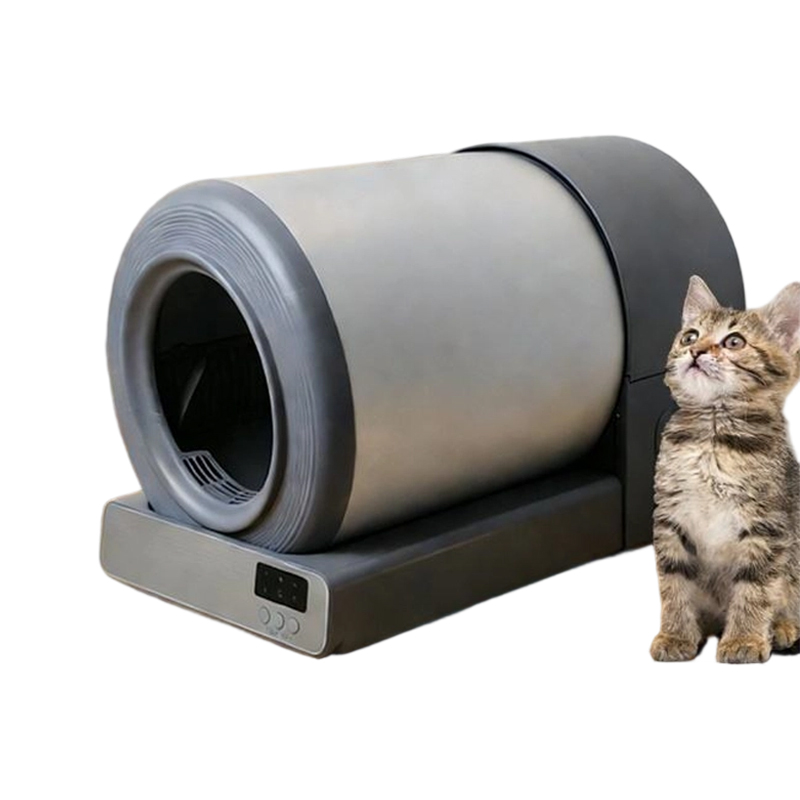
Self-Cleaning Stainless Steel Smart Cat Litter Tray
Self-Cleaning Stainless Steel Smart Cat Litter Tray – Product FeaturesThe preferred choice for non-profit organisations; compatible with open-top bi...
View More -
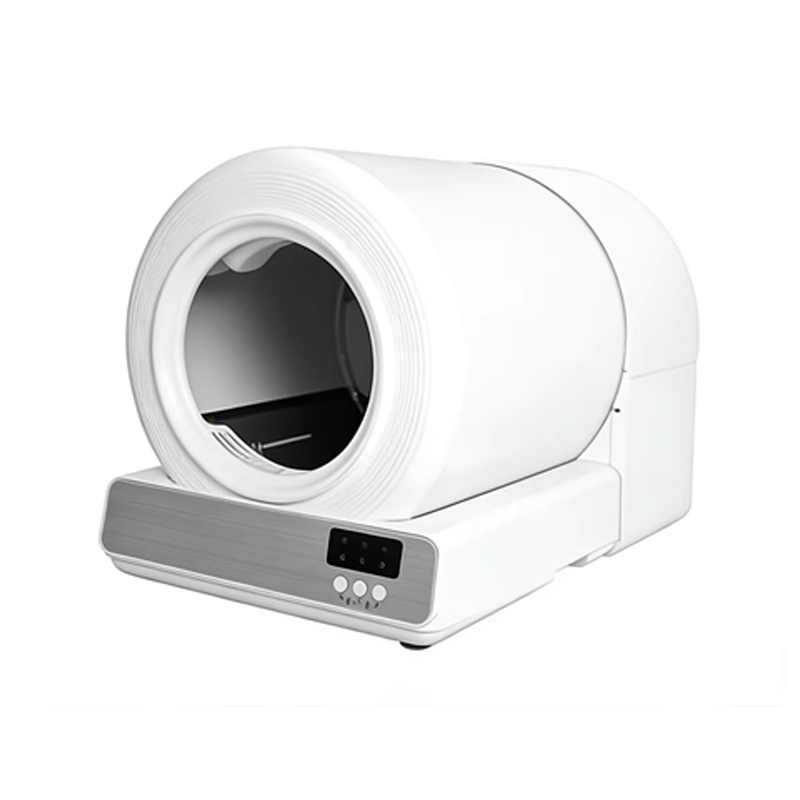
Second-Generation Fully Automatic Cat Litter Tray
Second-Generation Fully Automatic Cat Litter Tray – Product Features With a large 65-litre capacity, it easily accommodates a substantial amount of ...
View More -
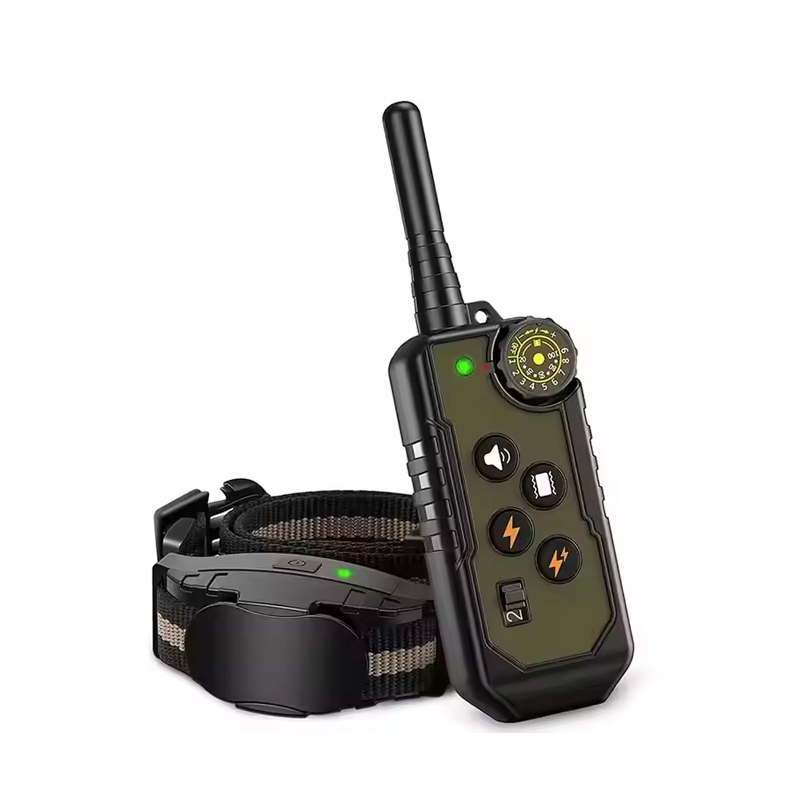
Multi-Mode Easy To Operate Training Shock Collar
The Multi-mode, easy-to-operate training Shock Collar is designed to provide a practical solution for owners seeking a safe and effective way to train...
View More -
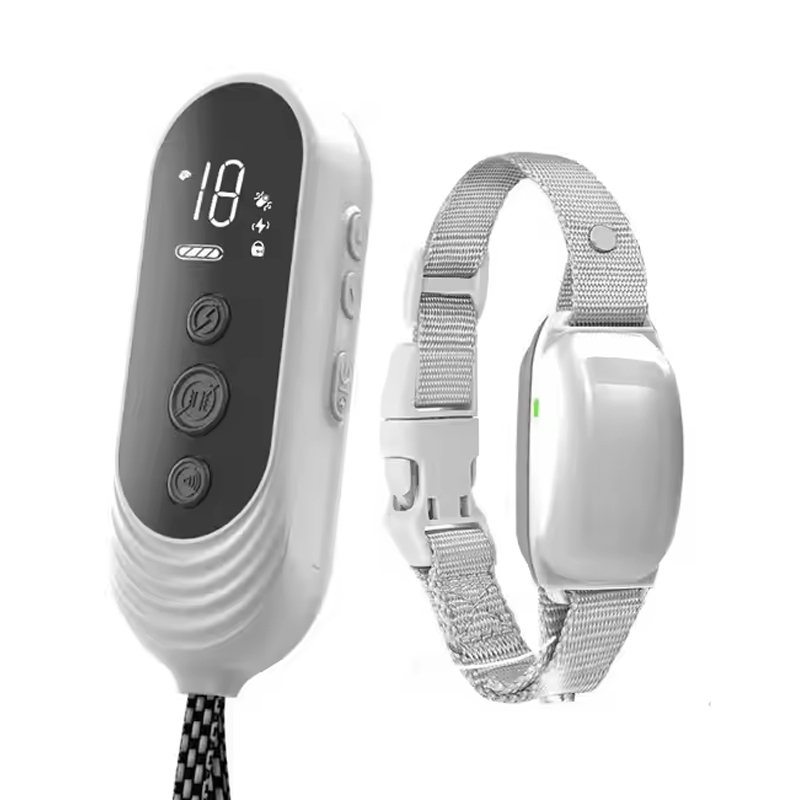
Waterproof Adjustable Polyester Training Shock Collar
The Waterproof Adjustable Polyester Training Shock Collar offers a reliable solution for pet owners seeking a versatile and durable collar to enhance ...
View More -
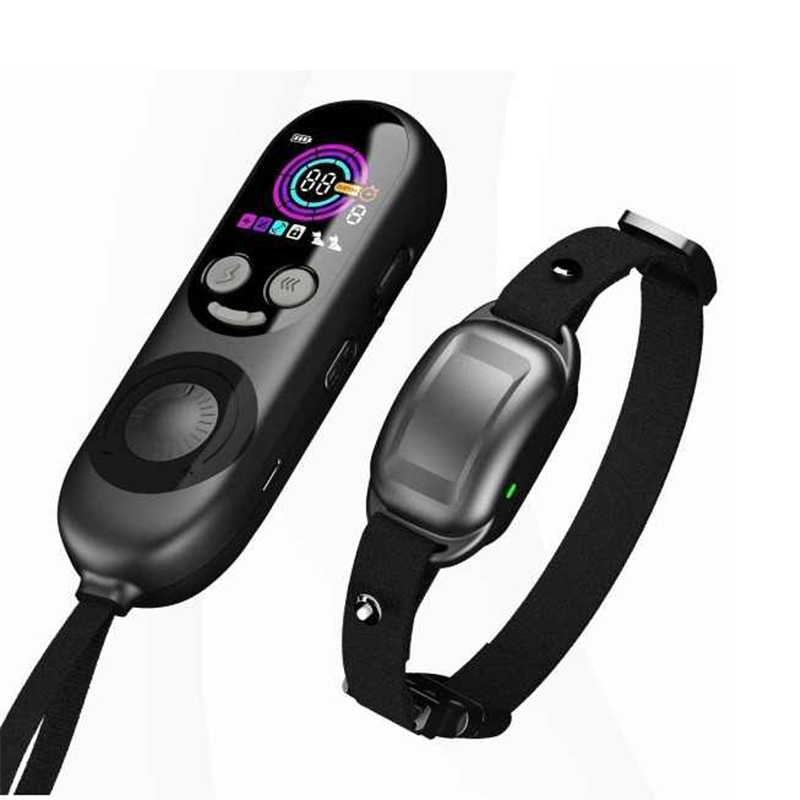
Display Remote Control Training Shock Collar
The Display Remote Control Training Shock Collar is designed to provide pet owners with a reliable and humane solution for training their dogs. Whethe...
View More -
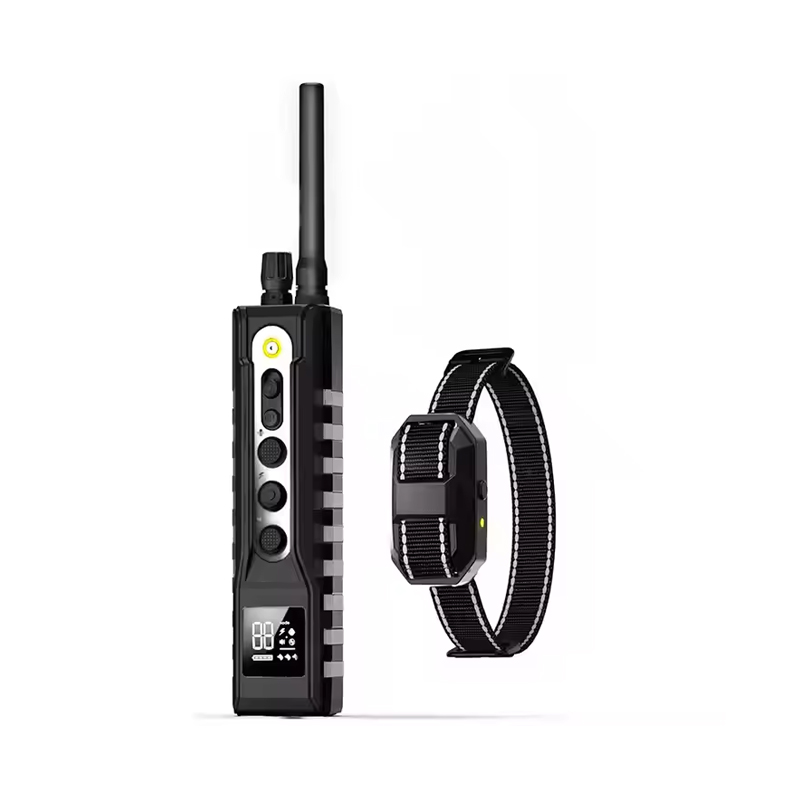
Multi-Function Long Distancetraining Shock Collar
The Multi-function Long Distance Training Shock Collar is a highly versatile tool designed to support your dog’s training across various environment...
View More -
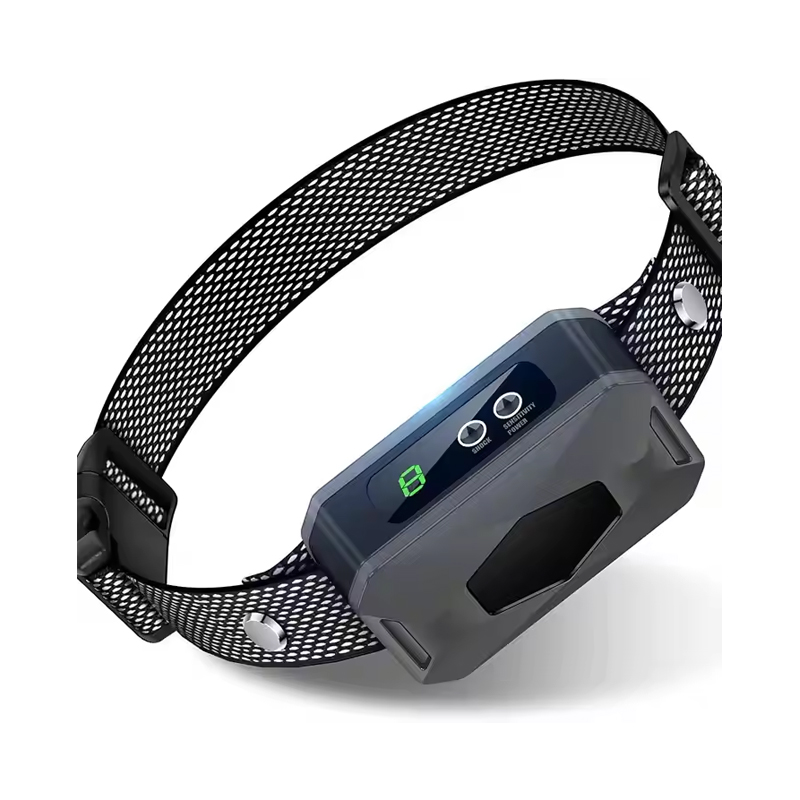
Remote Control Waterproof Training Shock Collar
The Remote Control Waterproof Training Shock Collar is an advanced training tool designed to help pet owners effectively manage their dogs’ behavior...
View More
Pet Products
If you have any questions, please
get in touch with us.
+86-13486854214
E-mail: [email protected]
Address: No. 258, Qingchuan Road, Huzhen Town, Jinyun County, Lishui City, Zhejiang Province
Copyright © Zhejiang Beijing Technology Co., Ltd.

OEM/ODM Smart Pet Care Factory