
 EN
EN  English
 Español
 Français
 Deutsch
 Nederlands

- Type:
- Industry News
- Date:
- 2026-09-25

Industry News
How Can a Smart Pet Water Blower Improve Pet Washing Control
Pet bathing often looks simple until the water needs to reach areas with different coat textures and shapes. A thick coat can hold water differently from short fur, while the face, paws, and other smaller areas need more careful handling. Even the position of a nozzle can change the way water spreads across the coat.
This makes water control an important part of the washing routine. Rather than keeping the flow at one setting from beginning to end, users may need to make small adjustments as they move around the pet. The same applies to the distance between the nozzle and the coat. A close position can concentrate the flow, while a little more distance can cover a wider section.
A Smart Pet Water Blower is designed around this kind of adjustable water use. Its relevance in pet care comes less from the word "smart" itself and more from how the equipment fits into an ordinary washing routine. Water delivery, nozzle handling, operating controls, pet behavior, and cleaning all have a part to play.
How Water Flow Control Changes the Pet Washing Process
The amount and direction of water needed during washing can change from one part of the process to another. When a pet is being wetted, water usually needs to spread over the coat rather than remain in one place. During rinsing, the movement becomes more deliberate as soap or other residue is removed from the fur.
This difference can be noticeable when washing a pet with a coat that takes time to become fully wet. Keeping the water in one position may leave some sections untouched, while moving too quickly can make it difficult to cover the coat evenly.
Adjustable flow gives the user room to respond to these changes. The water can be moved across broader areas when appropriate and handled more carefully around smaller sections. The goal is not to keep changing the setting without reason. It is to have enough control to match the washing process.
Some practical habits include:
- Letting water spread across the coat before focusing on individual sections.
- Changing the direction of the flow as the washing area changes.
- Avoiding unnecessary concentration on one small patch of fur.
- Reducing the flow when working near areas that are harder to control.
- Pausing the water when the pet or nozzle needs to be repositioned.
The result is a washing routine that depends less on constant physical movement and more on small, purposeful adjustments.
Why Water Pressure Matters for Different Pet Coats
Pet coats vary considerably. Short fur exposes more of the surface to running water, whereas long or dense fur can slow the movement of water through the coat. This difference can change how the nozzle needs to be handled.
With longer fur, simply directing water at the outside of the coat may not be enough to rinse every section. The user may need to move gradually through the fur and change the angle of the nozzle. Dense coats can require similar attention, particularly when water has difficulty moving through layers of hair.
That does not mean a stronger flow is always the answer. Increasing the water force can create more splashing and may make handling less comfortable for some pets. The better approach is to consider pressure together with nozzle distance and movement.
| Pet coat | Water handling | Useful consideration |
|---|---|---|
| Short fur | Water can spread relatively easily | Keep coverage steady |
| Long fur | Water may need to move through more hair | Work through sections |
| Dense fur | Outer hair can slow water movement | Change direction when needed |
| Fine fur | Water can spread quickly | Avoid unnecessary flow |
Coat condition also matters. Tangled or matted areas may behave differently from loose, clean fur. Instead of relying on one fixed water setting, users can adjust their handling as they encounter different sections.
This is one area where a Smart Pet Water Blower can become part of a more flexible washing routine. The equipment provides the means to change water delivery, while the user decides when a change is actually needed.
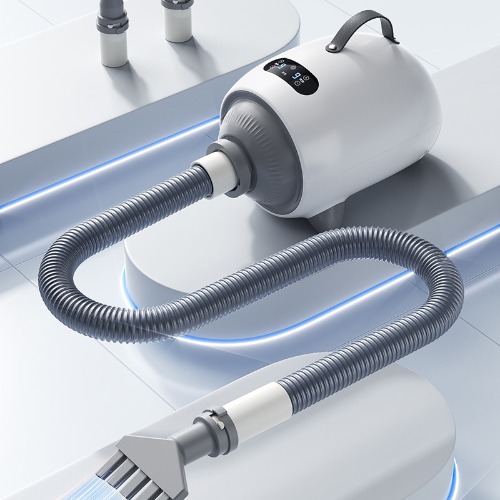
How Nozzle Distance Affects Water Coverage
The distance between the water outlet and the coat changes the character of the water stream. A nozzle held close to the fur generally concentrates water over a smaller area. When moved farther away, the water can spread over a broader section.
Neither position is suitable for every task. A broad area of the body may be easier to handle with wider coverage. Smaller sections can call for a closer, more controlled position. Moving the nozzle while maintaining a suitable distance can also help the user work through a long coat without repeatedly returning to the same spot.
Nozzle handling can be thought of through three simple factors:
- Distance — how close the outlet is to the coat.
- Angle — the direction from which water reaches the fur.
- Movement — how the nozzle travels across the washing area.
These factors interact. Changing the distance without changing the angle may have limited effect, and a suitable distance can still produce poor coverage if the nozzle is moved too quickly.
The shape of the outlet is relevant as well. A narrow stream and a wider spray can create different washing patterns. When considering equipment for home pet care, it is useful to look at how easily the nozzle can be positioned and controlled rather than considering the water outlet separately.
How Smart Controls Support More Consistent Rinsing
Smart functions are only useful when they make the washing process easier to manage. For pet bathing, practical controls may include changing the water flow, stopping the water when needed, or switching between operating settings during different stages of washing.
These small changes can matter when the user moves from a large body area to a paw or another smaller section. Stopping the water before repositioning the nozzle can also prevent unwanted splashing.
The location of the controls deserves attention. A wet washing environment is different from using a dry household appliance. The user may be holding the pet or nozzle and may not want to interrupt the process simply to make an adjustment.
| Washing stage | Possible control need | Main purpose |
|---|---|---|
| Wetting | Manageable flow | Spread water over the coat |
| General rinsing | Steady delivery | Keep the washing movement even |
| Smaller areas | More controlled flow | Reduce unwanted splashing |
| Repositioning | Quick stop or pause | Change position without running water |
Consistency does not mean keeping the exact same setting throughout the bath. It means being able to make adjustments without making the process unnecessarily complicated.
For that reason, the usefulness of smart controls depends on everyday operation. A control that is easy to reach and simple to operate can fit naturally into washing. A complicated control process may interrupt it instead.
How to Manage Water Around Sensitive Pet Areas
Large sections of the body are relatively straightforward to rinse, but smaller areas require more attention. The face, ears, paws, and areas around the eyes can be difficult to wash if water is allowed to move in an uncontrolled direction.
The nozzle does not necessarily need to be held close to these areas. In many cases, adjusting the distance and angle can provide better control than simply changing the water flow. The appropriate approach depends on the pet and the area being washed.
It also helps to make adjustments before reaching the sensitive area rather than while water is already moving toward it. This gives the user a chance to change the flow, reposition the nozzle, or pause the equipment.
Useful handling habits include:
- Keep nozzle movements slow and deliberate.
- Avoid directing water toward areas that do not need rinsing.
- Adjust the flow before moving to a smaller area.
- Change the angle rather than relying only on pressure changes.
- Stop the flow when the pet needs to be repositioned.
Equipment can make these actions easier, but it does not replace careful handling. The user still controls the direction of the water and decides when to move from one part of the coat to another.
How Noise and Water Movement Affect Pet Acceptance
Some pets react to bathing because of the equipment itself rather than the water. An unfamiliar motor sound, vibration, or sudden change in water movement can make the process feel different from using a regular shower.
The way the equipment is introduced can therefore matter. Turning it on close to the pet without preparation may produce a stronger reaction than allowing the animal to become familiar with the sound and movement beforehand.
During washing, a steady rhythm can also help. Repeatedly changing the water flow, moving the nozzle abruptly, or starting and stopping without a clear reason can make the experience less predictable.
Noise is not necessarily a problem on its own. What matters is how the pet responds to the sound and whether the operating pattern can be kept reasonably calm.
The surrounding environment also plays a part. A small bathroom with hard surfaces can make operating sounds more noticeable, while water hitting a tub or floor can add another source of noise.
Pet acceptance is therefore connected to more than the device's motor. Water movement, nozzle handling, user behavior, and the washing environment all contribute to the overall experience.
What Maintenance Keeps Water Flow More Consistent
A change in water flow is not always caused by the operating setting. Hair, residue, or mineral deposits can collect around the water outlet and gradually affect how water leaves the device.
The nozzle is particularly important because even a small obstruction can change the shape of the stream. If the water suddenly begins flowing unevenly, checking the outlet can be a sensible part of routine troubleshooting.
Cleaning after use can also prevent residue from remaining in the water path for long periods. Parts that can be removed should be handled according to their intended cleaning method, while areas that retain moisture should be allowed to dry properly.
A simple maintenance routine can involve:
- Checking the nozzle after washing.
- Removing visible pet hair or residue.
- Cleaning accessible water-contact areas.
- Emptying retained water where appropriate.
- Drying the equipment before storing it.
Water quality can create another maintenance consideration. Mineral deposits may gradually appear around outlets or other water-contact surfaces, particularly when the same equipment is used regularly.
Regular inspection does not need to become a complicated task. The main purpose is to keep the water path clear and notice changes in flow while they are still easy to address.
What to Check Before Choosing a Smart Pet Water Blower
The useful features of pet washing equipment depend on how they fit into the actual routine. A long list of functions does not necessarily make a device easier to use. It is more helpful to consider whether the equipment gives the user practical control over the water.
Water adjustment is one point to examine. Different coat types and washing stages may call for different handling, so the available control should suit the way the equipment will be used.
The nozzle is another part worth considering. Its shape, direction, and ease of movement can influence coverage. A user who regularly washes different types of pets may also need to think about whether the outlet is suitable for both broader areas and smaller sections.
Cleaning requirements should not be overlooked. Water-contact parts can collect hair and residue, so access to these areas can affect everyday maintenance.
Noise and control placement are also connected to practical use. The equipment needs to be manageable in a wet environment, particularly when the user is simultaneously handling a pet.
| Area to check | Practical question |
|---|---|
| Water flow | Can the flow be adjusted during washing? |
| Nozzle | Can direction and coverage be controlled easily? |
| Coat handling | Is the water delivery suitable for the intended coat types? |
| Sensitive areas | Can the water be redirected or reduced when needed? |
| Operating sound | Is the sound acceptable for the intended washing environment? |
| Maintenance | Are water-contact areas reasonably accessible for cleaning? |
Taken together, these considerations provide a practical way to look at pet washing equipment. Water control is influenced by the equipment, but also by nozzle position, coat condition, pet behavior, and routine maintenance.
A Smart Pet Water Blower fits into that wider process by giving users another way to manage water during washing. Its day-to-day usefulness depends on whether the controls, water delivery, nozzle handling, and maintenance requirements suit the way pets are actually washed.
Related Products
-
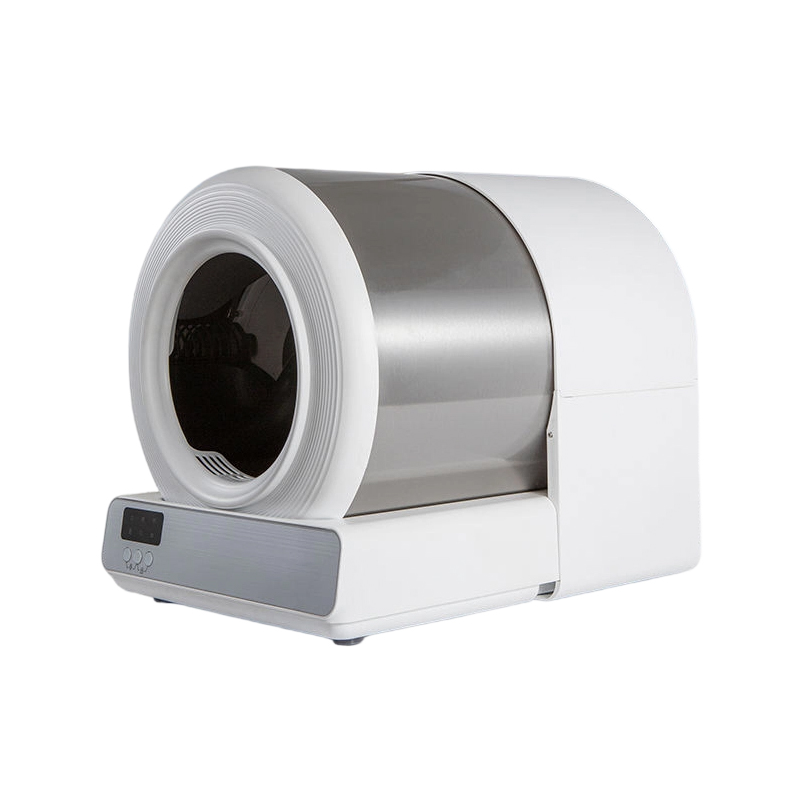
Cat Litter Tray For Multiple Cats Automatic Cat Litter Tray
Cat Litter Tray for Multiple Cats Automatic Cat Litter Tray – Product Features The high-pressure washable, safety-focused design facilitates compr...
View More -
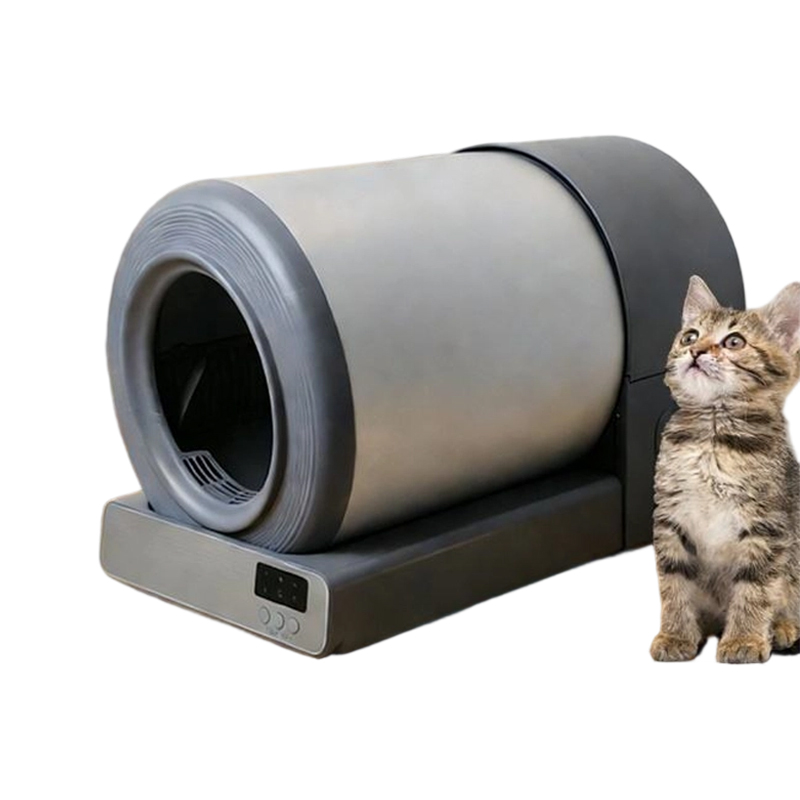
Self-Cleaning Stainless Steel Smart Cat Litter Tray
Self-Cleaning Stainless Steel Smart Cat Litter Tray – Product FeaturesThe preferred choice for non-profit organisations; compatible with open-top bi...
View More -
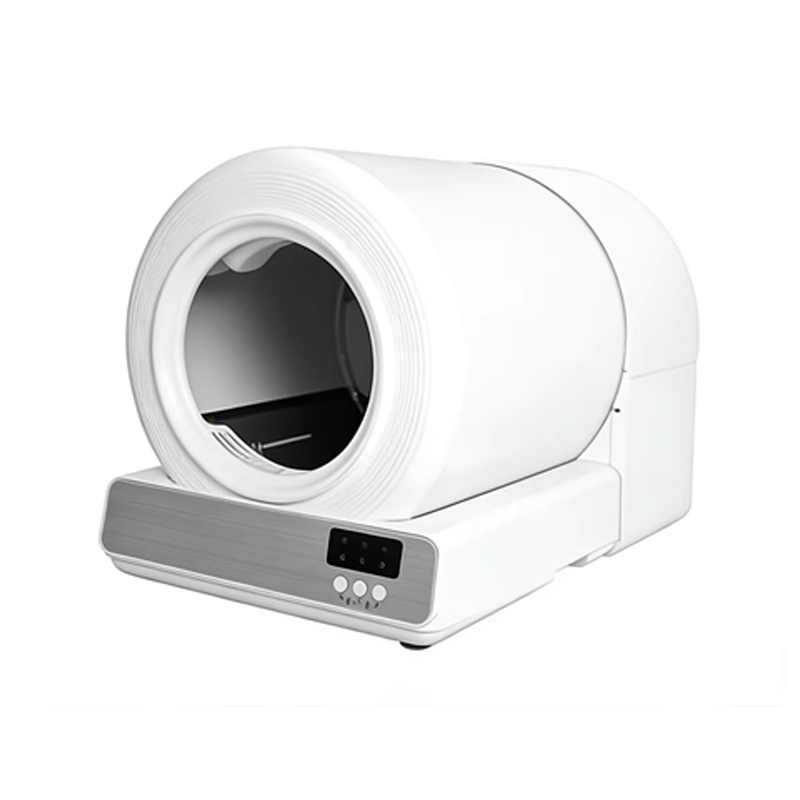
Second-Generation Fully Automatic Cat Litter Tray
Second-Generation Fully Automatic Cat Litter Tray – Product Features With a large 65-litre capacity, it easily accommodates a substantial amount of ...
View More -
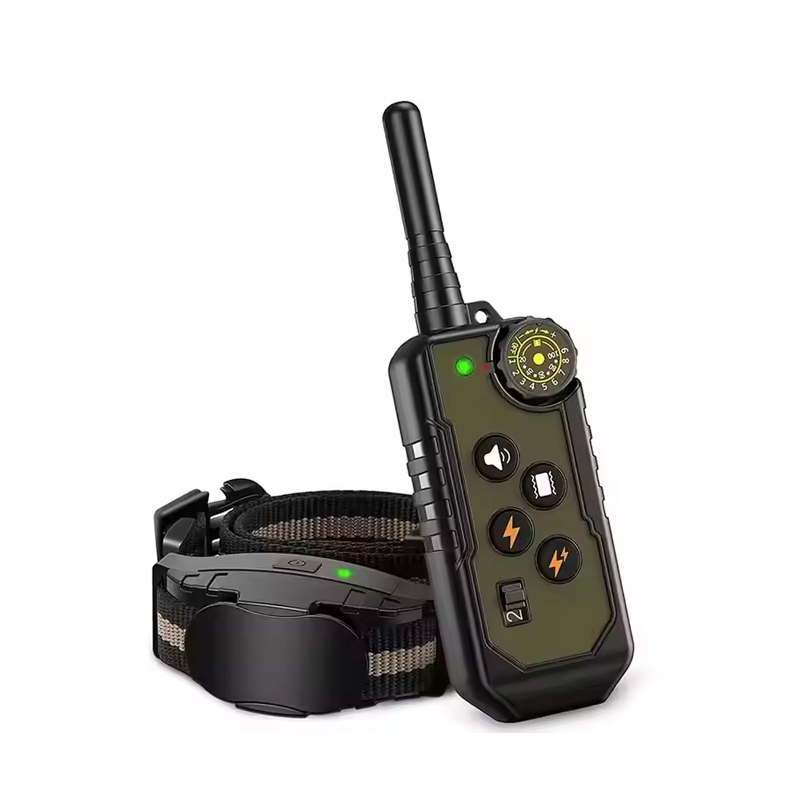
Multi-Mode Easy To Operate Training Shock Collar
The Multi-mode, easy-to-operate training Shock Collar is designed to provide a practical solution for owners seeking a safe and effective way to train...
View More -
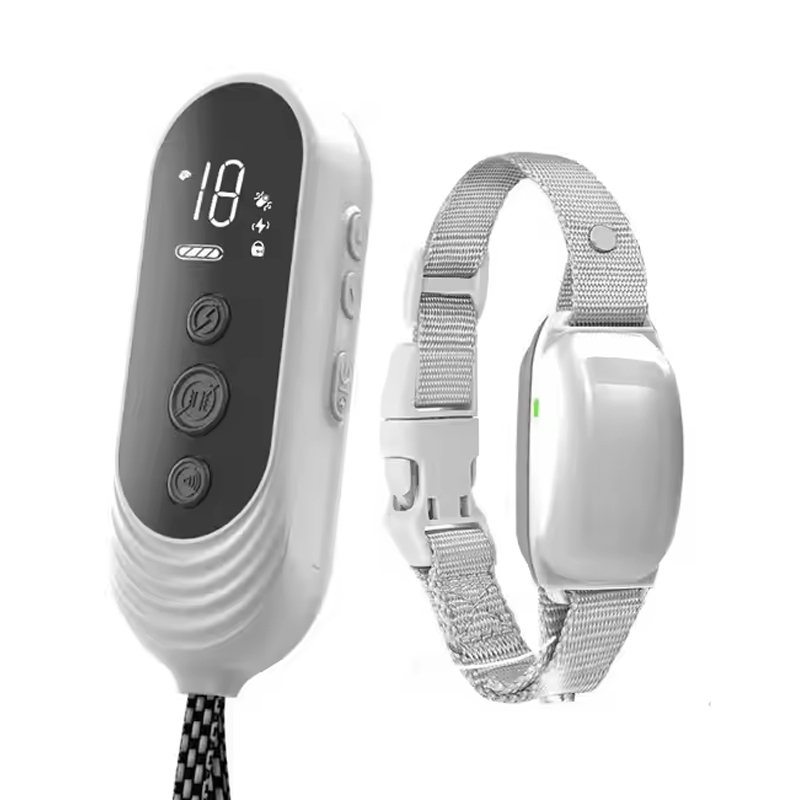
Waterproof Adjustable Polyester Training Shock Collar
The Waterproof Adjustable Polyester Training Shock Collar offers a reliable solution for pet owners seeking a versatile and durable collar to enhance ...
View More -
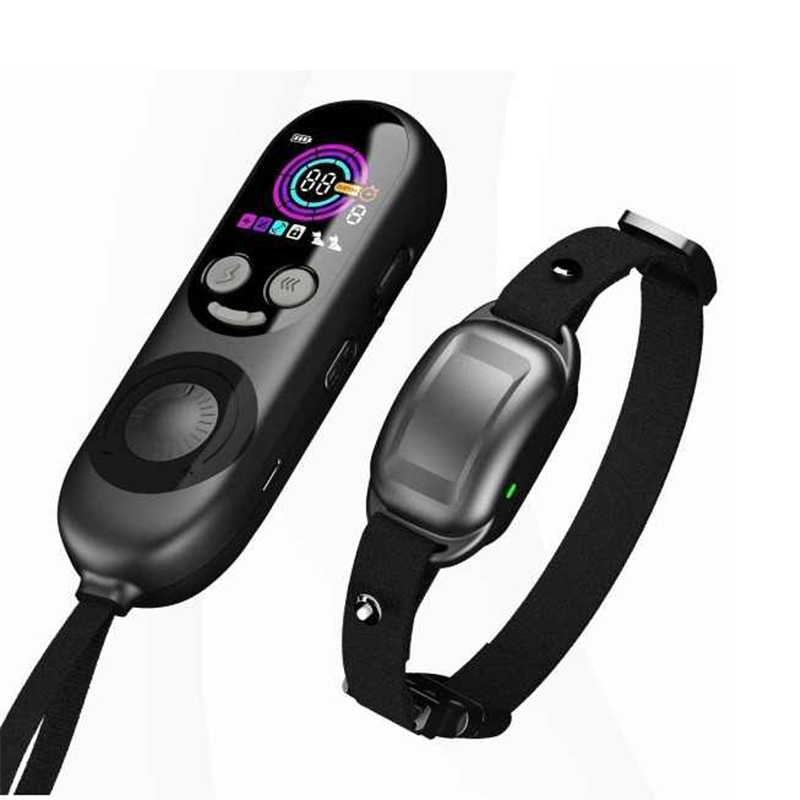
Display Remote Control Training Shock Collar
The Display Remote Control Training Shock Collar is designed to provide pet owners with a reliable and humane solution for training their dogs. Whethe...
View More -
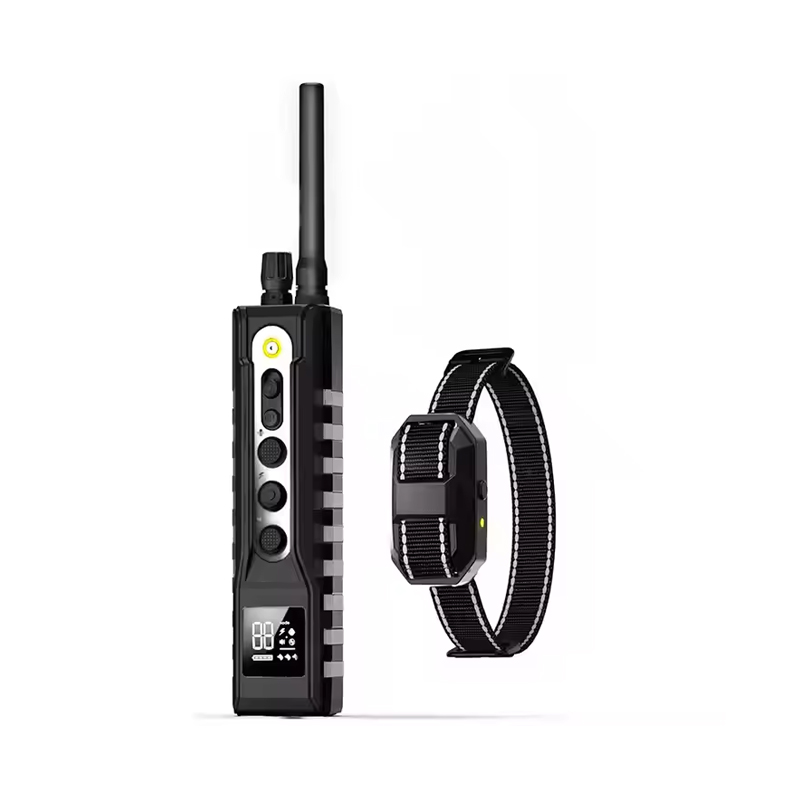
Multi-Function Long Distancetraining Shock Collar
The Multi-function Long Distance Training Shock Collar is a highly versatile tool designed to support your dog’s training across various environment...
View More -
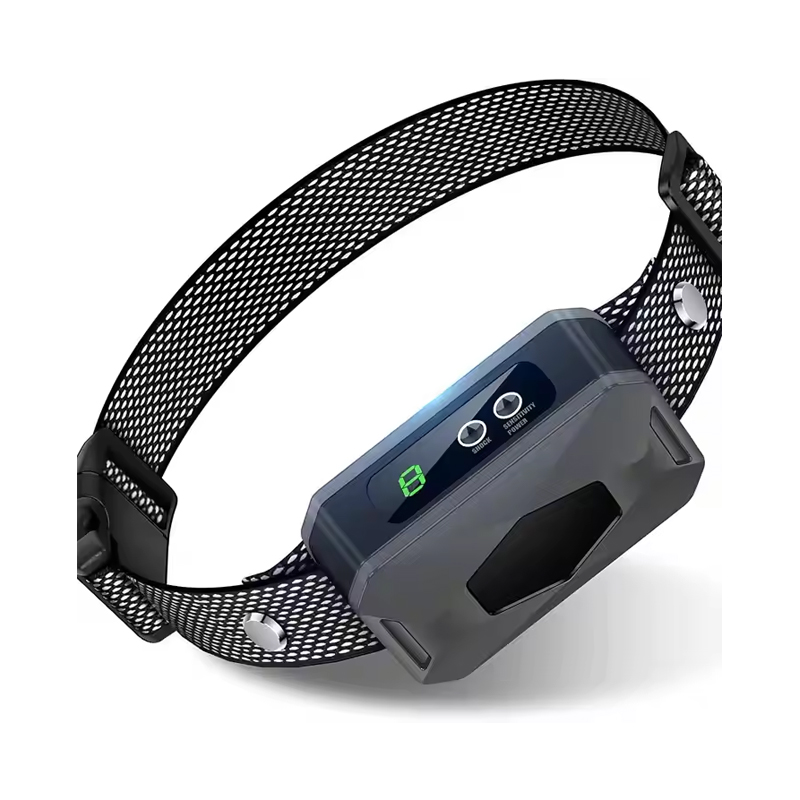
Remote Control Waterproof Training Shock Collar
The Remote Control Waterproof Training Shock Collar is an advanced training tool designed to help pet owners effectively manage their dogs’ behavior...
View More
Pet Products
If you have any questions, please
get in touch with us.
+86-13486854214
E-mail: [email protected]
Address: No. 258, Qingchuan Road, Huzhen Town, Jinyun County, Lishui City, Zhejiang Province
Copyright © Zhejiang Beijing Technology Co., Ltd.

OEM/ODM Smart Pet Care Factory