
 EN
 English
 Español
 Français
 Deutsch
 Nederlands


- Type:
- Industry News
- Date:
- 2026-09-18

Industry News
How to Choose Large Plush Dog Toys with Squeakers for Play
A plush dog toy can serve several purposes during everyday play. It may be carried from room to room, picked up during a game of fetch, held between the paws, or simply squeezed while a dog stays in one place. Once a squeaker is added, the toy also gives an audible response during some types of interaction.
That makes the choice less straightforward than picking a toy based on its appearance. The size needs to suit the way the toy will be handled. The shape can make carrying easier or harder, while the outer fabric affects both the feel of the toy and the care it requires. Squeaker placement and stitching are also worth checking, particularly when the toy will be used regularly.
For buyers looking at Large Plush Dog Toys With Squeakers, it is useful to start with the expected play situation and work through the product from there. A toy intended for indoor fetch may need different characteristics from one that is mainly carried around the house.
What Size Works for Different Dog Play Styles
There is no single size that suits every type of play. A plush toy that is comfortable to carry may not be equally convenient for tossing across a room. Likewise, a fuller toy can be pleasant to hold but may take up more space than expected during indoor games.
Think about what happens when the toy leaves the floor. Is it usually picked up and carried? Is it pushed around before being grabbed? Does the dog tend to hold it in one place? These small differences can influence the dimensions that make sense.
| Play Style | Size Consideration | Suitable Shape Direction |
|---|---|---|
| Carrying | Easy to pick up and move | Compact or elongated |
| Indoor fetch | Convenient to retrieve from the floor | Rounded or extended |
| Holding | Provides enough surface for paws and mouth | Fuller profile |
| Tossing | Manageable during movement | Balanced form |
The word "large" also needs some context. A large plush toy does not necessarily mean a toy intended only for large dogs. A smaller dog may enjoy carrying a larger soft toy, while another dog may prefer something easier to move around.
Room size is another practical consideration. In a compact living area, a bulky toy can become awkward when tossed or dragged between furniture. In a more open space, there may be fewer restrictions. For Large Plush Dog Toys With Squeakers, dimensions should therefore be considered alongside the place where the toy will normally be used.
Storage is easy to overlook as well. A plush toy that is used frequently still needs somewhere to go when play is over, especially when a household keeps several toys together.
Which Plush Materials Suit Different Types of Play
The outer fabric is the part of the toy that receives constant contact. It is picked up, squeezed, dragged, pressed against the floor, and sometimes carried in the mouth. A soft surface may be suitable for this kind of handling, but softness alone does not tell a buyer whether the material fits the intended use.
Texture can make a difference. Some fabrics have a smooth surface, while others have a more noticeable pile or finish. Areas that are handled frequently may also experience more visible wear or collect hair and dirt more readily.
Cleaning should be considered at the same time as fabric selection. A material may look suitable when new but require more attention if the toy is expected to be washed regularly. The product's care instructions should therefore be part of the purchasing discussion.
For a closer comparison, buyers can look at:
- The feel and surface texture of the fabric
- How the material is used across the main body
- Whether the stated care method fits the intended routine
- How easily the toy can be dried after cleaning
- Whether decorative fabric sections need additional care
These points are particularly relevant to Large Plush Dog Toys With Squeakers, since a larger surface gives the dog more areas to handle while also giving dirt and moisture more places to accumulate.
Material selection also works together with the shape of the product. A simple elongated toy may have a relatively consistent fabric surface, whereas an animal-shaped design can combine several fabric sections and attached details. The more varied the design, the more closely the material and care instructions need to be considered together.
Which Toy Shapes Work for Carrying and Fetch
Shape changes the way a dog picks up a toy. An elongated plush toy can naturally be grabbed from one end and carried, while a rounder design may be easier to lift from the floor with a quick bite. Animal and food-inspired designs create another option, with the shape itself becoming part of the visual character of the product.
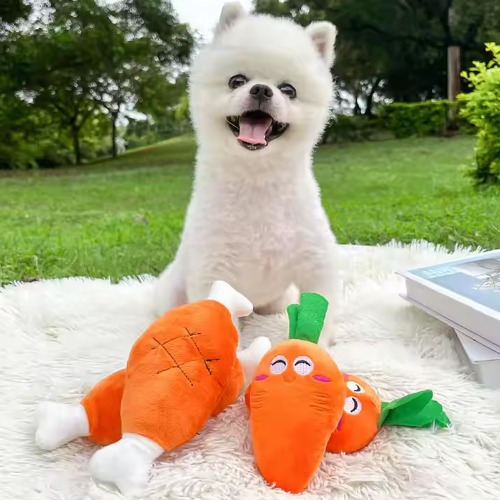
Consider a carrot-shaped plush toy as an example. Its wider body gives the dog a substantial area to hold, while the narrower leafy end creates a distinct part of the overall shape. Similar considerations apply to animal designs with ears, tails, legs, or other raised sections.
For fetch, the question is not simply whether a toy can be thrown. It is also about what happens when the dog retrieves it. A shape that is easy to locate and pick up from the floor can make repeated play more convenient.
Three aspects are worth looking at:
- Pickup area — Is there a natural part of the toy for carrying?
- Overall profile — Does the shape remain manageable when moved around indoors?
- Attached details — Are smaller sections likely to receive frequent handling?
With Large Plush Dog Toys With Squeakers, shape can also affect where pressure is applied. A dog may repeatedly squeeze the widest part of the toy rather than the narrower sections. That becomes relevant when considering where the squeaker is positioned.
How Does Squeaker Placement Affect Dog Interaction
A squeaker changes the way a plush toy responds to pressure. Instead of being completely passive, the toy can produce a sound when a particular area is compressed. Where that sound-producing component is placed can therefore influence how the dog interacts with the product.
A squeaker in the main body may respond when the center is squeezed. Another arrangement may place sound-producing components in separate areas, creating different points of interaction. Neither arrangement needs to be treated as universally suitable; the more useful question is whether it matches the intended design and play pattern.
| Squeaker Arrangement | Possible Interaction | Point to Consider |
|---|---|---|
| Main body | Sound when the central area is pressed | Size of the compression area |
| Smaller section | Sound linked to a particular part | Location within the design |
| Multiple areas | Different contact points may produce sound | Internal arrangement |
| Central area | Response during general handling | Surrounding fabric and construction |
For buyers comparing Large Plush Dog Toys With Squeakers, the location of the squeaker deserves as much attention as its presence. A dog that normally grabs a toy by one side may interact differently with a squeaker placed in the center.
The sound component should not be considered separately from the outer construction, either. Its position needs to work with the surrounding fabric, filling, seams, and shape. When reviewing a product specification, these details make more sense when viewed as parts of one design rather than as unrelated features.
The number of squeakers can also affect the overall interaction. A single sound point creates one obvious response area, while several can make different parts of the toy responsive during handling.
What Stitching Details Matter in Large Plush Dog Toys
Stitching is not usually the feature that catches attention when a plush toy is first viewed, but it becomes more relevant once the toy is handled repeatedly. Seams hold the fabric sections together, and shaped products often have additional connection points around attached features.
An animal design may include ears, legs, tails, or other sections joined to the main body. A vegetable-shaped design can have a leafy section attached to a wider body. These areas are worth checking because they are part of the visible construction and may be handled often.
A simple inspection can include:
- Main body seams
- Connections between different fabric sections
- Areas around attached decorative parts
- Visible loose threads
- Stitching that follows curved or irregular shapes
For Large Plush Dog Toys With Squeakers, the relationship between stitching and the internal sound component is another point to consider. The outer shell needs to accommodate the internal parts while retaining the intended shape and feel.
This does not require turning the product into a technical engineering assessment. Buyers can simply compare how the seams are finished and whether the visible construction appears consistent with the way the toy is expected to be handled.
That approach is also useful when comparing several plush designs. A simple shape may have fewer connection points, while a more detailed design may require additional stitched sections. The difference is part of the product specification and should be considered before ordering.
When Are Plush Squeaky Toys Useful for Indoor Play
Indoor play tends to happen in shorter spaces. A dog may move only between a sofa and another part of the room, carry a toy through a hallway, or remain in one spot while squeezing and holding it. Plush squeaky toys can fit these everyday situations without requiring a particular outdoor setting.
A toy can also change roles during the same play session. It may begin as a fetch toy, become something to carry around, and later be used while the dog rests. That is one reason shape and size are more useful selection criteria than appearance alone.
The room itself should be considered. Furniture, narrow passages, flooring, and nearby objects can all influence how a large plush toy is handled. A long toy may be convenient to carry but less convenient to toss in a crowded room. A wider design may work well for holding but need more storage space.
The indoor setting shown with a small dog, a carrot-shaped plush toy, and other toys is a useful example of this kind of use. The products are part of an ordinary home environment, where carrying, picking up, and short-distance movement can all happen naturally.
When several Large Plush Dog Toys With Squeakers are kept in the same room, consistency in size can also make storage and rotation easier. Buyers sourcing multiple designs may want to consider how the products will be arranged when they are not being used.
How Should Large Plush Dog Toys Be Cleaned and Dried
Cleaning should be considered before regular use rather than after the first washing problem appears. Plush toys can collect hair, dust, moisture, and other debris through normal handling, so the care method is part of the practical product specification.
There is no single cleaning method that applies to every plush toy. Some products may allow machine washing, while others may call for hand washing or spot cleaning. The manufacturer's stated care instructions should determine the appropriate method.
Toys containing squeakers need particular attention. If the product is not designed for full immersion, soaking it may create problems for internal components. For that reason, the washing instructions should be checked before choosing a cleaning method.
A simple maintenance routine can follow this order:
Check the care instructions → remove surface debris → use the specified cleaning method → remove excess moisture → dry thoroughly → inspect before use
Drying can take longer with a larger plush toy because the fabric and filling may hold moisture. It is worth making sure the toy is fully dry rather than returning it to regular use while damp.
The post-cleaning check is useful as well. Look over the seams, fabric surface, attached sections, and area around the squeaker. Cleaning provides a convenient opportunity to notice changes in the toy's condition.
For buyers considering Large Plush Dog Toys With Squeakers, straightforward care instructions can make a difference when the products are intended for repeated household use.
What Should Buyers Check Before Ordering Large Plush Dog Toys
By the time an order is being prepared, the individual product features should already have been considered in relation to one another. Size, shape, fabric, squeaker placement, stitching, and care requirements are not separate decisions when they all belong to the same product.
A buyer can start with the intended use. If the toy is mainly for carrying, dimensions and pickup areas deserve attention. If indoor fetch is expected, shape and available room become more relevant. If the product will be cleaned frequently, fabric and care instructions should be checked early rather than treated as an afterthought.
For a purchasing review, the following points provide a practical checklist:
- Intended play style
- Available indoor space
- Overall dimensions
- Outer fabric and texture
- Shape and attached sections
- Squeaker location
- Number and arrangement of sound-producing areas
- Visible seams and stitching
- Cleaning and drying method
- Packaging and product specification requirements
For businesses sourcing Large Plush Dog Toys With Squeakers, the product description should also match the actual order requirements. If a particular shape, fabric, squeaker arrangement, or packaging format is required, those details can be clarified before production.
It can be useful to separate standard product features from order-specific requirements. This reduces confusion when several similar plush designs are being considered at the same time.
A carrot-shaped toy, for instance, may share the same basic purpose as an animal-shaped toy, yet the two can differ in proportions, attached sections, pickup points, and squeaker placement. Those differences matter when the product is being selected for a particular play environment.
The same principle applies across the rest of the product. Size affects handling, shape influences movement, fabric affects contact and maintenance, the squeaker creates sound feedback, and stitching connects the different parts of the design. Looking at those features together gives buyers a more practical way to compare plush dog toys before placing an order.
Related Products
-
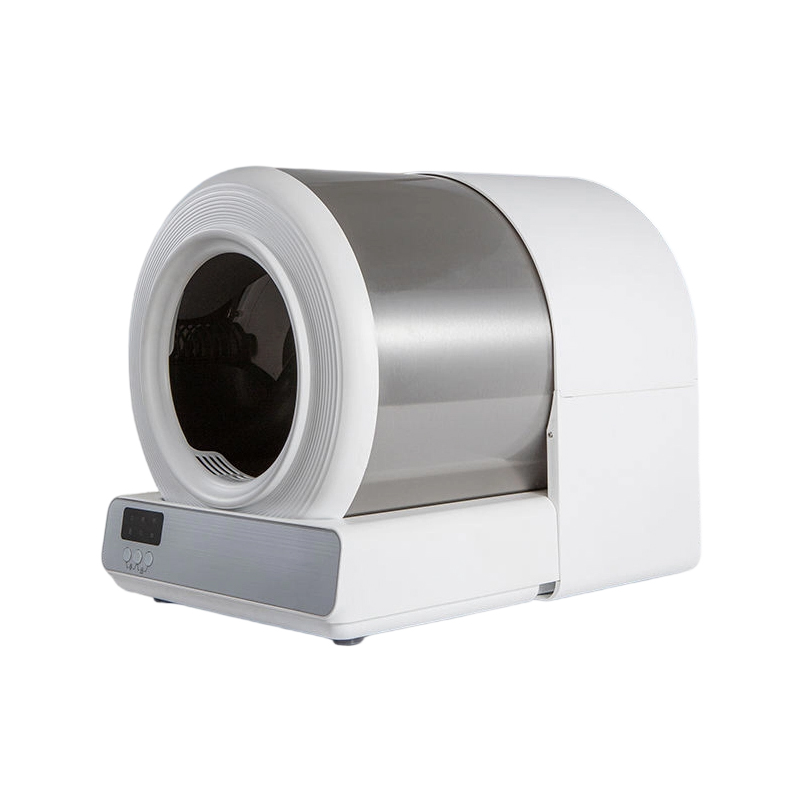
Cat Litter Tray For Multiple Cats Automatic Cat Litter Tray
Cat Litter Tray for Multiple Cats Automatic Cat Litter Tray – Product Features The high-pressure washable, safety-focused design facilitates compr...
View More -
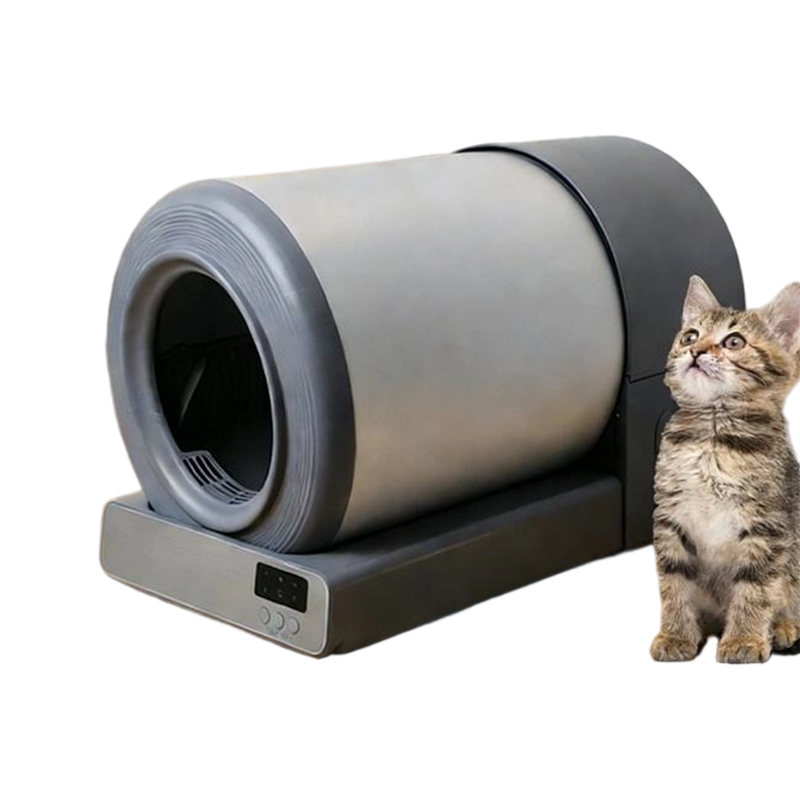
Self-Cleaning Stainless Steel Smart Cat Litter Tray
Self-Cleaning Stainless Steel Smart Cat Litter Tray – Product FeaturesThe preferred choice for non-profit organisations; compatible with open-top bi...
View More -
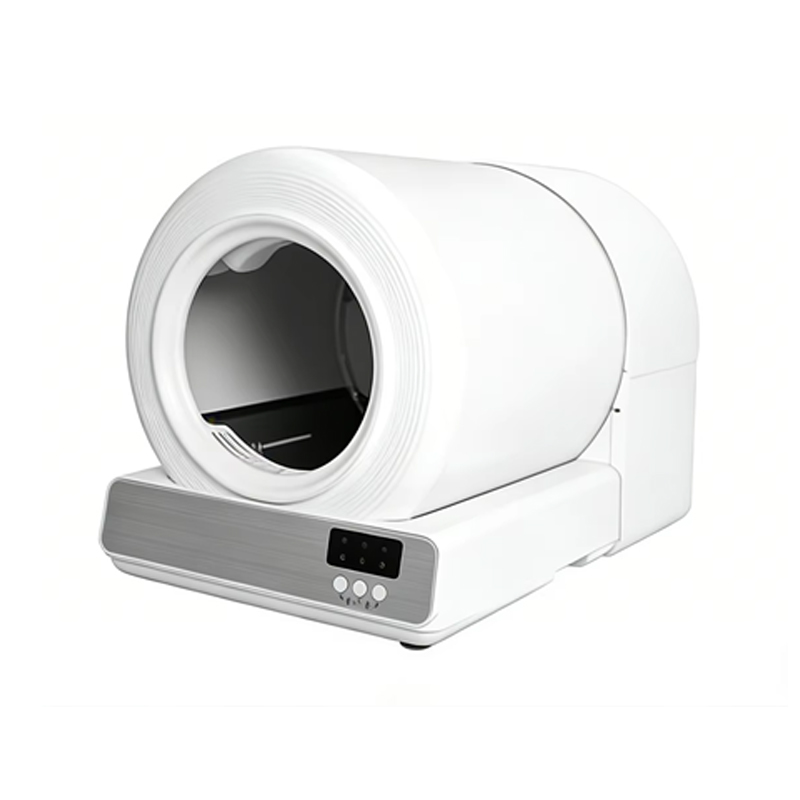
Second-Generation Fully Automatic Cat Litter Tray
Second-Generation Fully Automatic Cat Litter Tray – Product Features With a large 65-litre capacity, it easily accommodates a substantial amount of ...
View More -
Multi-Mode Easy To Operate Training Shock Collar
The Multi-mode, easy-to-operate training Shock Collar is designed to provide a practical solution for owners seeking a safe and effective way to train...
View More -
Waterproof Adjustable Polyester Training Shock Collar
The Waterproof Adjustable Polyester Training Shock Collar offers a reliable solution for pet owners seeking a versatile and durable collar to enhance ...
View More -
Display Remote Control Training Shock Collar
The Display Remote Control Training Shock Collar is designed to provide pet owners with a reliable and humane solution for training their dogs. Whethe...
View More -
Multi-Function Long Distancetraining Shock Collar
The Multi-function Long Distance Training Shock Collar is a highly versatile tool designed to support your dog’s training across various environment...
View More -
Remote Control Waterproof Training Shock Collar
The Remote Control Waterproof Training Shock Collar is an advanced training tool designed to help pet owners effectively manage their dogs’ behavior...
View More
Pet Products
If you have any questions, please
get in touch with us.
+86-13486854214
E-mail: [email protected]
Address: No. 258, Qingchuan Road, Huzhen Town, Jinyun County, Lishui City, Zhejiang Province
Copyright © Zhejiang Beijing Technology Co., Ltd.

OEM/ODM Smart Pet Care Factory