
 EN
EN  English
 Español
 Français
 Deutsch
 Nederlands

- Type:
- Industry News
- Date:
- 2026-08-28

Industry News
How Can an Intelligent Pet Water Dispenser Run More Quietly
A pet water dispenser is often left running for long periods, so the sound it produces can become noticeable in everyday life. A faint hum may not attract much attention during the day, but it can be easier to hear at night or when the dispenser is placed in a quiet room. Sometimes the sound comes from normal water circulation. In other cases, a small change in water level, a bit of pet hair, or residue around the pump can make the operation sound different.
Quiet operation is not tied to one component. The pump, water level, filter, water outlet, and the surface supporting the unit all have a role. Cleaning habits matter as well. Even a dispenser that runs quietly when new can sound different after being used for a while if hair and residue are allowed to build up.
For owners, the useful question is not simply whether a dispenser is quiet. It is what affects the sound during ordinary use and which parts deserve attention when that sound changes.
How Does Pump Design Affect Dispenser Noise
The pump is where water circulation begins, so it naturally has a role in the sound of the unit. A small amount of humming or water movement is normal while the pump is working. The character of that sound can change, though, when the pump is not sitting properly or when something interferes with water entering it.
The position of the pump matters more than it may seem. If a removable pump is not seated securely after cleaning, vibration can travel through the housing. The sound may then seem louder even though the pump itself has not changed.
Water flow around the pump matters too. When water reaches the intake smoothly, the pump can maintain a more consistent flow. When the intake is partly blocked, the sound may become less even. This is one reason a noisy unit should not immediately be treated as a pump failure.
A quick inspection is often a sensible place to start. Check whether the pump is seated correctly, whether the intake is clear, and whether the water level is suitable. Those simple conditions can tell quite a bit about what is happening.
Can Low Water Levels Make a Dispenser Louder
A dispenser can sound different as the water level falls. Near the normal operating level, the pump has a steady supply of water around its intake. As the container becomes emptier, the flow around that area changes. The difference may be subtle at first, then more noticeable as less water remains.
This is also where automatic water-level functions can be useful. Some models can recognize a low-water condition and stop the pump rather than continuing to operate without enough water. The exact behavior depends on the design.
It is worth checking the water level before assuming that a change in sound means something is wrong. Pets may drink more at certain times, and water can also be lost through splashing. A container that looked adequately filled earlier may need attention later in the day.
| Water condition | What may happen during operation |
|---|---|
| Normal water level | Water circulation tends to remain steady |
| Lower water level | Pump sound may become more noticeable |
| Very little water | Water movement can become less consistent |
| Insufficient water | Some units may stop automatically |
Water-level markings, reminders, or similar functions can make this easier to monitor. They do not replace ordinary checks, but they can reduce the chance of overlooking a low-water condition.
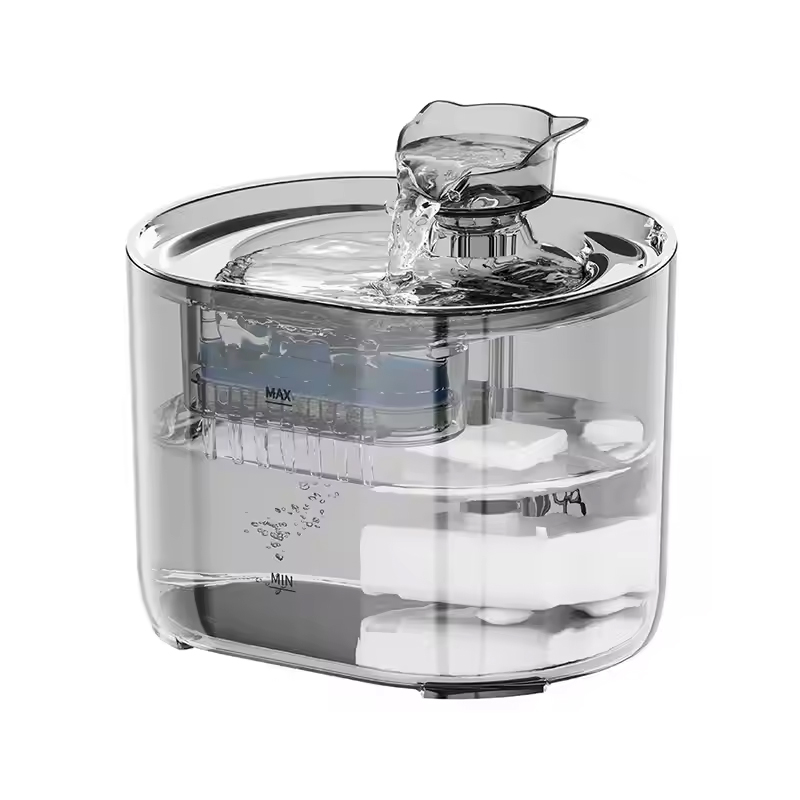
How Can Pet Hair Affect Pump Noise
Pet hair is one of those small things that can gradually become a nuisance. A few loose hairs may enter the water without causing any obvious change. After repeated use, though, hair can gather around the intake, filter, or other parts of the circulation path.
The effect depends on the design and on how much debris reaches the unit. A cat that sheds heavily may leave more loose hair around the drinking area. Dogs can introduce hair and dust as well. Food particles or material from nearby bedding can end up in the water for similar reasons.
When hair begins to restrict the intake, the water may not move as freely as it did before. A change in sound can accompany that change in flow. It does not necessarily mean that the motor itself has developed a fault.
The pump intake is therefore worth checking during routine cleaning. It is a small area, and a quick inspection can reveal material that is easy to overlook when attention is focused on the larger water container.
Placement can help here as well. Keeping the drinking area away from loose bedding, dusty corners, or food debris can reduce the amount of unwanted material entering the water.
Can Filter Blockage Increase Operating Noise
The filter has a different role from the pump, but its condition can still affect the way the system sounds. As the filter collects particles, water has to pass through material that is becoming increasingly loaded with debris. If the flow becomes restricted, the pump may operate under different conditions.
A filter does not always look severely dirty when it starts affecting water flow. Hair and fine particles can collect within the filtering material rather than forming an obvious layer on the surface. A gradual reduction in flow may be easier to notice than the filter itself.
If the water stream becomes weaker and the operating sound changes around the same time, the filter is one of the parts worth checking. There is no need to assume that the pump needs replacing simply because the dispenser has become louder.
The appropriate care depends on the filter design. Some filters are intended to be replaced, while others may have specific cleaning instructions. Using a filter beyond its intended condition can affect water circulation and make routine maintenance less predictable.
For that reason, filter condition is better considered alongside water flow rather than as a separate maintenance task.
How Does Mineral Buildup Affect Water Dispenser Noise
Mineral residue is another issue that tends to appear gradually. Water leaves small deposits on surfaces that remain wet, particularly around outlets, pump areas, and places where water collects. At first, the residue may be barely visible.
Over time, it can build up around narrow water passages. That changes the way water moves through the unit. A change in the sound of the pump or water stream may appear before the buildup becomes obvious.
This is one reason wiping only the large surfaces of the container may not be enough. Smaller areas around the water outlet and pump deserve attention because they are directly involved in circulation.
The cleaning method should suit the material and construction of the dispenser. Aggressive cleaning is not automatically better. Removable parts should be handled carefully, and any electrical components should be kept away from unsuitable exposure to water.
A useful approach is to look for residue whenever the water flow seems different. If deposits are caught early, they are generally easier to deal with than buildup that has been left in place for a long time.
Why Does the Placement Surface Affect Vibration
Sometimes the dispenser itself is not especially loud, but the surface underneath it makes the sound more noticeable.
A pump creates some movement while operating. If the unit sits on a hard surface, that movement can be transferred through the base. A nearby table, shelf, or floor can then act as a larger vibrating surface. The result may sound louder than the original pump noise.
An uneven surface can create another issue. If the base does not sit firmly, the unit may move slightly while the pump is running. Even a small amount of movement can produce a repetitive tapping or buzzing sound.
A stable location is therefore worth considering when setting up the drinking area. The dispenser should have enough room around it to avoid touching nearby objects, and the surface should be level enough to keep the unit steady.
| Placement condition | Possible effect |
|---|---|
| Stable, level surface | Less unnecessary movement |
| Uneven surface | Greater chance of vibration |
| Contact with nearby objects | Additional tapping or rattling |
| Crowded placement | More difficult cleaning and inspection |
This is a simple factor to overlook because it has nothing to do with the water itself. Yet moving the unit to a more stable position can sometimes change the sound without any adjustment to the pump or filter.
How Can Regular Cleaning Support Quieter Operation
Cleaning is where several of these issues come together. Hair can collect near the pump, particles can load the filter, and mineral residue can form around the water path. None of these problems necessarily appears overnight.
A good cleaning routine should include more than emptying the tank and adding fresh water. The pump area, intake, filter, and outlet deserve a look as well. These are the places where small amounts of debris can have a bigger effect on water movement.
The way the parts are put back together matters too. After cleaning, a pump that is not positioned correctly can vibrate. A filter that is not seated properly can affect the flow. A loose component can create a sound that was not present before cleaning.
For everyday maintenance, the process can remain fairly straightforward:
- Empty and rinse the water container.
- Check the pump intake for hair or debris.
- Inspect the filter before putting it back.
- Look around the outlet for residue.
- Make sure removable parts are seated correctly.
- Check the water flow after reassembly.
The cleaning frequency will depend on the environment, the pet, and the product design. A household with several pets may need to pay closer attention to hair and debris than a household with one pet.
Which Features Support Quiet Operation in a Smart Dispenser
Quiet operation is easier to maintain when the design allows the owner to keep the water path in good condition. Easy access to the pump, a practical filter arrangement, and a stable base can all make routine care less troublesome.
An Intelligent Pet Water Dispenser may also include water-level monitoring or operating controls that influence how the pump runs. These functions are useful when they respond to actual conditions rather than simply adding another control to the device.
The physical design still matters just as much. A dispenser that is difficult to open can make cleaning less convenient. If the pump area is hard to reach, hair and residue may remain there longer. If the base moves easily, vibration can become part of the normal operating sound.
When considering a unit for daily use, it makes sense to look beyond the appearance of the dispenser. Check how the pump can be accessed, how the filter is handled, how the water level is monitored, and whether the base stays stable during operation.
The quieter experience often comes from several ordinary details working together: a clear water path, an appropriate water level, a clean pump, a usable filter, and a steady surface underneath the unit. None of these needs to be treated as a separate feature. Together, they shape how the dispenser behaves during everyday pet care.
Related Products
-
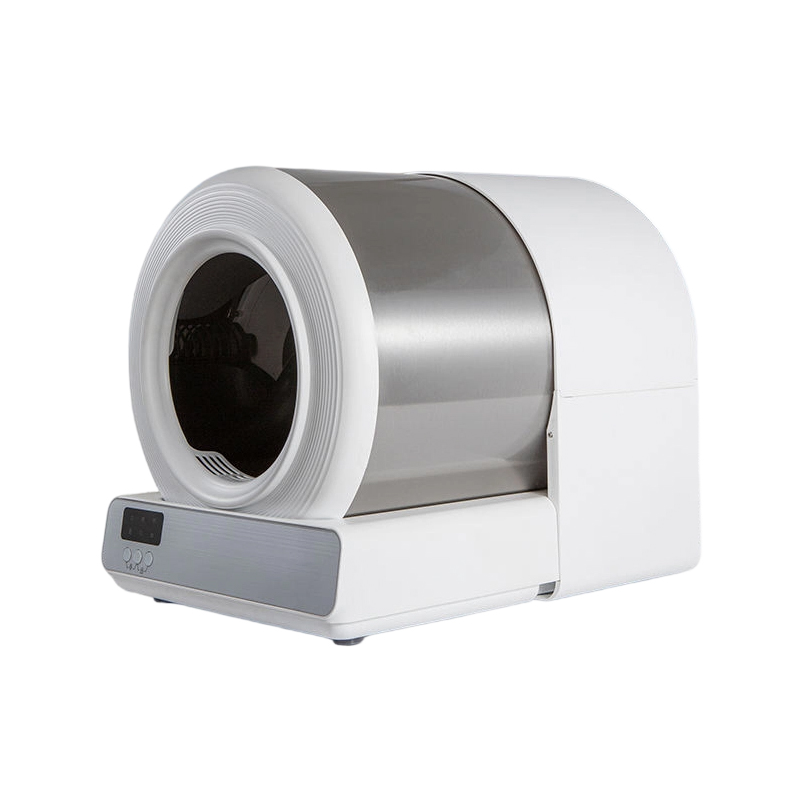
Cat Litter Tray For Multiple Cats Automatic Cat Litter Tray
Cat Litter Tray for Multiple Cats Automatic Cat Litter Tray – Product Features The high-pressure washable, safety-focused design facilitates compr...
View More -
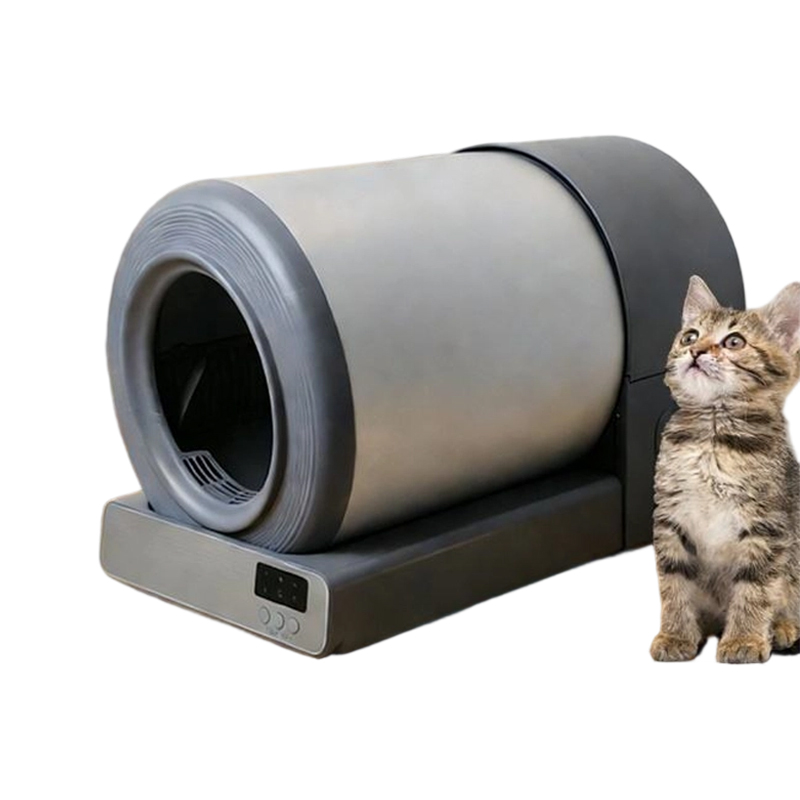
Self-Cleaning Stainless Steel Smart Cat Litter Tray
Self-Cleaning Stainless Steel Smart Cat Litter Tray – Product FeaturesThe preferred choice for non-profit organisations; compatible with open-top bi...
View More -
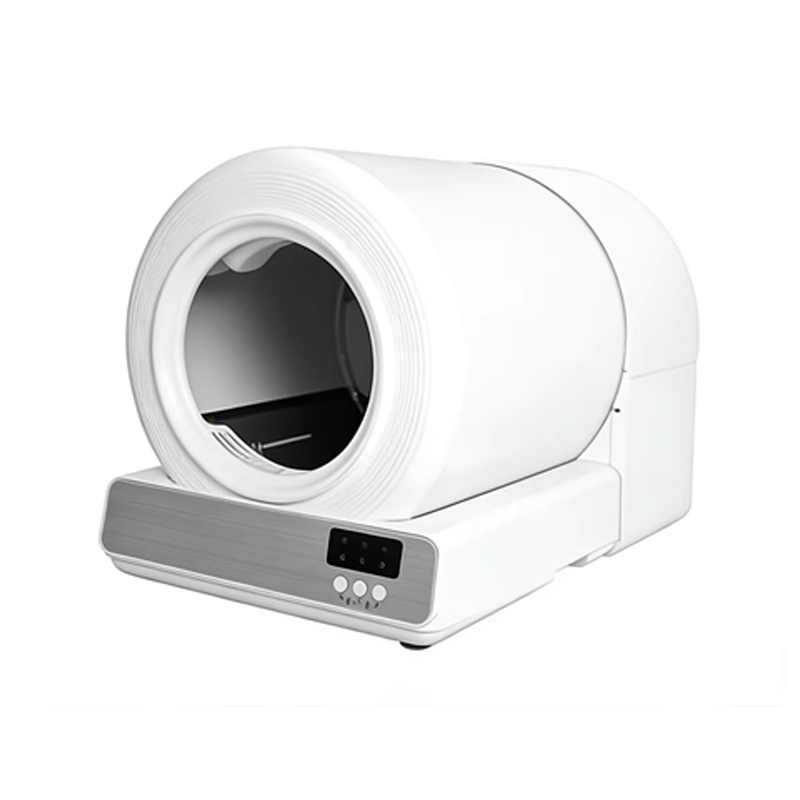
Second-Generation Fully Automatic Cat Litter Tray
Second-Generation Fully Automatic Cat Litter Tray – Product Features With a large 65-litre capacity, it easily accommodates a substantial amount of ...
View More -
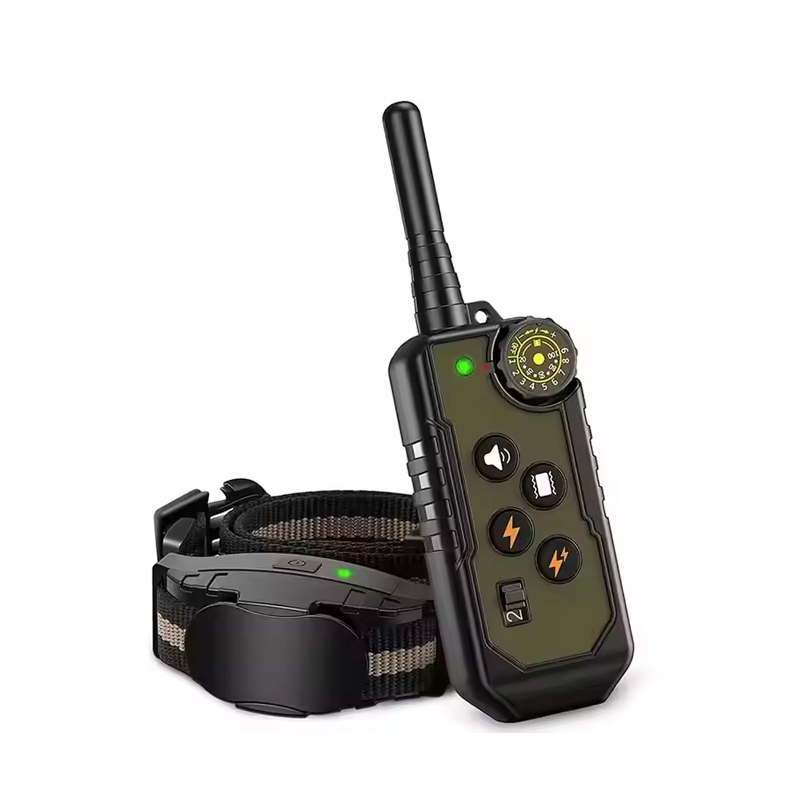
Multi-Mode Easy To Operate Training Shock Collar
The Multi-mode, easy-to-operate training Shock Collar is designed to provide a practical solution for owners seeking a safe and effective way to train...
View More -
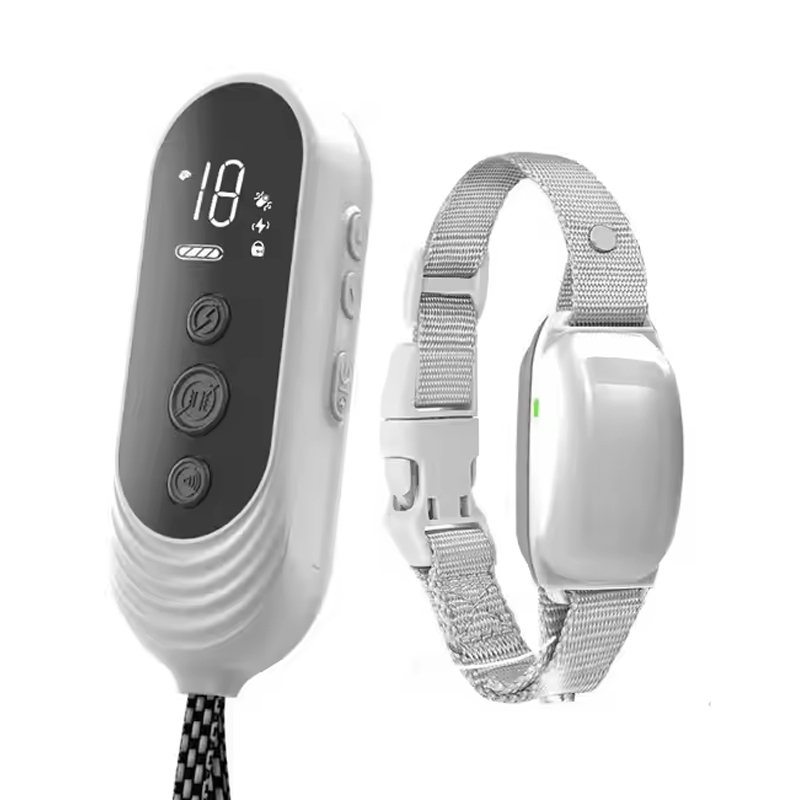
Waterproof Adjustable Polyester Training Shock Collar
The Waterproof Adjustable Polyester Training Shock Collar offers a reliable solution for pet owners seeking a versatile and durable collar to enhance ...
View More -
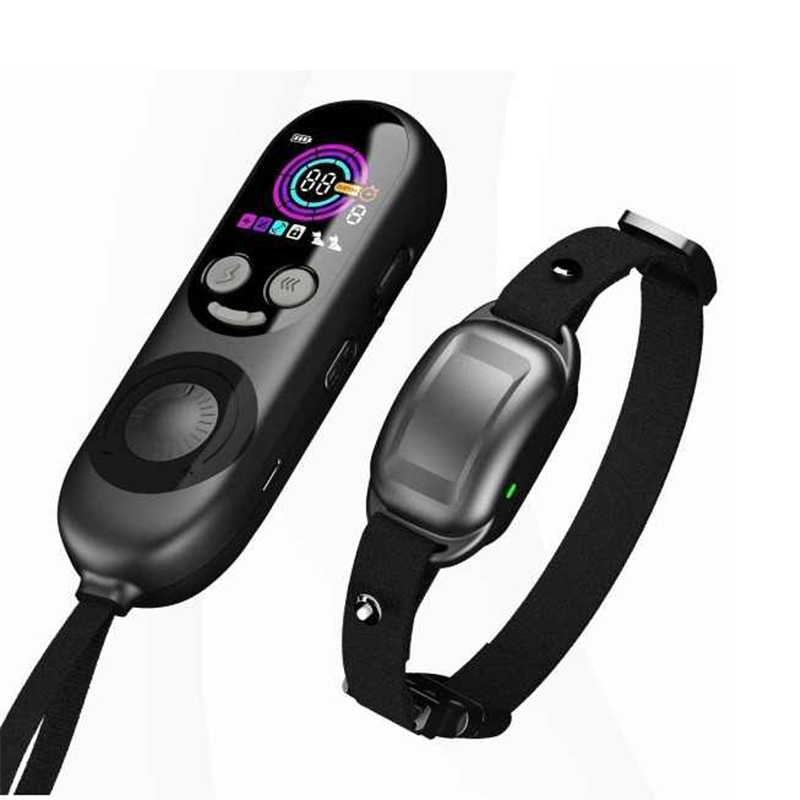
Display Remote Control Training Shock Collar
The Display Remote Control Training Shock Collar is designed to provide pet owners with a reliable and humane solution for training their dogs. Whethe...
View More -
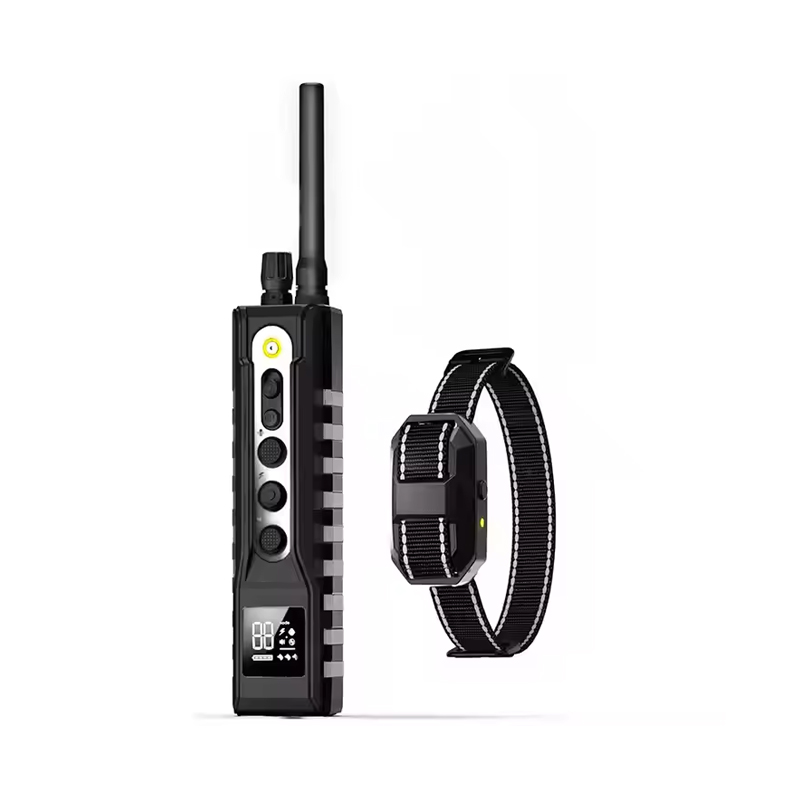
Multi-Function Long Distancetraining Shock Collar
The Multi-function Long Distance Training Shock Collar is a highly versatile tool designed to support your dog’s training across various environment...
View More -
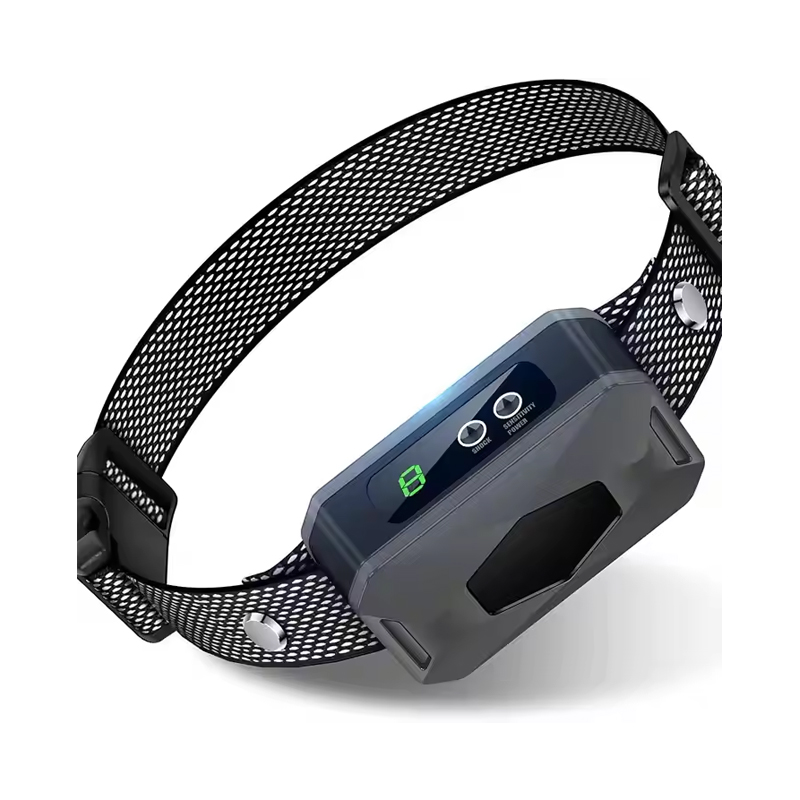
Remote Control Waterproof Training Shock Collar
The Remote Control Waterproof Training Shock Collar is an advanced training tool designed to help pet owners effectively manage their dogs’ behavior...
View More
Pet Products
If you have any questions, please
get in touch with us.
+86-13486854214
E-mail: [email protected]
Address: No. 258, Qingchuan Road, Huzhen Town, Jinyun County, Lishui City, Zhejiang Province
Copyright © Zhejiang Beijing Technology Co., Ltd.

OEM/ODM Smart Pet Care Factory