
 EN
EN  English
 Español
 Français
 Deutsch
 Nederlands

- Type:
- Industry News
- Date:
- 2026-08-21

Industry News
Why Does Pet Dryer Airflow Matter When Drying Pet Fur
After a bath, a pet may look dry before the coat is actually dry all the way through. The outer hairs can lose moisture fairly quickly, while dampness remains between layers of fur. This is easier to notice with a thick coat, long hair, or curls that tend to stay grouped together when wet.
Drying is therefore not just a matter of blowing air over the animal. Where the air goes, how the coat is separated, and how different sections are handled can all change the result. A coat that dries evenly usually requires attention to the areas that are less exposed rather than only the parts that are easy to reach.
The same approach does not necessarily suit every coat. Short fur, long fur, dense undercoat, and curly hair each create different conditions. Looking at those differences helps explain why airflow has become such a practical part of everyday pet grooming.
Why Does Dog Fur Feel Dry But Stay Wet Underneath
One of the easier mistakes during grooming is judging the coat by its outer layer. A hand passes over the back, the fur feels dry, and it seems that the job is nearly done. Yet when the hair is separated, a different situation can appear underneath.
Water does not leave every part of a coat at the same pace. The hairs on the outside are exposed to moving air, while the inner hairs may be surrounded by other strands. When the coat is thick, those inner areas can take longer to release moisture.
The difference can be quite noticeable after bathing. Fur may also stick together while wet, creating small groups of hair that make it harder for air to reach the spaces between them. Once those groups begin to separate, previously hidden damp areas become easier to reach.
There is also a difference between touching the surface and checking the coat itself. The surface can feel warm and dry even though the hair closer to the body still feels cooler. That is why checking several sections during grooming can give a better indication of the drying process.
| What can be noticed | What it may suggest |
|---|---|
| Outer hair feels dry | Surface moisture has reduced |
| Inner hair feels cool or damp | Moisture may remain deeper in the coat |
| Fur stays grouped together | Air may not be reaching all areas |
| Different sections feel different | Drying may not be even across the coat |
This does not mean every slightly cool area is still wet. It simply shows why the outer surface alone does not always tell the whole story.
Why Does A Double Coat Take Longer To Dry
A double coat has more than one layer of hair, so water can remain in places that are not immediately exposed to the surrounding air. The outer hairs may begin drying while the softer inner layer stays damp.
The difference becomes easier to see when the coat is lifted or separated. A surface that looked dry can reveal a noticeably different texture underneath. The inner hair may also sit close together, leaving less open space for air to pass through.
After bathing, the coat can become compacted. This is especially noticeable where the hair is naturally dense. If the strands remain together, air tends to work on the outside before it reaches deeper sections.
For that reason, simply keeping air on the same area for longer is not always the practical answer. Separating the coat and moving between sections can make more of a difference. Once the hair is opened up, air has a clearer path into places that were previously covered.
The condition of the coat matters too. Tangled or matted areas behave differently from loose hair. A dryer cannot replace the need to deal with those conditions separately, because airflow has limited access when the strands are tightly held together.
How Does Airflow Reach Moisture Under Dense Fur
Air needs an opening to move through dense fur. When a wet coat lies flat, much of the airflow can travel across the outside rather than reaching the moisture held between the hairs.
This is where the position of the dryer becomes relevant. Air directed at a single point from one fixed position may leave nearby sections untouched. Moving from one area to another gives different parts of the coat a chance to separate and release moisture.
The movement does not need to be complicated. A groomer can work across manageable sections, allowing the hair to loosen before moving on. As the coat becomes less wet, the airflow can reach farther into it.
There is also a noticeable difference between blowing directly onto a closed layer of fur and working with fur that has already been separated. In the second situation, there is more room for air to move between strands.
This is why airflow should be considered together with coat condition. A dense coat is not simply a larger version of a short coat. Its structure changes the path that air has to take before it reaches damp areas.
How Does Airflow Direction Affect Undercoat Drying
Changing the direction of airflow can alter the way the coat opens. Air coming from one angle may move the outer hairs without doing much to the layer underneath. A slight change in direction can expose another section of the coat.
The effect is easier to notice when working through dense fur. Instead of keeping the air in one position, the coat can be opened gradually and the airflow moved along the exposed section. This gives hidden areas a better chance to dry.
Brushing can fit into the same process. As the fur is gently separated, air can enter the spaces between strands. There is no need to treat brushing and drying as completely separate activities when both are being used to open the coat.
| Air movement | How it relates to drying |
|---|---|
| Across the outer surface | Helps remove moisture from exposed hair |
| Into separated sections | Gives air access to deeper layers |
| Moved between areas | Reduces attention on only one section |
| Adjusted around body shape | Follows changes in coat arrangement |
Body shape also matters. The fur around the neck does not sit exactly like the fur on the back, and the hair on the legs can behave differently again. A single airflow direction may therefore work well in one area but be less useful in another.
Why Does Long Fur Dry Differently From Short Fur
Long fur gives water more hair to travel along and more spaces in which it can remain. It can also become grouped together after bathing, particularly when the strands are still wet.
Short hair is generally more exposed to moving air because there is less length between the surface and the base of the coat. With long hair, the outer section can dry while moisture remains farther down.
This does not mean long fur always takes the same amount of time to dry or that short fur requires little attention. Coat density, texture, and the way the hair sits against the body all make a difference.
A long coat can also behave differently from one section to another. The hair on the tail may remain grouped together, while the hair across the back has already begun to separate. Around the legs, longer strands can overlap and hide damp areas.
For everyday grooming, this makes section-by-section attention more useful than treating the whole animal as one drying surface.
- Longer fur may need more separation as it dries.
- Shorter fur can expose more of the coat to moving air.
- Dense areas may need attention even when surrounding hair feels dry.
- Hair that clumps together can hide moisture beneath the surface.
The important point is not the length by itself. It is the way that length changes how water and air move through the coat.
How Does Pet Dryer Use Change For Curly Fur
Curly fur has its own drying behavior. The hair bends and loops instead of forming a relatively direct path from the skin outward. Once wet, individual curls can gather together, leaving moisture between them.
Air moving across the outside of a group of curls may not reach every strand. Opening the coat gradually can give the airflow more space to work.
Brushing during drying can be helpful here, although the way it is done matters. Pulling apart a section too aggressively can change the appearance of the coat, while gentle separation allows air to reach areas that were hidden.
The stage of drying also changes how the curls behave. Very wet hair can feel heavy and compact, while partially dried hair may separate more easily. Working with the changing condition of the coat can make the process less repetitive.
Smaller areas require some adjustment as well. The face and ears do not provide the same working space as the body, so airflow that feels suitable across the back may not be appropriate in those areas.
Curly fur is a useful example of why there is no single drying pattern that fits every coat. Hair shape affects the route taken by both water and air.

Why Can Fur Dry Unevenly After Bathing
Uneven drying is not necessarily caused by one problem. It can happen because the coat has different thicknesses, because some sections are covered by surrounding hair, or because the airflow reaches one area more directly than another.
The shape of the body adds another layer to the process. The neck, underside, legs, and tail all have different contours. Hair may also grow in different directions, making some areas easier to expose than others.
After washing, moisture can collect differently across the coat. A thick section may hold water longer, while a lighter section begins drying almost immediately. If the coat is not moved during drying, the difference can become more noticeable.
Checking individual sections helps reveal what is happening. Rather than repeatedly returning to the same visible surface, it can be useful to open the fur and look at the areas underneath.
Particular attention can be given to:
- Areas where several layers of fur overlap
- The underside of longer hair
- Sections around the neck and legs
- The tail where hair can remain grouped
- Dense areas that feel different from nearby fur
This approach also makes the drying process easier to follow. Once a section is dry, attention can shift elsewhere instead of continuing to direct air at it.
How Can A Pet Dryer Help Dry Dense Coats
A Pet Dryer can support a drying routine by moving air through the coat rather than relying on the surface alone. With dense fur, the way that airflow is applied can be as relevant as the amount of air being used.
The process can change as the coat dries. At the beginning, broader airflow can help remove moisture from the outside. Later, once the fur has started to separate, more attention can be given to sections where dampness remains.
The coat itself provides useful clues. If hair stays grouped together, separating it may help air reach farther in. If one section feels noticeably different from another, changing the airflow position can address that area rather than continuing with the same movement everywhere.
Long and curly coats may need more careful sectioning, while shorter coats can often be handled with broader movements. Dense coats may require repeated checking because the outer layer can give a misleading impression of dryness.
There is also a practical reason to avoid thinking of drying as one uninterrupted step. The coat changes throughout the process. Hair that was tightly grouped after bathing may become easier to separate later. Areas that were difficult to reach at the beginning may become more accessible as moisture leaves the outer layers.
A steady routine of moving air, separating fur, checking different sections, and adjusting the airflow accordingly can make the drying process easier to control. The key consideration is whether air is reaching the areas where moisture remains, rather than simply whether the outside of the coat looks dry.
Related Products
-
Cat Litter Tray For Multiple Cats Automatic Cat Litter Tray
Cat Litter Tray for Multiple Cats Automatic Cat Litter Tray – Product Features The high-pressure washable, safety-focused design facilitates compr...
View More -
Self-Cleaning Stainless Steel Smart Cat Litter Tray
Self-Cleaning Stainless Steel Smart Cat Litter Tray – Product FeaturesThe preferred choice for non-profit organisations; compatible with open-top bi...
View More -
Second-Generation Fully Automatic Cat Litter Tray
Second-Generation Fully Automatic Cat Litter Tray – Product Features With a large 65-litre capacity, it easily accommodates a substantial amount of ...
View More -
Multi-Mode Easy To Operate Training Shock Collar
The Multi-mode, easy-to-operate training Shock Collar is designed to provide a practical solution for owners seeking a safe and effective way to train...
View More -

Waterproof Adjustable Polyester Training Shock Collar
The Waterproof Adjustable Polyester Training Shock Collar offers a reliable solution for pet owners seeking a versatile and durable collar to enhance ...
View More -

Display Remote Control Training Shock Collar
The Display Remote Control Training Shock Collar is designed to provide pet owners with a reliable and humane solution for training their dogs. Whethe...
View More -
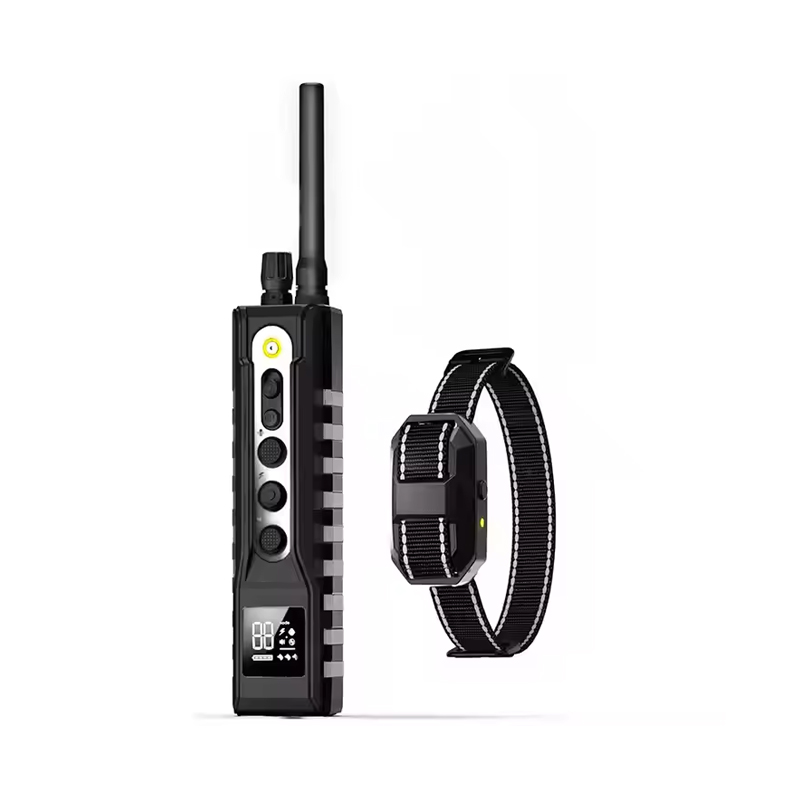
Multi-Function Long Distancetraining Shock Collar
The Multi-function Long Distance Training Shock Collar is a highly versatile tool designed to support your dog’s training across various environment...
View More -

Remote Control Waterproof Training Shock Collar
The Remote Control Waterproof Training Shock Collar is an advanced training tool designed to help pet owners effectively manage their dogs’ behavior...
View More
Pet Products
If you have any questions, please
get in touch with us.
+86-13486854214
E-mail: [email protected]
Address: No. 258, Qingchuan Road, Huzhen Town, Jinyun County, Lishui City, Zhejiang Province
Copyright © Zhejiang Beijing Technology Co., Ltd.

OEM/ODM Smart Pet Care Factory