
 EN
EN  English
 Español
 Français
 Deutsch
 Nederlands

- Type:
- Industry News
- Date:
- 2026-09-04

Industry News
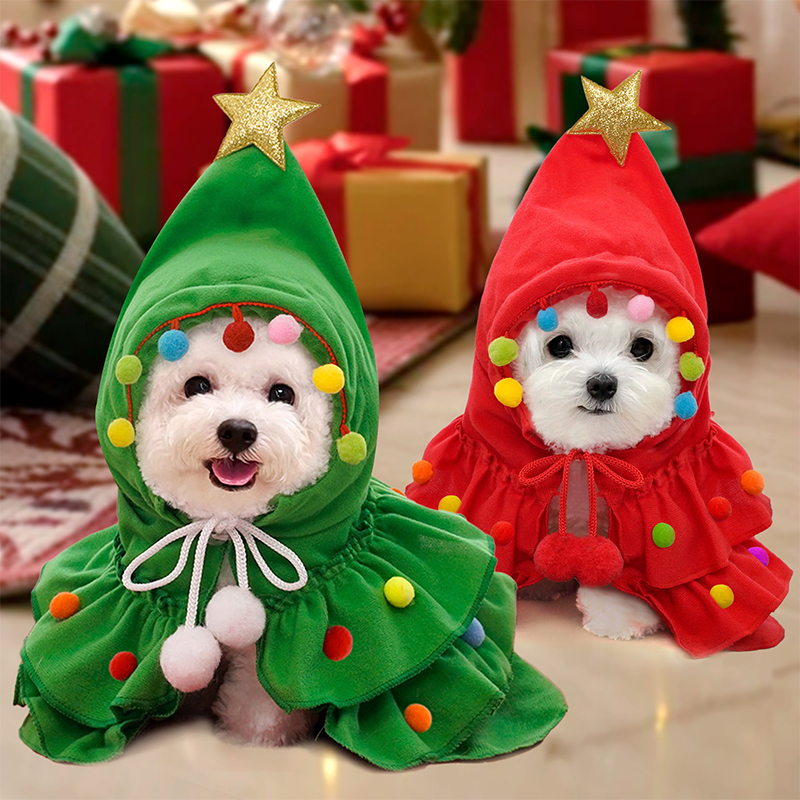
How Is a Christmas Tree Dog Outfit Designed for Holiday Use
Holiday pet clothing sits at the intersection of seasonal design and everyday wear. A garment made for a dog needs to look appropriate for a festive setting while still allowing the animal to move, rest, and behave normally. This makes the design process different from creating a decorative item that is only intended to be viewed.
A Christmas Tree Dog Outfit usually brings together a recognizable tree motif, suitable fabric, a practical shape, and selected decorative details. Each part affects the others. A heavier fabric can change the way a garment hangs, while additional decoration can influence movement or cleaning. The intended setting also matters because a garment worn indoors for a short gathering may have different requirements from one used during outdoor activity.
Looking at the product from these connected aspects provides a clearer picture of how seasonal dog clothing is developed and prepared for use.
What Design Elements Define a Christmas Tree Dog Outfit
The visual direction normally begins with the Christmas tree itself. Instead of treating the tree as a separate decoration, designers can incorporate its shape, branches, ornaments, or related seasonal patterns into the garment. The placement needs to work with the natural shape of the dog rather than simply filling the available fabric.
Color is another part of the design. Green, red, white, and other seasonal shades can create a familiar holiday appearance, but the combination needs to remain balanced. A busy pattern may become difficult to recognize when placed across a curved surface, particularly when the dog is moving.
Several design details can affect how the finished garment looks:
- The position and size of the tree motif
- The relationship between the main pattern and smaller decorations
- The contrast between the fabric and printed or sewn elements
- The amount of decoration around the neck, back, and sides
- The way the pattern follows the shape of the garment
The cut of the garment also influences the visual result. A design placed across the back may appear different when the fabric stretches during movement. For this reason, appearance cannot be considered separately from construction.
Which Fabrics Suit a Christmas Tree Dog Outfit for Indoor Use
Fabric selection affects both appearance and everyday handling. Indoor holiday settings often involve sitting, walking around rooms, resting on furniture, and interacting with people or other pets. A fabric therefore needs to suit the intended period of wear rather than simply provide a particular visual effect.
Cotton-based materials can offer a familiar fabric feel, while polyester fabrics are often used where shape retention and easy handling are important. Fleece and other soft materials may be considered when a warmer garment is appropriate. The choice depends on the intended design, local conditions, and how the garment will be used.
| Fabric consideration | Why it matters during design |
|---|---|
| Softness | Influences contact with the dog's body |
| Fabric weight | Can affect how the garment hangs and moves |
| Surface texture | Changes the appearance and handling of the garment |
| Breathability | Matters during indoor wear and active movement |
| Care requirements | Affects washing and storage after use |
The fabric also needs to work with the decorative method. A printed tree may require a different surface from a garment carrying sewn or attached elements. When fabric and decoration are considered together, the finished piece is less likely to feel visually disconnected.
For indoor use, the practical side of fabric choice is particularly relevant. A garment may be worn around furniture, carpets, floors, and other household surfaces. Materials that are straightforward to clean can therefore make routine handling easier.
How Does the Shape of a Christmas Tree Dog Outfit Affect Fit
A dog's body is not a flat surface, so a garment cannot be designed as though it were a simple rectangle. The neck, chest, back, abdomen, and legs all change shape when the dog moves. A suitable cut needs to accommodate these areas without making the garment unnecessarily loose.
The back provides a relatively broad area for a Christmas tree pattern, which is one reason seasonal designs are often placed there. However, the pattern needs to remain visually balanced when the dog bends or turns. If the garment pulls strongly in one direction, the tree design may become distorted.
Fit can also be affected by the placement of openings. Neck openings need enough room for dressing while remaining stable during normal movement. Openings around the legs should allow the limbs to move naturally. The chest area requires enough space for the dog to walk, sit, and change position.
A practical fitting check can consider:
- Whether the garment sits in its intended position.
- Whether the dog can move without obvious restriction.
- Whether fabric gathers excessively around the chest or legs.
- Whether the garment shifts when the dog walks.
- Whether decorative elements remain in their intended position.
These points show why shape and fit are connected. The visual design may begin with a festive concept, but the garment still has to follow the dog's body.
Why Does Mobility Matter in a Christmas Tree Dog Outfit
Dogs rarely remain still while wearing clothing. Even during a quiet holiday gathering, they may walk between rooms, sit down, stand up, turn around, stretch, or lie on the floor. Clothing that looks appropriate when the dog is standing may behave differently once the animal begins moving.
Mobility therefore needs to be considered during construction. Fabric around the shoulders and legs should allow ordinary movement, while the abdominal area should not become unnecessarily restrictive. A garment that shifts repeatedly can also change the position of the decorative pattern.
Length is another consideration. Excess fabric around the lower body can interfere with movement or become inconvenient when the dog sits. At the same time, a garment that is too short may fail to remain in place.
The same principle applies to closures. Fasteners need to hold the garment securely without creating uncomfortable pressure. Their position can also affect how easily the clothing can be put on and removed.
A useful way to look at the issue is to separate appearance at rest from behavior during movement. Both conditions matter. Seasonal clothing is used on a living animal, so movement is part of the product experience rather than a separate concern.
How Are Decorative Details Used on a Christmas Tree Dog Outfit
Decorative elements give a seasonal garment much of its visual character. A tree may be represented through a printed image, stitched pattern, fabric pieces, or other attached details. Each approach creates a different surface appearance and may influence cleaning and handling.
Printed patterns generally remain close to the fabric surface. Sewn details can introduce texture, while attached pieces may create a more dimensional appearance. The appropriate approach depends on the overall garment design and how much decoration is needed.
Too many individual elements can also make the garment difficult to maintain. Decorations should have a clear relationship with the main tree motif rather than being placed randomly across the surface.
Common considerations include:
- Whether decorative pieces remain securely attached
- Whether edges are smooth
- Whether decorations interfere with movement
- Whether the garment can still be cleaned appropriately
- Whether the pattern remains recognizable when the dog moves
Decoration is therefore not only a visual decision. It forms part of the garment's construction and needs to work with the fabric, shape, and intended use.
Where Can a Christmas Tree Dog Outfit Be Used During the Holidays
The setting influences how seasonal dog clothing is used. An indoor family gathering may involve relatively limited movement, while a pet-friendly outdoor setting can expose the garment to dirt, moisture, and changing conditions. The same design may therefore behave differently in different environments.
At home, the garment may be used for photographs, family gatherings, or a short period of festive interaction. Indoor conditions generally make it easier to control the surroundings, although furniture and household surfaces can still affect cleaning needs.
Outdoor use requires more attention to the surrounding environment. Dogs may walk across grass, pavement, or other surfaces, and the garment may come into contact with dust or moisture. Loose or elaborate decorative elements may also be less practical in an active setting.
| Use setting | Design considerations |
|---|---|
| Home gathering | Comfort, easy movement, simple handling |
| Holiday photographs | Pattern placement and overall appearance |
| Indoor pet activity | Fabric feel and freedom of movement |
| Outdoor activity | Cleaning, fit, and resistance to shifting |
Thinking about the setting during design helps connect appearance with actual use. A garment intended mainly for photographs may emphasize the position of the tree motif, while one intended for longer wear needs greater attention to movement and handling.
What Should Owners Check Before Using a Christmas Tree Dog Outfit
Before a dog wears seasonal clothing, a simple physical check can help identify obvious problems. The garment should sit in the intended position and should not create noticeable pressure around the neck, chest, abdomen, or legs.
The closures deserve attention as well. They should remain secure during ordinary movement, while the fabric should not bunch excessively when the dog walks or sits. Decorative details should also be checked for signs of loose attachment.
It is useful to observe the dog after the garment has been put on rather than judging the fit while the animal is standing still. Walking, sitting, turning, and lying down can reveal issues that are not visible at rest.
Behavior can also provide useful information. Repeated attempts to pull at the garment, unusual reluctance to move, or persistent attention toward a particular area may indicate that an adjustment is needed. The clothing should not be treated as suitable simply because the visual appearance is appealing.
These checks connect several earlier design considerations. Fit, mobility, fabric, and decoration all become visible through actual use.
How Should a Christmas Tree Dog Outfit Be Cleaned and Stored
Cleaning requirements depend on the fabric and the construction of the garment. Care instructions should be considered before washing, particularly when the clothing contains printed areas, sewn patterns, or attached decorations.
A gentle cleaning process can help reduce unnecessary stress on the fabric. Strong handling may affect the surface or loosen decorative components over time. It is also important to allow the garment to dry properly before storage.
After cleaning, the clothing should be checked again. Small changes in stitching, fabric shape, or decorative attachment may become easier to notice after washing.
For storage between holiday seasons, several simple practices can help maintain the garment:
- Clean and fully dry the clothing before putting it away.
- Keep it in a dry storage area.
- Avoid placing heavy objects on top of decorative areas.
- Fold or hang the garment according to its construction.
- Check the garment again before the next period of use.
Storage is part of the product's practical lifecycle. Seasonal dog clothing may spend considerably more time stored than worn, so the condition in which it is put away can affect its later appearance and usability.
Related Products
-
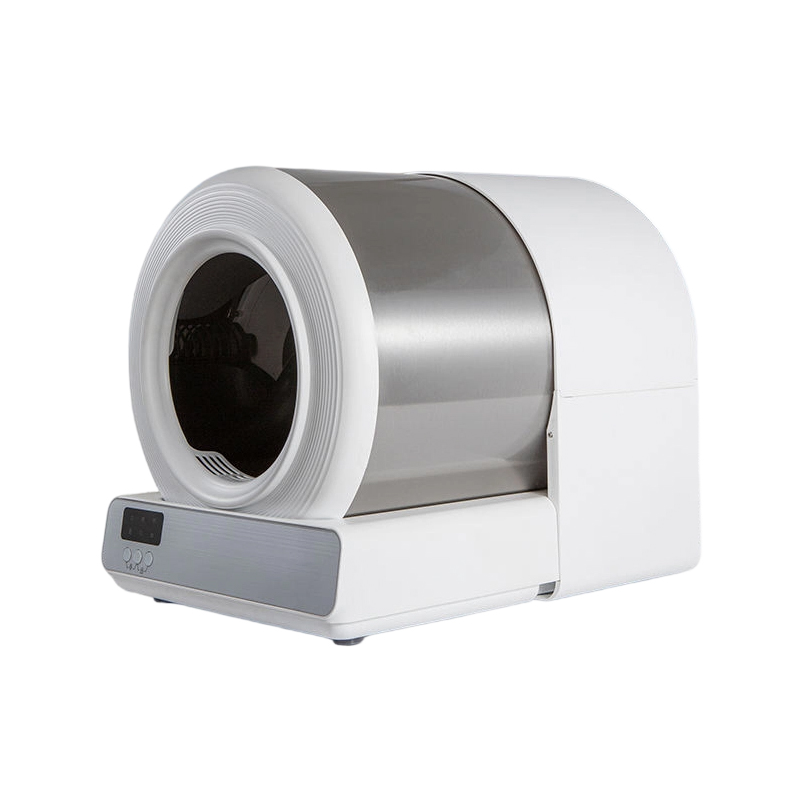
Cat Litter Tray For Multiple Cats Automatic Cat Litter Tray
Cat Litter Tray for Multiple Cats Automatic Cat Litter Tray – Product Features The high-pressure washable, safety-focused design facilitates compr...
View More -
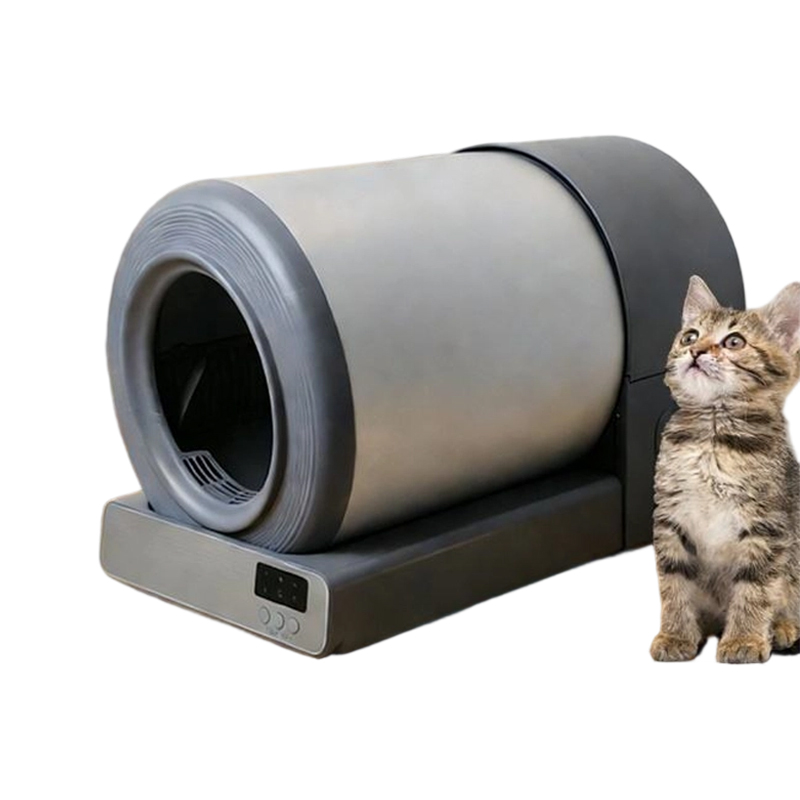
Self-Cleaning Stainless Steel Smart Cat Litter Tray
Self-Cleaning Stainless Steel Smart Cat Litter Tray – Product FeaturesThe preferred choice for non-profit organisations; compatible with open-top bi...
View More -
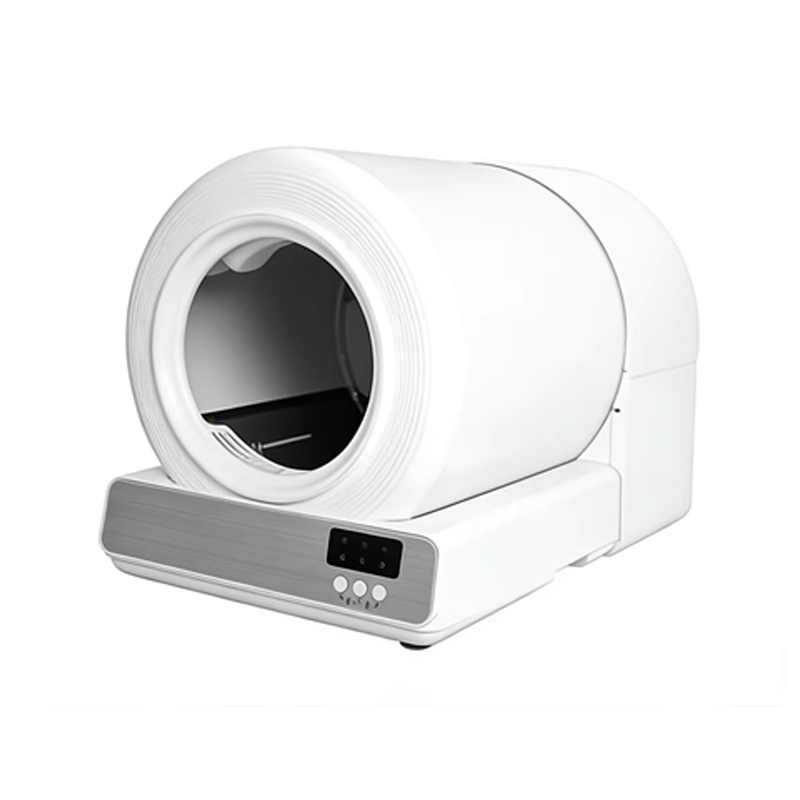
Second-Generation Fully Automatic Cat Litter Tray
Second-Generation Fully Automatic Cat Litter Tray – Product Features With a large 65-litre capacity, it easily accommodates a substantial amount of ...
View More -
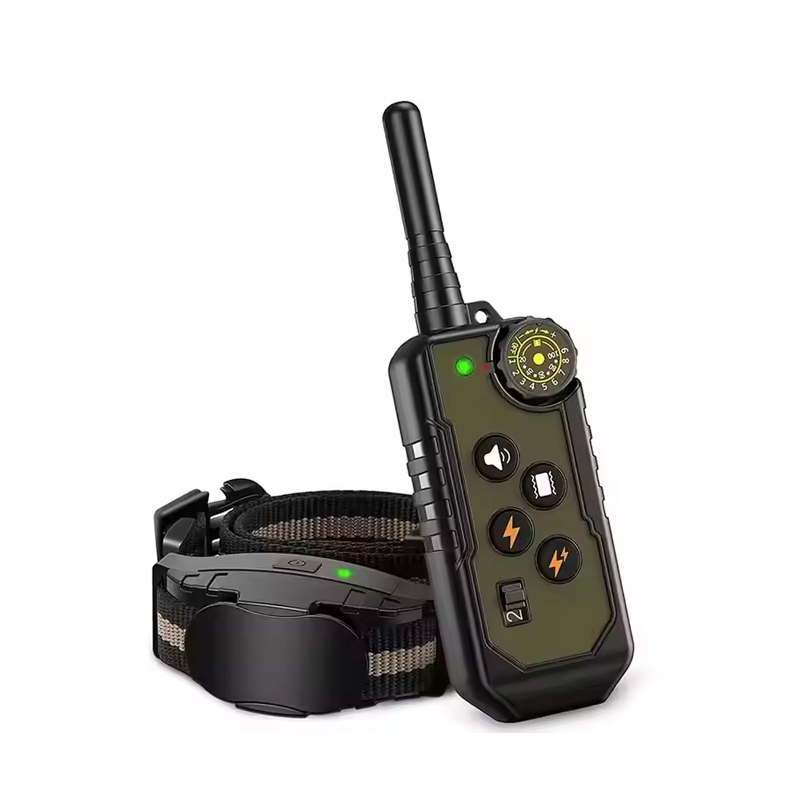
Multi-Mode Easy To Operate Training Shock Collar
The Multi-mode, easy-to-operate training Shock Collar is designed to provide a practical solution for owners seeking a safe and effective way to train...
View More -
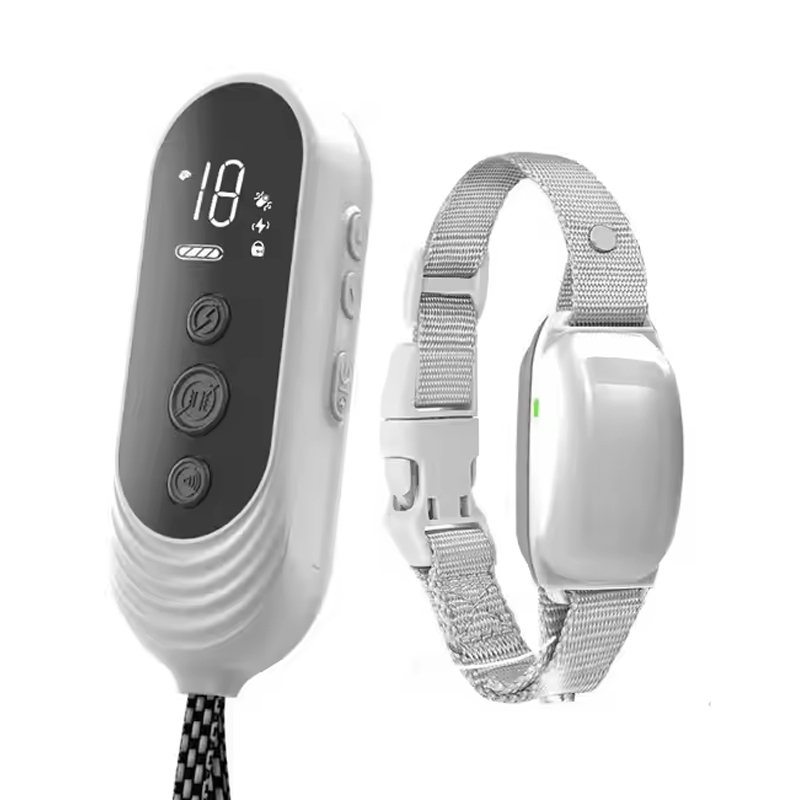
Waterproof Adjustable Polyester Training Shock Collar
The Waterproof Adjustable Polyester Training Shock Collar offers a reliable solution for pet owners seeking a versatile and durable collar to enhance ...
View More -
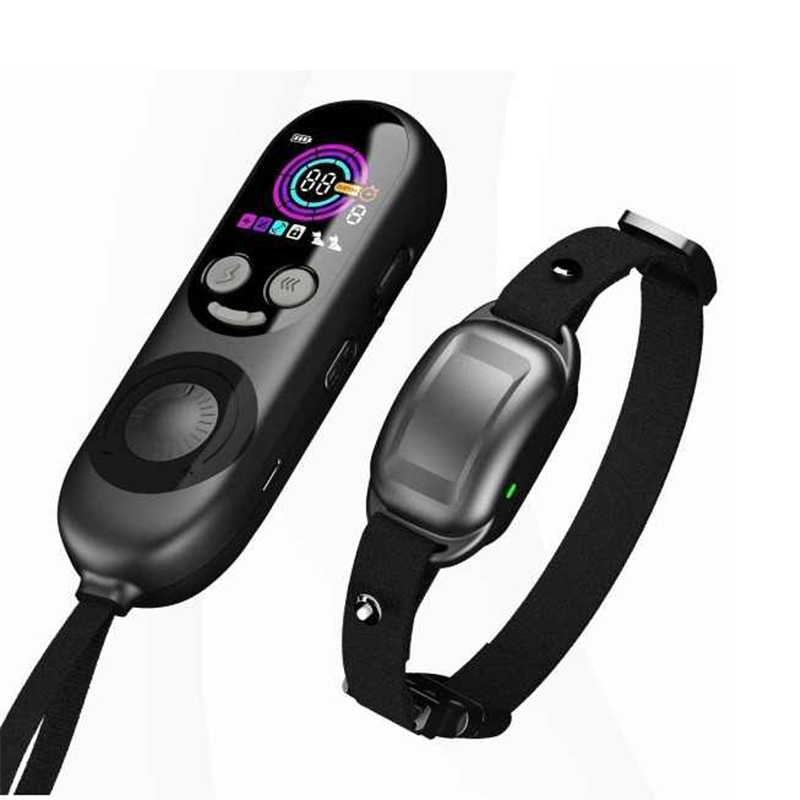
Display Remote Control Training Shock Collar
The Display Remote Control Training Shock Collar is designed to provide pet owners with a reliable and humane solution for training their dogs. Whethe...
View More -
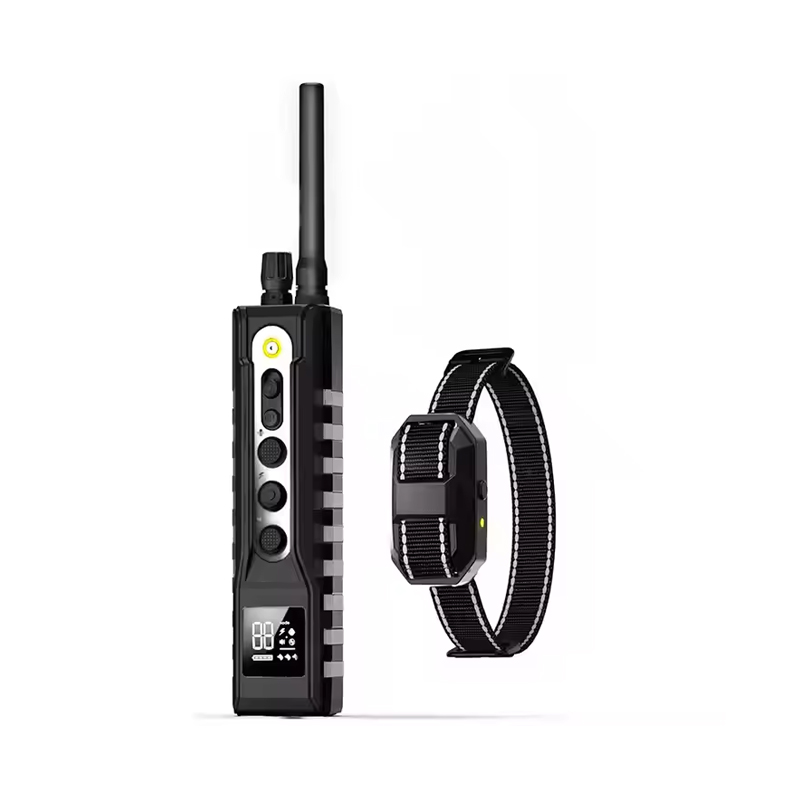
Multi-Function Long Distancetraining Shock Collar
The Multi-function Long Distance Training Shock Collar is a highly versatile tool designed to support your dog’s training across various environment...
View More -

Remote Control Waterproof Training Shock Collar
The Remote Control Waterproof Training Shock Collar is an advanced training tool designed to help pet owners effectively manage their dogs’ behavior...
View More
Pet Products
If you have any questions, please
get in touch with us.
+86-13486854214
E-mail: [email protected]
Address: No. 258, Qingchuan Road, Huzhen Town, Jinyun County, Lishui City, Zhejiang Province
Copyright © Zhejiang Beijing Technology Co., Ltd.

OEM/ODM Smart Pet Care Factory