
 EN
EN  English
 Español
 Français
 Deutsch
 Nederlands

- Type:
- Industry News
- Date:
- 2026-03-17

Industry News
How Do Intelligent Pet Water Dispenser Help Elderly or Sick Pets
Pets require consistent hydration to maintain health and vitality. For elderly or sick pets, drinking enough water can be a challenge. Reduced mobility, medical conditions, or cognitive decline may make it difficult for them to access or consume adequate water. Intelligent Pet Water Dispenser , particularly intelligent or automatic models, have become a practical solution to these challenges. They provide a steady supply of clean water, encourage regular drinking habits, and support overall wellness.
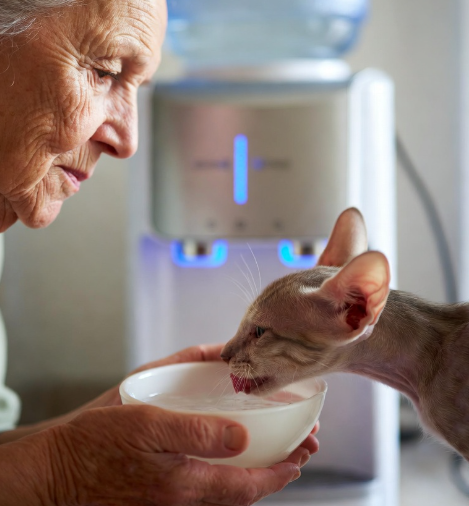
Understanding how water dispensers assist vulnerable pets involves exploring design features, health benefits, and behavioral support. Their impact goes beyond convenience, extending into improved pet care and quality of life.
How Do Water Dispensers Ensure Continuous Access to Water?
One of the key advantages of water dispensers is that they provide a constant supply of water. For elderly pets, whose mobility may be limited, access to water without relying on human intervention is crucial.
- Automated refilling systems maintain water levels.
- Elevated or ergonomically designed dispensers reduce strain when drinking.
- Large reservoirs ensure water is always available, minimizing the risk of dehydration.
Pets can drink whenever they feel thirsty, which is particularly important for sick animals who may not signal their need for water as clearly as healthy ones.
Features Supporting Continuous Hydration
| Feature | Benefit |
|---|---|
| Automatic refilling | Ensures water is always available |
| Elevated design | Easier access for pets with mobility issues |
| Large reservoir | Reduces frequency of manual refills |
By ensuring continuous access, water dispensers help maintain hydration and prevent complications associated with dehydration.
Can Water Dispensers Promote Proper Hydration for Sick Pets?
Water dispensers can be a practical tool for helping sick pets maintain the proper hydration levels that many illnesses demand, making it easier for them to drink enough without extra coaxing.
When pets are unwell—particularly with conditions like chronic kidney disease, urinary tract infections, diabetes, liver problems, or during recovery from dehydration, vomiting, diarrhea, or certain surgeries—veterinarians often stress the importance of steady fluid intake. It helps dilute toxins, supports kidney function, prevents dangerous dehydration, and ensures medications (especially oral ones) work as intended. A good water dispenser supports this goal through these everyday mechanisms:
- Moving water naturally encourages more frequent drinking Cats in particular, and many dogs too, respond strongly to the sight, sound, and feel of circulating or gently flowing water. It looks fresher, stays cooler longer, and feels more appealing than flat, still water in a bowl that can quickly taste stale or pick up dust and pet hair. The subtle motion in a fountain-style dispenser often prompts a sick or picky pet to approach and lap more regularly—and in greater volumes—than they would otherwise, which is exactly what's needed when their body requires extra fluids to cope with illness.
- Constantly refreshed and filtered water stays safer and more palatable A pet that's already feeling off may avoid drinking if the water smells or tastes questionable due to bacteria growth, food bits, saliva buildup, or environmental contaminants that accumulate fast in an open bowl. Dispensers with filtration systems and circulation keep the water cleaner for hours or even days longer, reducing the risk of introducing stomach upset or secondary infections. Cleaner water is more inviting, so the pet is less likely to turn away from it when hydration matters most.
- Built-in ways to track and control intake Many dispensers have clear, marked reservoirs or even app-connected monitoring that lets you see exactly how much has been consumed in a given timeframe. For pets under close veterinary supervision, where daily water intake needs to be logged or kept within certain limits (to avoid fluid overload in heart or kidney cases, for example), this visibility is invaluable. It helps you catch drops in drinking early—often a first sign that something's worsening—or confirm that hydration is on track, giving peace of mind and better data to share with the vet.
The payoff is straightforward: consistent, adequate hydration eases the workload on struggling organs, speeds toxin clearance, improves comfort during recovery, and helps treatments be more effective. For a pet owner caring for a sick animal at home, a water dispenser becomes a quiet, reliable ally—removing some of the guesswork and resistance around drinking, so the focus can stay on helping the pet feel better and heal.
How Do Water Dispensers Reduce Stress and Strain?
As pets age, they commonly face persistent problems including arthritis, painful or inflamed joints, reduced muscle power, and decreased range of motion. When they have to lower their head far down to a standard floor bowl, it often tugs on tender areas, demands awkward or contorted body positions, and exhausts them after only a short time.
A carefully engineered water dispenser directly counters these challenges with the following practical advantages:
- Higher drinking position (fixed elevation or adjustable settings) lets the pet maintain an upright, balanced standing posture while drinking, greatly decreasing pull and pressure on the neck vertebrae, shoulder muscles, spine, and hips.
- Extra-wide and substantial base design makes the dispenser very difficult to tip or displace, preventing startling crashes, sudden water spills, or unexpected shifts that can frighten or unsettle pets who are already more timid, vigilant, or sensitive to surprises.
- Smooth, tranquil water delivery—without noisy bubbling, forceful streams, or erratic splashing—provides a serene and predictable drinking experience, removing the kinds of abrupt sounds or wet splashes that frequently cause a pet to pause, pull back, or avoid the bowl altogether.
With far less physical strain involved and fewer startling or uncomfortable elements present, senior pets tend to approach the water more readily, drink a sufficient volume more consistently, and stay better hydrated—all with reduced discomfort, tension, or reluctance.
Do Water Dispensers Improve Water Quality and Safety?
Pets with compromised health—especially seniors or those recovering from illness—often have weaker immune defenses, making the purity and freshness of their drinking water far more critical. A water dispenser equipped with proper filtration and design features can noticeably improve both the safety and appeal of the water they consume.
Key ways these dispensers support better water quality include:
- Built-in filters actively strip out debris, chlorine, unpleasant tastes, and common odors, delivering cleaner and more palatable water that pets are more inclined to drink.
- Continuous or periodic water circulation keeps the supply moving rather than sitting still, greatly reducing the chance for stagnant pockets where bacteria, algae, or biofilm can develop.
- Removable, dishwasher-safe, or simple-to-disassemble parts make thorough cleaning straightforward and routine, so caregivers can maintain consistently hygienic conditions without excessive effort.
For pets already dealing with illness, age-related vulnerabilities, or a sensitive system, these enhancements in water freshness and cleanliness can play a meaningful role in supporting hydration, reducing the risk of ingesting harmful contaminants, and helping maintain overall well-being.
How Do Dispensers Encourage Healthy Drinking Habits?
Many older or unwell pets experience a weakened sense of thirst—they may not feel the urge to drink as quickly or as strongly as they once did, due to aging, certain medications, lower activity levels, or health conditions. This can lead to inconsistent or inadequate water intake without anyone noticing until problems arise. Purposefully designed water dispensers include features that quietly motivate pets to drink more often and more naturally.
These features encourage positive drinking behavior in practical ways:
- Subtle, flowing water motion—a light ripple, slow trickle, or gentle current—catches the pet's eye and taps into their natural attraction to moving water, making the dispenser more interesting and inviting than a static bowl. Pets often investigate and drink simply because the movement piques their curiosity.
- Several drinking zones or an open, approachable rim give pets flexibility to choose the most comfortable drinking spot—whether facing forward, slightly to the side, or at an angle that avoids straining stiff joints or sore areas—lowering any physical barrier that might discourage them from trying.
- Highly visible water level (through clear sides or an obvious surface) acts as a constant, gentle reminder that clean, fresh water is immediately available, prompting pets to stop by and take small sips throughout the day instead of waiting until thirst becomes urgent.
When drinking feels engaging, physically comfortable, and easy to notice, pets are more likely to return to the water regularly on their own. This gradual shift toward steadier, more frequent sipping helps create dependable hydration routines, supports better overall fluid balance, and reduces the likelihood of dehydration-related concerns such as urinary tract issues, kidney strain, or lethargy.
Are There Specific Designs for Pets With Special Needs?
Some pets require more specialized accommodations due to age or illness. Water dispensers offer designs tailored to these needs:
- Low-flow systems for pets with weak jaws or limited tongue strength.
- Non-slip bases for stability during use.
- Lightweight or movable units for repositioning closer to pets with restricted mobility.
Tailoring the water dispenser to a pet's abilities maximizes its effectiveness and encourages use.
Special Design Features for Vulnerable Pets
| Feature | Purpose |
|---|---|
| Low-flow water | Easier drinking for weak or small pets |
| Non-slip base | Prevents accidental tipping and stress |
| Adjustable height | Supports pets with limited mobility |
| Lightweight design | Allows repositioning closer to pets |
These adaptations ensure pets receive hydration without physical or mental strain, promoting overall well-being.
How Do Water Dispensers Support Caregivers?
Looking after an older pet, one with ongoing health issues, or a pet recovering from surgery or illness often includes the quiet responsibility of making sure they drink enough water each day. It's easy to miss subtle changes in intake when using a regular bowl—small sips scattered throughout the day, a sudden drop on a bad day, or simply forgetting to check during a hectic schedule. A reliable water dispenser takes much of that mental overhead away and replaces it with practical tools that make monitoring and upkeep feel manageable.
Dispensers support caregivers through these everyday conveniences:
- Substantial built-in tank capacity holds several days'worth of water (often 1–2 gallons or more depending on size), so refilling becomes a quick occasional task instead of a multiple-times-a-day chore. This reduces the chance of the bowl running dry unnoticed during work hours, travel, or sleep.
- Transparent reservoir walls, clear fill lines, or visible water level markings allow a fast visual check of how much has actually been used since the last refill—helping spot trends like "she drank less yesterday" or "he's been consistent this week" without guesswork or constant measurement.
- Select models offer connected features through a companion app, quietly sending a phone alert if the water drops below a safe threshold or if drinking activity appears unusually low or absent over a set period—providing timely peace of mind without requiring round-the-clock supervision.
Together, these elements turn hydration tracking from a source of worry into a more straightforward part of caregiving. Caregivers can respond more quickly to potential issues, feel reassured that their pet has constant access to fresh water, and focus less on routine checks and more on the time they actually spend with their companion—helping catch dehydration risks early and keep small problems from becoming bigger ones.
Can Water Dispensers Contribute to Recovery and Wellness?
Adequate hydration plays a role in recovery and long-term wellness for pets. Dispensers assist in this process by:
- Maintaining consistent fluid intake that supports metabolic and organ functions.
- Encouraging regular drinking to prevent urinary or kidney-related issues.
- Providing a stress-free drinking environment that complements recovery efforts.
In essence, intelligent water dispensers act as both a supportive tool for caregivers and a health aid for pets, ensuring hydration is maintained without additional stress.
Benefits of Water Dispensers for Elderly or Sick Pets
| Benefit | Description |
|---|---|
| Continuous hydration | Ensures pets always have water available |
| Reduced physical strain | Easy access for pets with limited mobility |
| Improved water quality | Clean and filtered water supports health |
| Encouraged drinking habits | Stimulates regular fluid intake |
| Caregiver support | Simplifies monitoring and maintenance |
Water dispensers integrate health, convenience, and behavior support, making them an important tool in the care of elderly or sick pets.
Related Products
-
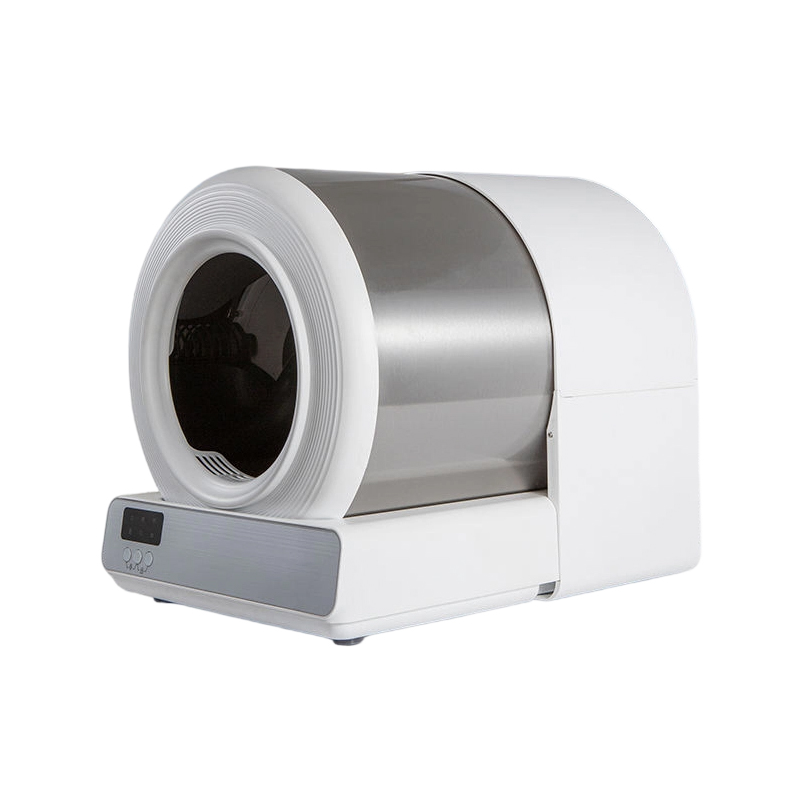
Cat Litter Tray For Multiple Cats Automatic Cat Litter Tray
Cat Litter Tray for Multiple Cats Automatic Cat Litter Tray – Product Features The high-pressure washable, safety-focused design facilitates compr...
View More -
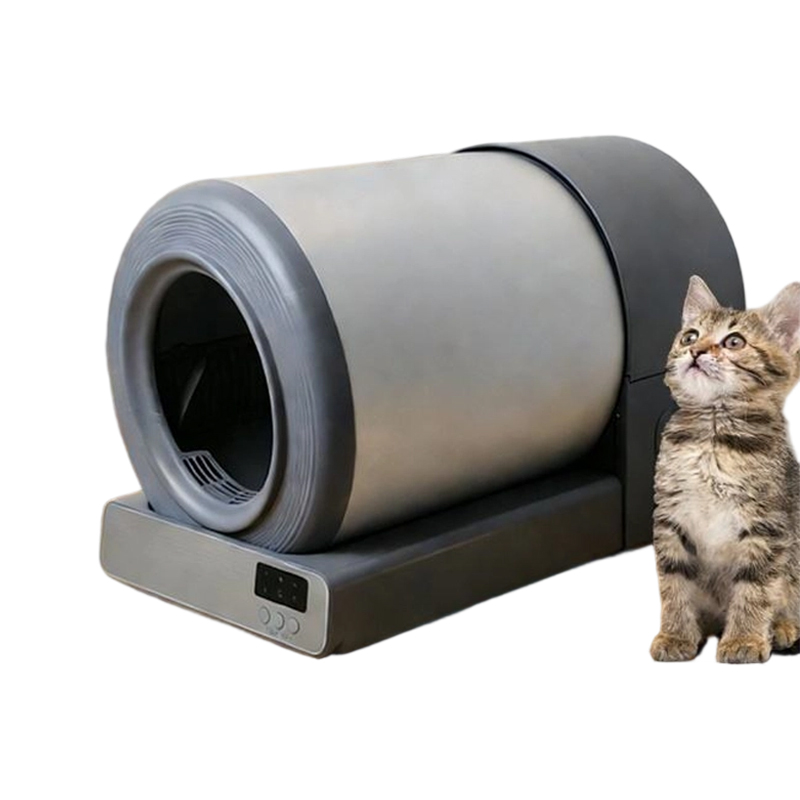
Self-Cleaning Stainless Steel Smart Cat Litter Tray
Self-Cleaning Stainless Steel Smart Cat Litter Tray – Product FeaturesThe preferred choice for non-profit organisations; compatible with open-top bi...
View More -
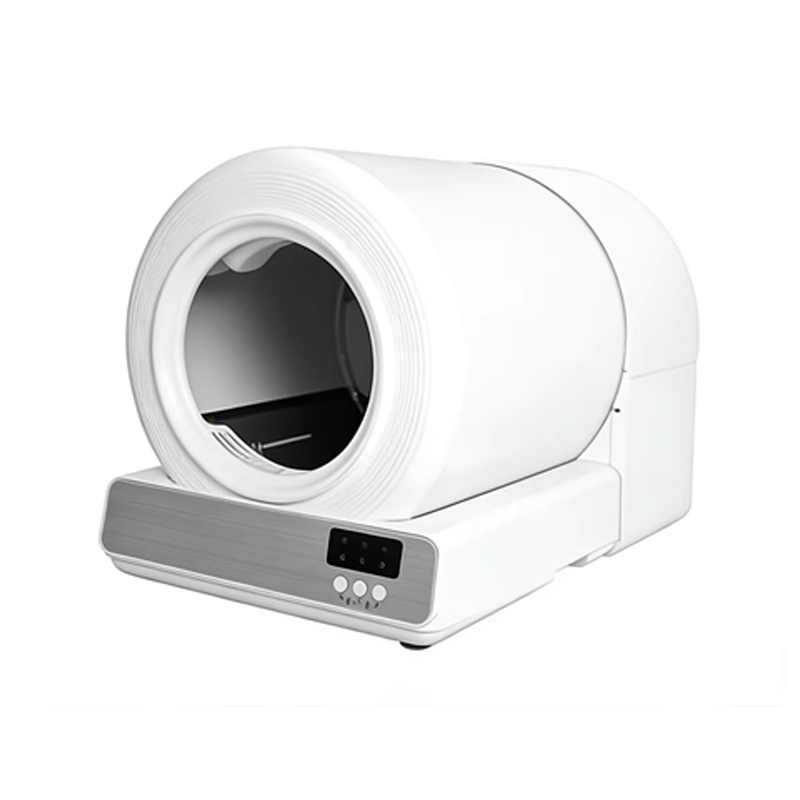
Second-Generation Fully Automatic Cat Litter Tray
Second-Generation Fully Automatic Cat Litter Tray – Product Features With a large 65-litre capacity, it easily accommodates a substantial amount of ...
View More -
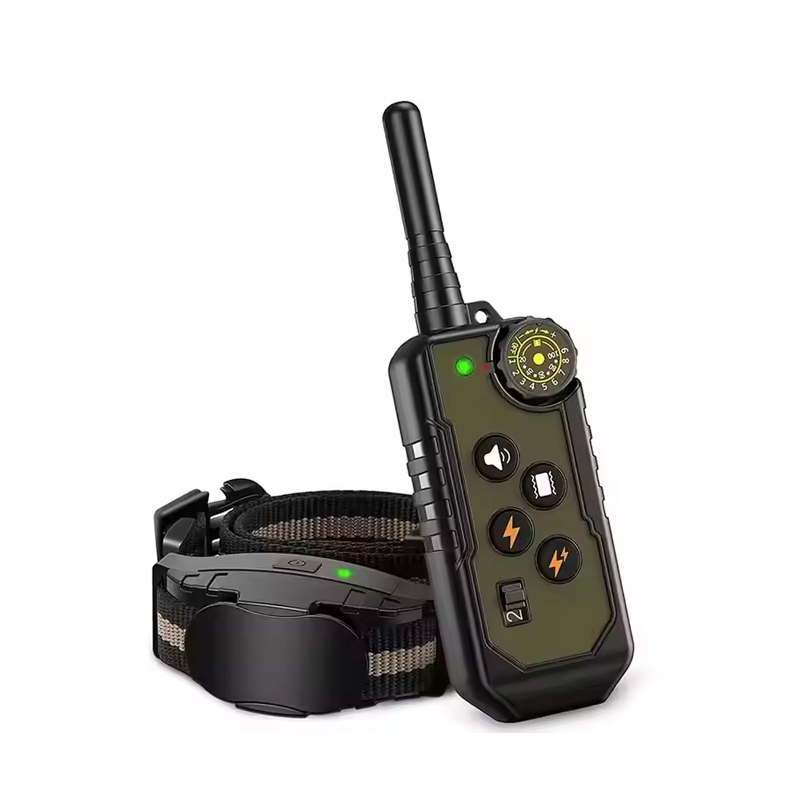
Multi-Mode Easy To Operate Training Shock Collar
The Multi-mode, easy-to-operate training Shock Collar is designed to provide a practical solution for owners seeking a safe and effective way to train...
View More -
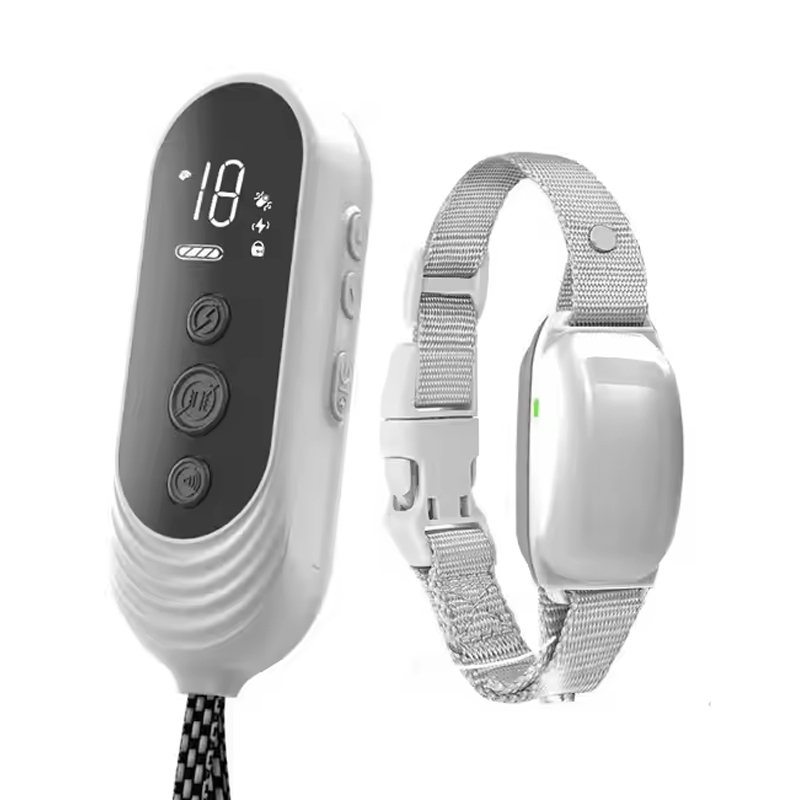
Waterproof Adjustable Polyester Training Shock Collar
The Waterproof Adjustable Polyester Training Shock Collar offers a reliable solution for pet owners seeking a versatile and durable collar to enhance ...
View More -
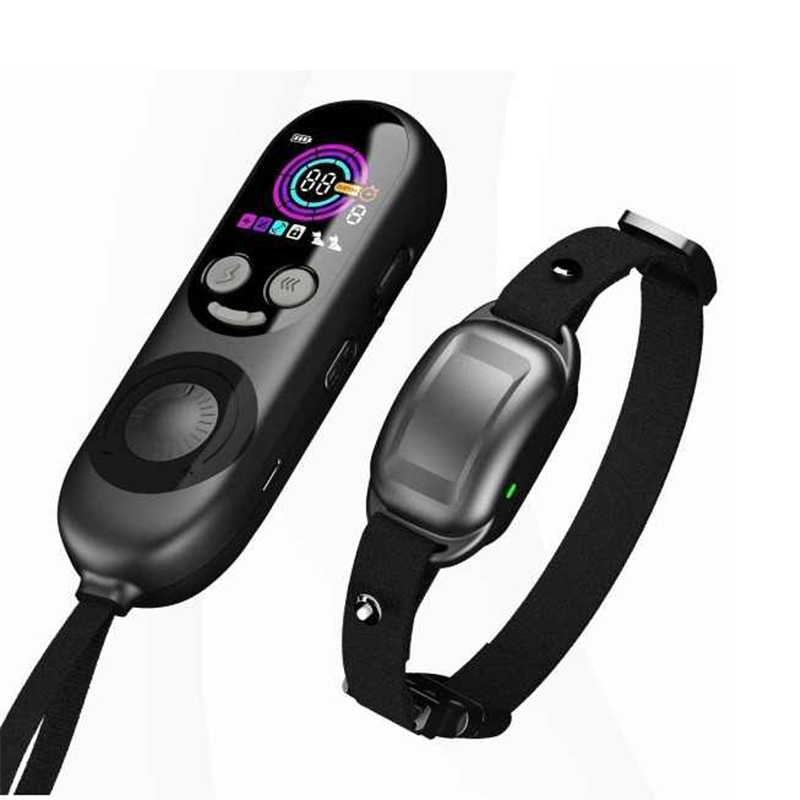
Display Remote Control Training Shock Collar
The Display Remote Control Training Shock Collar is designed to provide pet owners with a reliable and humane solution for training their dogs. Whethe...
View More -
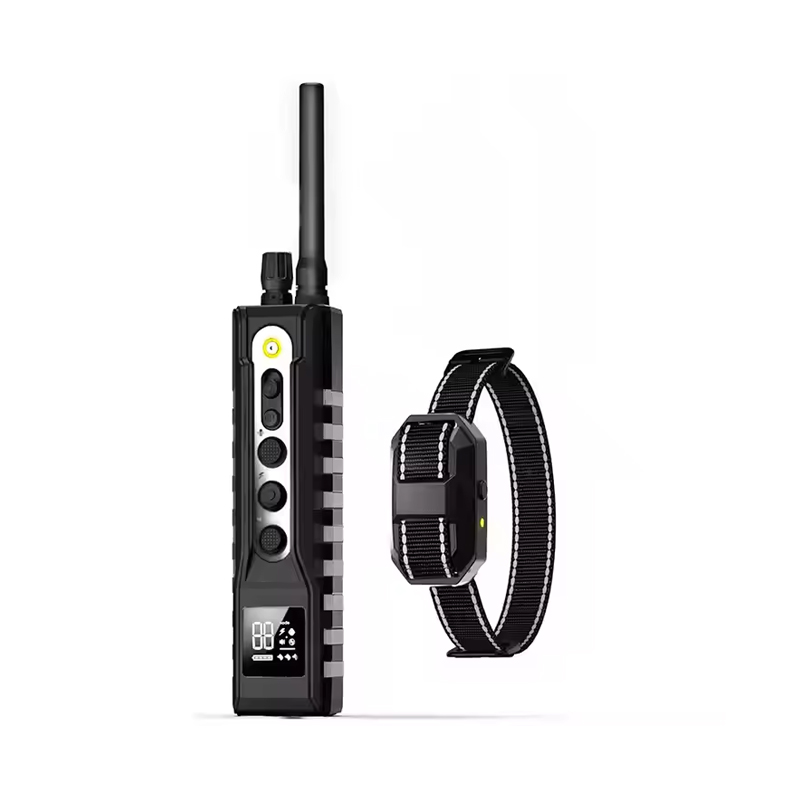
Multi-Function Long Distancetraining Shock Collar
The Multi-function Long Distance Training Shock Collar is a highly versatile tool designed to support your dog’s training across various environment...
View More -
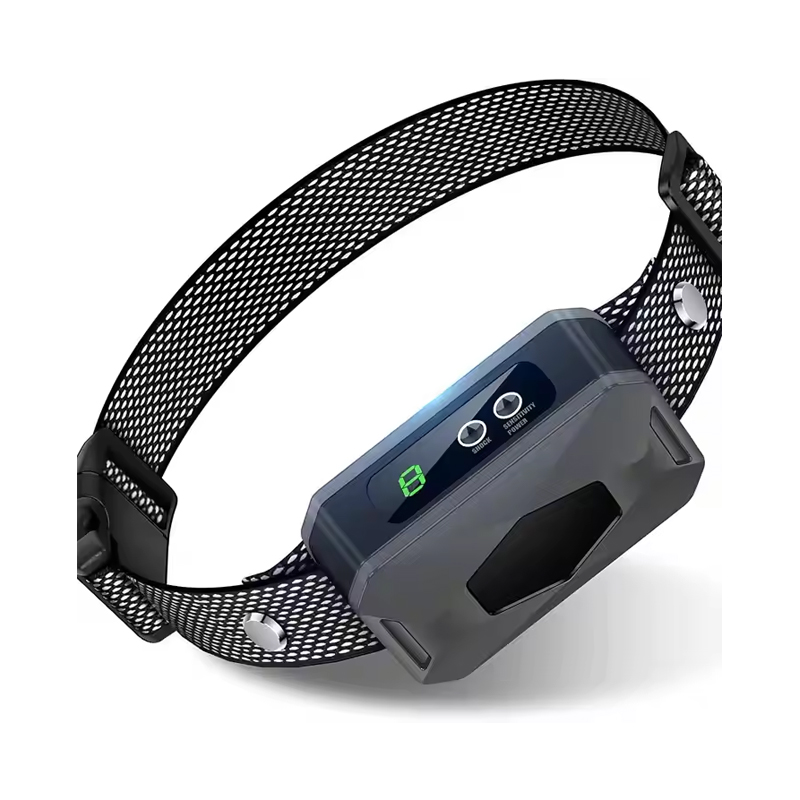
Remote Control Waterproof Training Shock Collar
The Remote Control Waterproof Training Shock Collar is an advanced training tool designed to help pet owners effectively manage their dogs’ behavior...
View More
Pet Products
If you have any questions, please
get in touch with us.
+86-13486854214
E-mail: [email protected]
Address: No. 258, Qingchuan Road, Huzhen Town, Jinyun County, Lishui City, Zhejiang Province
Copyright © Zhejiang Beijing Technology Co., Ltd.

OEM/ODM Smart Pet Care Factory