
 EN
EN  English
 Español
 Français
 Deutsch
 Nederlands

- Type:
- Industry News
- Date:
- 2026-03-20
Industry News
Home / News / Industry News / How Does a Cat Litter Box Automatic Cleaning Prevent Odors and Bacteria Growth

Maintaining a clean and hygienic environment for cats is a core concern for pet owners. Traditional litter boxes require frequent scooping and cleaning to prevent unpleasant odors and bacterial growth. Smart litter boxes have emerged as a solution, providing automated cleaning, odor control, and hygiene management. These devices combine technology with practical design to reduce the challenges of pet waste management while improving the health and comfort of both pets and owners.
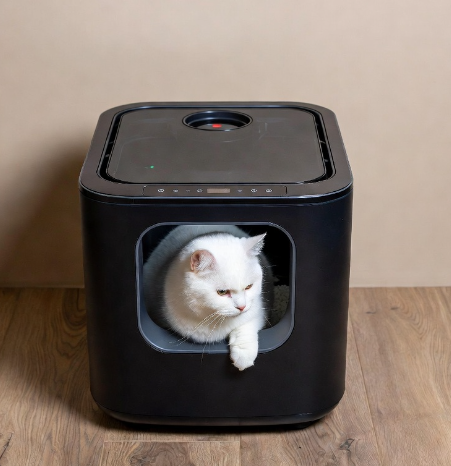
Understanding how smart litter boxes prevent odors and bacteria involves examining their design, mechanisms, and benefits. Their role extends beyond convenience; they are essential in promoting a cleaner, healthier living space for pets and humans alike.
One of the primary ways smart litter boxes manage odors is through automated waste removal. The system separates waste from clean litter soon after the cat uses it, minimizing the time for waste to sit and produce smells.
Automation eliminates prolonged exposure to waste, which is critical for odor control.
Mechanisms for Odor Reduction
| Mechanism | Function |
|---|---|
| Automated scooping | Removes waste quickly |
| Sealed compartments | Traps and isolates odor |
| Continuous monitoring | Ensures consistent cleanliness |
Smart litter boxes frequently come equipped with multi-stage filtration that directly addresses the two primary air-quality issues in any home with cats: lingering litter odors and floating microscopic particles. These systems pull air through specialized filters as they operate, actively scrubbing the environment rather than just hoping odors dissipate or dust settles on its own.
The filtration works through these core elements:
With consistent, active air cleaning right at the source, the space around the litter box stays significantly less odorous and less dusty. This creates a more pleasant and comfortable area for cats (who may otherwise avoid a smelly or dusty box) and reduces the everyday respiratory load on everyone in the household, making shared living feel fresher and easier on breathing for pets and people alike.
The choice of materials in a smart litter box has a major impact on how easily bacteria, mold, and stubborn odors can be kept under control. Materials that soak up moisture or have microscopic crevices can harbor waste residues and germs even after routine scooping, while the right surfaces make thorough cleaning straightforward and effective every time.
Superior hygiene comes from these material characteristics:
When manufacturers prioritize smooth, non-absorbent, and tough materials, the litter box becomes inherently more sanitary over its entire lifespan. This makes it simpler to keep bacterial levels low, prevents odors from lingering in the structure itself, and supports a consistently fresher, more comfortable space for the cat—helping discourage avoidance of the box, reducing the chance of skin or urinary irritation from a persistently unclean surface, and giving owners real confidence that the unit stays as clean as it looks day after day.
Smart litter boxes equipped with circulation systems—whether through rotating drums, self-raking tines, or automated sifting—actively move and refresh the litter shortly after every use. This built-in, gentle agitation stops the litter from remaining motionless and quickly turning into the warm, damp, odor-trapping mess that's so common in standard boxes left untouched for hours or days.
The regular motion provides these practical, everyday benefits:
By automatically preventing long periods of stillness, these smart systems interrupt the familiar progression of moisture accumulation, bacterial growth, and embedded odors that demand constant scooping and frequent deep cleans in traditional litter boxes. The litter remains noticeably drier and less pungent for extended stretches, the box needs significantly less manual intervention to stay sanitary, and cats benefit from a reliably clean, low-odor space that feels consistently welcoming—helping them use it confidently and without hesitation or avoidance.
Waste storage design is another important factor. Smart litter boxes often use sealed trays or drawers to contain used litter.
Proper waste containment limits bacterial growth outside the litter box and reduces the risk of cross-contamination.
Key Features Preventing Bacteria and Odor
| Feature | Purpose |
|---|---|
| Automated waste removal | Minimizes waste exposure time |
| Sealed storage | Contains odor and bacteria |
| Filter systems | Capture particles and neutralize smells |
| Circulation/raking | Distributes litter and reduces moisture |
Even the most advanced smart litter box relies on consistent human maintenance to stay truly effective over time. Automation handles the daily heavy lifting—scooping, circulating, filtering—but it can't fully replace the deep sanitizing that prevents hidden buildup of bacteria, embedded odors, or residue that slowly reduces performance. Regular cleaning ensures every automated feature continues to deliver its full benefits without compromise.
Smart litter boxes are intentionally built to make this upkeep straightforward and thorough, with these practical design advantages:
By making routine cleaning quick, effective, and hard to forget, these thoughtful features keep the entire system performing optimally long-term. Regular hands-on care preserves the automation's ability to control odors, manage bacteria, circulate litter efficiently, and maintain fresh air—resulting in a consistently cleaner, more reliable litter environment that stays sanitary, low-odor, and appealing to the cat for years rather than months.
When several cats share the same home, the litter box sees much heavier traffic—more frequent visits, greater total waste output, and a faster buildup of clumps, urine, and odors if the box isn't addressed promptly. Smart litter boxes are particularly well-equipped to manage this higher demand, keeping the area cleaner, less stressful, and more sanitary without requiring owners to hover and scoop constantly.
They deliver real advantages tailored to multi-cat dynamics:
The automation takes most of the daily burden off the owner—no more rushing home to scoop after every shift or worrying about overflow during weekends away. Cats benefit from reliably clean, low-odor boxes that remain inviting and low-stress to use, which helps preserve good litter habits across the group, minimizes marking or elimination issues outside the box, and fosters a calmer, healthier household atmosphere for both the pets and the people living with them.
Cats are naturally fastidious animals with strong instincts about where and how they eliminate—they prefer clean, private, low-stress spaces and can become hesitant or inconsistent if a box feels dirty, exposed, or uncomfortable. Smart litter boxes are engineered with these feline preferences in mind, using specific design choices to encourage reliable, complete use while keeping the surrounding area cleaner and more hygienic.
Key design features work together to align with natural cat behavior and boost overall sanitation:
By respecting how cats naturally behave—valuing privacy, cleanliness, ease of access, and minimal disruption—these design elements promote more consistent litter box use, better waste coverage, and far less mess outside the box. The result is a noticeably more hygienic setup: reduced bacterial spread from tracked litter, fewer odor escapes from incomplete burying or avoidance, and an overall cleaner, fresher home environment that keeps both cats and their owners more comfortable and content.
Smart litter boxes integrate automation, filtration, material selection, and thoughtful design to create a cleaner, healthier environment for pets and owners. They prevent odors and bacterial growth by addressing waste quickly, maintaining proper airflow, and encouraging consistent usage. The combination of technology and practical features makes these devices essential tools in modern pet care.
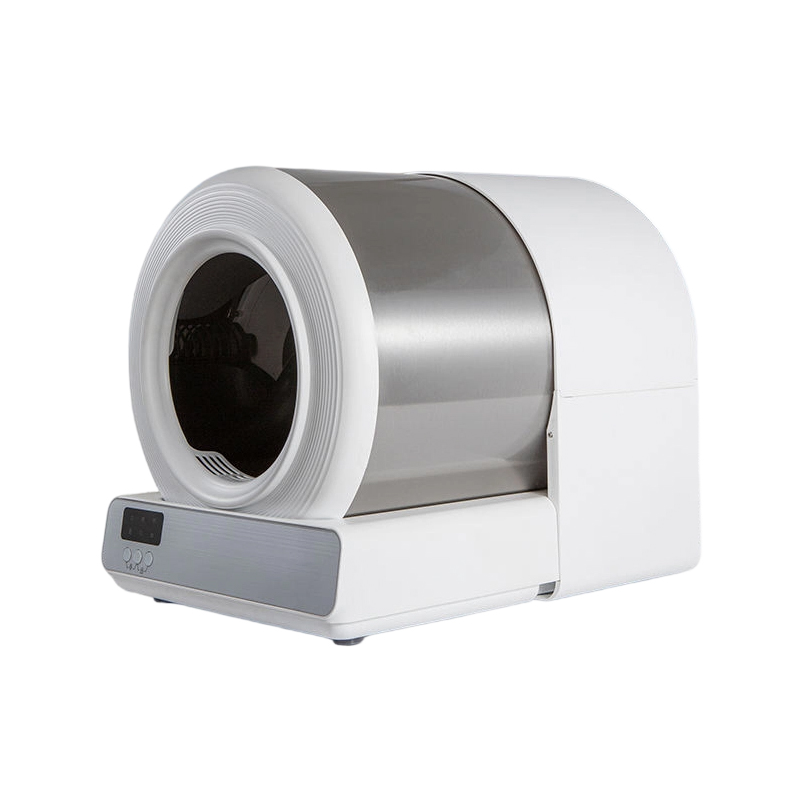
Cat Litter Tray for Multiple Cats Automatic Cat Litter Tray – Product Features The high-pressure washable, safety-focused design facilitates compr...
View More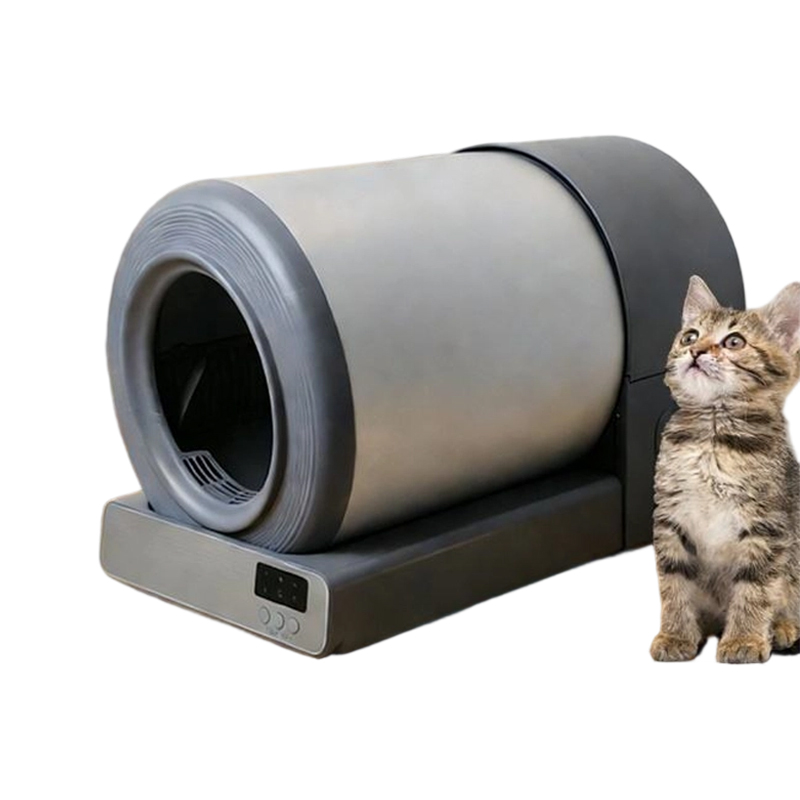
Self-Cleaning Stainless Steel Smart Cat Litter Tray – Product FeaturesThe preferred choice for non-profit organisations; compatible with open-top bi...
View More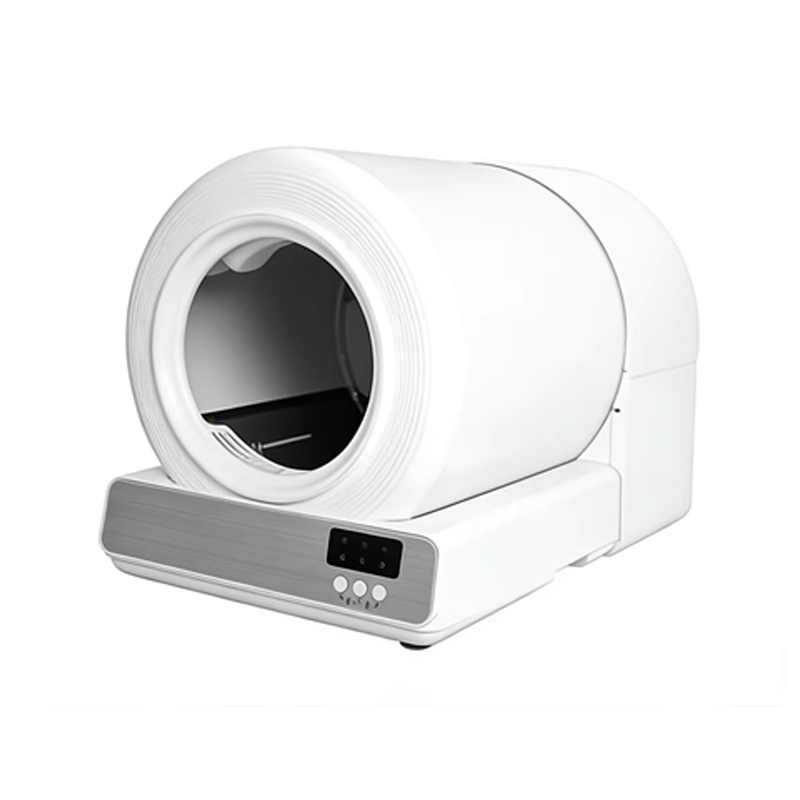
Second-Generation Fully Automatic Cat Litter Tray – Product Features With a large 65-litre capacity, it easily accommodates a substantial amount of ...
View More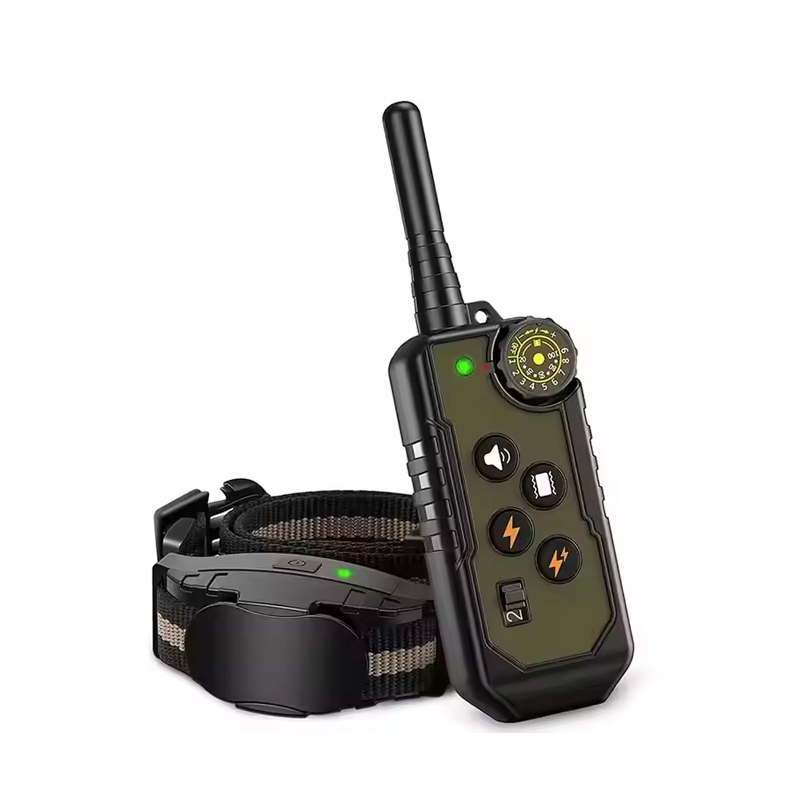
The Multi-mode, easy-to-operate training Shock Collar is designed to provide a practical solution for owners seeking a safe and effective way to train...
View More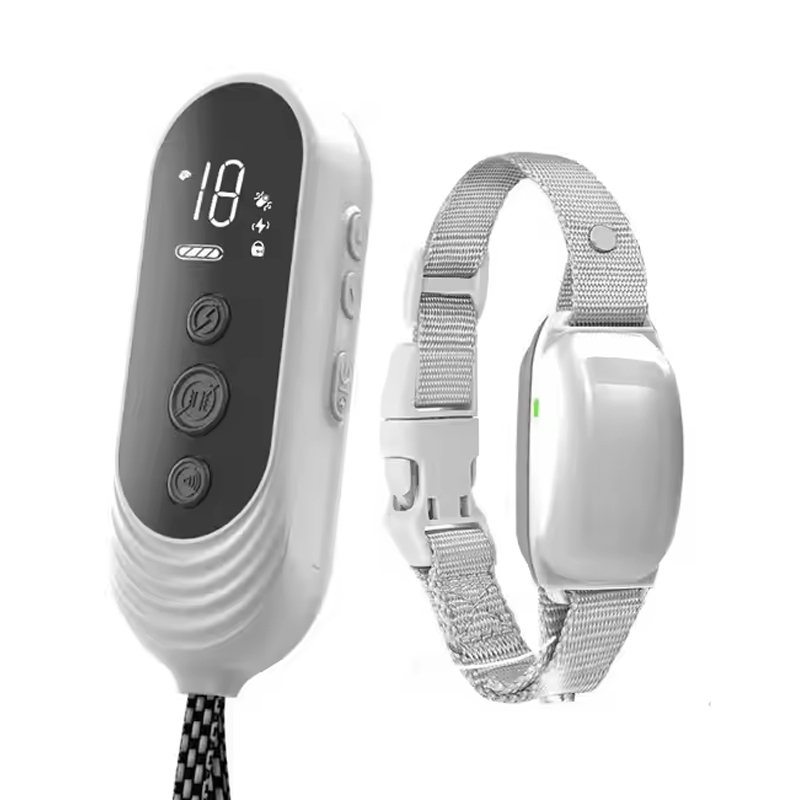
The Waterproof Adjustable Polyester Training Shock Collar offers a reliable solution for pet owners seeking a versatile and durable collar to enhance ...
View More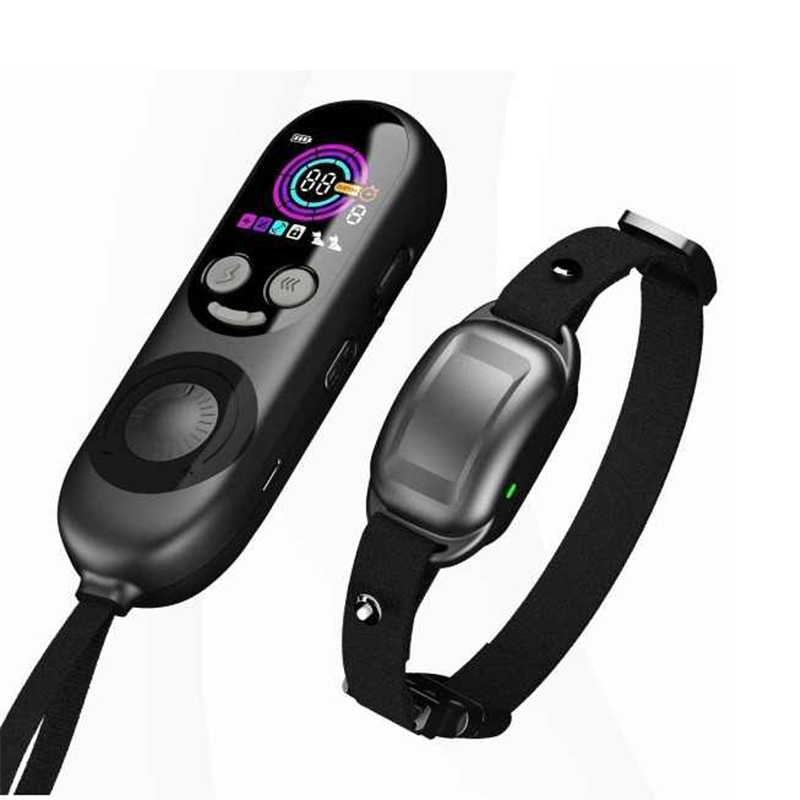
The Display Remote Control Training Shock Collar is designed to provide pet owners with a reliable and humane solution for training their dogs. Whethe...
View More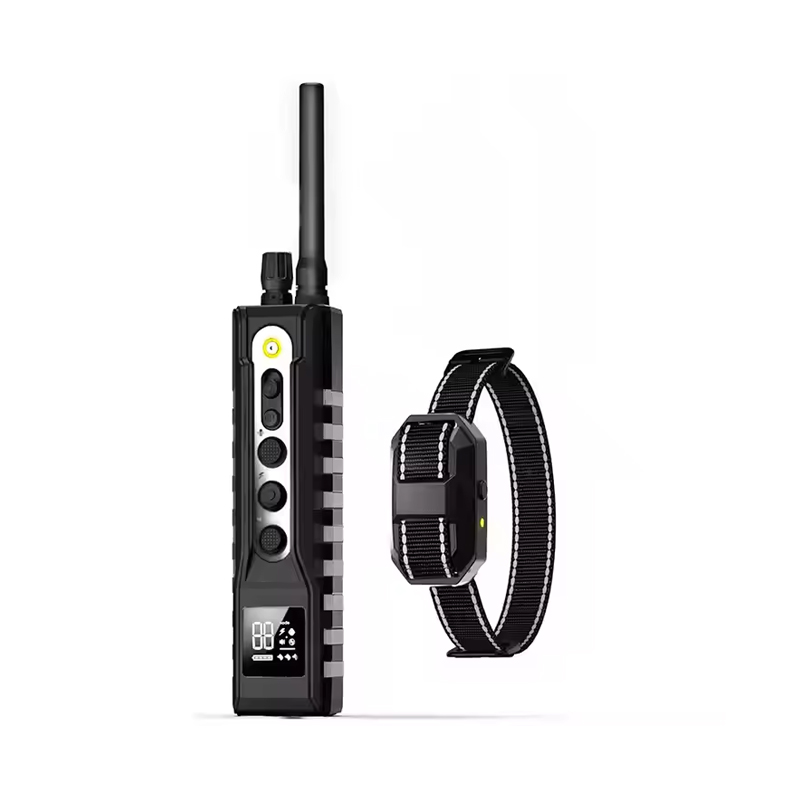
The Multi-function Long Distance Training Shock Collar is a highly versatile tool designed to support your dog’s training across various environment...
View More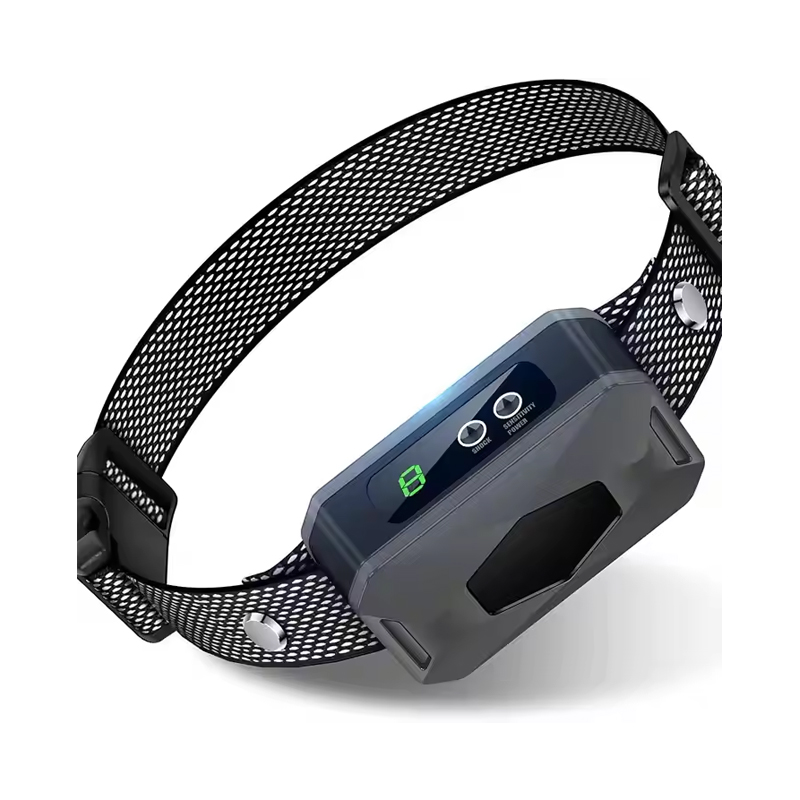
The Remote Control Waterproof Training Shock Collar is an advanced training tool designed to help pet owners effectively manage their dogs’ behavior...
View More
If you have any questions, please
get in touch with us.
E-mail: [email protected]
Address: No. 258, Qingchuan Road, Huzhen Town, Jinyun County, Lishui City, Zhejiang Province
Copyright © Zhejiang Beijing Technology Co., Ltd.

OEM/ODM Smart Pet Care Factory