
 EN
EN  English
 Español
 Français
 Deutsch
 Nederlands

- Type:
- Industry News
- Date:
- 2026-03-06

Industry News
How Do Pet Smart Appliances Make Daily Pet Care More Convenient
The rhythm of daily life is changing. Work schedules shift. Travel becomes frequent. Many households balance remote tasks with family duties. In this setting, pet care is also evolving. Traditional bowls, manual litter cleaning, and fixed feeding times no longer fit every routine.
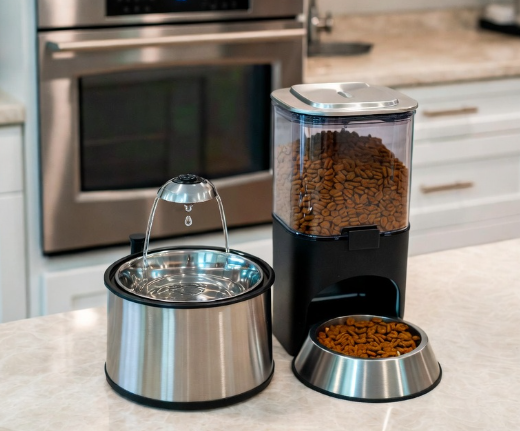
App-controlled pet devices are becoming part of modern homes. They connect feeding, hydration, hygiene, and monitoring to a mobile interface. With a few taps on a screen, owners can check, adjust, and respond. This shift is not about replacing human care. It is about supporting it.
Industry observers note that digital control systems are moving from luxury items to practical household tools. The focus is convenience, transparency, and routine stability.
Why Are Remote Controls Changing Daily Pet Care?
Many owners spend hours away from home. Even short errands can disrupt a feeding schedule. App-based devices allow interaction from a distance.A feeding plan can be adjusted during a meeting break. A water system can be checked while commuting. A camera view can offer reassurance during travel.This remote access reduces uncertainty. Instead of wondering whether a task was completed, the owner can confirm it through the application interface.
The convenience lies in three aspects:
- Time flexibility – Tasks no longer depend on physical presence.
- Real-time updates – Notifications provide awareness.
- Instant adjustment – Schedules can be modified without returning home.
The result is smoother coordination between personal life and pet responsibilities.
How Do Smart Feeding Systems Simplify Meal Management?
Feeding is a daily commitment. Consistency matters for animal well-being. Yet human routines are not always consistent.App-controlled feeders allow portion scheduling. Owners can set meal times in advance. If plans change, the feeding time can shift with a simple command.Some systems also provide reminders. This reduces the chance of missed meals. It also supports controlled feeding habits.
Below is a general comparison between traditional and app-managed feeding approaches:
| Aspect | Traditional Feeding | App-Controlled Feeding |
|---|---|---|
| Schedule Adjustment | Manual | Remote via mobile app |
| Portion Monitoring | Visual estimation | Digital tracking |
| Missed Meal Risk | Possible during absence | Reduced with alerts |
| Flexibility | Limited | Adaptable anytime |
The convenience is not only in automation. It is in oversight. Owners remain involved, even when away.
Can Mobile Monitoring Ease Worry?
Pet cameras linked to smartphone apps let owners see their animals in real time, no matter where they are. This instant visual check helps answer one of the most common worries: what's my pet doing while I'm away?
Watching throughout the day often shows consistent patterns. Many pets simply relax and sleep for much of the time. Others might wander around, play with toys, or make occasional sounds. Being able to observe these normal behaviors directly helps build reassurance and a continued feeling of closeness.
In some setups, two-way audio adds another layer of connection. Speaking a few calm words or making a familiar sound can sometimes soothe a restless or stressed pet. While this kind of brief contact isn't a full substitute for in-person presence and affection, it can still offer meaningful comfort in the moment.
Beyond emotional benefits, these monitoring tools also improve safety awareness. Unusual activity—such as excessive pacing, repeated attempts to reach something unsafe, or signs of distress—becomes noticeable right away. That early detection can prompt faster action when needed.
The convenience of mobile pet monitoring delivers both practical supervision and significant emotional relief for owners who care deeply about their animals' well-being.
How Do Smart Water Systems Support Hydration?
While feeding tends to get most of the attention, keeping pets properly hydrated is just as critical for their health. App-connected water fountains and dispensers give owners a convenient way to stay on top of their pet's water access from anywhere.
These devices send real-time status updates directly to your phone. If the water level is low, the filter needs replacing, or it's time for a thorough cleaning, you receive a clear notification. This takes away the uncertainty of "Is the bowl still full?" and makes it much easier to maintain consistent care.
Many smart water systems feature built-in circulation to keep water fresh and moving. Through the companion app, owners can view usage patterns over the day—such as how often the pet drinks and at what times. This insight helps confirm that the animal is staying hydrated rather than depending solely on a quick glance at the bowl.
Digital alerts add a layer of reliable, structured monitoring that goes beyond casual visual checks. The result is greater peace of mind and more proactive support for one of the most essential aspects of pet wellness: consistent, clean water intake.
What Role Does Automation Play in Litter and Hygiene Management?
Cleaning tasks are time-consuming. For cat owners, litter maintenance is a daily routine. App-controlled cleaning systems introduce automation into this process.A self-operating cycle may activate after use. Some devices allow manual activation through the mobile interface. Owners can trigger a cleaning cycle before returning home.Notifications about waste levels or maintenance needs can also appear in the app. This creates a more predictable cleaning routine.The convenience here lies in reduced manual handling. It also supports hygiene consistency.
Key benefits include:
- Scheduled cleaning cycles
- Remote activation
- Maintenance reminders
- Reduced odor accumulation
While physical maintenance is still required, digital management reduces uncertainty and timing pressure.
How Do Notifications Improve Routine Awareness?
One overlooked advantage of app-based devices is structured communication. The system sends alerts when action is required.
Examples include:
- Meal dispensed
- Water level low
- Cleaning cycle completed
- Device requires attention
These alerts function as reminders. They reduce reliance on memory.Busy households benefit from automated prompts. Owners can address tasks promptly rather than discovering issues later.Notification systems also promote shared responsibility. Multiple family members can access the same app. Each person stays informed.
Are App-Controlled Devices Supporting Data-Driven Care?
Many modern pet devices automatically save detailed usage history right in the connected app. Records of feeding sessions, water dispensing cycles, filter changes, and cleaning intervals are all tracked and easy to review.
This built-in historical overview lets owners spot meaningful patterns that might otherwise go unnoticed. For example, you might see a slow but steady decrease in how much a pet eats at certain times of day, or notice changes in drinking frequency that align with shifts in activity levels. These gradual trends can stand out clearly when viewed over days or weeks.
While nothing takes the place of a veterinarian's professional evaluation for any real health questions, having this consistent, objective data provides valuable extra context. Small changes in routine or consumption that are hard to catch through casual daily observation often become obvious in the app's logs.
Access to this information turns routine pet care into something more intentional and informed. The data doesn't replace hands-on attention or direct interaction—it works alongside them, helping owners make better decisions based on actual trends rather than just day-to-day impressions.
What About Integration With Smart Homes?
App-controlled pet devices are increasingly designed to work seamlessly with the rest of your smart home ecosystem. They can connect to voice assistants like Alexa or Google Home, as well as automation platforms, allowing pet care tasks to sync up with everyday household routines.
For instance, you might set up an evening wind-down routine that automatically dims the living room lights, plays soft background sounds, and at the same time triggers the pet feeder to dispense dinner at the usual time. In the morning, the same automation could include a quick voice announcement or app notification confirming that the feeder delivered breakfast on schedule, the water fountain is running, or the litter box cycle completed successfully.
This kind of integration makes pet care feel less like an extra chore on a separate list. Instead of managing pet devices in isolation, they become part of the natural rhythm of the household—happening alongside turning off lights, adjusting the thermostat, or starting the coffee maker.
The real advantage comes from this cooperation: when tools talk to each other and operate as a unified system, daily life becomes smoother and more convenient for both you and your pet. Pet responsibilities blend into the background of home automation rather than standing out as standalone tasks.
Do These Devices Change the Owner–Pet Relationship?
A common concern people raise is whether automated pet-care tools might pull owners away from their animals, making the relationship feel less personal because hands-on tasks get handed off to machines. From what many pet owners actually experience, though, the impact tends to go the other way.
These devices quietly handle the repetitive, time-bound jobs—dispensing exact portions of food at scheduled times, circulating and filtering water so it stays fresh, or running routine maintenance cycles without anyone needing to intervene constantly. That reliability takes away the pressure of hurrying home just to make sure everything is done right, or feeling guilty when life gets in the way of perfect timing.
With those everyday logistics managed automatically, owners often find they have more breathing room—both in their schedules and in their heads. That extra time and mental energy frequently turns into better, more present interactions: drawn-out play sessions with toys, relaxed grooming that isn't squeezed between other tasks, longer or more leisurely walks, cozy lap time, or just sitting together enjoying each other's company without the background hum of "I still need to refill the bowl."
Automation doesn't remove care or effort from the picture; it simply redirects it. The basics become predictable and low-stress, which clears space for the parts of pet ownership that truly build the bond—affection, patience, laughter, trust, and undivided attention.
At its heart, the relationship remains deeply human and uniquely personal. What shifts is the emphasis: routine chores fade into dependable background support, letting the emotional, joyful, and connective moments come forward more consistently and more meaningfully. In many cases, these tools don't weaken the connection—they actually make room for it to grow stronger.
How Is the Industry Responding to Changing Lifestyles?
Pet ownership patterns are shifting. Urban living spaces are smaller. Work environments are more flexible yet demanding. Travel is common.
Manufacturers are responding with connected solutions. Simplicity of interface has become a priority. Clear instructions and intuitive controls matter more than complex features.
Design trends reflect this shift:
- Clean application layouts
- Easy device pairing
- Remote updates
- Multi-user access
The goal is seamless use. If a device requires constant troubleshooting, it loses its value. Industry development now emphasizes reliability and user-friendly design.
What Challenges Remain?
Despite convenience gains, app-controlled systems require stable internet access. Power interruptions may affect performance. Owners still need to maintain devices physically.
Responsible use is essential. Automation should not replace regular in-person observation. Digital tools support care but cannot interpret every subtle sign.
Manufacturers continue to refine software stability and device durability. Consumers are encouraged to review product instructions carefully and maintain realistic expectations.
A Glimpse Into the Everyday Impact
Consider a typical weekday. An owner leaves for work. During lunch, a notification confirms that a meal has been dispensed. Later in the afternoon, the water system sends a maintenance reminder. Before heading home, the owner activates a litter cleaning cycle through the app.
No rushing. No uncertainty. Tasks are handled in rhythm with daily life.
The convenience does not come from novelty. It comes from structure and visibility.As app-controlled pet devices continue to evolve, they reflect a broader movement toward connected living. Pet care becomes integrated into digital routines. Responsibilities remain, but they are easier to manage within modern schedules.In homes where time is fragmented and attention divided, structured digital tools offer practical support. Through remote access, automated reminders, and integrated monitoring, app-controlled devices reshape how daily care is organized.
Related Products
-
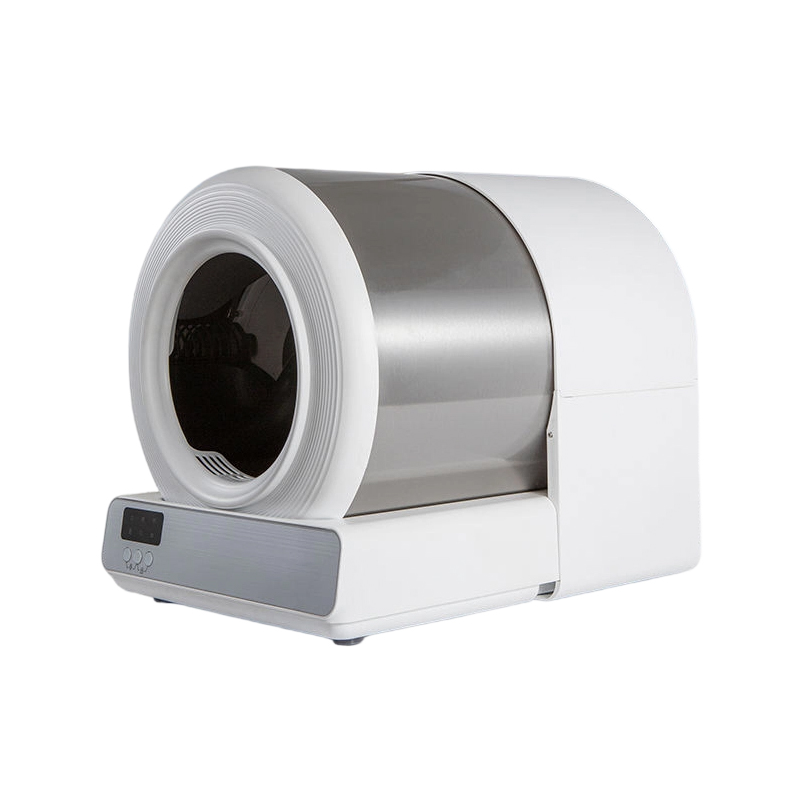
Cat Litter Tray For Multiple Cats Automatic Cat Litter Tray
Cat Litter Tray for Multiple Cats Automatic Cat Litter Tray – Product Features The high-pressure washable, safety-focused design facilitates compr...
View More -
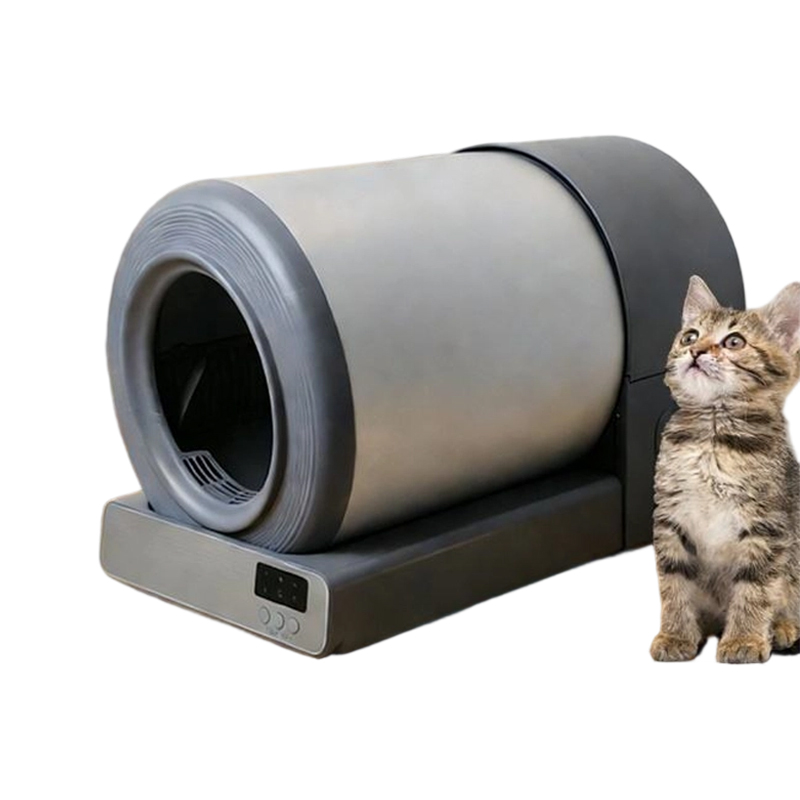
Self-Cleaning Stainless Steel Smart Cat Litter Tray
Self-Cleaning Stainless Steel Smart Cat Litter Tray – Product FeaturesThe preferred choice for non-profit organisations; compatible with open-top bi...
View More -
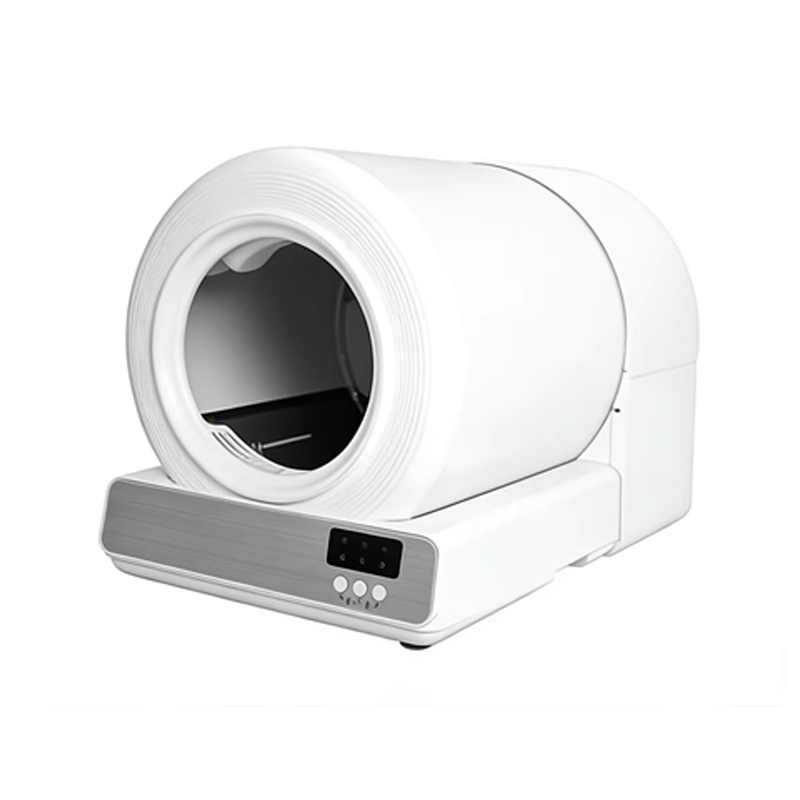
Second-Generation Fully Automatic Cat Litter Tray
Second-Generation Fully Automatic Cat Litter Tray – Product Features With a large 65-litre capacity, it easily accommodates a substantial amount of ...
View More -
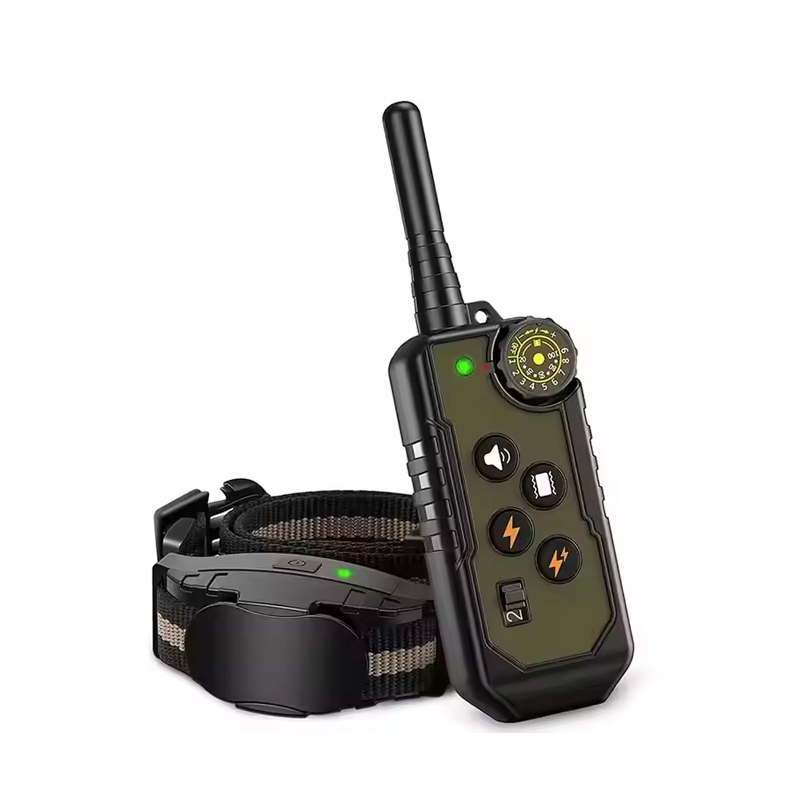
Multi-Mode Easy To Operate Training Shock Collar
The Multi-mode, easy-to-operate training Shock Collar is designed to provide a practical solution for owners seeking a safe and effective way to train...
View More -
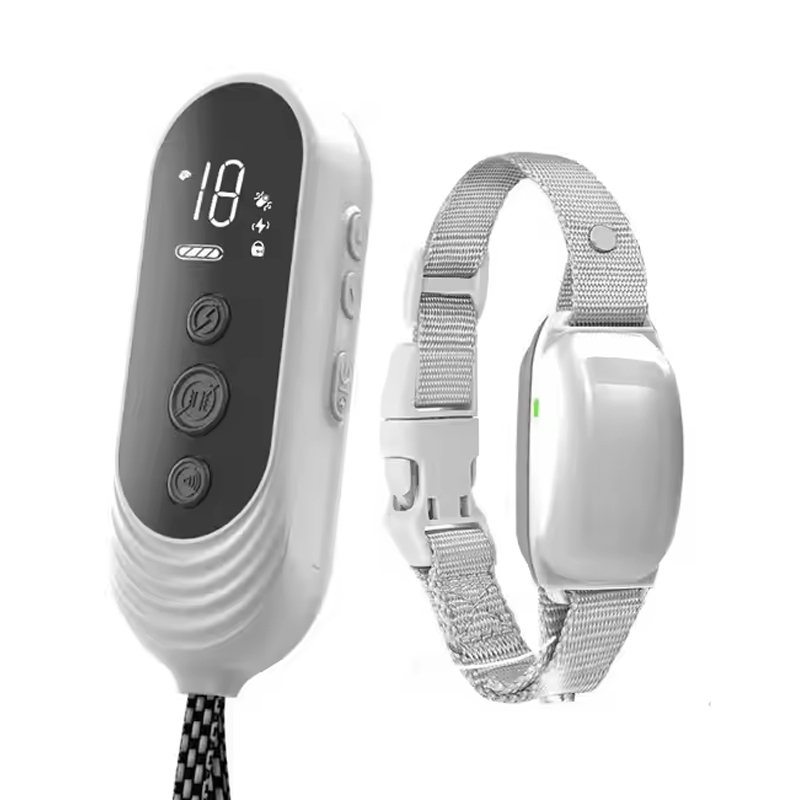
Waterproof Adjustable Polyester Training Shock Collar
The Waterproof Adjustable Polyester Training Shock Collar offers a reliable solution for pet owners seeking a versatile and durable collar to enhance ...
View More -
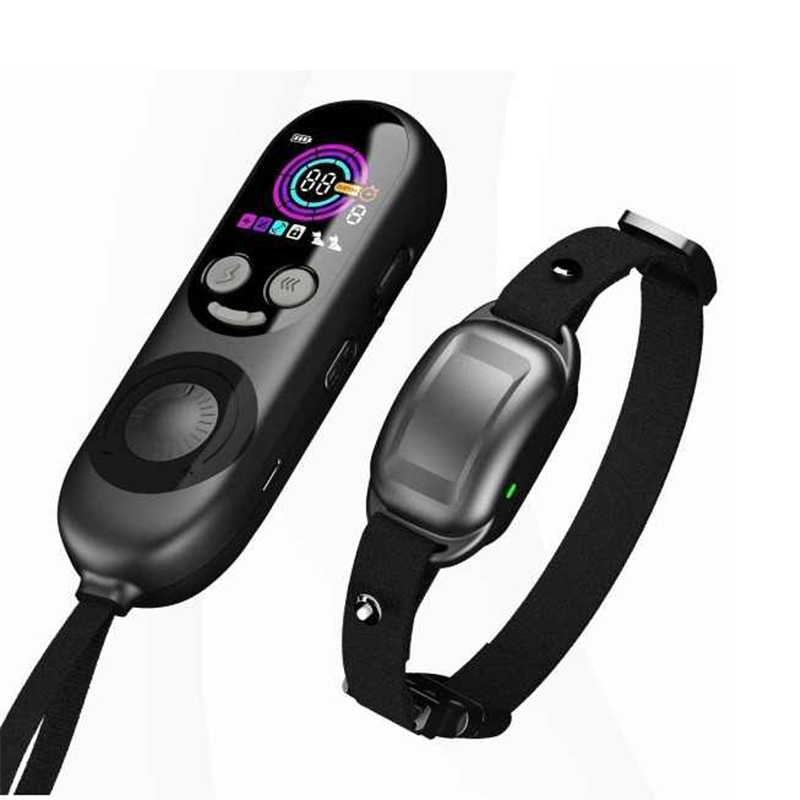
Display Remote Control Training Shock Collar
The Display Remote Control Training Shock Collar is designed to provide pet owners with a reliable and humane solution for training their dogs. Whethe...
View More -
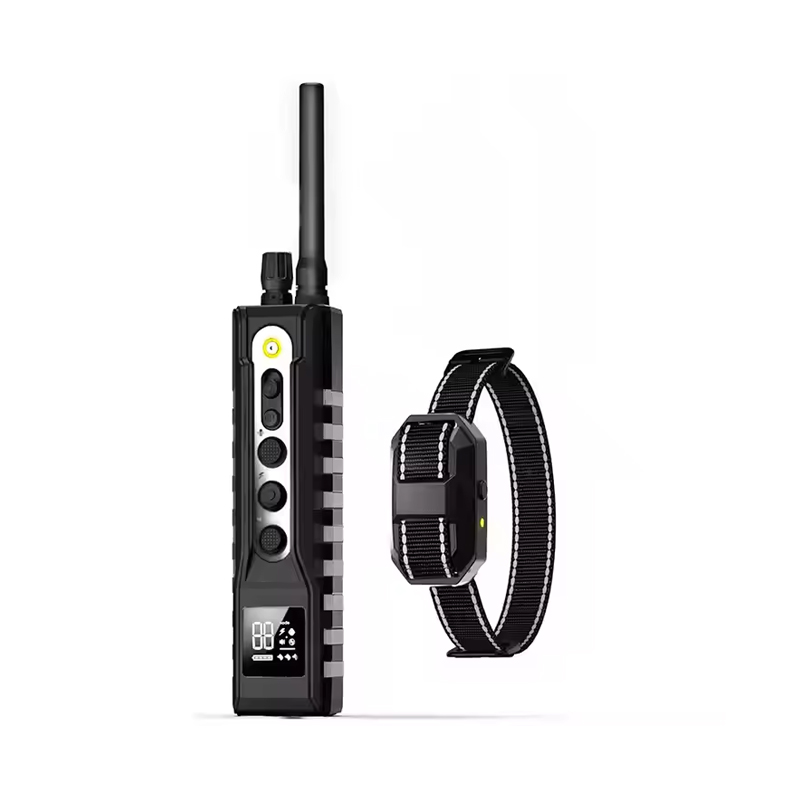
Multi-Function Long Distancetraining Shock Collar
The Multi-function Long Distance Training Shock Collar is a highly versatile tool designed to support your dog’s training across various environment...
View More -
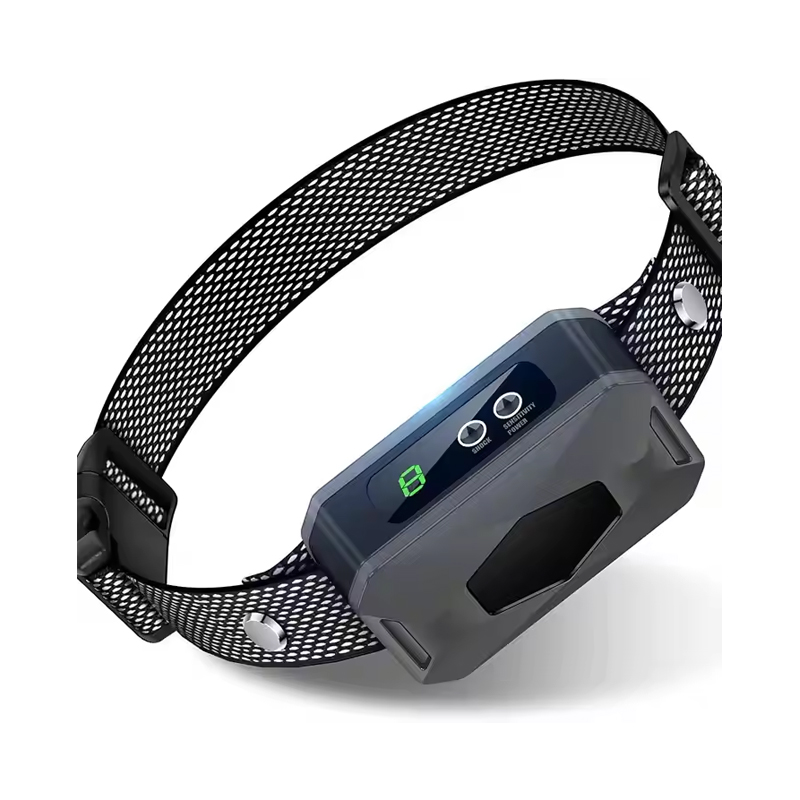
Remote Control Waterproof Training Shock Collar
The Remote Control Waterproof Training Shock Collar is an advanced training tool designed to help pet owners effectively manage their dogs’ behavior...
View More
Pet Products
If you have any questions, please
get in touch with us.
+86-13486854214
E-mail: [email protected]
Address: No. 258, Qingchuan Road, Huzhen Town, Jinyun County, Lishui City, Zhejiang Province
Copyright © Zhejiang Beijing Technology Co., Ltd.

OEM/ODM Smart Pet Care Factory