
 EN
EN  English
 Español
 Français
 Deutsch
 Nederlands

- Type:
- Industry News
- Date:
- 2026-03-10

Industry News
Why Is a Pet Brush Important During Seasonal Coat Changes
Seasonal shedding is part of life for many dogs and cats. As temperatures shift, coats adjust. Fur loosens. Strands collect on floors, clothing, and furniture. Owners notice the change quickly.
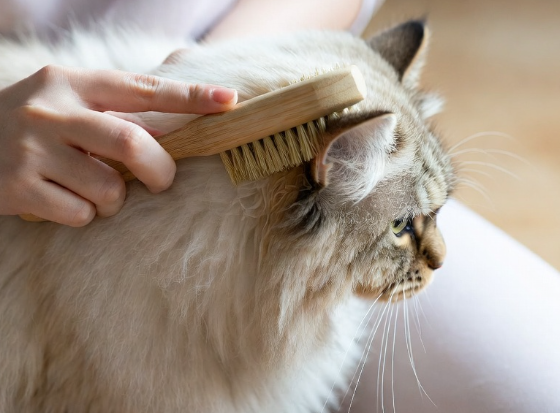
In response, grooming routines often become more frequent. Among the many tools available, the pet brush remains a simple yet practical solution. Industry discussions around grooming products show renewed attention on brushing habits during heavy shedding periods. The focus is not only on cleanliness, but also on skin comfort, coat health, and household management.
Why Does Seasonal Shedding Happen?
Pets shed seasonally because their coats naturally adjust to the changing seasons. Shifts in daylight length and outdoor temperatures signal the body to swap out fur for better comfort and protection. In spring, as days grow longer and warmer, the thick winter undercoat loosens so the animal doesn't overheat. Come fall, when daylight shortens and temperatures drop, a denser coat starts building to trap heat for the colder months ahead.
The loose undercoat doesn't always shed out cleanly by itself. A lot of that dead hair gets caught and held in place by the longer outer guard hairs. If it isn't removed, the buildup can create knots, mats, hot spots, or patchy-looking areas that pull and irritate the skin.
Regular brushing during peak shedding times helps the process along smoothly. It lifts out the detached undercoat before it ends up everywhere—on carpets, couches, clothes, or in the air. Brushing also keeps the skin healthy by removing debris, spreading natural oils, and encouraging the fresh coat to grow in evenly and comfortably.
Seasonal shedding is simply the pet's smart, built-in way of staying appropriately dressed for the weather. Consistent grooming doesn't fight the cycle—it works with it, making the change easier on the animal and keeping your home noticeably tidier in the process.
How Does a Pet Brush Help Control Loose Fur?
One of the most visible benefits is hair control. During shedding season, the volume of loose fur increases. A brush captures much of that hair at the source.Instead of collecting on carpets or upholstery, it gathers in the grooming tool. This small shift makes a noticeable difference in daily cleaning routines.
Here is a simple comparison:
| Aspect | Without Regular Brushing | With Consistent Brushing |
|---|---|---|
| Loose Hair in Home | Accumulates quickly | Reduced spread |
| Furniture Cleaning | More frequent | Less frequent |
| Clothing Coverage | Visible fur layers | Fewer lint issues |
| Airborne Hair | More noticeable | More contained |
By removing loose strands early, owners reduce the cycle of constant sweeping and vacuuming.
Can Brushing Improve Skin Comfort?
Seasonal shedding affects more than just the amount of fur coming off—it directly impacts how the skin feels and functions during the change. When the dense undercoat starts to release, much of that loose hair lingers, holding onto dust, shed skin cells, dander, and extra sebum (natural skin oils) close to the surface. Without regular removal, this layer can build up and create a sense of congestion, often showing up as increased scratching, light flaking, or subtle irritation that makes the pet restless or uncomfortable.
Gentle, steady brushing tackles this buildup head-on. It lifts out the trapped dead fur and debris, letting fresh air reach the skin more easily and cutting down on that trapped, heavy feeling. The repeated strokes also work the pet's natural oils through the length of the coat rather than allowing them to collect and clog at the roots. Better oil distribution keeps the coat feeling silkier and more flexible while helping the skin stay balanced—reducing the chances of dry, cracked patches or overly greasy spots.
Each brushing session quietly serves as a close inspection too. As you glide the brush over different areas, you get a real-time, tactile sense of the skin underneath. You're more likely to catch early clues—faint redness, tiny raised bumps, small crusts, unusual dryness in one spot, or areas where your pet flinches or leans in harder. Noticing these details right away gives you a head start: you can decide if a gentle rinse, a different brush type, a moisturizing product, or a quick vet look is the next step.
Brushing through heavy shedding periods goes far beyond keeping your floors cleaner. It actively supports skin comfort by clearing out what's trapped, restoring proper airflow and oil flow, and turning routine care into an early-warning system for skin health. The payoff is a pet that moves through the seasonal shift feeling lighter, less itchy, and noticeably more at ease in its own coat.
Does Brushing Reduce Matting During Heavy Shedding?
When loose hair remains trapped, it can twist with surrounding strands. Over time, small tangles may tighten. Mats may form close to the skin.These tangles can pull at the coat. Movement becomes uncomfortable. In some cases, mats collect moisture and debris.
Using a brush during shedding helps prevent this cycle. By clearing out loose undercoat hair, the outer layer remains smoother. Tangles are less likely to develop when grooming is consistent.Short sessions repeated over several days often work better than infrequent, long grooming efforts. Gentle technique matters more than force.
Can Grooming Strengthen the Bond Between Owner and Pet?
Heavy shedding periods can feel messy and demanding, but the regular grooming that comes with them also opens up some of the calmest, most meaningful one-on-one time you'll share with your pet.
When brushing is introduced gently and at the pet's pace—starting with just a few light strokes and building slowly—many animals begin to settle in and even enjoy the sensation. The quiet, steady rhythm of the brush moving through the coat becomes a soothing form of touch that carries familiarity and reassurance. With patience and short, consistent sessions, that repeated gentle contact helps grow trust; the pet learns that your hands bring comfort rather than anything startling or unpleasant. For some, grooming settles into a familiar daily highlight they look forward to, a predictable moment of calm attention.
Shorter sessions tend to keep things positive—often just a handful of minutes at first, stretching longer only as the pet shows clear relaxation. Choosing a quiet, comfortable spot with no loud distractions helps set a peaceful mood. While you brush, you naturally pick up on subtle cues: a soft sigh, leaning into the brush, half-closed eyes, or a slow, contented tail wag signal enjoyment; turning the head away, tensing up, flicking ears back, or stepping off show it's time to lighten the pressure, switch tools, or wrap up for the day.
The bond doesn't form just because grooming is happening—it develops through how you approach it: staying patient, reading their signals, never forcing the process, and keeping the tone warm and steady. During shedding season, when you need to groom more frequently to manage the loose coat anyway, those repeated touchpoints give you extra chances to build that quiet connection. Each session adds another layer of positive shared experience: your careful hands caring for their coat, their body relaxing under your touch, both of you settling into a rhythm that feels safe and good.
Far from being just a chore to get through, thoughtful grooming during shedding becomes a gentle, ongoing conversation of care—one that quietly deepens trust, affection, and the sense of partnership at the center of your relationship with your pet.
What Role Does Brushing Play in Home Hygiene?
Pet hair can circulate in indoor spaces. It collects along baseboards and under furniture. In homes with multiple animals, the effect multiplies.Regular brushing reduces the volume of hair entering the environment. This may support a cleaner living space. For households concerned about allergens, capturing loose fur early can be helpful.While brushing does not eliminate all airborne particles, it lowers the amount released into the air through daily movement.Maintaining a grooming schedule may also reduce odor. Loose hair can trap environmental smells. Removing it supports freshness.
How Often Should Brushing Occur During Shedding?
Frequency depends on coat type and shedding intensity. Some animals benefit from daily sessions during peak periods. Others require less frequent attention.
Consistency matters more than duration. A few minutes each day may provide steady control. Waiting too long between sessions allows loose hair to accumulate.Owners often adjust routines based on observation. If fur appears on surfaces soon after cleaning, brushing frequency may need to increase.A flexible approach works well. Seasonal transitions are temporary, but consistent grooming habits can continue year-round.
Are Different Coat Types Affected in Unique Ways?
Every pet's shedding pattern depends heavily on the kind of coat they have, so the experience varies quite a bit from one animal to the next. Dogs or cats with short, sleek coats usually shed fine, almost powdery hairs that seem to embed themselves deeply into fabrics—sweaters, couch cushions, car seats—making them surprisingly noticeable even when the total amount of fur isn't huge. In contrast, breeds with longer or double coats often shed in more obvious handfuls or loose tufts; you'll see bigger pieces of undercoat coming away at once, piling up visibly on floors, rugs, or bedding.
Undercoat thickness makes another big difference. Some animals are built with a very dense, woolly insulating layer meant to hold in body heat, and when that undercoat "blows" during seasonal changes, it can produce an impressive volume of loose fur that feels endless until the cycle finishes. Pets with lighter or sparser undercoats—or single coats without much underlayer—tend to shed more gradually and with less dramatic buildup.
Because of these natural variations, the way you brush matters a lot. What works perfectly for one coat can irritate or be ineffective on another. For short, flat coats, light, sweeping strokes usually lift the fine hairs without any tugging. For longer, thicker, or wirier coats, brushing in the direction the hair naturally grows helps slide loose strands free more smoothly and avoids pulling healthy fur or scratching the skin underneath. Going too hard, too fast, or against the grain often leads to discomfort, static, or broken hairs, so keeping the touch gentle and watching how the pet reacts is always the best guide.
The whole point of brushing isn't to strip the coat down or change its natural structure. It's simply to lend a hand to the pet's own shedding process—easing out what's already dead and ready to release—so the old coat comes away comfortably, the fresh one grows in evenly, and both of you deal with less scattered fur and less irritation along the way. Tailoring your grooming to the specific coat type makes everything smoother, kinder, and more effective for that individual pet.
How Does Brushing Compare to Other Shedding Solutions?
Other methods exist. Bathing may loosen hair. Professional grooming services offer structured care. Specialized tools target undercoat removal.Yet brushing remains accessible. It can be done at home. It requires minimal preparation. It creates regular contact between owner and pet.
Here is a general comparison:
| Method | Accessibility | Cost Consideration | Frequency | Owner Involvement |
|---|---|---|---|---|
| Home Brushing | High | Moderate | Flexible | Direct |
| Professional Grooming | Scheduled visits | Higher | Periodic | Limited |
| Bathing | Moderate | Variable | Occasional | Direct |
| Shedding Treatments | Product-based | Variable | As needed | Direct |
Each method serves a purpose. Brushing often forms the foundation of seasonal coat management.
What Practical Tips Support Effective Brushing?
- Choose a quiet setting.
- Keep sessions brief if the pet is restless.
- Brush in the direction of natural hair growth.
- Check the skin periodically.
- Clean the brush after use to maintain hygiene.
Patience improves results. Rushing increases tension. Observing the animal's response guides technique adjustments.
Seasonal shedding is temporary. Its effects, however, can shape household comfort and grooming habits. Using a pet brush during this period offers practical advantages. It helps manage loose fur, supports skin condition, and encourages structured interaction.Within the broader pet care industry, simple grooming tools continue to hold relevance. As awareness of coat health grows, brushing remains a steady part of responsible ownership.
Related Products
-
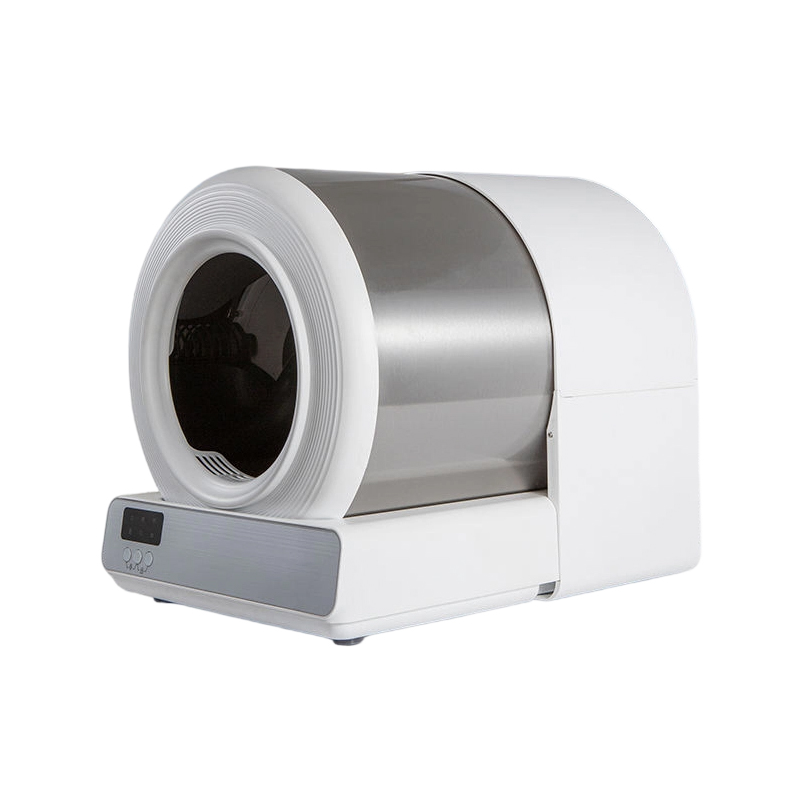
Cat Litter Tray For Multiple Cats Automatic Cat Litter Tray
Cat Litter Tray for Multiple Cats Automatic Cat Litter Tray – Product Features The high-pressure washable, safety-focused design facilitates compr...
View More -
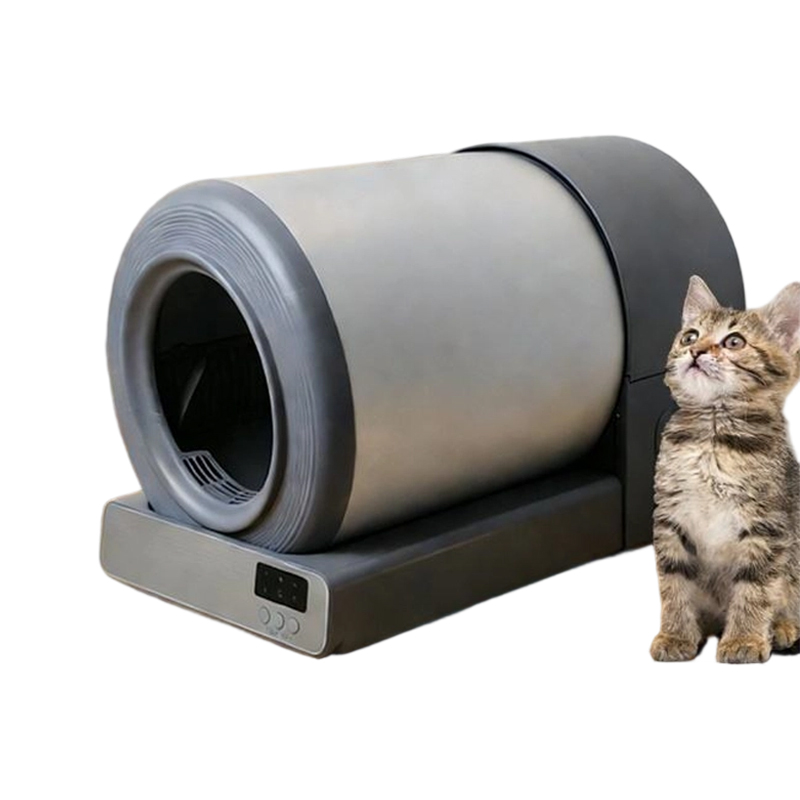
Self-Cleaning Stainless Steel Smart Cat Litter Tray
Self-Cleaning Stainless Steel Smart Cat Litter Tray – Product FeaturesThe preferred choice for non-profit organisations; compatible with open-top bi...
View More -
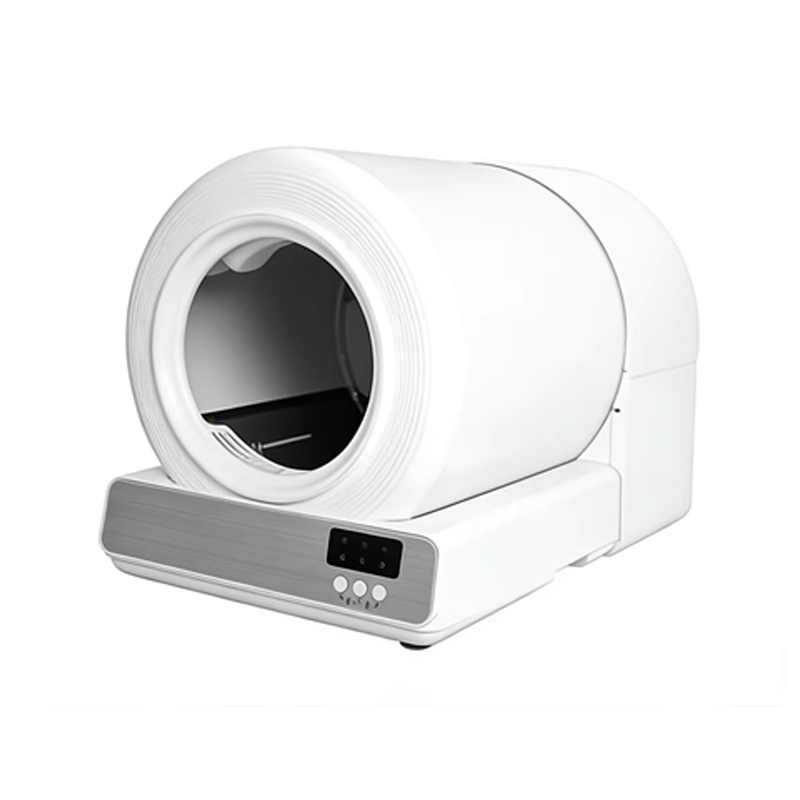
Second-Generation Fully Automatic Cat Litter Tray
Second-Generation Fully Automatic Cat Litter Tray – Product Features With a large 65-litre capacity, it easily accommodates a substantial amount of ...
View More -

Multi-Mode Easy To Operate Training Shock Collar
The Multi-mode, easy-to-operate training Shock Collar is designed to provide a practical solution for owners seeking a safe and effective way to train...
View More -
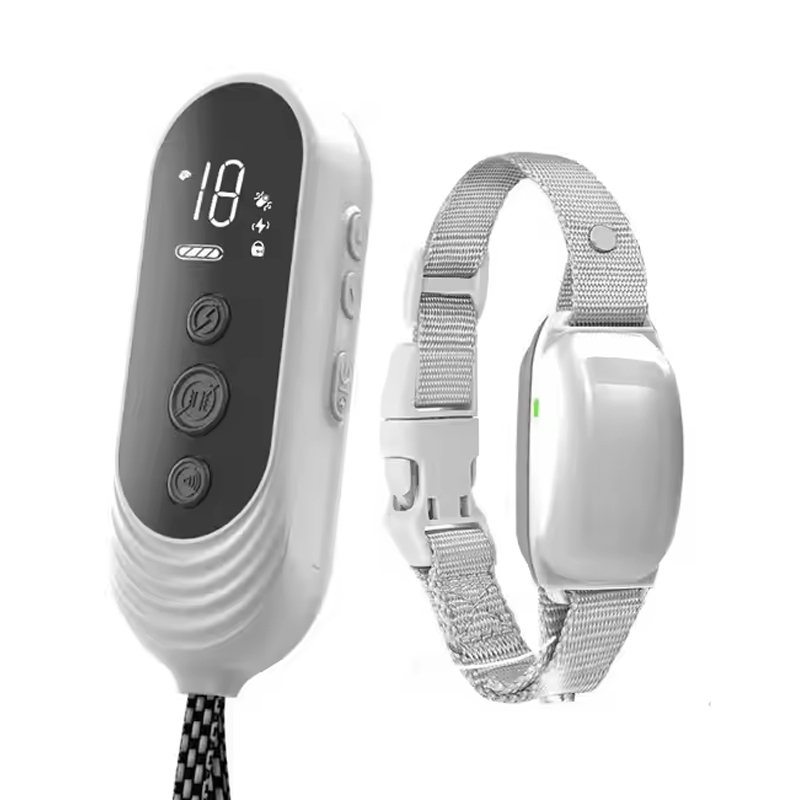
Waterproof Adjustable Polyester Training Shock Collar
The Waterproof Adjustable Polyester Training Shock Collar offers a reliable solution for pet owners seeking a versatile and durable collar to enhance ...
View More -

Display Remote Control Training Shock Collar
The Display Remote Control Training Shock Collar is designed to provide pet owners with a reliable and humane solution for training their dogs. Whethe...
View More -
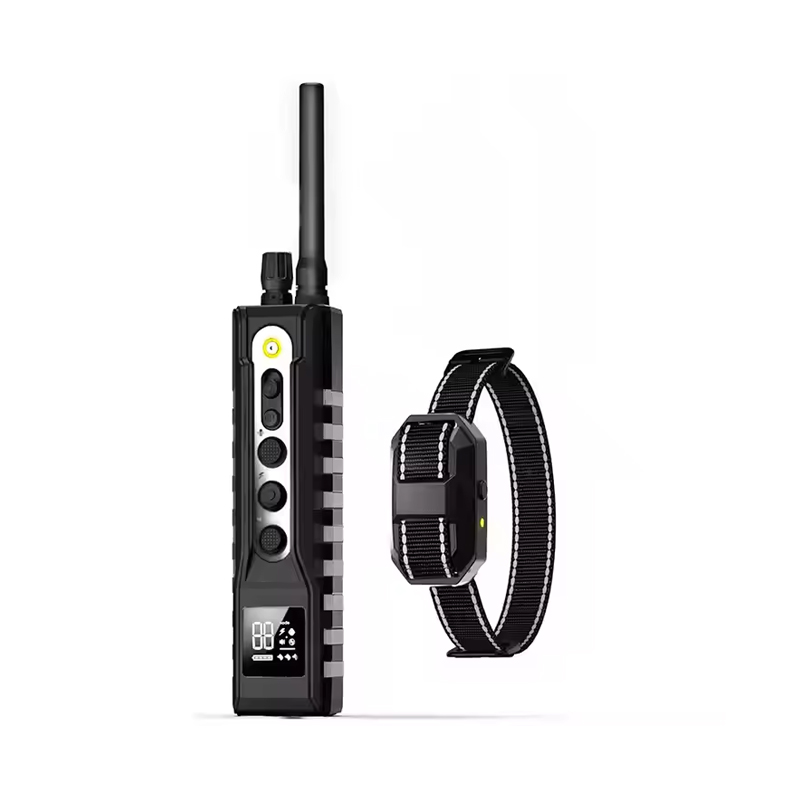
Multi-Function Long Distancetraining Shock Collar
The Multi-function Long Distance Training Shock Collar is a highly versatile tool designed to support your dog’s training across various environment...
View More -

Remote Control Waterproof Training Shock Collar
The Remote Control Waterproof Training Shock Collar is an advanced training tool designed to help pet owners effectively manage their dogs’ behavior...
View More
Pet Products
If you have any questions, please
get in touch with us.
+86-13486854214
E-mail: [email protected]
Address: No. 258, Qingchuan Road, Huzhen Town, Jinyun County, Lishui City, Zhejiang Province
Copyright © Zhejiang Beijing Technology Co., Ltd.

OEM/ODM Smart Pet Care Factory