
 EN
EN  English
 Español
 Français
 Deutsch
 Nederlands

- Type:
- Industry News
- Date:
- 2026-03-03

Industry News
What Features Should You Look for in a Pet Dryer
When it comes to grooming your pet, choosing the right dryer is key to ensuring both comfort and efficiency. A good pet dryer can significantly reduce drying time, minimize stress, and promote better overall grooming results. We'll explore the key features to consider when selecting a dryer that suits both your pet's needs and your grooming routine.
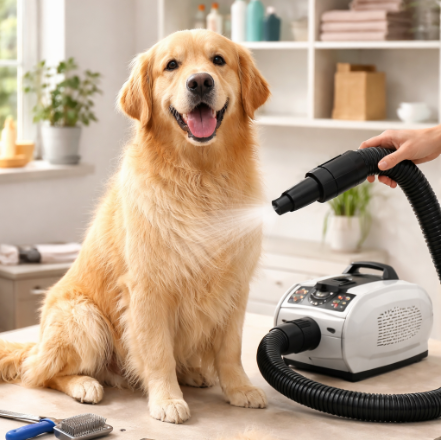
How Important Is Drying Speed?
Drying speed ranks among the top priorities when selecting a dryer. A quicker-drying tool shortens the overall grooming session, which proves especially helpful for pets that feel uneasy, stressed, or simply impatient during the process.
That said, raw speed alone doesn't tell the full story—true effectiveness comes from how well the dryer removes moisture without unnecessary hassle or strain.
Here are the main aspects to weigh when evaluating drying speed:
- Variable speed controls — Opt for models with multiple (or adjustable) airflow settings. This lets you dial in the right intensity for your pet's temperament and coat type, starting gentler on sensitive areas or anxious animals and ramping up where needed for faster results.
- Strong, high-performance motor — A robust motor delivers the power required to cut drying time significantly, particularly on breeds with dense undercoats, long fur, or heavy water retention. It pushes air forcefully to strip away moisture rather than just warming it slowly.
Beyond convenience, faster drying helps keep your pet from getting chilled while still damp, lowering the chance of discomfort or minor health issues from prolonged wetness. At the same time, prioritize gentleness: even at higher speeds, the airflow should remain manageable so it doesn't overwhelm or frighten your pet, keeping the experience as low-stress as possible.
How Does Noise Level Affect Your Pet?
Noise level is a huge factor in your pet's comfort during drying—loud sounds can turn an otherwise tolerable grooming routine into a source of real distress. Pets with anxious temperaments, noise phobias, or simply sensitive hearing often react strongly to the intense whine or roar of many dryers, leading to visible stress like shaking, panting, trying to flee, whining, or even freezing in fear.
High-volume dryers (especially traditional high-velocity blasters that push air at extreme force) commonly reach 95–108 decibels or more at close range, which feels overwhelming and scary to most animals. In contrast, quieter models aim for much lower levels—often in the 60–80 dB range or below—more akin to normal conversation or household background noise, making the process far less intimidating.
Key points to keep in mind about noise and your pet:
- Lower decibel output matters most — Choose dryers marketed as low-noise or quiet-operation designs. These help your pet stay calmer, breathe more steadily, and cooperate better throughout the session. Reduced anxiety also means less risk of accidental nips, sudden movements, or long-term aversion to grooming.
- Vibration-minimizing features help too — Look for dryers with built-in dampening elements that cut down on the mechanical hum, buzz, or rumble that travels through the stand, table, or floor. Less vibration equals a smoother, less jarring overall sensation for your pet.
How to gauge and handle noise in practice:
- Listen in real life whenever possible — Turn the dryer on at a store, borrow one, or watch a demo to hear the actual sound profile. What might seem acceptable to you could still register as startling to a dog or cat—trust your ears and imagine it amplified through more sensitive animal hearing.
- Seek out pet-oriented quiet engineering — Plenty of current dryers are intentionally built with noise reduction in mind: insulated housings, brushless motors, variable speed controls that let you start soft and low, or even specialized "silent" lines. These prioritize sensitive pets without sacrificing too much drying power.
Opting for a dryer that keeps noise in check creates a gentler, more positive grooming experience overall. Your pet feels safer and more secure, stress stays low, and you're both more likely to handle future sessions with ease rather than dread.
Should You Choose a Dryer with Multiple Heat Settings?
Choosing a dryer with multiple heat settings (or adjustable temperature controls) is highly recommended—it's one of the most practical ways to keep drying safe, effective, and comfortable for your pet.
Heat isn't a "more is better" feature. Excessive warmth can quickly irritate sensitive skin, dry it out, create hot spots, or even lead to mild burns in extreme cases. On the other hand, insufficient heat makes the process inefficient, leaving your pet wet and chilled for too long, which can be uncomfortable and raise the risk of skin or coat problems from lingering dampness.
Multiple heat options let you fine-tune the temperature to match your pet's specific coat, skin type, age, and tolerance—making the whole experience kinder and more efficient.
Main advantages of having variable heat:
- Tailored temperature control — For thick, dense, or long-coated breeds that hold a lot of water (think Collies, Shepherds, or any heavy double-coated dog), a warmer setting helps move moisture out faster and reach deeper layers without endless blowing. For pets with short, fine, thin, or sensitive coats—or those prone to skin issues, like many seniors, puppies, or certain breeds—a low, medium, or cool/no-heat setting prevents irritation and keeps things gentle.
- Built-in protection against overheating — Adjustable settings mean you can avoid constant high heat that builds up too quickly and makes your pet pant heavily or become restless. Many good dryers offer a range from cool air all the way up to warm (with clear low/medium/high labels or even precise controls), so you stay in the safe, comfortable zone while still getting the job done.
Best practices to always follow:
- Begin on the lowest/coolest setting every time, regardless of past sessions or coat type. Observe your pet closely—look for relaxed body language, normal breathing, no pulling away, no excessive panting, or signs of discomfort. Only step up the heat gradually if the coat stays stubbornly wet and your pet remains calm.
- Test the airflow on your own hand or forearm first at each level. If it feels uncomfortably hot to you after a few seconds, it's definitely too warm for most pets, whose skin is more delicate.
A dryer with smart, easy-to-use heat adjustments turns drying into a thoughtful, pet-centered step rather than a rushed or risky one. Your pet stays happier and more relaxed, the coat dries thoroughly and evenly, and you avoid unnecessary stress or skin concerns—making grooming feel like a positive routine instead of something to dread.
Is Size and Portability a Factor to Consider?
Size and portability absolutely factor into choosing the right dryer, especially depending on your grooming setup, living space, how frequently you dry your pet, and whether you ever need to take the dryer on the go (like for shows, travel, or grooming at someone else's home).
Bigger, heavier dryers—often the high-powered, professional-grade models—tend to deliver stronger airflow and faster drying times, which is great for thick-coated or large breeds. However, they can be bulky, awkward to maneuver, and a pain to store in tight spaces like apartments, small grooming areas, or homes without dedicated storage.
Smaller, more portable options sacrifice a bit of raw power but win big on convenience, ease of use, and pet comfort—particularly if you're handling a nervous or wiggly animal that needs you to stay close and responsive.
Here are the main things to weigh when thinking about size and portability:
- Lightweight models — These are perfect if space is limited, you groom in different rooms, or you want something easy to lift and carry. Handheld or compact dryers (often under 5–10 lbs) feel much less intimidating for both you and a fidgety pet, and they're ideal for occasional use or travel without feeling like you're hauling equipment.
- Compact designs — Smaller footprints make storage simpler—tuck them in a closet, under a sink, or on a shelf without dominating the room. They're also easier to handle one-handed while you steady your pet with the other, which helps keep anxious animals calmer since you can adjust position quickly and stay right there with them.
- Foldable, collapsible, or retractable features — Many dryers now include flexible hoses that coil up neatly, detachable nozzles, or fold-down handles/stands. These details cut down on clutter and make packing or stowing the dryer quick and frustration-free, especially in homes where space is at a premium.
How Does the Dryer Handle Different Coat Types?
Pets have various coat types, from short to long, thick to thin. The ideal dryer for your furry friend will depend on their coat's characteristics. A dryer with adjustable airflow and specific attachments for different fur types will make the grooming process much more efficient.
Coat type considerations:
| Coat Type | Recommended Features |
|---|---|
| Short Fur | Lower airflow, gentler heat |
| Long Fur | Higher airflow, specialized nozzles |
| Thick/Fine Fur | Multiple attachments, adjustable airflow |
| Curly/Fuzzy Fur | Dryer with comb or brush attachments for detangling |
What to look for:
- Specialized nozzles or brushes: Some dryers offer comb attachments to help detangle and remove mats while drying, making them ideal for long-haired breeds.
- Variable airflow pressure: Choose a dryer with adjustable air pressure to suit your pet's coat type. This ensures that thicker coats get a higher airflow for quicker drying, while finer coats get a gentler breeze.
Is the Dryer Easy to Clean and Maintain?
Ease of cleaning and maintenance is a practical and often overlooked factor that directly affects how long your dryer lasts and how reliably it performs over time. Pet hair, dander, dust, and fine debris get pulled into the dryer with every use—especially when grooming long-haired or heavy-shedding breeds. If these build up in vents, motors, filters, or hoses, airflow weakens, the unit works harder, overheats more easily, and eventually loses power or fails prematurely.
A dryer designed with straightforward cleaning in mind saves you time, reduces frustration, and keeps performance consistent session after session. You're far more likely to actually maintain a unit that doesn't require tools, disassembly, or complicated steps.
Here are the most useful features to prioritize for easy upkeep:
- Removable and cleanable filters — The best models have one or more accessible filters (often foam, mesh, or HEPA-style) located at the air intake or exhaust. These trap loose hair and dust before it reaches the motor. Being able to pop them out, rinse them under water, shake them off, or brush them clean—and snap them back in—keeps airflow strong and prevents strain on the dryer. Some even come with spare filters included, so you can swap one while the other dries.
- Washable hoses and components — Flexible hoses, air inlets, and certain outer parts that get exposed to pet hair and moisture benefit hugely from being fully washable. Look for hoses made of smooth, non-porous material that you can wipe down or rinse without worrying about water damage to the dryer body. This is especially helpful after grooming messy or wet-coated pets, as it stops residue from hardening inside the hose and restricting airflow.
- Detachable nozzles, diffusers, and attachments — Most professional and home-use dryers include interchangeable nozzles (concentrators, wide mouths, diffusers, or even brush heads). The ability to twist them off quickly after each session is key—hair tends to collect right at the nozzle opening or inside the barrel. Rinse or wipe them, let them air-dry, and you prevent clogs that force air through narrower paths and reduce drying efficiency. Quick-release designs make this habit painless rather than a chore.
Additional maintenance-friendly details worth noting:
- Smooth, seamless interiors and rounded edges inside the housing reduce places where hair can hide and mat up.
- Clear access panels or tool-free covers let you reach the motor area or fan blades for occasional deeper cleaning without voiding warranties.
- Simple exterior surfaces (no deep grooves or textured plastic that traps fur) wipe clean in seconds with a damp cloth.
What Safety Features Should Be Included?
Safety features should be non-negotiable when picking a dryer—your pet's well-being and your home's security depend on them. A subpar or cheaply made dryer can overheat, short out, tip over, or create other hazards that turn a simple grooming task into a risky one. Prioritizing built-in protections gives you peace of mind, especially with wiggly, anxious, or curious pets around.
Focus on these core safety elements that reputable pet dryers include to minimize risks:
- Overheat protection (thermal cutoff or shutdown) — This is essential. The dryer should have an automatic sensor that detects excessive internal heat (from prolonged use, blocked filters, or motor strain) and shuts the unit off completely before it reaches dangerous temperatures. This prevents burns to your pet's skin, melted components, or fire risks—many good models will restart only after cooling down, often with a reset button or automatic recovery.
- Cool-down or cool-shot mode — Look for a dedicated cool air setting or an automatic cool-down phase at the end of a warm cycle. After the bulk of moisture is gone, switching to (or auto-engaging) cool air helps finish drying without adding extra heat, reduces the chance of your pet overheating, and prevents skin irritation from sustained warmth. It's gentler on sensitive coats and lets you safely dry longer without worry.
- Auto shut-off timer or idle timeout — Some dryers include a built-in timer that powers down the unit after a set period of inactivity (e.g., if you step away or forget to switch it off). This is a huge plus for preventing accidental overheating if the dryer is left running unattended, saving energy and reducing fire hazards.
Additional practical safety touches that make a big difference:
- Stable, non-slip base or stand — Especially important for stand-mounted or canister-style dryers—rubber feet, weighted bottoms, or anti-tip designs keep the unit firmly planted even when the hose pulls or your pet moves suddenly. This cuts down on tipping accidents that could injure your pet, damage the dryer, or knock over nearby items.
- Durable, pet-safe power cord — Choose a dryer with a thick, reinforced, chew-resistant cord (often braided, heavy-duty PVC, or with protective sleeving). Pets sometimes nip at dangling cords during grooming— a sturdy one withstands curious teeth better and lowers the risk of electrical shorts or shocks. Some models also have cord wraps or clips for neat storage to keep it out of reach when not in use.
Does the Dryer Offer Adjustable Airflow?
Adjustable airflow (often called variable speed or multiple speed settings) is a highly valuable feature in a dryer—it puts you in full command of the drying experience, letting you adapt instantly to your pet's personality, coat type, and how they're reacting in the moment.
Not every pet handles strong blasts of air the same way. A laid-back, confident dog might stand calmly for full power, while a nervous, young, small, or short-coated pet could get startled, overwhelmed, or even knocked off balance by too much force. Adjustable airflow lets you start soft and build up only as needed, turning drying into a customizable, low-stress process rather than a one-intensity-fits-all ordeal.
Why this adjustability really counts:
- Precise control over drying speed and intensity — Lower airflow settings deliver a gentle, steady breeze that's perfect for sensitive pets, puppies, cats, seniors, or those with thin/fine coats—preventing fear responses, reducing flying fur, and keeping them relaxed so you can work methodically. Higher settings unleash stronger, faster-moving air for thick, dense, or long-coated breeds (like double-coated dogs or heavy shedders) that need serious force to strip water from underlayers quickly and efficiently.
- Tailored comfort and better cooperation — Every pet has their own tolerance level. Variable speeds mean you can dial it down on sensitive areas (face, ears, paws, belly) to avoid discomfort or flinching, then crank it up on the body or back for quicker results. This flexibility helps build positive associations with grooming—your pet stays calmer, pants less, moves less, and is less likely to develop long-term aversion to the dryer.
Choosing the right pet dryer is a balancing act. You want a model that not only works efficiently but is also safe, easy to use, and suitable for your pet's coat and temperament. By considering the features discussed here—drying speed, noise level, heat settings, portability, airflow control, ease of maintenance, safety features, and adaptability to different coat types—you can ensure that your pet's grooming routine is as smooth and stress-free as possible.
Related Products
-
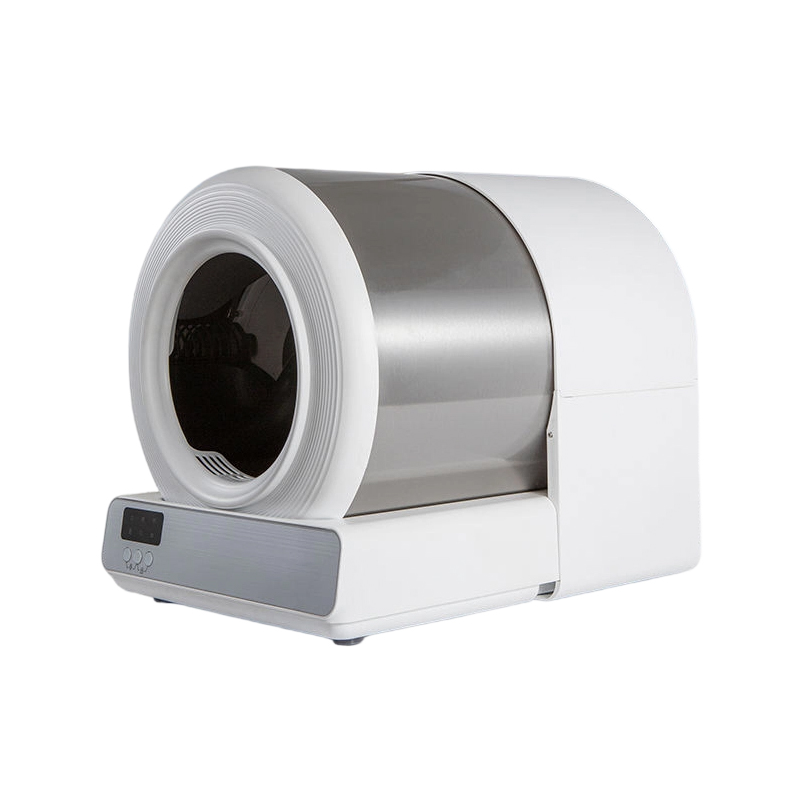
Cat Litter Tray For Multiple Cats Automatic Cat Litter Tray
Cat Litter Tray for Multiple Cats Automatic Cat Litter Tray – Product Features The high-pressure washable, safety-focused design facilitates compr...
View More -
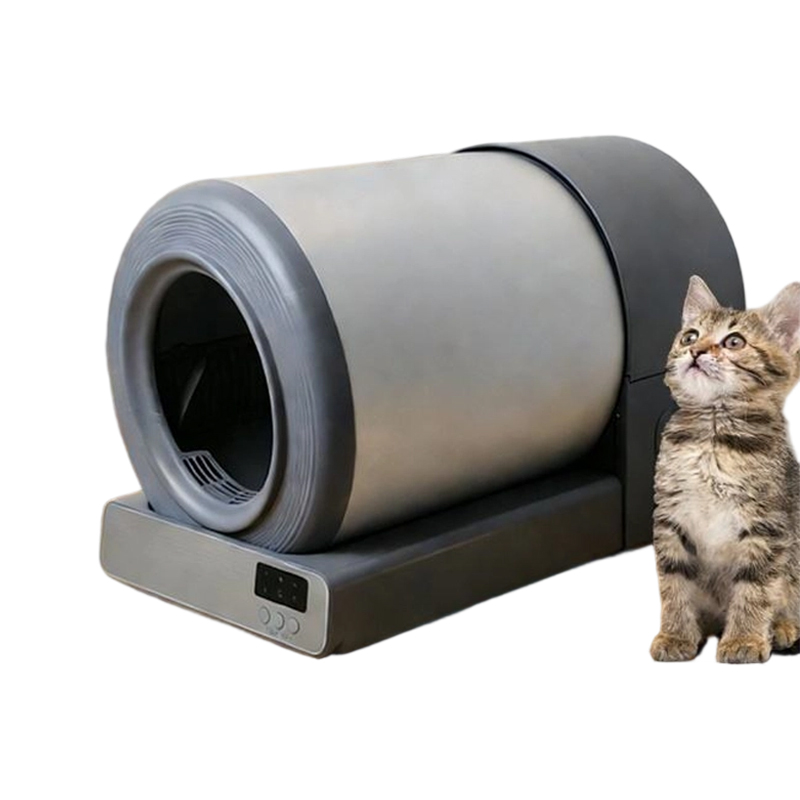
Self-Cleaning Stainless Steel Smart Cat Litter Tray
Self-Cleaning Stainless Steel Smart Cat Litter Tray – Product FeaturesThe preferred choice for non-profit organisations; compatible with open-top bi...
View More -
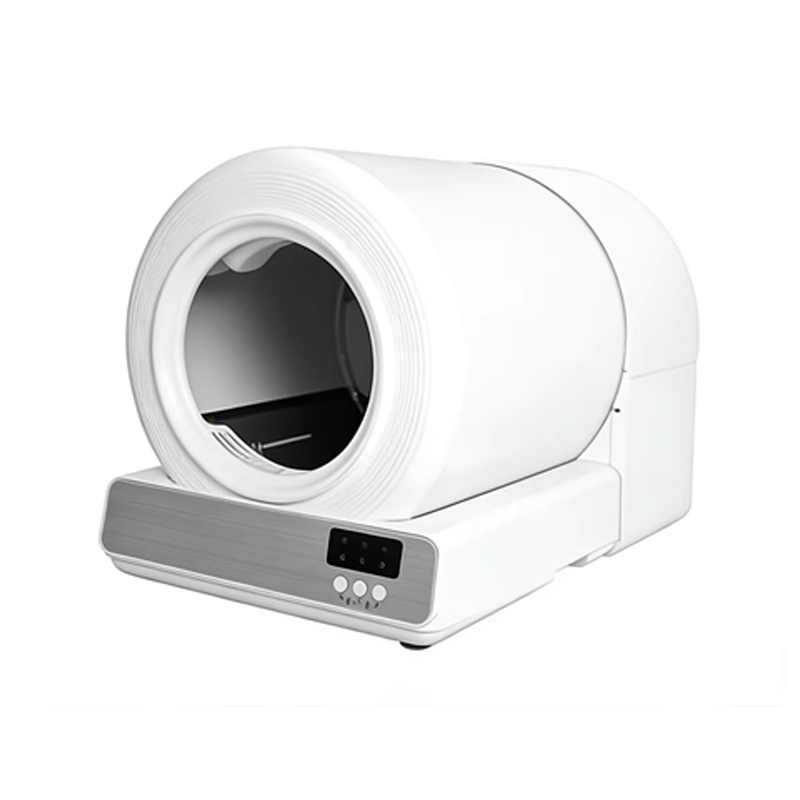
Second-Generation Fully Automatic Cat Litter Tray
Second-Generation Fully Automatic Cat Litter Tray – Product Features With a large 65-litre capacity, it easily accommodates a substantial amount of ...
View More -
Multi-Mode Easy To Operate Training Shock Collar
The Multi-mode, easy-to-operate training Shock Collar is designed to provide a practical solution for owners seeking a safe and effective way to train...
View More -
Waterproof Adjustable Polyester Training Shock Collar
The Waterproof Adjustable Polyester Training Shock Collar offers a reliable solution for pet owners seeking a versatile and durable collar to enhance ...
View More -
Display Remote Control Training Shock Collar
The Display Remote Control Training Shock Collar is designed to provide pet owners with a reliable and humane solution for training their dogs. Whethe...
View More -
Multi-Function Long Distancetraining Shock Collar
The Multi-function Long Distance Training Shock Collar is a highly versatile tool designed to support your dog’s training across various environment...
View More -
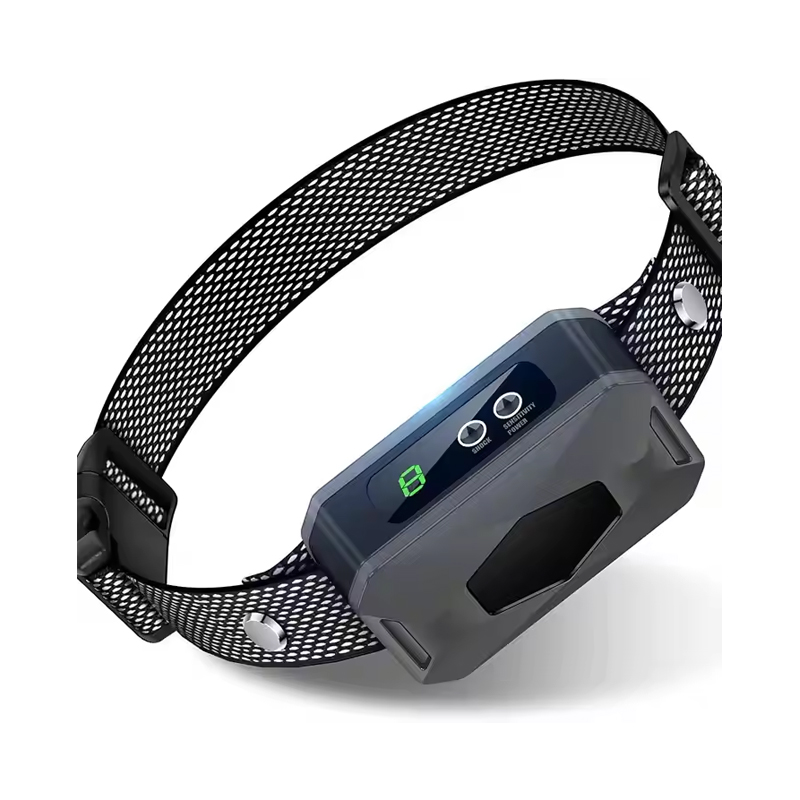
Remote Control Waterproof Training Shock Collar
The Remote Control Waterproof Training Shock Collar is an advanced training tool designed to help pet owners effectively manage their dogs’ behavior...
View More
Pet Products
If you have any questions, please
get in touch with us.
+86-13486854214
E-mail: [email protected]
Address: No. 258, Qingchuan Road, Huzhen Town, Jinyun County, Lishui City, Zhejiang Province
Copyright © Zhejiang Beijing Technology Co., Ltd.

OEM/ODM Smart Pet Care Factory